The Native North Carolina Flower That Looks Delicate But Handles Heat Better Than Expected
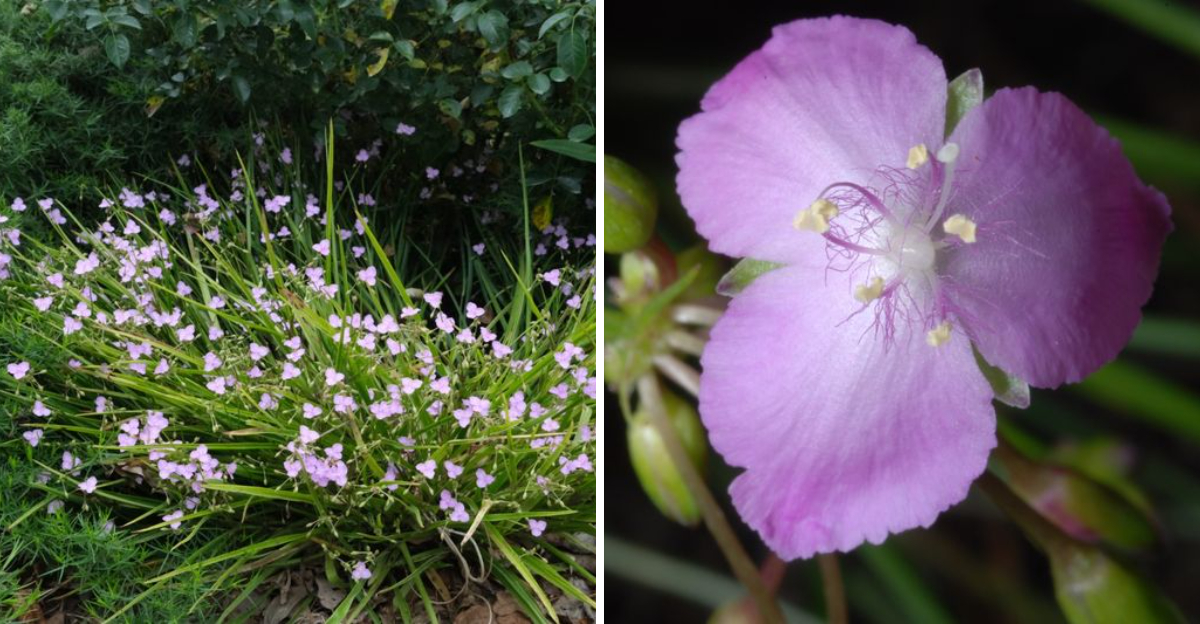
Not every tough plant looks the part, and Piedmont Roseling is basically the poster child for that idea.
Those small pink to lavender blooms and low, airy growth give it an almost fragile, wispy appearance that makes you want to protect it from a strong breeze, let alone a full North Carolina summer.
But here is the fun part: this native perennial is a lot tougher than it looks.
Tucked along a garden edge, nestled into a rock garden, or growing near partial shade, Piedmont Roseling has a quiet way of surprising gardeners who fully expected something this delicate-looking to struggle through the heat and humidity.
It settles into dry soil once established, welcomes pollinator visits, and fits naturally into the kind of lightly shaded borders that North Carolina landscapes have in abundance. Do not let the looks fool you.
1. Piedmont Roseling Looks Softer Than It Is
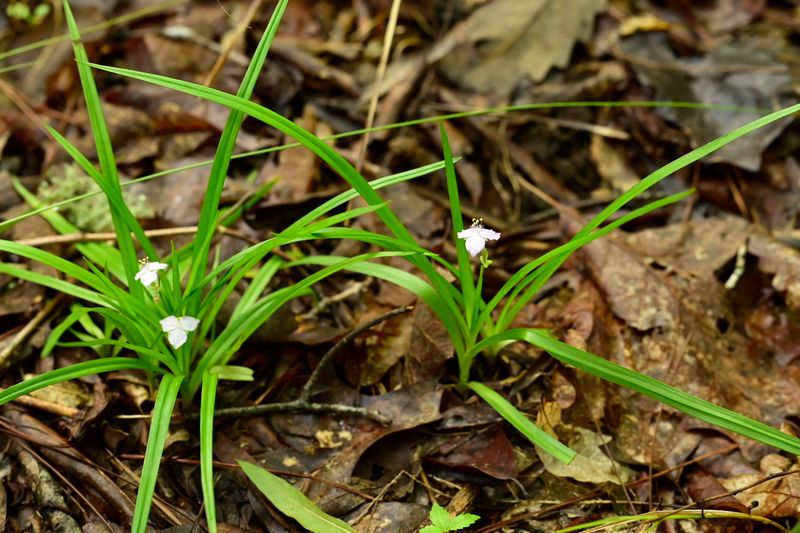
Walking past a patch of Piedmont Roseling for the first time, most people assume it needs constant attention and careful protection from the elements.
The slender stems, tissue-thin petals, and overall low profile give it a look that says fragile, but that impression does not hold up once the plant settles into the right spot.
Piedmont Roseling is a native perennial with more resilience than its appearance suggests.
Gardeners in North Carolina who grow native plants often discover this quality by accident. They plant Piedmont Roseling expecting to coddle it, and then find it quietly thriving along a shaded border or near a rock edge without much fuss.
The plant has adapted over time to the conditions found across parts of the Piedmont and Coastal Plain regions, which means it knows how to handle warm, humid summers without falling apart.
Its soft look is partly what makes it so appealing for residential gardens. Homeowners who want something that feels light and natural rather than bold and showy often find Piedmont Roseling fits that mood well.
It does not demand center stage but adds a gentle, layered quality to mixed native beds.
The leaves are narrow and grass-like, which adds to the wispy impression. However, those same narrow leaves help the plant manage moisture loss during warm spells.
For North Carolina gardeners who want a native plant that earns its place without drama, Piedmont Roseling offers quiet toughness dressed up in a soft package.
2. Small Pink Blooms Add Quiet Color
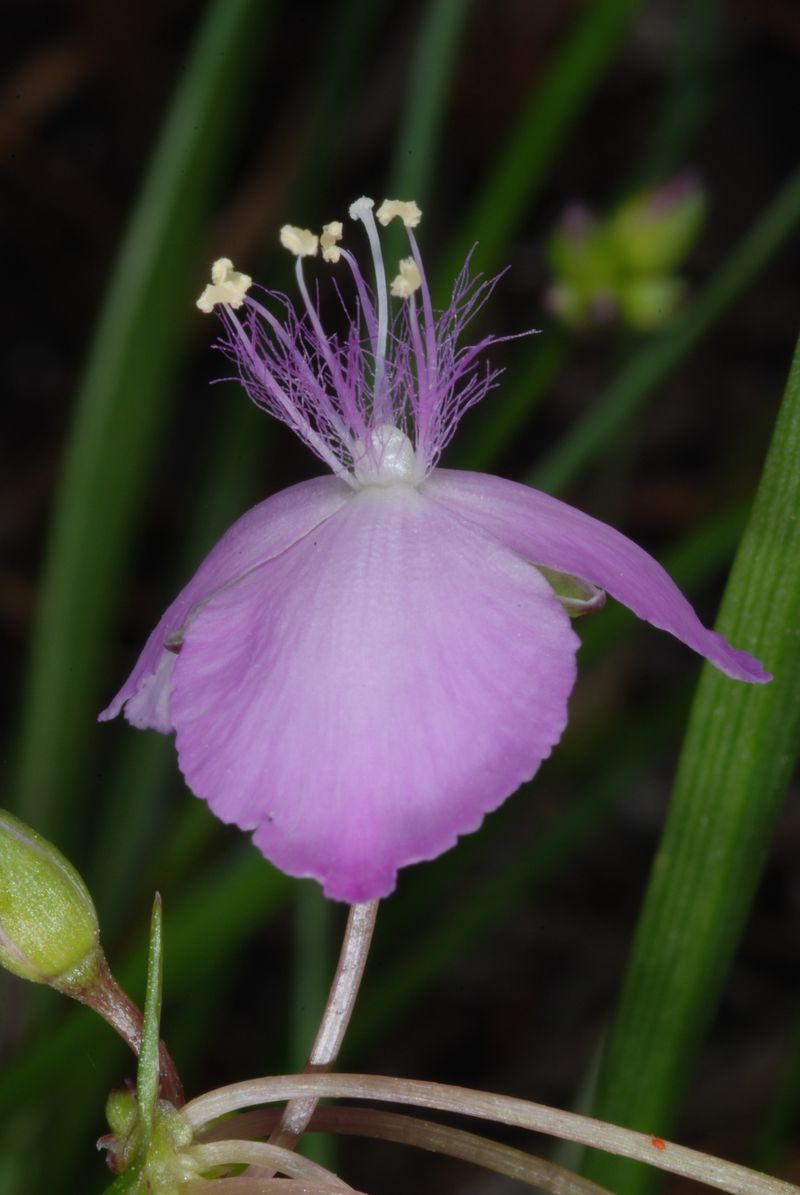
Not every garden needs a showstopper. Sometimes the most satisfying plants are the ones that add color quietly, blooming in soft tones that complement everything around them rather than competing for attention.
Piedmont Roseling fits that role well with its small pink to lavender flowers that appear on slender stems through late spring and into summer in North Carolina gardens.
The blooms are modest in size, but they catch the eye in a gentle way, especially when light filters through a nearby tree canopy and lands on the petals.
Each flower lasts only a short time, but the plant produces blooms over an extended period, which means the color keeps coming rather than arriving all at once and disappearing.
Your North Carolina Garden Changes Every Week. Your Plan Should Too.
Gardening in North Carolina changes quickly throughout the season. Every Friday you’ll receive a simple weekly plan showing exactly what to plant, prune, fertilize, harvest, and protect so you never miss the right timing.
That kind of steady, low-key flowering suits mixed native beds and lightly shaded borders nicely.
For North Carolina homeowners who want to avoid the bold, primary-color approach that some garden styles favor, Piedmont Roseling offers a softer palette.
The pink to lavender tones pair well with other native plants that share similar light conditions, creating a layered look that feels natural rather than planted.
Small blooms also tend to attract smaller pollinators, which is a welcome bonus in any native plant garden.
The flowers may not be large enough to command attention from across the yard, but up close they have a delicate charm that rewards anyone who takes a moment to look.
For a lightly shaded North Carolina garden edge, that quiet color can be exactly what the space needs.
3. Partial Shade Helps It Handle Heat
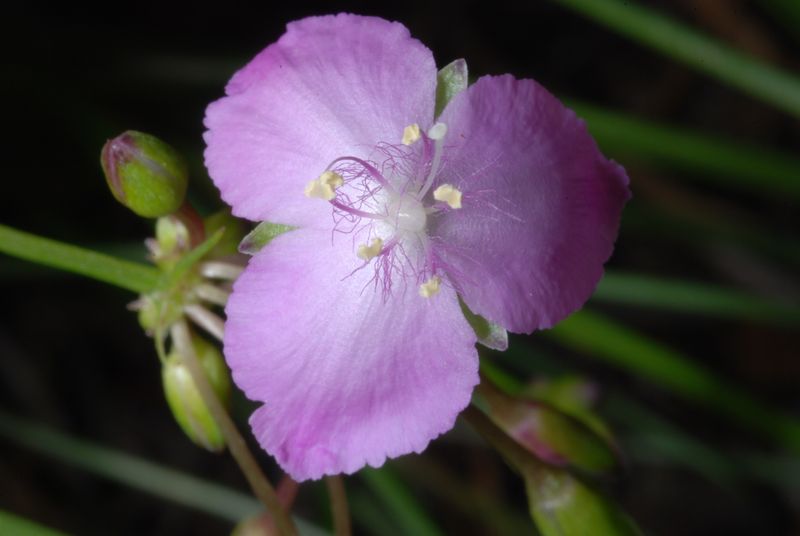
Lightly shaded garden edges are some of the most useful spaces in a North Carolina yard, and they are also some of the trickiest to plant well. Too much shade and flowering plants struggle to bloom.
Too much sun and delicate-looking natives can wilt before midsummer. Piedmont Roseling lands in a comfortable middle ground, preferring partial shade that softens the intensity of summer heat without cutting off light entirely.
Partial shade works in Piedmont Roseling’s favor in more than one way. The filtered light reduces the temperature stress that full sun can create during North Carolina’s warmest months.
At the same time, it allows enough brightness for the plant to produce its small pink to lavender flowers through the season.
Gardeners who place it under a high tree canopy or along a fence line that receives morning sun and afternoon shade often see it perform well without extra watering or intervention.
It is worth understanding that Piedmont Roseling is not a blazing full-sun plant. Placing it in an open, exposed bed with no shade relief can stress the plant, especially during long dry stretches.
Matching it with a site that offers some overhead or lateral shade gives it the best chance to show off its heat tolerance in a sustainable way.
For North Carolina homeowners with mature trees or shaded walkway edges, this plant can fill in a gap that many other flowering natives find difficult.
Its preference for partial shade is not a weakness but a quality that makes it well suited to the kinds of spaces that are common in residential landscapes across the state.
4. Dry Soil Tolerance Helps Once Established
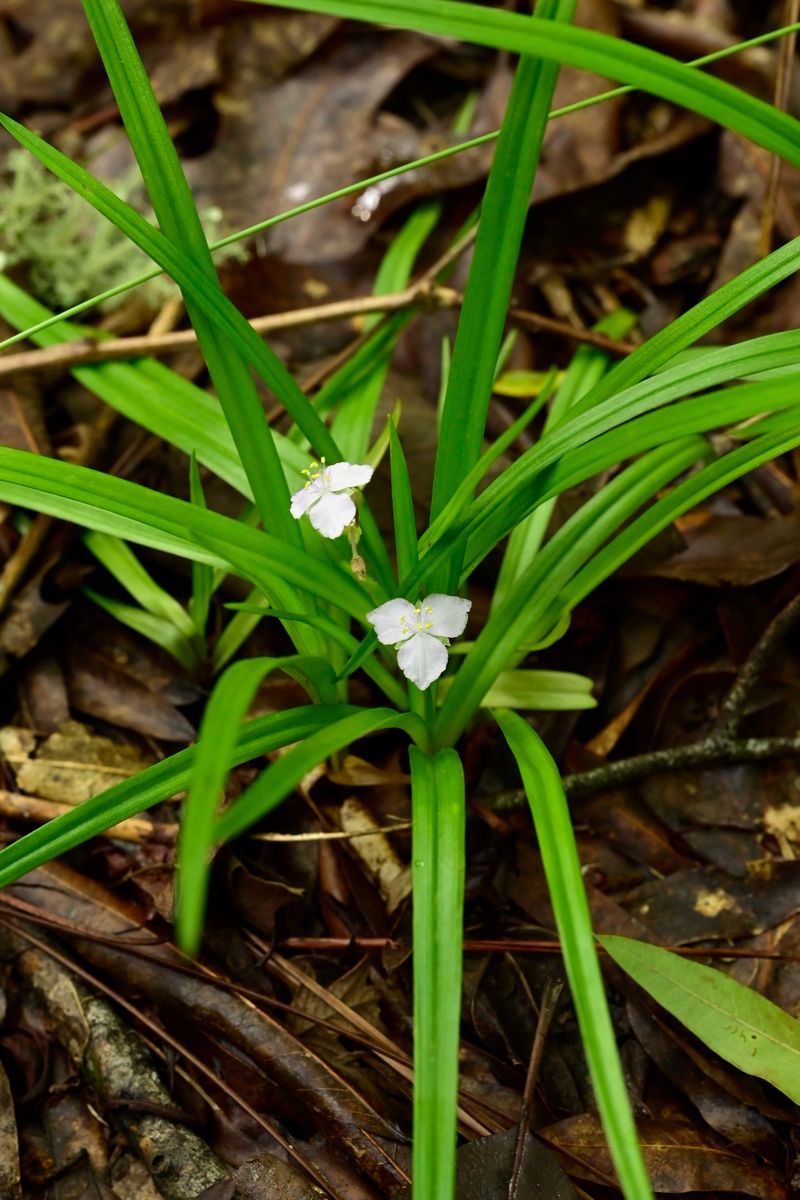
Sandy, well-drained soils show up in many parts of North Carolina, especially across the Coastal Plain and portions of the Piedmont. These soils can dry out quickly between rain events, and many ornamental plants struggle to keep up without regular irrigation.
Piedmont Roseling, however, is adapted to these leaner conditions in a way that makes it a practical choice for gardeners who do not want to water constantly through the summer.
Once established, Piedmont Roseling develops a root system that helps it access moisture stored deeper in the soil during dry spells. The establishment period is important to understand.
During the first growing season, the plant benefits from consistent moisture to help it settle in.
After that, it can handle dry stretches with much less intervention, which suits North Carolina summers that often shift between wet periods and extended dry spells.
Gardeners who have tried to grow moisture-loving plants in sandy or rocky spots know how discouraging it can be to watch plants wilt repeatedly. Piedmont Roseling sidesteps that frustration by being naturally suited to drier conditions.
It does not need rich, amended soil to perform reasonably well. In fact, overly rich soil can sometimes encourage too much leafy growth at the expense of flowering.
For slopes, rock garden pockets, or dry garden edges in North Carolina, this native perennial brings reliable low-maintenance performance after that first season.
Its drought tolerance once established is one of the qualities that makes it stand out among small-flowered native plants that might otherwise look too fragile for challenging soil conditions.
5. Rock Gardens Suit Its Low Growth
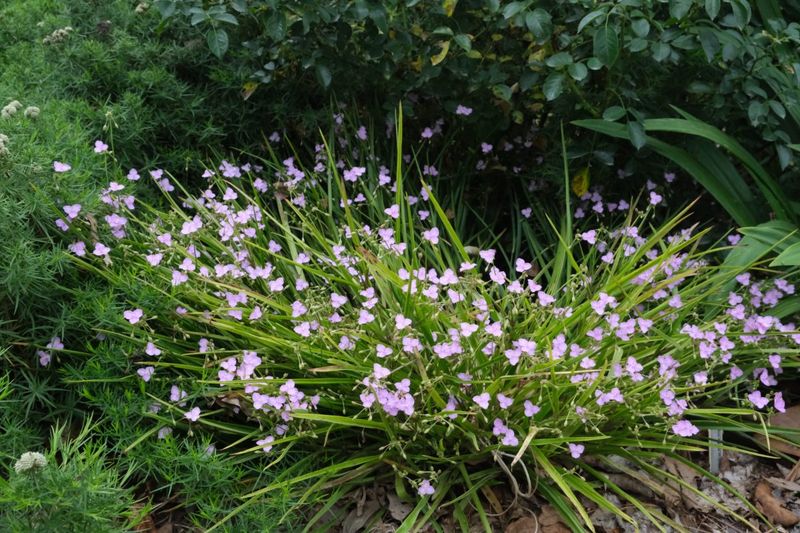
Rock gardens have a way of showcasing plants that might get lost in a larger mixed bed. The stones frame smaller plants naturally, and the well-drained conditions that rock gardens provide suit a range of low-growing natives.
Piedmont Roseling fits into this setting with ease, thanks to its compact size, narrow foliage, and preference for the kind of lean, well-drained soil that tends to collect in rock garden pockets.
The plant’s low growth habit keeps it from overwhelming neighboring plants in a rock garden arrangement. It fills in spaces between stones without spreading aggressively, which makes it easier to manage in a small-space planting.
North Carolina gardeners who work with rocky slopes, raised stone beds, or pathway edges often find that Piedmont Roseling tucks into those spots in a way that looks intentional and natural at the same time.
Rock gardens also tend to warm up quickly in spring, which can encourage earlier blooming. The stones absorb heat during the day and release it slowly, creating a slightly warmer microclimate near the soil surface.
For Piedmont Roseling, that warmth can help it get going earlier in the season while the filtered shade from nearby plants or structures keeps midday temperatures from becoming too intense.
Pairing Piedmont Roseling with other low-growing North Carolina natives in a rock garden setting creates a layered look that rewards close-up viewing.
The small pink to lavender blooms stand out against stone backgrounds in a quiet, understated way that suits the aesthetic many native plant gardeners are drawn to when designing residential landscapes.
6. Pollinators Visit The Delicate Flowers
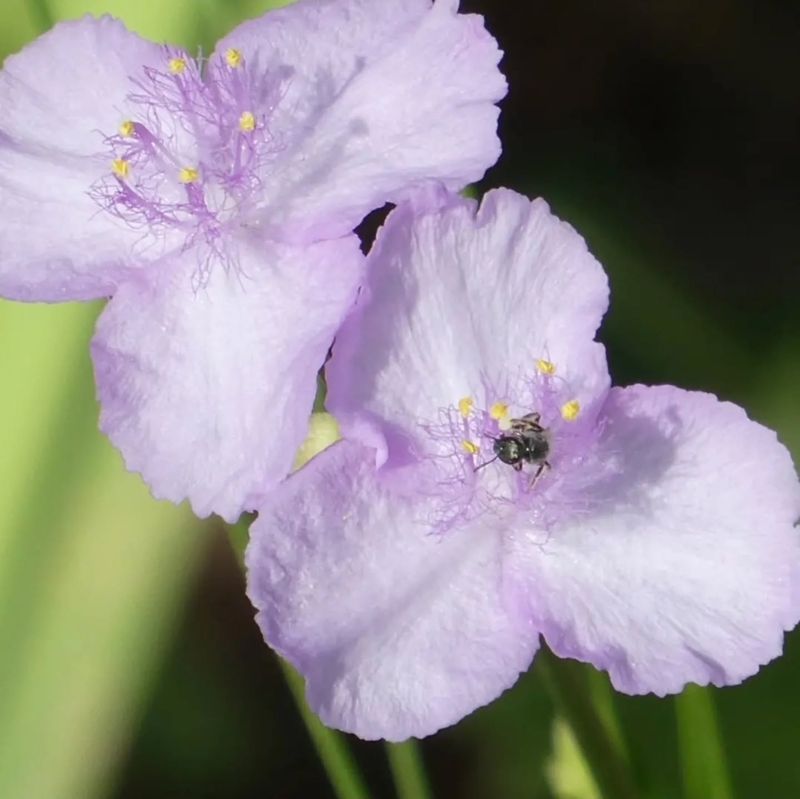
Watching pollinators move through a native plant bed is one of the quiet rewards of gardening with plants that belong to a region.
Piedmont Roseling, despite its modest bloom size, draws in small native bees and other pollinators that are well matched to its flower structure.
The blooms may not be large enough to attract every visitor, but for smaller pollinators that work native plant gardens across North Carolina, they offer a worthwhile stop.
Native bees tend to have strong preferences for native plants, and Piedmont Roseling’s status as a regional native makes it a familiar and accessible resource. Smaller bee species, in particular, can navigate the small flower structure efficiently.
Gardeners who pay attention to their beds during bloom time may notice regular visits from bees working the flowers systematically before moving on to neighboring plants.
Adding pollinator-friendly natives to a residential landscape does not require a large garden or a complicated design.
Even a small patch of Piedmont Roseling along a walkway edge or in a rock garden pocket can contribute to the local pollinator community in a meaningful way.
North Carolina has a rich diversity of native bee species, and supporting them through thoughtful plant selection is something any homeowner with a small bed can participate in.
The flowers are open enough to allow access without requiring specialized foraging behavior, which means a range of small visitors can benefit from the blooms.
For North Carolina gardeners who want to build a pollinator-friendly native bed that includes soft, low-growing plants, Piedmont Roseling brings both visual appeal and ecological value to the space.
7. North Carolina Humidity Does Not Scare It
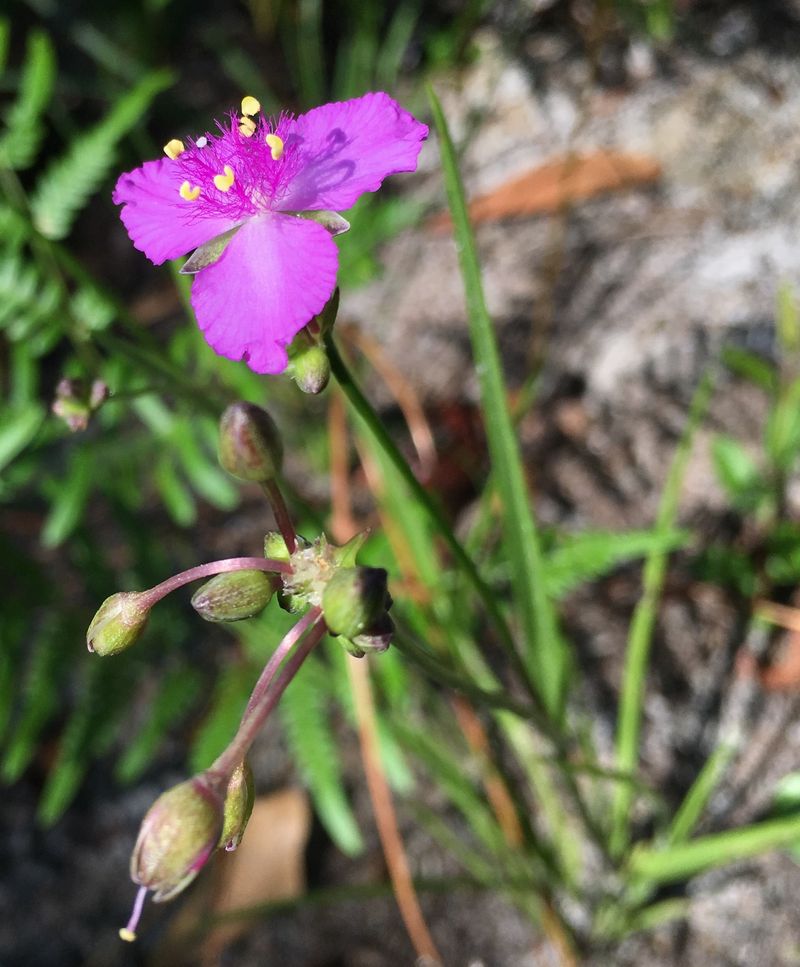
Humidity is a constant companion in North Carolina summers, and it is one of the factors that separates plants that merely survive from those that genuinely thrive in the regional climate.
Many ornamental plants that look beautiful in catalog photos struggle when the air turns thick and warm through July and August.
Piedmont Roseling, as a native plant adapted to the Piedmont and Coastal Plain, has a built-in familiarity with those humid conditions that imported ornamentals simply do not have.
The plant’s adaptation to North Carolina’s climate means it does not respond to summer humidity with the kind of stress that shows up as yellowing leaves, wilting, or reduced flowering.
When sited correctly in partial shade with reasonably drained soil, it continues to put out blooms and maintain its low, tidy growth through the warmest and most humid parts of the season.
That consistency is something gardeners come to appreciate after trying plants that look strong in spring but fade by midsummer.
Humidity combined with poor air circulation can create fungal issues for some plants, and it is reasonable to give Piedmont Roseling enough space around it to allow airflow.
Crowding it too tightly against other dense plants may reduce the air movement around the foliage.
Thoughtful spacing in a native plant bed helps the plant stay healthy through long humid stretches.
For North Carolina homeowners who have struggled to find a small, soft-looking native that holds up through the full growing season, Piedmont Roseling offers a reliable option.
Its comfort with regional humidity is one of the clearest examples of why native plants so often outperform non-native choices in local garden conditions.