This Is The Hidden Root Advantage That Makes Florida Native Plants So Tough
Something powerful is happening underground in Florida landscapes, and many gardeners never even think about it.
While other plants struggle through scorching summers and bone-dry springs, Florida native plants keep growing with a kind of stubborn calm that seems almost unfair.
You water your hibiscus daily and watch it droop anyway. Meanwhile, the firebush three feet away has not been touched by a hose in weeks and looks completely unbothered.
The difference is not luck, and it is not magic.
It is all about what is happening below the soil surface, where native roots have spent thousands of years building a survival system that shallow-rooted plants simply cannot match.
That system involves moisture stored deep underground, partnerships with soil fungi that many gardeners have never heard of, and root architecture shaped by exactly the sandy, drought-prone conditions Florida throws at every yard in the state.
Understanding this hidden root advantage can completely change the way you think about your landscape, your water bill, and which plants actually deserve a permanent spot in your garden.
Deep Roots Reach Stored Moisture
The top few inches of Florida soil on a hot afternoon in July tell one story. Bone dry, cracked in places, almost too hot to touch.
But go deeper, and the story changes completely. Several feet below the surface, moisture still lingers from the last good rain, tucked away where the relentless sun cannot reach it and evaporation cannot pull it back out.
Florida native plants have evolved over thousands of years to send their roots chasing that stored moisture rather than competing for whatever sits near the surface.
Many natives develop root systems that reach two, three, or even more feet into the ground.
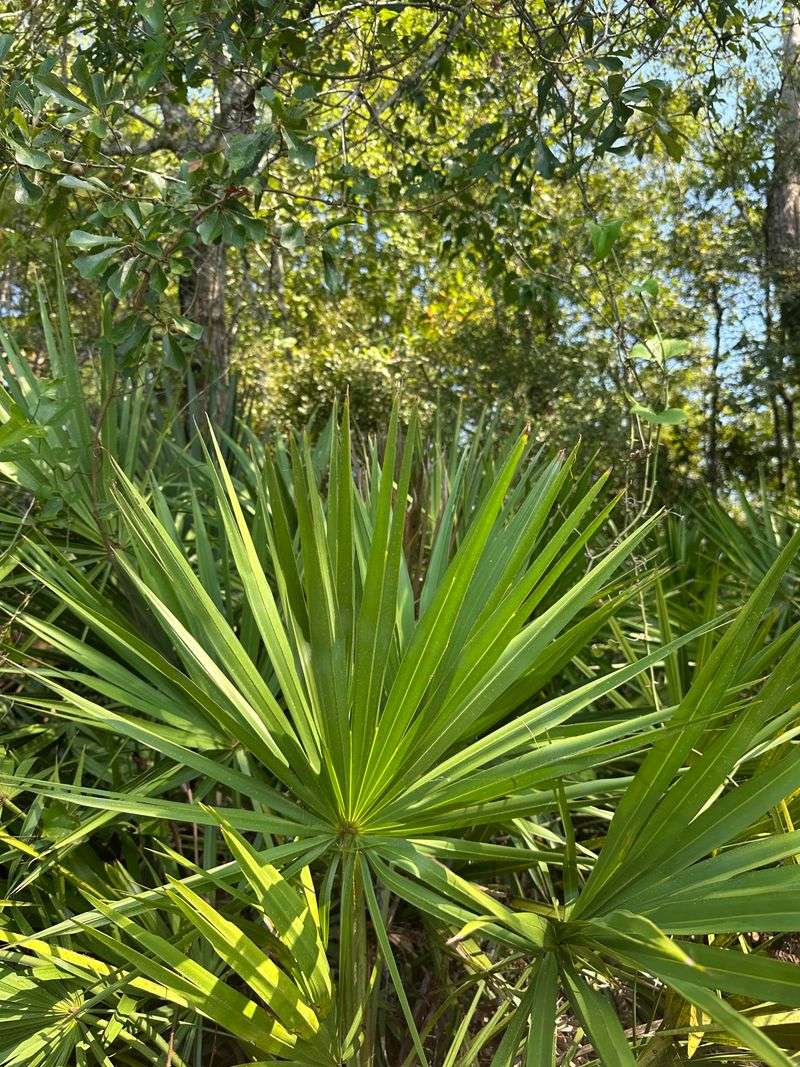
Saw palmetto, for example, has a famously extensive root network that anchors it through storms and dry spells alike, sometimes outliving the homes built around it.
Wiregrass, a common groundcover in Florida longleaf pine systems, also develops roots that go surprisingly deep for such a modest-looking plant.
This is not something that happens overnight.
It takes a full growing season or two for a native plant to build out that deep root architecture. During the first year, natives actually need regular watering to get established, which surprises gardeners who expect instant toughness from a plant labeled native.
But once those roots are settled in, they can tap into underground moisture reserves that shallower plants never access.
Gardeners who understand this often describe the shift as almost magical. One summer the plant looks fragile.
The next summer, it shrugs off a two-week dry stretch without missing a beat. That toughness comes from below, not from anything done above ground.
Sandy Soil Becomes Less Stressful
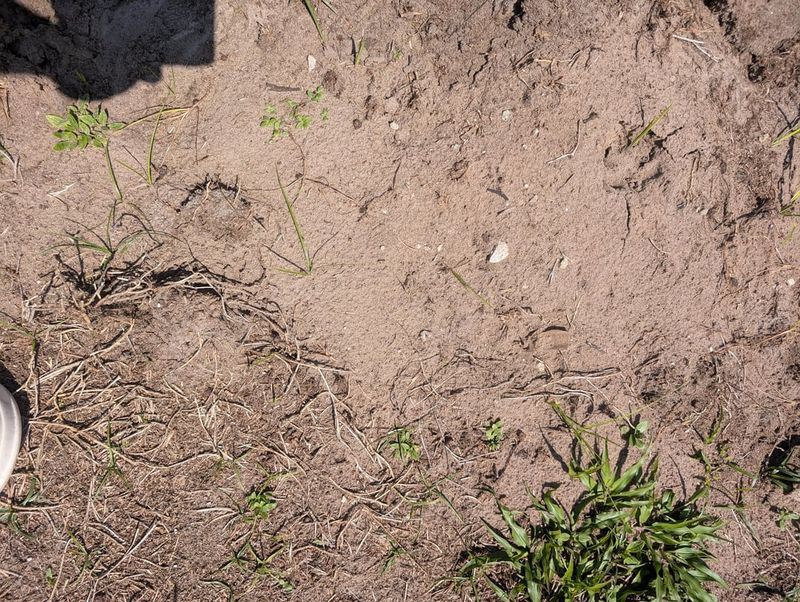
Sandy soil has a reputation in Florida gardening circles, and it is not a flattering one.
Water pours straight through it. Nutrients do not stick around long. Shallow-rooted plants planted in sandy ground can look stressed just days after a rain, leaving gardeners convinced their soil is fundamentally broken.
For many people, sandy soil feels like the enemy. Here is the twist though: for Florida native plants, sandy soil is actually home, not an obstacle to overcome.
Your Florida Garden Changes Every Week. Your Plan Should Too.
Gardening in Florida changes quickly throughout the season. Every Friday you’ll receive a simple weekly plan showing exactly what to plant, prune, fertilize, harvest, and protect so you never miss the right timing.
These plants evolved right alongside Florida’s naturally sandy landscape, which covers a huge portion of the state from the coastal scrub to the inland ridges.
Rather than fighting the drainage, native roots work with it. They spread wider and push deeper, following pockets of organic matter and moisture that exist even in the sandiest conditions most gardeners would write off as hopeless.
Plants like gopher apple and Florida rosemary are almost tailor-made for dry, sandy, low-nutrient conditions.
They do not just survive in that environment, they genuinely prefer it.
Adding too much fertilizer or rich compost to these plants can actually cause problems, because they are adapted to lean soils, not rich ones, and excess nutrients push them toward weak, floppy growth.
Matching plants to soil conditions rather than trying to force soil to match plants is the central idea behind Florida-Friendly Landscaping.
With natives in sandy sites, you do not need to haul in bags of topsoil or spend money on soil amendments. The plant does the adjusting on its own, quietly, season after season, without asking anything extra of the gardener.
Spring Dry Spells Feel Less Harsh
Spring in Florida has a sneaky dry side that catches a lot of gardeners off guard. While the rest of the country is getting April showers, Florida often goes weeks without meaningful rainfall between March and May.
Temperatures climb fast. The humidity that defines summer has not fully arrived yet, leaving the air dry and the ground drier.
Plants that looked fine in winter can suddenly start to struggle.
For established native plants, spring dryness is far less of a crisis than it is for everything else in the yard. By the time spring rolls around, a native that went in the ground the previous fall has had months to push roots deep into the soil profile.
Those roots have been exploring, branching out, and finding moisture reserves that sit well below where seasonal dryness reaches, all while the plant above ground looked unremarkable.
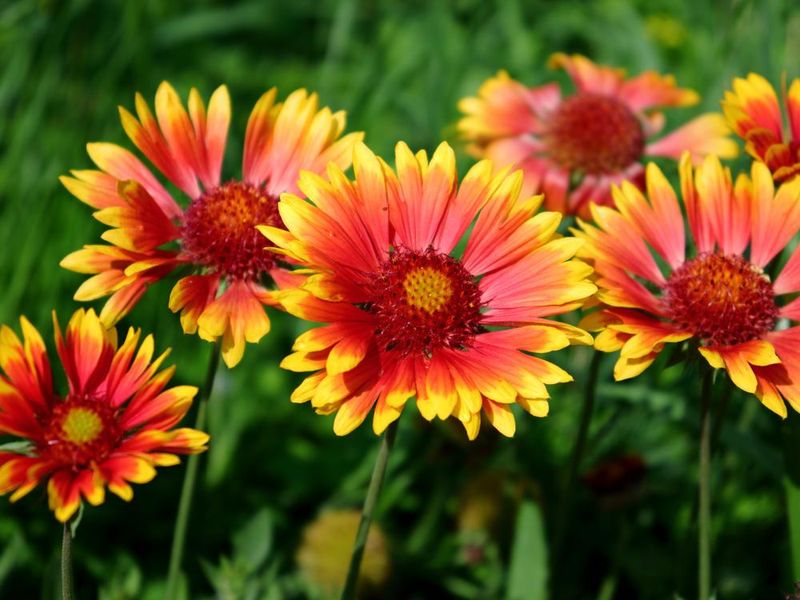
Florida native wildflowers like blanket flower, black-eyed Susan, and blazing star are well known for pushing through spring dry spells without irrigation help.
Their root systems have already done the preparation work during the cooler, wetter months. When dry conditions arrive, they simply shift into a lower gear and keep going, blooming on schedule regardless of how little rain has fallen.
Compare that to a non-native annual planted in spring.
Its roots are shallow and new. It depends almost entirely on what the gardener provides through a hose or a sprinkler.
One skipped watering in a dry week can set it back noticeably, sometimes permanently, while the native plant nearby barely registers the same stretch of weather.
Established Plants Need Less Irrigation
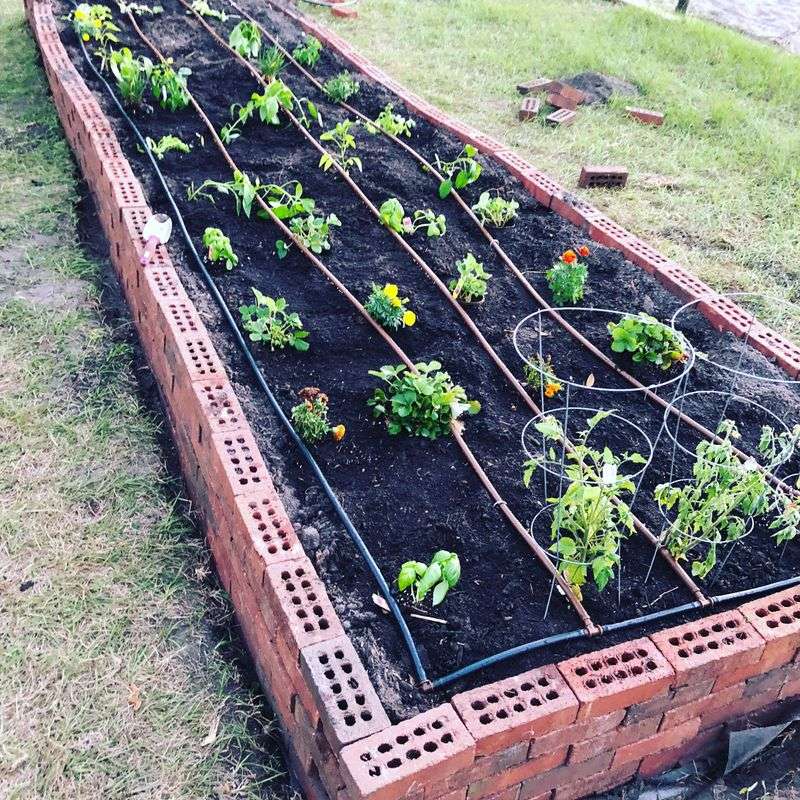
One of the most practical payoffs of planting Florida natives is what happens to your water bill after the first year or two.
New plants, native or not, need regular watering while they get settled.
Skipping irrigation during the establishment period is a mistake that stresses roots before they have a chance to build depth and spread. That first growing season is critical, and there is no shortcut around it.
Once established, though, many Florida natives can thrive on rainfall alone during most of the year.
Establishment takes time, but the reduced irrigation payoff afterward is real and significant. Plants like beautyberry, firebush, and coontie are widely recognized for their low water needs once their roots are fully developed and reaching into deeper soil layers.
This does not mean established natives never need a drink.
During extreme drought or extended heat waves, even tough native plants can benefit from a slow, deep watering session every so often. The difference is frequency, not whether water is ever needed at all.
A non-native landscape might need irrigation two or three times a week in summer just to stay presentable.
An established native landscape might need supplemental water only a handful of times during a truly brutal dry stretch, and sometimes not even that.
Choosing natives is one of the most straightforward strategies for cutting water use without sacrificing a good-looking yard, and the savings compound year after year as the root systems mature and reach further into the ground.
Roots Help Hold Soil In Place
After a heavy summer rain in Florida, it does not take long to see which landscapes have erosion problems.
Bare patches wash away. Mulch migrates into the street. Sandy slopes develop little gullies where water carved its path downhill overnight, leaving behind a mess that takes hours to clean up and repair.
It is a familiar frustration for anyone who has tried to keep a Florida yard looking tidy through the rainy season.
Root systems are the main line of defense against that kind of soil movement, working invisibly while the storm passes overhead.
Dense, deep, and widely spread roots act like a net under the soil, holding particles in place even when water rushes over the surface at speed.
Florida native groundcovers and grasses are especially effective at this kind of structural work. Muhly grass, Walter’s viburnum, and native ferns all develop root systems that bind soil across a wide area rather than just at a single point.
Slopes and rain-prone areas in particular benefit from native plantings chosen specifically for erosion control.
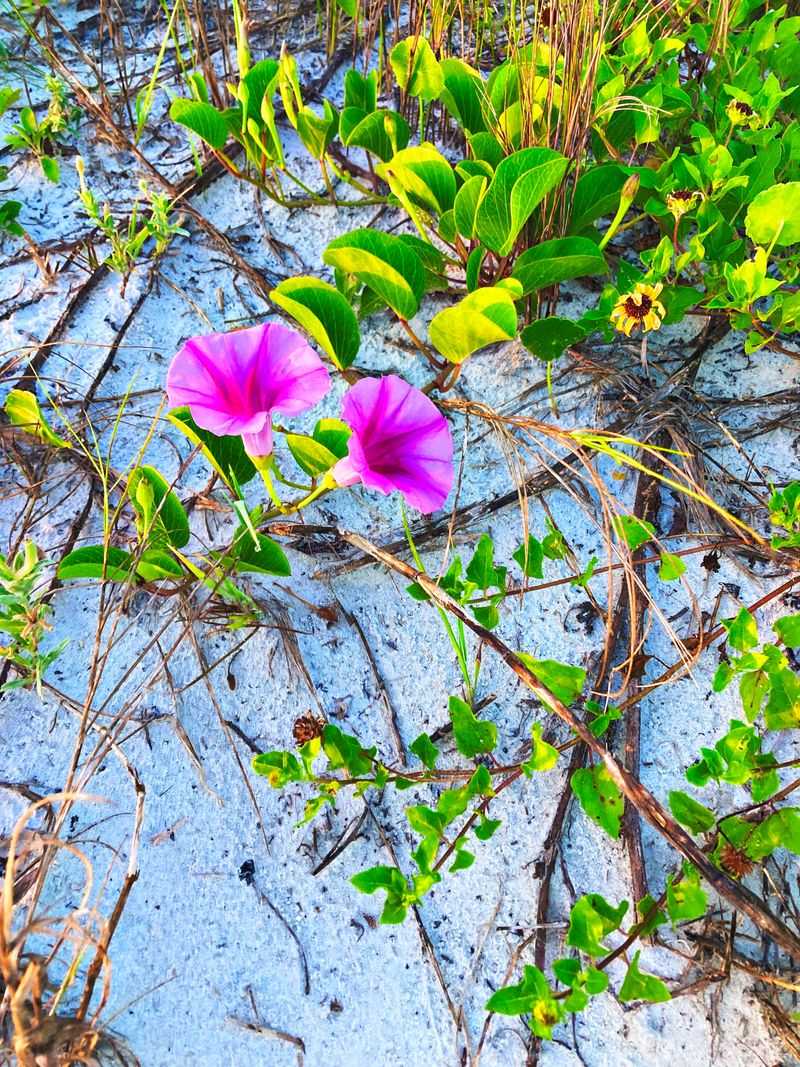
A slope covered in a native groundcover like sunshine mimosa or railroad vine has dramatically better soil stability than one covered in turf or left bare between shrubs, especially during the intense, fast-moving storms that define a Florida summer.
Beyond just holding soil, those roots also slow water movement, which reduces runoff and gives water more time to soak into the ground rather than carrying topsoil and fertilizer straight into storm drains and waterways.
Native Roots Support Living Soil
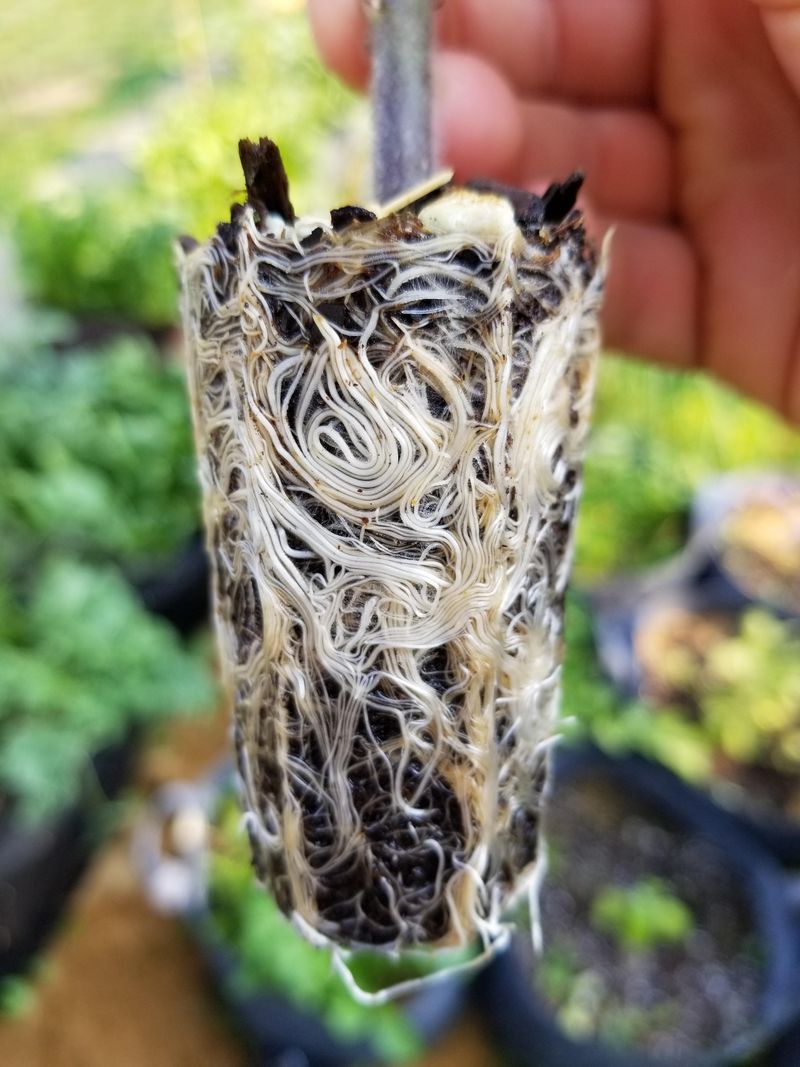
Soil is not just dirt.
Healthy garden soil is full of life, including bacteria, fungi, earthworms, and countless other tiny organisms that break down organic matter, cycle nutrients, and improve soil structure.
This living community is often called the soil food web.
Florida native plant roots actively support that underground ecosystem in ways that many non-native plants simply do not.
Native roots release specific compounds called root exudates that feed soil microbes directly.
In return, beneficial fungi called mycorrhizae attach to native roots and extend their reach even further, helping the plant pull in water and nutrients from a wider area than the roots alone could ever cover.
It is a genuine partnership built over thousands of years of co-evolution between plant and microbe.
This relationship matters most in Florida’s typically low-nutrient sandy soils, where that fungal network can make a real difference in what a plant can actually access and use.
Non-native plants sometimes disrupt these relationships or simply do not support them in the same way, leaving the surrounding soil comparatively lifeless by comparison.
Gardeners often notice this shift without realizing what caused it.
The soil starts to feel different, a little darker, a little more crumbly, with noticeably more earthworm activity after a few seasons.
That improvement traces back directly to what is happening at the root level, season after season, completely out of sight.
Right Planting Still Matters
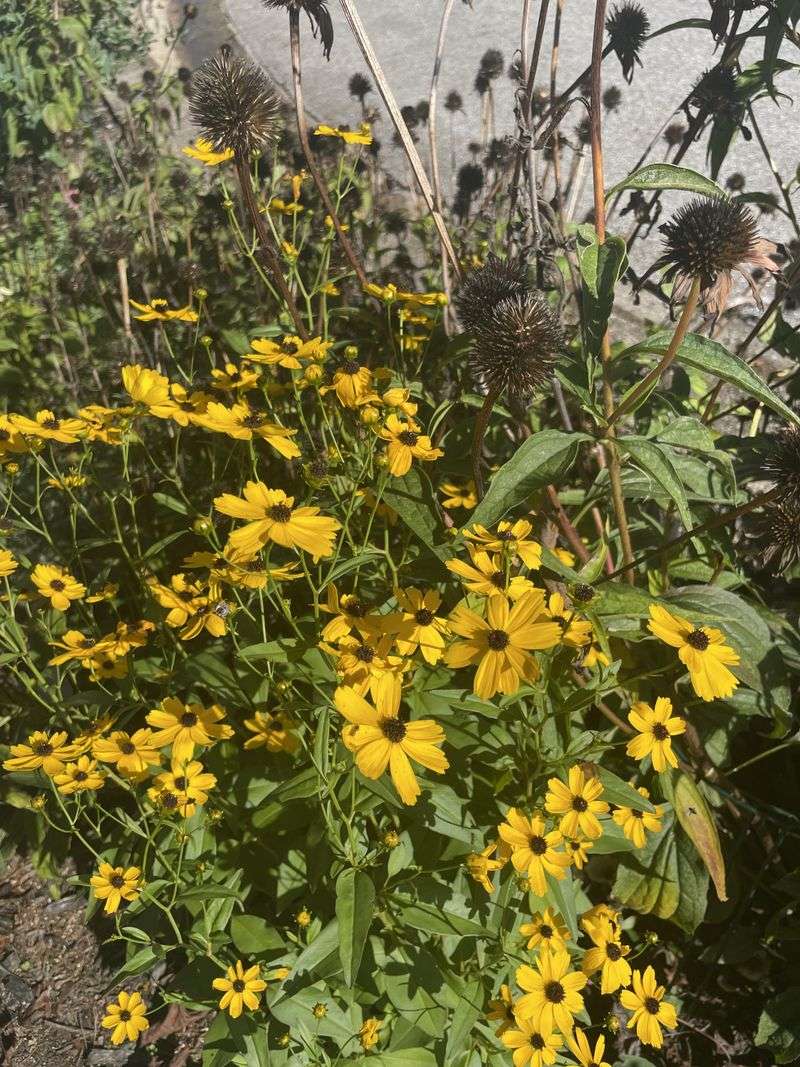
Even the toughest native plant will struggle if it ends up in the wrong spot.
Roots can only do so much when a shade-loving plant gets blasted by full afternoon sun, or when a plant that prefers dry sandy conditions gets placed in a low-lying area that stays wet for days after every rain.
No root system, however impressive, can fully compensate for a fundamental mismatch.
The root advantage only fully kicks in when the plant is matched to conditions it was actually built for.
Right plant, right place is the guiding principle behind Florida-friendly landscaping, and it applies directly to native plantings just as much as anything else in the yard.
Before putting anything in the ground, it pays to check sun exposure, soil drainage, and soil moisture levels across different seasons rather than just the day of planting.
Florida native plants cover a wide range of preferences, and lumping them all together as simply tough misses the nuance.
Swamp sunflower, as its name hints, wants moisture and will not complain about wet feet. Florida rosemary, on the other hand, wants the driest, sandiest, most sun-baked spot available in the entire yard.
Putting either one in the other’s preferred conditions creates problems no amount of patience will solve.
Nurseries that specialize in Florida natives are a great resource here, and the Florida Native Plant Society offers regional plant lists organized by habitat type that take the guesswork out of matching plant to place.