What Florida Gardeners Should Do Now Before Summer Heat Gets Brutal
Summer in Florida does not knock. It walks straight in, turns up the thermostat, and settles into every corner of the garden before most people have finished their morning coffee.
Gardeners who have lived through a few of these seasons know the feeling of standing in the yard in June wishing they had done more when the doing was still comfortable. That moment is right now.
The morning temperatures are still reasonable. The soil is cooperative.
Plants are in a position to respond to attention rather than just survive it. Every task skipped in this window shows up later as a problem that heat and humidity make twice as hard to fix.
Florida summers are long and they have a way of exposing every shortcut taken in spring. A few focused hours in the garden right now is the smartest investment of the entire growing calendar.
1. Refresh Mulch Before Soil Heats Up
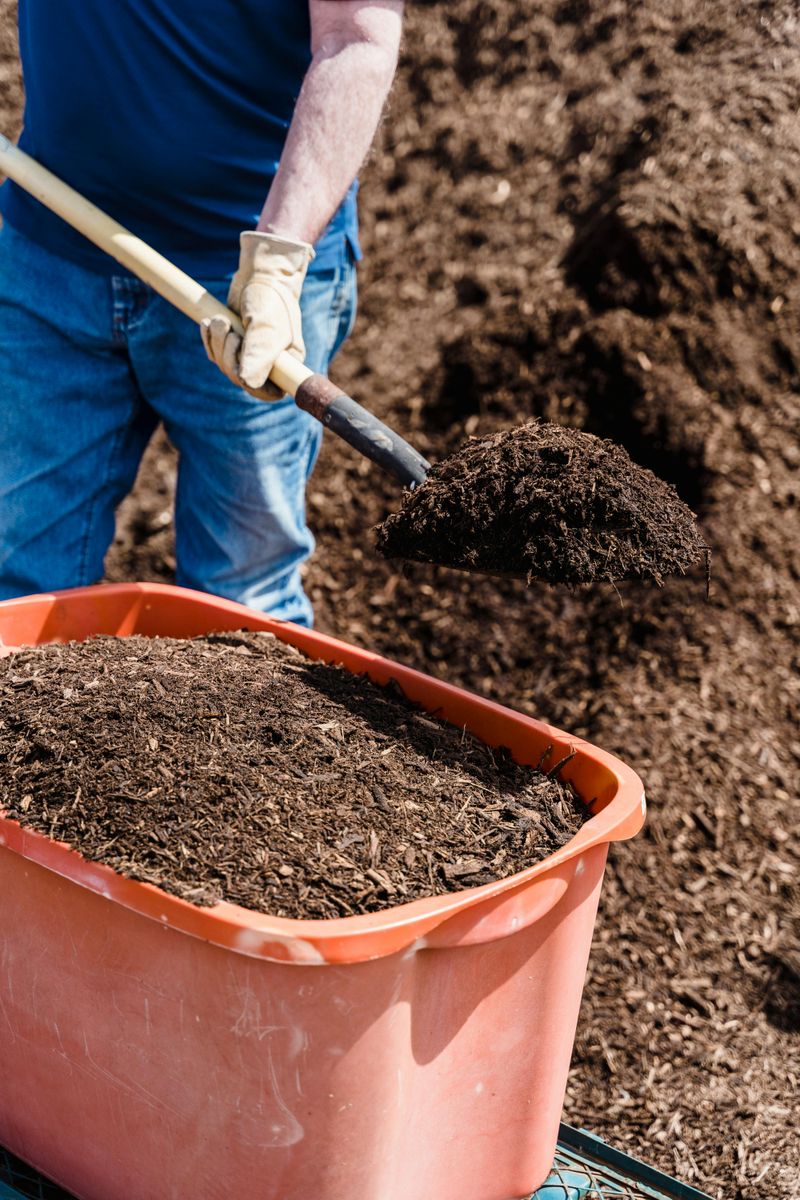
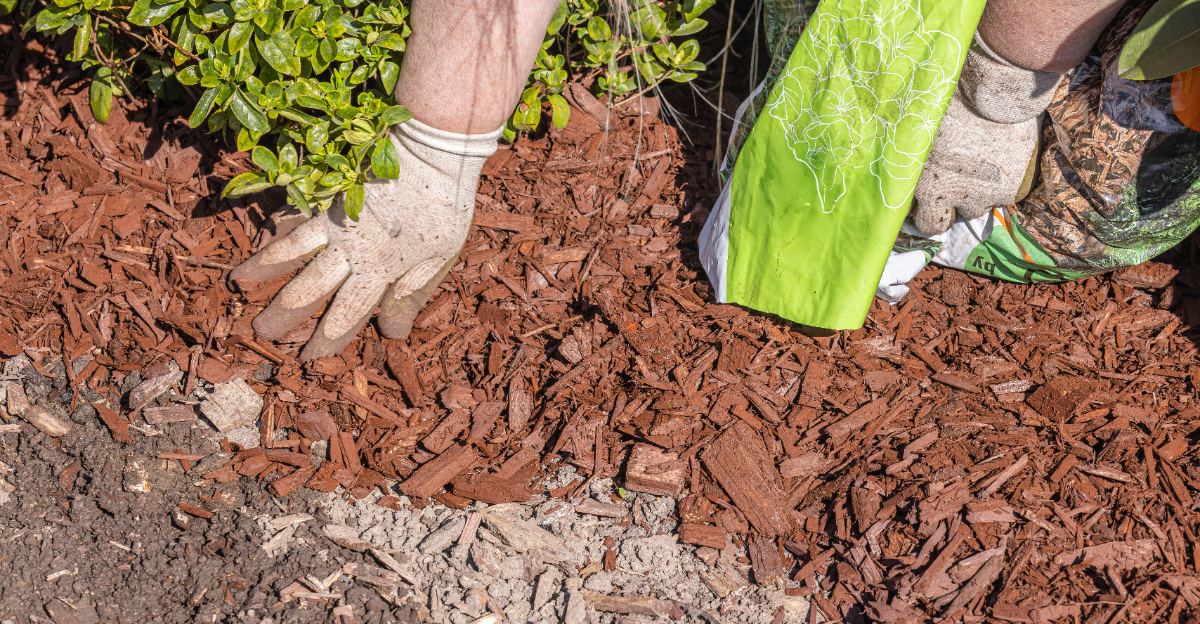
A fresh mulch layer can buy roots some real comfort once summer temperatures start climbing. Organic mulch helps moderate soil temperature, slows moisture loss, and creates a buffer between your plants and the kind of heat that bakes bare ground.
In warm regions like this one, that buffer matters more than most gardeners realize until they see what bare soil looks like after a week of strong sun.
Before adding new mulch, take a few minutes to rake back the old layer and check what is underneath. If the existing mulch is matted, moldy, or breaking down into a thick crust, loosen it up before adding fresh material.
Matted mulch can actually block water from reaching roots, which defeats the whole purpose of having it there in the first place.
Keep mulch pulled back a few inches from the base of trunks, stems, and the crowns of perennials. Mulch piled against plant stems can trap moisture and create conditions where rot and pests take hold.
That small gap makes a noticeable difference over a long, humid summer.
For flower beds, shrubs, and trees, a consistent layer of organic mulch applied before peak heat can help reduce how often you need to water.
Pine bark, pine straw, and shredded wood are common choices in local gardens, and each works well depending on your plants and your budget.
Containers can also benefit from a light mulch topping to slow moisture loss between waterings. Check with your local Extension office if you want specific guidance on mulch types that perform well in your county or region.
2. Check Irrigation Before Plants Start Struggling
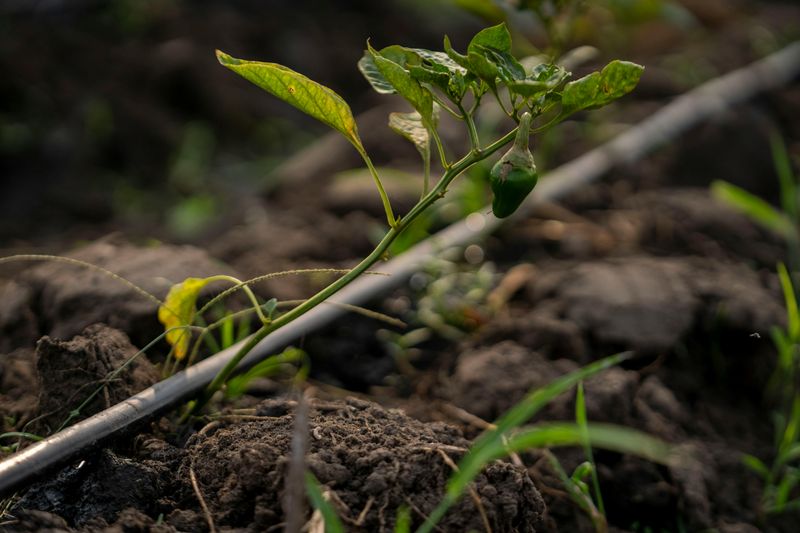
Irrigation trouble usually shows up at the worst possible time, right in the middle of a heat wave when fixing it is miserable and plants are already under stress.
Checking your system now, before extreme heat arrives, gives you time to find problems and solve them without the pressure of watching wilting plants while you work.
Walk through your yard and run each zone manually. Watch for clogged emitters, broken or tilted sprinkler heads, and spots that are getting too much or too little water.
Your Florida Garden Changes Every Week. Your Plan Should Too.
Gardening in Florida changes quickly throughout the season. Every Friday you’ll receive a simple weekly plan showing exactly what to plant, prune, fertilize, harvest, and protect so you never miss the right timing.
Dry patches and soggy areas both point to coverage problems that are worth correcting before summer rain patterns shift. Check that your timer is programmed correctly and that the rain sensor is working.
A sensor that is not responding can lead to watering during or right after rainfall, which wastes water and may conflict with local rules.
Watering needs in this state vary a lot depending on rainfall, soil type, plant selection, and local water management guidelines. What works for a sandy coastal yard may not match what a clay-heavy inland garden needs.
Many counties have specific watering schedules and restrictions that apply during certain seasons.
Check with your local water management district or Extension office before adjusting your system.
Look for slow leaks around valve boxes and connection points too. Even a small drip can waste a surprising amount of water over weeks.
Fixing minor leaks now is far easier than dealing with a failed valve during the hottest stretch of the year. A well-functioning irrigation system is one of the best investments a gardener can make heading into summer.
3. Move Tender Containers Out Of Harsh Afternoon Sun
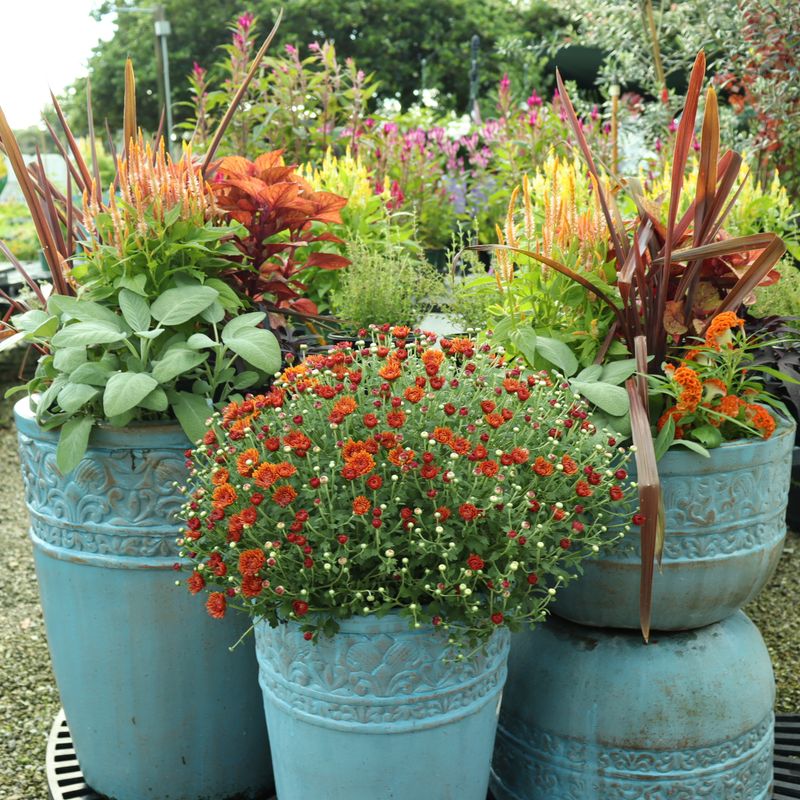
Containers feel heat before garden beds do. Patio pots, hanging baskets, and window boxes are surrounded by air on all sides, which means the soil inside heats up much faster than in-ground planting areas.
That rapid heat buildup can stress roots quickly, especially for tender annuals, herbs, and tropicals that are not built for prolonged exposure to blazing afternoon sun.
As temperatures rise, pay attention to where your containers are sitting throughout the day. Morning sun is generally gentler, and many plants do well with a few hours of early light followed by filtered shade or a break from direct afternoon exposure.
If you have pots sitting on concrete or near a light-colored wall, keep in mind that reflected heat from those surfaces can add extra stress. Moving pots just a few feet can sometimes make a noticeable difference.
Grouping containers together is a practical trick that many experienced gardeners use. When pots are clustered, they shade each other slightly and create a more humid microclimate around the root zones.
This can slow moisture loss and reduce how often you need to water each individual pot during the hottest parts of the day.
Check soil moisture in containers more frequently as heat builds. Potting mix in smaller pots can dry out within a day or two during a heat stretch, and once it dries completely it can become harder to rewet evenly.
If a pot feels very light when lifted, water slowly and thoroughly until it drains from the bottom. Consistent moisture management for containers is one of the most useful habits to build before the hottest weeks settle in.
4. Prune Lightly But Skip Heavy Cutting
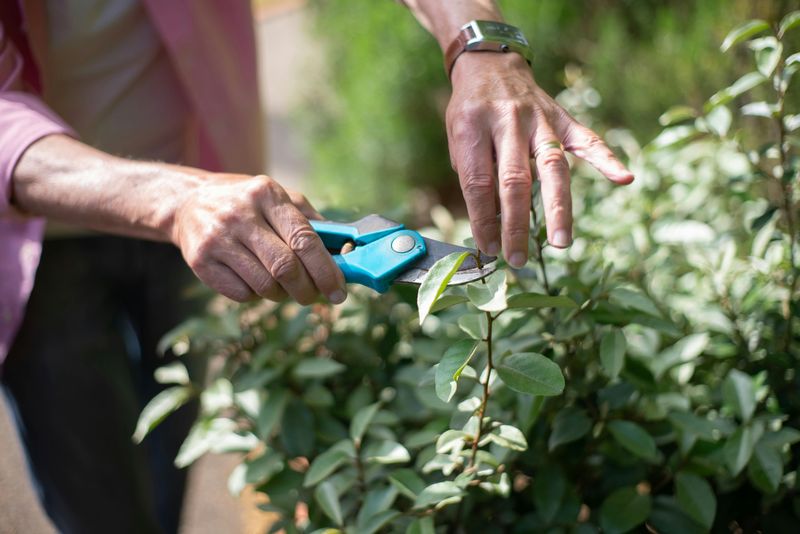
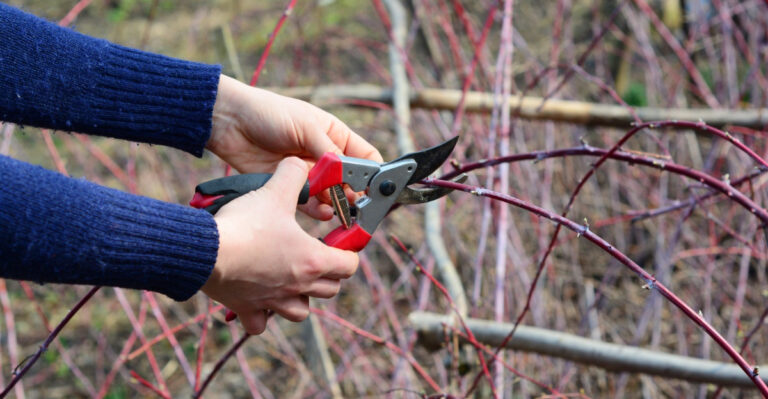
A little cleanup is different from a hard prune, and knowing that difference matters a lot before summer heat arrives.
Light trimming can improve airflow through dense shrubs, remove weak or crossing branches, and tidy up plants that have gotten a bit unruly after the spring growth flush.
That kind of maintenance is generally fine to do now and can actually help plants stay healthier through the humid months ahead.
Heavy cutting is a different story. Removing large amounts of growth right before extreme heat can stress plants significantly.
Fresh cuts expose plants to harsh conditions before they have time to recover.
The new tender growth that follows a hard prune is often more vulnerable to heat, pests, and humidity-related problems. If you are not sure whether a plant can handle significant pruning at this time of year, it is worth waiting.
You can also check with your local Extension office before picking up the loppers.
Pruning needs also vary widely depending on the plant type, bloom cycle, and where you are in the state. Some flowering shrubs in northern regions may still be finishing their spring bloom cycle.
Plants in central and southern regions may already be shifting into summer mode. Cutting back a plant that is actively setting buds can reduce flowering for the season, which is a trade-off worth thinking through.
Focus cleanup efforts on withered or damaged wood, spent flower stems, and any growth that is rubbing against other branches. Removing those problem areas improves airflow and reduces spots where fungal issues can develop during humid weather.
Keep your tools clean and sharp, and make smooth cuts that do not leave ragged stubs behind.
5. Feed Carefully Before Extreme Heat Arrives
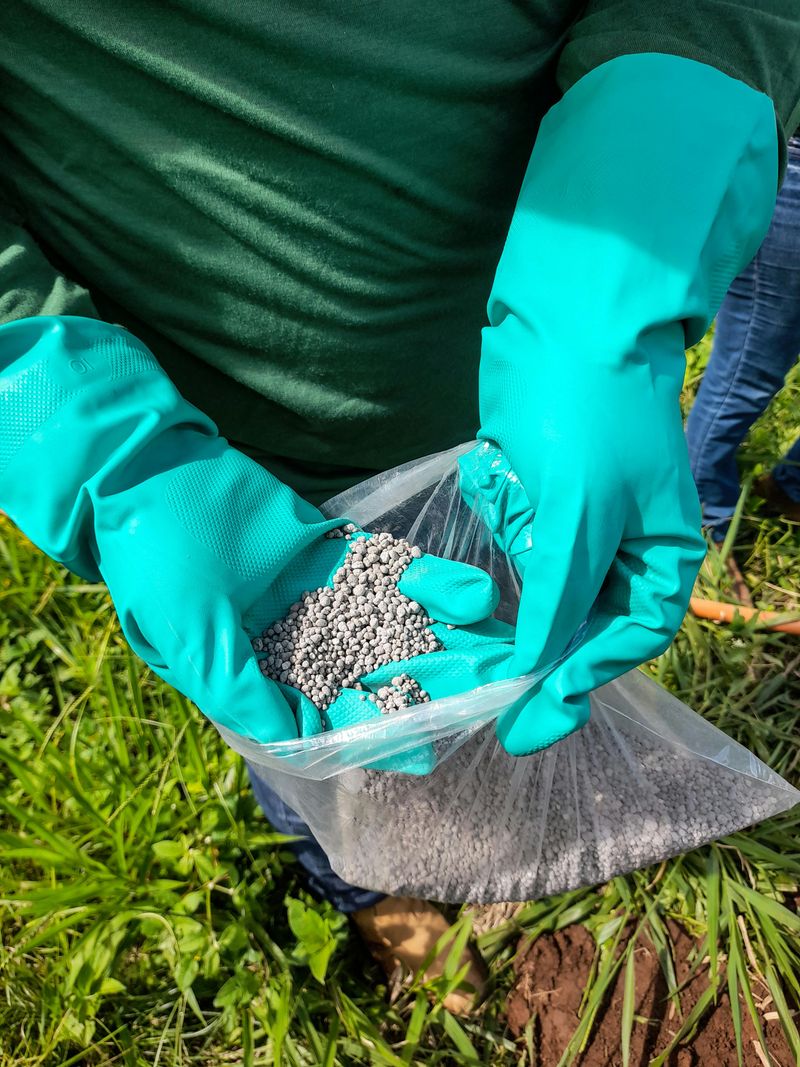
Fertilizer is not a shortcut through summer, and using it carelessly before extreme heat arrives can create more problems than it solves.
Overfeeding plants right before hot, humid weather sets in can push a flush of soft new growth that struggles to hold up under stress.
That tender growth is also more appealing to certain pests and more vulnerable to fungal issues that thrive in warm, moist conditions.
If your plants are healthy and growing well, a light application of a balanced or slow-release fertilizer can help.
Apply it before the hottest weeks to support steady growth through the season. Slow-release formulas are often a better fit for summer feeding because they deliver nutrients gradually rather than all at once.
Fast-release products applied during heat can sometimes cause salt buildup in warm soil, which may stress roots rather than help them.
Always follow the product label. Labels provide guidance on application rates, timing, and how to apply fertilizer safely around specific plant types.
Using more than the label recommends does not speed up results and can cause problems that take weeks to correct.
Watering in fertilizer properly after application helps move nutrients into the root zone and reduces the risk of burning foliage or surface roots.
Some areas of the state have seasonal fertilizer blackout periods tied to rainy season and water quality rules. These restrictions are especially common in coastal counties and communities near sensitive water bodies.
Applying fertilizer during a blackout period is not just a waste of product, it may also be a violation of local ordinance.
Check with your county Extension office or local government to confirm what rules apply in your area before feeding your landscape this season.
6. Watch For Pests That Build In Warm Weather
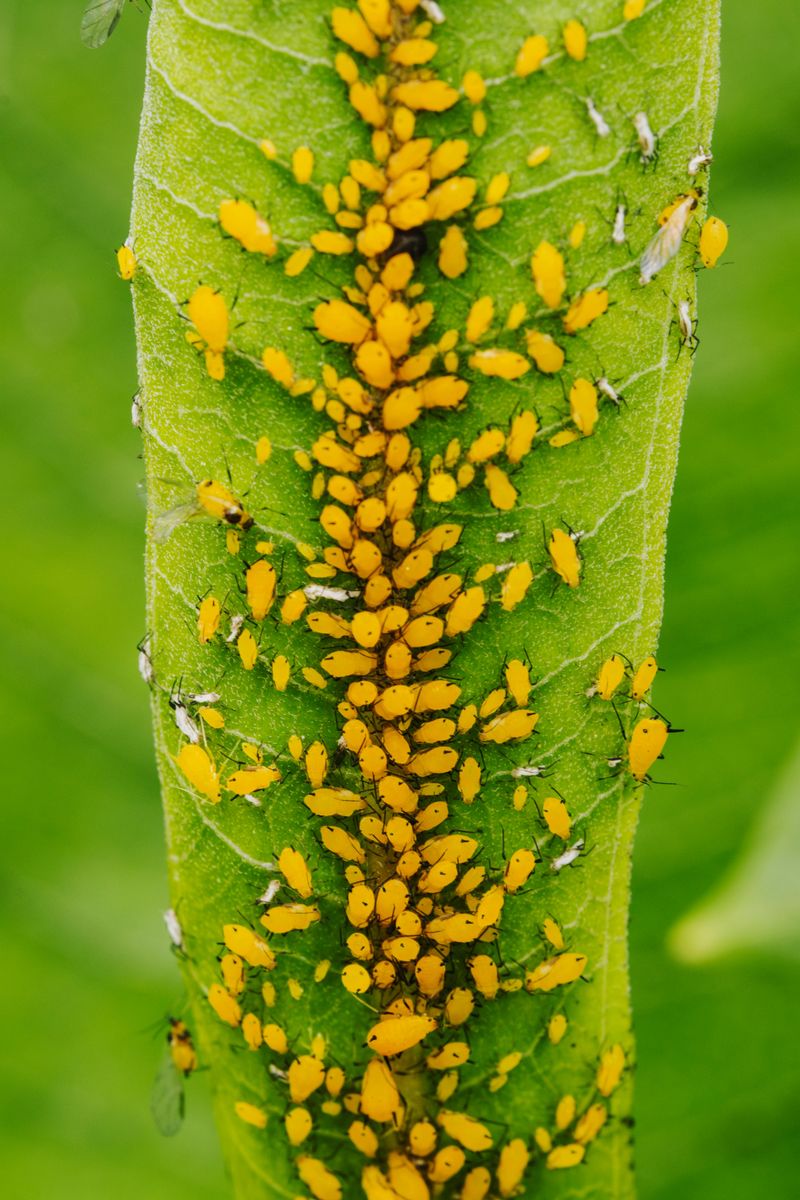
Warm weather can turn small pest problems into bigger ones faster than most gardeners expect. As temperatures rise, many common garden pests become more active, reproduce more quickly, and spread from plant to plant with less resistance.
Catching a problem early, before populations build, is almost always easier than trying to manage a heavy infestation in the middle of summer.
Make a habit of checking plants closely and regularly, not just from a distance. The undersides of leaves are a common hiding spot for soft-bodied insects, eggs, and early-stage infestations that are easy to miss during a quick walk-through.
New growth at the tips of stems is another area worth watching, since many pests are drawn to the tender tissue found there.
Container plants deserve extra attention because they can harbor pests that are harder to spot against the soil surface.
Early identification is the most important step. Before reaching for any product, try to figure out exactly what you are dealing with.
UF/IFAS Extension has a wealth of identification resources available online and through local offices.
Getting a correct ID makes a real difference in choosing the right response. Hand removal works well for larger pests when populations are still small, and it avoids the risks that come with unnecessary spraying.
If a spray treatment seems necessary, use the most targeted option available and follow all label directions carefully.
Broad-spectrum sprays can harm beneficial insects, including pollinators and natural predators that help keep pest populations in check over time.
Protecting those beneficial insects is one of the smartest long-term strategies a gardener can use heading into the warm season.
It costs nothing extra to keep that in mind.
7. Choose Heat-Tough Plants For Empty Spots
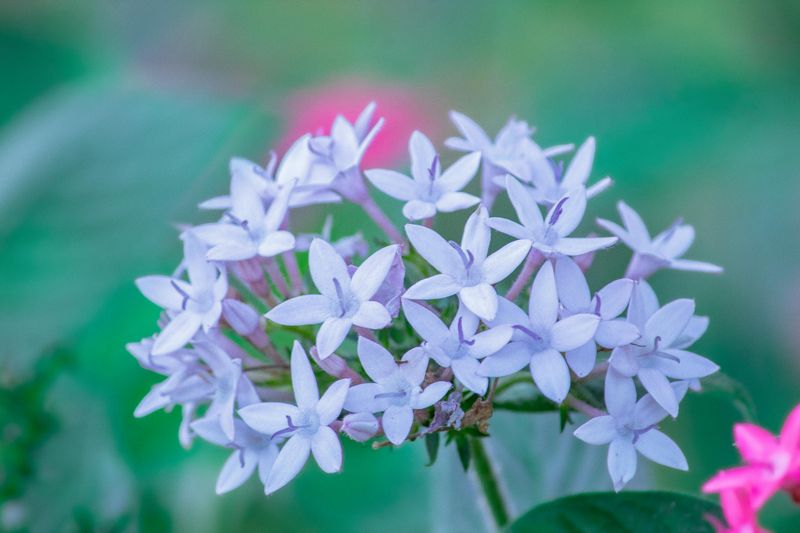
Empty spots are easier to fix before the hottest weeks arrive than after. Bare ground bakes quickly in summer sun, and scrambling to find the right plant during a heat wave often leads to rushed choices that do not hold up well.
Taking time now to select plants suited to your local conditions gives new additions a chance to establish before the most intense heat and humidity settle in.
Choosing the right plant for the right place is one of the most reliable principles in Florida-Friendly Landscaping. A plant that matches your site’s sun exposure, soil type, drainage, and rainfall patterns will almost always outperform others.
It does better than one forced into conditions it was not built for. Cool-season annuals and vegetables that thrived earlier in the year are not the right candidates for summer planting in most parts of the state.
Regional differences matter here more than many gardeners realize. Northern parts of the state may still have a short window for spring-blooming plants before heat fully sets in.
That gives gardeners there a bit more flexibility than their neighbors to the south.
Central regions should plan around both the heat and the rainy season shift that typically brings afternoon storms and higher humidity from late spring onward.
Southern regions of the state face the longest stretch of intense heat, high humidity, and warm overnight temperatures.
Plant selection there needs to be especially thoughtful, leaning toward heat-adapted tropicals, native plants, and proven warm-season performers.
Visiting a local nursery and asking staff about what is thriving in your specific area right now is one of the most practical steps you can take.
Local knowledge from a nearby Extension office or master gardener program can also point you toward plants that have a strong track record in your county.