What Is Intercropping And How Can It Boost North Carolina Vegetable Gardens
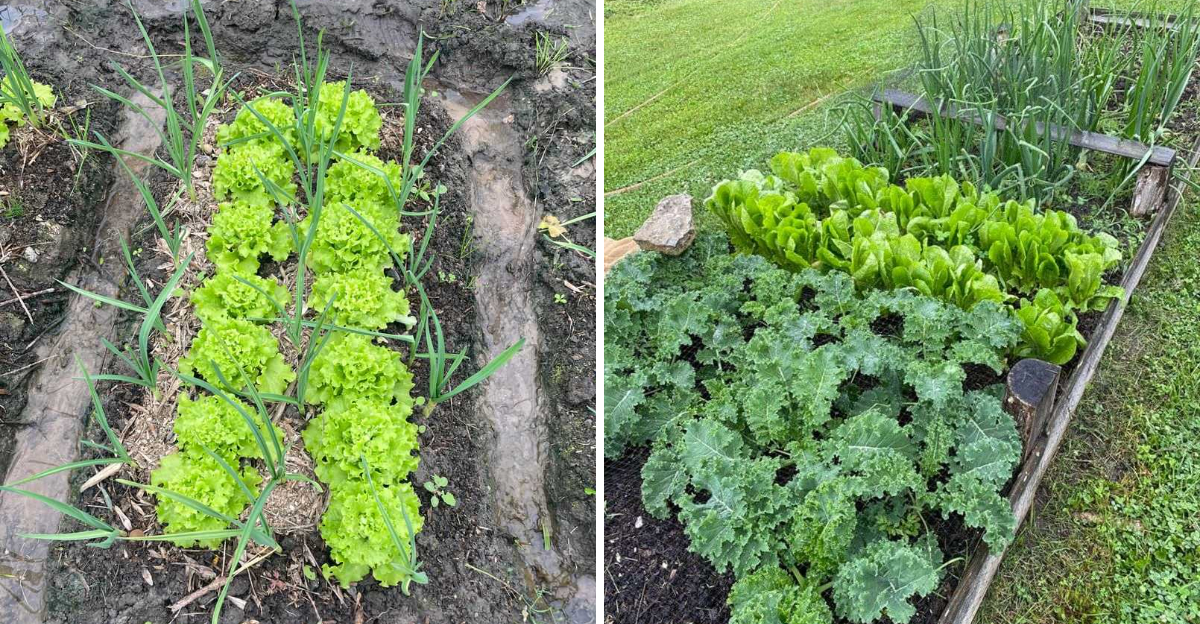
Many gardeners plant one crop per row, one bed per vegetable, and call it a day. But what if your garden beds could work twice as hard without taking up any extra space?
Intercropping is the practice of growing two or more crops in the same area at the same time, and it has been boosting harvests for centuries across cultures that never had access to fancy equipment or fertilizer.
North Carolina gardeners have a special advantage here because the state’s long growing season, warm summers, and mild springs create the perfect conditions to mix and match crops in smart, productive ways.
Whether you have a small backyard plot in Raleigh or a larger garden in the Piedmont region, intercropping can help you grow more food, protect your soil, and keep pest pressure lower without reaching for a single spray bottle.
The best part? You do not need fancy equipment or a horticulture degree to get started.
A little planning, some basic knowledge about which crops play nicely together, and a willingness to experiment are all you really need to start seeing results.
Here are eight practical ways intercropping can seriously upgrade your North Carolina vegetable garden, from smarter spacing to savvier harvest timing.
1. Start With Two Crops In One Space
Squeezing two paychecks out of one job is essentially what intercropping does for your garden.
Simply put, intercropping means growing two or more different crops in the same garden space at the same time.
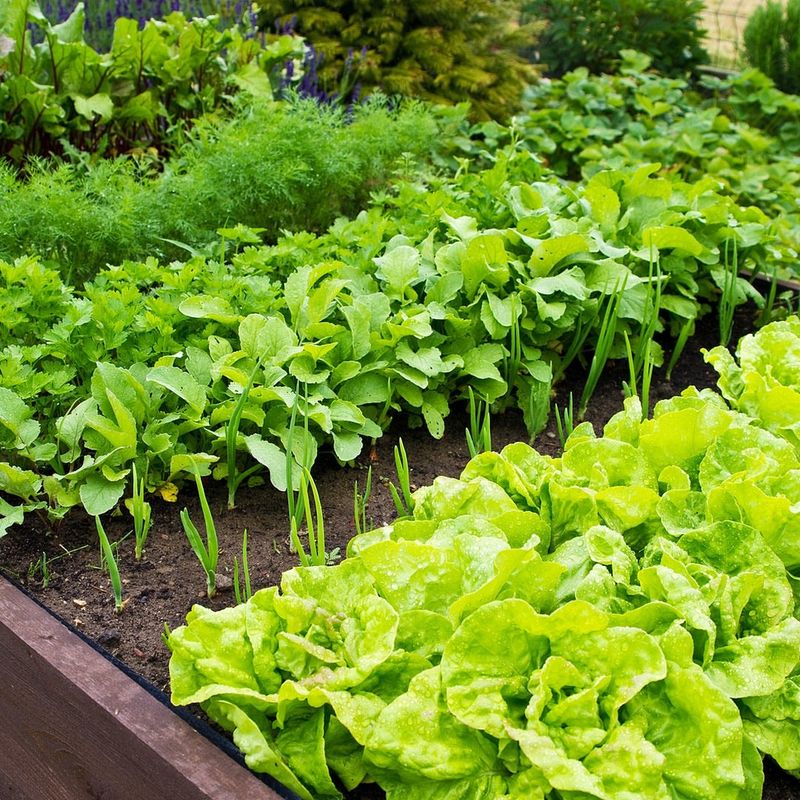
Instead of dedicating an entire bed to just tomatoes or just beans, you combine plants strategically so they share the same soil, sunlight, and water resources without getting in each other’s way.
Farmers have used this method for thousands of years.
Indigenous communities across North America famously grew corn, beans, and squash together in a combination known as the Three Sisters.
Each plant supported the others in a way that made the whole system stronger than any single crop grown alone. Home gardeners can borrow this same logic on a smaller scale today.
In North Carolina, where spring and fall growing windows can overlap with summer crops, intercropping makes especially good sense.
You can fill every inch of a raised bed or in-ground garden with productive plants instead of leaving gaps that just grow weeds.
The key is choosing crops that have different growth habits, root depths, or maturity times so they complement rather than compete with each other.
It works less like a crowded elevator and more like a well-organized team where everyone has a role.
Getting comfortable with this concept is the first and most important step before trying any of the specific strategies that follow throughout this guide.
2. Pair Fast Crops With Slow Crops
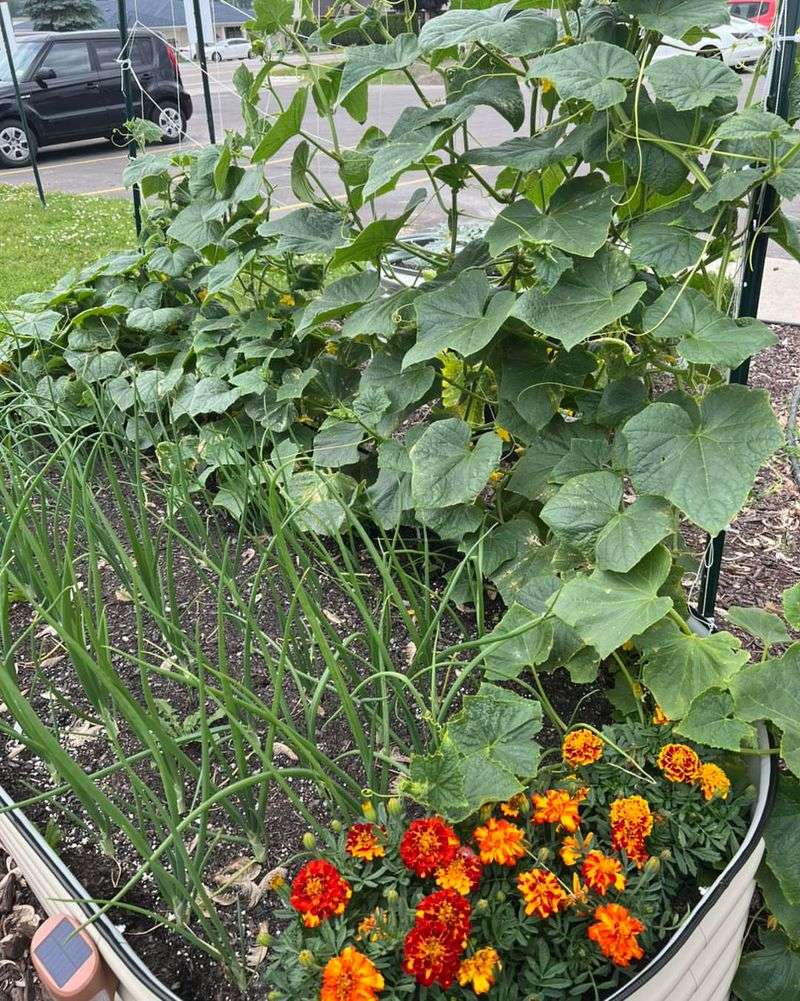
Timing is everything in a vegetable garden, and pairing fast-maturing crops with slow ones is one of the smartest intercropping moves you can make.
The idea is simple: plant a quick crop that will be ready to harvest before your slower crop needs the full space. By the time your slow crop fills out, the fast one is already off your plate and in your salad bowl.
Your North Carolina Garden Changes Every Week. Your Plan Should Too.
Gardening in North Carolina changes quickly throughout the season. Every Friday you’ll receive a simple weekly plan showing exactly what to plant, prune, fertilize, harvest, and protect so you never miss the right timing.
Radishes are the ultimate speed demons of the vegetable world.
They are ready in as little as 25 to 30 days, which means you can sow them between pepper or tomato transplants in late spring and pull them long before those warm-season crops spread out.
Lettuce works similarly well. Planted around young tomato starts in early April, lettuce will be fully harvested by the time North Carolina summer heat arrives in June.
Carrots are another excellent partner for slower crops like peppers. Carrots grow deep while peppers stay shallower, so root competition is minimal.
Vegetable spacing and timing are critical factors in managing bed productivity, and pairing crops with different maturity windows is a reliable way to keep beds full from early spring through late fall.
Plan your planting calendar carefully, jot down maturity days on seed packets, and map out which crops go in first.
A little math upfront saves a lot of wasted space later in the season, and the satisfaction of pulling radishes while your tomatoes are still settling in is genuinely hard to beat.
3. Use Tall Plants For Light Shade

North Carolina summers are no joke.
Temperatures regularly climb into the upper 80s and 90s, and certain vegetables simply cannot handle that kind of heat without wilting, bolting, or producing bitter flavors.
That is where tall companion plants become surprisingly useful as natural shade providers that cost nothing extra to set up.
Lettuce, spinach, and cilantro are classic examples of cool-season crops that struggle once summer heat rolls in.
By planting them on the north or east side of taller crops like tomatoes, corn, or trellised cucumbers, you create a microclimate with gentler afternoon light.
The tall plants block the harshest rays, keeping soil temperatures a few degrees cooler and giving those shade-tolerant crops a longer productive window before they bolt.
This strategy works especially well in the Piedmont and Coastal Plain regions of North Carolina, where summer heat arrives fast and stays long.
Timing matters here too. You want your tall crops established enough to cast meaningful shade by late May or early June. Tomatoes planted in mid-April fit that window nicely.
Just be mindful that too much shade can reduce fruit production on your tall crops, so avoid planting shade-seekers directly beneath them.
A few feet to the side is usually enough.
Understanding sunlight requirements for each crop and using natural shade from companion plants is a practical, low-cost way to extend your harvest season without fighting the weather all summer long.
4. Cover Bare Soil Between Vegetables
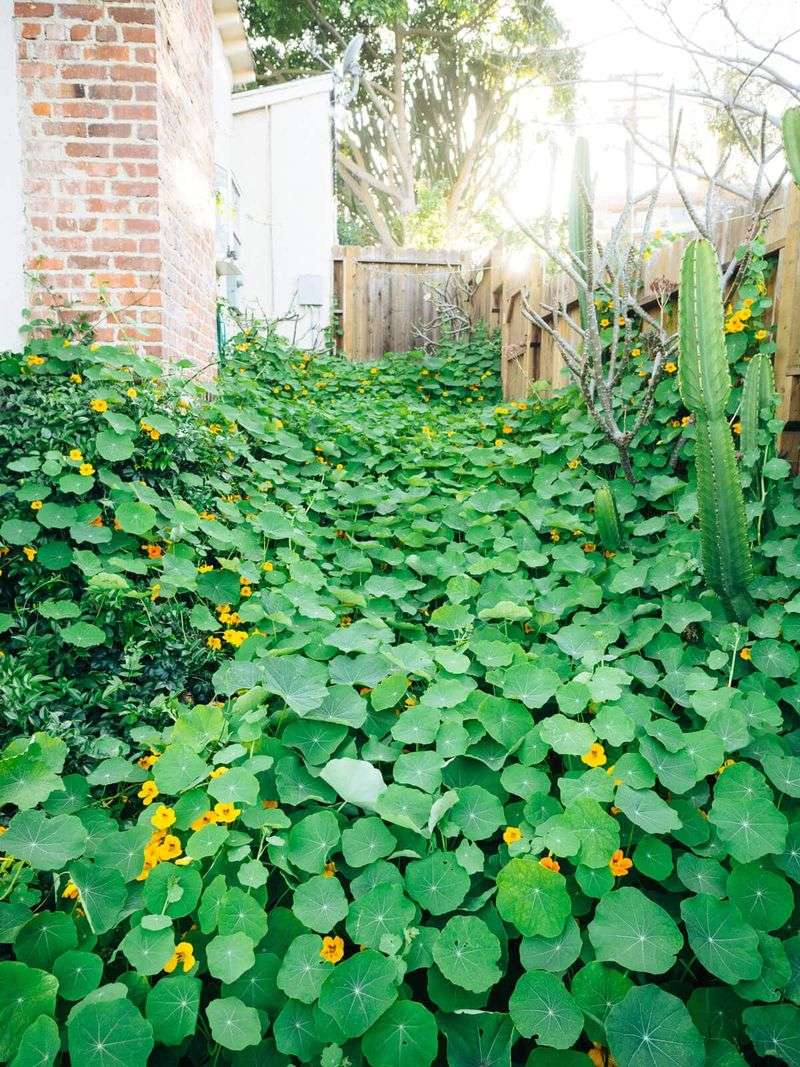
Bare soil is basically an open invitation for weeds.
Every empty patch in your garden is a spot where something unwanted is ready to move in and set up camp before you even notice.
One of the quieter but highly practical benefits of intercropping is that filling space with intentional plants leaves far less room for weeds to take hold.
Low-growing crops like bush beans, sweet basil, or even clover work beautifully as living mulch between taller vegetables.
They cover the soil surface, reduce moisture evaporation, and keep the ground cooler during hot North Carolina summers.
This is especially valuable in raised beds where every square foot costs effort and resources to maintain properly.
From a soil health perspective, covered soil is healthier soil.
Bare ground bakes under the sun, loses organic matter faster, and can form a hard crust that makes water absorption more difficult.
Keeping soil covered is consistently highlighted as a core sustainable gardening practice. Intercropping gives you a productive way to do exactly that without needing to buy bags of mulch every season.
You get edible ground cover that earns its space.
Every square inch of a garden bed should be doing something useful, and low-growing companion crops are one of the most satisfying ways to make that happen without overcomplicating your planting plan.
5. Spread Harvests Across The Bed
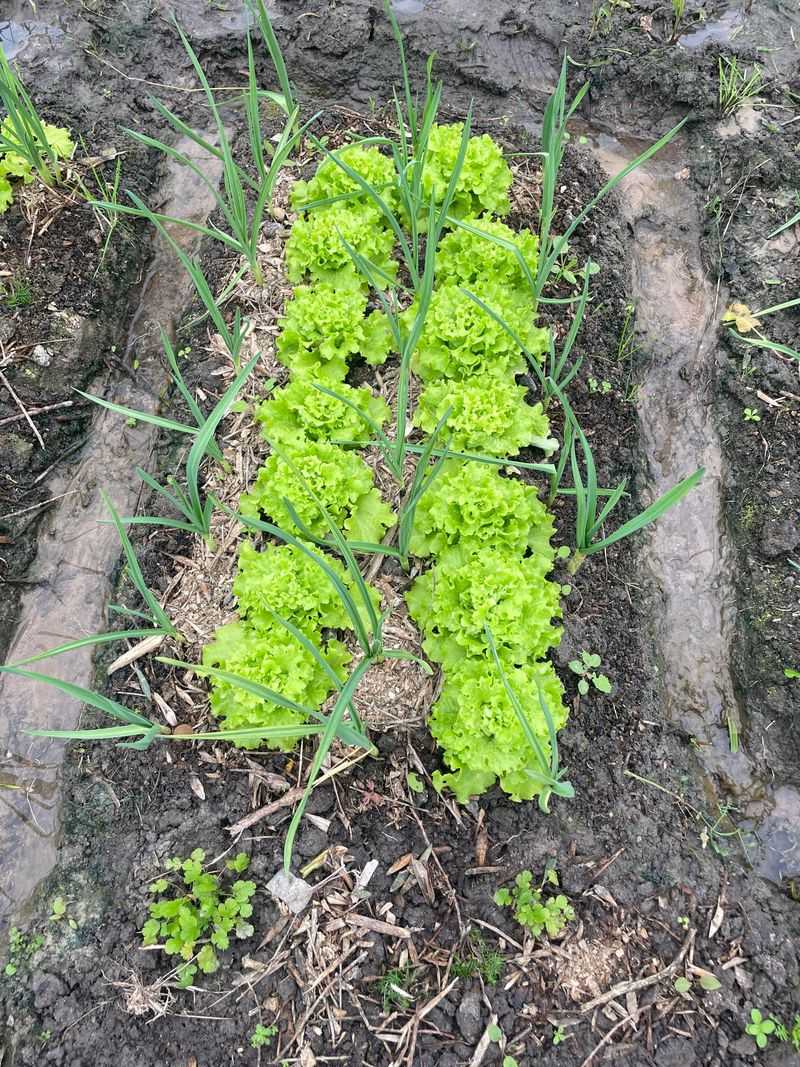
One of the most satisfying things about a well-planned intercropped garden is that something is always ready to pick.
Instead of everything ripening at once and leaving you scrambling to use a mountain of zucchini before it goes bad, staggered planting means your harvests roll in gradually over weeks or even months at a time.
This is sometimes called succession planting when done in separate rounds, but intercropping takes it a step further by layering different maturity times within the same physical bed.
Picture a single four-by-eight raised bed in late May: radishes are ready to pull, lettuce heads are sizing up, young bean plants are flowering, and tomato transplants are just beginning to climb their cages.
Each crop occupies its own time slot in the bed’s productive life, and when one exits, another fills the gap.
For North Carolina gardeners working with limited space, this approach is genuinely game-changing.
You get more variety from fewer beds, and your workload spreads out more evenly across the season rather than hitting all at once during a single overwhelming week.
Planning this well requires knowing approximate days to maturity for every crop you intend to grow.
Most seed packets include this information. Write it down, sketch your bed layout, and note which crops will vacate space just as others need room to expand throughout the season.
6. Confuse Some Pests With Diversity
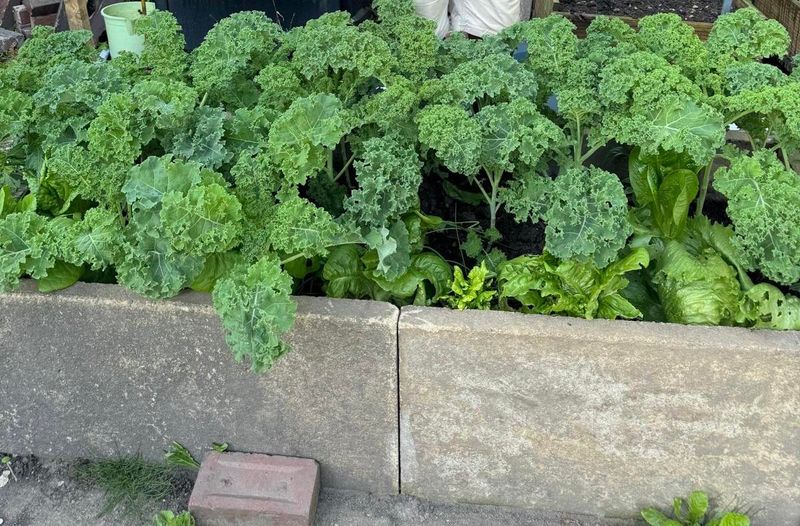
Pests are not invincible, but they are persistent. Many common garden insects locate their preferred host plants using scent and visual cues.
When a bed is packed with a single crop, it becomes an easy target because there is nothing to interrupt or confuse the pest’s search pattern. Mixed plantings can make that job harder for certain insects.
Intercropping is recognized in integrated pest management, or IPM, as one tool that may reduce pest pressure under the right conditions.
Diverse plantings can disrupt pest movement and make it more difficult for insects like aphids or squash vine borers to locate and establish on host plants.
Aromatic herbs like basil, dill, or nasturtiums planted among vegetables may also deter certain pests or attract beneficial insects that prey on them.
It is worth being honest here: intercropping is not a magic shield.
It will not eliminate pest problems entirely, and results vary depending on the pest species, garden conditions, and specific crop combinations you choose. Treating it as one layer of a broader IPM strategy is the realistic approach.
Regular scouting, removing damaged leaves, encouraging natural predators, and using targeted treatments when necessary all remain important.
But adding plant diversity to your beds is a low-effort, low-cost layer of protection that supports overall garden health.
For North Carolina gardeners dealing with common pests like hornworms, cucumber beetles, or whiteflies, every extra tool in the toolkit counts toward a more resilient harvest.
7. Keep Spacing From Getting Crowded
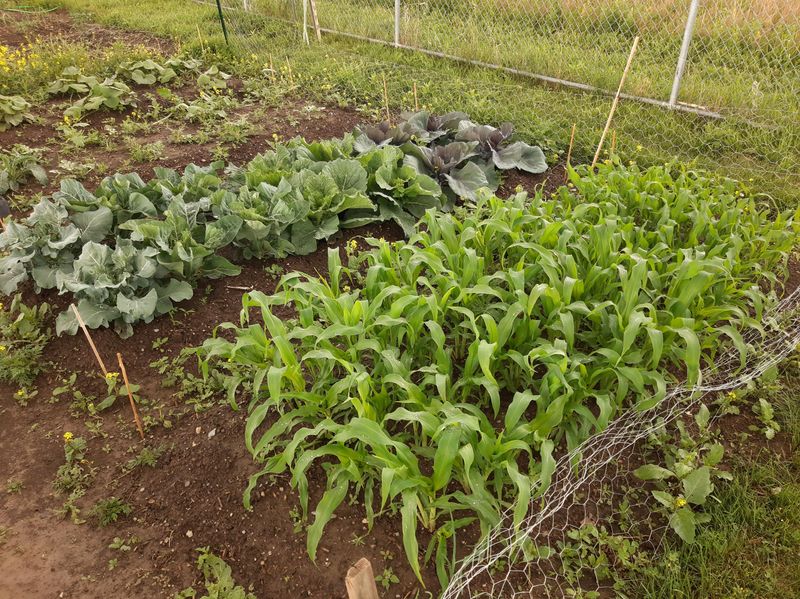
Here is where a lot of excited gardeners go wrong.
The idea of filling every inch of space sounds great until your plants are practically hugging each other and nothing can breathe.
Overcrowding is one of the fastest ways to invite disease into a vegetable garden, and it is a common mistake when people first try intercropping without thinking through mature plant sizes.
Good airflow between plants is essential for preventing fungal diseases like powdery mildew, early blight, and downy mildew, all of which are common problems in North Carolina’s humid summers.
When plants are packed too tightly, moisture lingers on leaves longer, and spores spread more easily from one plant to the next.
Poor air circulation is consistently flagged as a contributing factor in many common vegetable diseases throughout the state.
Before you plant anything, look up the mature spread of every crop in your intercropping plan.
Tomatoes, for example, can spread two to three feet wide depending on the variety. Squash sprawls aggressively. Peppers stay more compact.
Knowing these dimensions lets you plan combinations that fill space productively without creating a jungle by midsummer.
Raised beds with defined spacing grids can help enormously here.
Some gardeners use the square foot gardening method as a starting framework, then adapt it for intercropping.
The goal is productive density, not chaotic crowding, and a little breathing room between plants keeps your garden healthier and far more enjoyable to harvest from.
8. Match Crops By Water Needs
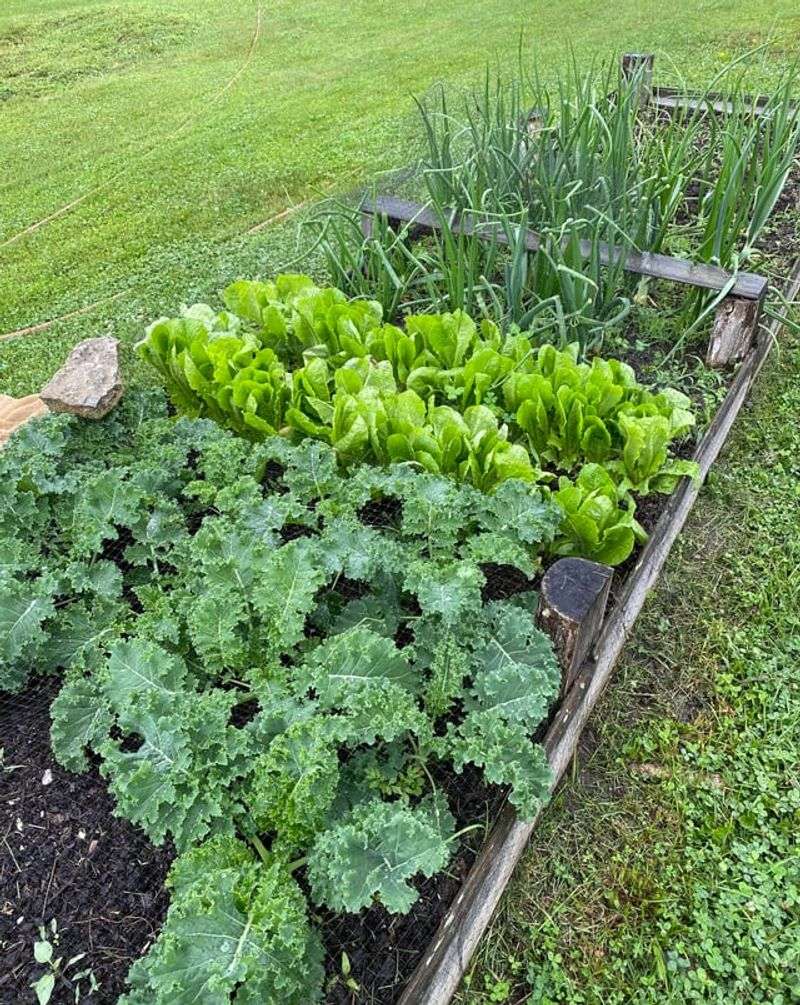
Watering a garden sounds simple until you realize that not every plant wants the same amount of moisture.
Grouping crops with different water needs in the same bed creates a frustrating situation where you are either overwatering one plant or underwatering another.
Matching crops by their moisture demands is a foundational principle that makes intercropping much more manageable and effective.
Tomatoes and peppers, for example, are both warm-season crops that prefer consistent, moderate moisture and do not love soggy roots.
They make natural bed companions because you can water them on a similar schedule without stressing either plant.
Lettuce and spinach also share similar moisture preferences, making them a logical pairing in spring beds.
On the other end of the spectrum, herbs like rosemary and thyme prefer drier conditions and would struggle if planted alongside heavy-drinking crops like cucumbers or squash.
In North Carolina, summer rainfall can be unpredictable.
Some weeks bring heavy thunderstorms while others are dry stretches that stress plants quickly. Having crops with matching water needs in the same zone makes it far easier to manage supplemental irrigation efficiently.
Drip irrigation systems work especially well for intercropped beds because you can target water delivery at the root zone without soaking foliage.
Efficient irrigation is consistently identified as a key factor in crop health for North Carolina vegetable gardens.
Grouping by moisture needs is a simple but powerful way to keep your intercropped beds thriving from spring planting all the way through fall harvest.
Ready to try your first intercropping combo? Start with radishes and tomatoes. Plant radish seeds around your tomato transplants in April, and you will walk away with two crops from one bed before summer even hits its stride.