The One Plant New Jersey Gardeners Should Give Extra Care During A Heat Wave
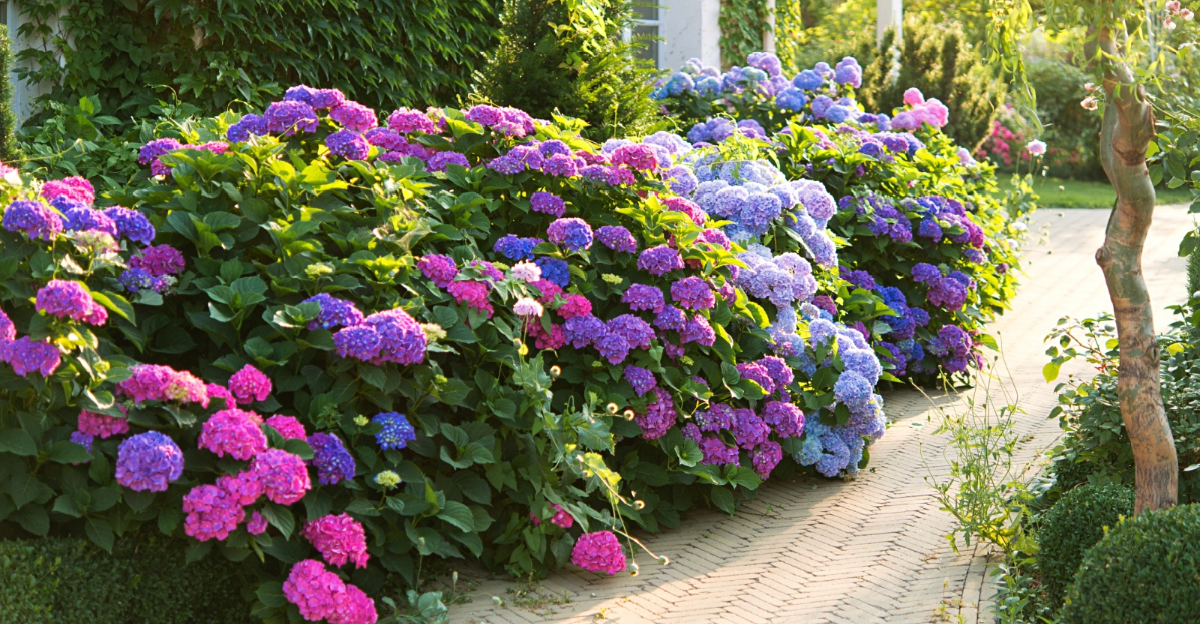
New Jersey summers don’t ease in, they ambush you. A string of gentle, breezy afternoons can flip overnight into a stretch where the air feels borrowed from a sauna.
Most plants shrug it off. Lawns toughen up, tomatoes barely blink, but there’s one backyard favorite that reacts like it’s never felt heat before.
Walk through your garden at 3pm during a heatwave and you might catch it drooping low, blooms gone limp and almost see-through, looking more like crumpled tissue paper than flowers.
New Jersey gardeners know this scene well, and the quiet worry that comes with it. Here’s the reassuring part: this plant isn’t nearly as fragile as that display suggests.
With a few smart moves, you can ease its stress and keep it thriving right through August. This guide walks through the warning signs, the fast fixes, and the habits that make heat stress a non issue for good.
Hydrangeas And The Sudden Summer Heat Problem
New Jersey summers rarely ease in. One week feels gentle, the next feels scorching. Most plants shrug off the sudden shift. Tomatoes barely blink, and lawns simply toughen up.
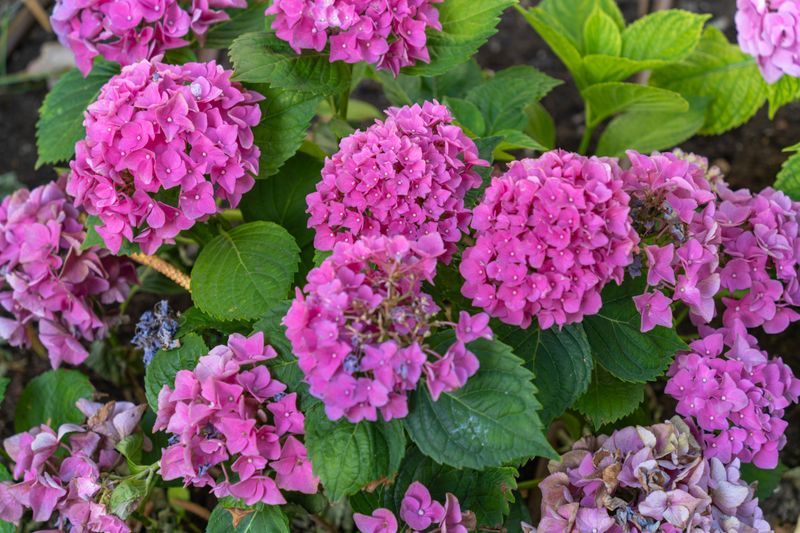
But one backyard favorite reacts differently. Hydrangeas often start struggling once temperatures climb into the 90s.
Walk outside around 3pm during a heat wave. You might spot drooping blooms, thin and pale.
They look almost paper thin under direct sun. New Jersey gardeners know this scene well. It happens fast, almost without warning. One morning the blooms look full and proud.
By afternoon, everything changes completely. Leaves curl inward, and petals lose their shape.
Here’s the good news though. Hydrangeas are tougher than that wilted look suggests. A few smart habits can turn things around fast. This guide breaks down exactly what to do.
Some warning signs show up early, others hit all at once. Either way, your blooms need quick attention.
This walkthrough covers everything step by step. From spotting stress to long term care, you’re covered.
We’ll talk about watering schedules and smart shade tricks. We’ll also cover soil habits that build lasting resilience. Whether you’re a longtime gardener or brand new to hydrangeas, this applies to you.
Even seasoned green thumbs get caught off guard by sudden heat spikes. Grab your watering can and get ready. Your hydrangeas are about to thank you.
Why This Flower Can Struggle In Extreme Heat
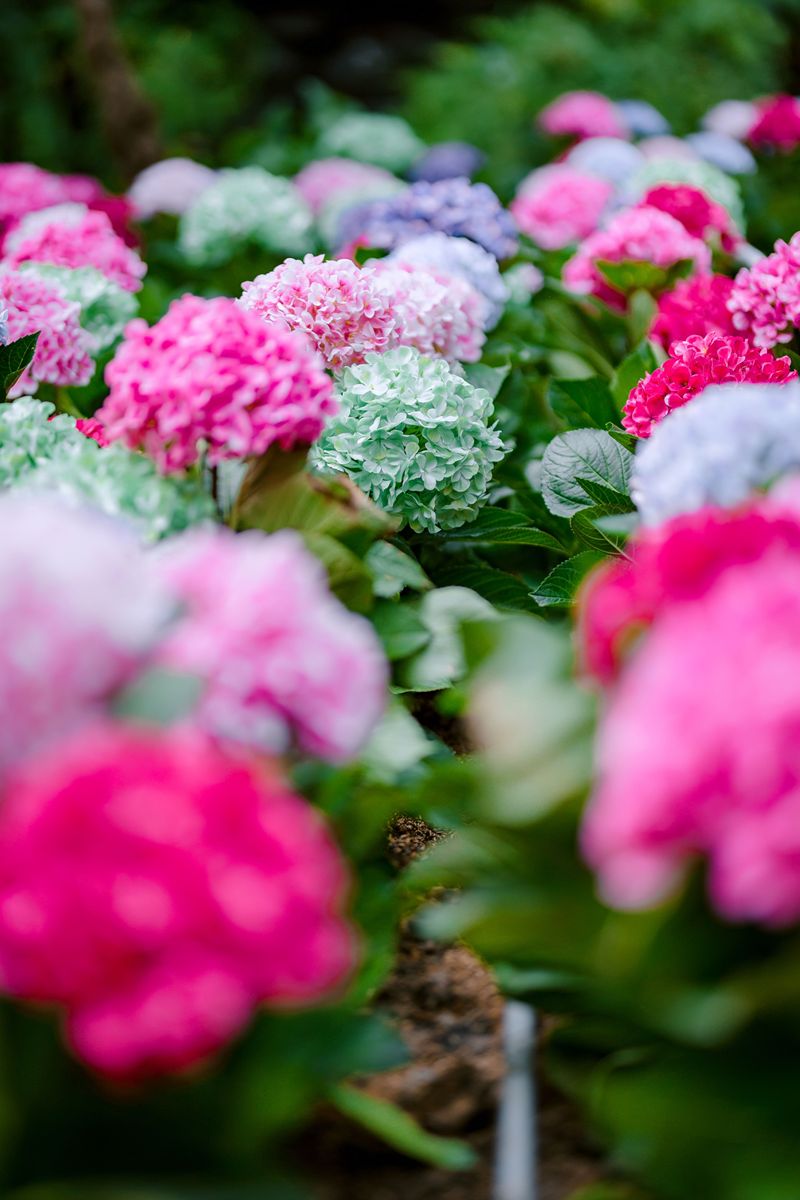
Big leaves come with a big price. Hydrangeas lose water fast through those broad, thin surfaces. That constant moisture loss is called transpiration.
On a scorching afternoon, it happens faster than roots can keep up. Shallow root systems make things worse. Most varieties spread wide instead of digging deep.
That shallow structure dries out quickly in extreme heat. There simply isn’t much stored moisture to draw from.
Certain types suffer more than others. Bigleaf and mophead varieties wilt the fastest in direct sun.
Your New Jersey Garden Changes Every Week. Your Plan Should Too.
Gardening in New Jersey changes quickly throughout the season. Every Friday you’ll receive a simple weekly plan showing exactly what to plant, prune, fertilize, harvest, and protect so you never miss the right timing.
Panicle hydrangeas tend to handle heat a bit better. Even so, no variety is fully immune to a scorching stretch.
Container plants face extra trouble too. Pots heat up quickly and dry out even faster than garden soil.
Afternoon sun becomes the real enemy here. Morning light is gentle, but midday rays turn punishing fast.
Soil type plays a quiet role as well. Sandy soil drains too quickly, leaving roots parched within hours.
Clay soil creates the opposite problem entirely. It holds water so tightly that roots can suffocate instead.
Wind adds another layer of stress too. Hot, dry gusts pull moisture from leaves even faster than sun alone.
Humidity levels matter more than most gardeners realize. Low humidity speeds up water loss dramatically during heat waves.
Once you understand why this happens, prevention gets easier. Knowing the weak points is half the battle won.
Signs Your Plant Is Heat-Stressed
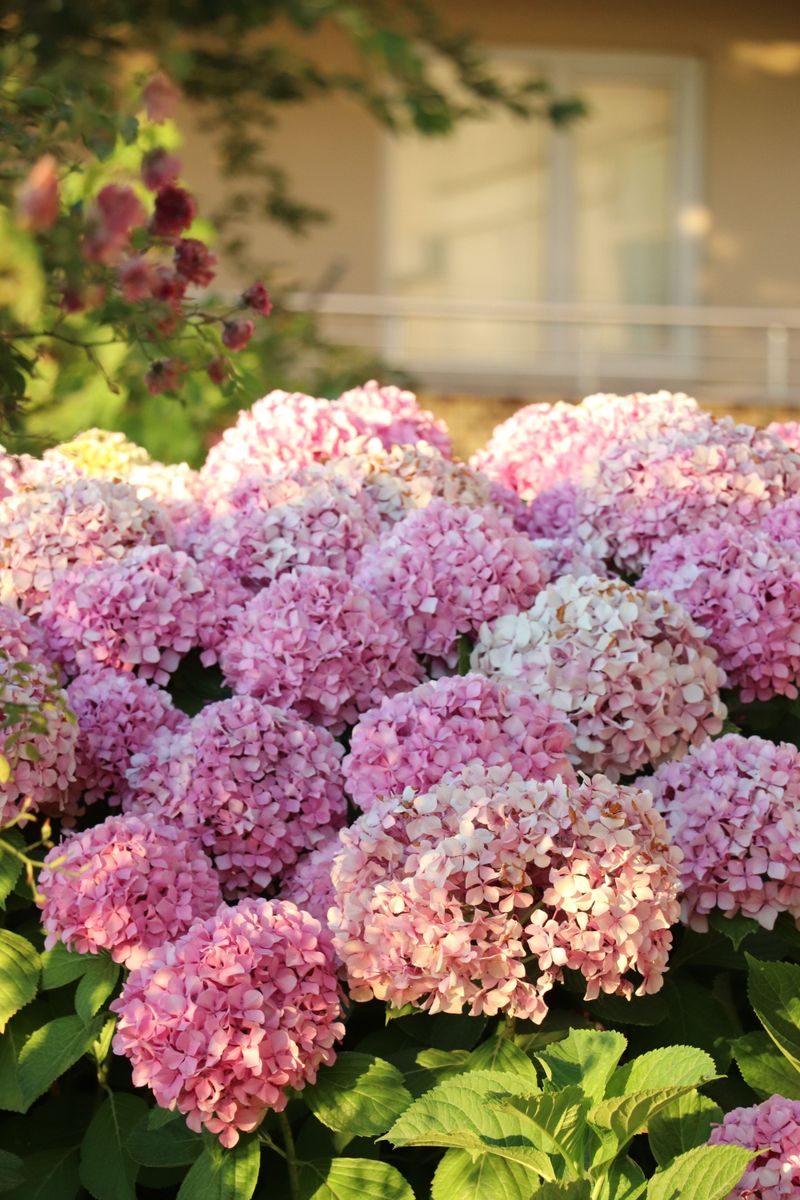
Wilting isn’t always subtle. Sometimes it happens right before your eyes. Look closely at the leaves first. Curling edges or a dull, faded color signal trouble ahead.
Blooms often go limp by midafternoon. They may look thin, almost translucent, like crumpled paper.
Don’t panic the second you see this though. Many hydrangeas perk back up once evening arrives.
That daily wilt and recovery pattern is common. It only becomes serious if the plant never bounces back overnight. Check the soil next for clues. Bone dry soil often means the roots are already struggling.
Browning leaf tips are another red flag. This usually points to both heat stress and water loss combined.
Yellowing lower leaves can signal deeper trouble. It often means the root zone has overheated for too long.
Stunted new growth is worth watching closely. Stressed plants often pause growth entirely during extreme conditions.
Flower color can shift unexpectedly during heat spikes. Blooms may fade or bleach out under constant sun exposure.
Crispy, brittle edges on petals suggest scorching. This usually happens after several consecutive days of intense heat.
A slumped, tired posture across the whole shrub matters too. It often means stress has spread beyond just a few leaves.
Catching these signs early changes everything. A stressed plant caught in time recovers far more easily.
How To Water It Properly During A Heat Wave
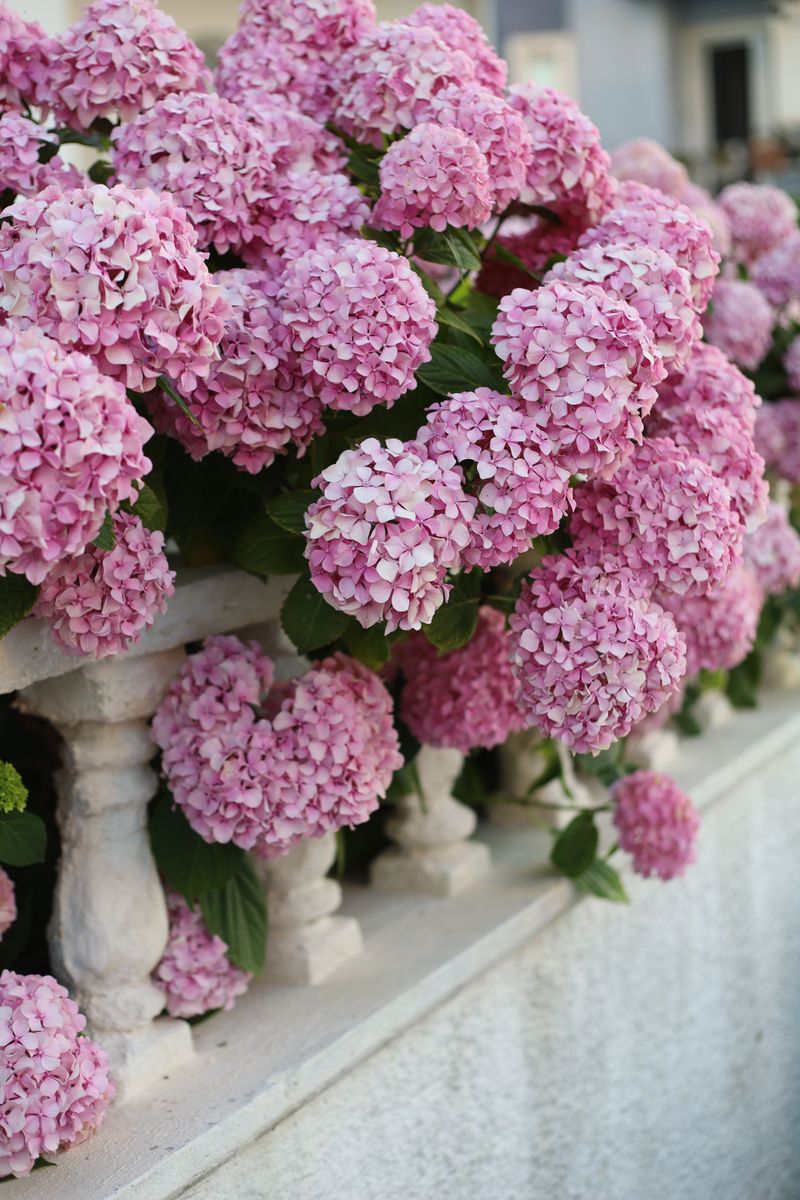
Timing matters more than people think. Water early morning, before the sun climbs high overhead.
This lets roots absorb moisture before evaporation kicks in. It also helps the plant handle afternoon heat better.
Avoid watering during peak sun hours. Wet foliage sitting in strong sun invites fungal issues, and much of that water evaporates before it helps the roots.
Evening watering works too, but with caution. Standing overnight moisture can invite fungal problems if overdone.
Deep watering beats frequent shallow sprinkles. Soak the soil fully instead of lightly misting the surface.
This encourages roots to grow deeper over time. Deeper roots handle future heat waves far better.
During extreme spikes, daily watering may be necessary. Check soil moisture with your finger before assuming.
Stick a finger two inches into the dirt. If it feels dry, it’s time to water again. Drip irrigation offers a reliable long term solution. It delivers steady moisture straight to the root zone.
Soaker hoses work well for smaller garden beds too. They reduce waste while keeping foliage completely dry.
Avoid overhead sprinklers whenever possible during heat waves. Wet leaves sitting in strong sun invite fungal problems. Much of that surface water evaporates before reaching the roots anyway.
Container plants often need water twice daily in extreme heat. Their limited soil volume dries out much faster. Mulch helps lock in that moisture longer.
A few inches around the base makes a noticeable difference. Consistent watering habits build real resilience. Your hydrangeas will thank you with fuller, healthier blooms.
Providing Shade And Protecting The Roots
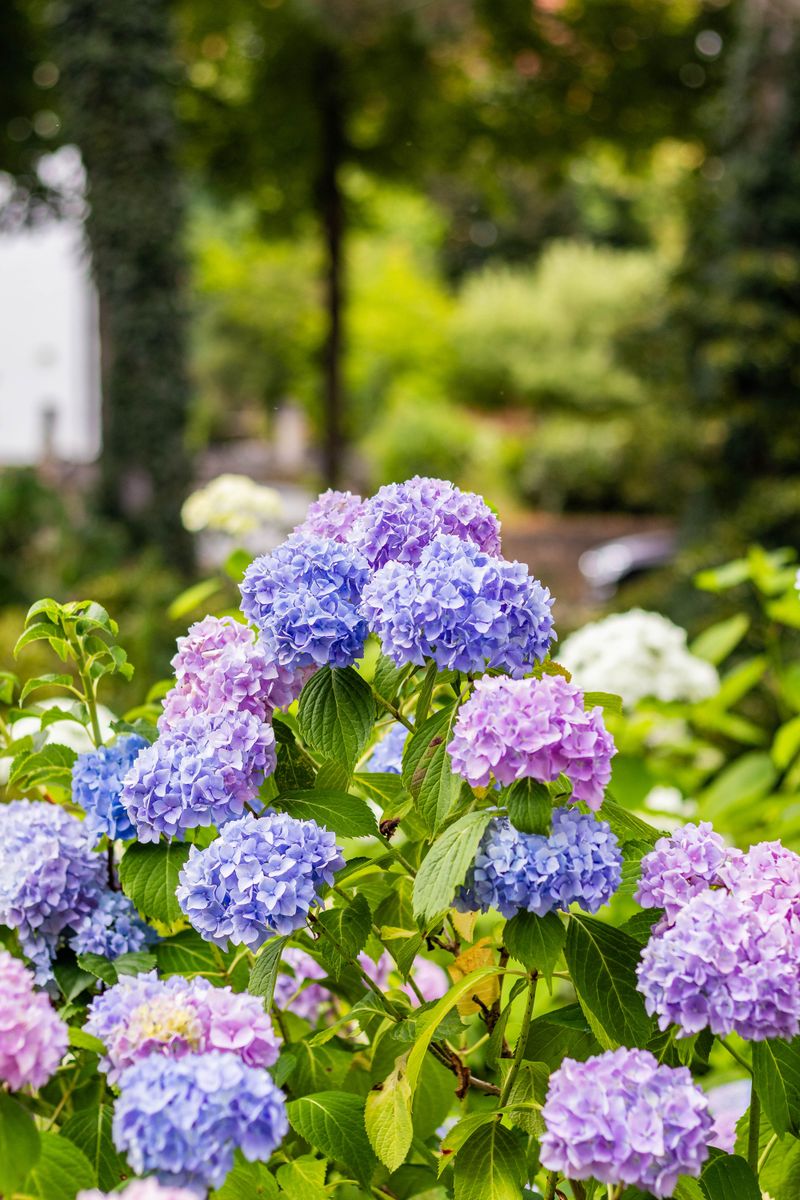
Sometimes the fix isn’t water at all. Sometimes it’s simply blocking the sun. Afternoon shade makes a massive difference here. Even two or three hours of relief helps enormously.
A shade cloth works great in a pinch. Drape it loosely during the hottest part of the day. Nearby trees or taller shrubs offer natural cover too. Planting hydrangeas near these spots pays off long term.
Mulch plays a double role in protection. It shields roots from heat while holding moisture in place. Use two to three inches around the base. Keep it slightly away from the main stem itself.
Container hydrangeas need extra attention here. Move pots to shadier spots during scorching stretches.
Light colored pots also help roots stay cooler. Dark containers absorb far more heat than lighter ones.
Temporary structures can offer quick relief too. A patio umbrella angled correctly blocks harsh midday rays.
Fencing or trellis panels create natural filtered light. This softens sun exposure without blocking it completely.
Grouping plants together can help as well. Neighboring foliage creates gentle shade and traps ground moisture.
Raised beds tend to heat up faster than ground level plots. Consider this before placing hydrangeas in elevated containers.
Small adjustments like these add up fast. Protecting roots now means stronger blooms later this summer.
Long-Term Tips To Keep It Thriving All Summer
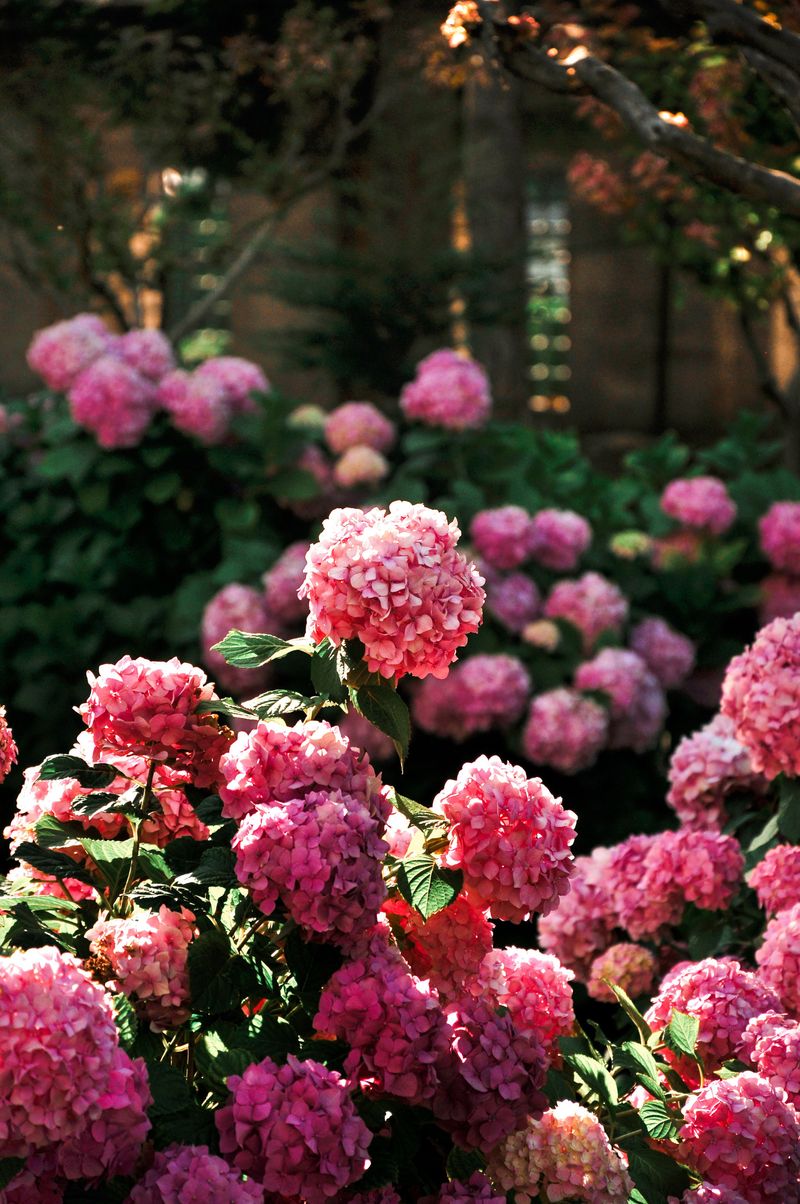
Getting through a heat wave is one thing. Long term thriving is another goal entirely. Start with smart placement from the beginning. Morning sun with afternoon shade is the ideal combination.
Healthy soil makes a huge difference too. Rich, well draining soil holds moisture without staying soggy.
Add compost once or twice a season. This boosts nutrients while improving overall water retention.
Pruning also plays a bigger role than people realize. Removing spent or damaged growth redirects energy elsewhere.
Timing depends on the variety though. Panicle and smooth types can be pruned in late winter.
Bigleaf and mophead types work differently. They bloom on the previous year’s growth, not new wood.
Prune those right after flowering ends. Pruning them too early can strip away next season’s blooms entirely.
Consistent mulching remains one of the best habits. Refresh it every few months for lasting protection.
Watch the weather forecast closely all season. Preparing before a heat wave beats reacting after damage appears.
Fertilizing at the right time supports steady growth. Choose a balanced formula made for flowering shrubs.
Avoid feeding during the hottest stretches though. This can stress roots instead of helping them recover.
Rotating container plants seasonally also helps their overall health. Fresh soil every couple years prevents nutrient depletion.
Pairing hydrangeas with heat tolerant companion plants works well too. Shared shade and moisture benefit the whole garden bed.
With steady care, hydrangeas can handle almost anything New Jersey summers throw at them. Your garden will look full, vibrant, and proud all season long.