8 Perennial Flowers That Thrive In Full Shade Pennsylvania Gardens
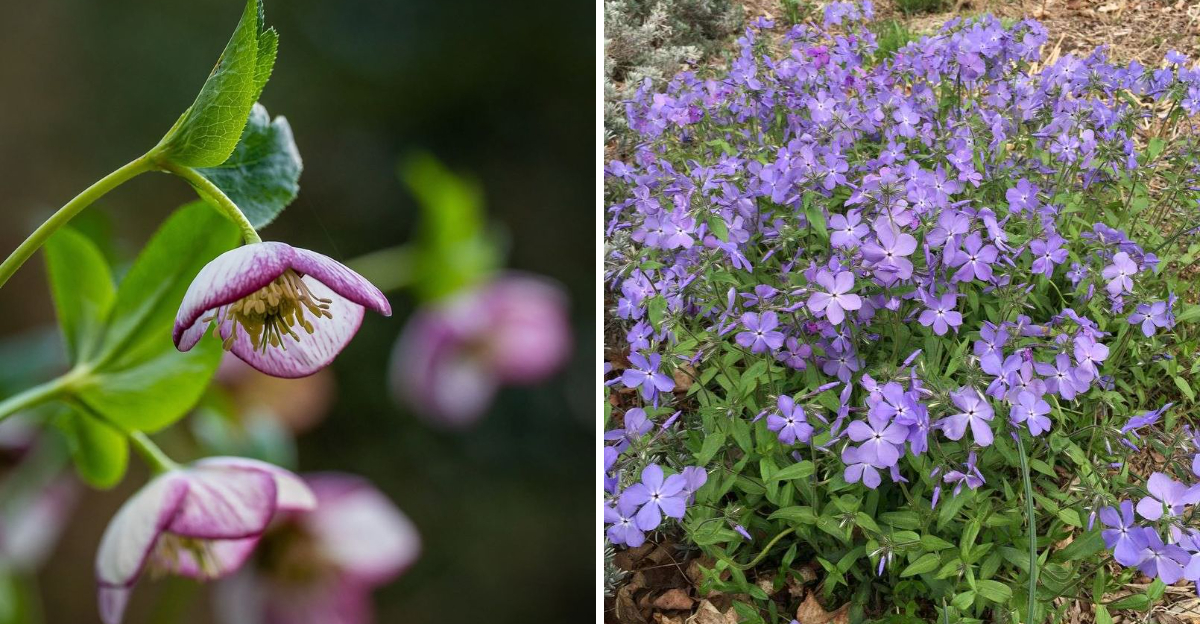
A shady yard does not have to mean a boring one, and most gardeners assume the opposite without ever putting it to the test.
Pennsylvania’s wooded landscapes and tree-covered backyards are actually perfect homes for some truly stunning perennial flowers that come back year after year without much fuss.
If your garden gets little to no direct sun, you are not out of luck. You are actually sitting on a secret opportunity that sunny-yard gardeners do not get to experience in quite the same way.
Full shade gardens can burst with color, texture, and life from late winter all the way through fall if you choose the right plants for the conditions you actually have.
The key is matching the right flower to your specific shade, whether it is dry under a big oak, moist along a stream edge, or dappled under a canopy of maples.
Pennsylvania’s climate, with its cold winters and humid summers, suits many native and adapted shade perennials beautifully, and once established, many of them practically take care of themselves.
So, let’s walk you through eight reliable perennials that genuinely love the shade and reward patient gardeners with season after season of beauty.
1. Foamflower Brightens Woodland Shade
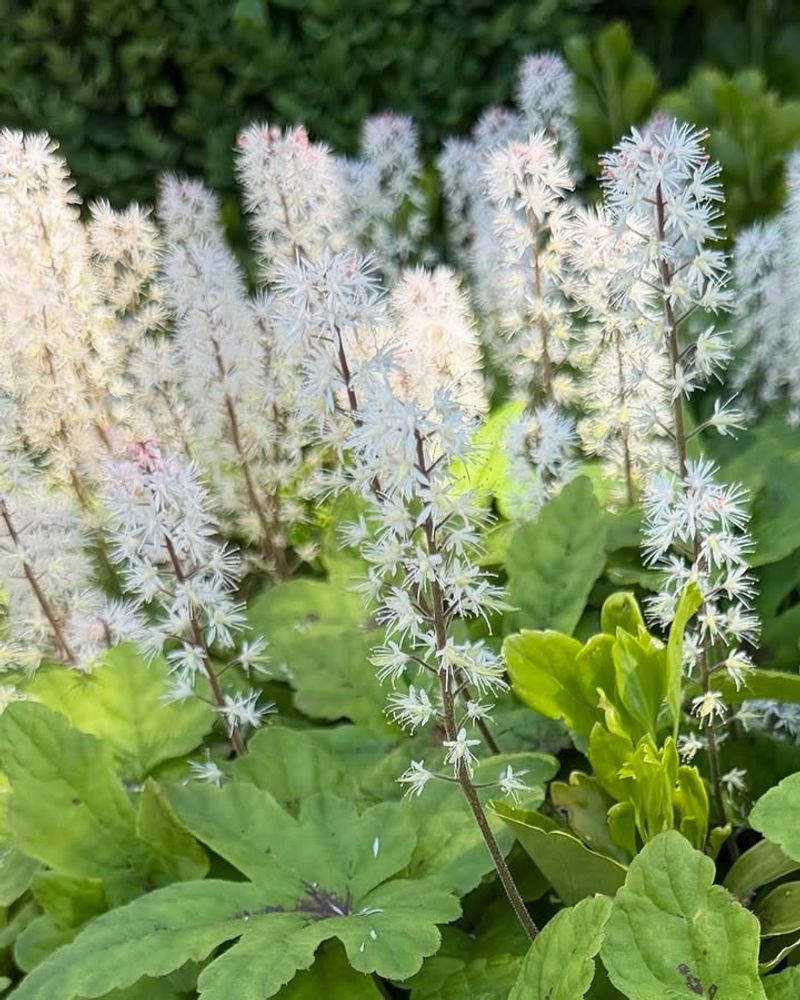
Tucked beneath a canopy of tall oaks, a foamflower in full bloom looks like someone scattered tiny fireworks across the forest floor.
Tiarella cordifolia is a true Pennsylvania native, and it has been lighting up woodland edges long before gardeners started paying attention to shade plants.
Its frothy white to soft pink flower spikes appear in spring, usually from April into May, rising just above a neat mound of attractive, lobed foliage.
Foamflower grows best in moist, rich, well-drained soil with plenty of organic matter.
Think of the kind of soil you find naturally on a forest floor, dark, crumbly, and full of decomposed leaves. Adding compost when planting gives it a great head start.
It spreads gently by runners, slowly filling in bare spots without becoming aggressive or invasive.
The foliage stays attractive all season long, and some varieties display striking burgundy or bronze markings on the leaves that add color even when the plant is not blooming.
Foamflower works beautifully as a groundcover under deciduous trees or along shaded paths. It pairs well with ferns, hostas, and wild ginger for a layered woodland look that feels intentional rather than accidental.
Pennsylvania gardeners should look for straight species or cultivars like Running Tapestry or Jeepers Creepers for reliable performance.
Keep the soil consistently moist, especially during summer dry spells. Once established, foamflower is impressively low-maintenance and returns reliably each spring, making it a smart first choice for any new shade garden.
2. Wild Ginger Covers Quiet Corners
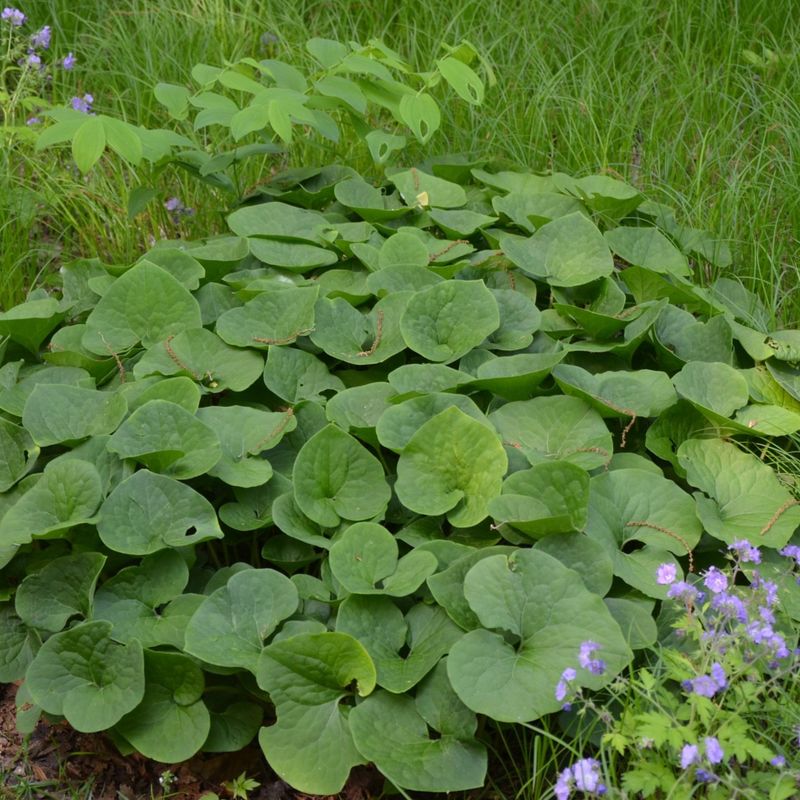
Some plants earn their place in the garden not with flashy flowers but with sheer reliability.
Wild ginger, or Asarum canadense, is exactly that kind of plant. It is a native Pennsylvania woodland groundcover that thrives in deep shade where most other plants simply give up.
The broad, heart-shaped leaves form a dense, lush carpet that suppresses weeds beautifully and stays green from spring through fall.
Your Pennsylvania Garden Changes Every Week. Your Plan Should Too.
Gardening in Pennsylvania changes quickly throughout the season. Every Friday you’ll receive a simple weekly plan showing exactly what to plant, prune, fertilize, harvest, and protect so you never miss the right timing.
The flowers on wild ginger are a fun little secret.
They bloom in early spring, hidden right at soil level beneath the leaves, small reddish-brown cups that most visitors never notice.
They are pollinated by ground-level insects that crawl into the blooms. You may never see the flowers unless you crouch down and look, but that mystery is part of wild ginger’s quiet charm.
This plant handles deep shade better than almost anything else on this list.
It also tolerates dry shade once it is well established, though it grows faster and fills in more quickly in moist, humus-rich soil.
Planting it in groups of three or more gives it a chance to spread into a proper groundcover within a few seasons.
Wild ginger is not actually related to culinary ginger, but its roots do carry a pleasant spicy scent when crushed.
Pennsylvania gardeners can use it to fill those tricky dark corners under dense evergreens or along north-facing foundation beds where little else survives.
It is slow but steady, and patience pays off with a truly beautiful, weed-smothering mat of foliage.
3. Barrenwort Handles Dry Shade
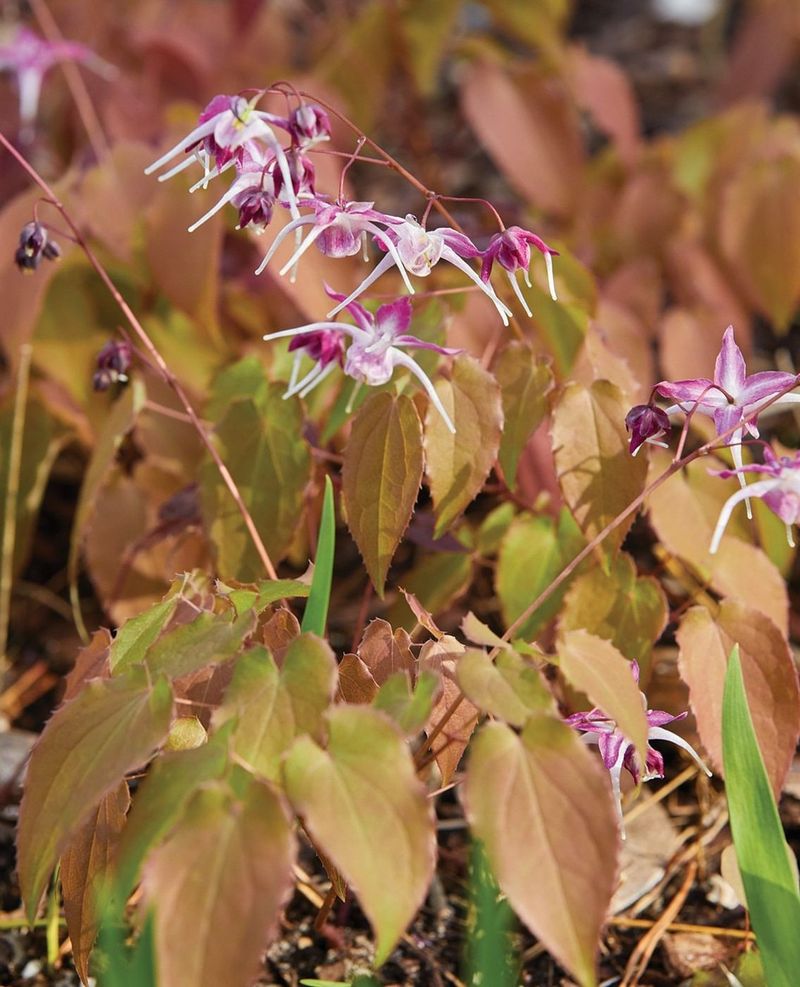
Dry shade is the toughest condition in any garden.
Tree roots compete aggressively for moisture, the soil can feel almost powdery by midsummer, and most plants simply cannot cope.
Barrenwort, known botanically as Epimedium, is one of the few perennials that actually handles these harsh conditions without drama. Gardeners who discover it tend to wonder why it took them so long.
Epimedium produces delicate, airy flowers in spring, ranging in color from white and yellow to pink and purple depending on the variety.
The blooms appear on wiry stems above the foliage, giving the plant a light, almost fairy-like appearance that contrasts beautifully with its tough reputation. Bloom time in Pennsylvania typically runs from April into May.
The heart-shaped leaves are semi-evergreen in many varieties, meaning they hold on through much of winter before fresh growth pushes up in spring.
Cutting back the old foliage in late winter, just before new growth emerges, helps show off the flowers and tidies up the planting. Once established in the right spot, barrenwort requires almost no supplemental watering, even during summer dry spells.
For Pennsylvania gardens, look for Epimedium x versicolor Sulphureum or Epimedium x rubrum, both of which perform reliably in zone 5 and 6 conditions.
Plant it beneath mature trees or along dry, shaded slopes where irrigation is difficult. Space plants about 12 inches apart and top-dress with compost each spring to encourage steady spread.
4. Hellebores Start The Season Early
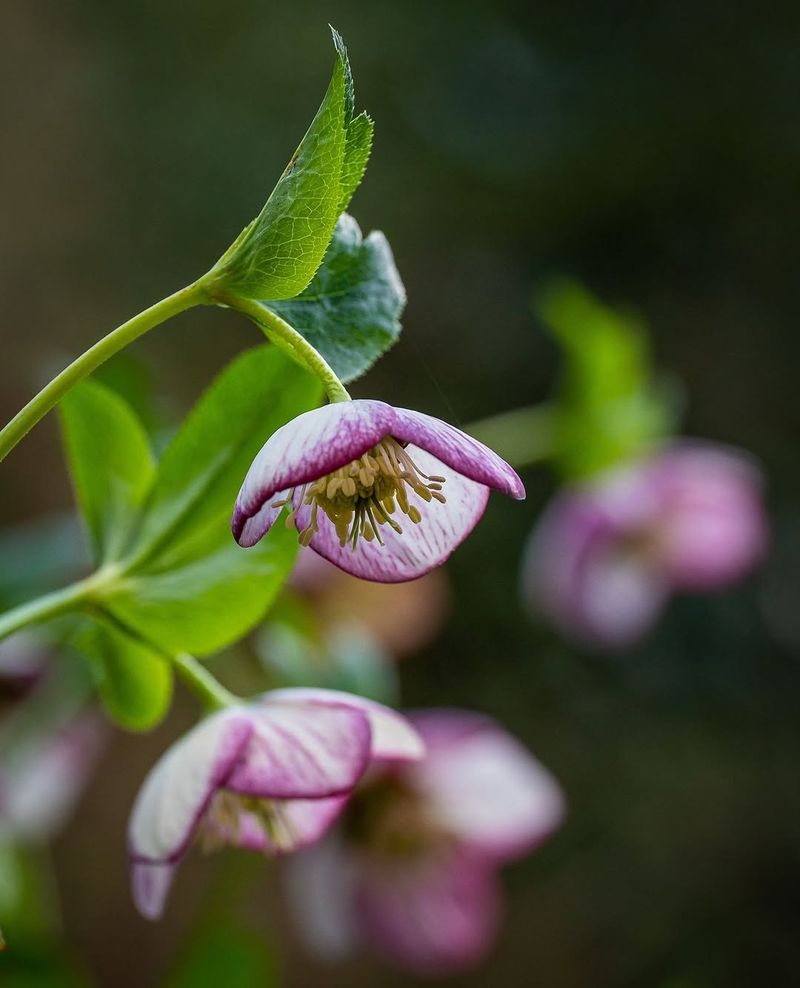
Before the robins arrive and before the daffodils push up, hellebores are already blooming.
These tough, evergreen perennials start flowering in late February or early March in most Pennsylvania gardens, sometimes even poking through a light dusting of snow.
For shade gardeners starved for color after a long winter, that is nothing short of magical.
Hellebores, sometimes called Lenten roses, belong to the genus Helleborus. The most widely grown species is Helleborus orientalis and its many hybrids, which come in shades of white, cream, blush pink, deep plum, burgundy, and near-black.
The nodding, cup-shaped flowers last for weeks, and the leathery, dark green foliage stays attractive all year long.
They grow best in moist, well-drained soil enriched with compost and perform particularly well under deciduous trees where they catch winter sun before the canopy leafs out.
Bright shade or dappled light suits them better than absolute darkness. In deep, dry shade they may survive but tend to bloom less freely.
Penn State Extension notes that hellebores are slow to establish but extremely long-lived once settled in.
Avoid moving them once planted since they resent root disturbance. Remove old foliage in late winter before flowers emerge to keep plants looking tidy and to reduce disease pressure.
Self-seeding is common, and volunteer seedlings can be transplanted carefully in spring.
5. Virginia Bluebells Shine In Spring
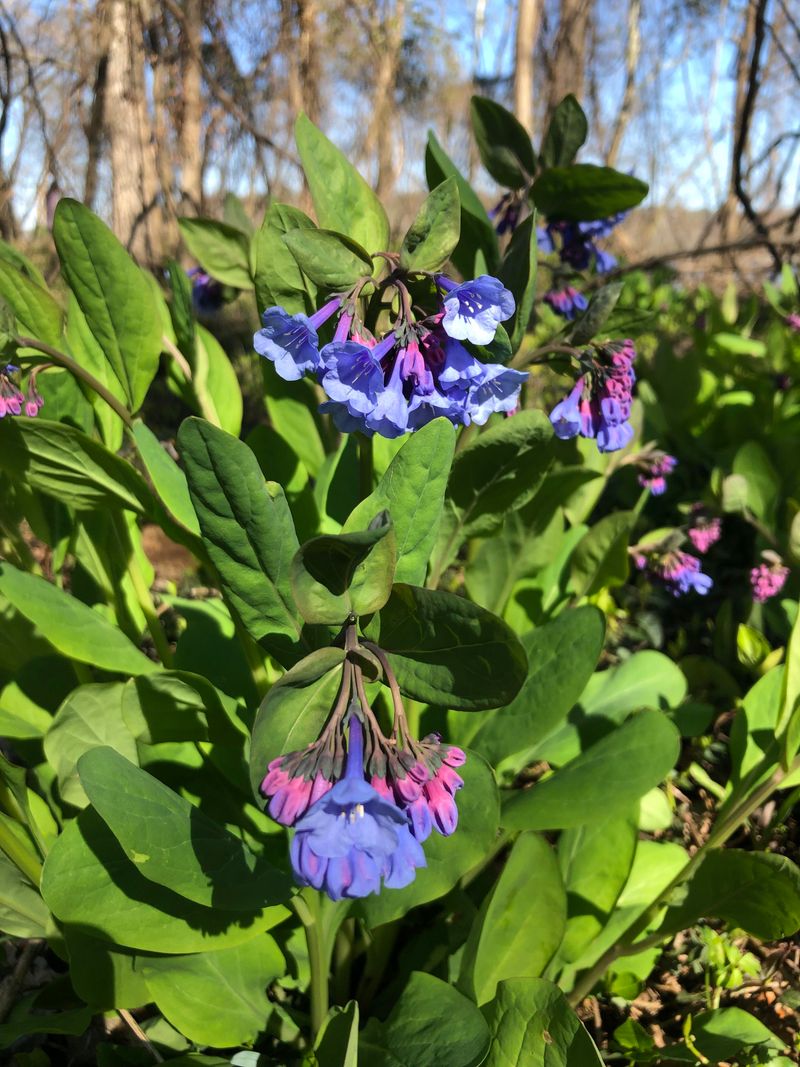
A misty April morning along a Pennsylvania creek bank usually means Virginia bluebells are somewhere nearby.
Mertensia virginica is one of the most breathtaking native spring wildflowers in the eastern United States, producing clusters of sky-blue, trumpet-shaped blooms that glow against the soft blue-green foliage.
The color is rare and striking, and it draws gardeners and pollinators alike.
Virginia bluebells are a spring ephemeral, meaning they emerge, bloom, and then go fully dormant by early summer.
That lifecycle is important to plan around. Mark their location clearly so you do not accidentally dig into the clumps while planting summer annuals. Pair them with ferns, hostas, or astilbe, plants that fill in as the bluebells fade.
Moist, rich soil is essential for this plant.
It thrives along stream edges, in rain gardens with dappled shade, or in low-lying areas of the yard that stay consistently moist in spring.
Sandy or dry soil is not a good match. In the right conditions, Virginia bluebells spread steadily by seed and form impressive colonies over several years
Native plant enthusiasts in Pennsylvania treasure this species for its ecological value. Early bumblebees and hummingbirds visit the blooms for nectar.
Planting a generous clump of at least five to seven plants creates a more dramatic spring display, and purchasing nursery-grown plants rather than wild-collected specimens protects native populations.
6. White Wood Aster Blooms Late
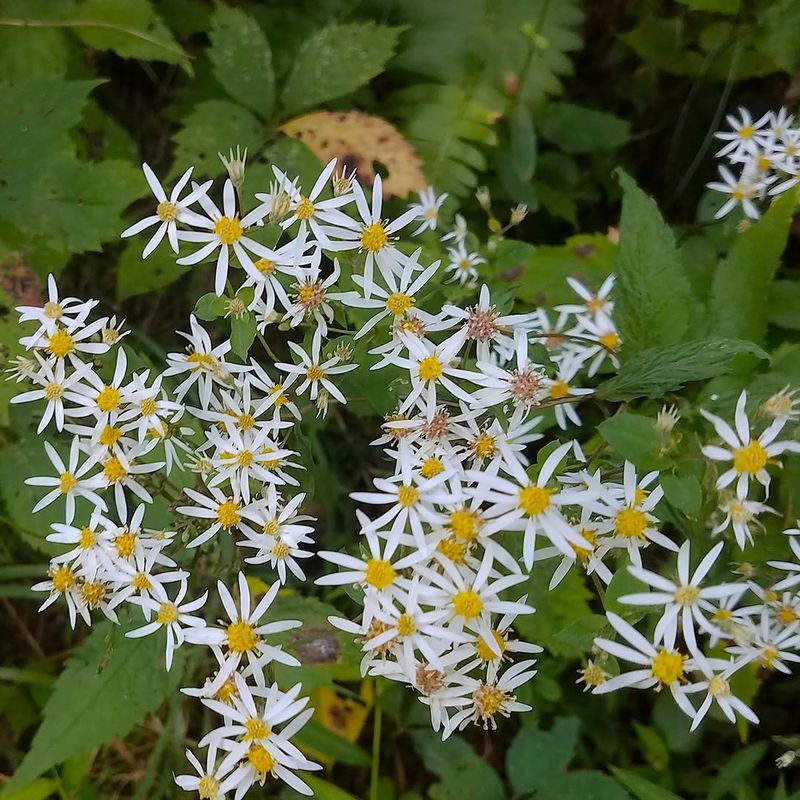
Late summer arrives and most shade gardens go quiet.
Hostas hold their ground, ferns stay green, but the flowers are mostly gone. White wood aster, Eurybia divaricata, shows up exactly when the garden needs it most.
This tough Pennsylvania native bursts into bloom from August through October, covering its dark, wiry stems with hundreds of small white daisy-like flowers.
The contrast between the nearly black stems and the white blooms is genuinely striking.
It has a wild, loose, naturalistic quality that suits woodland gardens perfectly. Pollinators, especially native bees and butterflies making their fall migration, absolutely flock to the blooms.
White wood aster handles a wide range of shade conditions, from dappled light to fairly deep shade, and it tolerates dry soil far better than most asters.
It grows well under mature trees where root competition is fierce. The plant spreads by rhizomes and can self-seed, so give it room or simply edit it back where it wanders too far.
In Pennsylvania, it performs reliably in zones 3 through 8, making it one of the most adaptable native shade plants available.
Cut plants back by half in June to encourage bushier growth and more blooms. It pairs beautifully with late-blooming ferns and goldenrod at woodland edges, filling a gap most shade gardens leave wide open in fall.
7. Turtlehead Likes Moist Shade
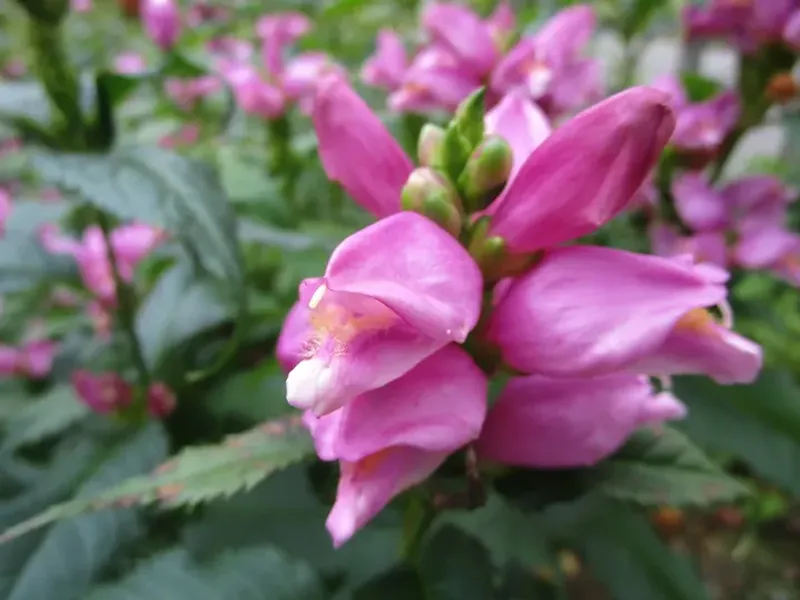
There is something genuinely fun about a flower that looks exactly like what it is named after.
Turtlehead, or Chelone glabra, produces puffy, hooded blooms that really do resemble the head of a turtle peeking out of its shell.
Beyond the charming appearance, this native Pennsylvania perennial is a powerhouse for moist shade situations that stump most gardeners.
Turtlehead blooms in late summer, typically from August into September, which fills a gap in the shade garden calendar.
The flowers range from white to soft pink and appear at the tops of upright stems that can reach 2 to 3 feet tall.
The deep green, lance-shaped foliage is attractive all season long and holds up well even in the heat of a Pennsylvania summer.
Consistent moisture is non-negotiable for this plant. It grows naturally along stream banks, pond edges, and in low, wet woodland areas across Pennsylvania.
In a garden setting, it thrives in rain gardens, beside water features, or in any spot that stays reliably moist. Dry soil causes the plant to struggle, so skip it if your shade is also dry.
Chelone glabra is a host plant for the Baltimore checkerspot butterfly, a beautiful native species.
Planting turtlehead supports that butterfly’s life cycle directly. It grows well in average to rich, moist soil with a slightly acidic pH, which is common in Pennsylvania woodland settings.
Divide clumps every three to four years in spring to keep plants vigorous.
8. Woodland Phlox Adds Soft Color
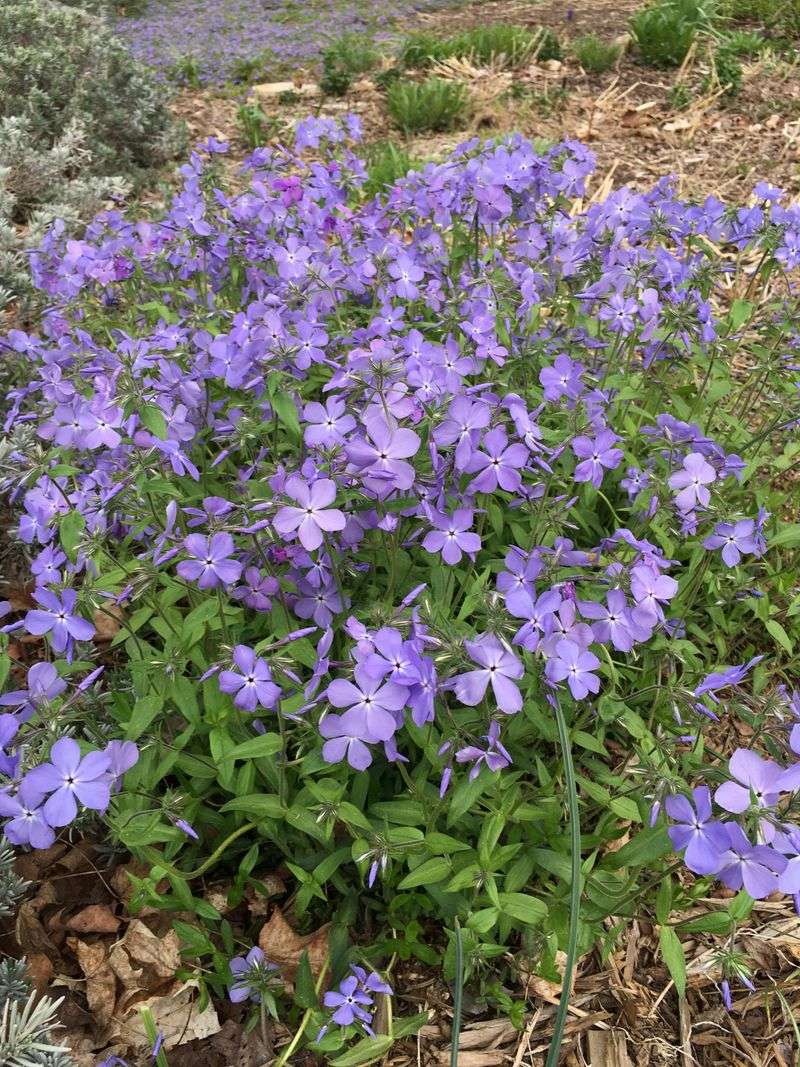
Spring in a Pennsylvania woodland garden smells sweeter when woodland phlox is in bloom.
Phlox divaricata, commonly called wild blue phlox or woodland phlox, produces loose clusters of soft lavender-blue flowers with a light, pleasant fragrance that carries through the garden on warm April afternoons.
It is one of those plants that makes you stop walking and just stand there for a moment.
Woodland phlox reaches about 10 to 15 inches tall and blooms from April into May, overlapping beautifully with Virginia bluebells, trillium, and foamflower for a stunning native spring combination.
The semi-evergreen foliage forms low mats that provide ground-level interest even outside of bloom time. In rich, moist, slightly acidic soil under deciduous trees, it genuinely thrives with minimal care.
Unlike garden phlox, which is prone to powdery mildew in humid conditions, woodland phlox has much better disease resistance.
It still prefers good air circulation, so avoid planting it in tight, stagnant corners. Bright shade or dappled light produces the most abundant blooms, while deep, dense shade results in leggier growth and fewer flowers.
Trimming spent flowers encourages a light rebloom and keeps the planting tidy.
Woodland phlox spreads slowly by stolons and self-seeds gently, gradually filling in a shaded bed. Cultivars like Chattahoochee and Blue Moon offer reliable color and pair beautifully with ferns and wild ginger for a layered, naturalistic look.