The Ohio Tree That Provides Four Seasons Of Interest In A Single Front Yard
Most front yard trees pick a season and stick to it. Big spring bloom, decent summer shade, maybe some fall color if the species cooperates, then nothing worth mentioning for the rest of the year.
A yard built around a single-season tree spends most months looking at something that has already peaked. One Ohio native breaks that pattern completely.
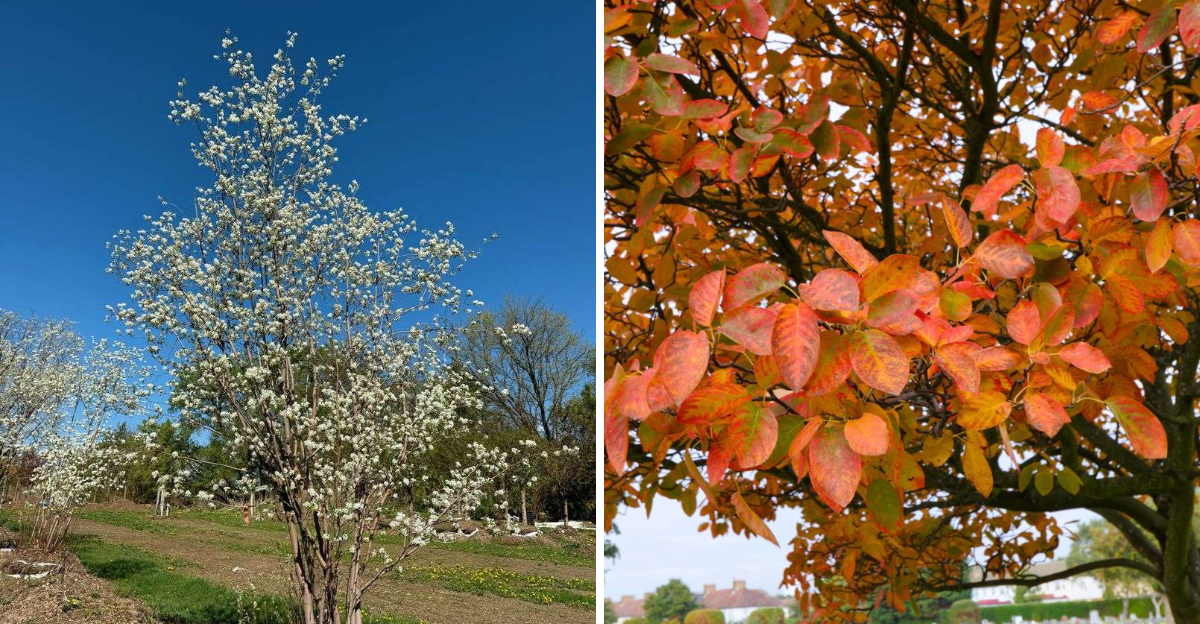
Spring flowers that rival anything else blooming at the same time. Summer fruit that pulls in birds by the dozen.
Fall color that holds its own against trees known specifically for it. Winter bark and structure that actually look intentional rather than bare.
Four seasons, one tree, one front yard. That kind of return on a single planting is rare, and most Ohio homeowners have driven past examples of it without realizing what they were looking at.
A front yard with this tree never has a quiet month.
1. Choose Serviceberry For A Small Front-Yard Tree
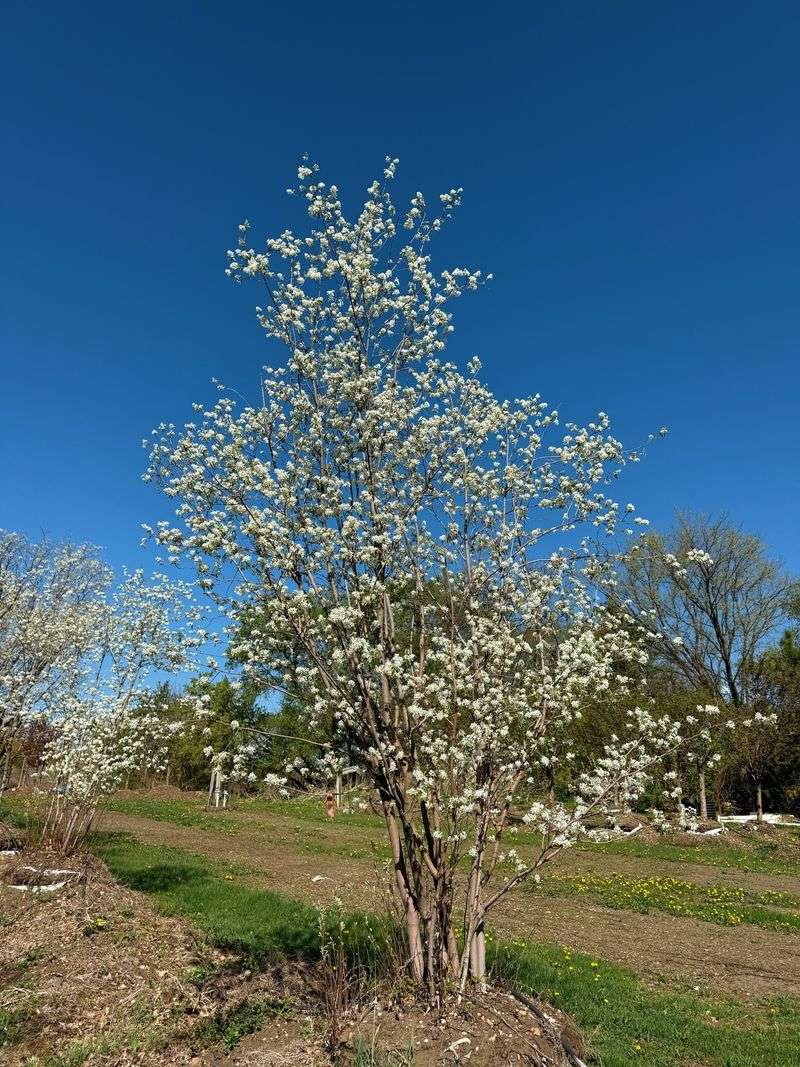
A small front yard needs a tree that earns its space long after the spring flowers are gone. Serviceberry fits that role well.
Depending on the species and how it is grown, serviceberry can reach anywhere from 15 to 25 feet tall at maturity. Some nursery stock is trained into a single-trunk small tree, while other plants are sold as multi-stem clumps that spread wider than they are tall.
Allegheny serviceberry and downy serviceberry are two species commonly found at Ohio nurseries and well suited to local front yards.
Both stay compact enough for modest lawns, foundation borders, and sidewalk-adjacent spaces where a large shade tree would simply be too much.
Canadian serviceberry tends to grow a bit taller and may need slightly more room.
Before buying, measure the space you have and ask your nursery which form and species fits best. Always purchase from a reputable native-plant nursery.
Do not dig plants from the wild. A well-chosen serviceberry placed in the right spot will grow steadily without crowding your home, blocking your windows, or lifting your sidewalk over time.
2. Enjoy White Spring Flowers Before The Yard Fills In
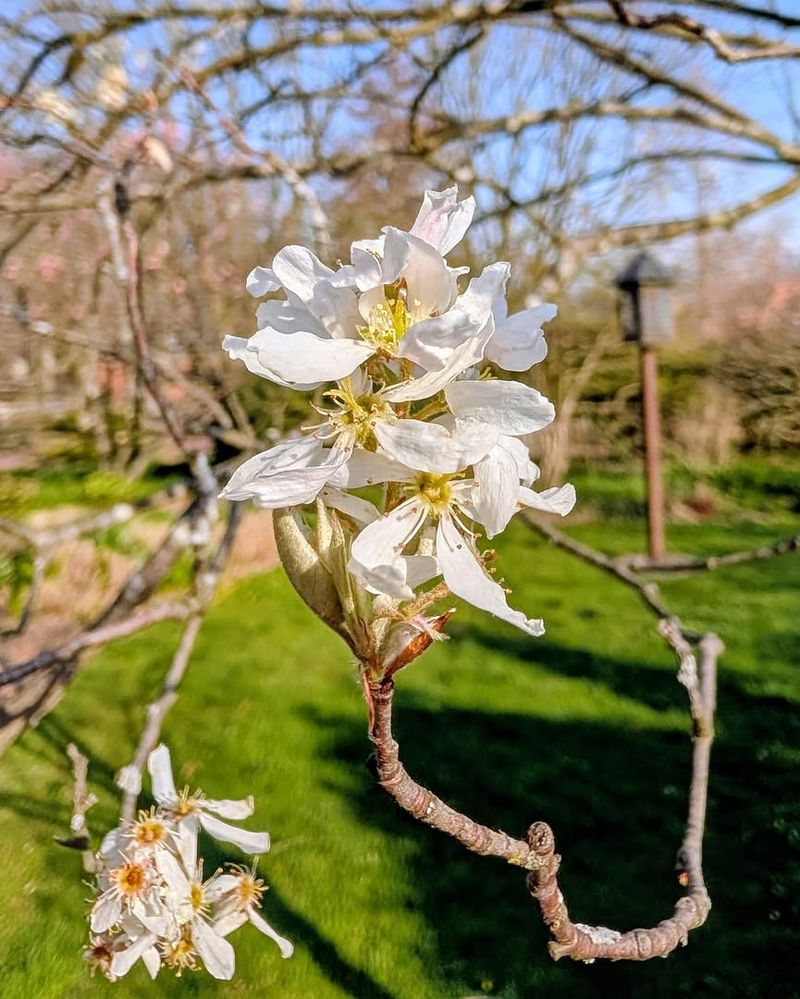
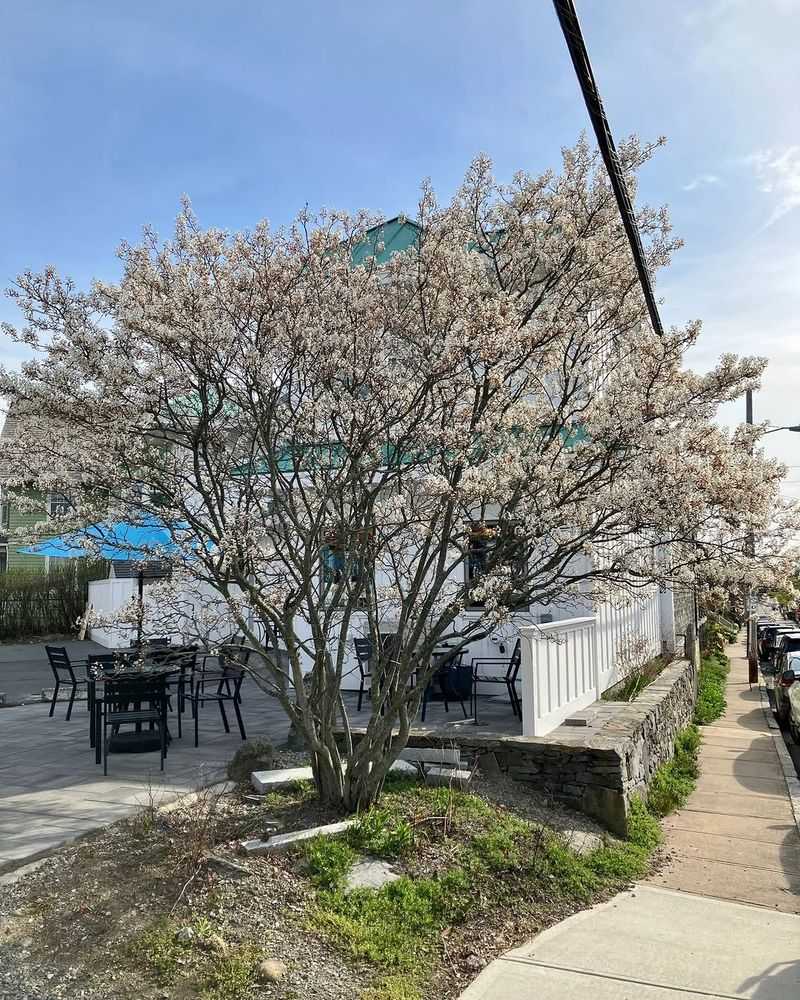
Early spring along a neighborhood sidewalk can feel bare and gray, and then serviceberry blooms. The flowers open in March or April across much of this state, often before most other trees have pushed out their leaves.
That early timing gives serviceberry a visual stage all to itself. The blooms are white, five-petaled, and held in loose clusters along the branches.
The show does not last the entire spring. Most serviceberry bloom windows run one to two weeks, depending on weather and species.
A cold snap can shorten the display, while a mild stretch can extend it. Even so, seeing white flowers against bare branches on a cool spring morning is one of the most striking things a front-yard tree can offer.
Downy serviceberry tends to bloom slightly earlier than Allegheny serviceberry. Both species flower reliably once established.
The blossoms also attract early pollinators, including native bees that need forage before many other plants are active. For a front yard that faces the street, that early bloom is the kind of moment neighbors and passersby notice and remember every single year.
Your Ohio Garden Changes Every Week. Your Plan Should Too.
Gardening in Ohio changes quickly throughout the season. Every Friday you’ll receive a simple weekly plan showing exactly what to plant, prune, fertilize, harvest, and protect so you never miss the right timing.
3. Let June Berries Bring Birds Close To The House
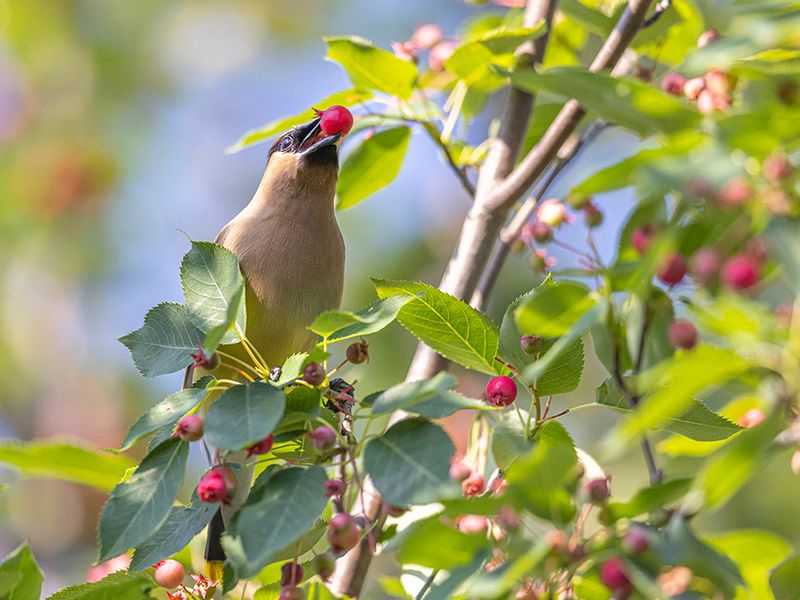
Watching birds work through a tree just outside the front window is one of those unexpected rewards of planting a native species.
Serviceberry fruit ripens in late spring to early summer, often around June, which is how the tree earned its common nickname, juneberry.
The small berries start out reddish and deepen to a dark purple when fully ripe. They are edible for people too, with a mild, sweet flavor similar to blueberries.
The honest truth is that birds find the fruit quickly. Cedar waxwings, robins, and other fruit-eating species can strip a serviceberry in a matter of days.
Do not count on a large personal harvest every year. The wildlife value is real, but the fruit window is short.
If you want to sample a few berries yourself, check the tree daily once the color starts to darken.
That rapid bird activity is part of what makes serviceberry worth planting near a porch or front window. You get a front-row view of wildlife that a lawn full of turf grass simply cannot attract.
For a front yard that connects people to local nature, few trees deliver the way serviceberry does during those early-summer weeks.
4. Count On Fall Color After Summer Green Fades
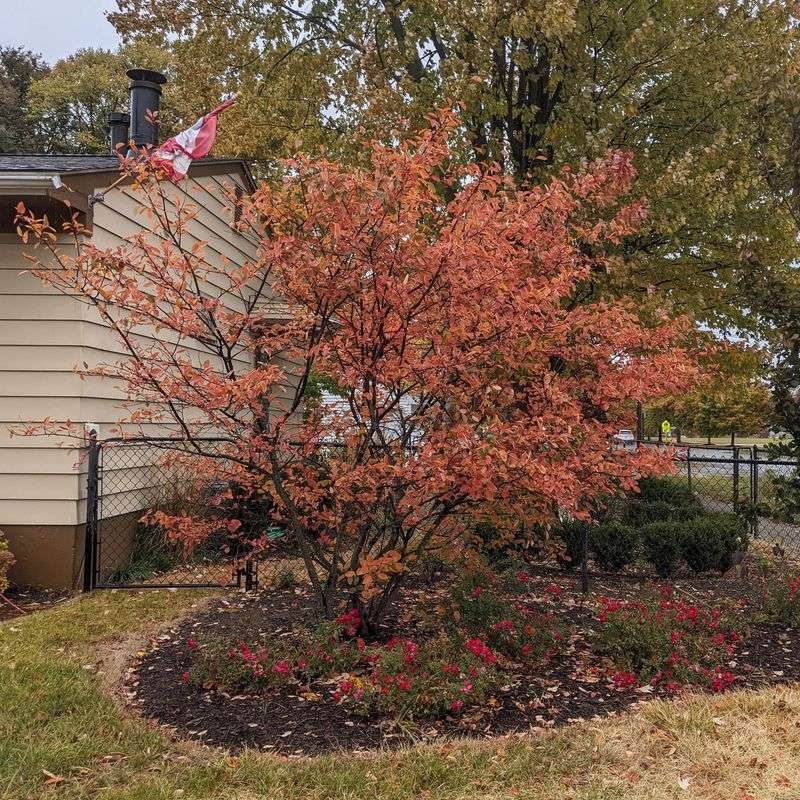
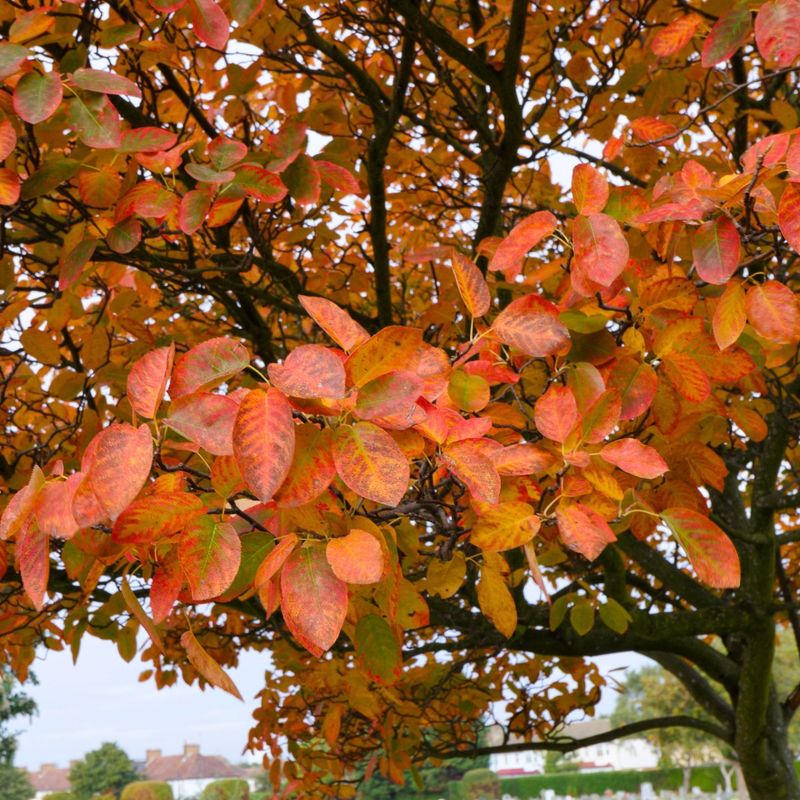
By the time summer fades and the Ohio lawn starts to look tired, serviceberry steps back into the spotlight. Fall foliage on serviceberry can range from soft yellow to warm orange to deep red, depending on the species, the site, and the weather that season.
Allegheny serviceberry tends to produce some of the most vivid fall color among the commonly available species. Downy serviceberry also colors up well in most years.
Fall color is not guaranteed to be identical every year. A dry summer, a warm autumn, or a site with heavy shade can all reduce the intensity of the display.
Full sun and adequate moisture during the growing season tend to support better color change when temperatures drop. Planting in a spot that gets at least a half day of direct sun gives the tree its best chance at a strong fall show.
Even in a modest year, the foliage shifts noticeably and adds warmth to a front yard that might otherwise look flat and colorless. For a small tree that already gave you spring flowers and summer fruit, that fall color is a bonus.
It rounds out what serviceberry can honestly offer across a full growing season without any exaggeration.
5. Use Smooth Gray Bark For Winter Interest
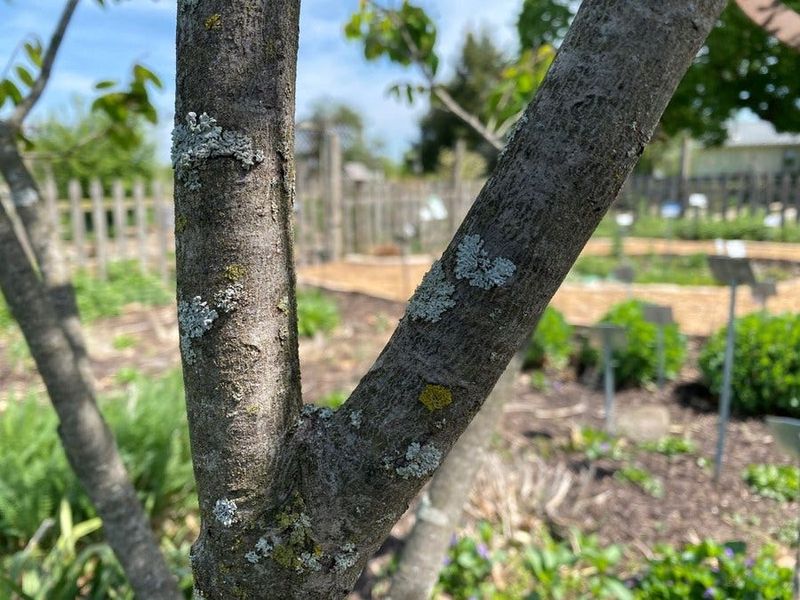
Once the leaves drop and the yard goes quiet, the bones of a tree become its most visible feature. Serviceberry has genuinely attractive winter structure.
The bark is smooth and gray, sometimes with subtle streaks or a slight silvery sheen. On multi-stem plants, the branching pattern fans out in a graceful way that looks interesting from the street, the driveway, or a front window on a cold morning.
Single-trunk trees show off the bark more directly, while multi-stem clumps create a layered, natural silhouette. Either form can add something worth looking at during the months when most front yards offer very little.
Snow on the branches makes the gray bark stand out even more. A light dusting of ice can make the whole tree look like a piece of sculpture against a pale winter sky.
Winter interest is often overlooked when homeowners choose a front-yard tree. Most people think about flowers and shade, but a tree you see every day from inside the house matters just as much in January as it does in May.
Serviceberry earns that winter attention without requiring any special pruning or maintenance to keep its natural shape looking clean and appealing season after season.
6. Plant It Where Sun Or Part Shade Fits Best
Light is one of the most practical things to think about before planting any tree, and serviceberry gives you real flexibility. It grows in full sun to part shade.
That means it can work in a front yard with full direct light or partial shade from a neighboring tree or roof overhang. That adaptability makes placement easier than with many other ornamental trees.
That said, more light generally means better results. A serviceberry planted in full sun tends to flower more heavily, set more fruit, and produce stronger fall color than one growing in deep shade.
Part shade is workable, especially in southern regions of this state where summer heat can stress young trees. In northern regions, full sun is usually the better choice for overall plant health and seasonal performance.
Avoid planting directly under large established trees where root competition and heavy shade will limit growth. A spot along a front walk, near a corner of the house, or at the edge of a lawn where light is open works well.
Check how shadows fall across your Ohio yard at different times of day before choosing your final location. That one step can save years of disappointing growth.
7. Give Roots Moist Well-Drained Soil To Settle In
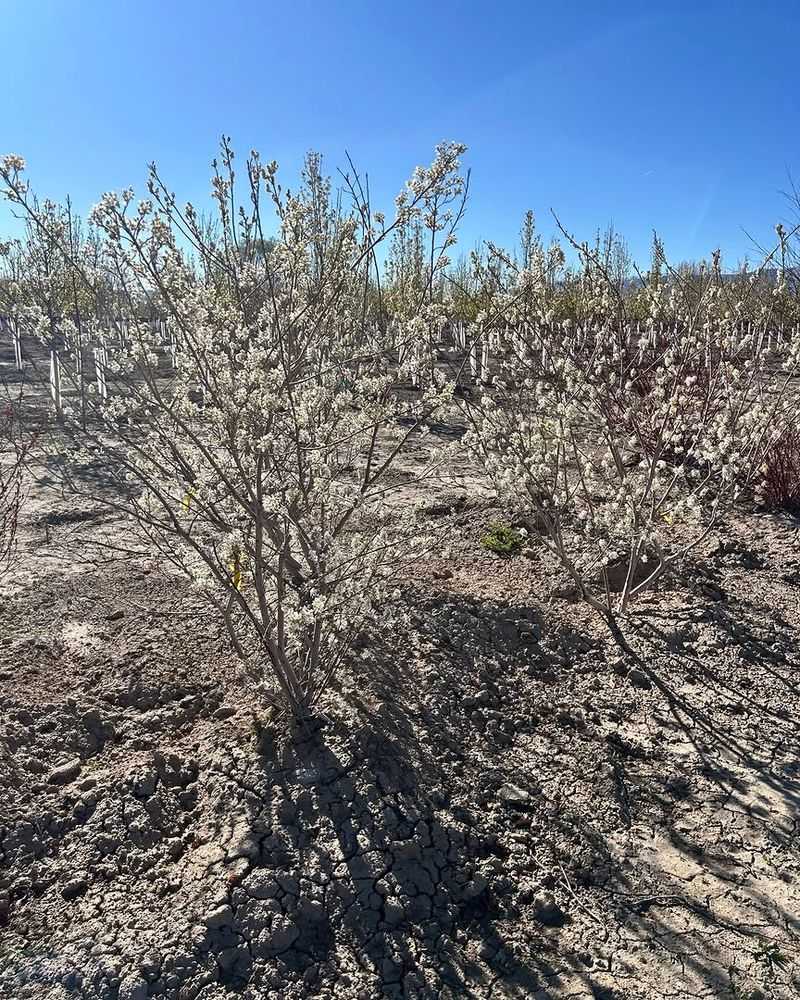
The first two years after planting are the most critical for any new tree. Serviceberry prefers moist, well-drained soil and does best when it does not have to fight through compacted clay or bone-dry sandy ground during establishment.
In its natural habitat, serviceberry often grows along stream banks and woodland edges where moisture is consistent but drainage is still good. Replicating those conditions in a front yard makes a real difference.
Watering deeply once or twice a week during the first growing season helps roots spread and anchor properly. A layer of wood chip mulch, two to three inches deep, spread around the base of the tree helps hold moisture and moderate soil temperature.
Keep the mulch a few inches away from the trunk. Piling mulch against the bark or burying the root flare creates problems over time and should always be avoided.
Once established, serviceberry becomes more tolerant of dry spells, but it never truly thrives in prolonged drought. Front yards with poor drainage or standing water after rain are also not ideal.
If your soil drains poorly, amending the planting area or choosing a slightly raised spot can help. Healthy soil at planting sets up a serviceberry for years of reliable seasonal interest.
8. Grow One Tree That Works In Every Season
A front yard tells a story about the people who tend it. A serviceberry planted near a front walk or porch becomes part of that story in every season, not just one.
Spring brings white flowers before most of the yard has woken up. Early summer brings berries and the birds that follow them.
Fall brings color that shifts and deepens as temperatures drop. Winter reveals clean gray bark and a branching structure worth looking at through a window.
No tree performs perfectly every single year. Some springs bring late frosts that cut the bloom short.
Some summers run dry and reduce the fruit crop. Some falls stay warm too long and mute the color.
Serviceberry is not a no-work tree, and it is not immune to leaf spot or fire blight under certain conditions. Managing expectations honestly makes the good years feel even better.
What serviceberry offers is genuine multi-season interest from a compact, native plant. It also supports local wildlife and fits a real residential scale.
Buy from a reputable nursery, choose a species suited to your site, and give it a good start in the ground. The seasons will take care of the rest.