9 Virginia Vegetables Worth Direct Sowing In July For Fall Harvest
July in Virginia turns the garden into a sauna. Sweat drips before nine in the morning, and the soil feels hot enough to bake bread. Yet this is exactly when fall vegetables get their start.
Seeds dropped straight into warm soil skip trays and hardening off entirely. Roots stretch downward right where they will grow, building strength before cooler weather arrives.
A few packets of beans, beets, or squash seeds cost less than a coffee run. Tuck them into the ground now, and October rewards the effort with baskets full of color. Carrots sweeten after a light chill. Turnips bulk up while the air finally cools.
Fall gardens built in July outlast the ones started in a rush come September. The hard part is trusting the process while the thermometer argues otherwise.
1. Bush Beans
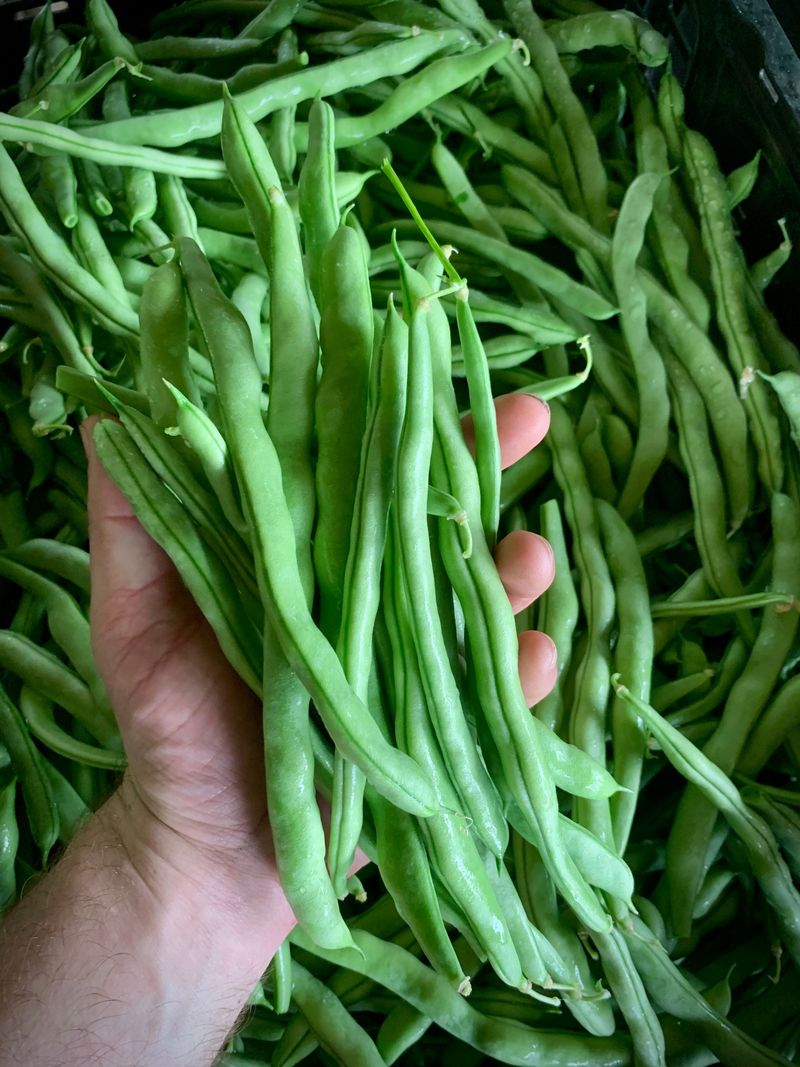
Snap one fresh off the vine and you will understand why bush beans belong in every July garden. They are fast, reliable, and wonderfully forgiving for beginners.
Bush beans thrive when direct sown into warm Virginia soil in early July. The soil temperature is already perfect, which means germination happens quickly and seedlings emerge strong.
Unlike pole beans, bush varieties need no staking or climbing support. You just plant, water, and step back while they do their thing.
Space seeds about two inches apart in rows eighteen to twenty-four inches wide. Cover with one inch of soil and keep things moist until sprouts appear, usually within a week.
These plants grow fast and produce heavily over a short window. Plan to harvest before the first frost, which typically arrives in October across much of the state.
Succession planting every two weeks through mid-July gives you a longer picking season. More beans mean more meals, more sharing, and more satisfaction from your garden.
Watch for bean beetles, which love the undersides of leaves. A quick hand-pick in the morning keeps pest pressure manageable without spraying anything.
Bush beans also improve soil by fixing nitrogen naturally. After harvest, chop the plants and turn them into the bed for a free soil boost before winter.
Few vegetables deliver such a satisfying return on a single packet of seeds. Plant bush beans in July and your fall table will thank you.
2. Summer Squash
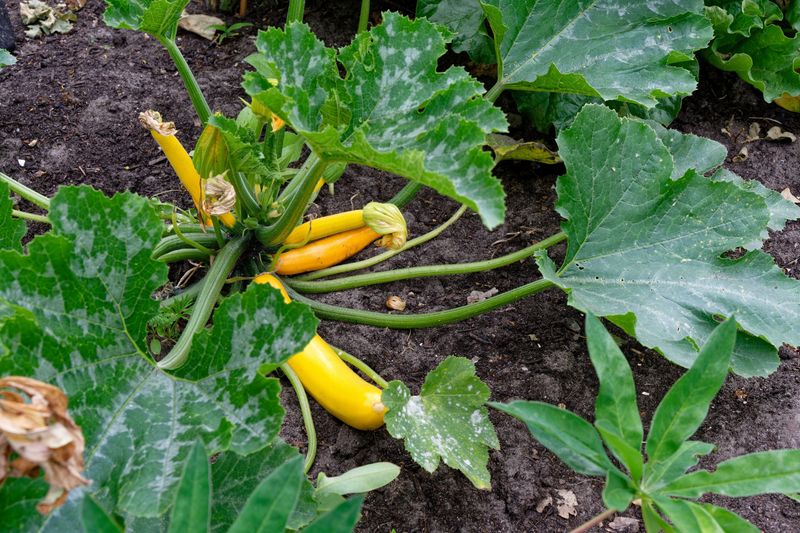
Summer squash planted in July feels like a trick that is almost too easy. Within weeks, those sprawling vines reward you with more produce than you can carry inside.
Zucchini and yellow crookneck are the two most popular choices for a July sowing in Virginia. Both handle the heat well and shift into high gear once cooler September air arrives.
Direct sow seeds one inch deep in hills or rows, spacing plants about three feet apart. Squash roots spread wide, so giving them room early prevents crowding problems later.
Consistent moisture is the secret to avoiding bitter or misshapen fruit. Water deeply at the base two to three times per week during dry spells.
Powdery mildew is the main challenge with late-season squash. Planting in full sun with good air circulation cuts that risk significantly before it becomes a problem.
Your Virginia Garden Changes Every Week. Your Plan Should Too.
Gardening in Virginia changes quickly throughout the season. Every Friday you’ll receive a simple weekly plan showing exactly what to plant, prune, fertilize, harvest, and protect so you never miss the right timing.
Harvest squash when it reaches six to eight inches long. Letting fruits grow too large makes them seedy and tough, which nobody wants at the dinner table.
Squash blossoms are also edible and appear before the fruit does. Stuff them with cheese, fry them lightly, and enjoy a bonus harvest while waiting for the main event.
One or two plants produce more than most families can eat in a week. Share extras with neighbors or preserve them by slicing and freezing for winter soups.
July-sown squash keeps producing well into October if you stay on top of harvesting. A productive patch is one of fall gardening’s most satisfying rewards.
3. Cucumbers
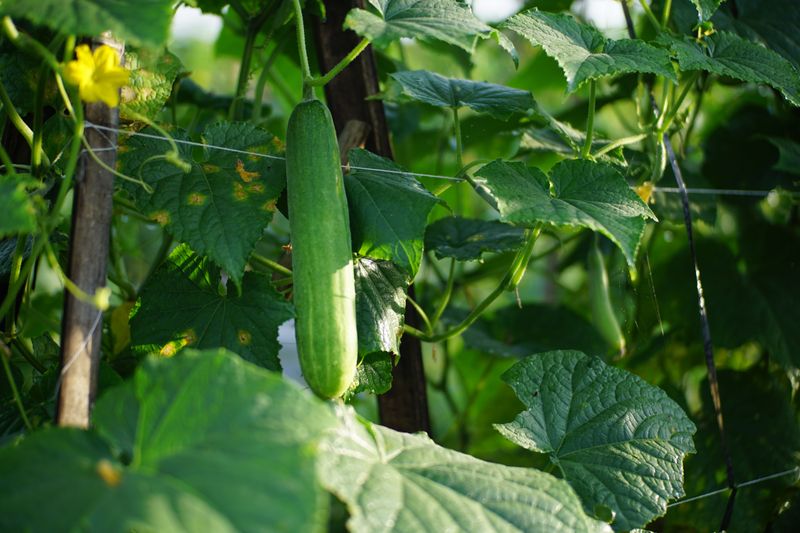
Cucumbers have a reputation for being a summer crop, but July planting in Virginia opens a whole new window. A fall flush of cucumbers, grown with steady watering, often tastes crisper and milder than a midsummer crop.
Sow seeds directly one inch deep, spacing them six inches apart in rows. If you have a trellis or fence nearby, plant along it so vines climb and fruits hang free.
Warm July soil gets seeds sprouting in five to seven days. Once you see those first true leaves, the plants take off fast and rarely look back.
Cucumbers need at least one inch of water per week to stay productive. Uneven watering causes hollow centers and bitter flavor, two things no cucumber lover wants.
Choosing a disease-resistant variety like Marketmore or Straight Eight makes a real difference. These perform strongly in Virginia’s humid late-summer conditions without constant fussing.
Harvest cucumbers before they turn yellow. A yellow cucumber is overripe, seedy, and tough, so check your vines every single day once they start producing.
Cucumber beetles are a common pest in Virginia gardens. Row cover fabric over young plants keeps them safe during the most vulnerable first few weeks.
Pickling varieties are especially worth growing if you enjoy canning. A late-season batch of homemade dill pickles made from July-sown cucumbers is one of autumn’s best kitchen projects.
These Virginia vegetables are a rewarding choice for any July garden plan. Few things beat pulling a cold, crisp cucumber from the vine on a warm fall afternoon.
4. Beets
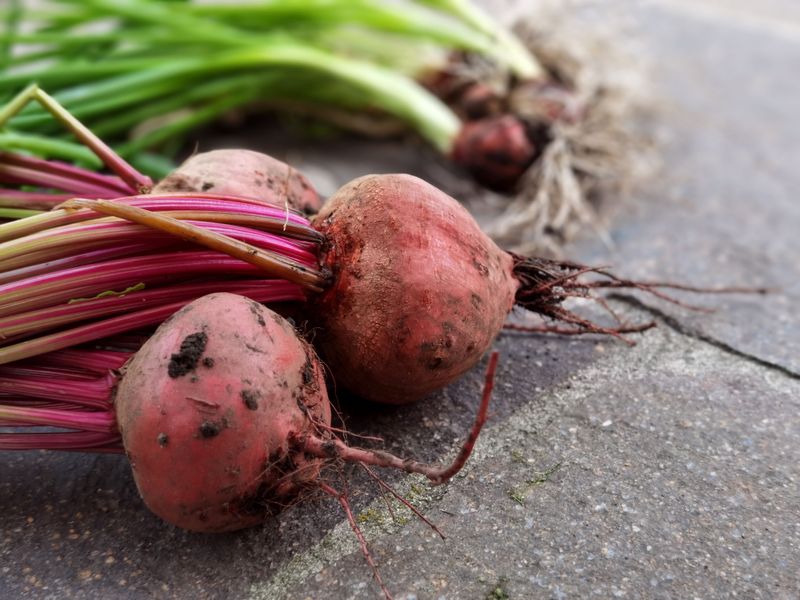
Beets are the quiet overachievers of the fall garden. They give you two harvests in one: sweet, earthy roots below and tender greens above.
July is the sweet spot for sowing beets in Virginia. The roots develop best when they mature during cool fall weather, which makes a mid-July start nearly perfect.
Each beet seed is actually a cluster of seeds, so thinning is essential. Snip seedlings to three inches apart once they reach two inches tall, and toss those thinnings into a salad.
Beets prefer loose, well-drained soil free of rocks and hard clumps. Compacted ground causes forked or stunted roots, which are still edible but a little awkward to cook.
Water steadily and avoid letting the soil dry out completely between sessions. Drought stress causes tough, woody roots with a flavor that misses the mark.
Varieties like Detroit Dark Red and Chioggia perform beautifully in Virginia fall gardens. Chioggia has stunning red-and-white rings inside that make it a showstopper on any plate.
Beet greens are often overlooked but taste fantastic sauteed with garlic and olive oil. They are ready to harvest before the roots even hit full size.
Roots are ready when they reach one to three inches in diameter. Pull one to check before harvesting the whole row, since size varies by variety and spacing.
Few root crops are as satisfying to pull from cool autumn soil. Beets prove that the best fall vegetables often grow quietly underground.
5. Carrots
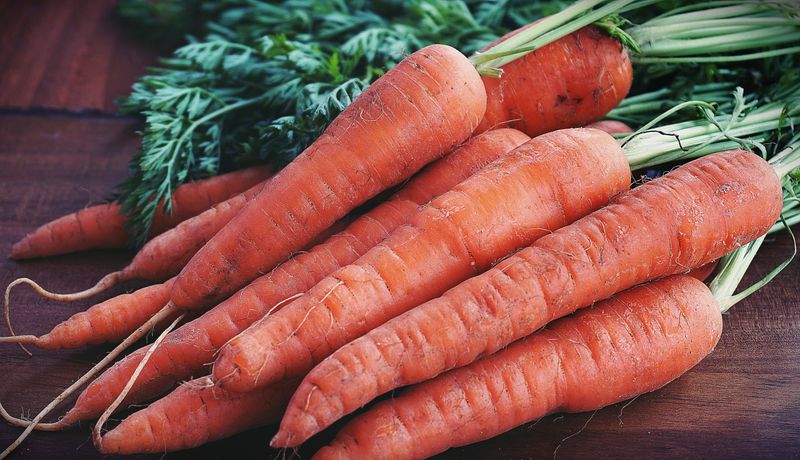
Carrots grown in cool fall soil taste sweeter than anything you will find at a grocery store. That sweetness happens when cold temperatures convert starches into sugars inside the root.
Sow carrot seeds in July by sprinkling them thinly in a shallow furrow just a quarter inch deep. Cover lightly, press down gently, and keep the surface moist until germination.
Germination is the trickiest part of growing carrots from seed. The soil surface must never dry out during the first ten to fourteen days, or seeds will fail to sprout.
A piece of burlap or a board laid over the row holds moisture in during hot July days. Check daily and remove it the moment you see tiny green sprouts emerging.
Thin seedlings to two inches apart once they are an inch tall. Crowded carrots produce twisted, stunted roots that take forever to mature and are hard to clean.
Loose, sandy, or well-amended soil gives carrots the best chance to grow straight and long. Rocky or heavy clay soil causes forking, which is frustrating after weeks of patient waiting.
Nantes and Chantenay varieties are excellent picks for Virginia gardens with heavier soil. Both are shorter and stockier, making them more forgiving when conditions are less than ideal.
Carrots are ready to harvest roughly seventy to eighty days after sowing. A light frost actually improves their flavor, so do not rush the harvest just because October arrives.
Growing your own carrots is one of those experiences that resets your expectations forever. Once you taste a homegrown fall carrot, the difference from store-bought is hard to miss.
6. Corn
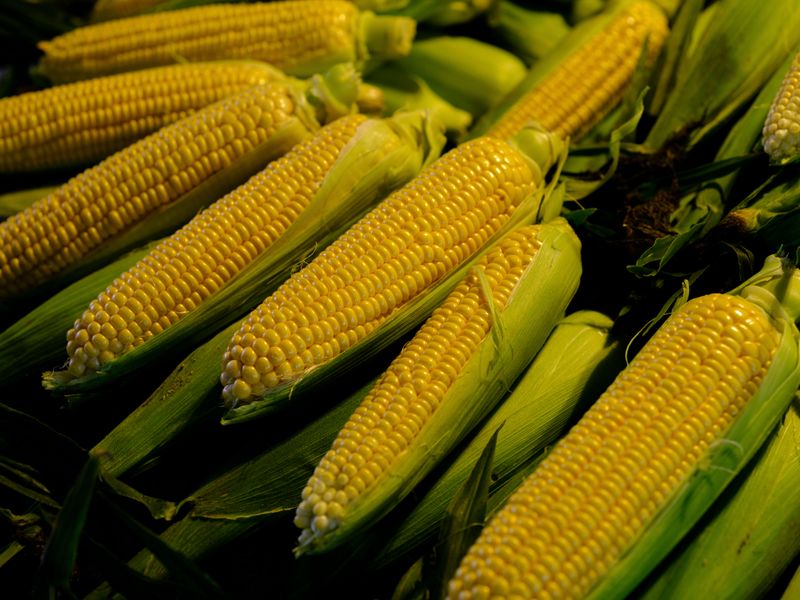
Most gardeners think corn season is finished by July, but a short-season variety tells a different story. With the right pick, you can still pull ears of fresh sweet corn before frost arrives.
Choose a variety that matures in sixty-five to seventy-five days. Bodacious and Quickie are popular short-season picks that handle Virginia summers without complaint.
Direct sow seeds one inch deep in blocks rather than single rows. Corn is wind-pollinated, so planting in a grid pattern of at least four rows ensures good ear development.
Space seeds about nine to twelve inches apart within rows. Closer planting in a block formation dramatically improves pollination rates and leads to fully filled-out ears.
Corn is a heavy feeder and needs nitrogen-rich soil to perform well. Side-dress plants with a balanced fertilizer when they reach knee height to keep growth strong and steady.
Water is critical during the silking and tasseling stage. Drought stress at that point leads to poorly filled ears with gaps and missing kernels that are disappointing at harvest.
Corn earworms are a real pest in Virginia, especially in late summer. Applying a few drops of mineral oil to each silk cluster right after pollination deters them effectively.
Check for ripeness by peeling back a small section of husk and pressing a kernel. A milky white liquid means the ear is perfectly ripe and ready to pick that day.
July-sown corn is a bold move that pays off with one of summer’s most iconic flavors. Few things in the garden match the joy of pulling a ripe ear and heading straight to the kitchen.
7. Turnips
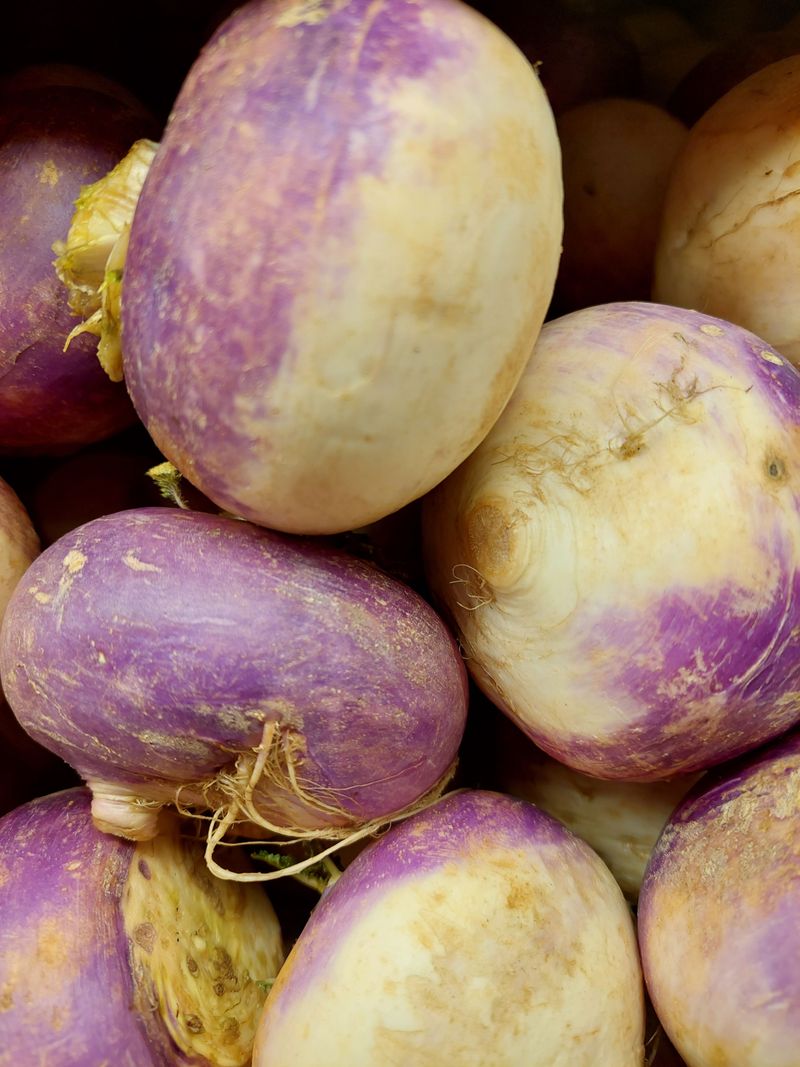
Turnips might be the most underrated vegetable in the July garden playbook. They grow fast, taste better in cool weather, and need almost no babying to produce a solid crop.
Sow turnip seeds directly in July, scattering them thinly in rows about twelve inches apart. Cover with a quarter inch of soil and water gently so seeds stay in place.
Germination happens quickly, often within four to seven days in warm July soil. That fast start gives turnips plenty of time to size up before frost arrives in fall.
Thin plants to four to six inches apart once seedlings are two inches tall. Crowded turnips put energy into leaves rather than roots, which misses the whole point of growing them.
Purple Top White Globe is the classic Virginia choice for fall planting. It matures in about fifty-five days, which means a late July sowing lands perfectly for an October harvest.
Turnip greens are ready to harvest earlier than the roots. Pick young leaves when they are four to six inches long for a mild, tender green that works well in soups.
These roots prefer consistent moisture but tolerate short dry spells better than most crops. A two-inch layer of mulch around plants keeps soil moisture stable and weed pressure low.
Flea beetles can be a nuisance on young turnip seedlings in summer. Row cover fabric applied right after sowing protects tender sprouts during the first critical weeks of growth.
A hard frost actually sweetens turnip flavor by breaking down starches in the root. Wait until after the first frost for the most flavorful harvest of the season.
8. Swiss Chard
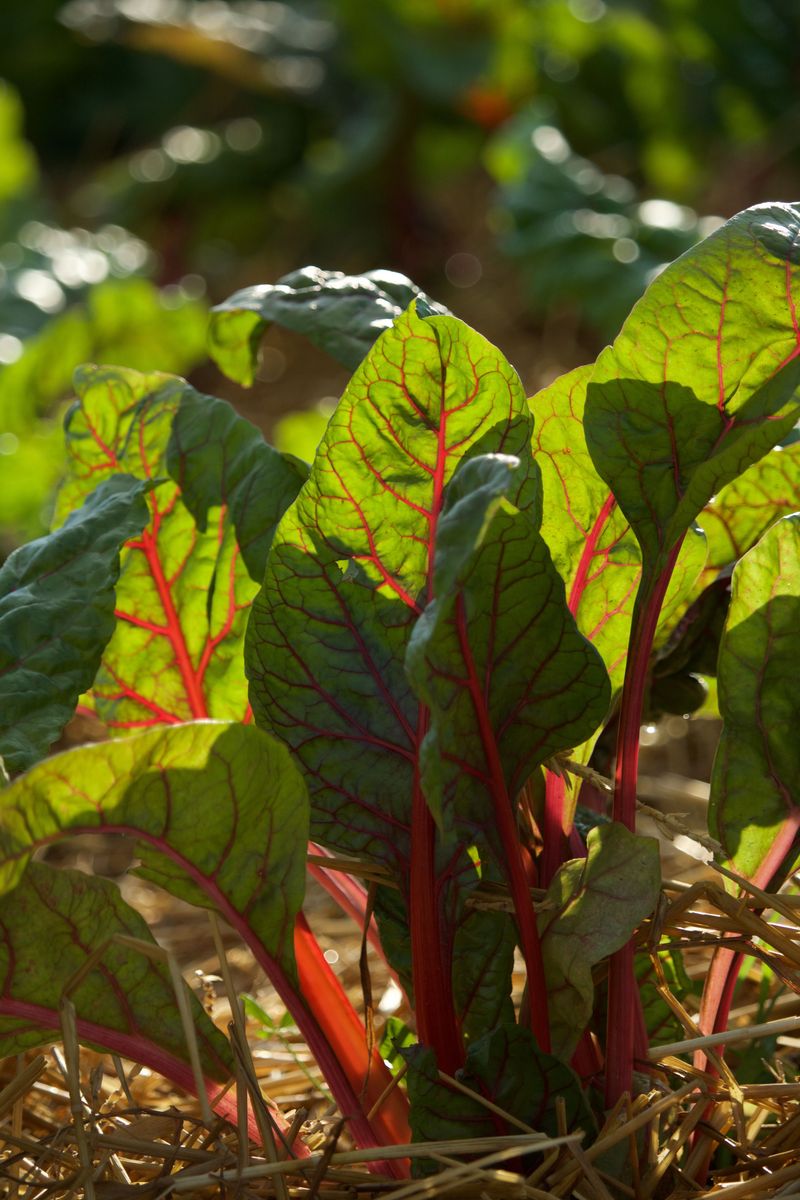
Swiss chard is one of those vegetables that makes a fall garden look like a painting. The electric stems in red, yellow, orange, and white are almost too pretty to eat.
July is an ideal time to direct sow chard in Virginia. Seeds go in just half an inch deep, and warm soil gets them sprouting in as little as five days.
Chard is remarkably heat-tolerant, which makes it perfect for a July start. It powers through late summer without bolting and keeps producing well into November and beyond.
Thin seedlings to six inches apart once they reach three inches tall. Closer spacing produces smaller leaves, which is fine for salads but limits yield if you want big cooking greens.
Rainbow chard varieties like Bright Lights are worth seeking out for their stunning visual impact. They taste identical to standard green chard but add serious color to the garden and the plate.
Cut outer leaves at the base when they reach eight to ten inches long. The center of the plant keeps pushing out new growth, giving you a continuous harvest over many weeks.
Chard rarely has serious pest problems, which makes it a low-stress crop for busy gardeners. Slugs occasionally snack on leaves after rain, but hand-picking at dusk handles them easily.
Rich in iron, magnesium, and vitamins A and K, chard is a nutritional powerhouse. Saute it with garlic, add it to pasta, or toss it raw into a hearty fall salad.
Swiss chard belongs in every fall garden plan, especially for Virginia growers. Its beauty, resilience, and flavor make it one of the most satisfying crops you can grow from a July sowing.
9. Chinese Cabbage
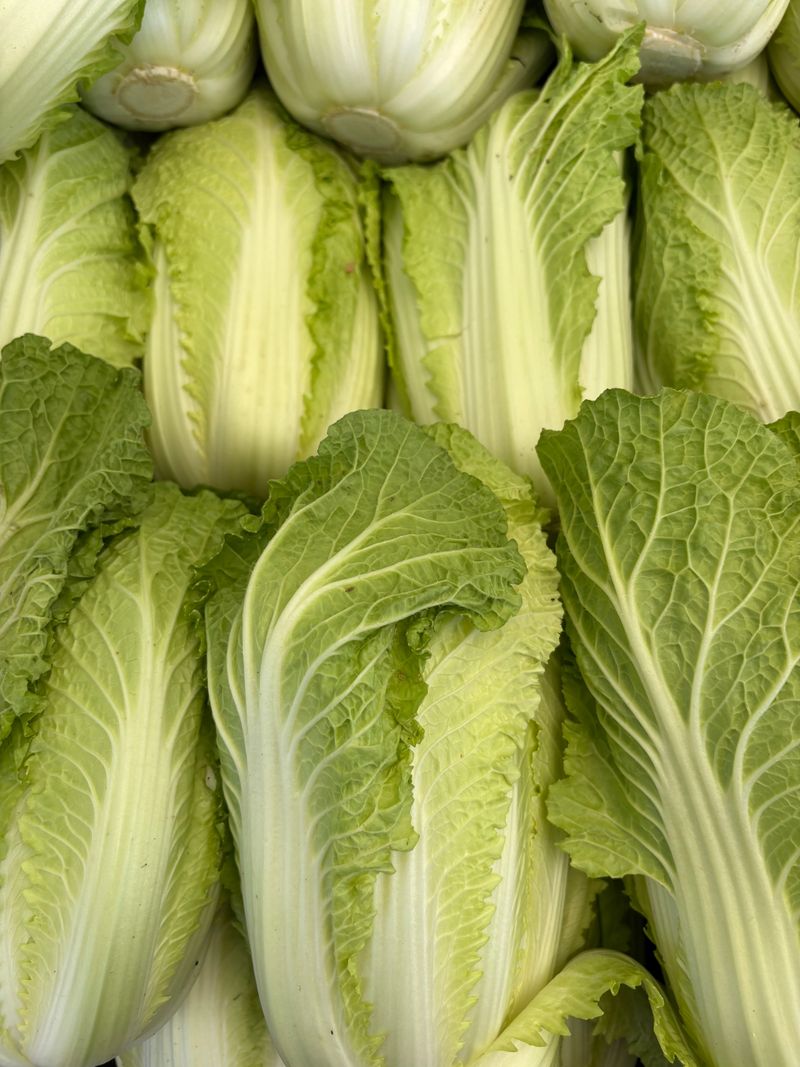
Chinese cabbage, also called napa cabbage, is the secret weapon of fall gardeners who love bold flavors without a lot of fuss. It forms dense, crisp heads that are perfect for slaws, stir-fries, and kimchi.
Sow seeds directly in July, placing them a quarter inch deep in rows eighteen inches apart. Warm soil speeds germination, and seedlings usually appear within five to seven days.
Thin plants to twelve inches apart once they have their first set of true leaves. Good spacing allows heads to form tightly and prevents the fungal issues that come with crowding.
Chinese cabbage prefers cooler temperatures for head development, making fall the perfect season. A July start in Virginia gives plants time to establish before September’s cooler nights kick in.
Keep soil consistently moist throughout the growing season. Uneven watering causes tip burn on inner leaves, which ruins the texture and shortens the shelf life of your harvest.
Varieties like Minuet and Blues are compact and bolt-resistant, making them ideal for Virginia conditions. Minuet matures in about fifty days, while Blues needs closer to seventy, so both still fit comfortably into the July-to-October window.
Cabbage loopers and imported cabbageworms are the main pest threats. Check the undersides of leaves weekly and remove eggs or caterpillars by hand before they cause serious damage.
Harvest heads when they feel firm and solid when squeezed gently from the outside. Loose, airy heads need more time, while firm ones are ready to cut at the base and bring inside.
These Virginia vegetables are a fantastic addition to any fall direct sowing plan. Chinese cabbage is crisp, versatile, and wildly rewarding for gardeners who give it a July start.