8 Reasons Why Fire Ant Mounds Keep Appearing In Arkansas Yards
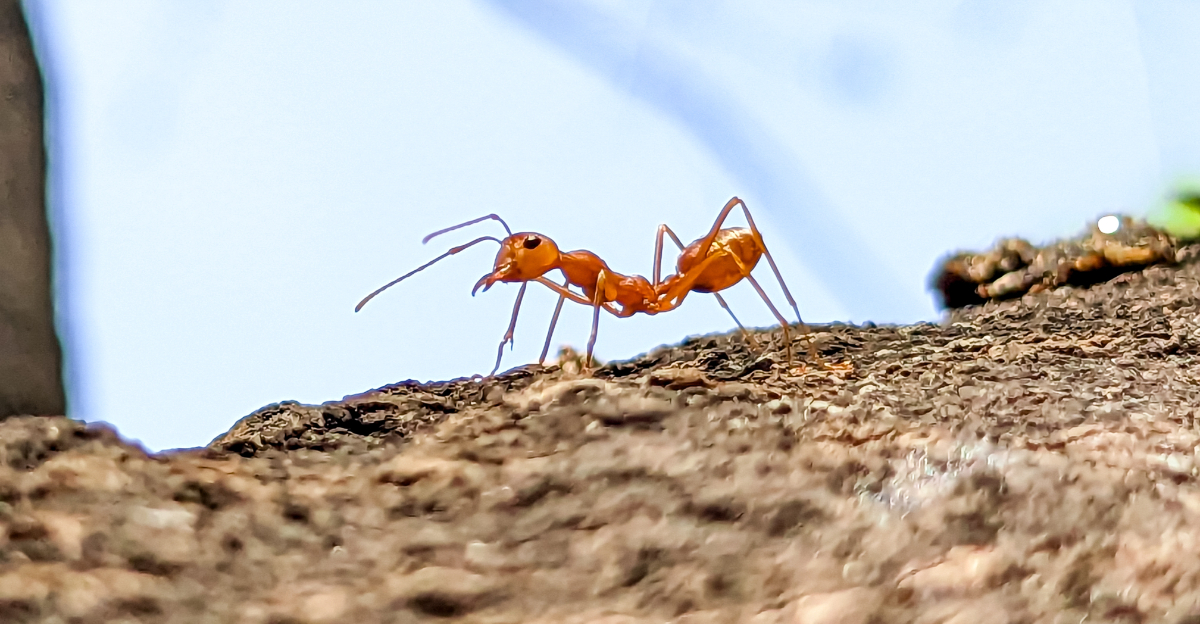
Your lawn looked perfectly fine yesterday. This morning a small dirt volcano has popped up right next to the mailbox.
If you live in Arkansas, that scene probably feels familiar. Fire ants seem to claim new ground almost overnight, no matter how many mounds you knock down.
These insects aren’t digging at random. Every mound reflects something happening in the soil above it, from moisture levels to sunlight patterns.
Eight specific factors explain why fire ant mounds keep showing up across Arkansas properties. Some causes are seasonal. Others trace back to soil conditions or nearby food sources that most people overlook.
1. Warm And Humid Climate Creates Ideal Conditions
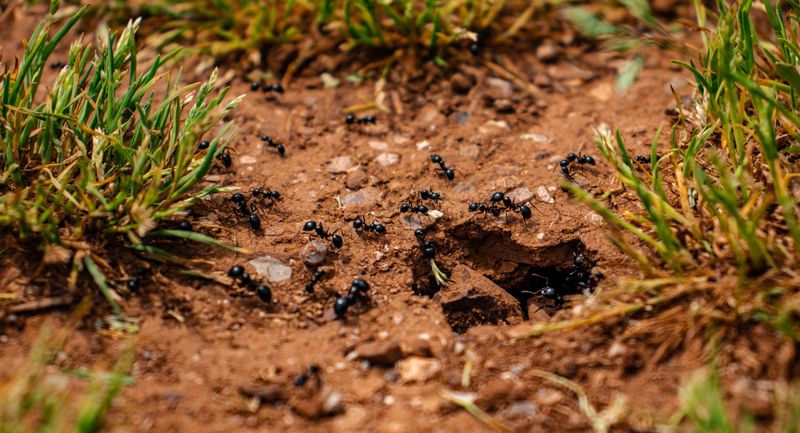
Arkansas summers feel like walking into a warm, wet blanket. That kind of heat and humidity is basically a five-star resort for fire ants.
Fire ants originally came from South America, where the climate is hot and moist year-round. When they arrived in the southern United States, they found a climate that felt just like home.
Warm soil allows ant colonies to stay active longer through the year. Cold winters in other states slow ant activity down significantly, but Arkansas winters are often mild enough to keep colonies alive and growing.
Humidity matters just as much as heat. Moist air keeps the soil from drying out too fast, which helps ants build and maintain their tunnels underground.
Spring rains add another layer to this equation. Wet soil in March and April gives colonies the perfect window to expand before peak summer heat even arrives.
When summer temperatures climb into the 90s, fire ants actually move their mounds to stay cool. They shift soil and relocate tunnels to find the right temperature zone beneath the surface.
Homeowners in northern states rarely deal with fire ant mounds at the same scale. The climate simply does not support the same level of colony growth that Arkansas yards experience every single season.
Knowing your climate works against you is not a reason to give up. It just means you need a smarter, more consistent approach to managing fire ant mounds in your yard all year long.
2. Open Lawns And Sunny Spots Attract Mounds
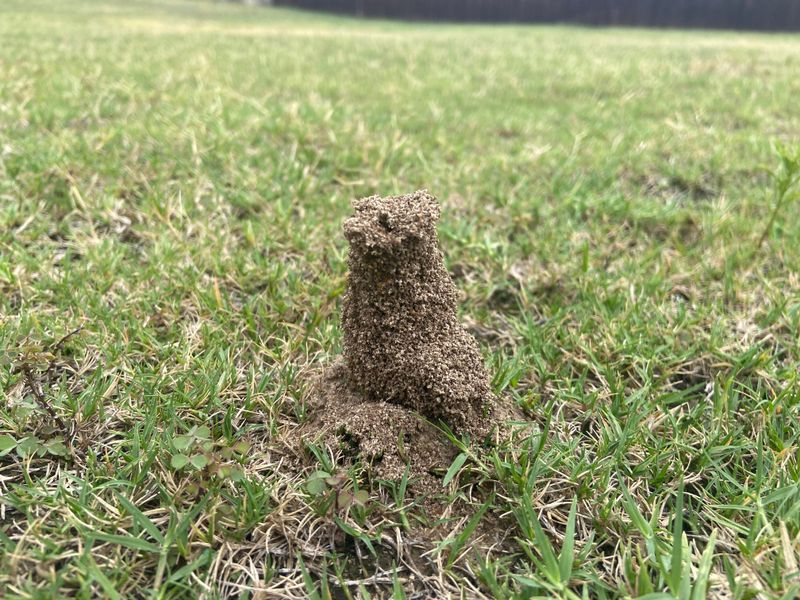
Sunshine is the secret ingredient fire ants are always hunting for. Open, sun-drenched lawns are their favorite real estate, and your yard might be the perfect location.
Fire ants are cold-blooded creatures, which means they rely on outside heat to keep their bodies working. Sunny patches of ground warm up faster and stay warm longer than shaded areas.
Mounds built in sunny spots allow the colony to warm their eggs and young larvae more efficiently. Warmer eggs develop faster, which means the colony grows at a much quicker pace.
Short grass is especially attractive to these insects. Tall grass blocks sunlight from reaching the soil, but a neatly trimmed lawn acts like a solar panel for an underground colony.
South-facing slopes and embankments often see the heaviest mound activity in any yard. These spots catch direct sun for most of the day, giving colonies a steady heat source without much effort.
Your Arkansas Garden Changes Every Week. Your Plan Should Too.
Gardening in Arkansas changes quickly throughout the season. Every Friday you’ll receive a simple weekly plan showing exactly what to plant, prune, fertilize, harvest, and protect so you never miss the right timing.
Open fields, sports fields, and suburban yards all share one thing in common with fire ant mounds: plenty of direct sunlight. If your lawn is wide, flat, and well-lit, you have essentially rolled out a welcome mat.
Planting shade trees or shrubs can actually help reduce the number of mounds over time. Less sunlight on the soil means less appeal for colonies looking to settle down.
Strategic landscaping is not just about curb appeal. Changing how sunlight hits your yard changes how attractive it looks to scouting ants.
3. Heavy Rain And Irrigation Trigger New Mounds

After a big rainstorm, your yard can look like a fire ant construction zone overnight. Fresh mounds seem to pop up from nowhere, and there is a very good reason for that.
When heavy rain soaks the ground, water floods the underground tunnels where ant colonies live. The ants have no choice but to move upward, fast, to escape the rising water below.
As they move up, worker ants carry eggs, larvae, and the queen to higher, drier ground. The mound you see after a storm is actually the colony rebuilding on top of the soil surface.
Irrigation systems create the same problem. Sprinklers that run frequently keep the soil moist and push ant activity closer to the surface on a regular schedule.
Many homeowners notice more mounds appearing in summer, right after they increase watering to protect their grass. The timing is not a coincidence, it is a direct response to soil moisture levels rising.
Adjusting your irrigation schedule can reduce how often colonies relocate to the surface. Watering deeply but less frequently lets the soil dry out between sessions, which is less inviting for ant movement.
Watching mounds appear after rain can feel discouraging, but it actually gives you a window of opportunity. Colonies are exposed and vulnerable right after relocating, making post-rain treatment one of the most effective times to act against fire ant mounds.
4. Few Natural Predators Allow Populations To Grow
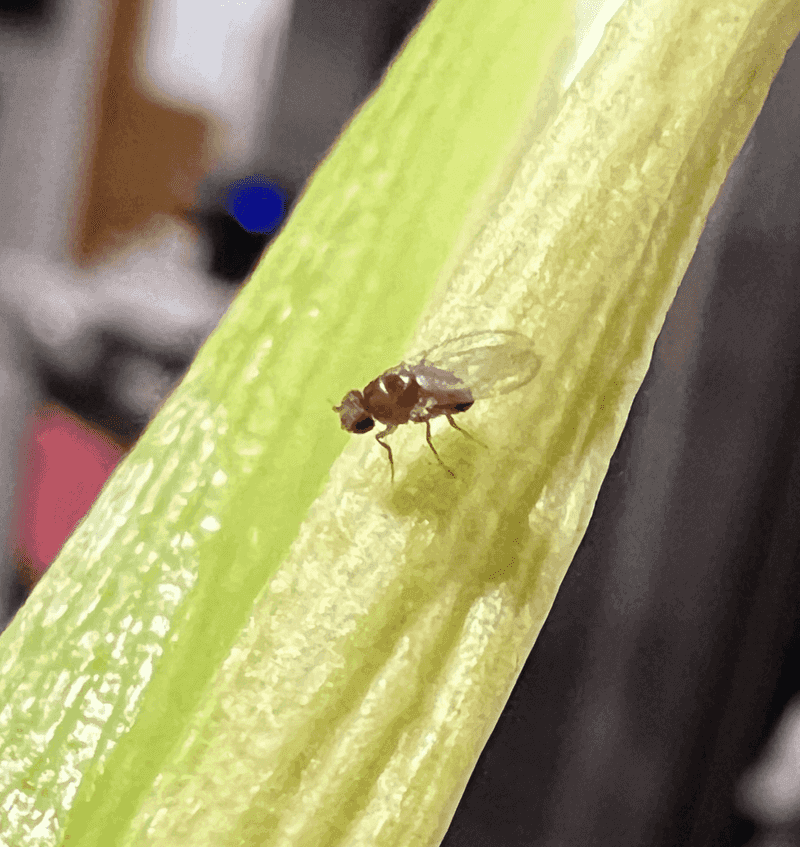
Back in South America, fire ants have dozens of natural enemies keeping their numbers in check. Phorid flies, parasitic wasps, and specialized beetles all target them aggressively.
When fire ants arrived in North America, they left most of those predators behind. Local wildlife here simply did not evolve to hunt them the same way.
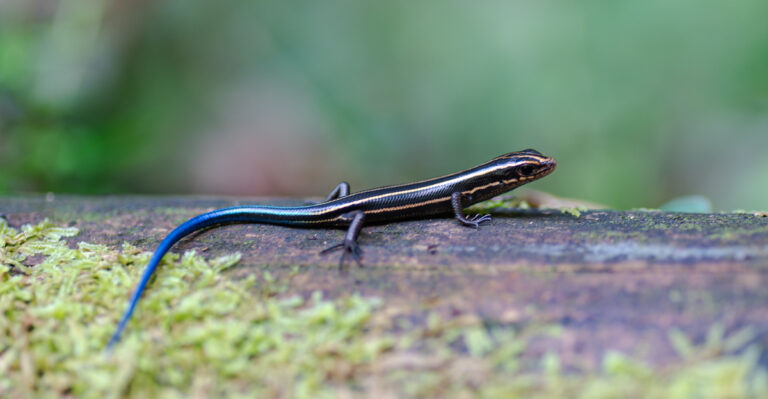
Some birds will peck at mounds occasionally, and a few lizard species eat individual ants. But few of these animals put a serious dent in a thriving colony of hundreds of thousands.
Armadillos are one of the few North American animals that actively dig into mounds searching for insects. However, armadillos cause their own set of lawn problems, so most homeowners are not eager to attract them.
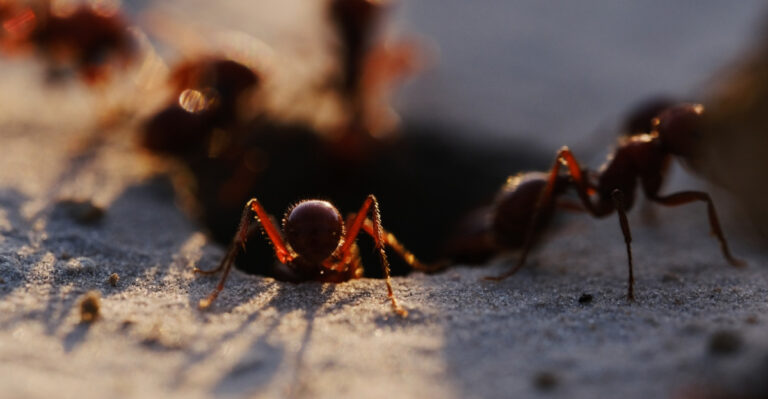
Without strong predator pressure, fire ant colonies grow much larger than nature would normally allow. A single mature colony can house anywhere from 100,000 to 250,000 workers at peak strength.
Scientists have actually introduced phorid flies in some southern states as a biological control method. These tiny flies target fire ants specifically and have shown some promise in slowing population growth over time.
Staying proactive with treatment becomes essential, serving as the main line of defense keeping fire ant mounds from overtaking your entire yard.
5. Mating Flights Help Queens Start New Colonies
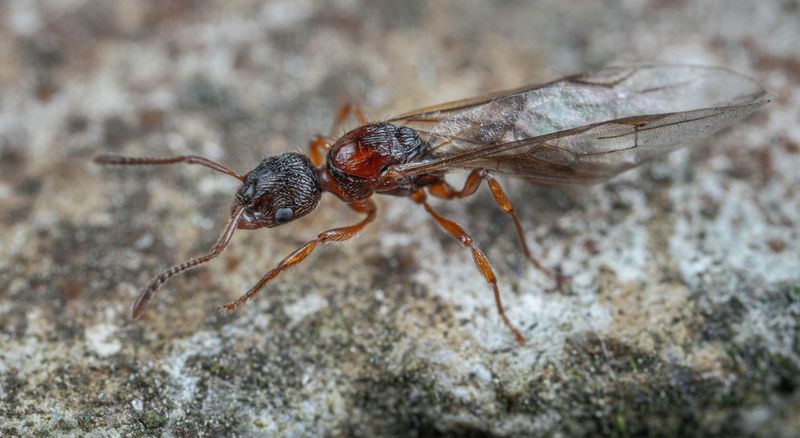
Spring and early summer bring something that most homeowners never even notice happening above their heads. Winged fire ants swarm into the air by the thousands on warm, calm days.
These swarms are called mating flights, and they are one of the main ways fire ant mounds multiply across a neighborhood. Male and female ants with wings take off together in search of mates.
After mating in the air, the male ants do not survive much longer. The fertilized queens land, shed their wings, and immediately begin searching for a good spot to start a brand new colony.
A single mating flight can produce dozens of new queens, each capable of founding her own mound. One swarm event can result in multiple new colonies appearing across several yards at once.
Queens can fly surprisingly far before landing, sometimes traveling over a mile from the original colony. This is how fire ants spread so effectively from one neighborhood to the next over time.
Warm, humid afternoons following a stretch of rain are prime conditions for mating flights. If you notice winged ants on your lawn or driveway, a new colony may be getting started nearby.
Treating existing mounds before mating season reduces the number of queens produced in the first place. Fewer queens in the air means fewer new fire ant mounds showing up in your yard the following season.
6. Disturbed Soil Offers Easy Building Sites
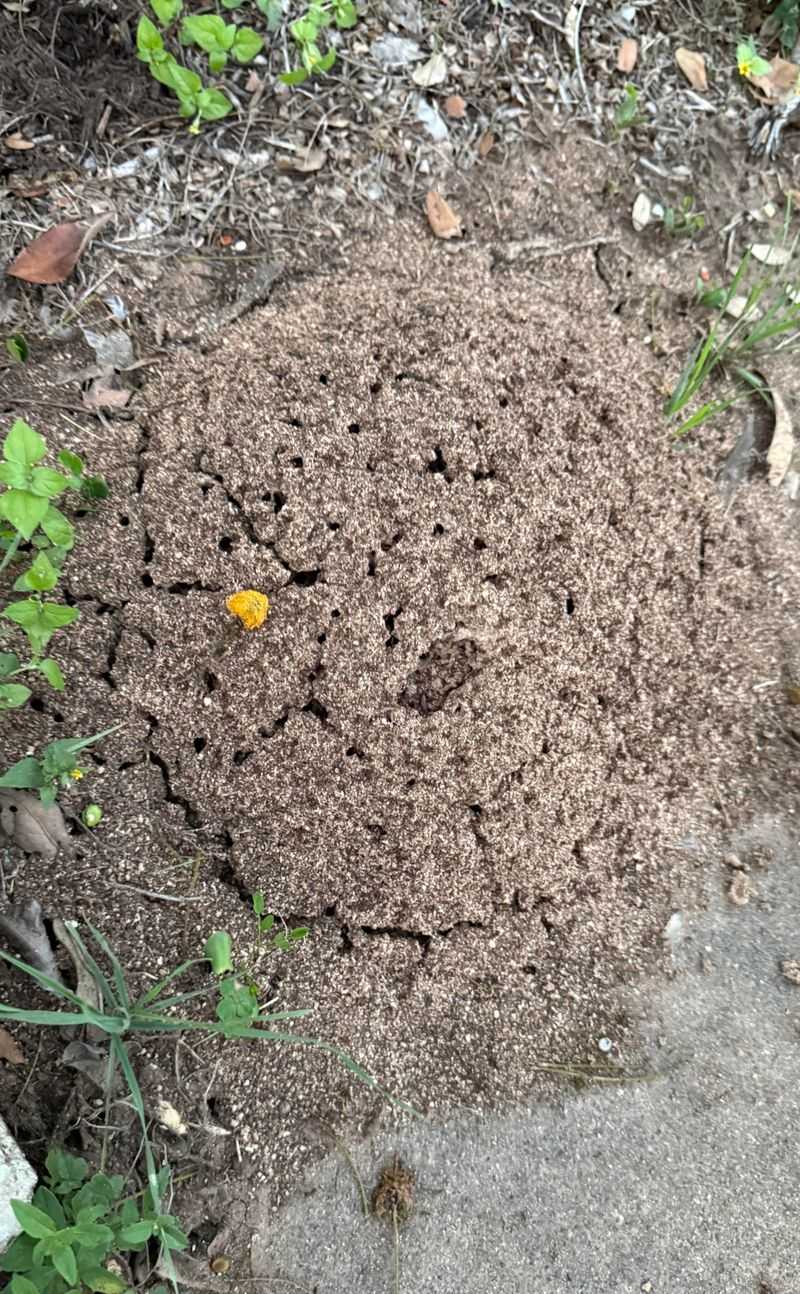
Fresh dirt is like an open invitation to fire ants scouting for a new home. Any time soil gets turned over, loosened, or moved, it becomes significantly easier to tunnel through.
Construction projects, garden tilling, and even heavy foot traffic can disturb the soil enough to attract new colonies. Loose, aerated ground takes far less energy for ants to excavate than packed, dense earth.
New landscaping projects are especially risky. Hauling in fresh topsoil, laying sod, or regrading your yard creates large zones of soft, workable ground that fire ants can move into almost immediately.
Flower beds are a classic trouble spot for this exact reason. Gardeners regularly loosen the soil to plant and weed, and that repeated disturbance keeps the ground soft and attractive all season long.
Even mowing patterns can create subtle soil disturbance over time. Repeatedly running a heavy mower over the same path can compact some areas while loosening others, creating uneven soil conditions fire ants exploit.
Compacting soil in problem areas with a lawn roller can make it harder for new colonies to establish themselves. Denser ground requires more effort to tunnel through and is generally less appealing to scouting queens.
Paying attention to where you disturb the soil in your yard gives you a head start on predicting where fire ant mounds will show up next. Prevention starts with awareness of your own yard habits.
7. Nearby Food Sources Draw Ants Closer
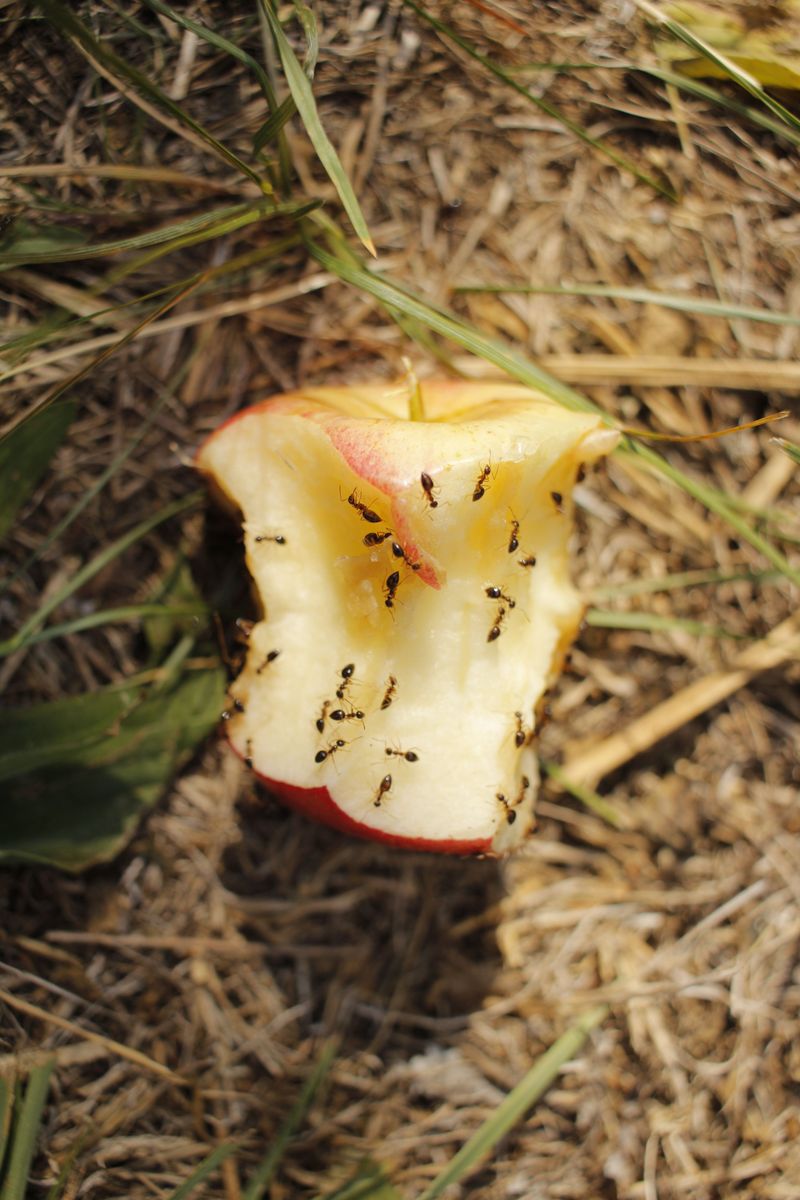
Fire ants are not picky eaters, they are relentless opportunists with an appetite for almost anything. Protein, sugar, grease, and even discarded insects are all on the menu.
Pet food left outside is one of the most common reasons mounds appear near patios and back doors. A bowl of dry kibble is essentially a buffet sign written in ant language.
Fallen fruit from trees is another major draw. Rotting apples, peaches, or figs sitting on the ground release sweet sugars that attract foraging workers from colonies nearby.
Grease drips from outdoor grills, crumbs from picnic tables, and spilled drinks all send chemical signals that fire ants can detect from impressive distances. Their sense of smell is remarkably sharp.
Gardens full of aphids are also a food magnet. Fire ants actually farm aphids, protecting them from other insects in exchange for a sweet liquid called honeydew that aphids naturally produce.
Reducing food sources around your yard is one of the most underrated prevention strategies available. Bringing in pet bowls after feeding, cleaning the grill regularly, and picking up fallen fruit all make a real difference.
When food disappears from an area, scout ants report back that the location is not worth colonizing. Cutting off the food supply is one of the most powerful ways to make fire ant mounds less likely to appear near your home.
8. Colony Budding Splits Mounds Into More Mounds
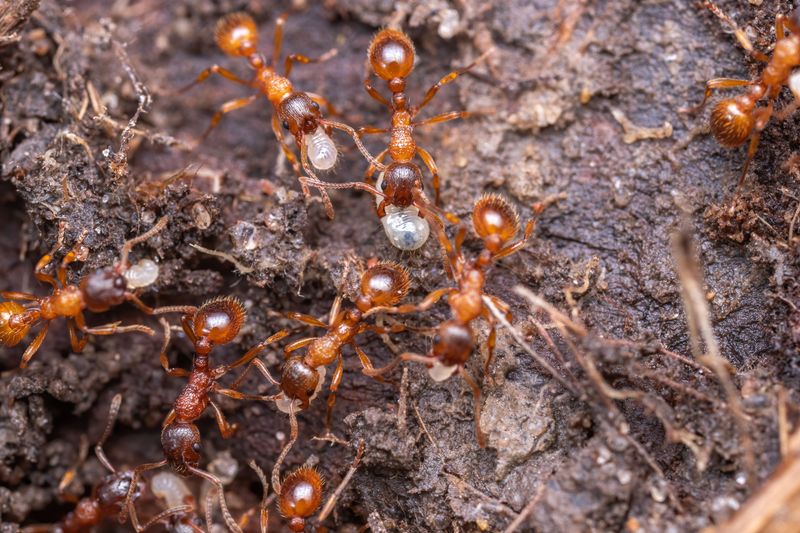
One mound becoming two mounds overnight sounds almost too strange to be true, but it is just basic fire ant biology. Colony budding is one of the sneakiest reasons fire ant mounds keep multiplying.
Budding happens when a large, established colony gets overcrowded or stressed. A group of workers escorts one or more queens away from the original mound to start a fresh colony nearby.
Unlike mating flights, budding keeps new colonies close to the original. The daughter colony might appear just a few feet away, which is why clusters of mounds often show up together in one section of a yard.
Improper treatment actually encourages budding. When a mound is disturbed or partially treated, the colony senses danger and splits apart quickly to protect its queen and young.
Using the wrong product or applying it incorrectly is one of the most common ways homeowners accidentally make their fire ant problem worse. One mound treated poorly can become three mounds within days.
Slow-acting baits are often more effective than fast-acting contact treatments for this reason. Baits allow workers to carry the product back to the queen before the colony has time to sense danger and scatter.
Understanding colony budding changes how you approach fire ant mounds in your yard completely. Patience and the right treatment method matter far more than speed when you are dealing with a colony that can essentially split itself to survive.