Why Your Illinois Tomatoes Get Leggy In July (And What To Do About It)
You step outside on a humid June morning. Mug still warm in your hand, you walk toward the garden and freeze.
Your tomato plants are towering, all stalk and no substance, reaching for the sky like they forgot their actual job. Stems thin. Blossoms missing.
Fruit nowhere to be found. Welcome to one of the most frustrating summer surprises Illinois gardeners face year after year.
Here’s the thing nobody tells you: it’s almost never just one problem. Sticky humidity is part of it.
So is exhausted soil, plants crammed too close together, the wrong fertilizer mix, and even the long stretch of Illinois daylight hours, all of it pushing your tomatoes to grow up instead of out. Sounds like a lot, right?
It’s not as messy as it seems once you know what’s actually happening below the surface. Your tomato plants are about to get schooled, and you’re going to walk away knowing exactly how to fix it.
Heat Drives Vertical Growth Over Fruiting
July in the Midwest is brutal, and your tomatoes feel every degree of it. When temperatures push past 85 degrees Fahrenheit during the day, tomato plants shift into survival mode.
Instead of putting energy into setting fruit, the plant often redirects resources toward vegetative growth when heat stress sets in.
This is a common response to high temperatures, not a gardening failure on your part. The soil surface in a sunny Illinois garden can reach very high temperatures in peak summer, sometimes well above air temperature.
When roots are stressed by high soil temperatures, the plant tends to shift its energy toward leaf and stem growth instead of fruit production.
This is one of the main reasons your Illinois tomatoes get leggy in July. The plant is not being stubborn; it is being smart in the only way it knows how.
The fix starts with lowering the soil temperature. Mulching around the base of each plant with three to four inches of straw or shredded leaves makes a dramatic difference.
That layer of mulch acts like a blanket, keeping the soil cool and moist even on the hottest afternoons. Once the roots feel less stress, the plant redirects energy back toward flowering and fruiting.
You can also use shade cloth rated at 30 percent to block the harshest afternoon sun. A cooler plant is a productive plant, and that is the goal every gardener deserves to reach.
Excess Nitrogen Fuels Leafy Growth
Nitrogen is the growth hormone of the plant world, and too much of it turns tomatoes into leaf factories. If you loaded your garden bed with fresh compost, manure, or a high-nitrogen fertilizer in spring, July is when you pay the price.
The plant has been soaking up that nitrogen all season. By midsummer, it has used that fuel to grow as tall and leafy as possible, leaving fruiting on the back burner.
Excess nitrogen tells the plant one thing: make more leaves. Leaves capture sunlight, and sunlight means energy, so the plant follows that instruction with enthusiasm.
Your Illinois Garden Changes Every Week. Your Plan Should Too.
Gardening in Illinois changes quickly throughout the season. Every Friday you’ll receive a simple weekly plan showing exactly what to plant, prune, fertilize, harvest, and protect so you never miss the right timing.
The problem is that tomatoes need a different kind of encouragement in July. They need phosphorus and potassium more than nitrogen at this stage of the season.
Check the fertilizer you have been using and look at the three numbers on the label. The first number represents nitrogen, and if it is the highest of the three, that is your culprit.
Switching to a fertilizer with a lower first number and higher second and third numbers helps signal the plant to shift gears.
Products labeled as bloom boosters or tomato-specific formulas often fit this profile well. Stop adding any nitrogen-heavy amendments immediately if you spot this problem.
Give your soil a few weeks to balance out, and watch as your plants start redirecting that energy toward the tomatoes you have been waiting for all summer.
Crowding Forces Upward Stretching
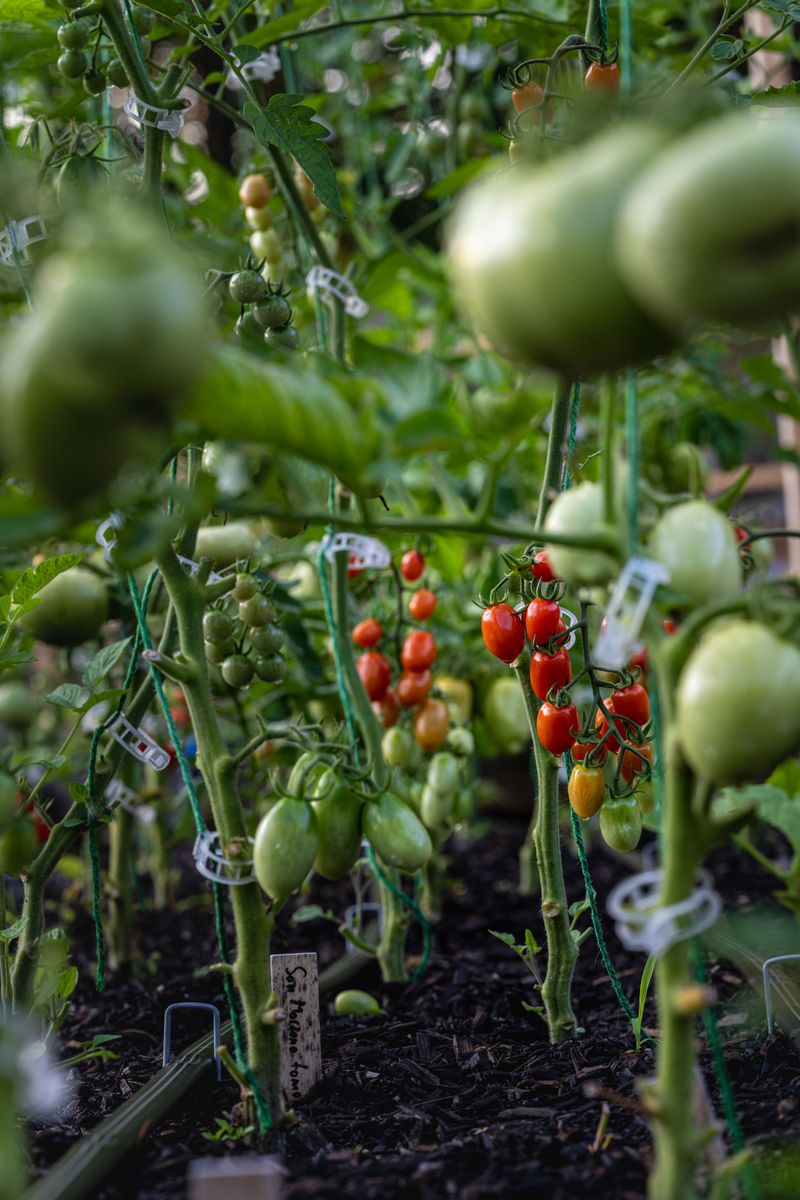
Picture a crowded subway car where everyone is pushing toward the door. Your tomato plants do the same thing when they are planted too close together.
Each plant reaches upward, competing for the sunlight that its neighbor is blocking. This upward stretching is called etiolation, and it results in long, weak stems that cannot support healthy fruit production.
The plant grows tall because it has no other option. In Illinois, the recommended spacing for most tomato varieties is 24 to 36 inches apart.
Many gardeners squeeze plants closer to fit more into a small space, but that decision backfires badly by July.
When plants crowd each other, air circulation drops too. Poor airflow creates humid pockets between stems, which invites fungal diseases like early blight and septoria leaf spot to move in fast.
If your garden is already crowded this season, there are still things you can do. Removing the lower leaves from each plant opens up space and lets light reach the soil and inner stems.
Aggressive pruning of suckers, which are the small shoots that grow between the main stem and a branch, also helps thin out the canopy. Less plant means more light reaches what remains.
Next season, measure your spacing before planting and resist the urge to add just one more transplant. Giving each plant room to breathe is one of the highest-return investments a home gardener can make.
Long Days Weaken Stem Strength
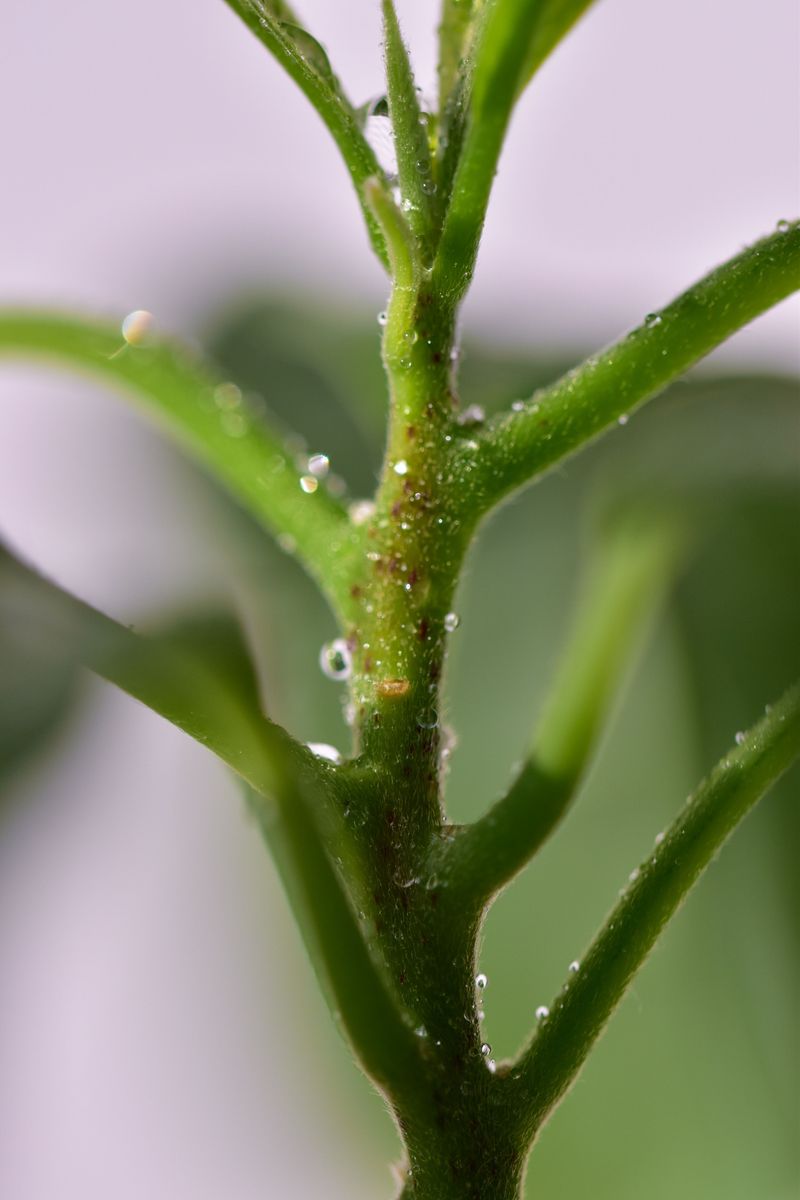
July days in Illinois still run close to 15 hours of daylight, and that extra light has an unexpected effect on tomato plants.
More light sounds like a good thing, but very intense or prolonged sun exposure, especially combined with inconsistent watering, can contribute to weaker stem tissue over time.
When light is abundant for so many hours, the plant grows quickly but does not always build dense, strong cell walls. Fast growth without adequate recovery time produces soft, floppy stems.
Think of it like a teenager who grows three inches over a summer. The height is there, but the strength to carry it takes a little longer to catch up.
Tomatoes are technically day-neutral plants, meaning day length does not trigger flowering the way it does in some other crops. But the sheer volume of summer light still influences how the plant allocates its resources.
One practical response is to make sure your plants are getting consistent watering during long hot days. Dehydrated stems lose structural integrity faster than well-watered ones.
Calcium plays a big role in cell wall strength too. If your Illinois soil is slightly acidic, which is common, calcium may not be reaching the plant efficiently. A soil pH between 6.2 and 6.8 helps calcium absorb properly.
Adding a calcium-magnesium supplement to the soil can help firm up stem tissue over time. Crushed eggshells, however, break down slowly and are a much slower-acting source of calcium.
Stronger stems mean the plant stands tall for the right reasons, not just because it is reaching desperately for the sun.
Prune Suckers To Redirect Energy
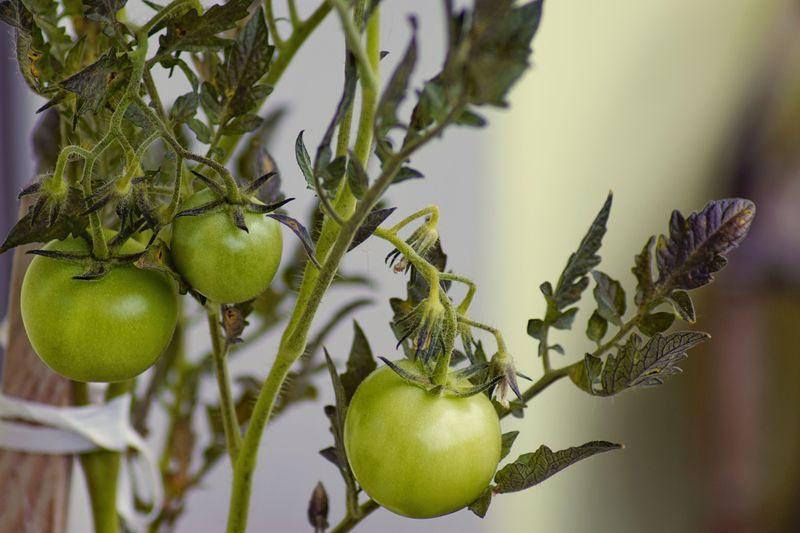
Suckers are sneaky little shoots that pop up in the crotch between the main stem and a side branch. Left alone, each sucker becomes a full branch, and that branch grows more suckers, and suddenly your plant is a jungle.
All that extra growth comes at a cost. Every new stem and leaf demands energy that could have gone straight into developing juicy, ripe tomatoes.
Pruning suckers is one of the most powerful things you can do in July to stop legginess in its tracks. Removing them redirects the plant’s resources toward the fruit that is already setting.
For indeterminate varieties like Brandywine, Cherokee Purple, or Sungold, sucker removal is especially important.
These plants never stop growing on their own, so they need your help staying focused. Pinch suckers off when they are small, ideally under two inches long.
At that size, you can snap them cleanly with your fingers without leaving a large wound on the stem. If a sucker has grown larger, use clean, sharp scissors or pruning shears.
Dirty tools spread disease from plant to plant, so wipe the blades with rubbing alcohol between cuts. Aim to keep one or two main stems on each plant, depending on the variety.
A focused plant with fewer stems produces larger, earlier tomatoes and stays far less leggy through the rest of the season. Your future self will thank you for every sucker you pull today.
Stake Plants For Support
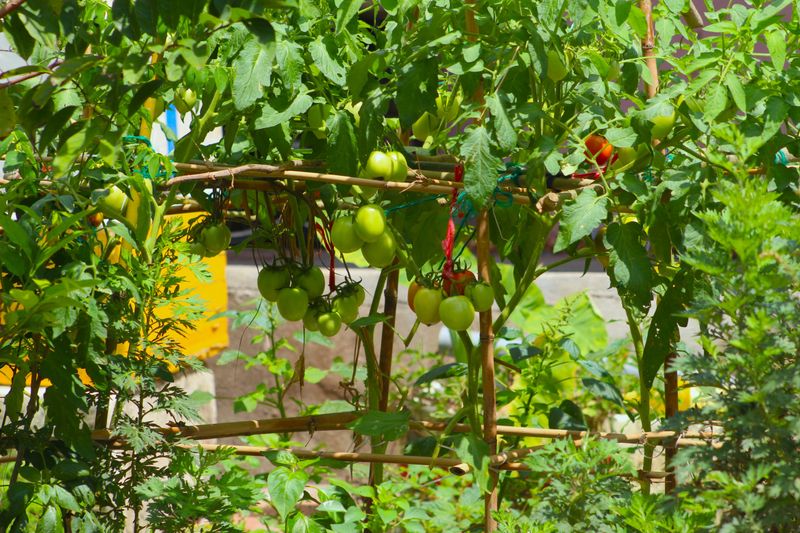
A leaning tomato plant is a stressed tomato plant. When stems bend under their own weight, the vascular system inside gets pinched, and water and nutrients struggle to move freely through the plant.
Staking solves this problem by giving the main stem a vertical guide to follow. A supported plant grows upright, stays healthier, and produces more consistently through the rest of July and into August.
Wooden stakes, metal conduit, and bamboo poles all work well for this job. The stake should be at least five to six feet tall for indeterminate varieties, and it needs to go at least a foot into the ground to stay stable during summer storms.
Pound the stake in at least six inches away from the main stem to avoid damaging roots. Illinois gardeners know that summer thunderstorms can arrive fast, so getting this done early protects the plant before wind becomes an issue.
Tie the stem to the stake using soft material like strips of old t-shirts, garden velcro, or foam-covered wire ties. Avoid using string that cuts into the stem as the plant grows thicker.
Loop the tie around the stake first, then loosely around the stem in a figure-eight pattern. This method holds the plant in place without strangling it as it continues to grow.
Check your ties every two weeks and loosen any that feel snug. A well-staked tomato plant stands tall with confidence, and confident plants produce the harvest every gardener dreams about all winter long.
Switch To Phosphorus-Rich Fertilizer
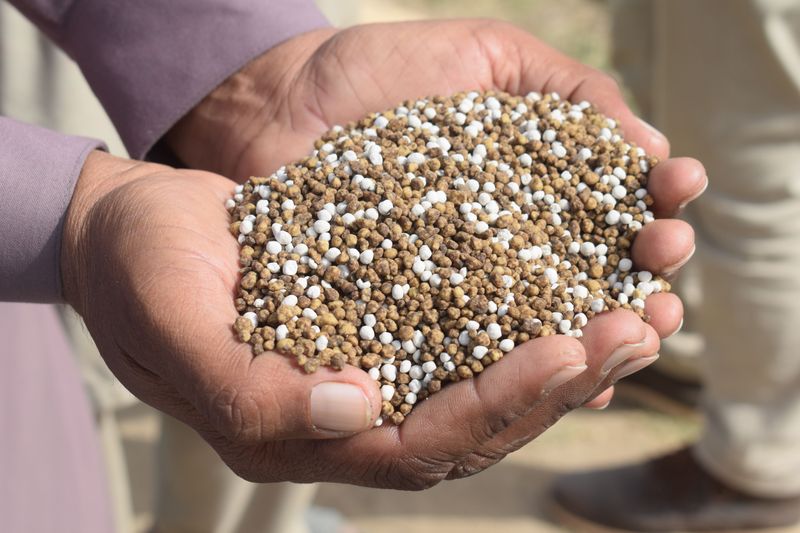
Here is a fertilizer truth that changes everything: what your tomatoes needed in May is not what they need in July.
Early in the season, nitrogen helps young plants build leaves and stems. But once flowering starts, phosphorus takes over as the star nutrient.
Phosphorus supports root development, flower formation, and fruit set. Without enough of it in July, plants keep pushing vegetative growth instead of switching into production mode.
Look for a fertilizer with numbers like 5-10-10 or 4-18-38 on the label. The second number represents phosphorus, and in midsummer, you want that number to be the biggest one on the bag.
Bone meal is a natural, slow-release phosphorus source that works beautifully for tomatoes. Work a small handful into the soil around each plant and water it in well.
Liquid fertilizers labeled as bloom boosters are another solid option. They absorb quickly and give the plant a faster signal to shift from growing tall to producing fruit.
Apply your phosphorus-rich fertilizer every two weeks through July and August for the best results. Consistency matters more than a single heavy dose when it comes to feeding tomatoes during peak season.
Avoid the temptation to add more nitrogen at this stage, even if the leaves look a little pale. Pale leaves in July can be a sign of heat stress, but they can also signal a genuine nutrient issue.
Check soil conditions before assuming nitrogen is the problem, since adding more could still worsen legginess.
Space Plants Wider Next Season
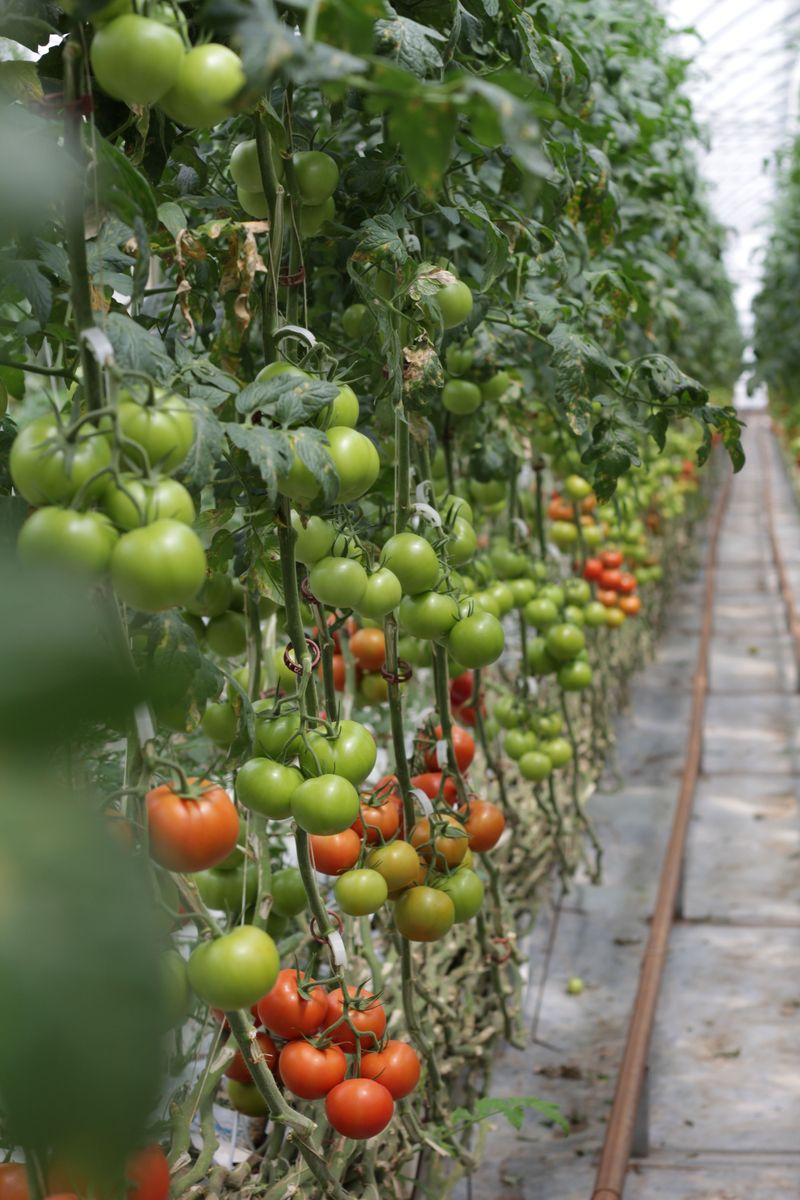
Some garden lessons only sink in after a rough July. If your tomatoes get leggy every midsummer, spacing is often the root cause that keeps getting overlooked.
Planning for next season starts the moment you notice this season’s problems. The temptation to plant more seedlings in a small space is completely understandable.
More plants should mean more tomatoes, right? Unfortunately, that math does not hold up once July heat and competition arrive. Crowded plants share light, water, and nutrients with their neighbors.
Each individual plant ends up resource-poor and reaches upward in desperation, producing exactly the leggy, unproductive growth that frustrates gardeners every summer.
Next spring, commit to planting tomatoes at least 24 inches apart for compact determinate varieties. For larger indeterminate types, aim for 36 inches or even 48 inches between transplants.
Mark your spacing with stakes or flags before you put a single plant in the ground. It is much easier to plan on paper than to move established plants later in the season.
Raised beds make spacing easier to control because you can design the layout precisely before filling with soil.
A 4-by-8-foot raised bed can comfortably fit six to eight tomato plants at 24-inch spacing, depending on how you lay out the rows.
Fewer, well-spaced plants consistently outperform crowded ones in yield, health, and ease of care. Give them room to thrive, and watch your harvest transform next season.