Why Indiana Tomato Blossoms Are Falling In The Heat Wave, And How To Help
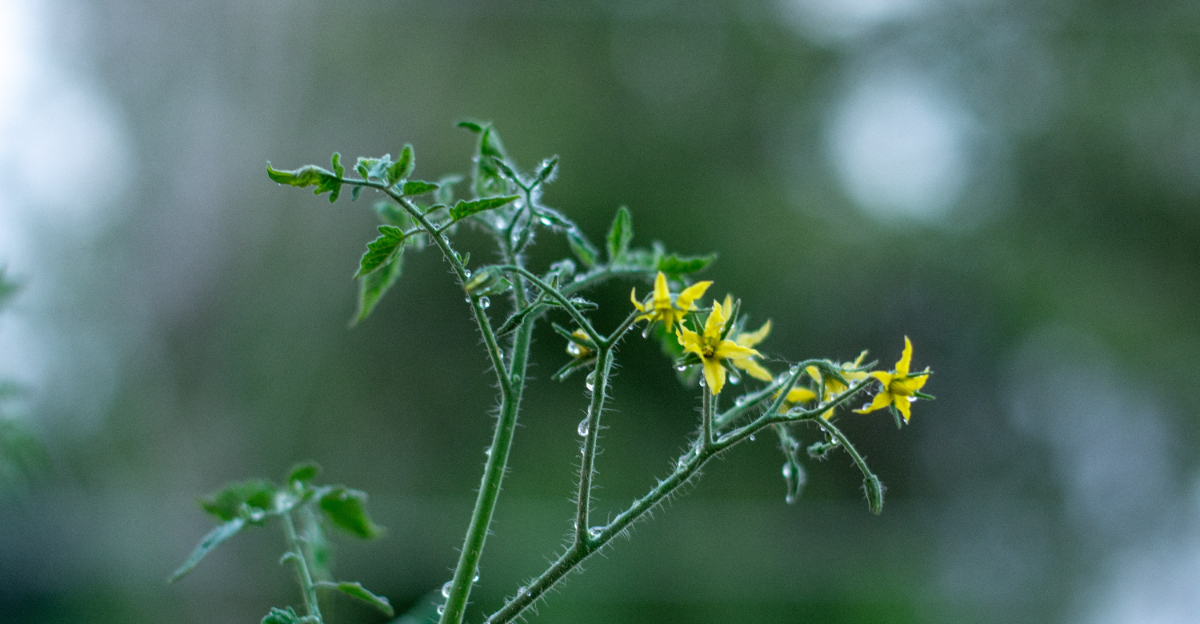
One day your tomato plants are loaded with bright yellow flowers, and the next day those same flowers are scattered across the soil. Indiana summers have a way of turning a thriving garden into a stressed one almost overnight.
When temperatures climb past 90 degrees, tomato plants stop focusing on reproduction and shift into survival mode. That means fewer blossoms stick around long enough to turn into fruit.
It can feel discouraging to watch weeks of growth seemingly vanish in a single hot spell. Your harvest isn’t doomed, though, and blossom drop is often a temporary setback rather than a permanent problem.
Heat affects pollination in specific ways, and once you see the pattern, you gain a real advantage in the garden. With a few adjustments to watering, timing, and plant care, your tomatoes can recover and keep producing through the rest of the season.
Why High Heat Causes Tomato Blossoms To Drop
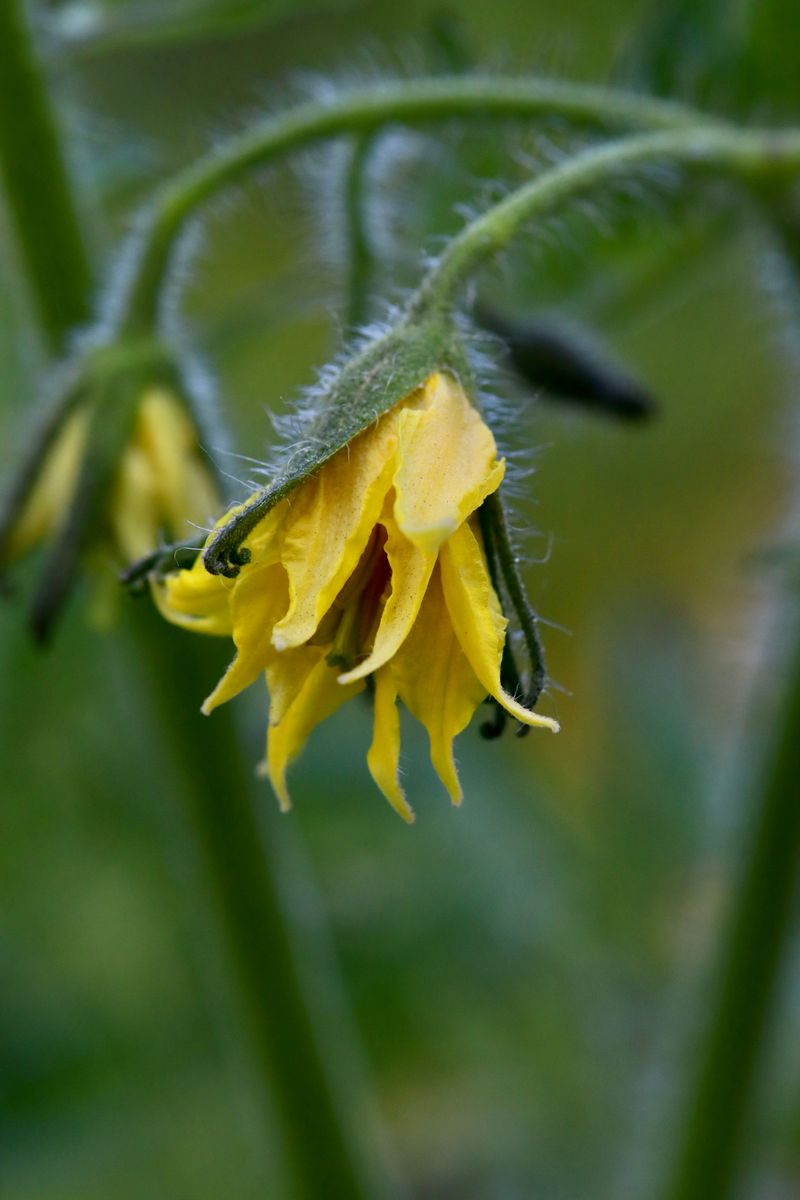
Tomatoes are stubborn plants, but heat is their biggest weakness. When temperatures climb above 90 degrees Fahrenheit, something strange happens inside the flower.
The pollen inside a tomato blossom loses viability and dries out in extreme heat. That means it can’t travel the way it needs to, so fertilization usually fails.
Without successful fertilization, the plant has no reason to hold onto that flower. It drops the blossom as a survival move, cutting its losses before wasting energy.
Indiana tomato blossom drop during heat waves is a frequent complaint from home gardeners each July. The plant isn’t sick, it’s just reacting logically to a brutal environment.
Nighttime temperatures also play a huge role. When nights stay above 70 degrees, the plant rarely gets a chance to recover from the daytime stress.
Think of it like trying to sleep in a hot room with no fan. Your body stays tense all night, and you wake up exhausted. Tomatoes work the same way.
The heat essentially breaks the reproductive cycle of the plant. A missing cool recovery period keeps the pollination window from opening properly.
Understanding this process helps you stop blaming yourself. Your gardening skills aren’t the problem here, the weather is the real villain this season.
How Daytime And Nighttime Temperatures Affect Pollination
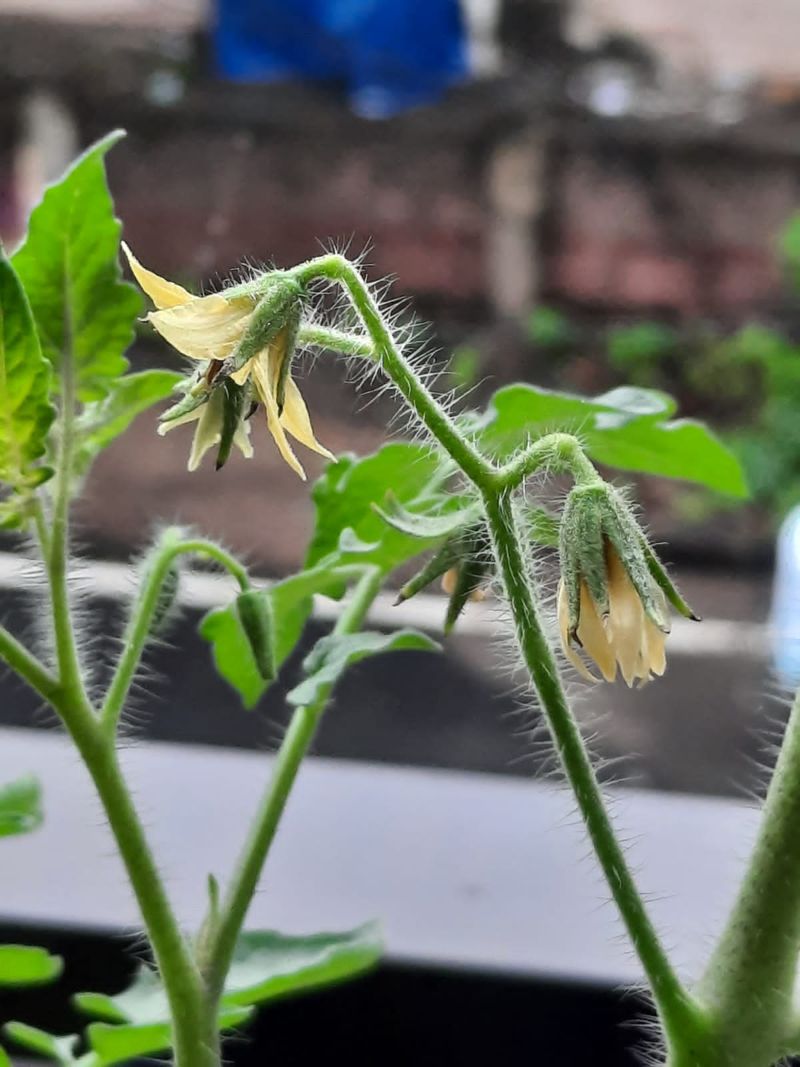
Pollination in tomatoes is a temperature-sensitive dance, and heat throws off every step. Tomatoes need daytime temps between 70 and 85 degrees to pollinate successfully.
Once the mercury pushes past 90, pollen grains lose their viability fast. They dry out, clump, or simply fail to stick where they need to go.
Bees and other pollinators also slow down in extreme heat. They stay closer to shaded areas and visit fewer flowers during the hottest parts of the day.
That combination, bad pollen plus fewer pollinators, makes successful fruit set extremely difficult during a serious heat wave. Your plants are working hard with broken tools.
Nighttime recovery is just as important as daytime conditions. When nights stay warm, the plant stays in a heightened stress response, and blossom production slows to a crawl.
Your Indiana Garden Changes Every Week. Your Plan Should Too.
Gardening in Indiana changes quickly throughout the season. Every Friday you’ll receive a simple weekly plan showing exactly what to plant, prune, fertilize, harvest, and protect so you never miss the right timing.
Cooler nights below 65 degrees allow the plant to reset its internal chemistry. Roots absorb nutrients more efficiently, and new flower buds form with better structure.
Gardeners often focus only on afternoon shade, forgetting that overnight warmth is equally damaging. A warm night followed by a scorching day is a tough combination for tomatoes to handle.
Tracking your local nighttime lows during a heat wave gives you real information to act on. If nights stay hot for several days straight, blossom drop can accelerate sharply.
Signs Your Tomato Plants Are Experiencing Heat Stress
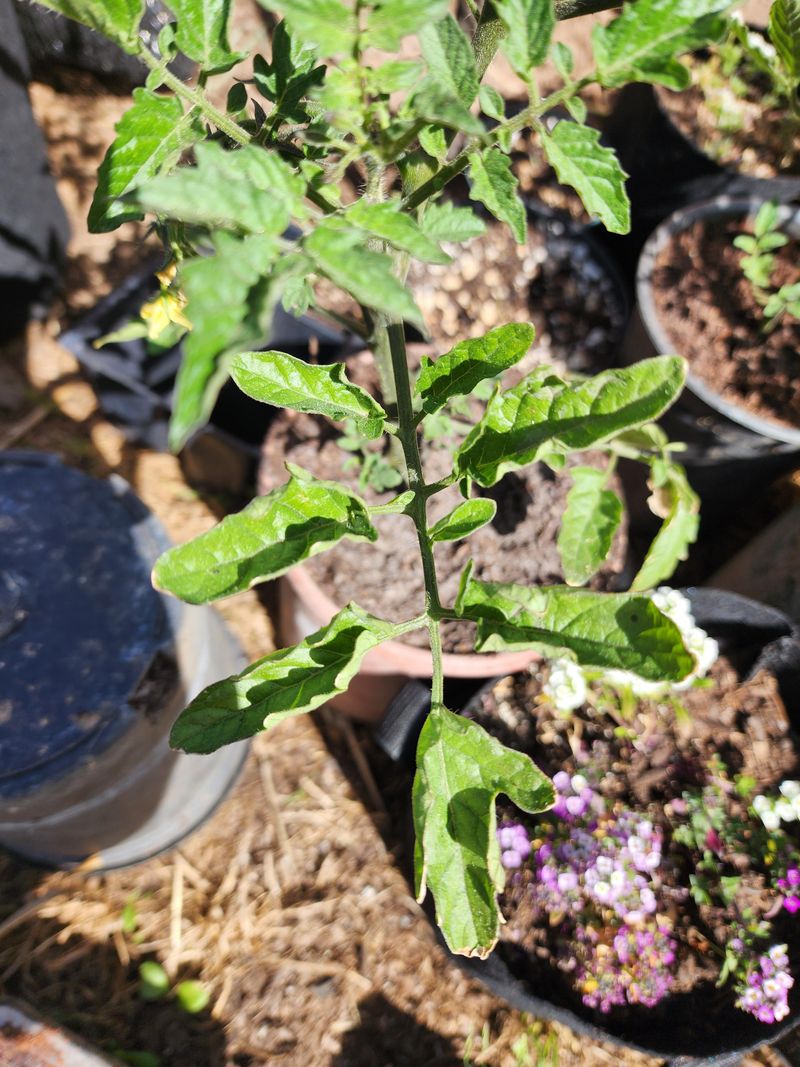
Heat stress doesn’t always announce itself loudly. Sometimes it sneaks in quietly through a few curled leaves and some droopy stems in the afternoon sun.
Leaf curl is one of the first signals your tomatoes send out. The leaves roll inward to reduce the surface area exposed to direct sunlight and slow moisture loss.
You might also notice the edges of leaves turning slightly brown or crispy. That’s the plant sacrificing its outermost tissue to protect its core functions.
Blossom drop is the most obvious sign, of course. When flowers fall before setting fruit, your plant is telling you the environment is too harsh for reproduction right now.
Wilting in the late morning, before noon, is a serious red flag. A healthy plant may wilt slightly at 3 p.m. but should recover by evening without help.
Early wilting means the plant can’t pull enough water from the soil to keep up with evaporation from its leaves. The system is overwhelmed and falling behind.
Fruit that sets during a heat wave may also crack, split, or develop blossom end rot. These are signs the plant is struggling to distribute water and calcium evenly under stress.
Watch for pale or yellowing new growth at the top of the plant. That’s a sign that nutrient uptake is being disrupted by heat-stressed roots that can’t function at full capacity.
Best Tomato Varieties For Indiana’s Hot Summers
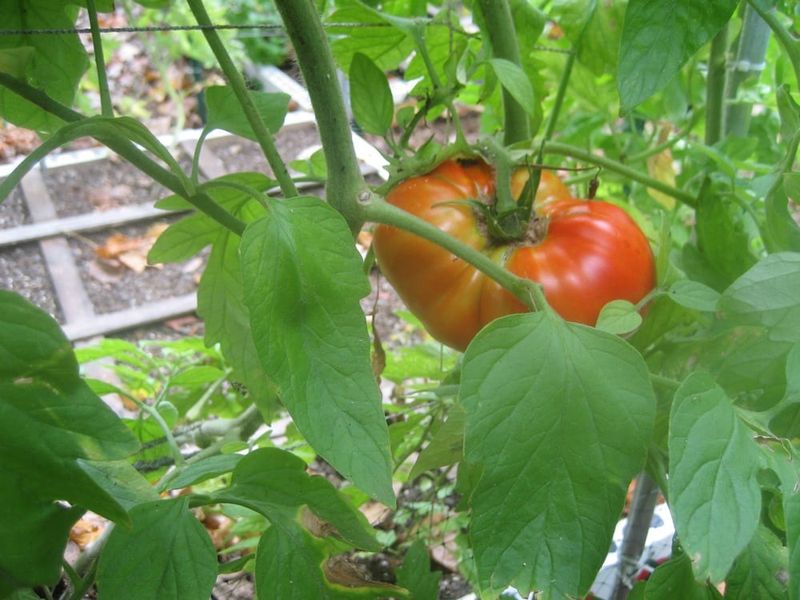
Not all tomatoes are created equal when the summer turns brutal. Some varieties were specifically bred to keep setting fruit even when temperatures soar past 90 degrees.
Heatmaster is a top pick for hot climates and performs exceptionally well across the Midwest. It was bred specifically to handle brutal summer conditions in hot, humid regions.
Solar Fire is another strong performer that gardeners in the region swear by. It produces medium-to-large red fruit and holds its blossoms better than most standard varieties.
Sweet 100 cherry tomatoes are a fantastic option when the heat cranks up. Smaller fruit requires less energy to set, so cherry types often succeed when larger slicers struggle.
Celebrity tomatoes have a solid reputation for heat tolerance combined with disease resistance. They’re a reliable all-around performer that doesn’t need much babying during tough summers.
Many gardeners recommend Juliet, a grape-type tomato that resists cracking and sets fruit reliably in warm conditions. It’s prolific, flavorful, and forgiving of heat-related stress.
Avoid planting large beefsteak varieties during the peak of summer if you’re in a heat-prone zone. Those big fruits require ideal conditions and may underperform when temperatures climb.
Choosing the right variety before the season starts is one of the smartest moves a gardener can make. The best tool against Indiana tomato blossom drop is planting a tomato that was built for the heat.
Watering And Mulching Tips To Reduce Heat Stress
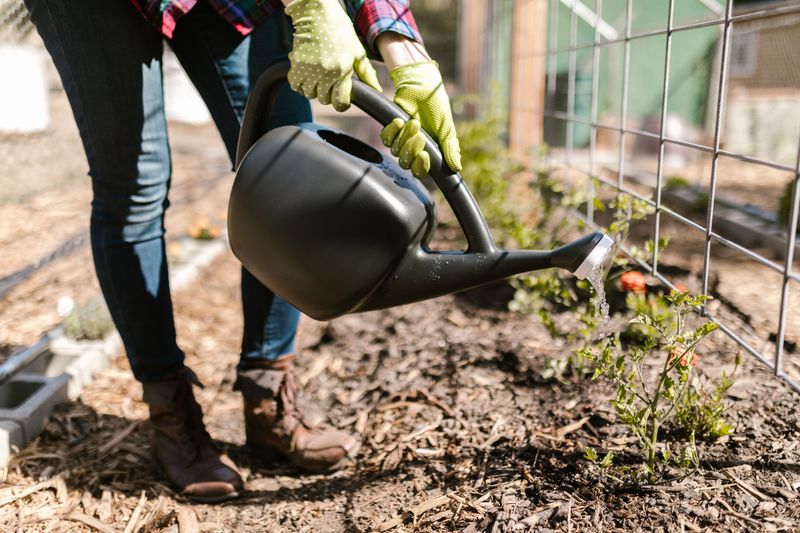
Water is your best defense against heat stress, but timing matters more than most people realize. Watering in the early morning gives roots time to absorb moisture before the heat peaks.
Avoid watering in the afternoon when the sun is blazing. Wet leaves in direct afternoon sun can stress already-weakened plants further.
Deep watering is far better than frequent shallow watering. Shallow watering keeps roots near the surface where soil heats up fastest, making the plant more vulnerable to temperature swings.
Aim to water deeply two to three times per week during a heat wave. Push water slowly into the soil so it reaches down six to eight inches where roots are actively feeding.
Mulching is the unsung hero of summer gardening. A thick layer of straw, wood chips, or shredded leaves around the base of each plant can cut soil temperature by 10 to 15 degrees.
That cooler soil temperature allows roots to stay active and absorb nutrients even when the air above is sweltering. Roots that stay cool keep the whole plant more stable.
Apply mulch at least three inches deep and keep it pulled a couple of inches away from the main stem. Too much contact with the stem can trap moisture and cause rot issues.
Consistent soil moisture is the goal, not wet soil or dry soil. Even moisture keeps your plants calmer and reduces the shock that triggers Indiana tomato blossom drop during heat waves.
Shade Cloth And Other Cooling Methods For Garden Beds
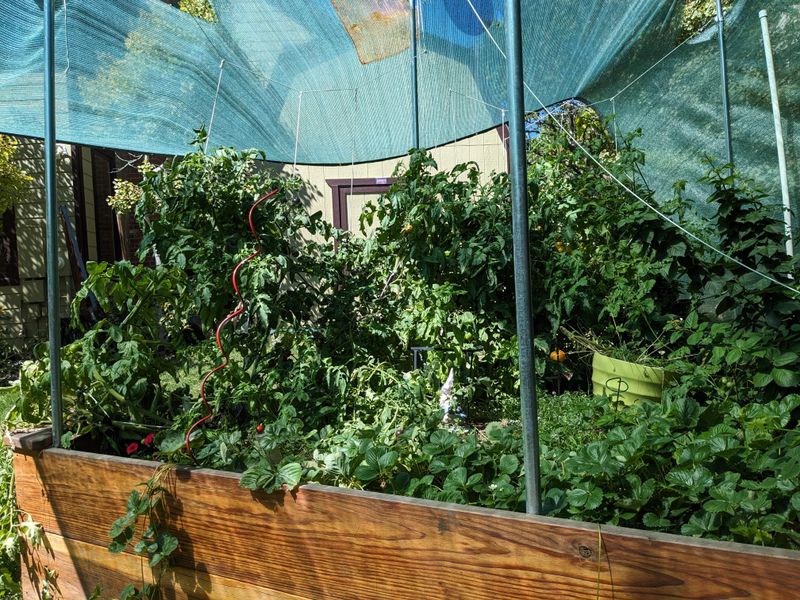
Shade cloth sounds like something only serious farmers use, but it’s one of the best tools a home gardener can grab this summer. A 30 to 40 percent shade cloth can knock several degrees off the temperature your plants actually feel.
Install it on the west and south sides of your garden beds to block the harshest afternoon rays. Morning sun is gentler and still allows photosynthesis to happen efficiently.
You don’t need to spend a fortune on a professional setup. Simple wooden stakes and lightweight fabric clips work perfectly well for a backyard garden situation.
Row covers made from lightweight fabric can also help when temperatures spike suddenly. They trap a bit of humidity around the plant and soften the intensity of direct sun exposure.
Another clever trick is placing large potted plants or trellised vines strategically near your tomato beds. Natural shade from taller plants can reduce soil surface temperature by several degrees.
Some gardeners use old bedsheets or painter’s cloth draped loosely over cages during the hottest part of the afternoon. Remove them by early evening so plants get good airflow overnight.
Reflective mulch, which is a silver-colored plastic sheeting, is another option that bounces excess light away from the soil. It also confuses certain pests, giving you a bonus benefit.
Cooling your garden environment even by five degrees can make the difference between blossom drop and fruit set. Small interventions add up to big results when Indiana tomato blossom drop is threatening your harvest.