8 Hydrangea Care Tips Every Virginia Gardener Should Know
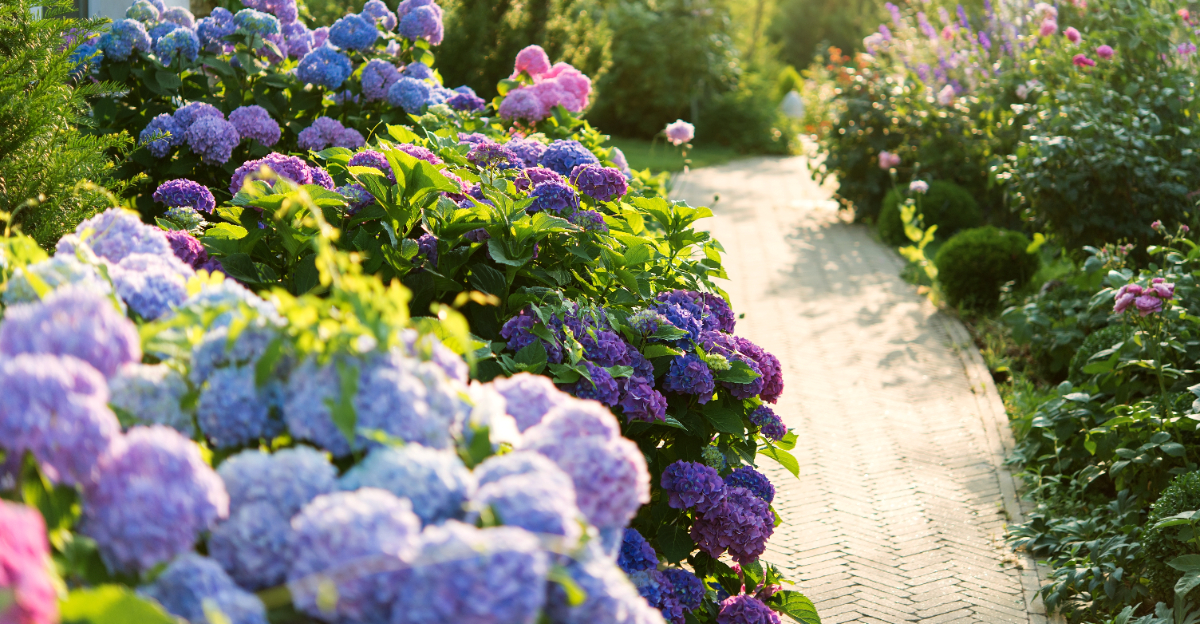
Hydrangeas have a way of turning a plain yard into something people stop and stare at. Those full, rounded blooms in pink, blue, and white carry a kind of old-fashioned charm that never really goes out of style.
But these shrubs are not entirely hands-off, especially in Virginia. Humid summers, swinging spring temperatures, and the occasional late frost can throw even a healthy plant off track.
Get the basics right, though, and hydrangeas tend to reward you generously. Eight care tips can make the difference between a few scattered blooms and a shrub packed with color from June through fall.
These tips cover what actually matters for Virginia gardens, from choosing a planting spot to picking varieties built for the state’s climate swings. By the end, you will have a clear plan for healthier, fuller hydrangeas this season.
1. Choose The Right Spot For Sun And Soil
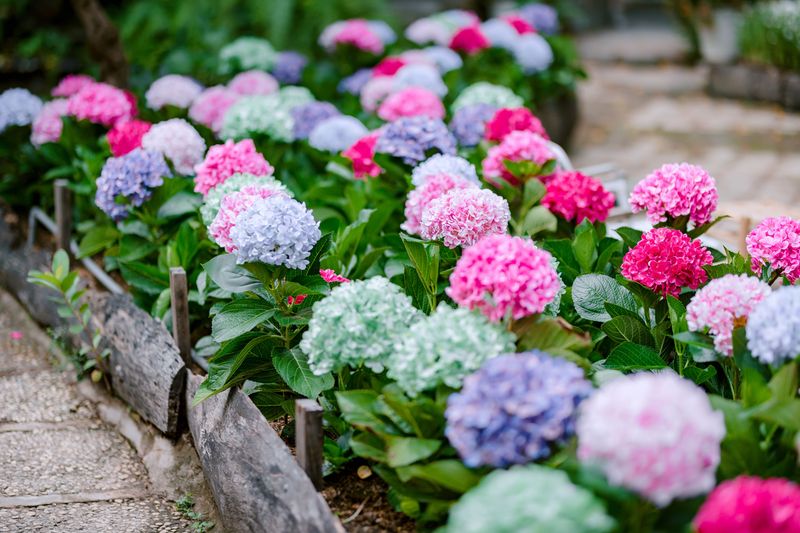
Sunlight can make or break your hydrangeas before they ever bloom. Most hydrangea varieties thrive with morning sun and afternoon shade.
Virginia summers get brutally hot, especially in July and August. Too much direct afternoon sun scorches leaves and wilts blooms fast.
Pick a spot that gets four to six hours of morning light daily. That sweet window gives blooms energy without the harsh midday burn.
Soil quality matters just as much as sunlight placement. Hydrangeas prefer rich, well-draining soil with a slightly acidic pH between 5.5 and 6.5.
Heavy clay soil, which is common across much of the state, holds too much water near the roots. Mix in compost or aged bark to loosen it up before planting.
Sandy soil drains too fast and dries out quickly in summer heat. Amending it with organic matter helps lock in moisture between watering sessions.
A simple soil pH test kit from any garden center costs just a few dollars. Testing before you plant saves a lot of frustration down the road.
Soil pH actually affects bloom color in certain varieties, like Bigleaf hydrangeas. Acidic soil produces blue flowers, while alkaline soil pushes blooms toward pink.
Getting your spot right from the start sets the tone for everything else. A well-chosen location means less correcting and more enjoying those gorgeous blooms all season.
2. Plant At The Right Time Of Year
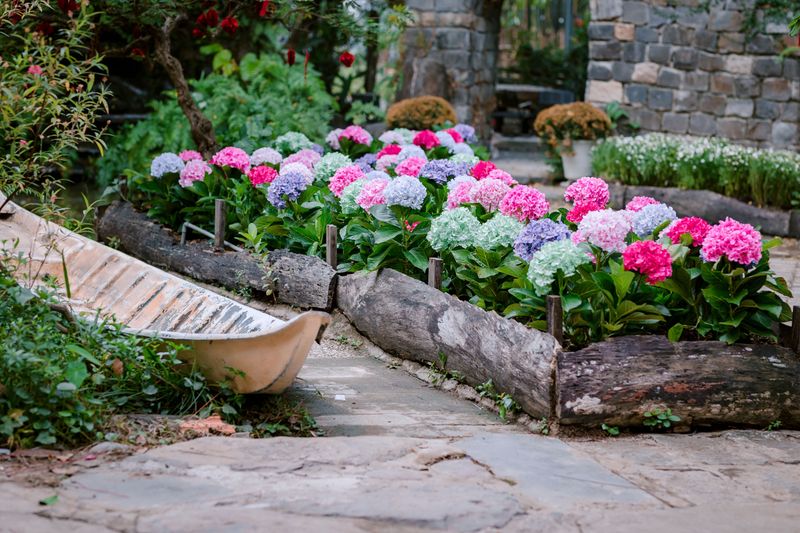
Timing your planting is one of the most underrated hydrangea care tips out there. Get it wrong and your shrub spends its first season just trying to survive.
Early spring is the best time to plant hydrangeas in Virginia. The soil is warming up and roots have months to establish before summer stress hits.
Fall planting is also a solid option, typically from late September through October. Cooler temperatures reduce transplant shock and let roots settle in before winter arrives.
Avoid planting in the peak of summer heat whenever possible. Hot, dry conditions make it incredibly hard for new roots to anchor and absorb water.
When you bring a hydrangea home from the nursery, do not let it sit too long before planting. The longer it stays in a small container, the more root-bound it becomes.
Your Virginia Garden Changes Every Week. Your Plan Should Too.
Gardening in Virginia changes quickly throughout the season. Every Friday you’ll receive a simple weekly plan showing exactly what to plant, prune, fertilize, harvest, and protect so you never miss the right timing.
Dig your planting hole twice as wide as the root ball but only as deep. Setting the plant too low invites rot around the crown.
Water thoroughly right after planting to collapse any air pockets around the roots. Consistent moisture during the first few weeks makes a big difference for establishment.
If a late frost threatens after a spring planting, cover the shrub with a light frost cloth overnight. One cold snap can set back new growth significantly.
Planting at the right moment gives your shrub the strongest possible head start. A well-timed plant is already halfway to a thriving, blooming beauty.
3. Water Deeply And Consistently
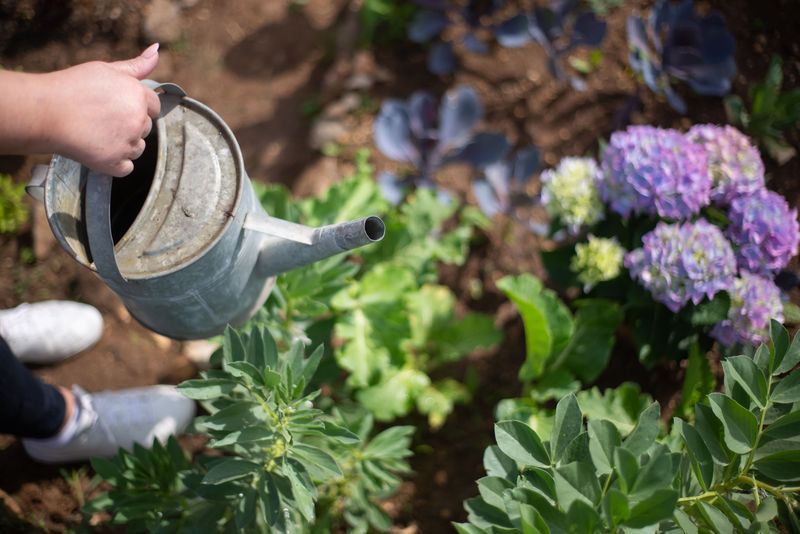
Hydrangeas are dramatic about water, and they are not shy about showing it. A wilted, droopy plant on a hot afternoon is basically begging for a drink.
Deep, consistent watering is far better than frequent shallow sprinkles. Shallow watering trains roots to stay near the surface, making plants weaker over time.
Aim to water deeply two to three times per week during hot summer months. Each session should soak the soil at least six inches down.
The best time to water is early morning before the sun gets intense. Morning watering lets foliage dry out during the day, which reduces fungal issues.
Avoid wetting the leaves and blooms whenever you can manage it. Wet foliage sitting overnight creates the perfect environment for powdery mildew to spread.
A soaker hose or drip irrigation system delivers water right to the root zone. Both options are efficient and keep the leaves dry at the same time.
Container-grown hydrangeas need water more often than those planted in the ground. Pots dry out much faster, especially during Virginia’s hot, humid summer weeks.
Stick your finger about two inches into the soil near the base of the plant. If it feels dry at that depth, it is definitely time to water.
Consistent moisture keeps blooms looking full and fresh all season long. Mastering your watering rhythm is one of the simplest ways to level up your results.
4. Mulch To Protect Roots And Retain Moisture
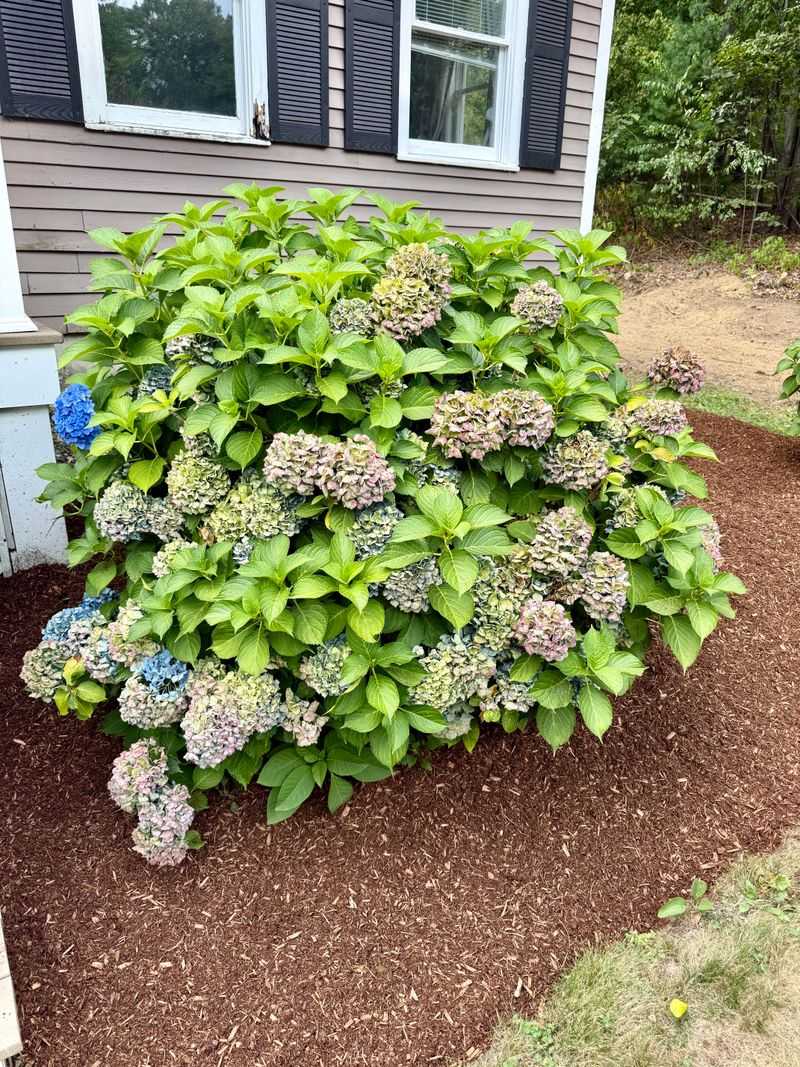
Mulch is like a cozy blanket for your hydrangea’s roots, and it does more work than most gardeners realize. A good layer protects against heat, cold, and moisture loss all at once.
Apply two to three inches of organic mulch around the base of each shrub. Good choices include shredded bark, wood chips, or pine straw.
Keep the mulch a few inches away from the main stem of the plant. Mulch piled directly against the stem traps moisture and can lead to rot.
In Virginia’s hot summers, mulch acts as insulation for the soil beneath. It keeps root-zone temperatures significantly cooler on those scorching July afternoons.
During winter, mulch provides a protective layer that shields roots from hard freezes. This is especially helpful for Bigleaf varieties that are more cold-sensitive.
Organic mulch breaks down slowly over time and feeds the soil as it decomposes. That natural process improves soil structure and adds gentle nutrients around the roots.
Refresh your mulch layer each spring before the heat of summer kicks in. Over winter, mulch compresses and thins out, losing much of its insulating power.
Pine straw is a particularly popular choice in the Mid-Atlantic region. It is lightweight, easy to spread, and stays in place better than loose wood chips on slopes.
A simple layer of mulch can make a dramatic difference in how your plants handle seasonal stress. Think of it as low-effort protection with high-reward results all year long.
5. Fertilize Based On Your Hydrangea Type
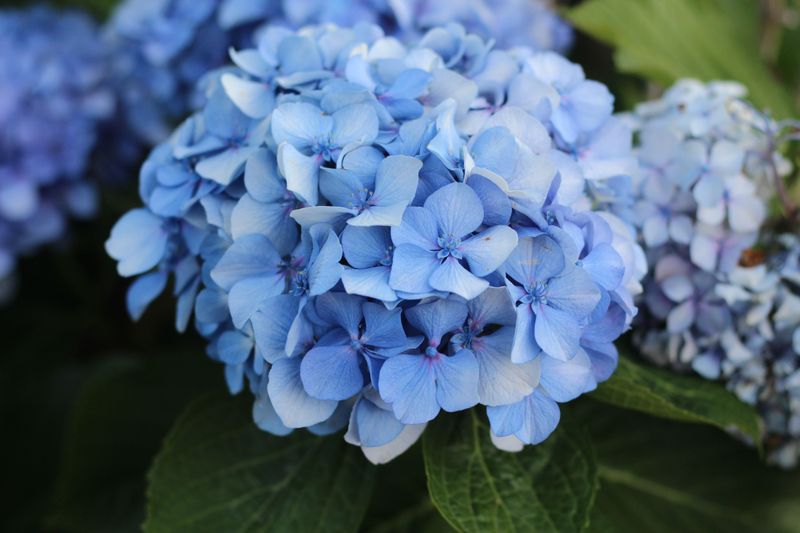
Not all hydrangeas eat the same, and feeding them the wrong way can actually backfire. Knowing your variety before you fertilize saves a lot of wasted effort and money.
Bigleaf hydrangeas, also called Hydrangea macrophylla, respond well to a balanced slow-release fertilizer. Apply once in spring and once in early summer for best results.
Panicle hydrangeas tolerate more nitrogen than other types, but a balanced fertilizer with adequate phosphorus still supports the best blooms.
Smooth hydrangeas, like the popular Annabelle variety, need minimal feeding. Over-fertilizing them actually produces weak, floppy stems that cannot support those giant white flower heads.
Apply fertilizer to moist soil rather than dry ground to avoid root burn. Fertilizing dry soil can burn roots and stress the plant instead of helping it.
Avoid fertilizing after August in Virginia’s climate. Late-season feeding pushes tender new growth that gets hit hard by the first frost.
Granular slow-release fertilizers are generally easier to manage than liquid options. They feed gradually over several weeks, reducing the risk of accidental over-application.
Yellowing leaves on your hydrangea sometimes signal a nutrient deficiency rather than a watering issue. An iron supplement or acidifying fertilizer can correct that problem quickly.
Getting the fertilizer routine right for your specific variety makes a real difference in bloom production. Healthy, well-fed plants produce more blooms and bounce back faster from seasonal stress.
6. Prune At The Right Time For Your Variety
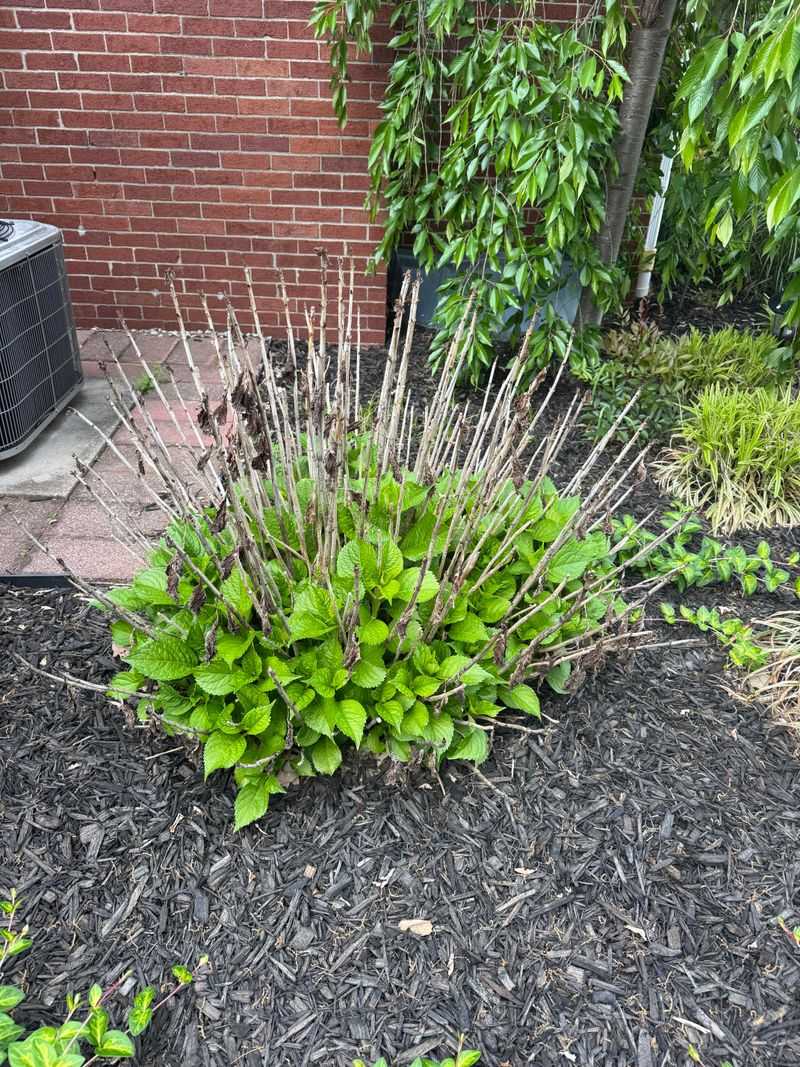
Pruning hydrangeas at the wrong time is one of the most common mistakes gardeners make. Cut at the wrong moment and you accidentally remove next season’s blooms before they ever form.
The key is understanding whether your variety blooms on old wood or new wood. That single fact tells you exactly when to pick up those pruning shears.
Bigleaf and Oakleaf hydrangeas bloom on old wood from the previous season. Prune them immediately after they finish blooming in late summer, not in fall or spring.
Panicle and Smooth hydrangeas bloom on new wood that grows each spring. These varieties can be pruned in late winter or very early spring without sacrificing any blooms.
When pruning old wood bloomers, remove only damaged stems. Light shaping is fine, but aggressive cutting will cost you a full season of flowers.
For new wood bloomers, cut stems back by about one-third each late winter. This encourages strong new growth and larger blooms on sturdy, upright stems.
Use clean, sharp pruning shears to make smooth cuts. Ragged cuts from dull blades create entry points for disease and slow the healing process.
Removing spent blooms during the season keeps the plant looking tidy. On old wood varieties, do this carefully to avoid accidentally removing next year’s buds.
Pruning with purpose and precision keeps your shrubs shapely and productive for years. A well-timed cut today is a gorgeous bloom waiting for you next season.
7. Watch For Signs Of Stress Or Imbalance
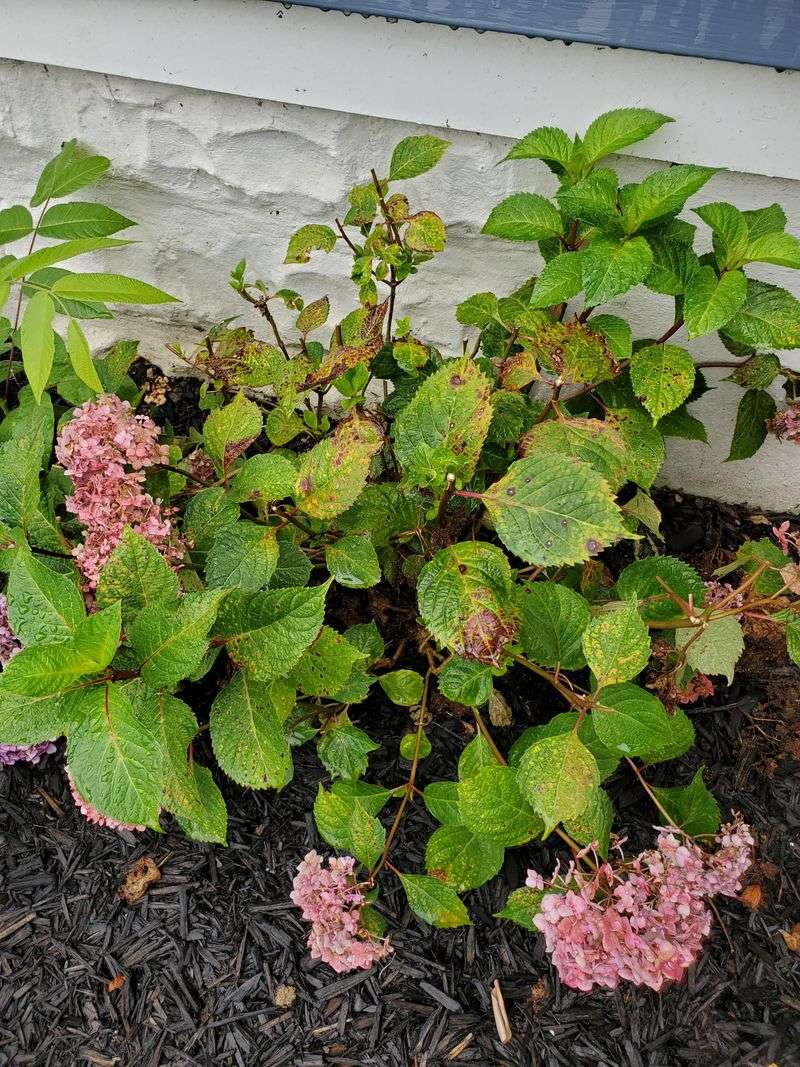
Your hydrangea will usually tell you when something is wrong, if you know how to listen. Learning to read the signs early means you can fix problems before they spiral.
Yellowing leaves between the veins often point to a pH imbalance in the soil. This condition, called chlorosis, usually means the plant cannot absorb enough iron or manganese.
Brown, crispy leaf edges are a classic sign of heat stress or inconsistent watering. Check your watering schedule and consider adding more mulch to help retain soil moisture.
Powdery mildew shows up as a white, dusty coating on leaves during humid summers. Improve air circulation around the plant and avoid overhead watering to slow its spread.
Wilting in the morning, when temperatures are still cool, is a red flag. It can signal root rot from waterlogged soil or a serious fungal infection below the surface.
Aphids and spider mites are common pest problems during dry stretches of summer. A strong spray of water or insecticidal soap handles most light infestations without harsh chemicals.
Botrytis blight causes brown, mushy spots on flowers and stems during wet, cool weather. Remove affected parts immediately and avoid crowding plants together in dense garden beds.
Keeping a close eye on your plants throughout the season builds your instincts as a gardener. Catching stress signals early is almost always easier and cheaper than treating a full-blown problem.
Healthy hydrangeas are not just beautiful, they are resilient. Stay observant and your plants will reward you with season after season of stunning blooms.
8. Choose Hardy Varieties Suited To Virginia
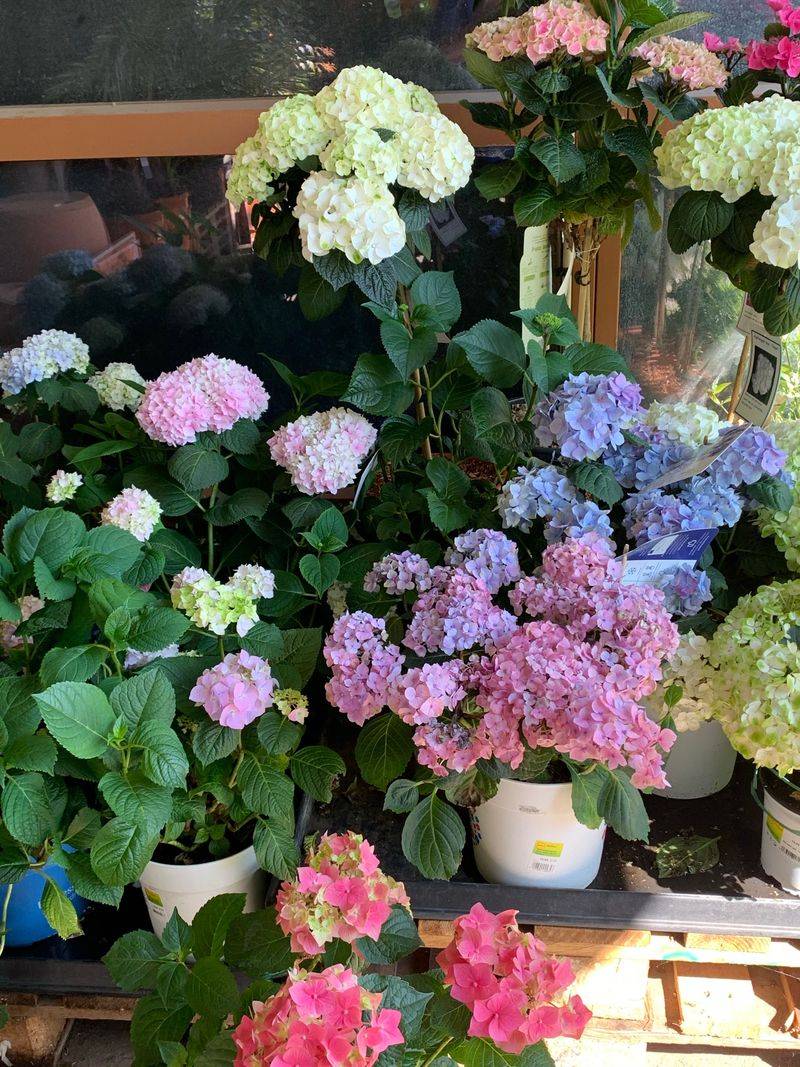
Not every hydrangea sold at a garden center is built for Virginia’s climate swings. Choosing the right variety upfront saves you from heartbreak after a harsh winter or brutal summer.
The Endless Summer series of Bigleaf hydrangeas was practically made for tricky climates. These reblooming varieties produce flowers on both old and new wood, so late frosts hurt less.
Limelight Panicle hydrangeas are incredibly tough and adaptable across the state. They handle heat, humidity, and cold with ease, producing enormous lime-green blooms that age to pink.
Incrediball, a smooth hydrangea variety, produces basketball-sized white blooms on strong stems. It thrives in both the warmer coastal areas and the cooler mountain regions of the state.
Oakleaf hydrangeas are native to the southeastern United States, making them naturally suited here. Their stunning fall foliage and peeling bark add year-round interest beyond just the bloom season.
Cityline and Let’s Dance series offer compact options perfect for smaller yards or container gardens. These shorter varieties pack serious bloom power into a manageable, tidy package.
When shopping at local nurseries, ask specifically for varieties rated to USDA hardiness zones 6 through 8, since Virginia spans cooler mountain areas as well as warmer coastal regions like Tidewater.
Local garden centers often carry regionally tested selections that perform better than big-box store options. Staff at specialty nurseries can steer you toward proven performers for your specific area.
Picking the right hydrangea variety is the foundation of every other hydrangea care tip on this list. Start smart, and the rest of the journey gets so much easier.