New Jersey Gardeners Can Plant These 8 Flowers Now And See Blooms By September
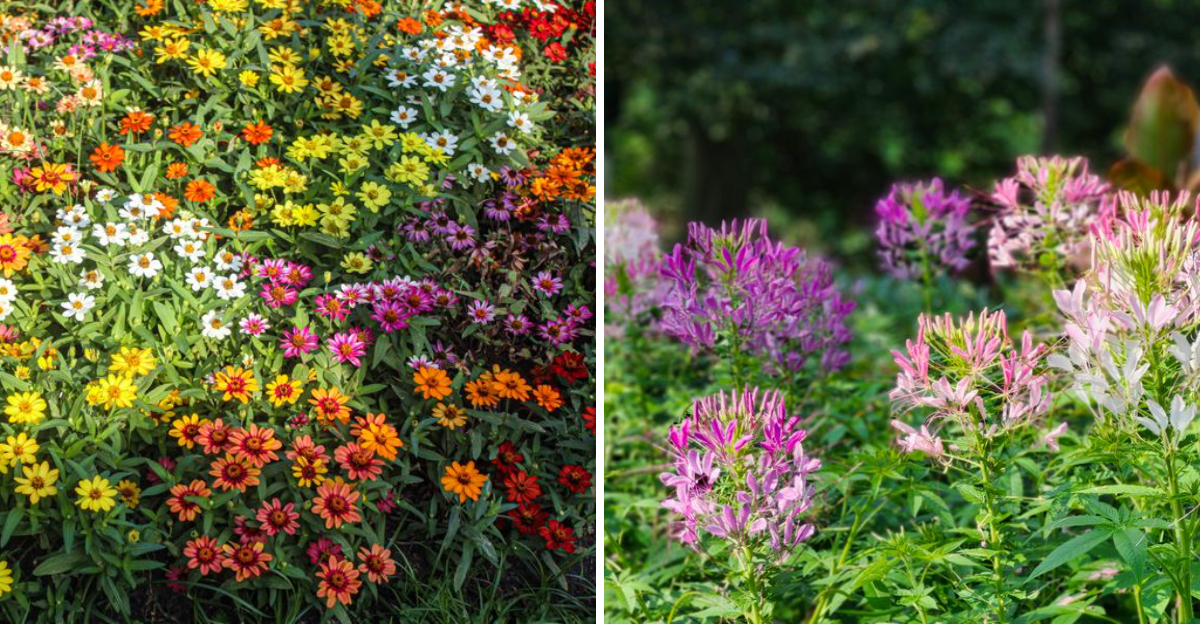
Late June still leaves room for a garden refresh. New Jersey backyards are about to prove it. The soil’s warm. The humidity’s settling in.
There’s a small window right now, and the right choices make all the difference by September.
Skip the slow growers this year. What you want are plants that sprint from seed to bloom before the first cool snap rolls in.
A few standouts do exactly that. Some practically beg for attention with loud, ruffled color. Others stretch toward the sky like they’re racing each other. A few sway in the lightest breeze.
One quiet performer carpets bare patches with a honeyed scent that pollinators can’t resist. None of these need a green thumb or a fancy setup.
Just a sunny spot and a little patience. If you’re gardening anywhere in New Jersey, late June through early July is your window.
Plant now, and by September your yard won’t just look good. It’ll feel like a rewarding payoff.
1. Cosmos
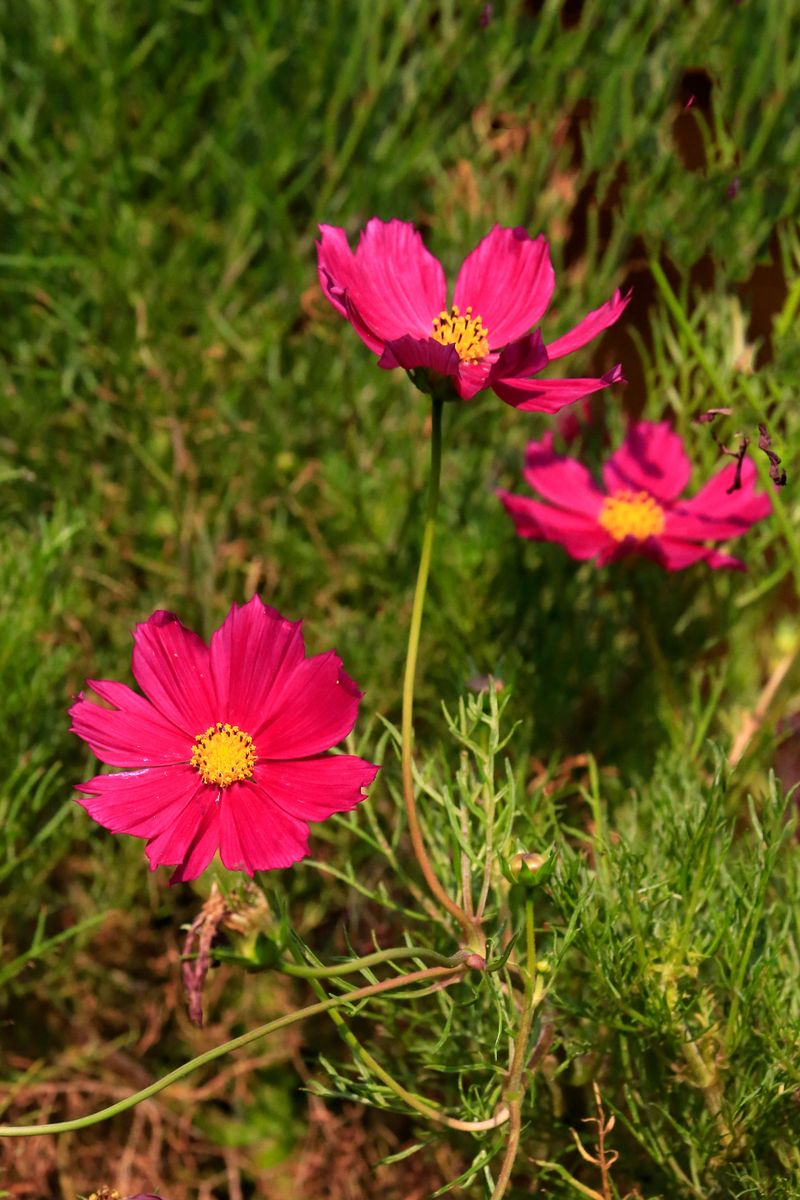
Cosmos look like they belong in a wildflower meadow, and honestly, that carefree vibe is exactly what makes them special. These tall, airy blooms add movement and grace to any garden space.
Plant cosmos seeds directly in the ground now for blooms by late July or August. They actually prefer poor soil, so skip the heavy fertilizing.
Too much nitrogen makes them grow tall and leafy with fewer flowers. Lean soil keeps cosmos focused on what they do best, which is blooming.
These flowers can reach three to six feet tall, making them excellent as a backdrop in garden beds. Place shorter plants in front to create a layered, lush look.
Cosmos are drought-tolerant once established, which is great news for busy gardeners. A deep watering twice a week is usually plenty during dry spells.
They come in shades of pink, white, magenta, and bicolor varieties. The petals are thin and almost translucent, catching light beautifully in the afternoon sun.
Pollinators absolutely go wild for cosmos blooms. Bees, butterflies, and even hummingbirds will visit regularly once the flowers open up.
Cosmos are self-seeding, meaning they may come back on their own next year, which most gardeners consider an added benefit.
Cut cosmos often to keep blooms coming and to enjoy them indoors. A simple mason jar of cosmos on a kitchen table feels instantly cheerful.
Once you grow cosmos, you will wonder why you ever skipped them. They are effortlessly beautiful and impossibly easy.
2. Sunflowers
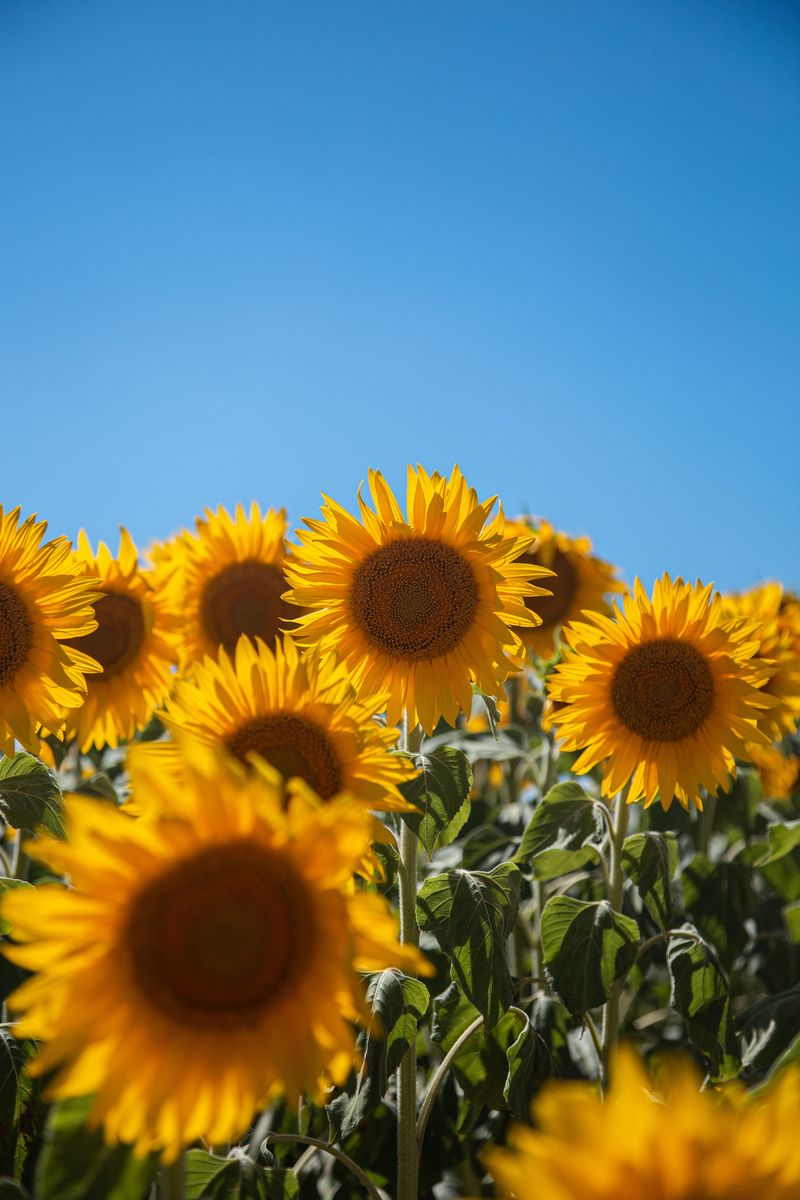
Nothing says summer like a towering sunflower catching the morning light. These iconic blooms are one of the fastest flowers you can grow from seed to full display.
Plant sunflower seeds now and expect blooms in as little as 60 to 70 days. That puts you right on track for a stunning September showing.
Choose a spot with full sun, at least six to eight hours of direct light per day. Sunflowers are light-hungry plants and will lean toward whatever sunshine they can find.
Your New Jersey Garden Changes Every Week. Your Plan Should Too.
Gardening in New Jersey changes quickly throughout the season. Every Friday you’ll receive a simple weekly plan showing exactly what to plant, prune, fertilize, harvest, and protect so you never miss the right timing.
Sow seeds about one inch deep and six inches apart, then thin them as they grow. Give larger varieties like Mammoth or Autumn Beauty extra space to spread out.
Water young sunflowers regularly until roots are established. Once they hit about a foot tall, they become surprisingly tough and drought-resistant.
Sunflowers come in sizes ranging from dwarf varieties at two feet to giants stretching twelve feet or more. Smaller types work beautifully in containers on a patio or deck.
Birds love the seeds, so expect feathered visitors once the heads mature. Leaving a few stalks standing after bloom creates a natural bird feeder.
These flowers also make incredible cut blooms for indoor arrangements. A single sunflower in a tall vase can brighten an entire room effortlessly.
Kids and first-time gardeners almost always succeed with sunflowers. They are forgiving, fast-growing, and rewarding to watch develop week by week.
Few gardening moments beat watching a sunflower open for the first time. Plant one now and experience that joy yourself before September arrives.
3. Zinnias
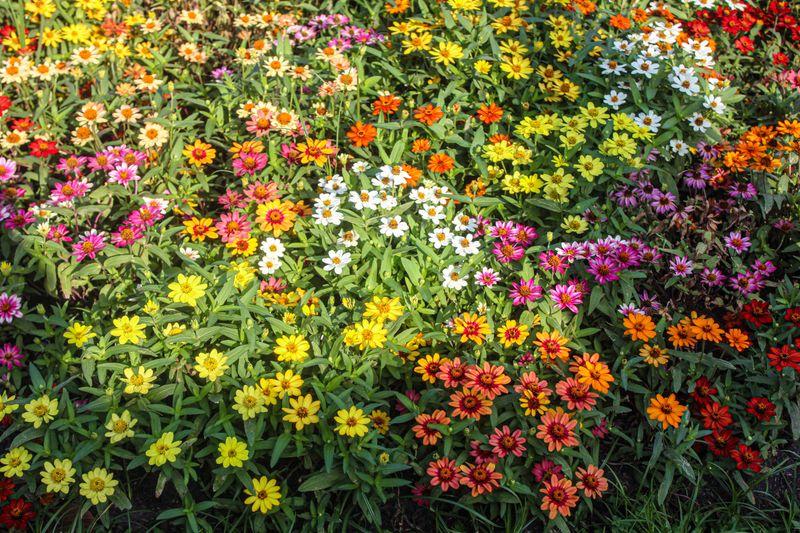
Zinnias are one of the most reliable performers in the summer garden. Plant them now and they will reward you with nonstop color from July straight through September.
These flowers thrive in heat, which makes them a perfect match for New Jersey summers. They ask for very little but give back in spades.
Direct sow zinnia seeds into well-drained soil after the last frost has passed. Space them about six to twelve inches apart so air can circulate around each plant.
Powdery mildew can be a problem, so avoid watering the leaves. Water at the base of the plant and keep things tidy.
Zinnias come in single, double, and semi-double blooms. Colors range from white and cream to deep burgundy and electric orange.
They are also one of the best flowers for attracting butterflies and pollinators, with a patch of zinnias often drawing noticeably more visitors to your yard.
Removing spent blooms keeps the plant producing new flowers all season. Simply pinch off faded blossoms every few days to encourage fresh growth.
Kids love zinnias because they grow fast and look dramatic. Adults love them because they require almost no maintenance once established.
New Jersey gardeners can plant these flowers in raised beds, containers, or directly in the ground. They adapt well to almost any setup you have going.
Few flowers deliver this much color for this little effort, making zinnias a standout choice for low-maintenance gardens.
4. Nasturtiums
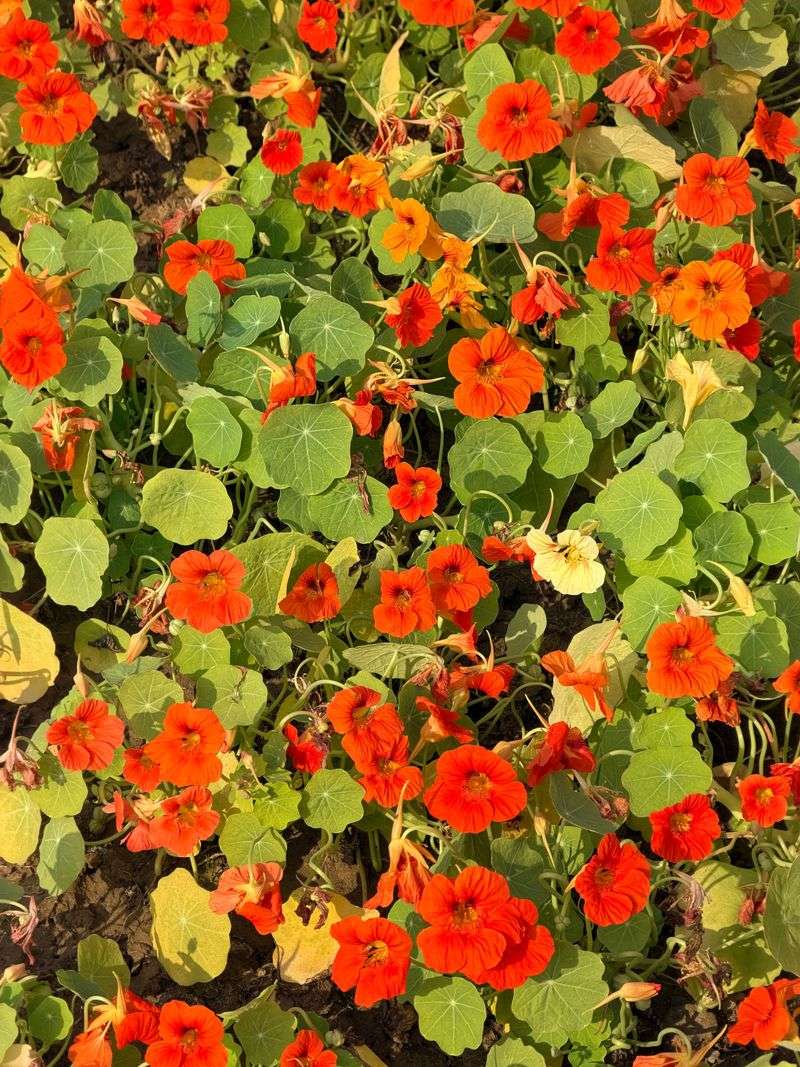
Nasturtiums are one of those plants that offer a lot of value for very little effort. They bloom fast, look gorgeous, and their leaves, flowers, and seed pods are all edible (though typically prepared differently before eating).
Toss the seeds directly into the garden now and you will see flowers within six weeks. No special preparation needed, just press them into the soil and water well.
These flowers prefer poor to average soil with good drainage. Rich soil encourages leafy growth at the expense of blooms, so resist the urge to fertilize heavily.
Nasturtiums come in trailing and bushy varieties. Trailing types spill beautifully over containers, raised beds, or garden borders with an effortless, cascading effect.
The flowers taste peppery and slightly spicy, making them a fun addition to salads and appetizers. Chefs have used nasturtiums as edible garnishes for decades because they look as good as they taste.
Colors range from creamy yellow to deep red, with many orange and bicolor options in between. The round, lily-pad-shaped leaves are also visually striking on their own.
Nasturtiums attract aphids away from other plants, acting as a natural trap crop. That means your tomatoes and roses stay safer while nasturtiums take the hit.
They thrive in full sun but tolerate partial shade better than most summer annuals. Morning sun with afternoon shade is actually a sweet spot for these plants.
New Jersey gardeners can plant these along fences, in window boxes, or at garden edges. Nasturtiums are the kind of flower that makes every space feel a little more alive.
5. Calendula
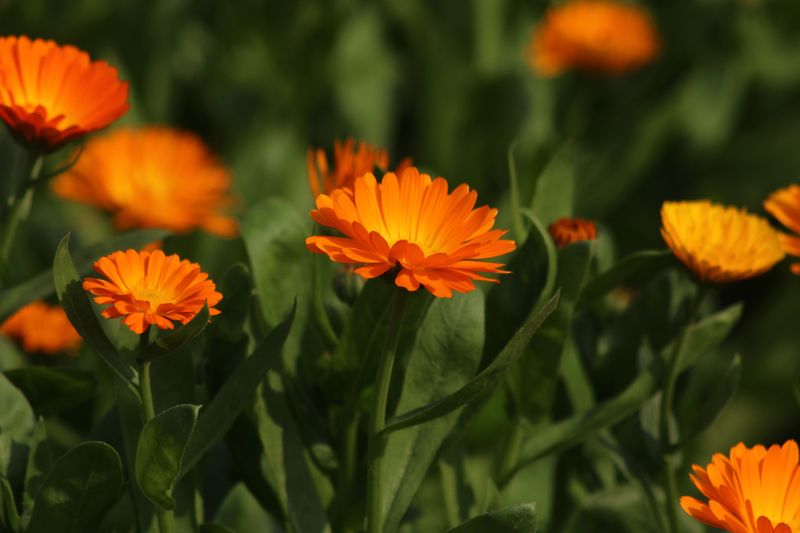
Calendula has been grown in cottage gardens for centuries, and its staying power is completely earned. This cheerful, daisy-like flower blooms in shades of gold, orange, and cream that feel warm and nostalgic.
Plant seeds now and expect flowers in about six to eight weeks. Calendula prefers cooler temperatures, so it may slow down in peak summer heat but bounces back strong in late August.
Sow seeds a quarter inch deep in a sunny spot with well-drained soil. Thin seedlings to about twelve inches apart once they sprout to give each plant room to bush out.
Calendula is also known as pot marigold, though it is not related to the common marigold. Herbalists have used it for skin remedies and teas for hundreds of years.
The petals are edible and have a slightly tangy flavor. Sprinkle them over salads, rice dishes, or soups for a pop of color and a gentle herbal note.
Remove regularly to keep the blooms coming through September. If you let flowers go to seed, the plant slows down production, so stay on top of spent blossoms.
Calendula is surprisingly resistant to pests and attracts beneficial insects like hoverflies. Those insects help control garden pests naturally, which is a win for your whole yard.
It also grows well in containers, making it a great option for balcony or patio gardens. A pot of golden calendula by the front door is an instant mood booster.
Few flowers offer this much history, beauty, and usefulness in one package. Calendula earns its place in any summer garden without breaking a sweat.
6. Sweet Alyssum
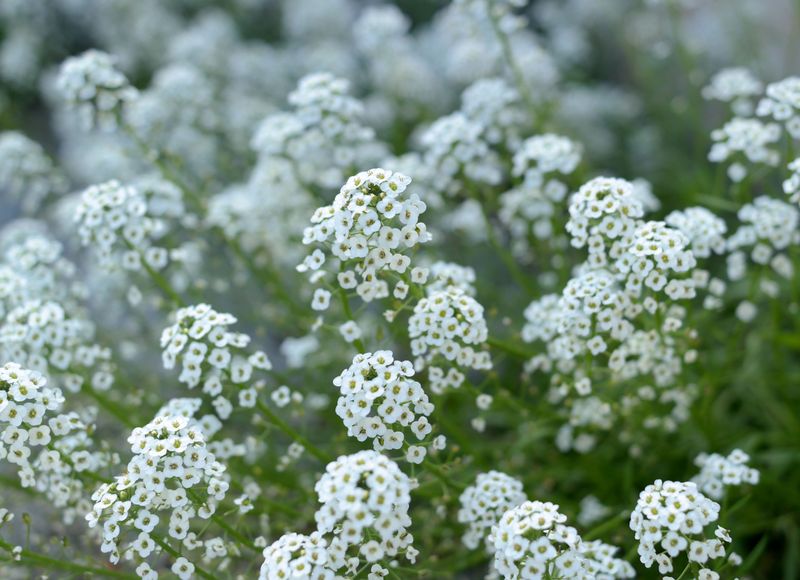
Sweet alyssum is a low-maintenance, high-reward addition to the flower world. It grows low, spreads wide, and fills the air with a soft, honey-like fragrance that’s hard to miss.
Plant transplants or direct sow seeds now for blooms within four to six weeks. This fast turnaround makes it one of the most satisfying flowers to grow mid-season.
Sweet alyssum works beautifully as a border plant or ground cover between taller flowers. It softens hard edges in garden beds and spills gracefully over container rims.
The tiny clustered blooms come in white, purple, pink, and lavender. White varieties are especially striking against dark mulch or stone pathways.
This plant loves full sun but handles partial shade without complaint. In the hottest part of summer, a little afternoon shade actually helps it stay fresh and blooming.
If sweet alyssum slows down in July heat, shear it back by about half. It will rebound quickly and return with fresh blooms just in time for late summer.
Beneficial insects, especially tiny parasitic wasps, are drawn to sweet alyssum flowers. Those wasps prey on common garden pests, turning your flower border into a natural pest control system.
The fragrance intensifies in warm evening air, making it a perfect plant near outdoor seating areas. Guests will notice the scent before they even spot the flowers.
Sweet alyssum pairs well with taller annuals like zinnias and cleome in layered garden designs. It fills gaps effortlessly while adding texture and a soft, romantic feel to the overall space.
7. Celosia
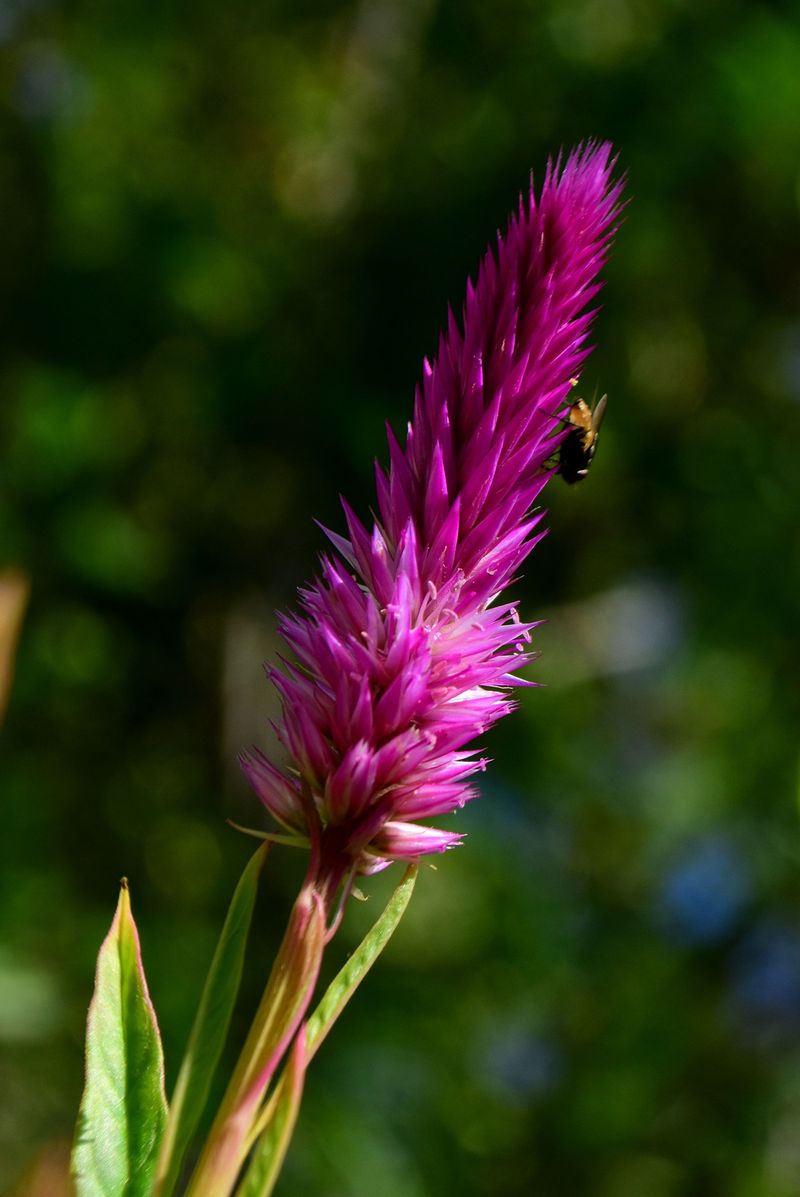
Celosia stands out with unusually vivid, saturated colors compared to most garden flowers. The colors are almost unreal, ranging from neon coral to deep wine and electric yellow.
Plant celosia transplants now and expect full, showy blooms by mid-July. Starting from seed indoors a few weeks earlier gives you an even bigger head start on the season.
There are two main types: plumed celosia, with feathery upright spikes, and crested celosia, with wavy brain-like flower heads. Both are showstoppers in their own distinct way.
Celosia thrives in heat and humidity, which makes it perfectly suited to a New Jersey summer. The hotter it gets, the more it seems to thrive and push out new growth.
Plant in full sun with well-draining soil and water consistently until established. Avoid overhead watering since wet foliage can invite fungal issues in humid conditions.
These flowers hold their color exceptionally well when cut and dried. Hang them upside down in a dry space and you have stunning dried arrangements that last for months.
Celosia also works well in containers, window boxes, and mixed annual beds. It pairs beautifully with deep green foliage plants that let the bold colors pop even more.
Butterflies and bees visit celosia blooms regularly throughout the season. Adding a few plants to your garden helps support local pollinator populations in a meaningful way.
Few flowers make as bold a statement with as little effort as celosia does. Plant it once and you will make room for it every single year going forward.
8. Cleome (Spider Flower)
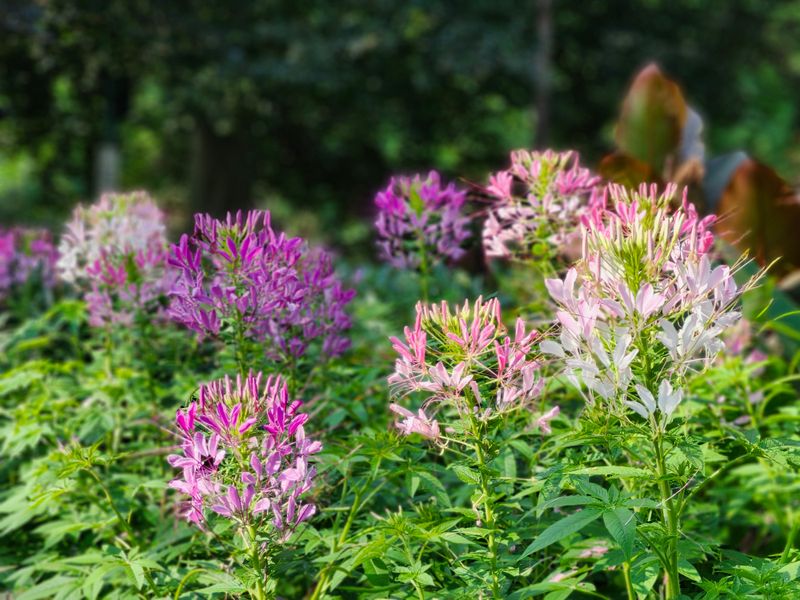
Cleome has one of the most dramatic silhouettes in the annual garden. Its tall, spidery blooms rise on stems that can reach four to five feet, creating a bold vertical statement.
Plant seeds now in a sunny spot; cleome germination can be slow and uneven, so seedlings may take anywhere from one to three weeks to appear, with blooms typically following by August.
The flowers open from the bottom of each cluster upward, so the show lasts for several weeks per stem. That extended bloom time makes cleome one of the longest-performing annuals you can grow.
Colors include white, pink, lavender, and deep rose, with many plants producing multiple shades at once. The long stamens that extend beyond the petals give the blooms their signature spidery look.
Cleome is drought-tolerant once established and handles heat without flinching. It is a low-maintenance plant that basically takes care of itself once it finds its footing in the garden.
The stems and leaves have a slightly sticky texture and a musky scent that some gardeners love and others find surprising. Most people grow to appreciate it once they see how much wildlife the plant attracts.
Hummingbirds absolutely adore cleome and will return to it again and again throughout summer. Planting a few near a window gives you a front-row seat to some incredible aerial acrobatics.
Cleome self-seeds generously, often returning the following year without any effort on your part. That free return visit is a convenient, low-effort bonus for next season’s garden.
New Jersey gardeners can plant these at the back of borders where their height becomes an asset. Cleome is the kind of flower that makes your whole garden feel intentional and alive.