How To Spot The Invasive Jumping Worm In Your Tennessee Garden
Tennessee gardeners are noticing something off in their soil this season. Worms that thrash and snap like tiny live wires have taken over flower beds and vegetable patches. These are jumping worms, an invasive species moving steadily across the state.
Unlike the slow, calm earthworms most gardeners are used to, jumping worms strip soil of nutrients at a startling pace. They leave behind a crumbly, coffee-ground texture that can’t hold water or support healthy roots.
Spotting them early makes a real difference. A few clear signs separate jumping worms from harmless garden visitors, and learning them now can protect months of hard work.
Telltale Signs Of A Jumping Worm Infestation
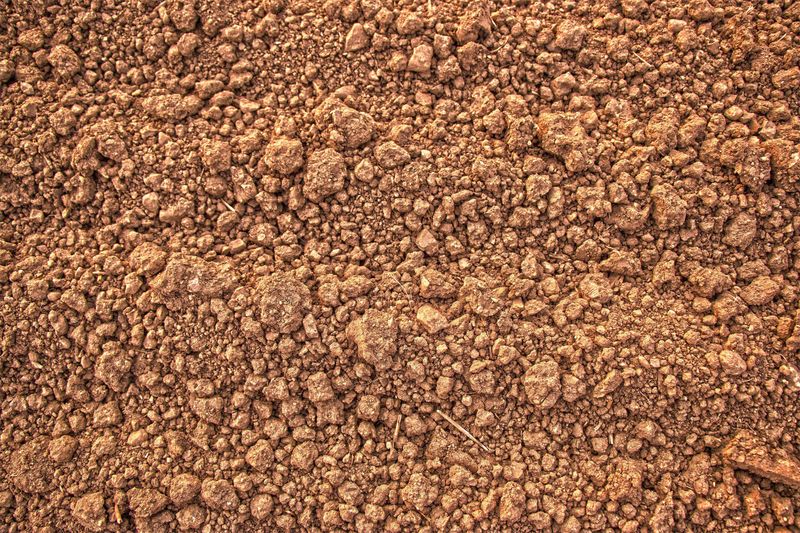
Your soil starts looking wrong. It crumbles like dry coffee grounds instead of clumping together the way healthy dirt should.
That grainy, loose texture is one of the clearest signs of a jumping worm infestation. The castings they leave behind break down soil structure fast.
You might also notice plants looking stressed even after watering. Roots struggle to anchor in soil that has lost its natural binding.
Spotting the invasive jumping worm in your Tennessee garden early can prevent serious long-term damage. The more you know about what to look for, the faster you can act.
Look for worms moving in a frantic, snake-like motion when disturbed. Normal earthworms wriggle slowly, but jumping worms thrash and writhe aggressively.
You may also see them near the surface during warm, moist mornings. They tend to cluster under mulch, leaf litter, or garden debris.
Their castings pile up quickly and change how water moves through your soil. Drainage becomes unpredictable, and puddles may form in spots that never flooded before.
Pay attention to how your soil feels underfoot too. Loose, crumbly patches that sink slightly when you step on them are another red flag.
These clues add up fast once you know what to watch for. A single season of infestation can completely reshape the texture of your garden bed.
Where Jumping Worms Have Been Spotted In Tennessee
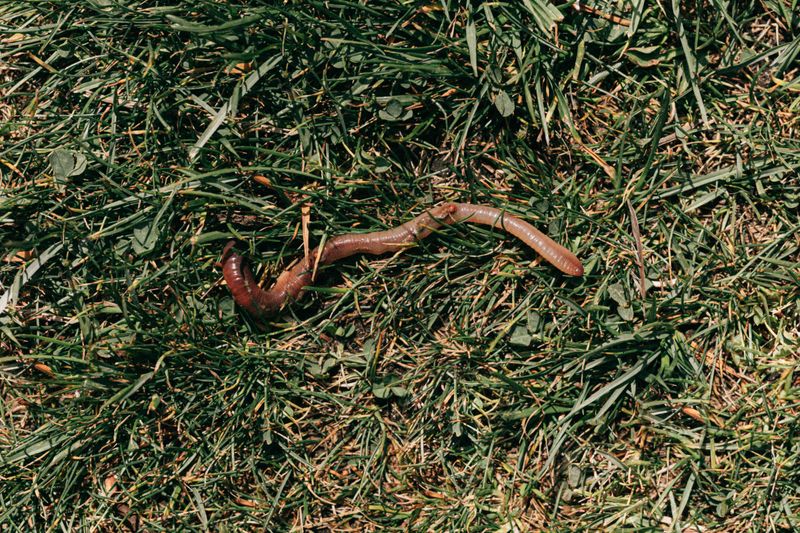
Jumping worms have been confirmed across a wide stretch of Tennessee. Reports have come in from Nashville and counties throughout Middle and East Tennessee.
They tend to show up first in places where mulch or compost was recently added. Nursery plants and shared garden materials are common ways they travel from yard to yard.
Urban and suburban neighborhoods are not exempt either. Dense plantings and frequent soil disturbance can create ideal conditions for them to spread.
State agricultural offices have been tracking sightings for several years now. Gardeners are encouraged to report confirmed or suspected cases to help map the spread.
Rural areas are not immune either. Wooded properties with thick layers of leaf litter offer perfect habitat for jumping worms to thrive.
Parks and nature trails have also reported infestations. Foot traffic and shared equipment can carry egg cases called cocoons into new territory without anyone noticing.
Middle Tennessee’s warm climate and moist soil make it a region where conditions favor jumping worm activity.
Your Tennessee Garden Changes Every Week. Your Plan Should Too.
Gardening in Tennessee changes quickly throughout the season. Every Friday you’ll receive a simple weekly plan showing exactly what to plant, prune, fertilize, harvest, and protect so you never miss the right timing.
East Tennessee gardeners near the Smoky Mountains are also on high alert. Spreading into native forest ecosystems could cause lasting ecological disruption.
Knowing where they have already landed helps you understand your own risk level. If your neighbors have reported sightings, your garden may already be next in line.
Key Signs And Physical Traits To Look For
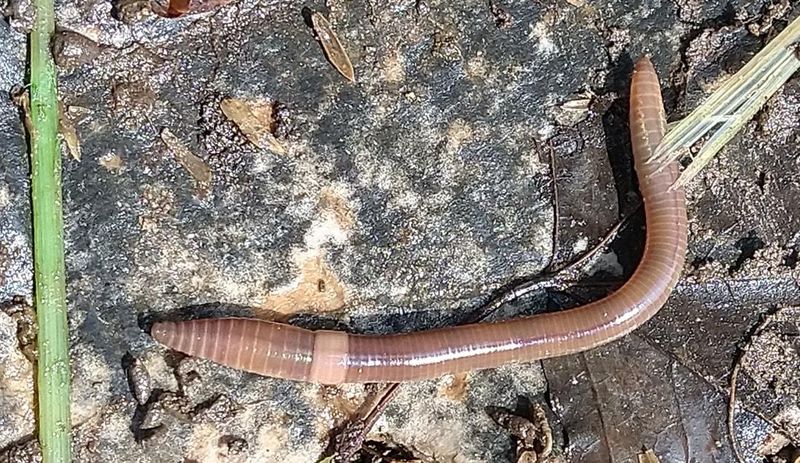
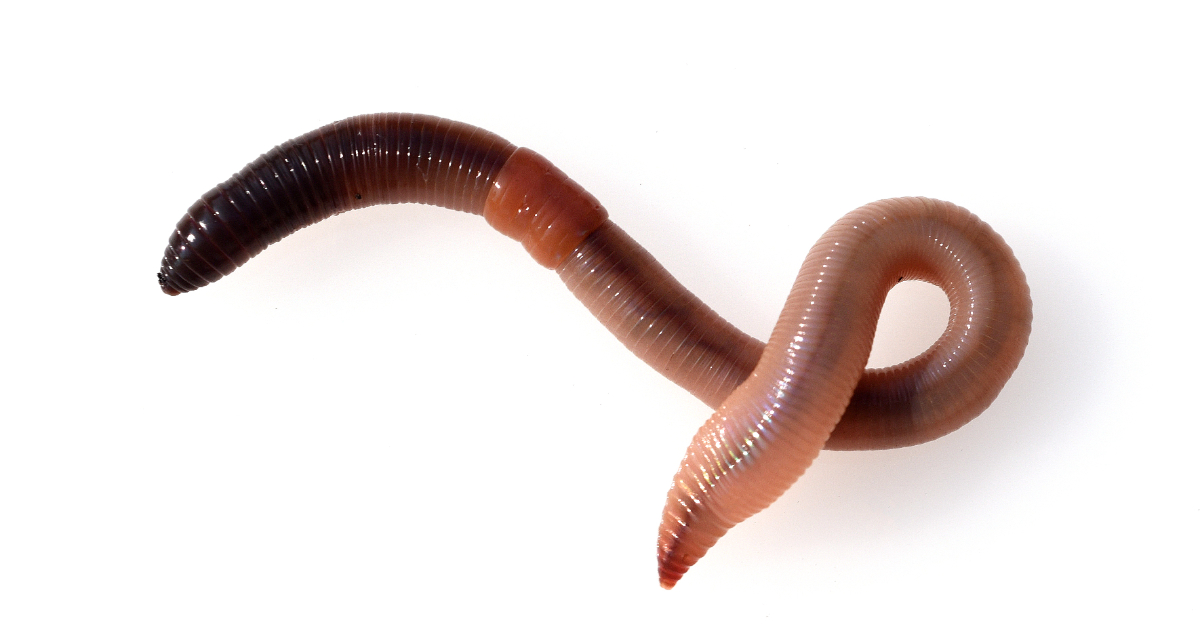
Knowing what a jumping worm looks like up close makes identification much easier. Their bodies are smooth and dark brown or grayish, almost iridescent in certain light.
The most important feature to notice is the clitellum, the band around the worm’s body. On jumping worms, it sits closer to the head and wraps completely around the body in a flat, pale white or gray ring.
Common earthworms have a raised, pinkish clitellum that does not wrap all the way around. That single difference is one of the most reliable ways to tell them apart.
Jumping worms are also noticeably more active when handled. Pick one up and it will thrash wildly, sometimes even dropping part of its tail to escape.
Their skin appears shinier and more muscular than typical earthworms. The texture feels tighter and more rigid when held between two fingers.
Size matters too. Jumping worms typically grow between four and eight inches long, which puts them in a similar range to common species.
Look at how they rest on the soil surface. Jumping worms often lie flat and still until disturbed, then explode into rapid, serpentine motion.
Catching one and examining the clitellum closely is the most reliable identification method. A magnifying glass or a quick photo can confirm what you are dealing with.
Once you have seen a jumping worm in action, you are unlikely to mistake it for anything else.
Telling Jumping Worms Apart From Common Earthworms
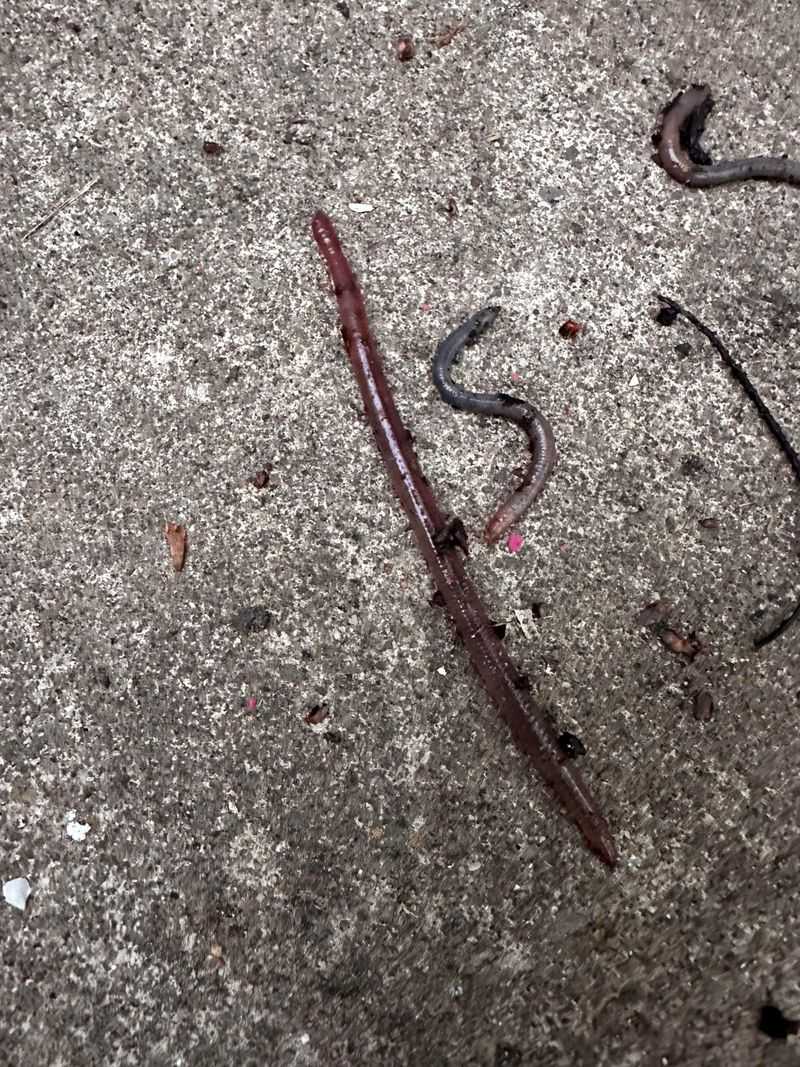
Most gardeners love earthworms. They aerate soil, break down organic matter, and are a sign of a healthy garden ecosystem.
Jumping worms play a completely different role. Instead of improving soil structure, they consume organic material so fast that the ground becomes depleted and unstable.
Common earthworms move slowly and predictably. Jumping worms snap and thrash like a tiny fish out of water, which is where the name comes from.
The clitellum difference is the clearest visual cue. A common worm has a raised, saddle-shaped band mid-body, while a jumping worm has a flat, white ring close to its head.
Jumping worms also reproduce differently. They are parthenogenic, meaning females can produce young without mating, which speeds up population growth dramatically.
Their egg cases, called cocoons, are tiny and nearly invisible. They blend into soil and mulch so well that they can travel undetected in bagged products.
Common earthworms tend to stay deeper in the soil profile. Jumping worms prefer the top few inches, right where your plant roots and organic matter live.
Another big difference is their lifespan. Jumping worms complete their entire life cycle in one season, leaving only cocoons behind to hatch the following spring.
Understanding these contrasts gives you a sharper eye for what you find in your garden. Not every worm is a welcome guest, and learning the difference puts you in control.
The Damage Jumping Worms Cause To Soil And Plants
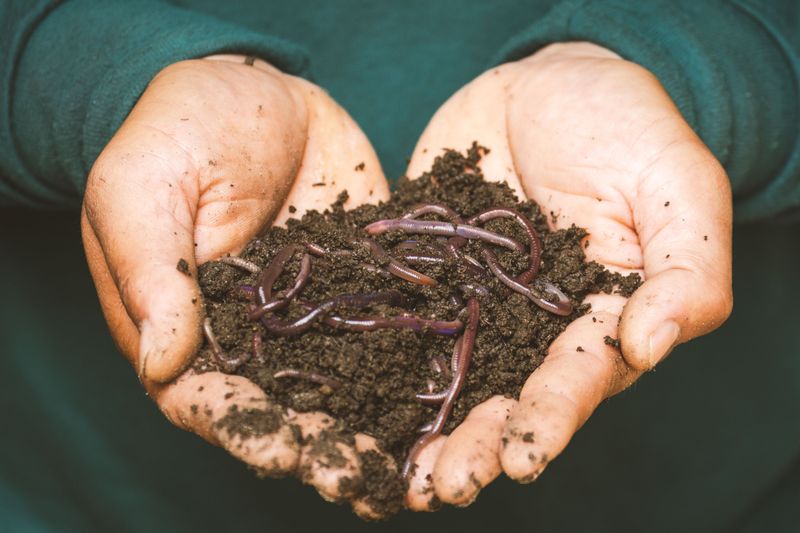
Healthy soil is a complex, layered system. Jumping worms tear through that system faster than almost any other invasive species gardeners encounter.
They consume organic matter from the top layer of soil at a rapid pace. That layer feeds roots, supports microbes, and keeps moisture levels balanced.
Once the organic layer is gone, soil becomes loose and granular. Water runs off instead of soaking in, and plant roots lose the support they need to anchor properly.
Native plants are especially vulnerable. Many species evolved to rely on specific soil conditions that jumping worms can disrupt within a single growing season.
Gardens that once thrived with minimal care can suddenly start failing. Yellowing leaves, poor growth, and wilting despite regular watering are common complaints from affected gardeners.
The damage does not stop at your garden border. Jumping worms can alter soil conditions in forests, parks, and natural areas where no one is actively managing the land.
Reduced ground cover and disrupted soil allow erosion to accelerate. Slopes and hillsides become especially prone to washing out after heavy rain.
Beneficial soil organisms also suffer. Fungi, bacteria, and insects that depend on stable organic layers lose their habitat when jumping worms move through an area.
The threat is real and already affecting gardens across the state. Protecting your Tennessee garden means understanding exactly why these worms cause so much harm in the first place.
Steps Tennessee Gardeners Can Take To Limit Their Spread
You cannot fully eradicate jumping worms once they arrive, but you can absolutely slow them down. Smart habits and consistent attention make a real difference.
Start by buying plants and mulch from reputable sources. Ask suppliers whether their products come from areas with known jumping worm activity.
Inspect any new soil, compost, or plant material before adding it to your garden. Look for the tiny, mustard-seed-sized cocoons that blend into organic matter.
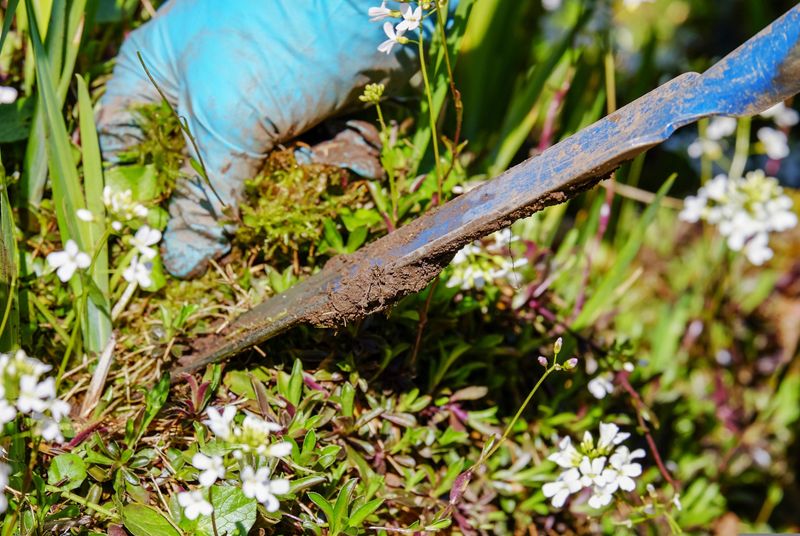
Clean your tools after working in different areas of your yard. Soil clinging to shovels, boots, or gloves can carry cocoons from one spot to another.
Avoid sharing plants or soil with neighbors until you know the status of your yard. A well-meaning cutting from an infested bed can introduce the problem instantly.
Try a mustard pour test to check your soil. Mix one-third cup of ground yellow mustard into a gallon of water, then pour it slowly over a square foot of soil.
Jumping worms will surface within minutes, irritated by the mustard compounds. This method does not harm your soil and gives you a fast, reliable count.
Cover bare soil with mulch carefully and avoid over-mulching. Thick, deep mulch layers create perfect habitat for jumping worms to shelter and reproduce.
Staying informed through Tennessee cooperative extension resources keeps you ahead of the spread. The invasive jumping worm in your Tennessee garden is a manageable problem when you stay proactive and consistent.