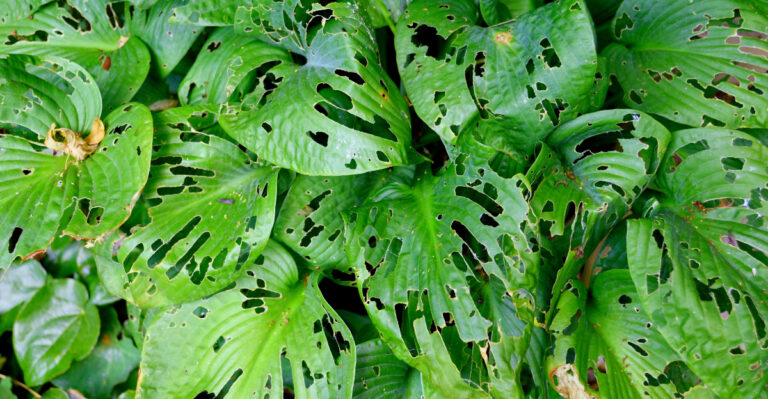
Soil That Looks Like Coffee Grounds Is A Common Sign Of Jumping Worms In Missouri
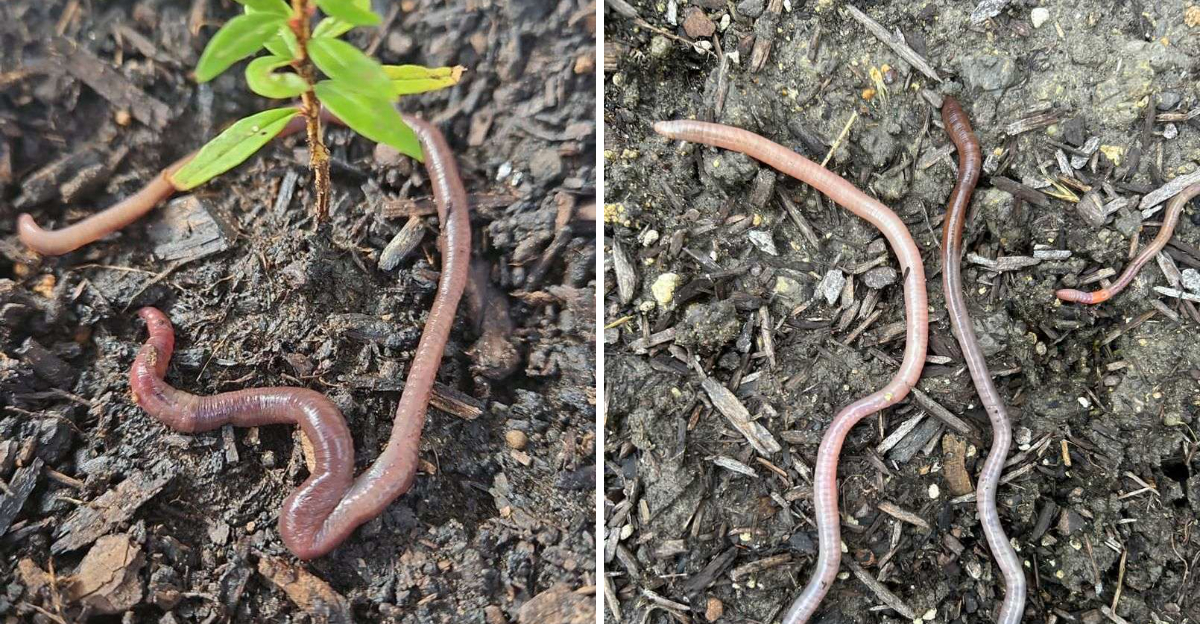
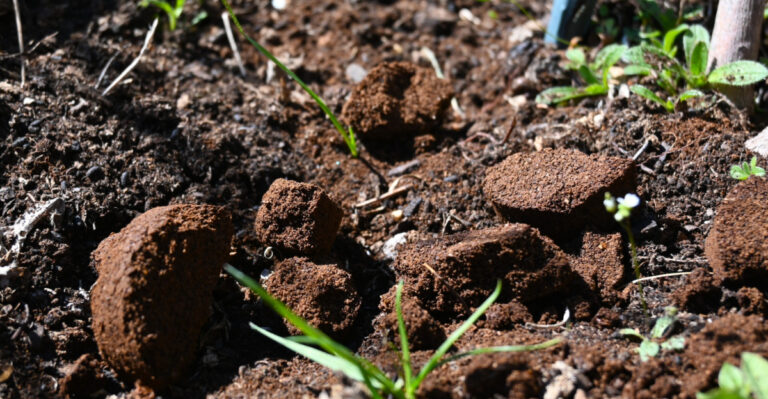
You crouch down to pull a weed and notice something off about your soil. It crumbles into loose, dark granules that spill through your fingers, almost identical to used coffee grounds dumped straight from the pot.
This texture is not a sign of healthy compost. It often points to jumping worms, an invasive species quietly reshaping garden beds across Missouri, stripping soil of the structure plants depend on.
Once they move in, they multiply fast and spread to neighboring yards with little warning. Gardeners who catch the early signs have a much better shot at protecting their soil and plants.
Coffee Ground Soil Is A Clear Signal Of Jumping Worms
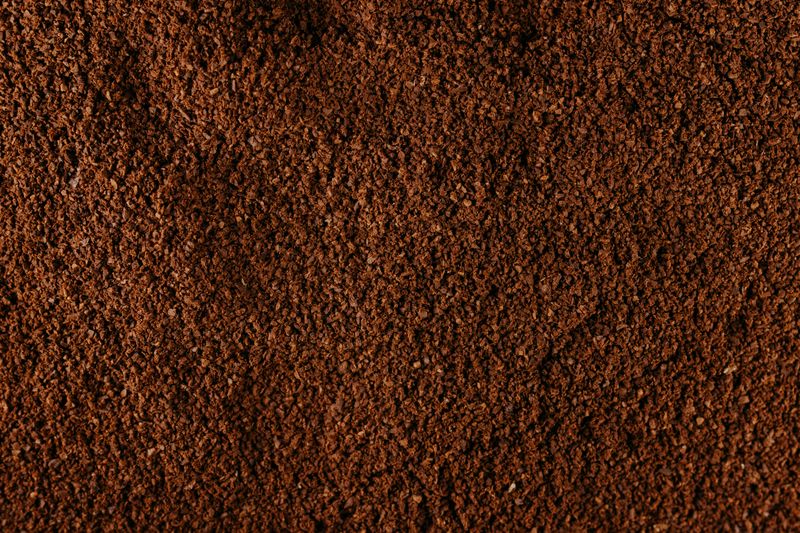
Your soil should not look like espresso grounds. If it does, it is worth taking a closer look underground.
Soil that looks like coffee grounds is one of the most recognized signs of jumping worms in Missouri. The texture appears dark, loose, and granular, almost like someone scattered used coffee grounds across your garden.
This unusual look is caused by worm castings. Jumping worms process organic matter so fast that they leave behind a crumbly, pellet-like waste that changes the soil structure completely.
Healthy garden soil holds together. It has a rich, earthy feel that crumbles slowly when you squeeze it. Jumping worm castings, on the other hand, fall apart easily and hold almost no structure.
This texture tends to appear first near mulched beds and wooded edges, where organic matter is most abundant. The worms tend to cluster where organic material is most abundant and easy to consume.
Once the soil takes on this coffee ground appearance, it becomes harder for plant roots to anchor properly. Water drains too fast, nutrients wash away, and your plants begin to struggle without an obvious reason.
Spotting this texture early gives you a real advantage. You can take action before the worm population explodes and the damage becomes much harder to reverse.
Trust your eyes on this one. If your garden soil suddenly looks like the bottom of a coffee mug, it is time to investigate further and act fast.
Identifying Jumping Worms In Your Garden
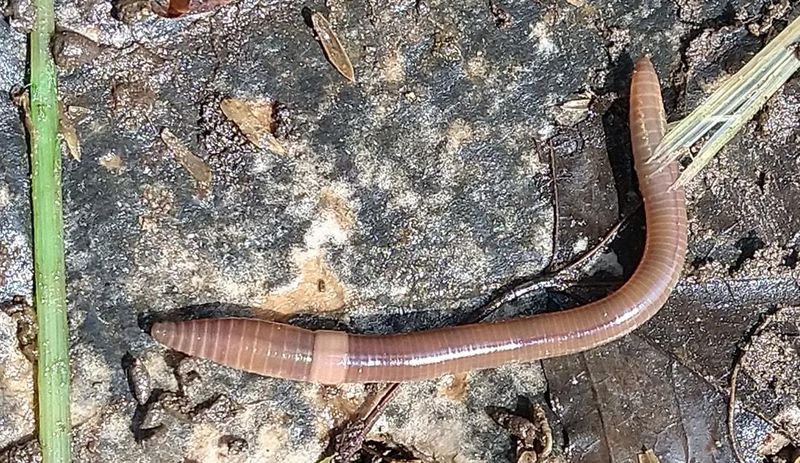
Pick one up and you will understand the name immediately. These worms thrash and snap like something wild and panicked.
Jumping worms belong to the Amynthas species group. They look similar to common earthworms at first glance, but a few key features set them apart quickly.
The most obvious difference is the clitellum, that pale, raised band near the head. On jumping worms, it wraps completely around the body and sits flush with the skin. On regular earthworms, the band is raised and pinkish.
Their movement alone is enough to give them away. When disturbed, they thrash violently from side to side. Some even shed their tails as a defense, which is both impressive and unsettling to witness.
Color is another clue. Jumping worms tend to have a darker, more iridescent body compared to the pinkish tone of common earthworms. They also appear firmer and more rigid when moving.
Your Missouri Garden Changes Every Week. Your Plan Should Too.
Gardening in Missouri changes quickly throughout the season. Every Friday you’ll receive a simple weekly plan showing exactly what to plant, prune, fertilize, harvest, and protect so you never miss the right timing.
You will often find them near the surface, especially in mulch and leaf litter. They stay close to the top layers of soil where organic matter is plentiful and easy to reach.
Catching them is tricky because they move so fast. A simple soil drench can bring them to the surface within minutes, more on that later.
Once you know what to look for, spotting these worms becomes much easier. Identification is the first real step toward protecting your garden from further spread.
Jumping Worms Continue To Spread Across Missouri
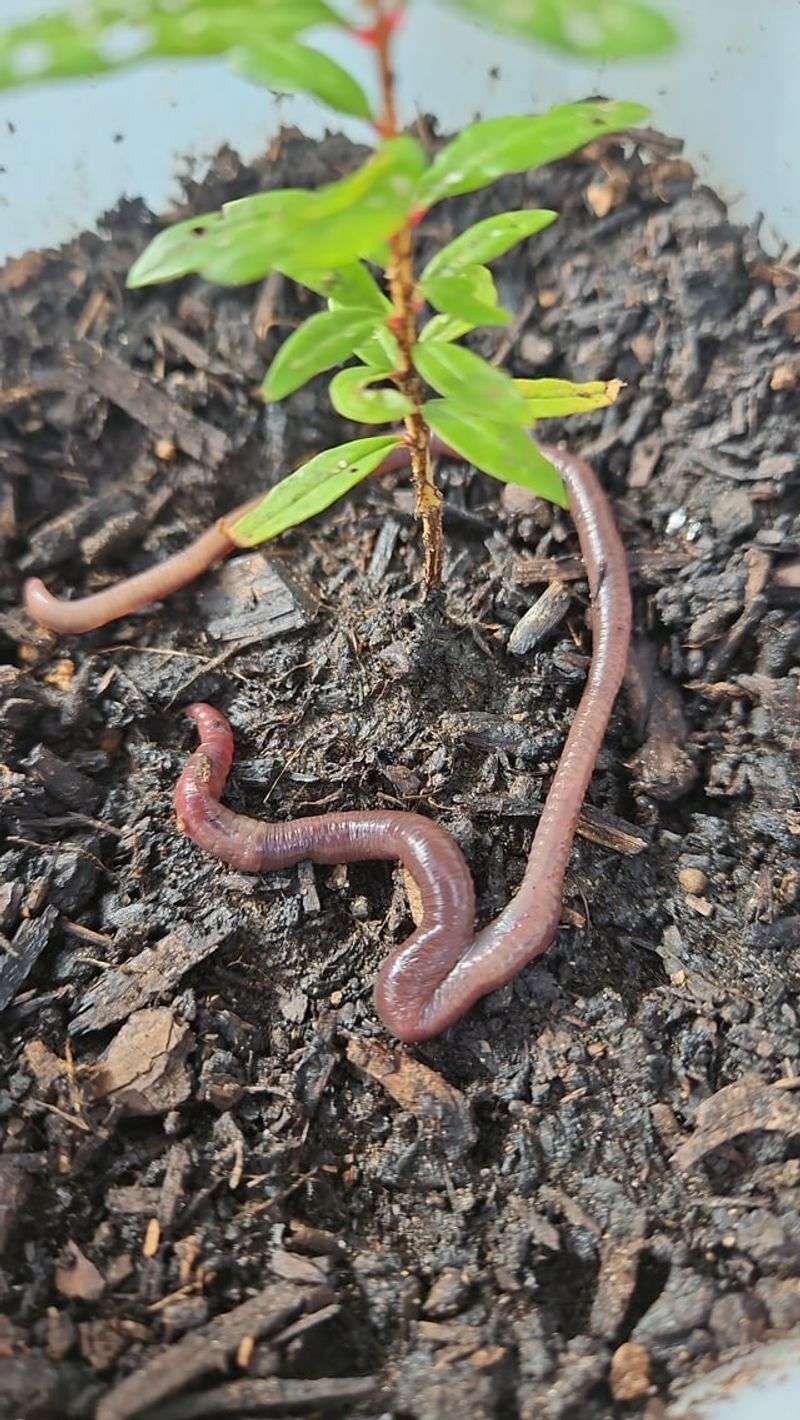
Jumping worms did not start in Missouri. They arrived from East Asia and have been quietly expanding their range for years.
Researchers first confirmed jumping worms in Missouri several years ago, but reports from gardeners and naturalists have grown dramatically since then. A number of counties across the state have already reported established populations.
The spread happens through a handful of common pathways. Contaminated mulch, potted plants, and shared garden soil are among the top ways these worms move from one location to another.
Composting is another risk factor. If jumping worms or their egg cases get into a compost pile, they can survive and spread when that compost is used elsewhere. Their egg cases are tiny and nearly impossible to spot with the naked eye.
Fishing is also a concern. Anglers sometimes use jumping worms as bait, then release unused worms into the wild. Even one worm left in new soil can start a new population over time.
The Missouri Department of Conservation has been tracking the spread and urging residents to report sightings. Public awareness is one of the most powerful tools available for slowing the invasion.
Buying local plants and avoiding the transport of soil between locations can make a real difference. Small habits add up when enough people take them seriously.
The worms are already here in many parts of the state. The goal now is to prevent them from reaching areas where they have not yet taken hold.
Soil Structure And Plant Roots Suffer Under Jumping Worms
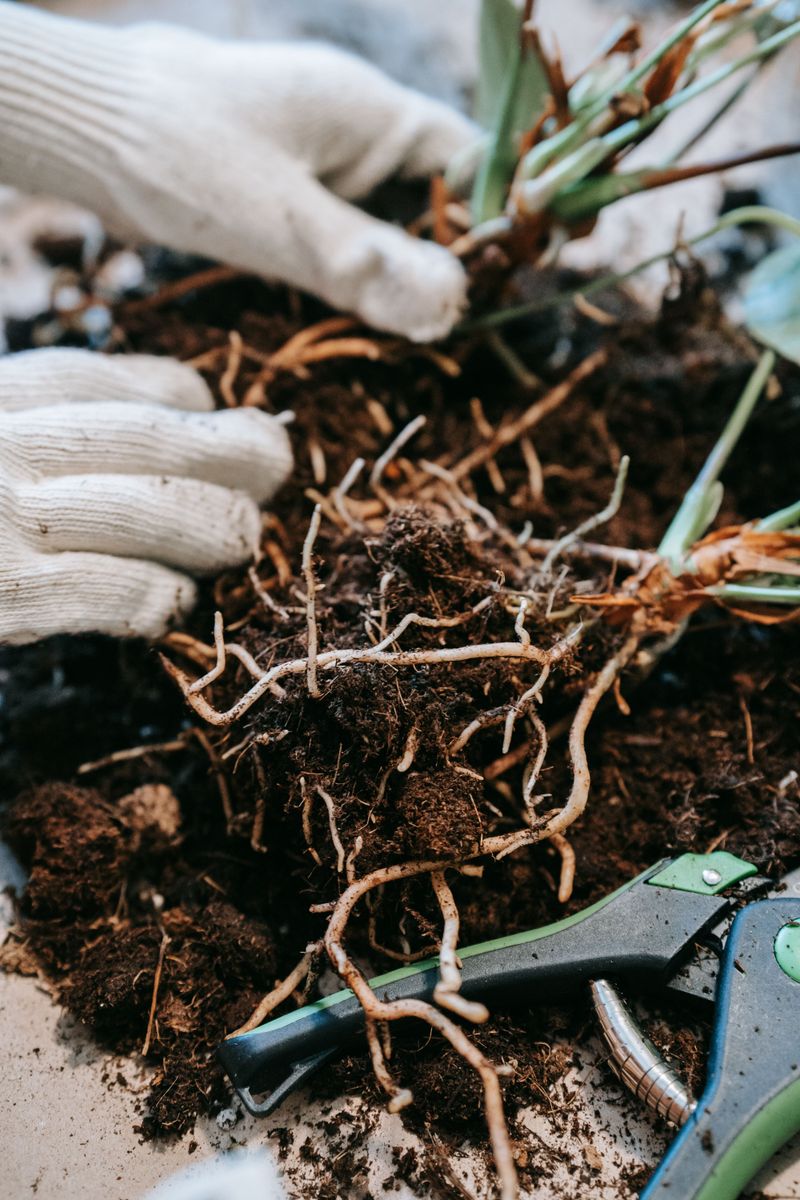
Healthy soil is a living system. Jumping worms disrupt that system in ways that take years to fully recover from.
When jumping worms take over, they consume organic matter at an alarming speed. That organic material is what binds soil particles together and gives roots something to grip.
Without that binding material, soil becomes loose and unstable. It shifts easily, drains too fast, and loses the moisture retention that most garden plants depend on to thrive.
Nutrients also become a problem. Jumping worm castings release nutrients in a burst, but that burst is too fast for most plants to absorb. The excess washes away with rain, leaving the soil depleted and less fertile over time.
Shallow-rooted plants feel the impact first. Annuals, perennials, and groundcovers struggle to stay anchored in loose, granular soil. You might notice plants toppling over or wilting even after watering.
Tree roots are not immune either. Young trees planted in jumping worm territory can also show signs of stress over time.
Soil that looks like coffee grounds is a visible sign of this structural breakdown. Once you see that texture, the damage to the soil ecosystem is already underway.
Rebuilding soil health after a heavy infestation takes consistent effort. Adding compost, mulching carefully, and replanting with resilient species can help restore balance over several seasons.
Additional Signs Of A Jumping Worm Infestation
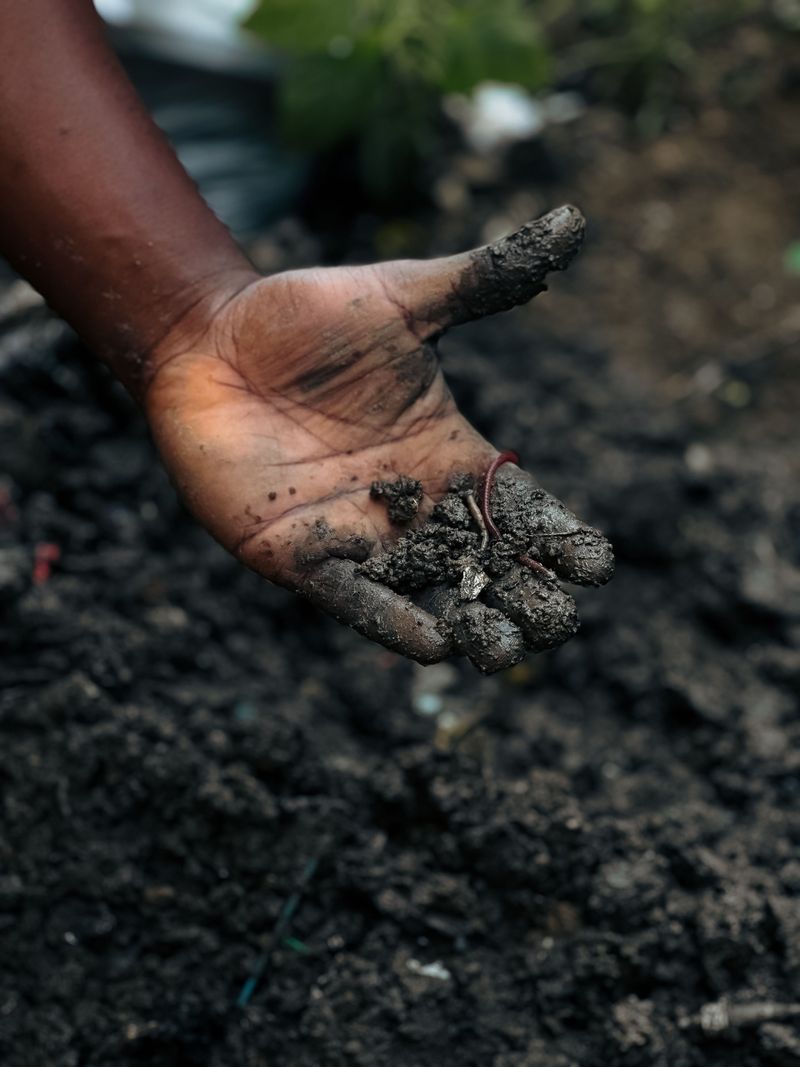
Coffee ground soil is the headline sign, but it is not the only clue your garden leaves behind. Jumping worms are messy invaders.
One early indicator is the rapid disappearance of mulch. Jumping worms consume mulch quickly, leaving bare patches of exposed, granular soil where a thick layer once sat.
You might also notice more birds pecking around your garden beds, drawn by worms feeding near the surface.
Plant decline without an obvious cause is another warning sign. If your perennials look stressed, yellow, or wilted despite regular watering, jumping worms may be disrupting the root zone below.
Bare soil patches near tree bases are also telling. Jumping worms cluster around root zones where organic matter is concentrated. The soil there often shows the coffee ground texture most clearly.
After a rain, check your garden paths and driveway edges. Jumping worms often surface after moisture saturates the ground, making them easier to spot in large numbers.
Another clue is the absence of other worm types. Jumping worms outcompete native species aggressively. If you stop seeing common earthworms in areas they once thrived, a takeover may already be happening.
Putting all these signs together gives you a clearer picture. The more indicators you spot at once, the more likely you are dealing with an established and growing population.
Managing And Preventing Jumping Worms In Your Garden
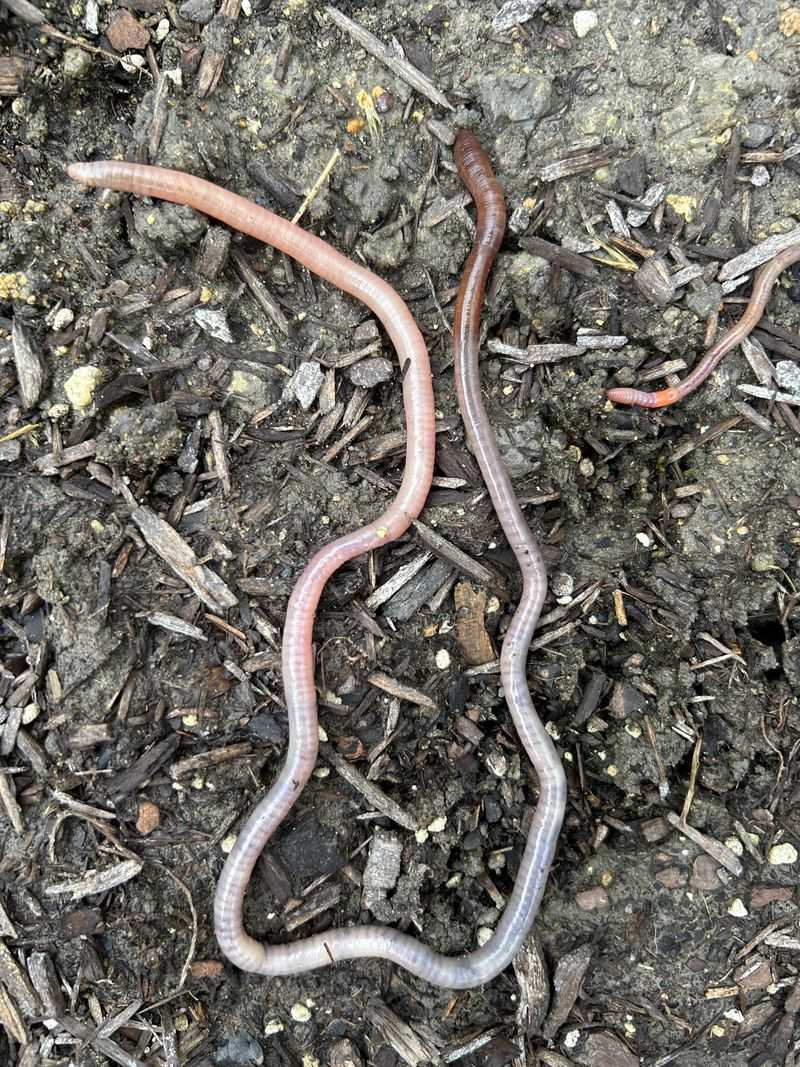
There is no magic spray that wipes out jumping worms overnight. Managing them takes patience, consistency, and a few smart habits.
Start by sourcing clean materials. Buy mulch and compost from reputable suppliers who heat their products to temperatures that destroy egg cases. Ask questions before you buy.
Avoid sharing plants or soil with neighbors unless you are confident the material is free from contamination. Even a small clump of soil can carry egg cases that are invisible to the eye.
Mustard solution is one of the most practical tools available. Mix one-third cup of ground yellow mustard with one gallon of water and pour it over a small area of soil. Jumping worms will surface within minutes, making them easy to collect and remove.
Collect any worms you find and place them in a sealed bag. Leave the bag in direct sunlight for at least ten minutes before disposing of it in the trash.
Solarization is another option for heavily infested areas. Cover the soil with clear plastic sheeting during the hottest weeks of summer. The heat builds up underneath and can reduce egg case survival significantly.
Replanting with resilient native species helps stabilize damaged soil while recovery takes place. Native plants often handle disturbed soil conditions better than non-native varieties.
Staying alert is your strongest long-term tool against soil that looks like coffee grounds taking over your entire yard.