Missouri Opossums Are Quietly Doing Tick Control Work In Your Yard
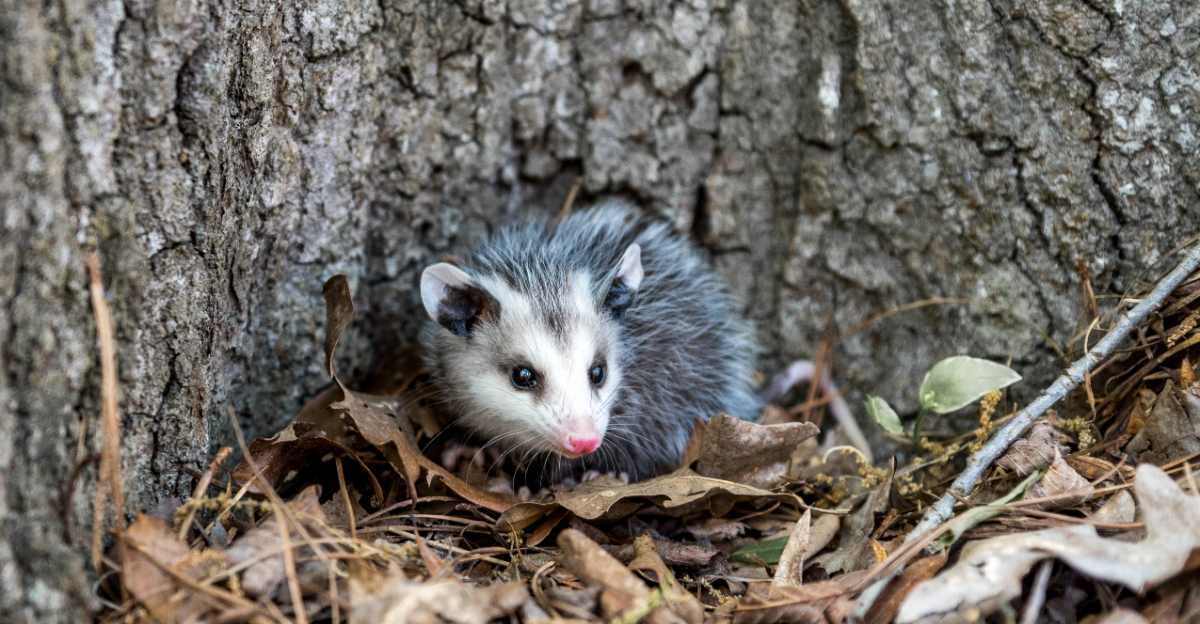
Most people see an opossum and think pest, not protector. That gray, shuffling visitor under your porch light spends its nights wandering through yards, picking up ticks along the way, and the numbers are hard to ignore.
Scientists at the Cary Institute of Ecosystem Studies estimated that one opossum can remove thousands of ticks from the environment each season, based on lab research. Think about what that means for tick exposure around your home and pets.
These animals groom constantly, and every tick they catch never gets the chance to bite a person or a dog. Lyme disease cases in Missouri make this kind of natural help worth paying attention to.
Opossums are not aggressive, and they rarely cause trouble for homeowners. Once you understand what they are doing in your yard each night, that next backyard encounter might feel a lot less unsettling.
The Surprising Reason Opossums Are Such Effective Tick Eaters
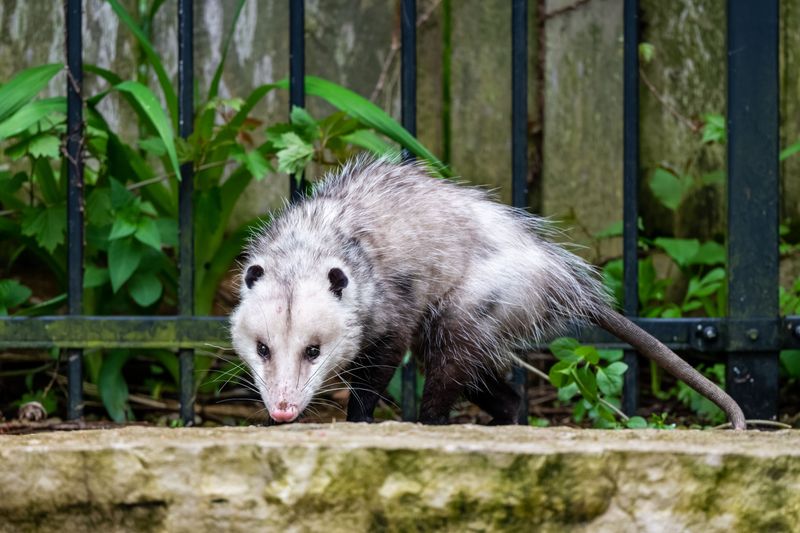
Nobody planned for opossums to become tick-eating machines. It happened because of one quirky habit they cannot stop doing: obsessive self-grooming.
Opossums groom themselves constantly, almost like a cat. When a tick latches onto their fur, the opossum finds it fast and eats it.
Scientists at the Cary Institute uncovered this during a controlled tick-exposure study. They were studying multiple animals and noticed opossums removed nearly every tick that landed on them.
The opossum’s grooming reflex is relentless and thorough. No tick gets a free ride for long on that wiry coat.
What makes this even better is that opossums roam widely each night. They cover large areas of ground, picking up ticks from grass, leaves, and brush as they move.
Each tick they collect gets swallowed during grooming. That tick never gets the chance to bite a human, a dog, or a deer.
Missouri opossums are particularly active during spring and summer. Those are exactly the seasons when black-legged ticks carrying Lyme disease are most dangerous.
Opossums are also naturally resistant to rabies, thanks to their unusually low body temperature.
Your yard becomes a safer place just because one opossum passed through. Think of each visit as a free pest control treatment you never had to schedule.
The best part? They do this work silently, without any effort from you. Nature built the perfect tick vacuum, and it lives right outside your door.
How Many Ticks A Single Opossum Can Eat
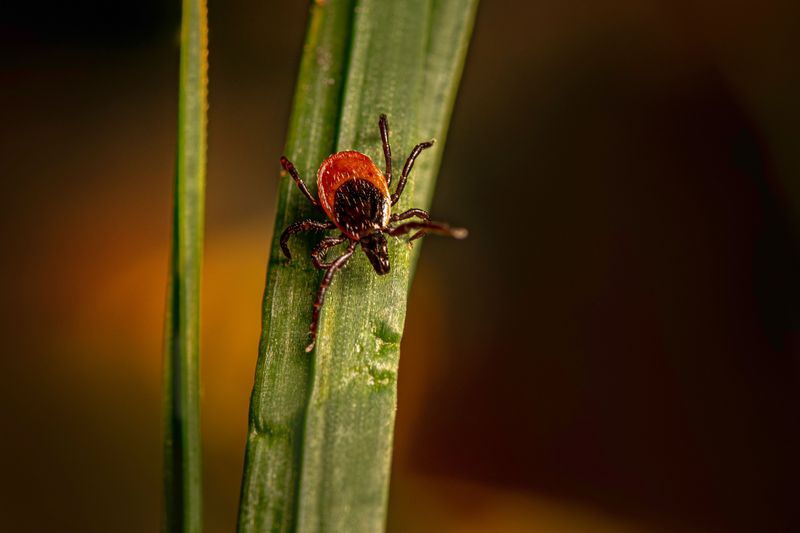
Five thousand ticks per season sounds like an exaggeration. It is not, and the number comes from real scientific research.
Researchers placed ticks on opossums and watched what happened. The opossums groomed and consumed roughly 95 percent of the ticks placed on them.
Researchers extrapolated this into an estimate of around 5,000 ticks per opossum each year, though some later studies have questioned how often this happens in the wild.
Now picture two or three opossums passing through your neighborhood. That is potentially 15,000 fewer ticks in your local environment each season.
Ticks do not just hang out in one spot. They wait on tall grass blades and leaf piles for a warm body to brush past them.
Your Missouri Garden Changes Every Week. Your Plan Should Too.
Gardening in Missouri changes quickly throughout the season. Every Friday you’ll receive a simple weekly plan showing exactly what to plant, prune, fertilize, harvest, and protect so you never miss the right timing.
An opossum walking through that same grass becomes an accidental trap for those waiting ticks. Every one it picks up and eats is one less threat to your family.
Missouri has several tick species that carry serious illnesses. The lone star tick, the American dog tick, and the black-legged tick all live here and bite people regularly.
Opossums are not picky eaters when it comes to ticks. They eat all of these species with equal enthusiasm during their nightly grooming sessions.
No chemical spray can match the consistency of an opossum’s grooming routine. Pesticides fade, wash away, and need reapplication every few weeks.
An opossum shows up night after night, season after season, doing the same thorough job for free. That is a pest control contract you never have to renew.
What Makes Opossums Different From Other Tick Predators
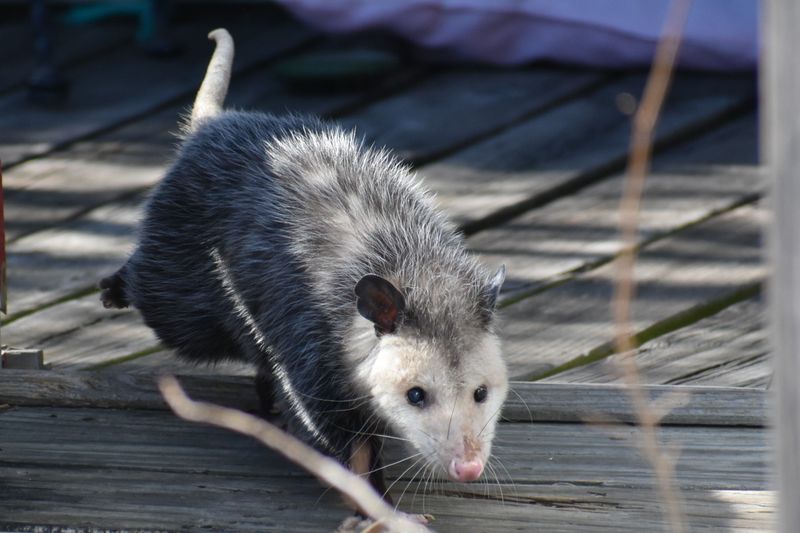
Lots of animals eat ticks occasionally. Opossums eat them obsessively, and that distinction matters enormously for your yard’s safety.
Guinea fowl are often praised as tick predators. They do eat ticks, but they are loud, messy, and require active care from a human owner.
Wild turkeys also consume ticks while foraging. However, turkeys only pick ticks off the ground, missing the ones clinging to brush and tall stems.
Deer, on the other hand, are actually part of the problem. They carry ticks across huge distances and deposit them throughout neighborhoods and yards.
Opossums flip that equation entirely. Instead of spreading ticks, they collect and destroy them during every nighttime journey.
Squirrels and chipmunks can carry ticks too, sometimes acting as hosts without grooming them away. They spread the problem without solving it.
Birds like robins and chickadees eat some ticks, but their impact is modest compared to what a single opossum accomplishes in one night.
The opossum’s advantage comes from that powerful grooming compulsion. Few common backyard animals groom themselves with the same intensity or frequency.
Opossums also have a unique immune system. They are resistant to rabies and to the venom of many snakes, making them tough, low-risk neighbors.
When you compare tick-fighting animals side by side, the opossum wins by a wide margin. Supporting their presence in your yard is one of the smartest low-effort decisions you can make.
Signs An Opossum Is Visiting Your Missouri Yard
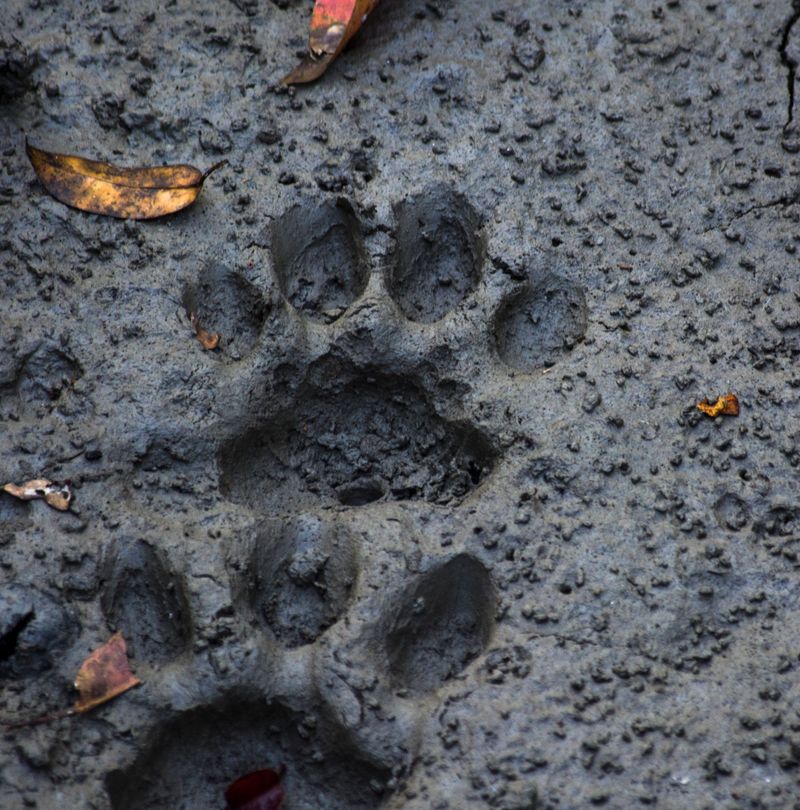
Spotting an opossum in person is exciting but rare. They are nocturnal and prefer to stay hidden while you are asleep.
The clearest sign of a visit is tracks left in soft mud or garden soil. Opossum prints are distinctive: five toes spread wide, with the rear feet showing an opposable thumb-like toe.
Knocked-over trash cans can be a clue, though raccoons are usually the bigger culprits. Opossums are more interested in fallen fruit, insects, and small critters than your garbage.
Look for half-eaten fruit near apple trees, berry bushes, or persimmon trees in your yard. Opossums love soft, ripe fruit and will return to the same food source repeatedly.
Motion-activated trail cameras are the easiest way to confirm an opossum is present. Set one near a brush pile, fence line, or garden edge and check the footage in the morning.
You might also notice small digging patches in your lawn. Opossums root around for grubs, beetles, and other insects hiding just below the surface.
A faint musky odor near your porch or shed can signal an opossum resting nearby during daylight hours. They often shelter under decks, wood piles, or dense shrubs.
Pet food left outside at night disappears faster than expected when an opossum is around. They are opportunistic and will not pass up an easy meal.
Recognizing these signs helps you appreciate who is sharing your space. Knowing a tick-eating ally is nearby feels a lot better than feeling spooked by an unknown visitor.
How To Make Your Yard More Opossum Friendly
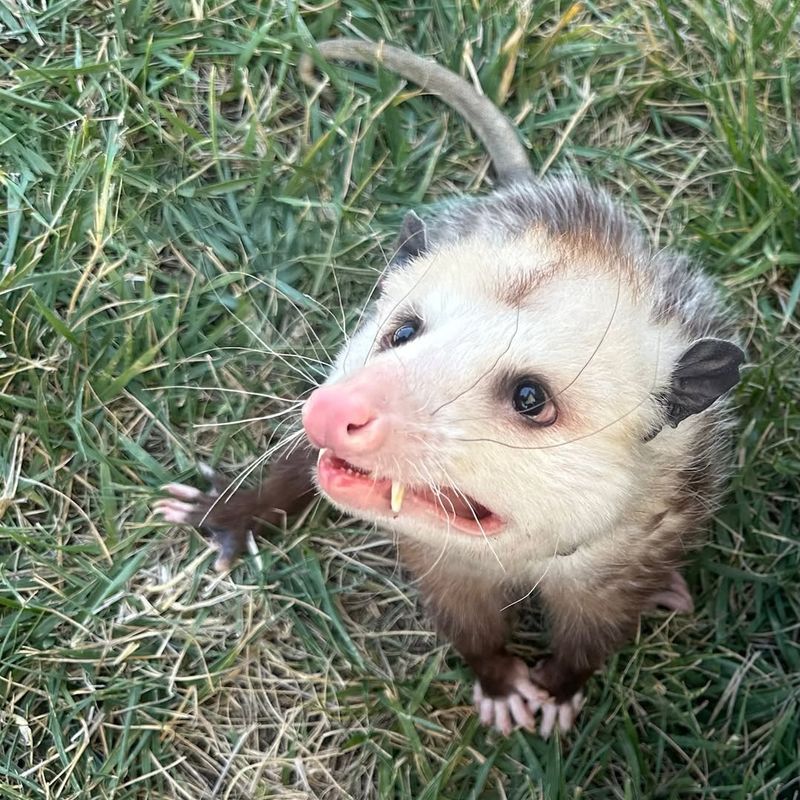
You do not need to do much to attract opossums. A few small changes to your yard send a clear welcome signal to these wandering marsupials.
Leave a brush pile in a quiet corner of your property. Opossums love having a sheltered spot to rest during the day, away from noise and activity.
Plant native shrubs and fruit-bearing trees if you have the space. Persimmons, wild grapes, and blackberries are natural opossum favorites that also support pollinators.
Avoid using broad-spectrum pesticides in your yard. Chemical sprays eliminate the insects opossums rely on for food, making your yard less attractive to them.
Set out a shallow dish of fresh water near your garden or fence line. Opossums get thirsty like any animal, and a water source encourages repeat visits.
Keep a section of your yard slightly wild and unmowed. Tall grass and leaf litter create the perfect hunting ground for a tick-patrolling opossum.
Do not try to tame or hand-feed opossums directly. They are wild animals and do best when they can move freely without becoming dependent on humans.
If you have outdoor pets, bring their food bowls inside at night. Leftover pet food can attract less welcome visitors like rats, which you definitely want to avoid.
A fence with a small gap at the base lets opossums pass through easily. You want them to roam freely across your yard and your neighbors’ yards too.
Creating an opossum-friendly space costs almost nothing. The payoff is a natural, chemical-free tick reduction system running every single night.
Common Myths About Opossums And Tick Control
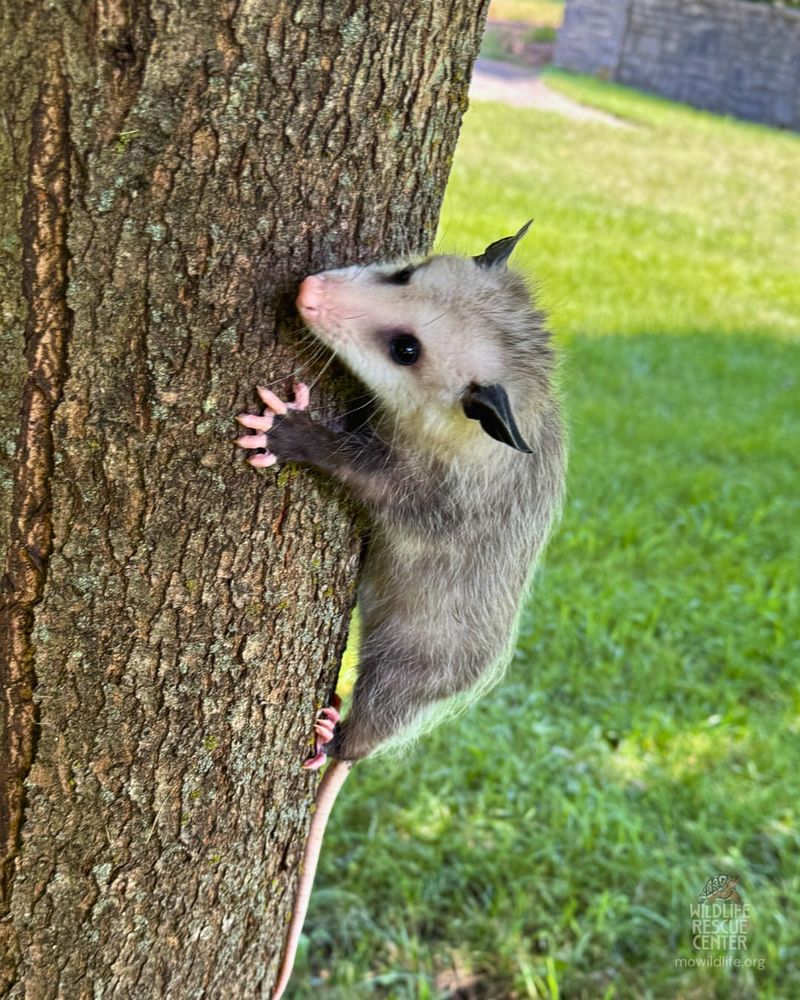
Opossums have a serious image problem in America. Most people see them as gross, dangerous, or useless, and almost all of that is wrong.
The biggest myth is that opossums carry rabies. Their body temperature runs so low that the rabies virus cannot survive inside them, making transmission essentially impossible.
Many people think opossums are aggressive. In reality, they are one of the most passive wild animals you will encounter in a Missouri neighborhood.
When threatened, opossums hiss and show their teeth as a bluff. If the threat continues, they fall into an involuntary catatonic state, which is where the phrase playing possum comes from.
Some homeowners believe opossums are too small or too slow to make a real dent in tick populations. The research says otherwise, loudly and clearly.
Another common belief is that opossums only eat garbage and are therefore pests. They actually prefer insects, grubs, snails, and fruit, making them beneficial garden allies.
People also assume opossums are filthy animals that spread disease. Studies show they are actually quite clean, thanks to their constant self-grooming habits.
Some assume that because opossums look rodent-like, they must behave like rodents. Opossums are marsupials, more closely related to kangaroos than to rats or mice.
Fearing an opossum is an understandable gut reaction. But once you know what they actually do for your yard, fear tends to flip quickly into appreciation.
Missouri opossums deserve a reputation makeover, and understanding their role in tick control is the perfect place to start that conversation.