8 Reliable Vegetables Missouri Gardeners Direct Sow In July For Fall
Most gardeners surrender their plots the moment temperatures peak. Missouri rewards patience with a second season nobody plans for.
Heat does not stop a garden; poor timing does. You have a narrow window right now that most people miss entirely.
Warm soil accelerates germination faster than anything a seed starting mix can offer. Direct sowing in midsummer bypasses transplant shock completely.
Your roots establish while conditions still drive vigorous growth. Cool autumn air arrives before you know it, and your crops are already ahead.
Certain vegetables actually need this exact sequence to perform at their best. Missouri gardeners who understand this produce harvests that genuinely surprise their neighbors.
You are not waiting on the season. You are working the season. Science, timing, and soil temperature are entirely on your side right now. Every day you wait is a crop you will not harvest.
1. Bush Beans
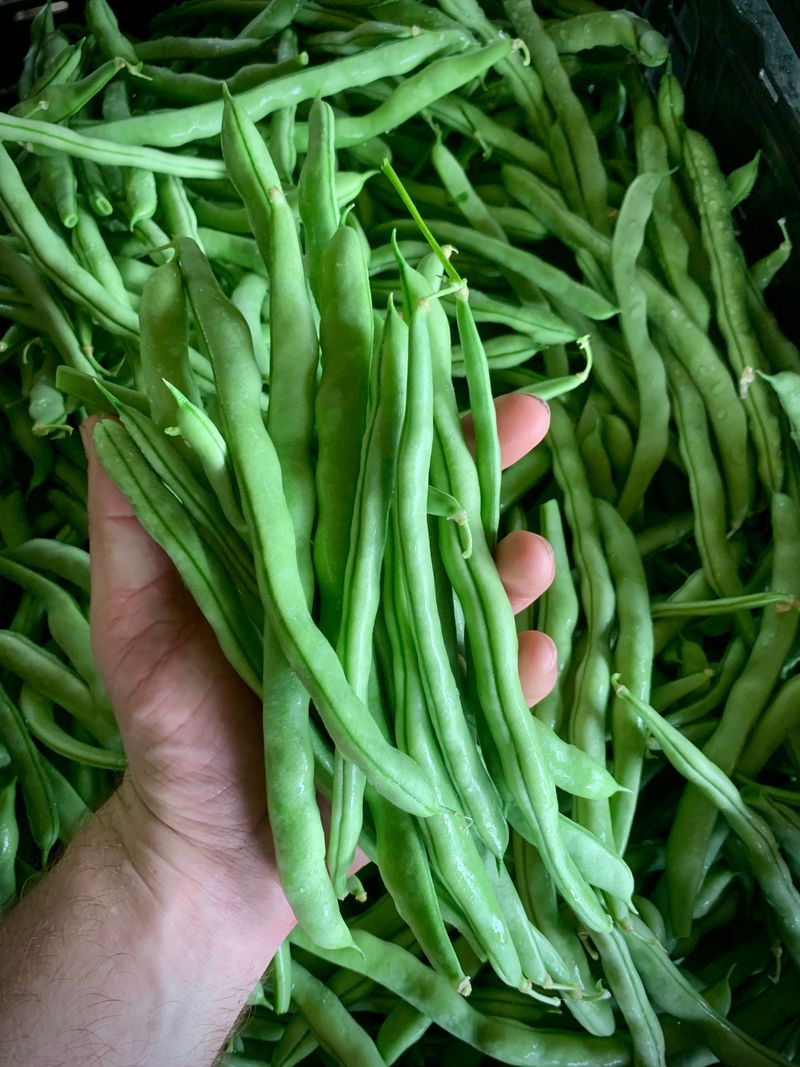
Picking a fistful of fresh green beans from your own backyard is one of the most immediate rewards a garden delivers. Bush beans are one of the most rewarding crops you can direct sow in Missouri during July for fall harvest.
These compact plants grow without needing stakes or cages. They go from seed to harvest in roughly 50 to 60 days, which lines up perfectly with Missouri’s fall window.
Sow seeds about one inch deep and three inches apart in full sun. Water consistently, and you will see sprouts pushing through the soil within a week.
Bush beans prefer warm soil, so July planting gives them exactly the head start they need. As temperatures cool in September and October, the pods fill out beautifully and taste sweeter.
One important tip: avoid overhead watering once plants are flowering. Wet foliage during bloom time can cause the flowers to drop before setting pods.
Varieties like Provider, Contender, and Blue Lake 274 perform especially well in the Midwest. Provider is particularly known for tolerating heat and producing even under stress.
Direct sowing is key here because beans dislike being transplanted. Their roots are sensitive, and any disturbance can set them back significantly.
Succession planting every two weeks through mid-July gives you a longer harvest window. A fall garden in Missouri filled with bush beans is productive, low-maintenance, and worth every seed.
2. Cucumbers
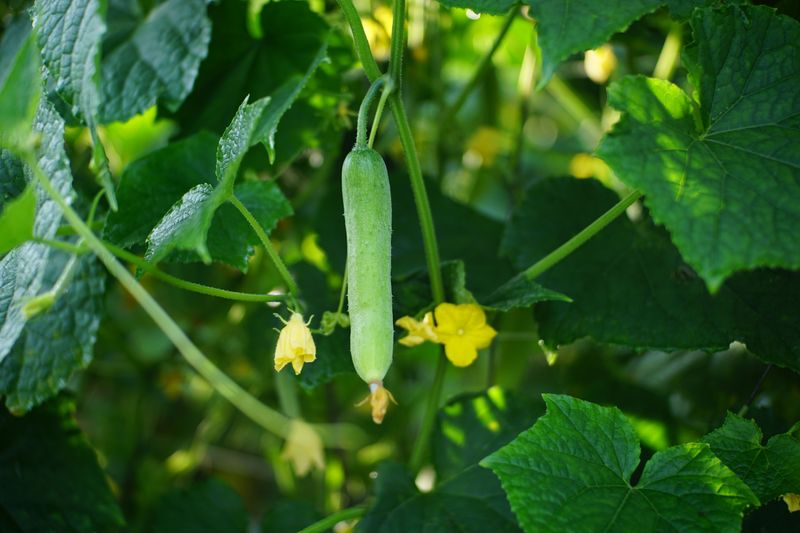
Cucumbers have a reputation for being a summer crop, but they have a second act in early fall. Direct sowing cucumbers in early July in Missouri gives them just enough time to produce before the first frost arrives.
Choose bush-type or compact varieties like Spacemaster or Bush Pickle for July planting. These mature faster than vining types, usually within 50 to 55 days.
Plant seeds one inch deep and about six inches apart in well-draining soil. Full sun is non-negotiable for cucumbers, so pick your sunniest bed.
Cucumbers are thirsty plants, especially during Missouri’s hot July days. Deep watering two or three times per week keeps the roots happy without waterlogging the soil.
One common mistake gardeners make is letting cucumbers get too large on the vine. Harvest them when they are firm and medium-sized for the best flavor and texture.
Your Missouri Garden Changes Every Week. Your Plan Should Too.
Gardening in Missouri changes quickly throughout the season. Every Friday you’ll receive a simple weekly plan showing exactly what to plant, prune, fertilize, harvest, and protect so you never miss the right timing.
Mulching around the base of each plant helps retain moisture and keeps soil temperatures stable. It also reduces the need for daily watering as summer transitions into fall.
Watch for cucumber beetles early in the season. Row covers right after planting can protect young seedlings during their most vulnerable stage.
By late September, you will be pulling cucumbers off the vine while your neighbors are winding down their gardens. A July sowing of cucumbers is one of the smartest fall gardening moves you can make in Missouri.
3. Zucchini And Summer Squash
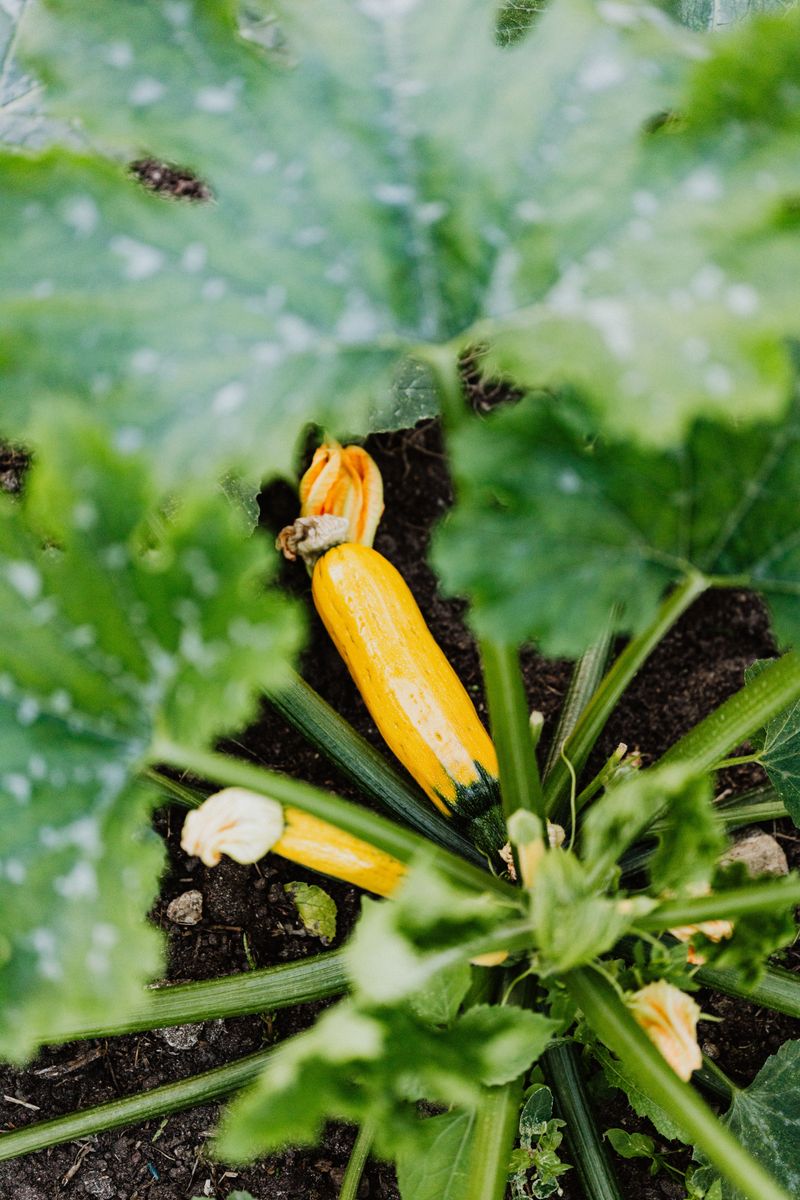
Zucchini grows so fast it surprises even experienced gardeners. Plant seeds in early July in Missouri, and you could be harvesting tender squash within 45 to 55 days.
Summer squash is one of the easiest vegetables to direct sow because it germinates quickly in warm soil. The seeds practically leap out of the ground when temperatures are above 70 degrees.
Sow seeds about one inch deep and 18 to 24 inches apart to give each plant room to spread. Zucchini plants get big, so spacing matters more than most gardeners expect.
Full sun and consistent moisture are the two biggest keys to a productive fall squash harvest. Letting the soil dry out completely between waterings can cause the fruit to develop poorly.
Powdery mildew is common on squash leaves in late summer. Choose resistant varieties like Dunja or Astia to reduce problems as the season shifts.
Harvest zucchini when it reaches six to eight inches long for the best flavor. Leaving them too long on the plant causes the skin to toughen and the seeds to enlarge.
One useful trick is to check plants every single day once they start producing. Zucchini can go from perfect to enormous in just 48 hours.
A July planting gives Missouri gardeners fresh summer squash well into October. That extra harvest window makes all the sweaty July planting totally worth it.
4. Radishes
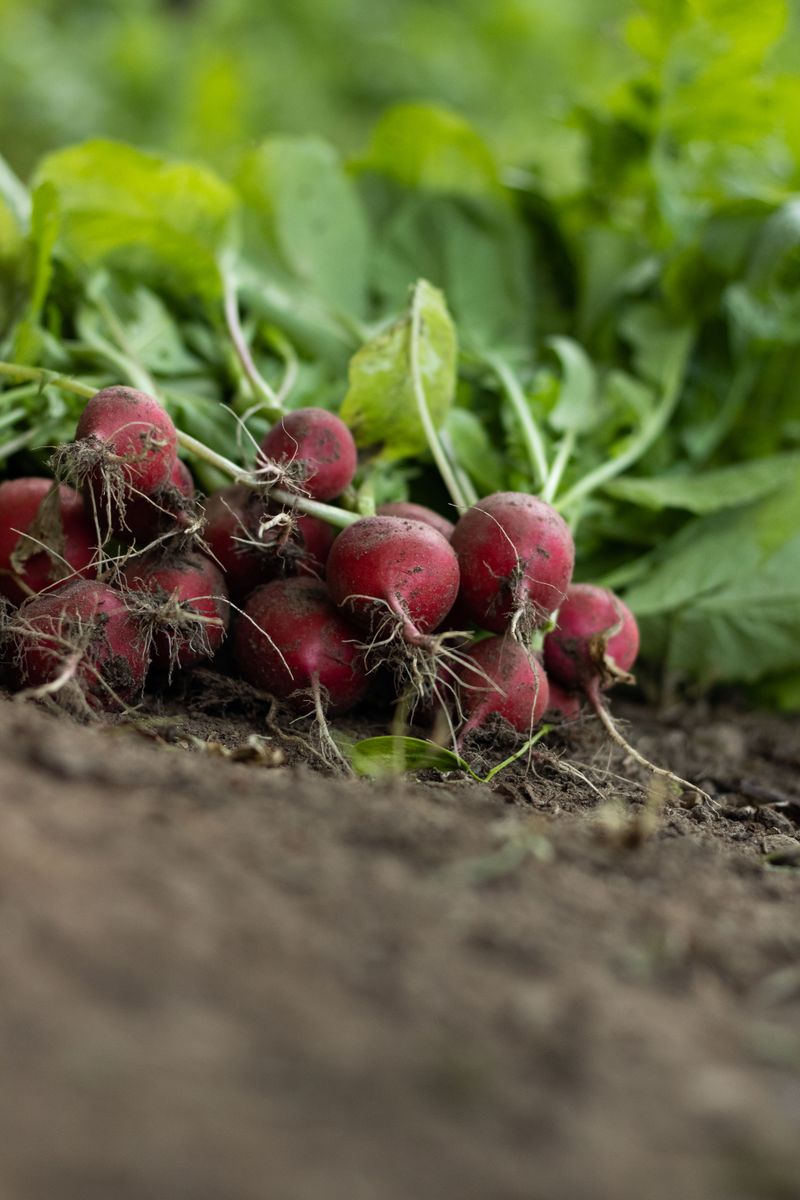
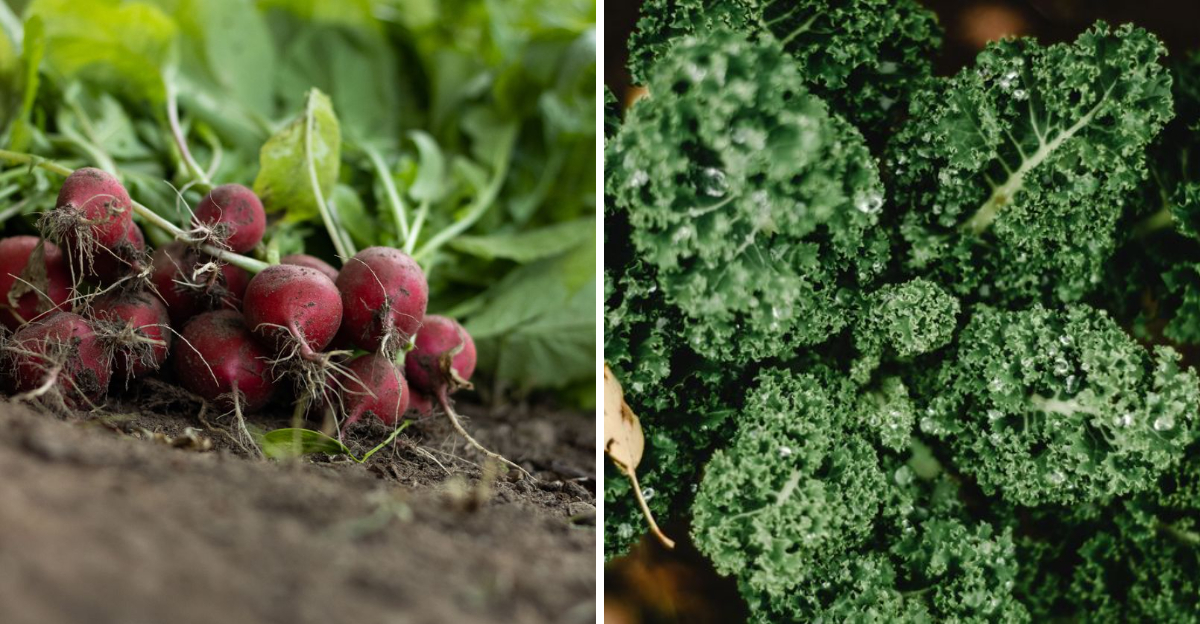
Radishes are among the fastest-maturing crops you can put in the ground. Some varieties go from seed to harvest in as little as 22 days, making them the perfect quick-win crop for Missouri gardeners in July.
Direct sowing radishes is simple: press seeds half an inch into the soil, about two inches apart, and water them in. They sprout fast and need very little fussing once they are growing.
For fall planting, try varieties like Cherry Belle, French Breakfast, or Watermelon radish. Watermelon radishes take a bit longer but reward you with a stunning pink interior and mild flavor.
Radishes actually prefer cooler soil for root development, so a July sowing works well as temperatures ease into September. The heat helps them germinate, and the cool air finishes the job.
Thin seedlings to two to three inches apart once they sprout to prevent overcrowding. Crowded radishes produce more leaf than root, which defeats the whole purpose.
These little roots are fantastic raw in salads, sliced onto tacos, or pickled in a quick brine. Growing your own means you can harvest them at peak crunchiness, not days after they were picked.
Radishes also work as a companion crop between slower-growing plants. They mark rows, loosen soil, and are out of the ground before their neighbors need the space.
Always harvest cultivated radishes before they bolt and set seed to prevent any cross with wild radish populations in the area.
Few crops deliver faster gratification in a fall garden than a row of freshly pulled radishes. Plant them now and snack in less than a month.
5. Kale
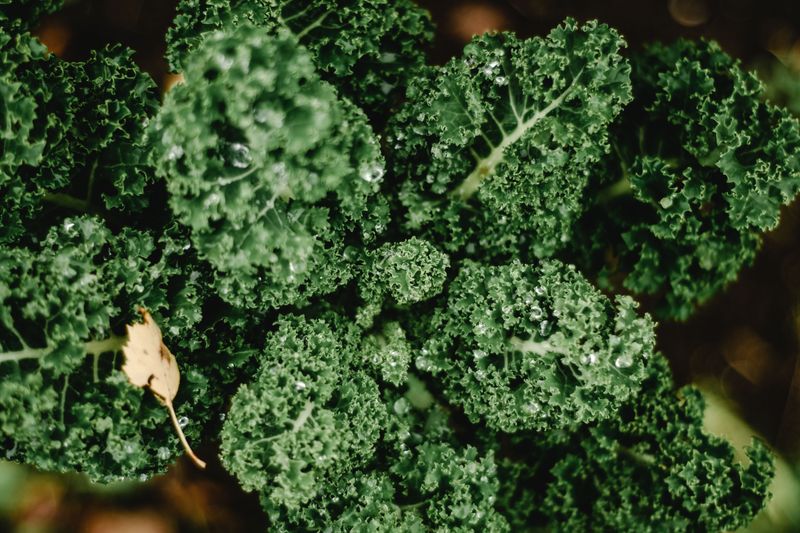
Kale is the vegetable that actually gets better after a frost. Planting it in July in Missouri means you will be harvesting sweet, tender leaves well into November and sometimes beyond.
Cold temperatures trigger the plant to convert starches into sugars, which is why fall kale tastes noticeably richer than summer kale. That frost-kissed sweetness is something you cannot get from a grocery store bag.
Sow seeds a quarter inch deep and about six inches apart in a spot with at least six hours of sun daily. Kale is forgiving, but it does best with consistent moisture and decent soil fertility.
Varieties like Red Russian, Lacinato, and Winterbor all perform strongly in Missouri’s fall climate. Lacinato, also called Dinosaur Kale, is especially popular for its dark, crinkled leaves and mild flavor.
Start thinning seedlings to 12 to 18 inches apart once they are a few inches tall. Proper spacing encourages larger, more productive plants rather than a crowd of small ones.
Kale is a heavy feeder, so working compost into the soil before planting gives it a strong nutritional foundation. A side dressing of balanced fertilizer mid-season keeps the leaves coming all fall.
Caterpillars from cabbage moths can be a problem in late summer. Floating row covers or a spray of Bt (Bacillus thuringiensis) handles them without harming beneficial insects.
Kale planted in July in Missouri becomes a garden workhorse that feeds your family long after other crops have finished. It earns every inch of garden space it takes up.
6. Beets
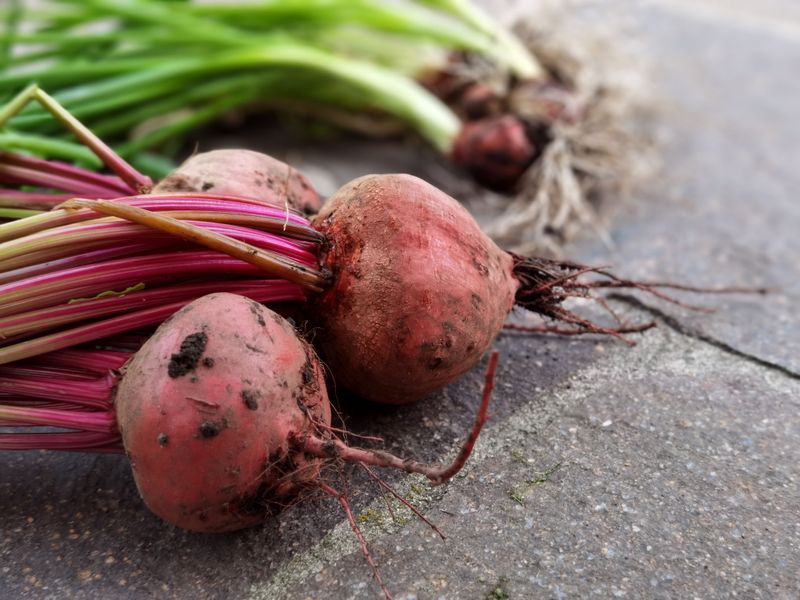
Beets are one of those vegetables that give you two crops in one planting. The roots are earthy and satisfying, and the greens are tender enough to saute or toss into a salad.
Planting beets in July in Missouri means they develop their roots during the cooling weeks of September and October. That gradual temperature drop actually improves their sweetness and texture significantly.
Beet seeds are actually seed clusters, meaning multiple seedlings may sprout from one spot. Thinning to three to four inches apart early on prevents competition and encourages well-formed roots.
Sow seeds half an inch deep in loose, well-amended soil free of rocks and clumps. Beets need room to push downward, and compacted soil causes misshapen, stunted roots.
Varieties like Detroit Dark Red, Chioggia, and Golden beet all do well in Missouri’s fall season. Chioggia beets have a gorgeous candy-stripe interior that makes them a real conversation starter at the dinner table.
Keep the soil evenly moist after planting to encourage steady germination. Beet seeds can be slow to sprout in dry conditions, so light daily watering during the first week helps.
Beets are ready to harvest when the shoulders push up above the soil surface and reach about two inches in diameter. Leaving them in the ground a bit longer after a light frost deepens their flavor.
Few fall crops in Missouri reward patience quite like beets. Plant them in July and pull up roots that are tender, sweet, and nothing like what you find in a store come October.
7. Turnips
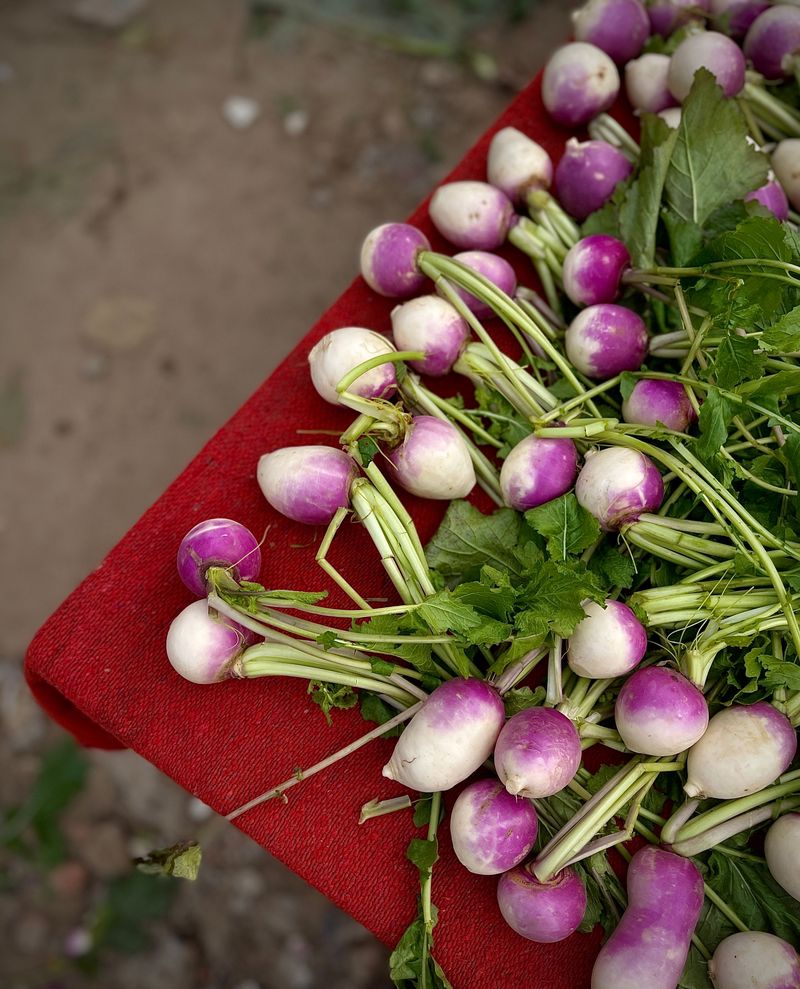
Turnips are one of the most underrated vegetables a Missouri gardener can grow. They are fast, productive, cold-hardy, and genuinely delicious when harvested at the right time in fall.
Direct sow turnip seeds in July for a harvest that lands right in that sweet October window. They mature in about 40 to 60 days depending on the variety, making them a reliable fall staple.
Sow seeds a quarter inch deep and about one inch apart in rows. Once seedlings are a few inches tall, thin them to four to six inches apart so the roots have space to develop properly.
Purple Top White Globe is the classic Missouri choice, but Hakurei turnips are a game changer. Hakurei are small, sweet, and mild enough to eat raw, which surprises most people who grew up thinking turnips were only for soup.
Turnips thrive in full sun but can handle a bit of afternoon shade in the hottest part of July. Consistent watering keeps the roots from becoming woody or cracked during dry spells.
Like kale and beets, turnips improve dramatically after a frost or two. The cold converts some of their natural starches into sugar, softening their flavor considerably.
Turnip greens are also edible and nutritious, adding a peppery kick to cooked dishes. Harvesting a few outer leaves while the root develops gives you bonus food without slowing the plant down.
Harvest all turnips before they flower and seed out, as wild relatives of this crop have naturalized in parts of Missouri.
Missouri gardeners who skip turnips are leaving easy food on the table. A July sowing turns this humble root into a fall garden highlight worth celebrating.
8. Spinach
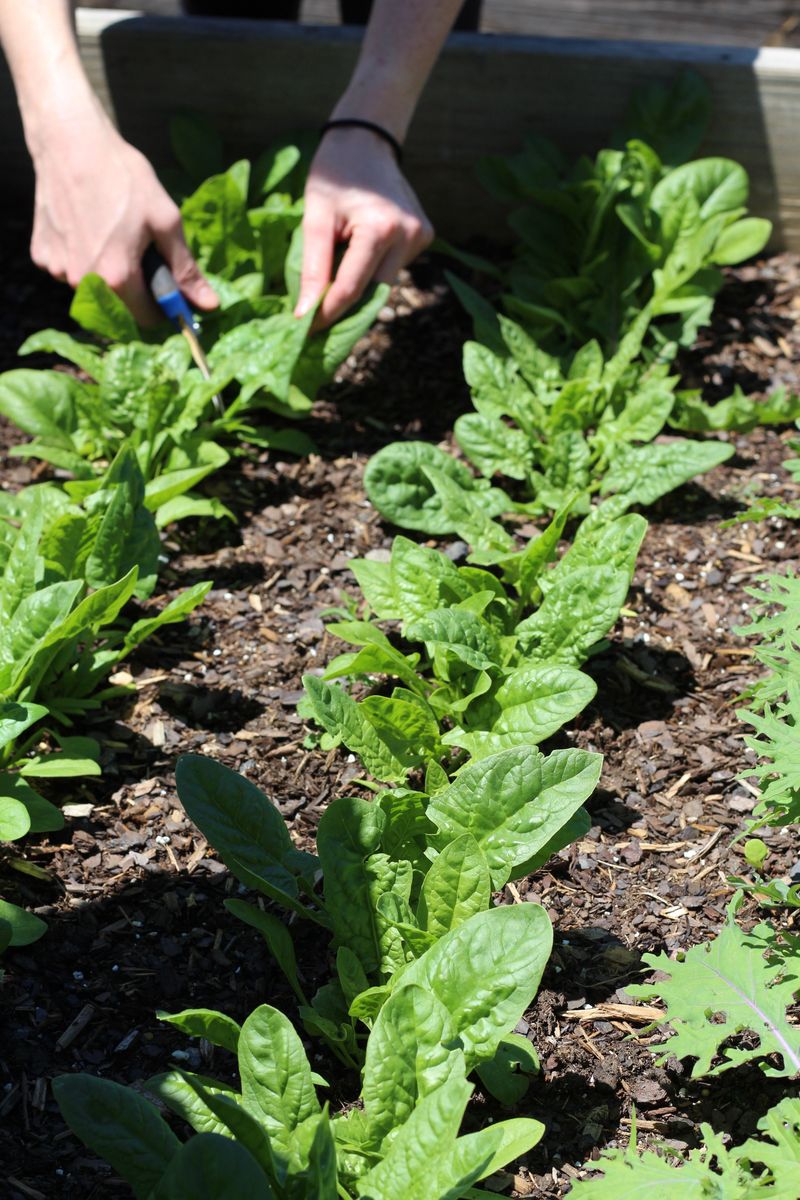
Spinach is one of those crops that quietly outperforms everything else in a fall garden. It handles cold with ease, grows fast, and delivers exceptional nutrition relative to the space it requires.
Germination fails reliably above 85 degrees, making spinach the most timing-sensitive crop on this list. Sow in the early morning, water to cool the soil first, and consider waiting until the final week of July if a heat wave is forecast.
Try pre-soaking seeds in cool water for 24 hours before planting to speed up germination. This simple trick can shave two to three days off the time it takes for seedlings to emerge.
Sow seeds half an inch deep and two inches apart in rows about a foot wide. Once plants are a few inches tall, thin to four to six inches apart for the best leaf production.
Varieties like Bloomsdale, Space, and Tyee are all excellent for fall planting in the Midwest. Tyee is particularly popular because of its resistance to bolting, which matters even in cooler weather.
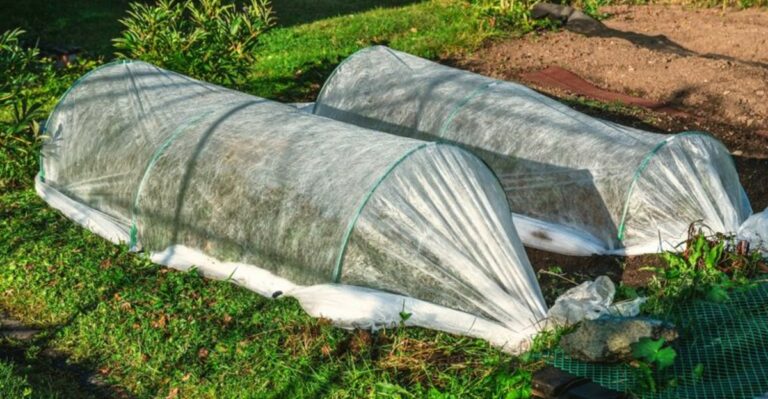
Spinach grows beautifully under row covers, which extend the harvest season deep into November and sometimes December. A simple low tunnel over your spinach bed can mean fresh greens well past Thanksgiving.
Harvest outer leaves regularly to encourage continuous production from each plant. The more you pick, the more the plant pushes out new growth from its center.
Spinach direct sown in July becomes the most consistent performer in your Missouri fall garden. It asks for little and delivers a whole lot in return.