These 7 Low-Water Pennsylvania Shrubs Make Front Yards Look More Expensive
A great front yard doesn’t have to mean a high maintenance front yard. But a lot of Pennsylvania homeowners end up with landscapes that demand constant watering and attention just to look presentable.
And during dry stretches when water restrictions kick in, keeping up with thirsty shrubs starts to feel like a losing battle. The good news is that low water and high impact are not mutually exclusive.
There are Pennsylvania shrubs that are drought tolerant, native or well adapted to the climate, and genuinely beautiful in a way that makes a front yard look polished and intentional.
The kind of curb appeal that looks like you hired a landscape designer, even if you just made a few smart plant choices.
These shrubs stay looking good through dry spells, require minimal fuss, and keep your water bill from spiraling. Here’s which ones deserve a spot in your front yard.
1. Winterberry Holly
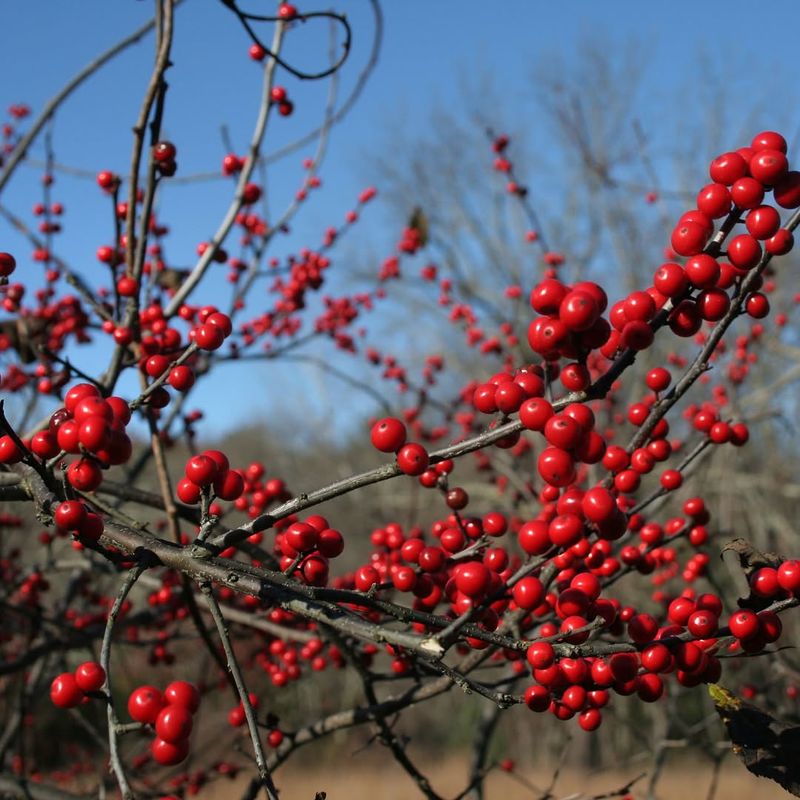
Few shrubs put on a winter show quite like Winterberry Holly. When most plants look bare and dull, this one bursts into a fireworks display of bright red berries that coat every branch from late fall straight through winter.
It is one of the most eye-catching plants you can put in a Pennsylvania front yard, and neighbors will definitely notice.
Winterberry Holly is a native deciduous shrub, meaning it drops its leaves in fall. That might sound like a downside, but it actually works in your favor.
Once the leaves fall, those bold red berries become even more visible. Birds love them too, so you get free entertainment right outside your front window during the coldest months of the year.
Once established, this shrub handles dry conditions well. It does prefer moist soil when young, so water it regularly during its first season.
After that, it largely takes care of itself. Plant it in full sun to get the best berry production. You will need both a male and female plant nearby for berries to form, so buy them as a pair. Most garden centers sell them together.
Winterberry Holly grows six to ten feet tall and wide, making it a bold, structural statement in any front yard planting. It pairs beautifully with ornamental grasses or low-growing evergreens to create a layered, high-end look.
The contrast of red berries against snow or a dark mulch bed gives your yard that designed, intentional feel that makes passersby slow down and take a second look.
2. American Cranberrybush Viburnum
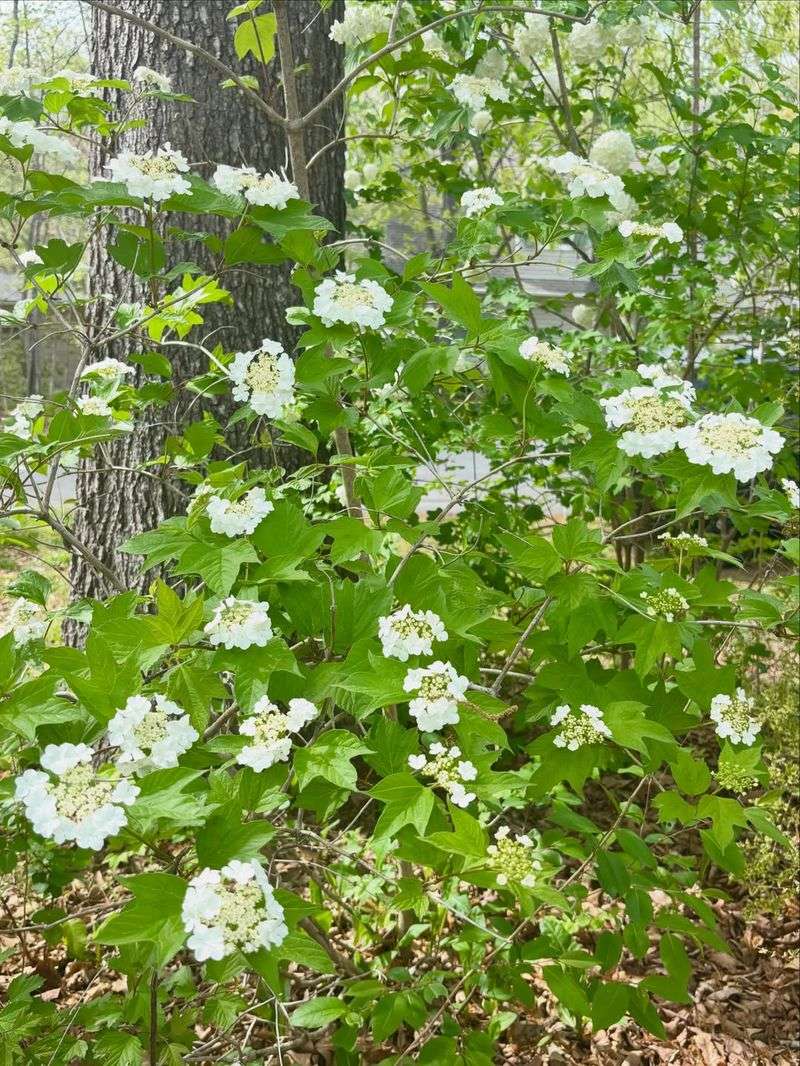
Spring flowers, summer foliage, fall berries, and winter structure. Not many shrubs can honestly claim all four seasons of interest, but American Cranberrybush Viburnum pulls it off without breaking a sweat.
It is a true workhorse plant that earns its spot in any front yard by looking great no matter the time of year.
In spring, flat-topped clusters of white flowers bloom across the shrub, giving it a soft, elegant look. By summer, the maple-shaped leaves fill in thick and full.
Come fall, clusters of glossy red berries appear and the foliage turns shades of orange and red. Even in winter, the dried berry clusters cling to the branches and add texture and visual interest against a gray sky or snowy backdrop.
Your Pennsylvania Garden Changes Every Week. Your Plan Should Too.
Gardening in Pennsylvania changes quickly throughout the season. Every Friday you’ll receive a simple weekly plan showing exactly what to plant, prune, fertilize, harvest, and protect so you never miss the right timing.
Pennsylvania gardeners love this shrub because it is native to North America and extremely adaptable. It grows well in full sun or partial shade and tolerates a wide range of soil types.
Once it settles in after its first year or two, it handles dry spells without much fuss. Regular watering during the first growing season helps it build strong roots, and after that, nature mostly handles things on its own.
American Cranberrybush Viburnum typically reaches eight to twelve feet tall, so give it room to grow. It works wonderfully as a focal point near a front entrance or as a natural privacy screen along a property line.
The layered seasonal display it provides is the kind of thing that makes a yard look professionally designed, even when you did all the work yourself.
3. Inkberry Holly
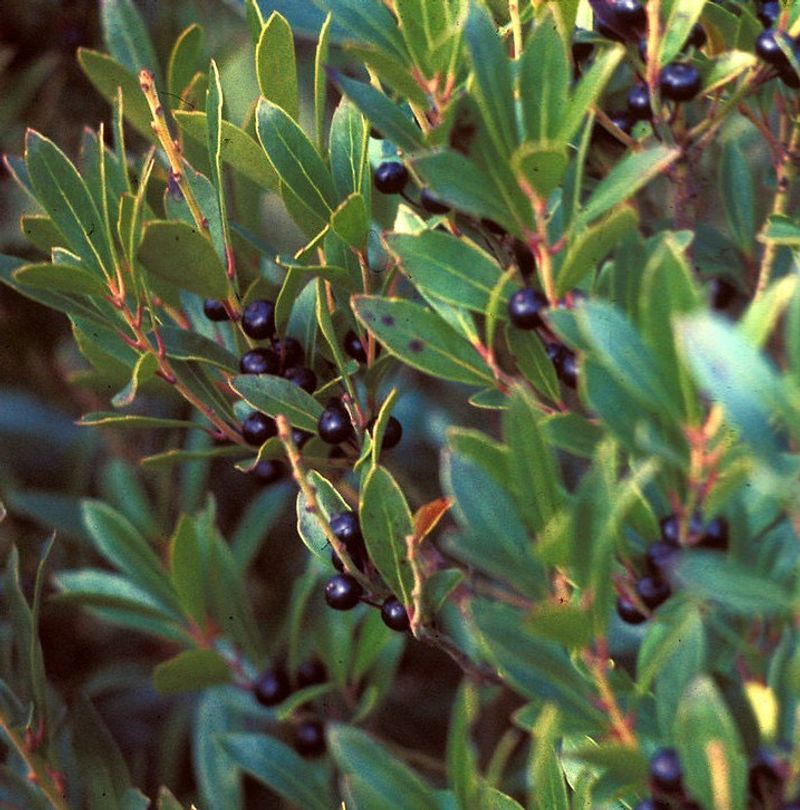
Glossy, deep green leaves all year long. That is what Inkberry Holly brings to the table, and in a front yard full of plants that fade, brown, or go bare in winter, that kind of consistency is genuinely valuable.
It is the plant equivalent of a classic white button-down shirt. It always looks clean, put-together, and appropriate no matter the season.
Inkberry Holly is an evergreen native shrub that thrives across Pennsylvania in sun or partial shade. It is incredibly flexible when it comes to soil conditions and handles both wet spots and dry stretches with equal ease.
That adaptability makes it a favorite for foundation plantings, where soil quality and moisture levels can be unpredictable. Plant it along the front of your house and it creates a tidy, polished base that ties the whole yard together.
The shrub grows slowly to about four to eight feet tall and wide, depending on the variety. Compact cultivars like Shamrock or Gem Box stay smaller and work well in tighter spaces or as low hedges along a walkway.
Small black berries appear in fall and attract birds through winter, adding a subtle wildlife-friendly bonus to its already impressive resume.
Maintenance is minimal with Inkberry Holly. It rarely needs pruning beyond a light shaping every year or two. Once established, it handles dry summers without needing extra irrigation.
For a front yard that looks intentional, structured, and expensive without demanding constant attention, few shrubs match what Inkberry Holly quietly delivers season after season. It is one of those plants that does its job so well you almost forget it is there.
4. Ninebark
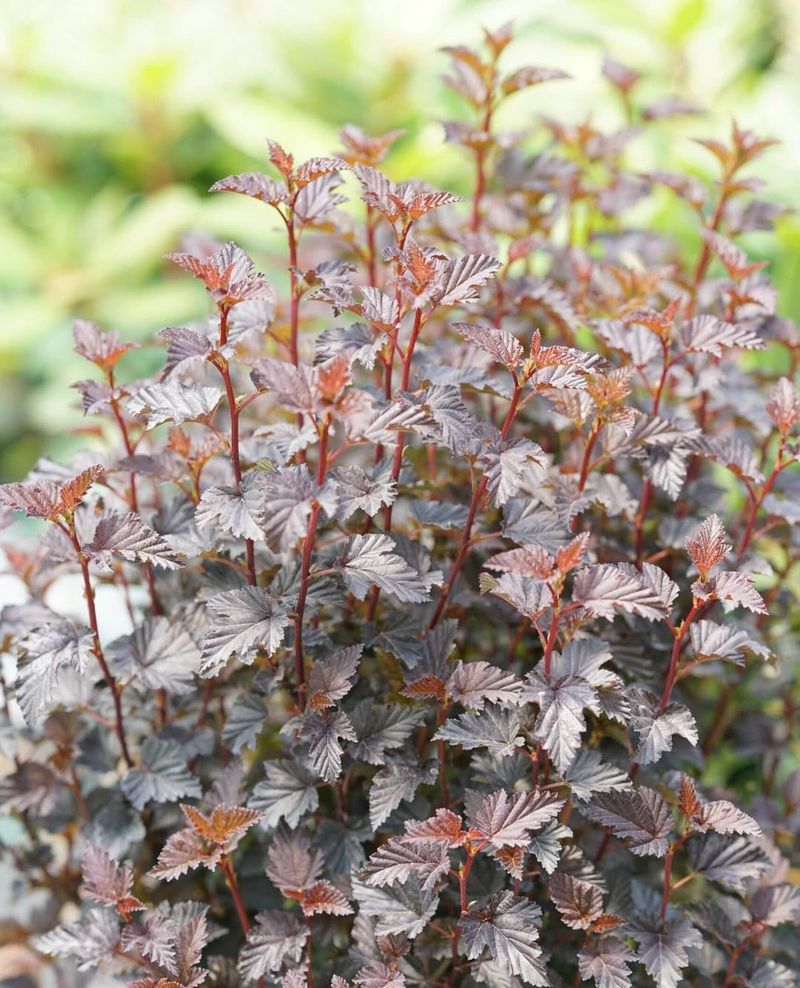
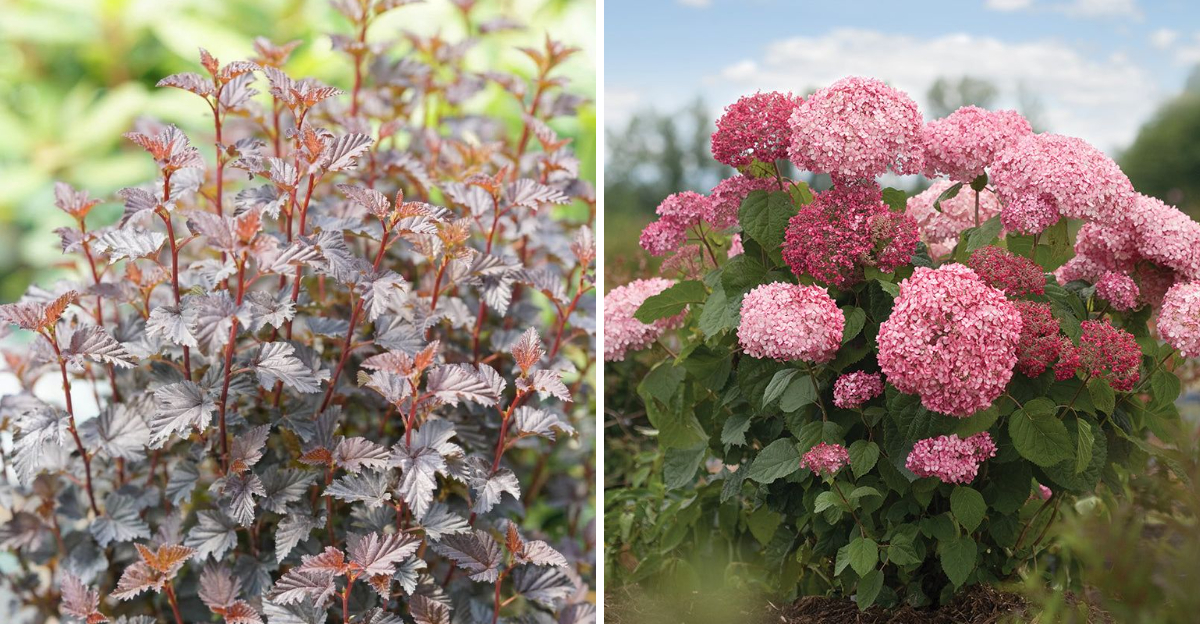
Ninebark is the shrub that makes people stop and ask, what is that plant? Its combination of peeling, cinnamon-toned bark, dark dramatic foliage, and clusters of pink-white flowers is unlike anything else you can plant in a Pennsylvania front yard.
It looks like something you would find in a high-end landscape design, yet it is one of the toughest, most low-maintenance shrubs available.
The name comes from the layered, peeling bark that reveals new layers underneath, almost like the plant is constantly refreshing itself. In winter, when the leaves are gone, that textured bark becomes the main attraction.
It gives the yard structure and visual interest even during the dullest months of the year. Popular varieties like Diablo and Summer Wine feature deep purple-red foliage that holds its color through the entire growing season, creating a bold contrast against green or silver neighboring plants.
Ninebark is heat-tolerant and drought-tolerant once established. It grows in full sun or partial shade and adapts to most soil types, including clay-heavy Pennsylvania soils that other plants struggle with.
It grows quickly, reaching five to ten feet tall depending on the variety, so it fills in a space and creates an established look faster than most shrubs.
Spring brings clusters of small pink or white flowers that attract bees and butterflies, adding movement and life to the front yard. Pruning once a year after flowering keeps it tidy and encourages fresh, colorful new growth.
For anyone who wants serious visual impact with minimal effort and water, Ninebark delivers in a way that feels almost unfair compared to how little it asks for in return.
5. Spicebush
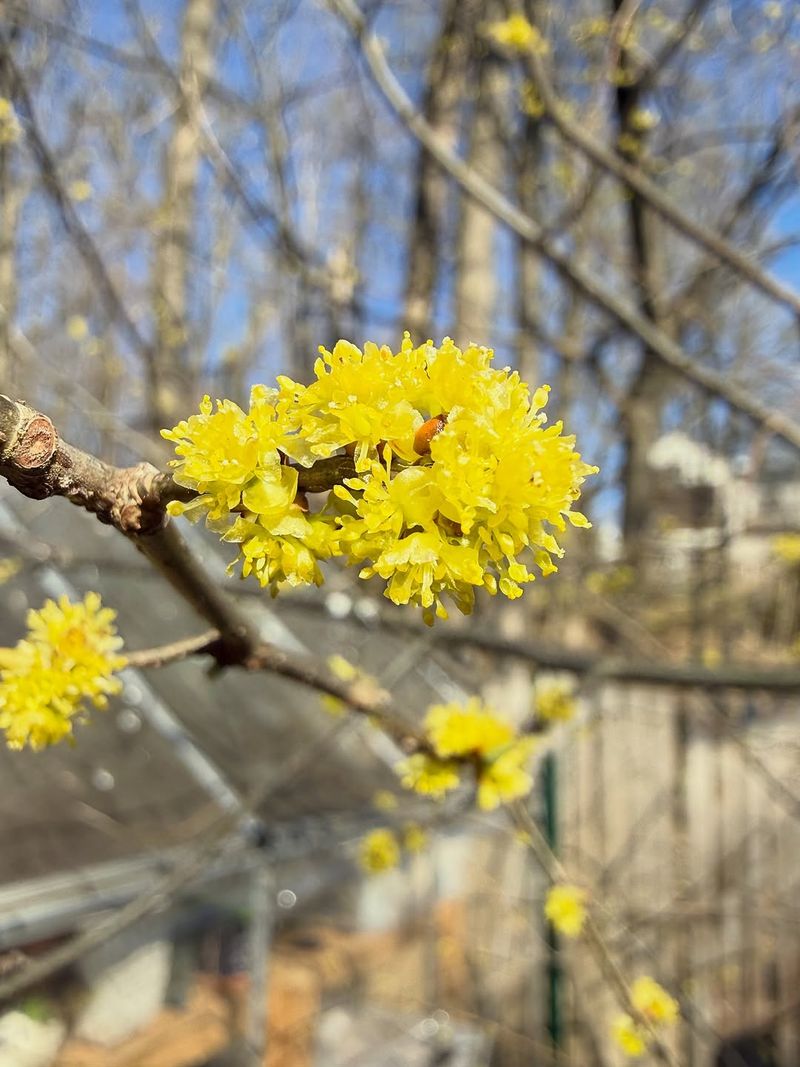
Spicebush is one of those plants that rewards you every single time you walk past it. Brush against a leaf or snap a small twig and you get a warm, spicy, almost citrusy fragrance that is genuinely surprising and delightful.
It is a sensory experience most people do not expect from a front yard shrub, and it makes the whole space feel more alive and interesting.
Native to Pennsylvania and much of the eastern United States, Spicebush is perfectly adapted to local conditions. It is one of the first shrubs to flower in spring, producing tiny clusters of bright yellow blooms along bare branches before the leaves even appear.
That early color is a welcome sight after a long winter and gives your yard a cheerful, optimistic energy right when you need it most.
Female plants produce small, oval berries that ripen to a brilliant red in late summer and fall. Birds flock to them, and the berries were historically used as a spice and even as a substitute for allspice in cooking.
Spicebush is also a host plant for the Spicebush Swallowtail butterfly, one of Pennsylvania’s most beautiful native butterflies. Planting it means you are actively supporting local wildlife.
Water needs are low once the shrub establishes itself in its first year. It grows six to twelve feet tall and thrives in partial shade, making it a smart choice for spots under trees or along the shaded side of a house where other plants struggle.
Its natural, layered form looks beautiful in mixed native plantings and gives any front yard an authentic, thoughtfully designed character.
6. Summersweet
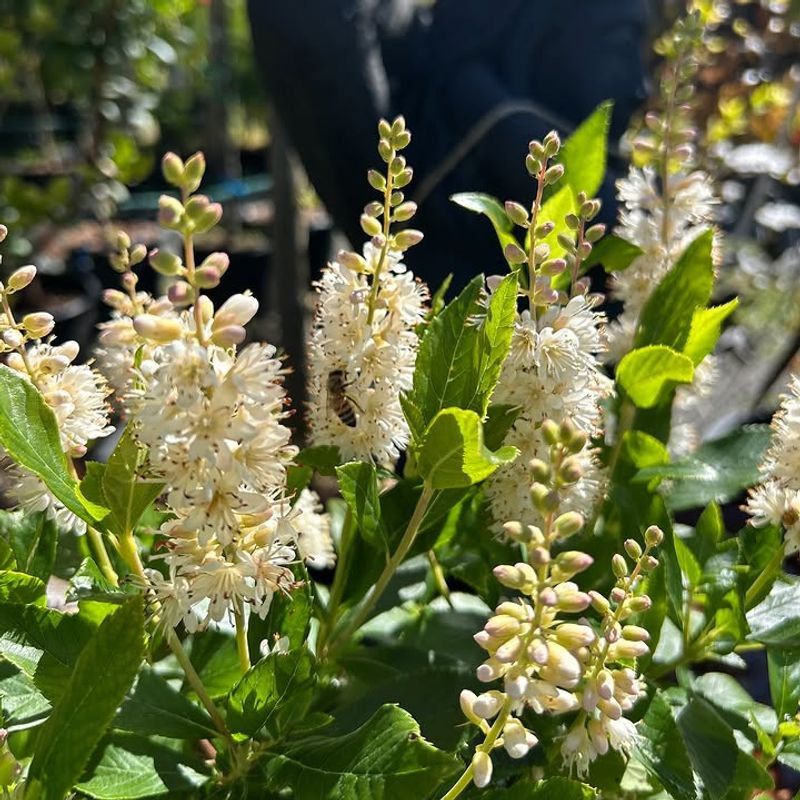
Most flowering shrubs bloom in spring and then spend the rest of the summer looking like a plain green blob. Summersweet breaks that pattern in the best possible way.
It blooms in midsummer, right when most other shrubs have finished their show, filling the gap with tall, elegant spikes of fragrant white or pink flowers that smell absolutely incredible.
Standing near a blooming Summersweet on a warm July evening is one of gardening’s simple pleasures.
Summersweet is native to the eastern United States and handles Pennsylvania summers like a champ. Once established, it tolerates dry conditions well, though it does appreciate a good drink during heat waves.
It grows in full sun to full shade, which makes it one of the most flexible flowering shrubs you can choose. Shady front yards that struggle to support blooming plants are perfect candidates for Summersweet.
The fragrant flowers are a magnet for bees, butterflies, and hummingbirds, so planting one near a front walkway or porch creates a lively, buzzing scene all summer long.
Compact varieties like Sixteen Candles or Ruby Spice stay three to four feet tall and wide, making them easy to fit into smaller front yard spaces without overcrowding.
Fall brings another reward. The foliage turns a warm golden yellow before dropping for winter, giving the plant one last moment of seasonal beauty.
Summersweet spreads slowly by underground runners to form a natural, full-looking colony over time.
That gradual spread fills in bare spots and creates a rich, layered landscape that looks like it was designed by a professional, even if you planted it yourself on a Saturday afternoon.
7. Smooth Hydrangea
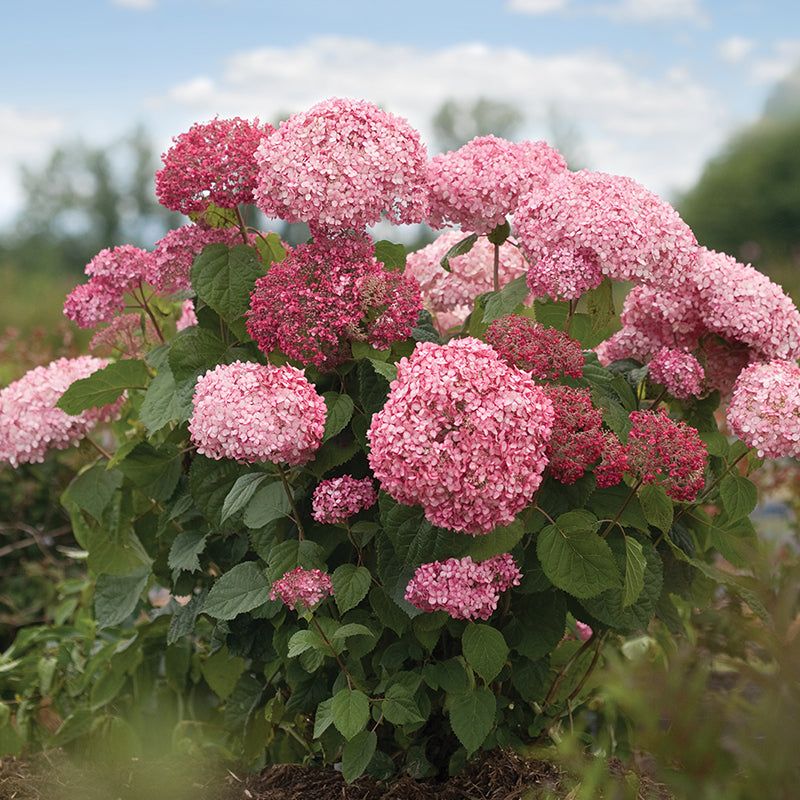
Big, beautiful, rounded flower heads the size of softballs. That is the Smooth Hydrangea’s signature move, and it is nearly impossible to walk past one without stopping to admire it.
Few plants deliver the kind of lush, full, expensive-looking display that Smooth Hydrangea puts out every single summer, and the best part is that it does it with surprisingly little water once it gets established.
Smooth Hydrangea is native to the eastern United States, which means it is naturally suited to Pennsylvania’s climate. It handles heat, humidity, and the occasional dry stretch far better than many of its showier hydrangea cousins.
The Annabelle variety is the most popular, producing enormous white flower clusters that can reach twelve inches across. Incrediball is another standout, with even larger blooms on sturdier stems that hold up better in summer rain.
Plant Smooth Hydrangea in morning sun with afternoon shade for the best results. It grows three to five feet tall and wide, making it a perfect size for foundation beds, flanking a front door, or anchoring the corners of a garden border.
The flowers start out white, gradually shift to lime green as summer winds down, and dry beautifully on the plant for fall and winter interest.
Pruning is simple. Cut the stems back to about twelve inches in late winter or early spring, and the plant will come back full and vigorous.
Water regularly during the first growing season to help it settle in. After that, it needs very little extra irrigation.
For anyone who wants maximum visual impact with minimal fuss, Smooth Hydrangea is one of the smartest choices you can make for a Pennsylvania front yard.