The Most Underrated Florida Native That Helps Keep Mosquitoes Out Of Backyards
Mosquito control in Florida usually means sprays, candles, and a general resignation that summer evenings outside come with a cost.
Most homeowners never consider that what grows in the yard plays a role in either feeding the mosquito population or quietly working against it.
One Florida native shrub does something most pest-deterring plants do not. It does not repel mosquitoes directly.
It supports the predators that eat mosquito larvae before they ever reach the biting stage. Dragonflies and other beneficial insects help handle the problem at its source.
This is a more effective long game than most citronella displays at the garden center ever deliver. It comes from a plant most homeowners have never heard of, let alone planted on purpose.
It also happens to be genuinely attractive, blooming in a way that earns a spot in the yard regardless of the pest benefit. Most Florida yards are missing this one entirely.
1. Buttonbush Supports The Predators Mosquitoes Should Fear
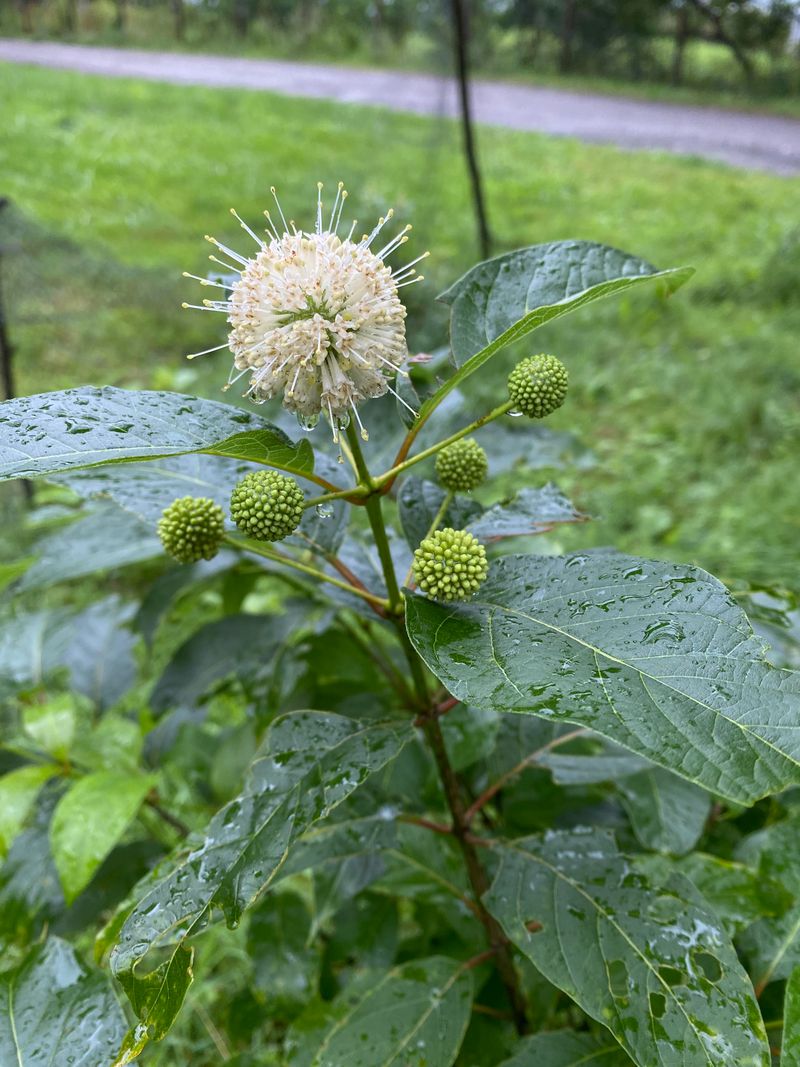
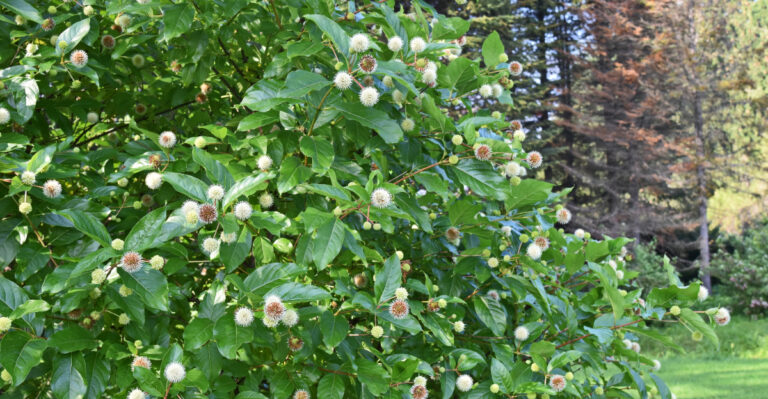
A damp backyard corner buzzing with activity after a summer rain is not always a bad sign. Buttonbush (Cephalanthus occidentalis) is a Florida native shrub that naturally belongs in those wet edges, and it earns its place by supporting a richer habitat.
It grows well along pond margins, swales, rain gardens, retention-area edges, and low damp spots where most landscape shrubs simply cannot survive.
Mosquito control here is indirect. By supporting a more diverse wet-edge habitat, buttonbush can help create conditions where predators like dragonflies and birds are more likely to be present.
Dragonflies are well-documented mosquito predators, both as larvae in water and as adults in flight. A yard with healthier wet-edge habitat may support more of these natural checks on mosquito populations.
Buttonbush does not stop mosquitoes by itself. No single plant does.
What it can do is contribute to a more balanced backyard ecosystem when placed in the right moist site. Pair it with responsible water management, and you have a more complete approach.
Think of it as one useful piece of a smarter yard strategy, not a standalone solution to a buzzing problem.
2. Round White Flowers Bring Dragonflies And Pollinators Close
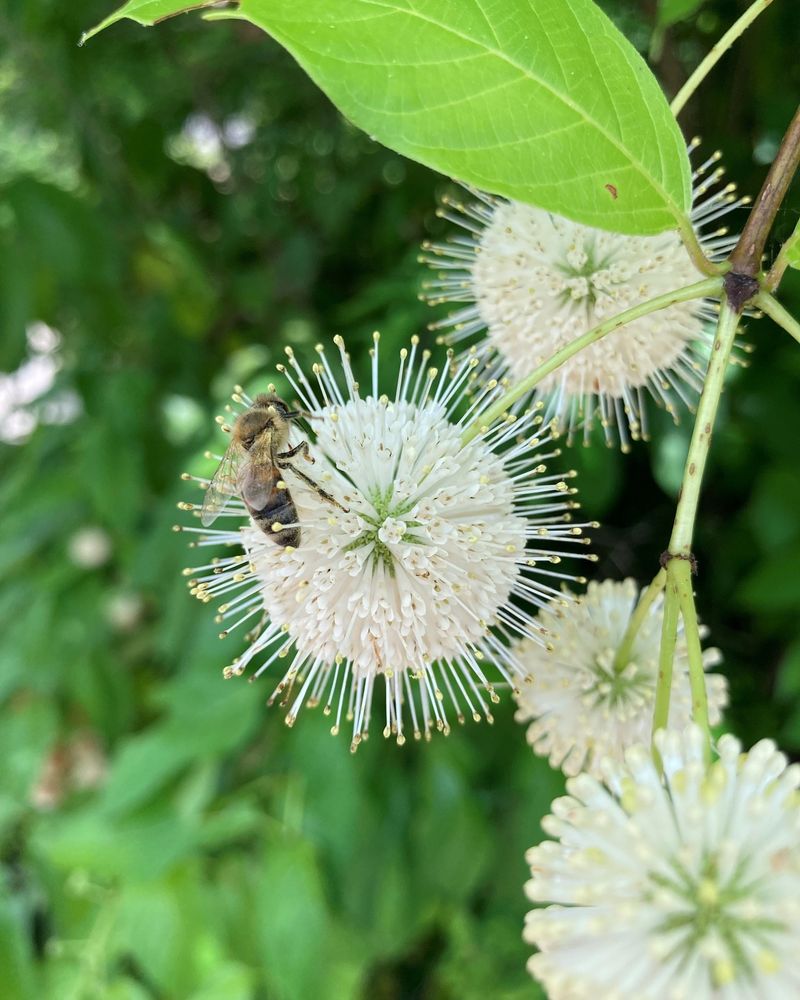
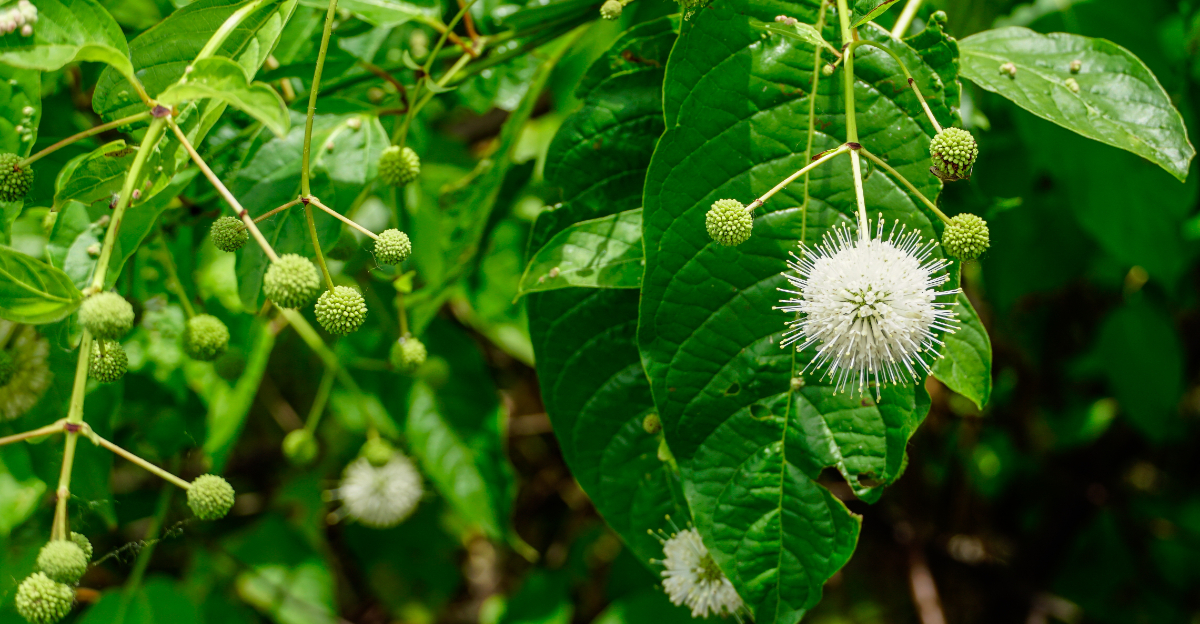
Few Florida native shrubs have a flower quite as eye-catching as buttonbush. The round white flower clusters look almost like small fireworks frozen mid-burst.
They tend to bloom in late spring through summer, right when pollinators are most active. Bees, butterflies, and other beneficial insects visit the flowers reliably, making buttonbush a solid choice for wet-edge pollinator habitat.
Dragonflies are a different story. They are genuine mosquito predators.
Adult dragonflies catch mosquitoes in flight, and their larvae consume mosquito larvae in water. Having wet-edge habitat that supports dragonfly presence is a real benefit, but buttonbush flowers do not automatically summon dragonflies.
Dragonflies need clean, healthy water nearby to breed and hunt.
What the flowers do is draw in a diverse mix of beneficial insects that contribute to a more active and balanced backyard ecosystem. Pollinators themselves do not eat mosquitoes, but a yard rich in native plant diversity tends to support a wider range of wildlife.
Your Florida Garden Changes Every Week. Your Plan Should Too.
Gardening in Florida changes quickly throughout the season. Every Friday you’ll receive a simple weekly plan showing exactly what to plant, prune, fertilize, harvest, and protect so you never miss the right timing.
Pair buttonbush blooms with responsible standing-water management, and the combination is genuinely useful. The science here is real, even if it is not as simple as planting one shrub and watching mosquitoes vanish.
3. Wet Edges Work Better Than Random Pots By The Patio
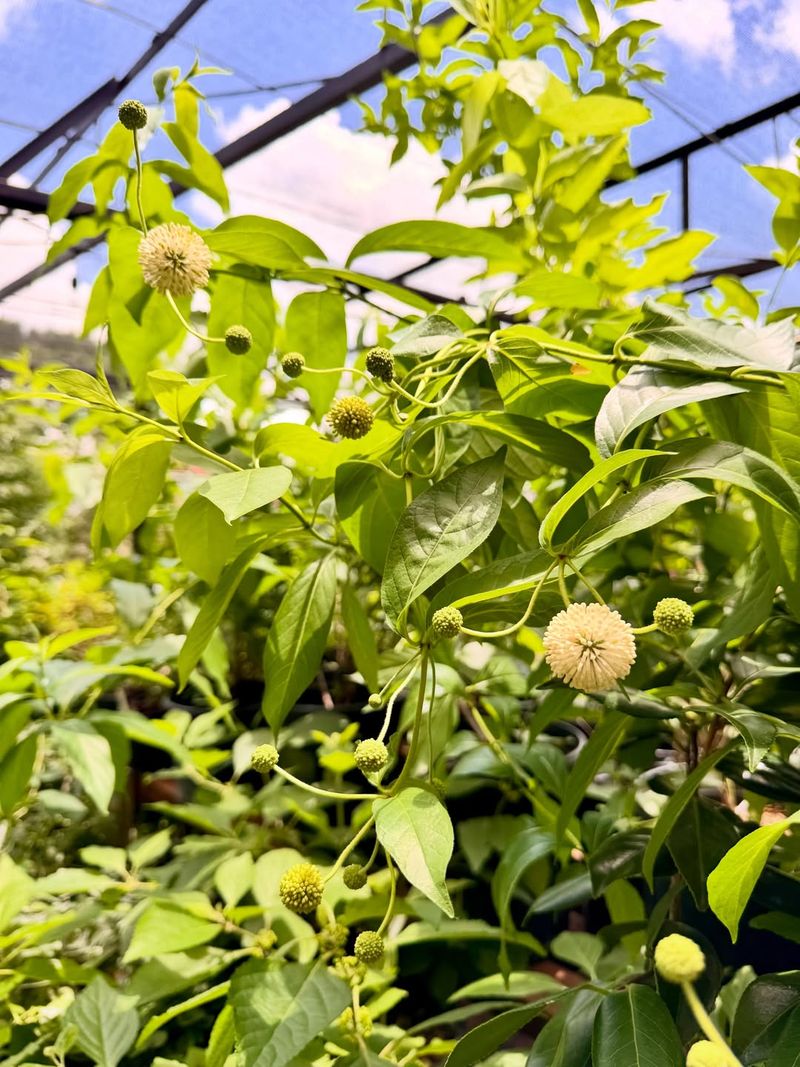
Placement matters more than most gardeners expect with buttonbush. Setting one small plant in a ceramic pot near the patio and hoping for mosquito relief is not how this shrub works.
Buttonbush (Cephalanthus occidentalis) is a moist-to-wet-site plant. It performs best where it has consistent access to water, not in dry containers sitting on concrete.
Rain gardens, pond margins, swales, retention-area edges, and low damp corners are where buttonbush truly thrives.
It tolerates standing water around its roots for extended periods, which makes it one of the few native shrubs that can anchor a wet-edge planting without struggling.
It grows well in full sun to part shade, which gives it flexibility along shaded pond banks or open swale edges.
At maturity, buttonbush can reach six to twelve feet tall and spread several feet wide, depending on conditions. That is a sizeable shrub, and it needs room to grow naturally.
Crowding it into a narrow bed, a tight foundation planting, or a small patio corner will not work. Choosing the right wet spot and giving it space is how this native plant delivers real value in a mosquito-aware backyard plan.
4. Standing Water Still Needs To Be Dumped Or Managed
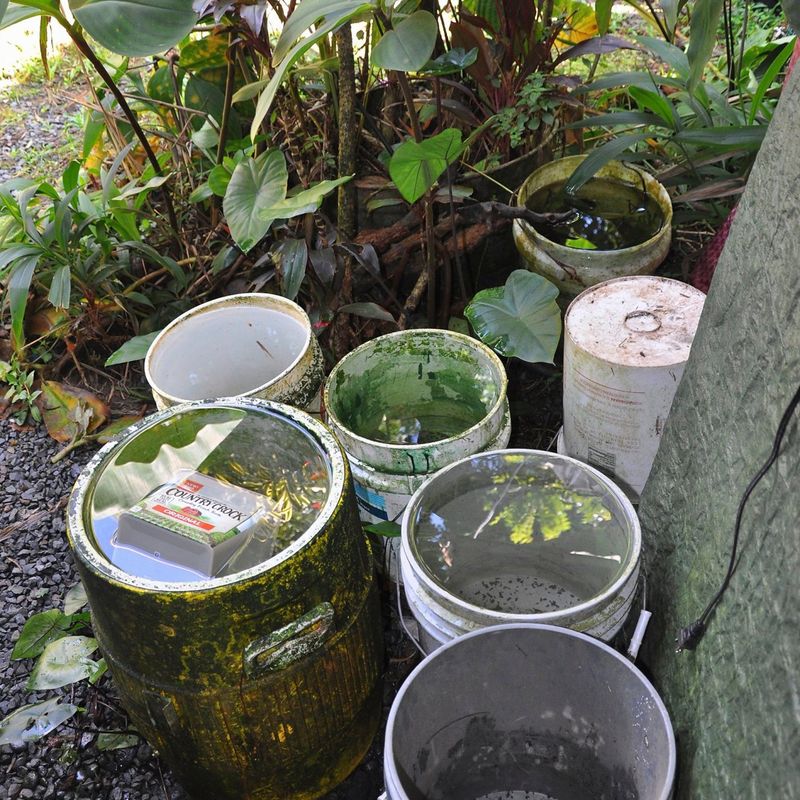
Planting any native shrub, including buttonbush, does not replace the single most important mosquito-prevention step: removing standing water. Mosquitoes breed in standing water, and it does not take much.
A bottle cap, a clogged gutter, a saucer under a potted plant, a folded tarp, or a forgotten toy can all become active breeding sites. A birdbath left unchanged for a week can do the same in warm weather.
Buckets, plant trays, low containers, and anything that holds rainwater should be emptied regularly. Gutters need to stay clear so water does not pool.
Birdbaths should be refreshed and scrubbed at least once a week to break the mosquito breeding cycle before larvae develop into adults.
Water features like fountains or garden ponds should have moving water or be maintained according to local mosquito-control guidance.
In this state, bromeliad tanks can also hold enough water to support mosquito larvae, so flushing them regularly is worth the effort.
Following guidance from your county mosquito-control district is one of the most practical steps any homeowner can take. Buttonbush can support a smarter yard, but only when the basics of water management are already in place around it.
5. Native Habitat Helps More Than Scented Plant Myths
Walk through any Florida garden center in warm weather and you will find plants marketed as mosquito repellents, usually based on scent.
Lemon grass, citronella, lavender, and similar plants get promoted as yard solutions, but backyard mosquito pressure is driven by more than smell.
Breeding water, humidity, dense low shelter, and access to human activity are the real drivers.
Crushing a leaf and releasing a scent near you is not the same as a plant actively reducing mosquito populations in your yard. Research on scent-based plant repellency in outdoor settings is limited, and results are often much weaker than the marketing suggests.
Treating those claims cautiously is simply good consumer sense.
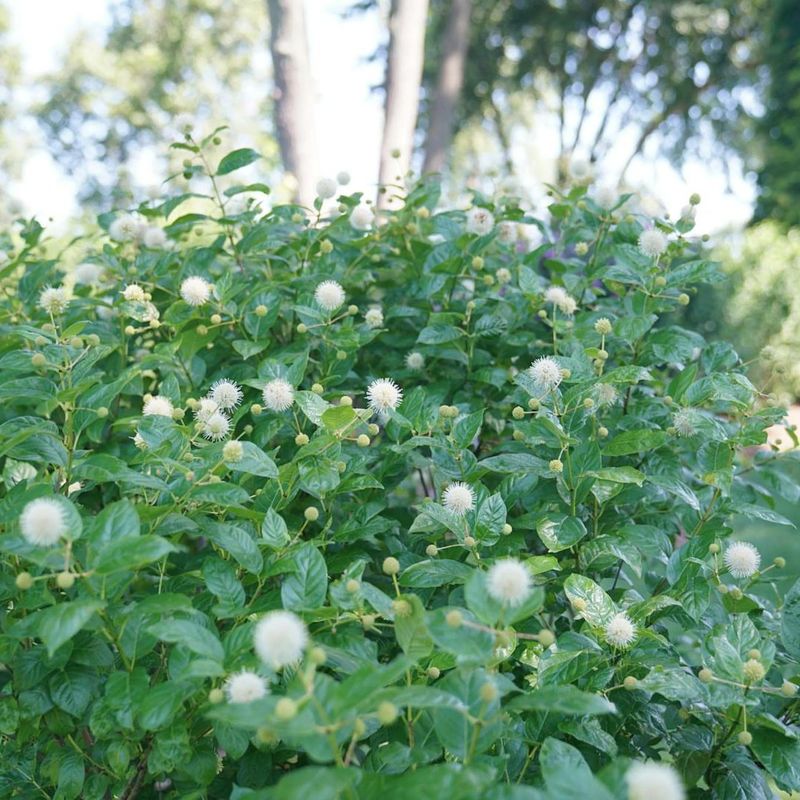
Buttonbush works differently. It is not marketed as a scent-based repellent, and it does not claim to be one.
Its value comes from supporting wet-edge biodiversity, attracting pollinators, and creating habitat conditions where beneficial insects and birds may be more active.
That kind of ecological support is quieter and slower than a spray bottle, but it is grounded in how healthy native landscapes actually function.
A yard with more native plant diversity and fewer breeding spots is a yard that works smarter against mosquitoes over time.
6. Good Placement Keeps Buttonbush Away From Tight Walkways
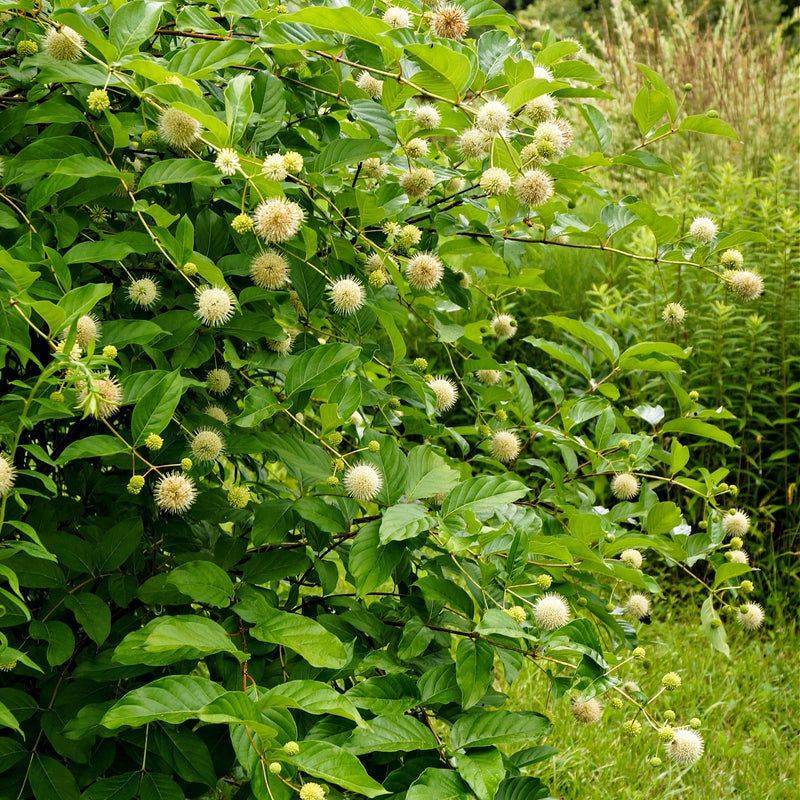
A shrub that reaches six to twelve feet tall and spreads several feet wide needs to be placed with room in mind from the start.
Buttonbush planted too close to a narrow side gate, a pool fence, an AC unit, a patio edge, or a children’s play area will eventually become a crowding problem.
Moving a mature native shrub is far harder than choosing the right spot before planting.
Near water edges, visibility also matters. A buttonbush that blocks sight lines to a pond, canal, or retention edge can make routine maintenance harder and create a safety concern around water.
Keeping the area around water features accessible is important for homeowners and for any mosquito-control inspections your county district may conduct.
Pruning can help manage size, and buttonbush does respond to pruning reasonably well. Still, heavy pruning every season is more work than simply giving the shrub enough space to grow naturally.
Along a swale, a rain garden edge, or a wide pond bank, buttonbush has room to do what it does best without becoming a nuisance. Picking the right wide, wet spot from the beginning saves time, effort, and frustration later in the growing season.
7. Birds And Beneficial Insects Make The Yard More Balanced
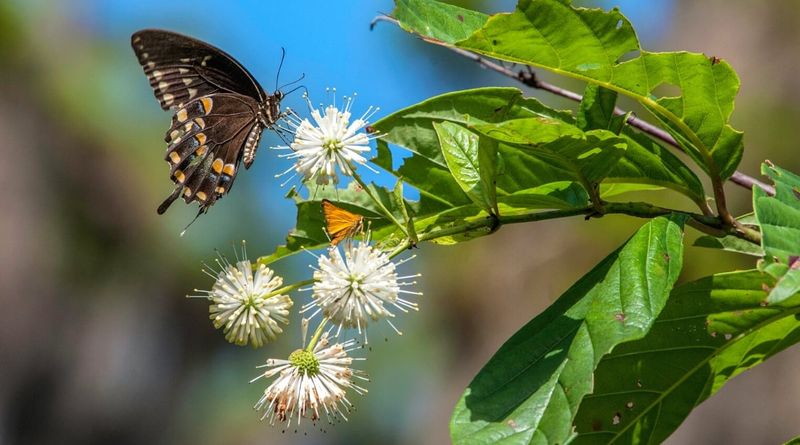
Beyond the blooms, buttonbush offers something that benefits the yard long after flowering season ends. Seed heads and dense branching structure provide cover and food sources that can attract birds, including species that feed on insects.
A more active bird population in the yard adds another layer of natural pest pressure, even if birds alone cannot dramatically reduce mosquito numbers.
Beneficial insects also find value in wet-edge native shrubs. Native bees, wasps that prey on other insects, and beetles that are part of the food web all benefit from a yard that includes diverse native plantings.
A backyard that supports more of these species tends to rely less on reactive spraying to manage pest pressure.
Broad insecticide use around wildlife habitat is worth avoiding where possible. Spraying indiscriminately around buttonbush, a rain garden, or a pond edge can harm the very beneficial insects and birds that make the habitat worth having.
If pest pressure requires treatment, identifying the specific issue and following label directions carefully is the responsible approach.
A more balanced backyard does not mean mosquitoes disappear, but it does mean the yard is working with nature rather than against it, which is a genuinely useful shift.
8. The Real Mosquito Strategy Starts With Water Control
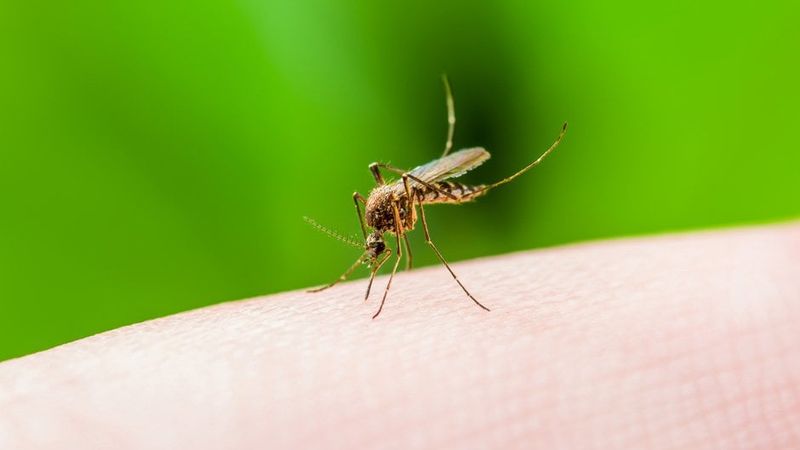
Buttonbush is a smart native addition for the right wet backyard edge, but it works best as part of a layered approach rather than a single fix.
Mosquito prevention still depends on the basics: dumping containers, clearing clogged gutters, and refreshing birdbaths weekly.
It also means maintaining water features with movement and following guidance from your local mosquito-control district.
Screened outdoor spaces, protective clothing during peak mosquito hours, and EPA-registered repellents are still part of a complete personal protection plan. No plant, native or otherwise, replaces those steps.
What buttonbush contributes is a healthier wet-edge habitat that can support dragonflies, birds, and beneficial insects over time. That can reduce the pressure to reach for a spray can every week.
Fewer breeding spots, better wet-edge habitat, and less unnecessary spraying around native plants form a practical three-part approach that makes a real difference.
Native plants like buttonbush belong in that plan because they support the broader ecosystem that keeps a yard functioning well.
Start with water control, add smart native plantings in the right spots, and let the food web do more of the work. That is a mosquito strategy worth sticking with through every rainy season this warm, humid climate brings.