Cucumber Leaves Turn Yellow For These 9 Reasons
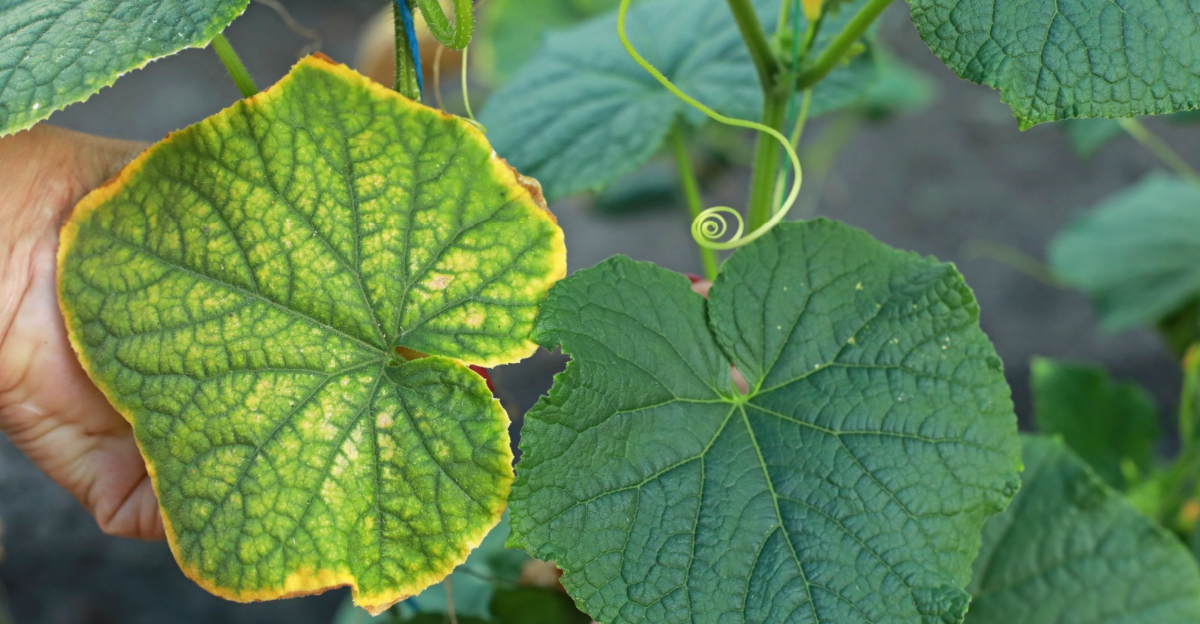
You crouch between the rows expecting a wall of healthy green, and instead you find yellow patches spreading across the leaves like spilled paint. A few vines already look ready to give up.
Before reaching for random fertilizer or pulling plants in frustration, slow down and look closer.
Yellow cucumber leaves are your plant’s way of sending a message, and that message is almost always readable once you know what to look for.
The roots might be drowning in water meant as kindness. Tiny pests could be hiding on the undersides of leaves, feeding away unnoticed.
The soil itself might have run dry of the nutrients your cucumbers depend on to keep climbing and producing. Every cause has a clear fix waiting on the other side of it.
The common culprits behind yellowing cucumber leaves get broken down one by one below. Spot yours, treat it right, and watch your harvest climb back to full strength.
1. Overwatering Causes Root Rot And Yellowing
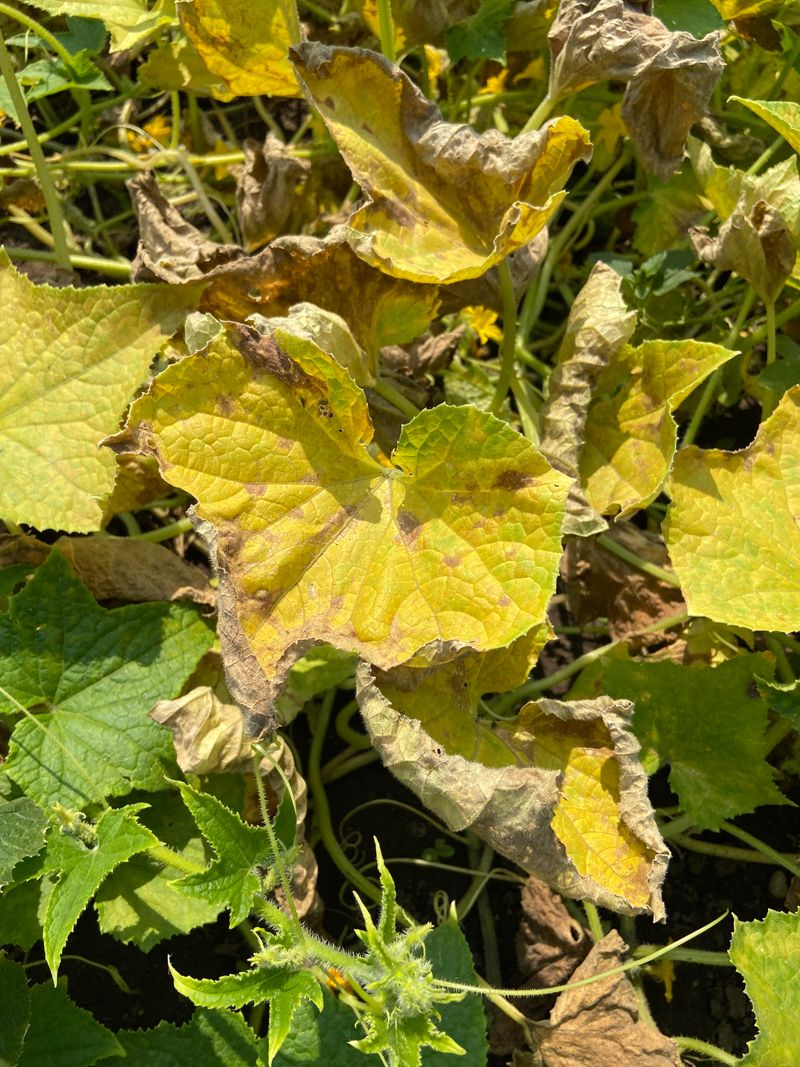
Too much love can hurt your plants. Overwatering is one of the most common reasons cucumber leaves turn yellow, and it catches gardeners off guard.
When soil stays soaked for too long, roots cannot breathe. They begin to rot, and a rotting root system cannot deliver nutrients to the plant.
Without those nutrients, leaves lose their color fast. You will notice yellowing starting at the base of the plant and moving upward through the vine.
The tricky part is that overwatered plants look a lot like underwatered ones. Both show wilting and yellow patches, which makes diagnosing the problem feel confusing at first.
Check your soil before watering every single time. Stick your finger two inches into the ground. If it still feels moist, skip watering for that day.
Cucumbers need consistent moisture, not constant flooding. Aim for about one inch of water per week, adjusting for rainfall and heat.
Make sure your garden bed or container has proper drainage. Water pooling at the base of a plant is a red flag worth addressing immediately.
Catching overwatering early gives your plant a real chance to recover. Pull back on watering, improve drainage, and watch for new green growth as a sign your cucumber is bouncing back strong.
2. Underwatering Stresses Leaves Into Wilting And Yellow Patches
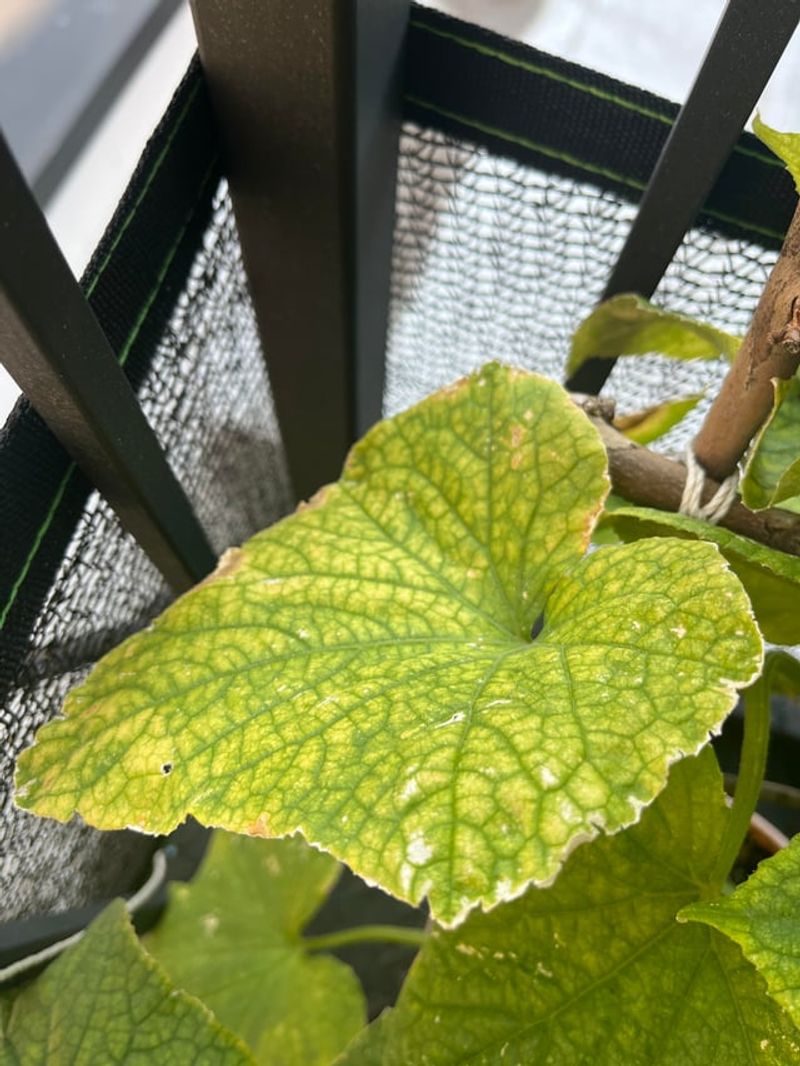
Crispy edges and pale yellow patches are an early warning sign from your cucumber plant. Underwatering puts plants under serious stress, and the leaves show it first.
Cucumbers are about 96 percent water by weight. They need steady hydration to stay firm, green, and productive throughout the growing season.
When the soil dries out too much between watering sessions, plants pull moisture from their own leaves. That internal drought causes yellowing, wilting, and a papery texture on the foliage.
Hot summer days make this problem worse. Soil can dry out within 24 hours during a heat wave, leaving roots scrambling for moisture they cannot find.
Morning watering is your best strategy. Giving plants a deep drink early in the day allows moisture to soak in before the afternoon sun evaporates it away.
Mulching around the base of your cucumber plants helps lock in soil moisture. A two-inch layer of straw or wood chips can make a huge difference during dry stretches.
Drip irrigation is another smart option for gardeners who want consistent results. It delivers water directly to the root zone without wasting a drop on the surrounding soil.
Yellow leaves from underwatering usually perk back up once you restore a good watering schedule. Consistency is everything when growing cucumbers through summer heat.
3. Nitrogen Deficiency Shows Up As Pale, Yellow Older Leaves
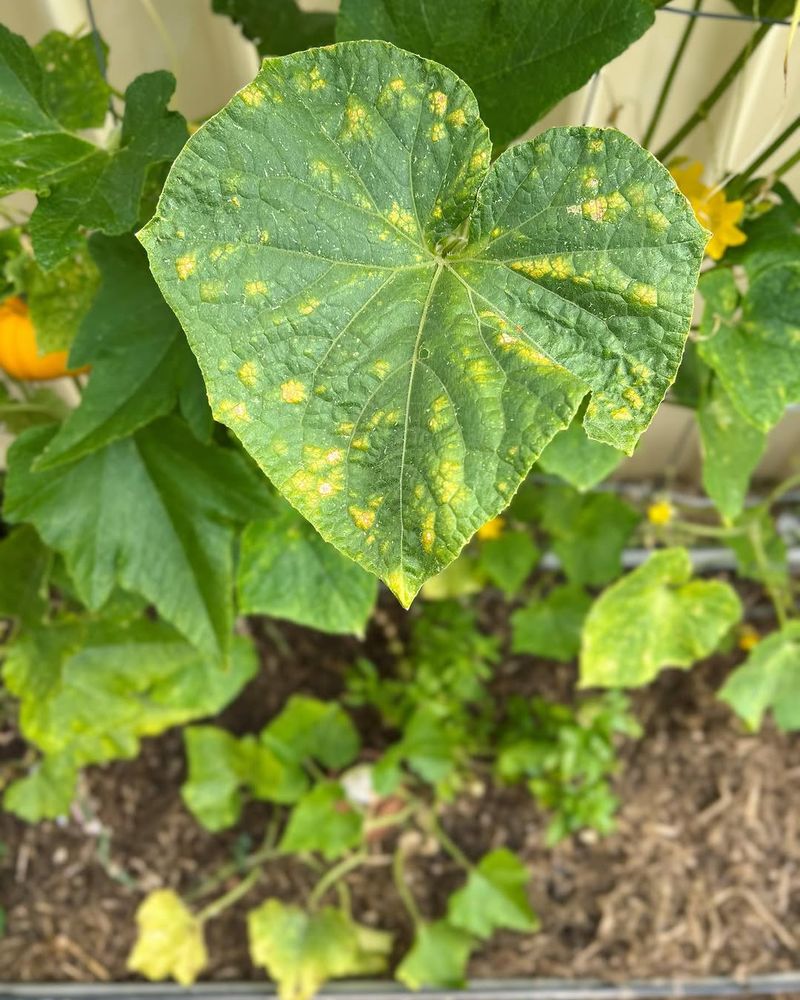
Nitrogen is the fuel behind all that lush green growth you want from your cucumber vines. When it runs low, the plant starts rationing what little it has left.
Older leaves at the bottom of the plant are the first to go pale. The plant pulls nitrogen from mature foliage and redirects it toward younger, actively growing leaves at the top.
This pattern is a helpful clue. If yellowing starts from the bottom up, nitrogen deficiency is likely the culprit worth investigating first.
Sandy soils and heavily watered garden beds lose nitrogen faster than rich, loamy ground. Frequent rain or irrigation can wash this essential nutrient right out of the root zone.
A balanced vegetable fertilizer can turn things around quickly. Look for a formula with a higher first number on the label, since that number represents nitrogen content.
Organic options like fish emulsion, blood meal, or compost tea work beautifully for cucumber plants. They feed the soil slowly and support long-term health without the risk of chemical burn.
Apply fertilizer according to package directions and avoid overdoing it. Too much nitrogen pushes leafy growth at the expense of fruit production, which defeats the whole purpose.
Within a week or two of feeding, you should see the yellowing slow down. New leaves will emerge greener and stronger as the plant gets what it needs to thrive.
4. Powdery Mildew Coats Leaves And Blocks Photosynthesis
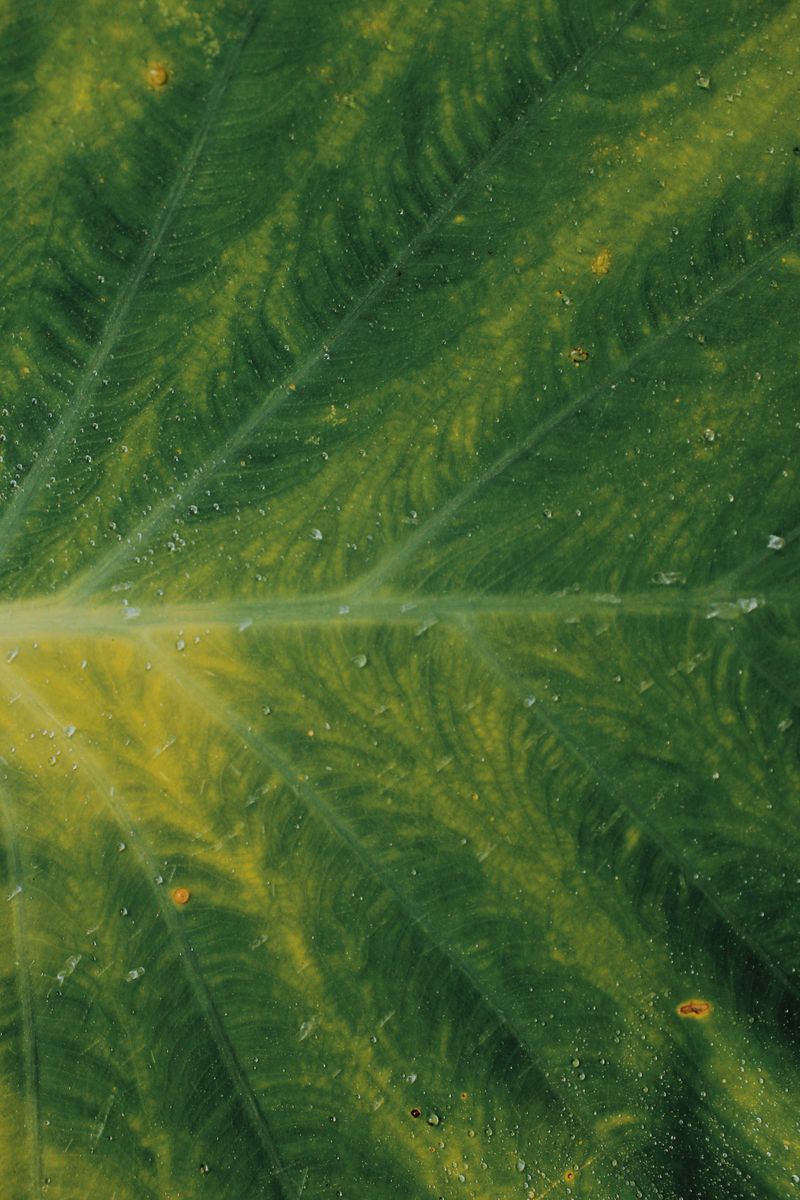
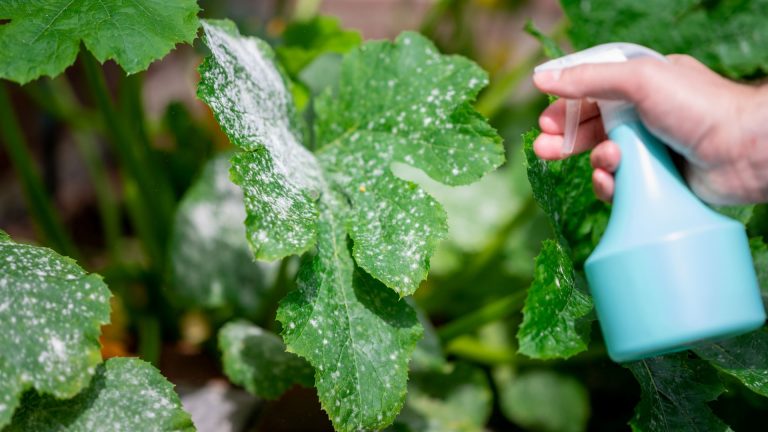
That white dusty coating on your cucumber leaves is not harmless garden residue. Powdery mildew is a fungal problem that spreads fast and shuts down photosynthesis at the leaf level.
When the leaf surface gets coated in fungal spores, sunlight cannot reach the chlorophyll underneath. This interferes with photosynthesis, causing the leaf to lose energy production and begin to yellow and weaken.
Powdery mildew loves warm days paired with cool nights and poor air circulation. Crowded garden beds create the perfect environment for this fungus to spread from plant to plant.
You might notice the white coating before the yellowing even begins. Catching it early gives you a much better chance of stopping it before it spreads across the entire vine.
A simple home remedy may help with mild cases. Mix one tablespoon of baking soda with one quart of water and a few drops of dish soap, then spray it directly on affected leaves.
Results can vary, so monitor your plants closely after applying. Neem oil is another popular organic treatment that disrupts the fungal life cycle. Apply it in the early morning or evening to avoid leaf scorch from the sun.
Spacing your plants properly from the start prevents a lot of mildew problems. Good airflow between vines keeps humidity low and fungal spores from settling in.
Resistant cucumber varieties are available at most garden centers. Choosing one of those next season could save you a lot of frustration down the road.
5. Downy Mildew Creates Yellow Angular Spots On Foliage
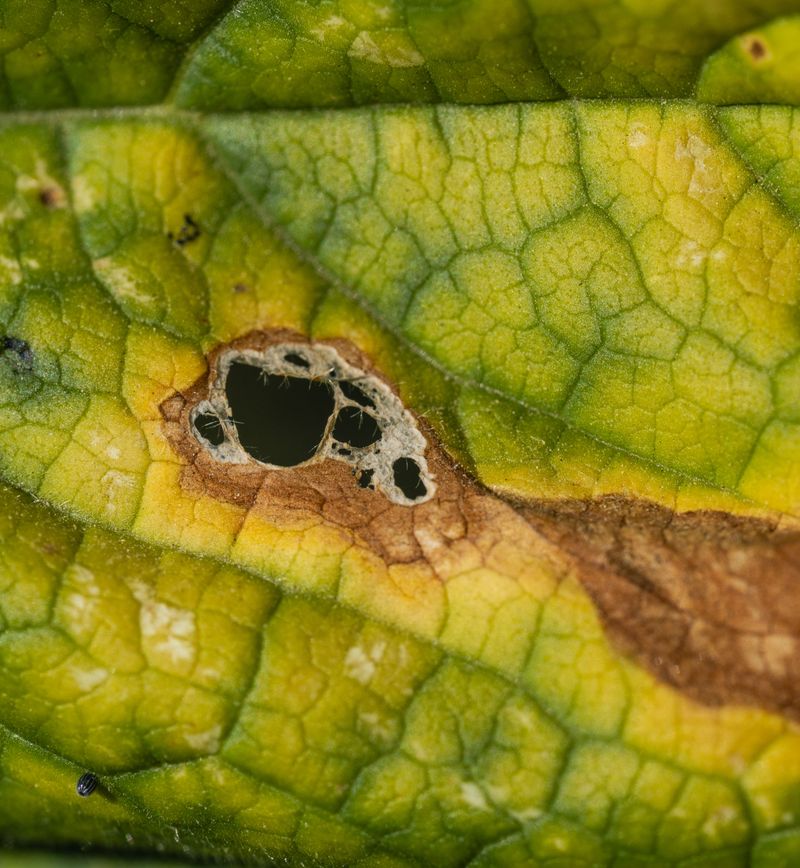
Flip a yellowing cucumber leaf over and look closely at the underside. If you spot a grayish-purple fuzzy growth, downy mildew has already moved in.
Unlike its powdery cousin, downy mildew thrives in cool, wet conditions. Morning dew and overhead irrigation create exactly the kind of moist environment this pathogen loves.
The yellowing it causes is distinctive. Spots appear in angular shapes that follow the natural lines of the leaf veins, giving the foliage a patchwork yellow appearance.
Downy mildew spreads through airborne spores that travel on wind and water. A single infected plant can spread the disease across your entire garden within days if left untreated.
Remove affected leaves as soon as you spot them. Place them in a sealed bag and toss them in the trash rather than the compost pile to prevent further spread.
Copper-based fungicides are commonly recommended against downy mildew when applied early, though effectiveness can vary by strain and conditions.
Follow label instructions carefully and reapply after rainfall to maintain protection throughout the season.
Watering at the base of plants rather than overhead keeps foliage drier. Dry leaves give downy mildew far fewer opportunities to take hold and spread.
Rotating your cucumber crop to a different garden bed each year also helps. Spores can persist in the soil, and moving your plants breaks the cycle before it restarts.
6. Bacterial Wilt Clogs Vascular Tissue And Yellows Vines
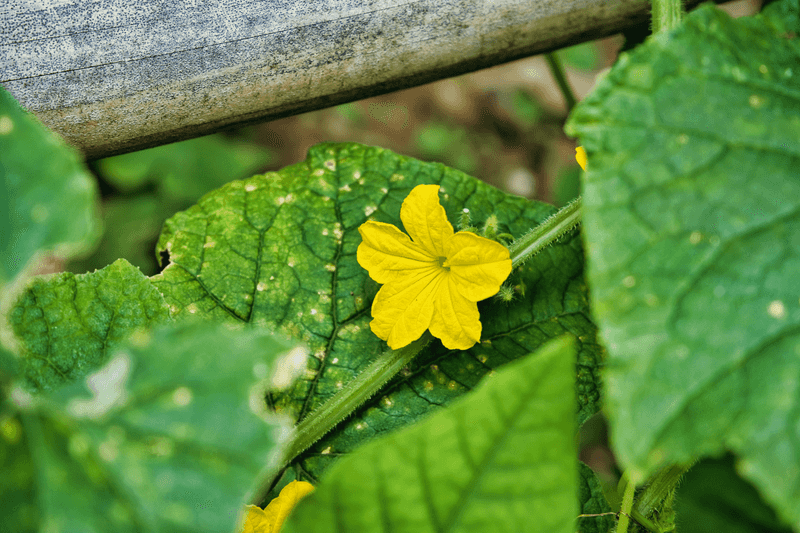
Bacterial wilt can progress quickly, often with little advance warning. One day your cucumber vines look healthy, and the next they are drooping and turning yellow from the inside out.
This disease is caused by a bacterium currently classified as Erwinia tracheiphila, according to most plant pathology sources. It gets into the plant through feeding wounds left behind by cucumber beetles.
Once inside, the bacteria multiply and block the vascular tissue that carries water and nutrients through the plant. Leaves yellow and wilt because they are essentially being cut off from their supply line.
A quick field test can help confirm the diagnosis. Cut a wilted stem near the base and press the two cut ends together, then slowly pull them apart. Thin, thread-like strands stretching between the pieces indicate bacterial wilt.
According to current guidance, there is no reliable chemical cure once a plant is infected. Your best move is to remove the infected vine immediately to protect surrounding plants.
Controlling cucumber beetles is the real long-term solution. These striped or spotted insects are the primary carriers of the disease and must be managed early in the season.
Row covers placed over young plants keep beetles away during the most vulnerable growth stages. Remove them once flowers appear so pollinators can do their job.
Sticky traps and insecticidal soap sprays also help reduce beetle populations. Staying ahead of the pest is the only reliable way to prevent bacterial wilt from returning next year.
7. Spider Mites Suck Sap And Leave Spotted Yellow Leaves
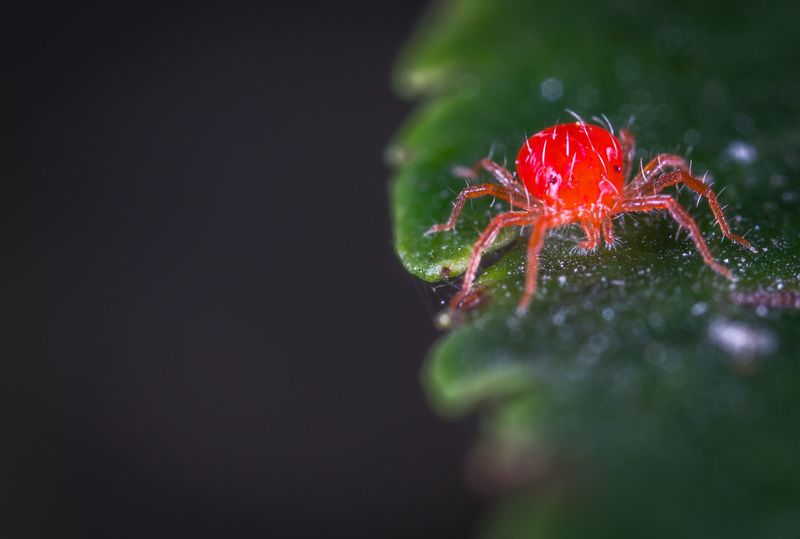
Spider mites are so small you might not even see them at first. But the damage they leave behind on cucumber leaves is impossible to miss.
These tiny arachnids cluster on the undersides of leaves and pierce the tissue to feed on plant sap. Each feeding wound shows up as a tiny yellow or white dot on the leaf surface.
As populations grow, those dots multiply and merge into large yellow patches. The leaf eventually looks bleached, papery, and largely faded of color and vigor.
Hot, dry weather accelerates spider mite outbreaks. They reproduce rapidly in low-humidity conditions, going from a small problem to a full infestation in just a few days.
Look for fine silky webbing on the undersides of leaves as a telltale sign. That webbing is a sure indicator that mites have set up a thriving colony on your plant.
A strong blast of water from a garden hose can knock mites off leaves and disrupt their colonies. Repeat this every few days to keep their numbers in check.
Insecticidal soap spray is a safe and effective treatment for heavier infestations. Coat the undersides of leaves thoroughly since that is where the mites actually live and feed.
Introducing predatory insects like ladybugs or predatory mites offers a natural, long-term solution. Keeping your garden healthy and well-watered also makes plants less attractive to these sap-sucking pests.
8. Cold Temperatures Shock Plants Into Yellow Discoloration
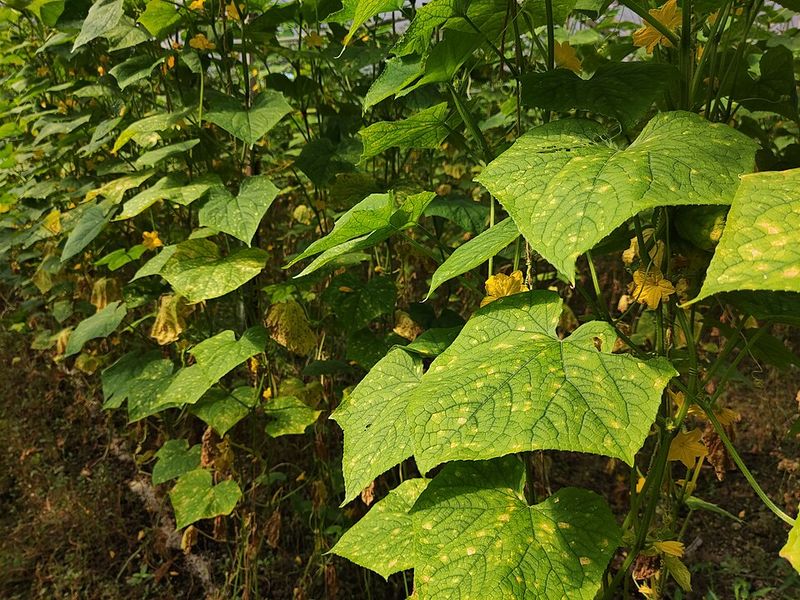
Cucumbers are warm-weather plants through and through. Once temperatures dip below roughly 50 degrees Fahrenheit, they often respond with yellowing leaves.
Cold stress interferes with the plant’s ability to absorb nutrients and water efficiently. Even when the soil has plenty of both, a chilled cucumber cannot process them the way it should.
Chlorophyll production slows significantly in cold conditions. Without enough chlorophyll being made, leaves begin to fade from a rich green to a sickly, washed-out yellow.
Transplanting seedlings too early in spring is a common trigger for cold shock. Soil temperatures below roughly 60 degrees Fahrenheit can stunt growth and cause yellowing that may linger for weeks.
A soil thermometer is a worthwhile investment for any vegetable gardener. It takes the guesswork out of knowing when conditions are truly safe for warm-season crops like cucumbers.
If a cold snap hits unexpectedly, cover your plants with a frost cloth or row cover overnight. Even a thin layer of protection can keep temperatures around the plant a few degrees warmer.
Planting near a south-facing wall or fence adds passive warmth to your growing area. Brick and stone absorb heat during the day and release it slowly after sundown.
Once temperatures stabilize back above 60 degrees, most cucumber plants recover on their own. Patience and a little protection go a long way when cold weather catches your garden off guard.
9. Poor Drainage Traps Excess Moisture Around The Roots
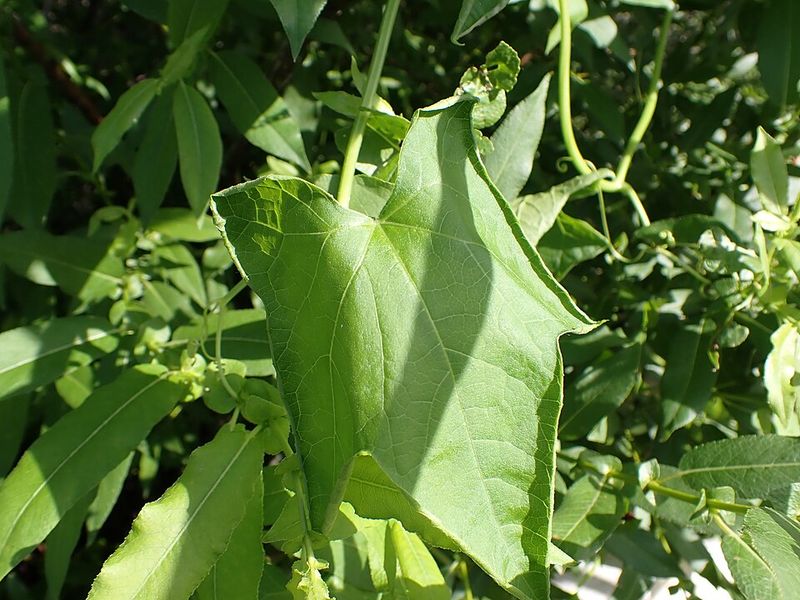
Good drainage is not optional for cucumbers. When water has nowhere to go, roots sit in a soggy environment that breeds problems fast.
Poor drainage keeps soil saturated long after watering or rain ends. Roots submerged in standing water begin to suffocate because they need oxygen as much as moisture to function.
As the root system weakens, the plant struggles to pull in the nutrients it needs. Cucumber leaves turn yellow as a direct result of that nutrient starvation happening underground.
Heavy clay soils are the biggest offenders when it comes to drainage issues. Clay particles pack tightly together, leaving little room for water to filter down and away from the root zone.
Raised garden beds are a game-changing solution for gardeners dealing with clay-heavy ground. Elevating your growing area allows excess water to drain freely from the sides and bottom.
Mixing compost or perlite into dense soil improves its structure significantly. These amendments create air pockets that help water move through the ground more efficiently.
Avoid planting cucumbers in low-lying areas of your yard where water naturally collects after rain. Even a slight slope away from the planting area can improve drainage conditions considerably.
Fixing your drainage situation protects not just your cucumbers but every plant in that bed. When roots breathe freely, the whole garden grows stronger, greener, and more resistant to stress.