These Are The Signs Your Arizona Citrus Tree Has Chlorosis And What To Do About It
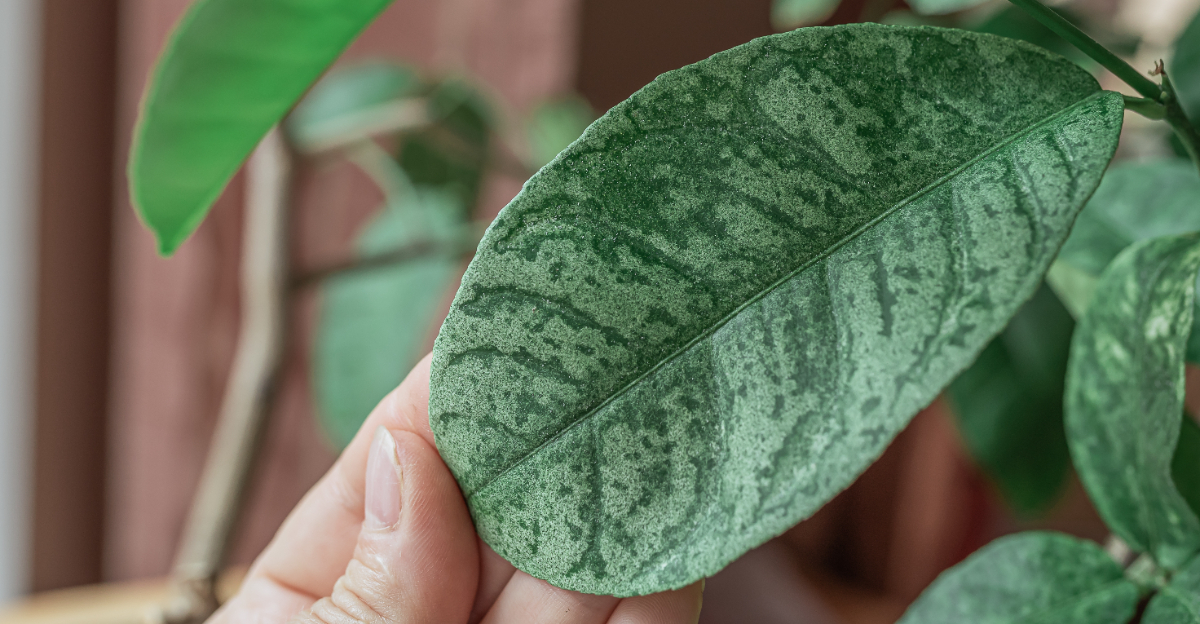
A healthy citrus tree usually tells you when it is happy. New growth appears, the leaves stay rich and green, and the tree looks full of life.
When that color begins to change, it is easy to assume the heat is to blame. Many homeowners wait for the tree to recover on its own, only to watch the problem become more noticeable over time.
Leaves often reveal what is happening long before the tree shows serious signs of stress. Small changes in color, pattern, or new growth can point to an issue that should not be ignored.
Catching those clues early makes it much easier to get the tree back on track.
For citrus trees in Arizona, chlorosis is one problem that deserves a closer look.
Knowing what the early warning signs look like and how to respond can help your tree stay healthier and continue growing well through the season.
1. Yellow Leaves With Green Veins Are The Most Common Warning Sign
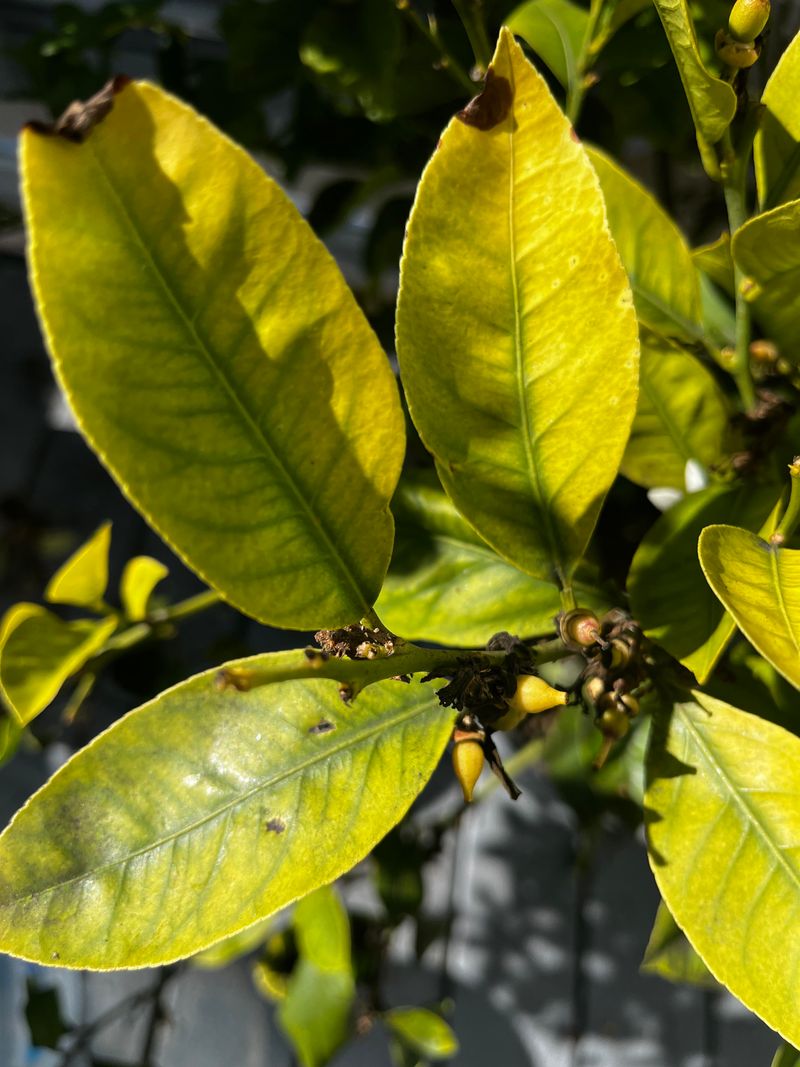
Bright yellow leaves with veins that stay green? That’s a textbook chlorosis signal.
Specifically, it points to iron deficiency, one of the most frequent nutrient problems citrus trees face in alkaline desert soils.
Iron is what helps a tree produce chlorophyll. Without enough of it, leaves lose their green color between the veins first.
The veins hold onto their color longer because they have direct access to whatever iron the tree can still pull in.
Not all yellowing looks the same. Uniform yellow leaves usually signal nitrogen issues, while that distinctive veined pattern is almost always tied to iron or manganese.
Knowing the difference saves you from treating the wrong problem.
In the Sonoran Desert region, alkaline soil pH is the main culprit. Even when iron is present in the ground, a high pH locks it out and makes it unavailable to roots.
The tree literally cannot absorb what’s right there in the soil.
Look at the newest leaves first. Chlorosis caused by iron deficiency typically shows up on young growth before spreading.
Catching that pattern early gives you a real head start on treatment before more of the canopy gets affected.
Take a photo of the affected leaves before buying any product.
2. Young Leaves Usually Turn Yellow Before Older Ones
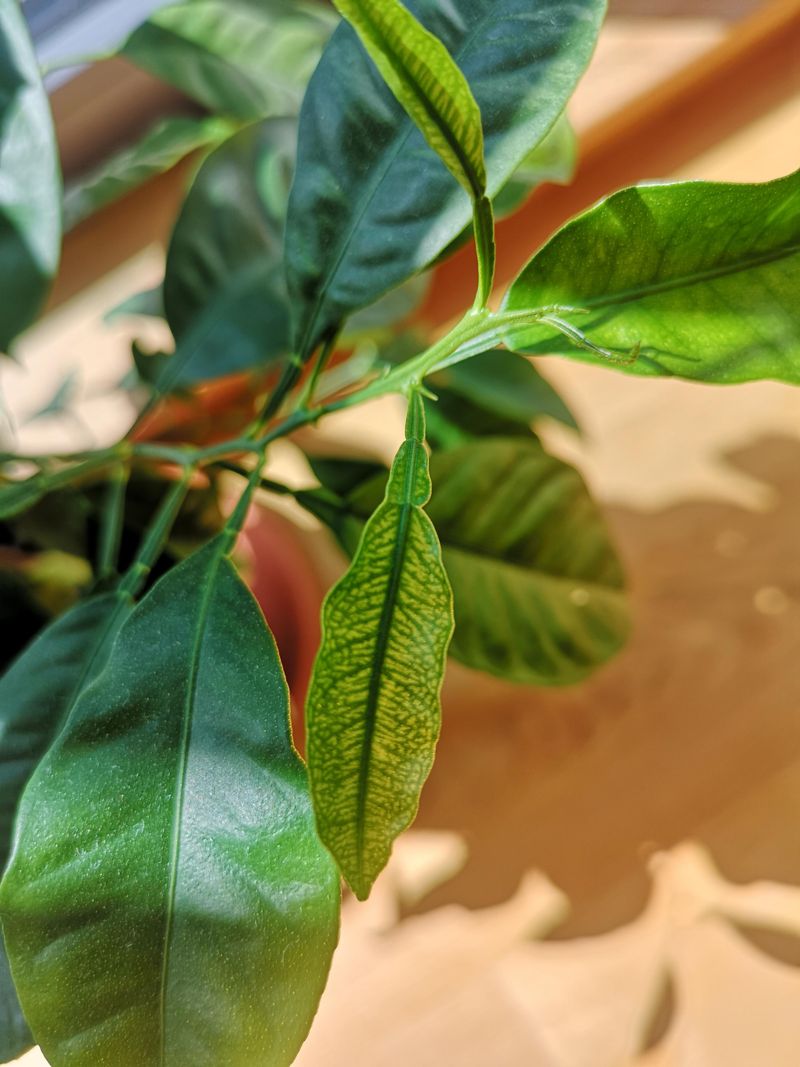
New growth turning yellow while older leaves stay green is not random. It’s a clear pattern that tells you something specific about which nutrient is missing.
Iron deficiency almost always targets the youngest leaves first. Young leaves need more iron to form chlorophyll as they develop.
When the tree can’t move iron efficiently from roots to new tissue, those fresh leaves show the stress before anything else does.
Older leaves can hold onto stored nutrients longer. So when you see yellow at the tips of branches and green toward the center of the canopy, iron is the most likely suspect.
If the older leaves are yellowing while new growth looks fine, nitrogen or zinc might be the issue instead.
Paying attention to the order of yellowing matters a lot. It helps you narrow down the deficiency without guessing.
Your Arizona Garden Changes Every Week. Your Plan Should Too.
Gardening in Arizona changes quickly throughout the season. Every Friday you’ll receive a simple weekly plan showing exactly what to plant, prune, fertilize, harvest, and protect so you never miss the right timing.
Misidentifying the problem leads to applying the wrong fix, which wastes money and delays recovery.
In hot, dry climates, trees push out new growth aggressively in spring and early summer. That growth surge increases demand for iron fast.
If the soil can’t keep up, chlorosis hits the newest leaves hard and quickly.
Check your tree every week during active growing periods. Early yellowing on new growth is your earliest warning.
3. Test Soil pH Before Adding Any Fertilizer
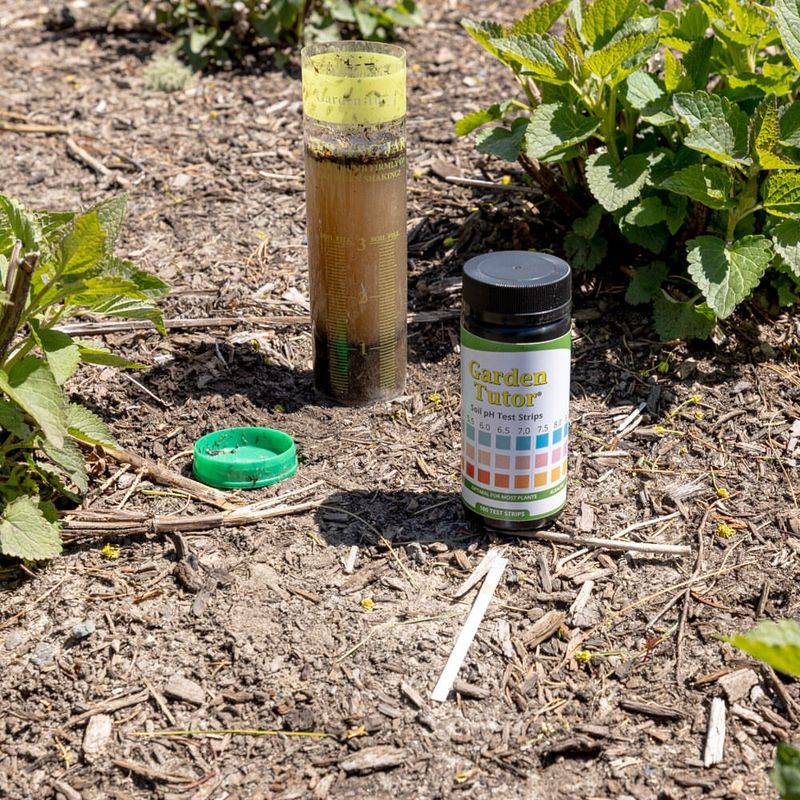
Pouring fertilizer on a chlorotic tree without testing the soil first is like taking medicine without a diagnosis. You might make things worse instead of better.
Soil pH controls how well roots absorb nutrients. In much of the Southwest, native soil runs alkaline, often sitting between 7.5 and 8.5.
At that range, iron becomes chemically bound to soil particles and unavailable to roots, even when it’s physically present in the ground.
A basic soil pH test kit costs just a few dollars at most garden centers. Some local cooperative extension offices offer more detailed testing for a small fee.
Either way, knowing your starting number is non-negotiable before you treat for chlorosis.
If pH comes back above 7.0, standard iron fertilizers may not work well. Chelated iron products are specifically designed to stay available in high-pH conditions.
Without that information, you could buy the wrong product entirely.
Some gardeners add sulfur to lower soil pH over time. That’s a slow process and works better as a long-term strategy than a quick fix.
Combining pH adjustment with targeted nutrient applications gives the best results.
Retest your soil every season. Irrigation water in many desert communities is naturally alkaline and gradually raises soil pH even after you’ve worked to lower it.
Staying ahead of that shift keeps your citrus healthier year after year.
4. Use Chelated Iron To Treat Iron Chlorosis
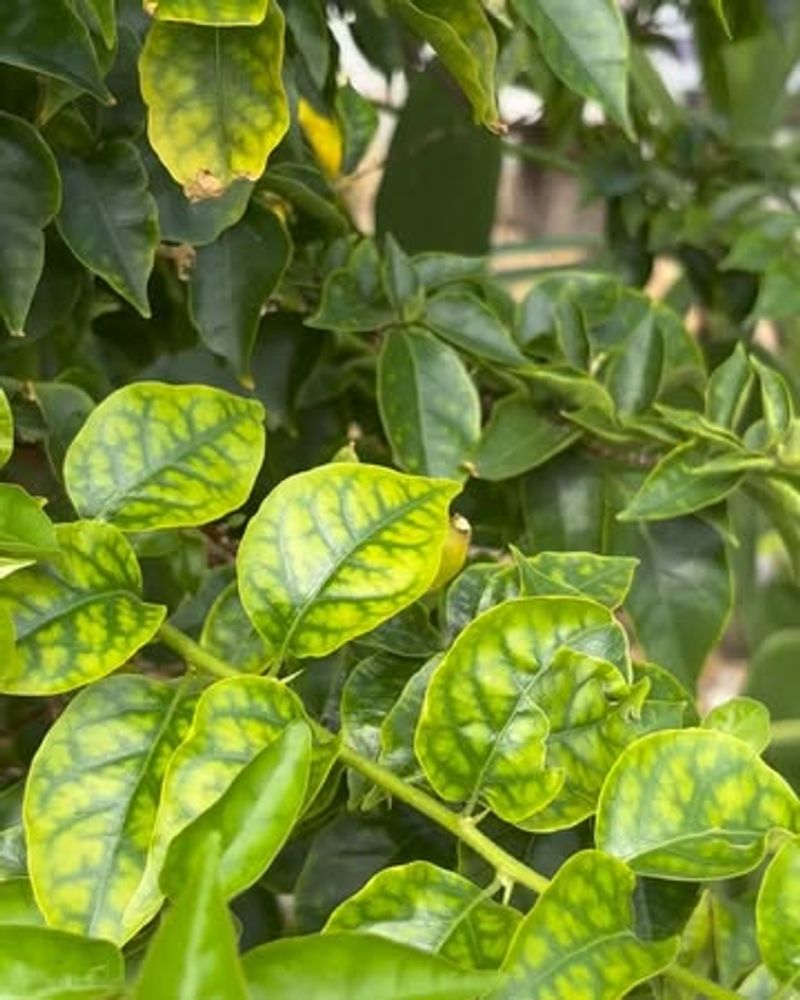
Regular iron sulfate can fail completely in high-pH desert soil. Chelated iron is the smarter choice because it stays soluble and accessible to roots even when soil alkalinity is high.
Chelation means the iron is chemically bonded to an organic compound that protects it from reacting with soil particles. That protection keeps the iron available long enough for roots to absorb it.
Standard iron compounds oxidize quickly in alkaline conditions and become useless before the tree can use them.
Products labeled EDDHA chelate work best in soils with pH above 7.5. EDTA chelates are less expensive but break down faster in strongly alkaline conditions.
Matching the chelate type to your actual soil pH makes a real difference in how well the treatment works.
Soil drench application is usually more effective than foliar sprays for long-term correction. Foliar sprays can give a quick cosmetic boost but don’t address the root cause.
Combining both methods can speed up visible improvement while the soil treatment takes hold.
Always follow label rates carefully. More is not better with chelated iron.
Overapplication can interfere with other nutrients and create new deficiencies you didn’t have before.
Give the treatment four to six weeks before judging results. Leaf color improvement on existing foliage is slow.
Watching for greener new growth is the most reliable sign that the chelated iron is actually working at the root level.
5. Improve Drainage If Water Stays Around The Roots
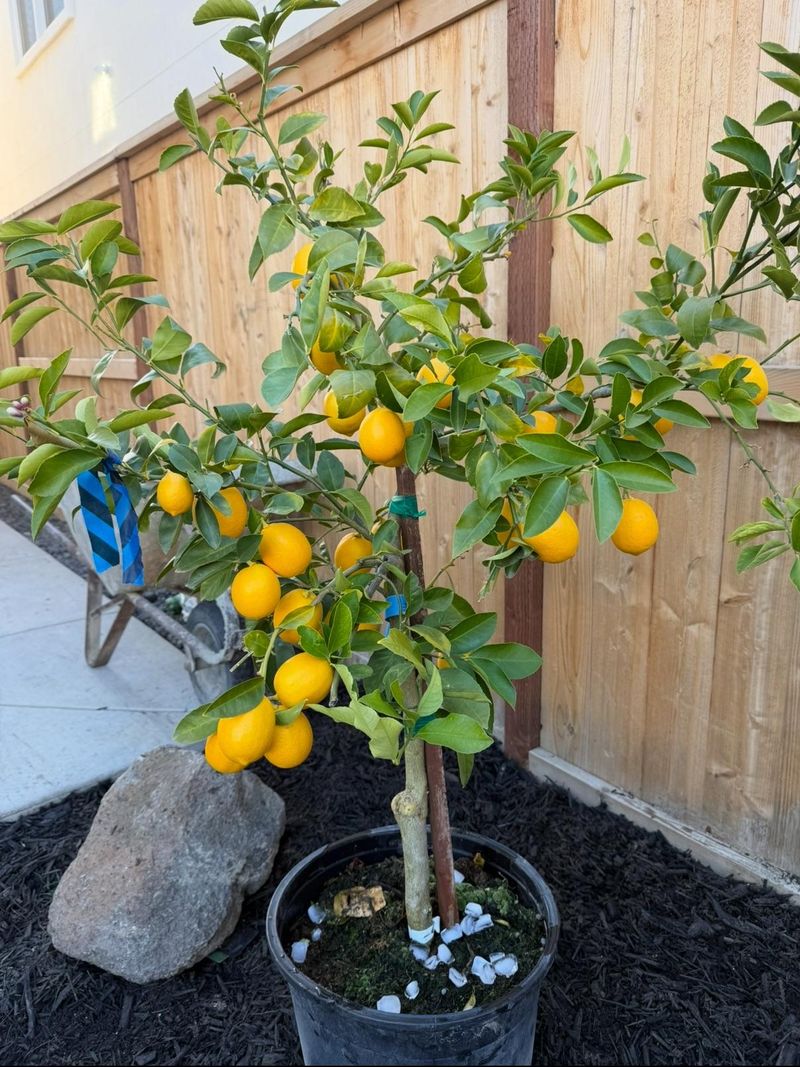
Standing water around citrus roots is a fast track to chlorosis. Waterlogged soil cuts off oxygen to roots, and without oxygen, roots can’t absorb iron or any other nutrient properly.
Citrus trees need well-draining soil to stay healthy. In many desert yards, the ground is compacted clay or caliche, which holds water instead of letting it pass through.
That wet environment around roots creates conditions that trigger chlorosis even when nutrients are present in the soil.
Check your drainage by digging a hole about twelve inches deep and filling it with water. If the water hasn’t drained within an hour, you have a drainage problem worth addressing before any other treatment.
Raised planting beds can help in spots where drainage is chronically poor. Adding organic compost to the soil improves its structure over time.
Better structure means water moves through faster and roots stay in a healthier environment.
Avoid planting citrus in low spots where water naturally collects after rain or irrigation. Even occasional flooding around the root zone can stress the tree enough to trigger nutrient absorption problems that show up as chlorosis weeks later.
If you’re dealing with a caliche layer, breaking through it with a pick or renting a power auger creates a drainage path. Water that can escape downward stops pooling at root level.
That single fix sometimes resolves chronic chlorosis that no fertilizer was able to correct.
6. Water Deeply Instead Of Giving Frequent Light Soaks
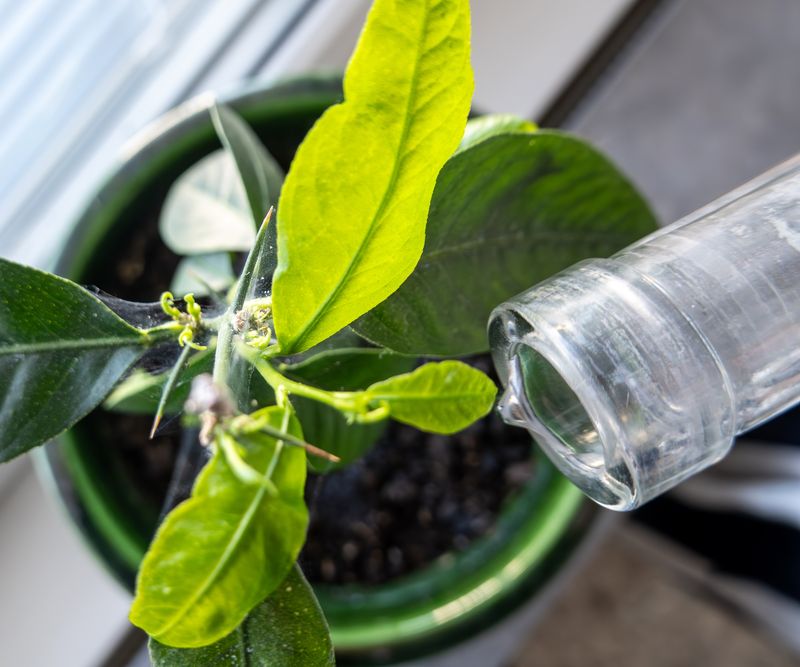
Shallow watering creates shallow roots. Shallow roots sit in the top layer of soil where salt buildup and pH fluctuation are the worst, making nutrient absorption much harder for the tree.
Deep watering encourages roots to grow down into cooler, more stable soil. Down there, conditions are often better for nutrient uptake.
Getting water to penetrate eighteen to twenty-four inches gives roots a reason to grow where the environment is more favorable.
Short, frequent watering sessions keep the surface wet but never push moisture deep enough to matter. That pattern trains roots to stay near the surface.
Surface roots are more exposed to heat, salt, and alkalinity, all of which contribute to chlorosis symptoms.
A slow, deep soak once or twice a week works better than daily light watering in most desert climates. Drip emitters placed correctly can deliver water slowly enough for deep penetration without runoff.
Placement matters too. Emitters should sit near the drip line of the tree, not right against the trunk.
Salty irrigation water is a real issue in many desert communities. Deep watering helps flush accumulated salts below the root zone rather than letting them concentrate where roots are actively feeding.
Check soil moisture before watering again. Stick a screwdriver or a moisture probe six inches into the soil.
If it’s still damp, wait another day. Overwatering is just as damaging as drought when it comes to chlorosis.
7. Healthy New Growth Shows The Treatment Is Working
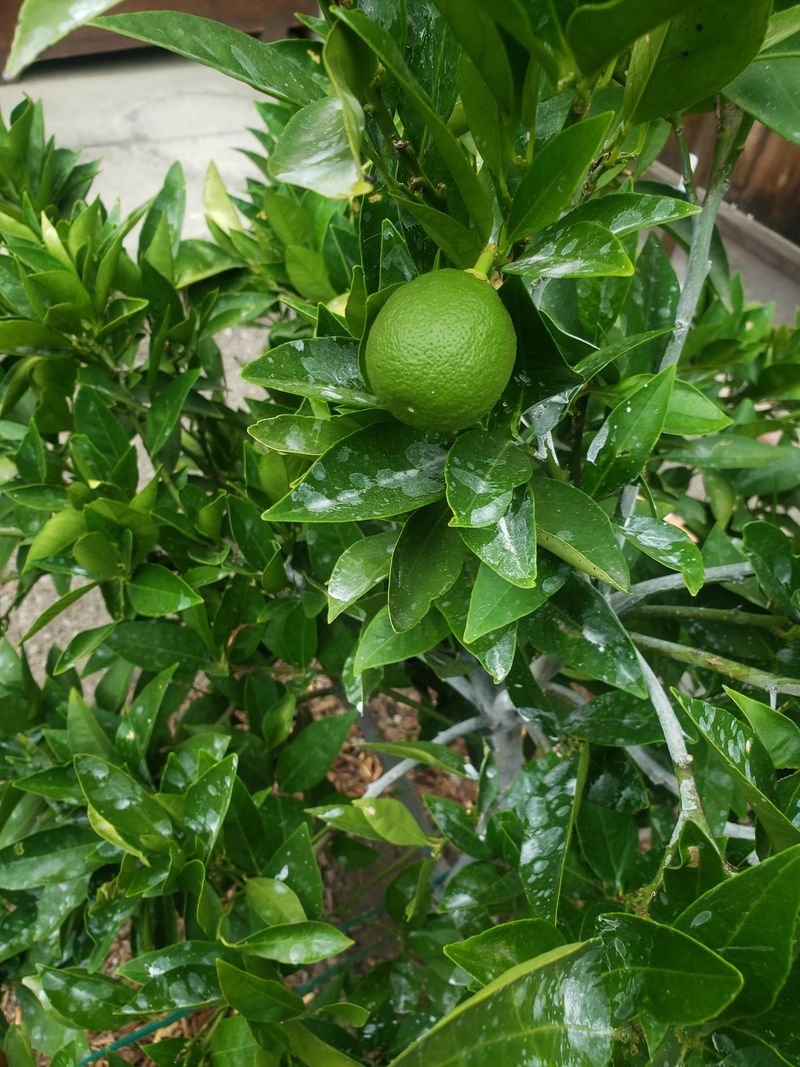
Green new leaves on a tree that was pale and yellow a few weeks ago are genuinely exciting to see. That fresh color is the clearest signal that your treatment is taking hold at the root level.
Existing yellow leaves rarely turn back to full green once chlorosis sets in. Don’t expect the old foliage to recover completely.
Focus your attention on what the tree is producing now, because new growth tells you what’s actually happening inside the tree at this moment.
Recovery takes time. Depending on the severity of the deficiency and how quickly your soil responded to treatment, visible improvement in new growth can take four to eight weeks.
Patience is part of the process.
Keep a simple log of what you applied and when. Note the dates you see new growth emerging and what color it is.
That record helps you track whether the treatment is working or whether you need to adjust your approach.
If new growth is still coming in yellow after six to eight weeks, the soil pH may still be too high for nutrient absorption. Retest the soil and consider adding elemental sulfur to push the pH lower over time.
Consistent care matters more than any single application.