The Best Time To Water Citrus Trees In Arizona During Summer Heat
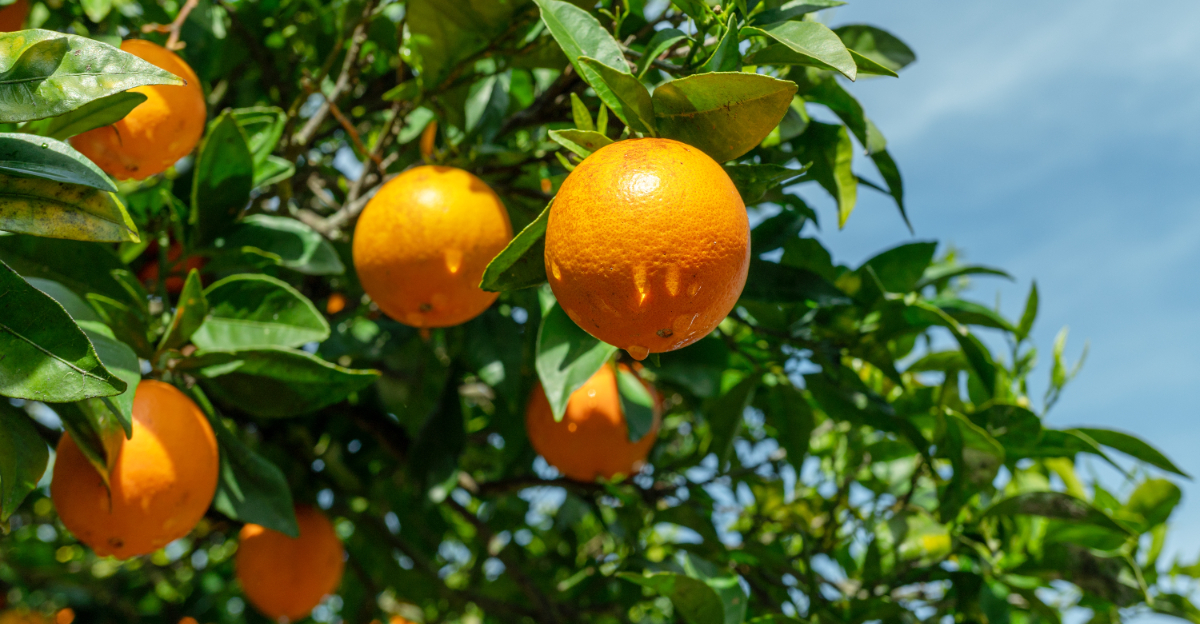
Few things are more frustrating than watching a citrus tree struggle when you feel like you are doing everything right. The tree gets watered, the fruit is developing, and everything seems fine until summer settles in.
Then the leaves start looking different, the tree appears stressed, and you find yourself taking a closer look every time you walk past it.
Hot weather has a way of making even healthy trees look less predictable. A routine that worked perfectly a few months ago may not have the same results once temperatures start climbing.
Small details suddenly matter more than they did before, especially when a tree is working hard to handle the hottest part of the year.
Many citrus owners in Arizona focus on how often they water. The timing of that watering can be just as important, and it may have a bigger impact on tree health than people expect.
1. Water Citrus Trees Early In The Morning
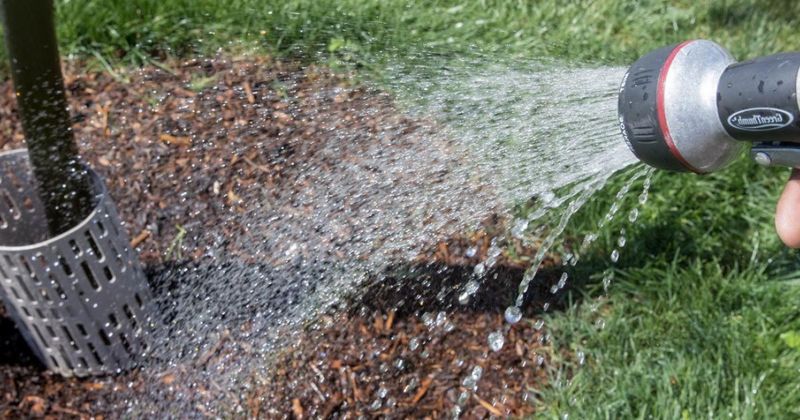
Early morning watering is one of the best habits you can build for citrus in hot desert climates. Before the sun climbs high, soil temperatures are still manageable and water can soak in without immediately evaporating.
Watering between 5 a.m. and 8 a.m. gives moisture time to reach the roots before midday heat kicks in. Afternoon watering is risky because so much water evaporates before it even penetrates the soil surface.
Wet foliage during peak heat can also cause leaf scorch on younger trees. Morning watering lets any splashed leaves dry quickly and naturally.
Drip irrigation set on a timer makes early morning watering easy and consistent. You do not have to wake up at dawn every day to get it right.
Consistency matters more than perfection. Citrus roots respond well to a predictable schedule, especially when summer temperatures stay relentlessly high week after week.
Skipping mornings and watering randomly throughout the day adds unnecessary stress to trees already working hard to survive the heat.
Stick to early mornings whenever possible and your trees will reward you with stronger growth and better fruit set come fall.
2. Deep Watering Encourages Stronger Root Growth
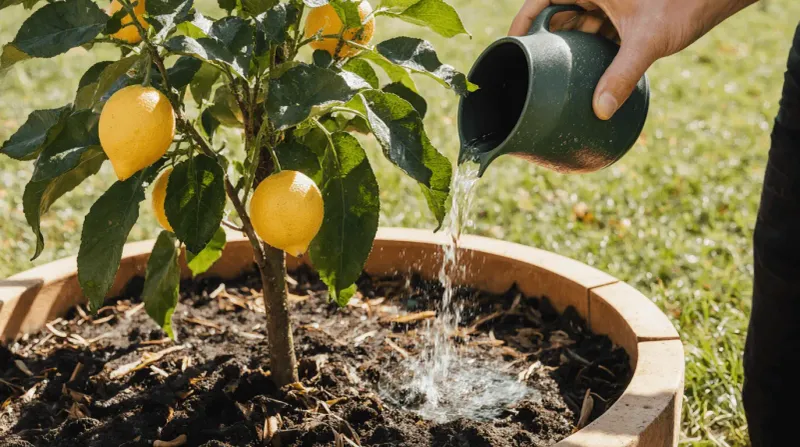
Shallow watering is a slow trap. Trees that only receive surface moisture grow roots that stay near the top of the soil, making them extremely vulnerable when summer heat peaks.
Deep watering pushes moisture down 18 to 24 inches, encouraging roots to follow. Deeper roots access cooler soil layers and are far more resistant to heat stress during Arizona summers.
Run your drip system long enough for water to penetrate fully.
A quick 10-minute cycle rarely gets moisture below the first few inches, which is not enough for a mature citrus tree.
Sandy desert soils drain fast, so longer, slower watering sessions work better than short bursts. Allow water to soak in gradually rather than flooding the surface and letting it run off.
Check your soil with a long screwdriver or moisture probe after watering. If it slides in easily past 18 inches, your watering duration is working well.
Adjust your run time based on soil type and tree size. Younger trees need less volume but still benefit from deep penetration.
Your Arizona Garden Changes Every Week. Your Plan Should Too.
Gardening in Arizona changes quickly throughout the season. Every Friday you’ll receive a simple weekly plan showing exactly what to plant, prune, fertilize, harvest, and protect so you never miss the right timing.
Older trees with large canopies need significantly more water to stay productive during the hottest months of the year.
3. Avoid Frequent Shallow Irrigation During Summer
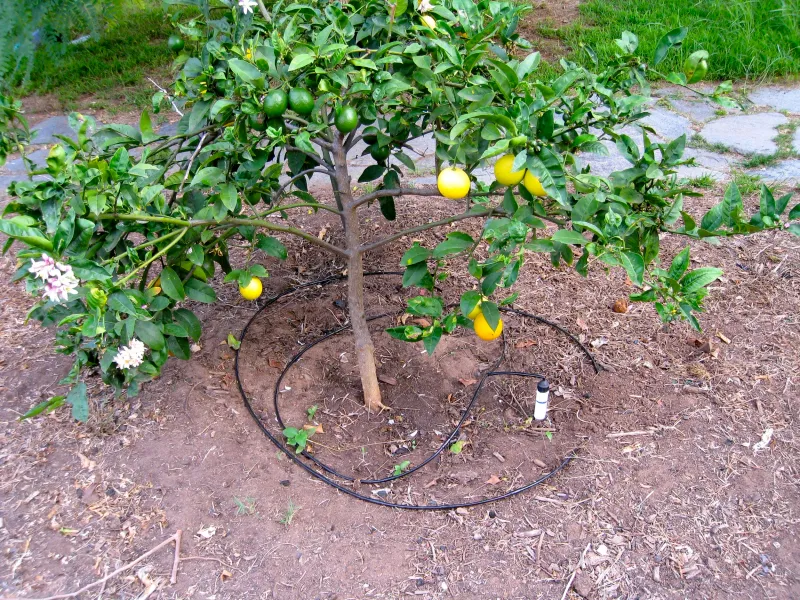
Frequent light watering feels responsible, but it actually trains roots to stay shallow. Shallow roots cannot support a citrus tree through weeks of triple-digit heat.
Watering a little every day keeps only the top layer of soil moist. That top layer heats up fast and dries out even faster, leaving roots in a constant cycle of stress.
Instead of daily light sessions, water deeply two or three times per week during peak summer months.
Give the soil a chance to partially dry between sessions so roots actively seek deeper moisture.
Overwatering is just as damaging as underwatering in desert climates. Constantly wet soil can lead to root rot, which weakens trees and reduces fruit production significantly.
Citrus trees are surprisingly tough when given the right conditions. They do not need babying with daily water.
They need smart, purposeful irrigation that mimics natural rain patterns as closely as possible.
Pay attention to how quickly your soil dries between sessions. If the top two inches dry out within 24 hours, you may need to add mulch or adjust emitter placement rather than simply increasing watering frequency.
Working smarter with your irrigation setup saves water and keeps trees far healthier long-term.
4. Check Soil Moisture Before Running Irrigation
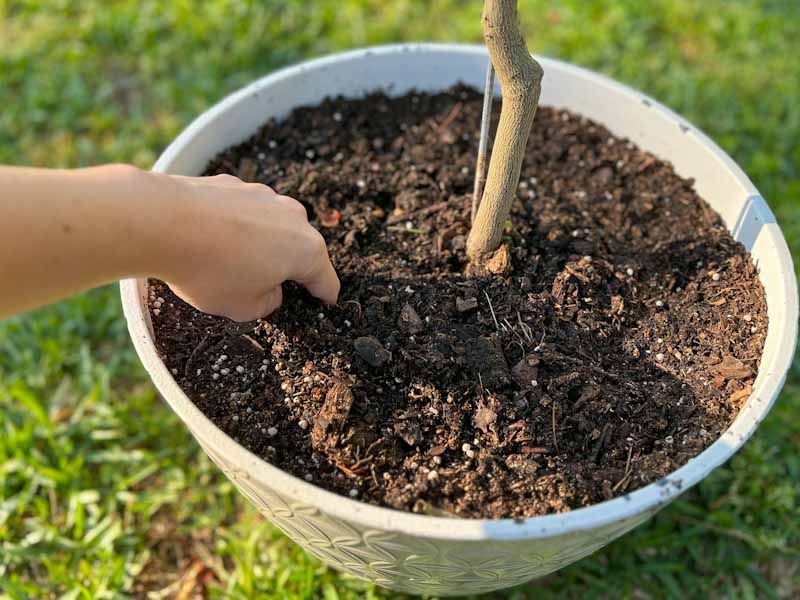
Running your irrigation on a fixed schedule without checking soil moisture first is a common mistake.
Soil conditions change week to week, and a schedule set in June may be completely wrong by August.
Push your finger two to three inches into the soil near the drip line of the tree. If it feels moist, hold off on watering.
If it feels dry and crumbly, it is time to irrigate.
A simple soil moisture meter costs very little and takes the guesswork out completely. Insert it near the root zone and let the reading guide your decision rather than a rigid calendar schedule.
After a monsoon rain, soil can stay saturated for a day or two. Watering right after a heavy storm adds unnecessary moisture and increases the risk of fungal problems at the root level.
Hot, dry winds common during Arizona summers can pull moisture from soil faster than usual. On windy days, check soil more frequently and be ready to water sooner than your regular schedule suggests.
Knowing what is actually happening underground gives you real control over your trees. Guessing leads to overwatering, underwatering, and a lot of frustration.
5. Expand The Watering Area As Trees Mature
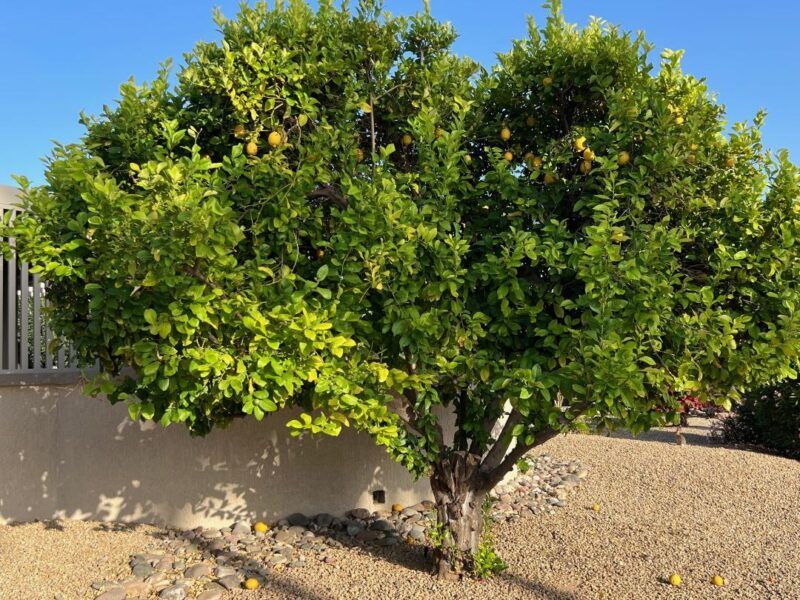
Young citrus trees and mature ones have very different watering needs. A tree that has been in the ground for five years has a root system that extends far beyond where you first placed your drip emitters.
Roots typically spread one and a half to two times the width of the canopy. Watering only near the trunk of a large tree means most of the active feeder roots never receive moisture.
Move emitters outward as the canopy grows. Place them near the drip line, which is the outer edge of the canopy where rain would naturally fall off the leaves.
Adding more emitters around the expanded root zone improves coverage and reduces competition between roots for available moisture.
Two or four emitters spread in a wide ring work much better than a cluster near the base.
Avoid placing emitters directly against the trunk. Keeping moisture away from the trunk base helps prevent bark issues and fungal problems that can weaken the tree over time.
Reassess your emitter layout at least once a year. Trees grow quickly in warm climates, and your irrigation setup from two years ago may no longer match the actual size of the root system.
6. Refresh Mulch To Slow Moisture Loss
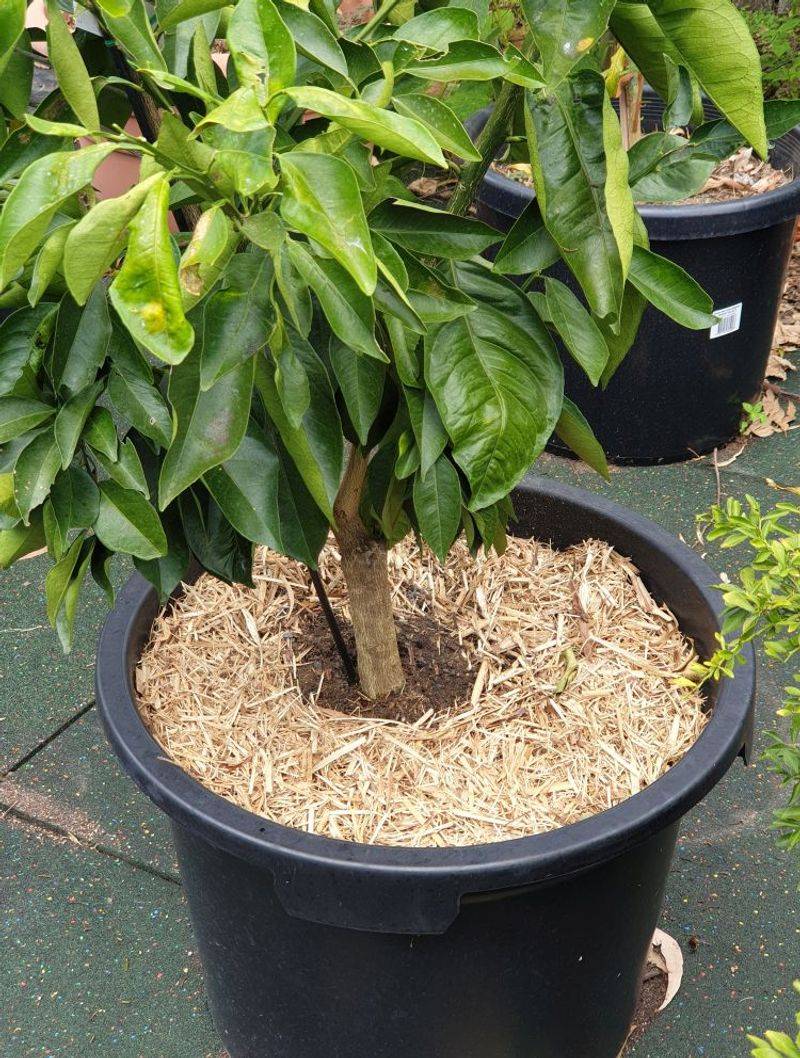
Bare soil under a citrus tree during summer is a problem waiting to happen. Without protection, the ground heats up rapidly and moisture evaporates long before roots can use it.
A fresh layer of wood chip mulch two to four inches deep can dramatically reduce soil moisture loss. Mulch keeps the soil cooler, slows evaporation, and moderates temperature swings between day and night.
Pull mulch back a few inches from the trunk. Piling it directly against the bark traps moisture and can create conditions where bark softens and becomes vulnerable to pests and rot.
Organic mulch breaks down over time and improves soil structure as it decomposes. Reapply fresh mulch every spring before summer heat arrives to keep the layer effective throughout the hottest months.
In areas with intense summer sun, mulched soil can stay noticeably cooler than exposed desert soil.
That temperature difference matters a lot for root health when air temperatures climb well above 100 degrees.
Straw, shredded bark, and wood chips all work well for citrus. Avoid rock mulch directly under the canopy since it absorbs and radiates heat rather than reducing it.
7. Adjust Watering Schedules As Temperatures Rise
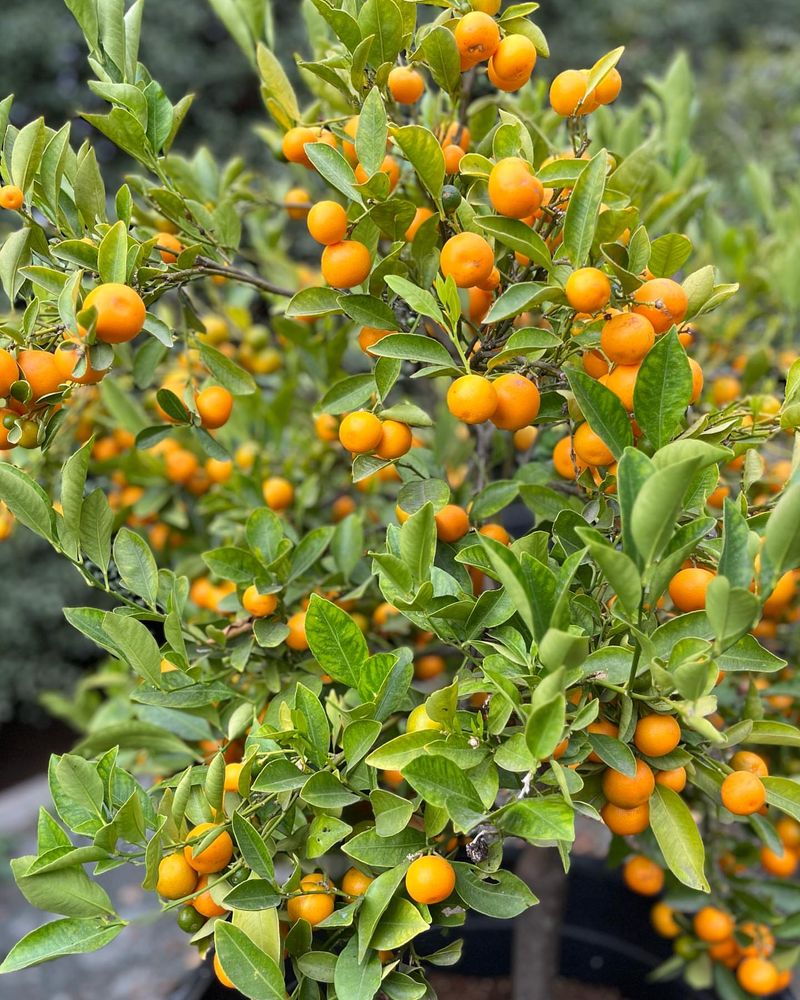
A watering schedule that worked perfectly in May will fall short by July. As temperatures climb, trees lose moisture through their leaves at a much faster rate and soil dries out more quickly between sessions.
Track local temperatures and adjust your irrigation run times accordingly. Adding an extra day of watering per week during peak heat weeks can prevent stress before visible symptoms appear on leaves or fruit.
Wilting leaves, curling leaf edges, and premature fruit drop are signs that trees are not getting enough water. Do not wait for these signals.
Proactive adjustments prevent problems rather than just responding to them.
Smart irrigation controllers with weather sensors can automatically increase run times during heat spikes. They are a worthwhile investment for anyone managing multiple trees or a large yard in hot desert regions.
Monsoon season, which typically arrives in mid-July in Arizona, can temporarily reduce your irrigation needs.
Natural rainfall during this period counts as real irrigation, so reduce your scheduled sessions when storms roll through consistently.
Watch your trees closely throughout the entire summer rather than setting a schedule and forgetting it. Growth patterns, leaf color, and soil behavior all give you real information.