This Tough Ground Cover Is Becoming A Popular Creeping Phlox Alternative In Michigan Gardens
Creeping phlox earned its popularity honestly, with that dense spring bloom that covers slopes and borders in solid color for several weeks every year.
What it does not offer is much beyond that single spring window, and it can struggle with the humidity and disease pressure that build through a Michigan summer. A tougher native ground cover has been steadily replacing it in gardens across the state.
This alternative delivers a comparable spring impact while staying genuinely attractive and functional through the entire growing season, rather than fading into the background once bloom time passes.
It handles Michigan conditions with more resilience and asks for considerably less maintenance once it gets established.
1. Wild Strawberry Is The Tough Ground Cover Gardeners Need
Not every ground cover earns its place in a Michigan yard, but Fragaria virginiana is one that genuinely does.
Known as wild strawberry, this native plant forms a dense, low-growing mat of bright green leaves that stays close to the ground and fills space naturally.
Its scientific name, Fragaria virginiana, puts it in the same family as the strawberries you grow for eating, and that connection shows in both its fruit and its toughness.
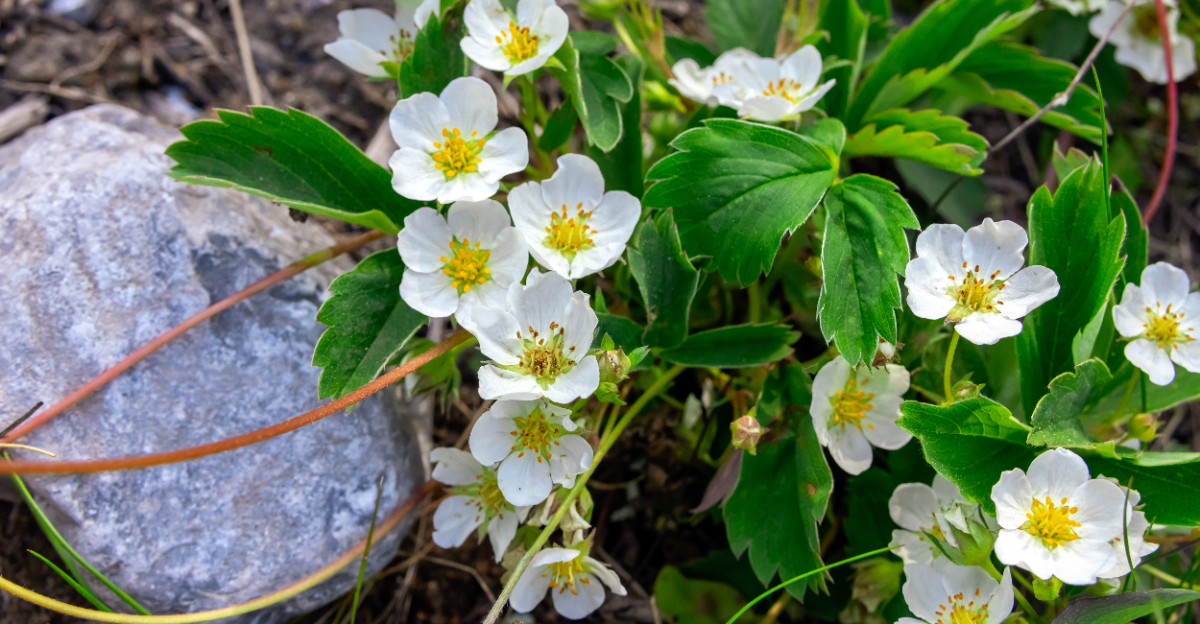
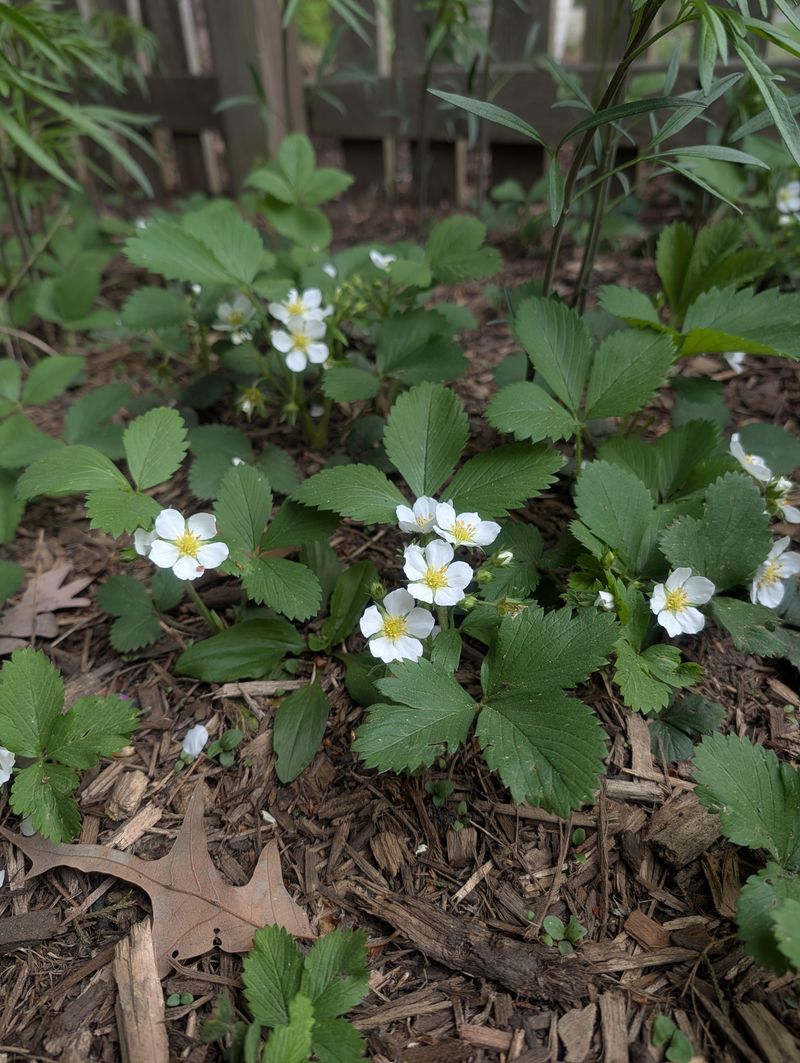
In spring, clusters of small white flowers appear above the foliage, giving the plant a clean, cheerful look that works well in naturalistic garden beds.
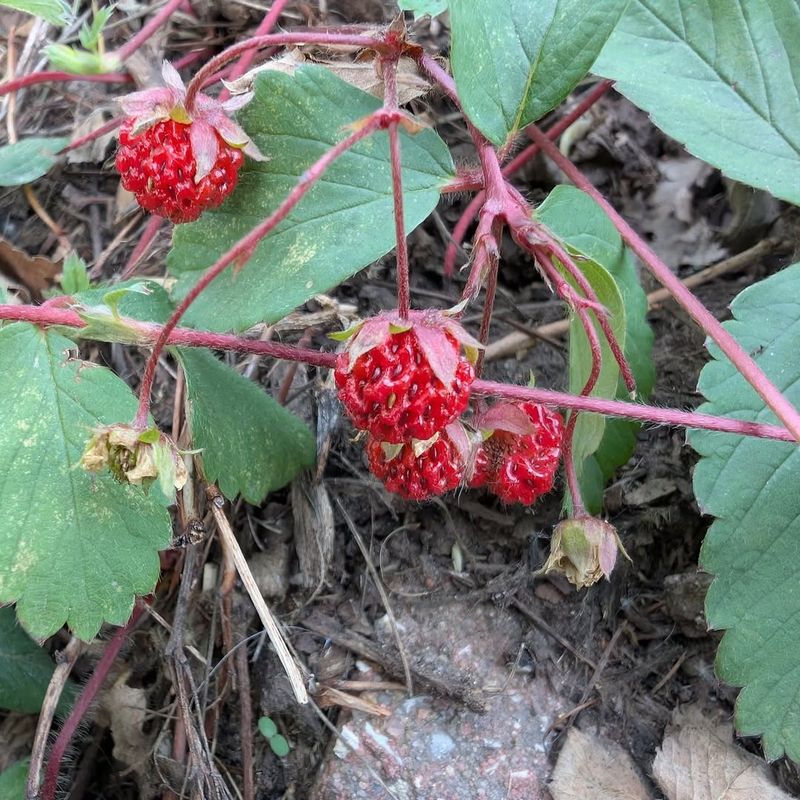
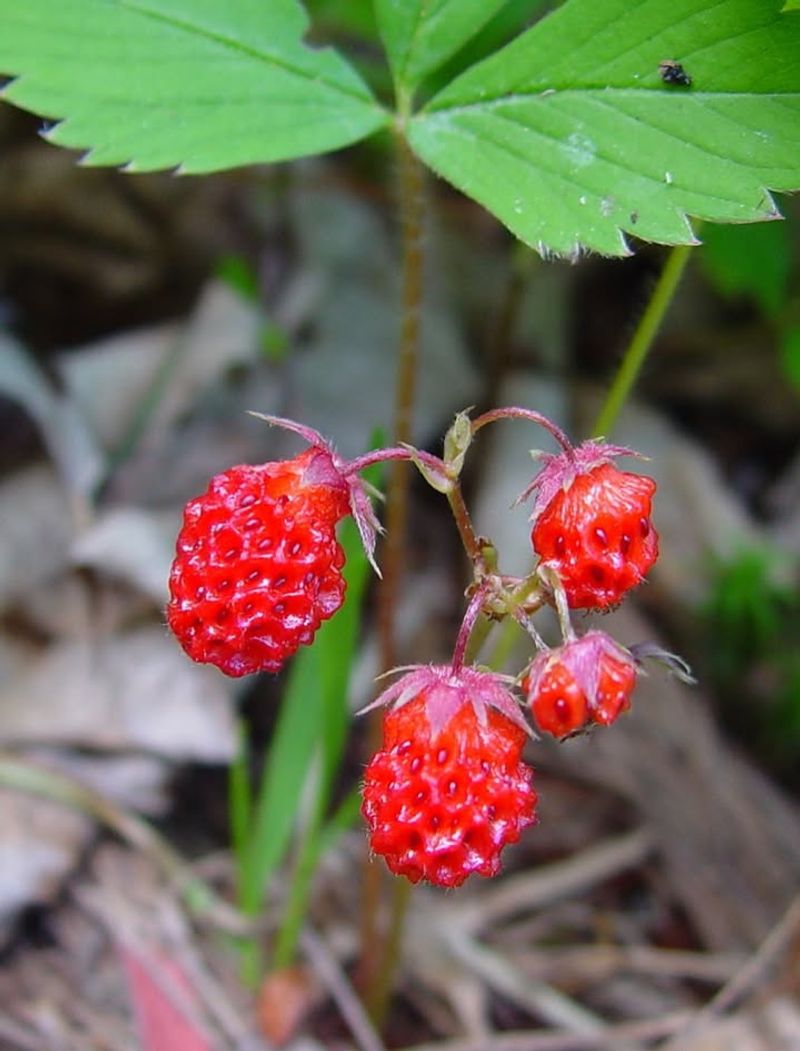
By early summer, tiny edible red berries follow, adding another layer of seasonal interest that most ornamental ground covers simply cannot match.
The berries are small but genuinely sweet, and local wildlife tends to appreciate them just as much as gardeners do.
What sets wild strawberry apart from many popular options is its ability to thrive in conditions that would challenge a less adaptable plant.
Michigan winters can be harsh, and summers can swing between wet and dry, yet wild strawberry handles these shifts with ease.
Gardeners looking for a ground cover that feels native, looks natural, and keeps working season after season will find that wild strawberry is a practical and rewarding choice worth planting.
2. It Spreads Naturally By Runners And Fills Open Space Over Time
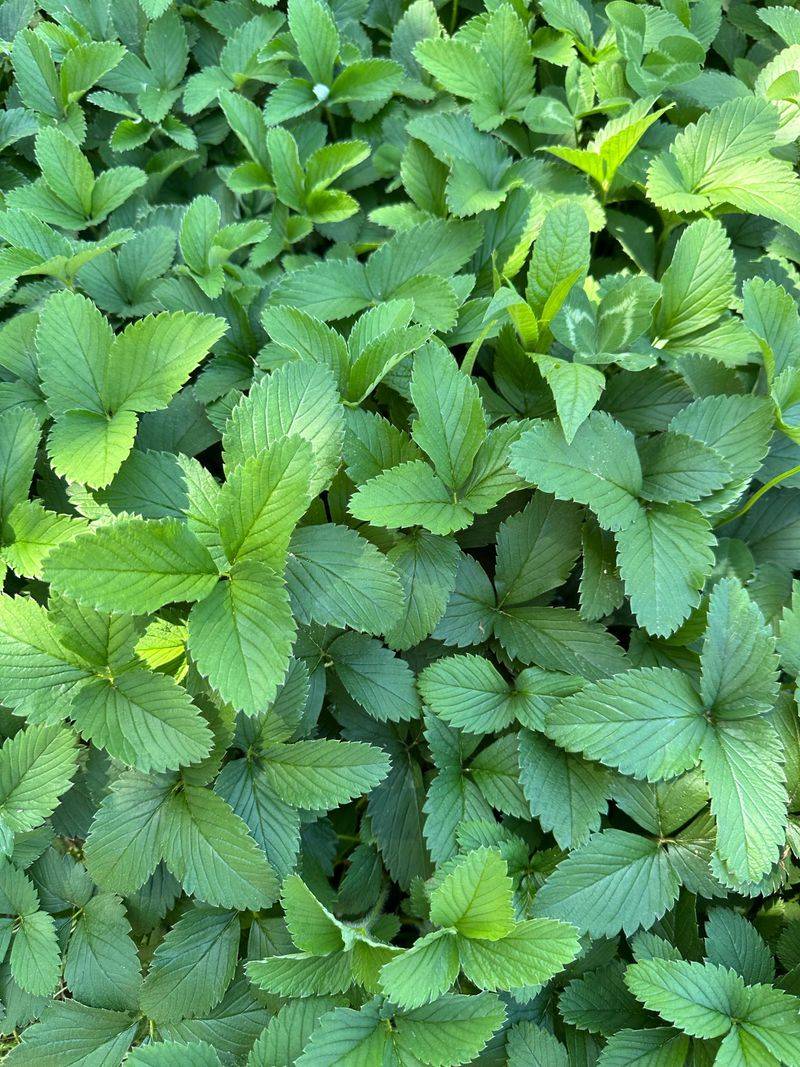
One of the most useful things about wild strawberry is how it handles open ground. Rather than staying in a tight clump, it sends out long horizontal stems called runners that root wherever they touch soil.
Over a growing season or two, a single plant can cover a surprisingly wide area, which makes it genuinely helpful in spots where a gardener wants coverage without constant replanting.
For gardeners dealing with bare patches between perennials, sunny edges that need filling, or slopes that need something to hold the soil in place, this spreading habit is a real advantage.
It also spreads by seed, which means it can naturalize in an area and become more established over time without much help from you.
That kind of self-sufficiency is exactly what busy gardeners are looking for in a low-maintenance ground cover.
That said, the spreading nature of wild strawberry means it works best where you have given it room and thought about its boundaries.
Your Michigan Garden Changes Every Week. Your Plan Should Too.
Gardening in Michigan changes quickly throughout the season. Every Friday you’ll receive a simple weekly plan showing exactly what to plant, prune, fertilize, harvest, and protect so you never miss the right timing.
Near a tidy formal border or a small raised bed, it may need some guiding to stay where you want it.
Pulling runners that head in the wrong direction is easy work, and doing it once or twice a season keeps everything looking intentional.
Give it space, give it a direction, and wild strawberry will reward you with reliable, spreading coverage that fills your garden beautifully.
3. It Handles Sun And Partial Shade Better Than Many Ground Covers
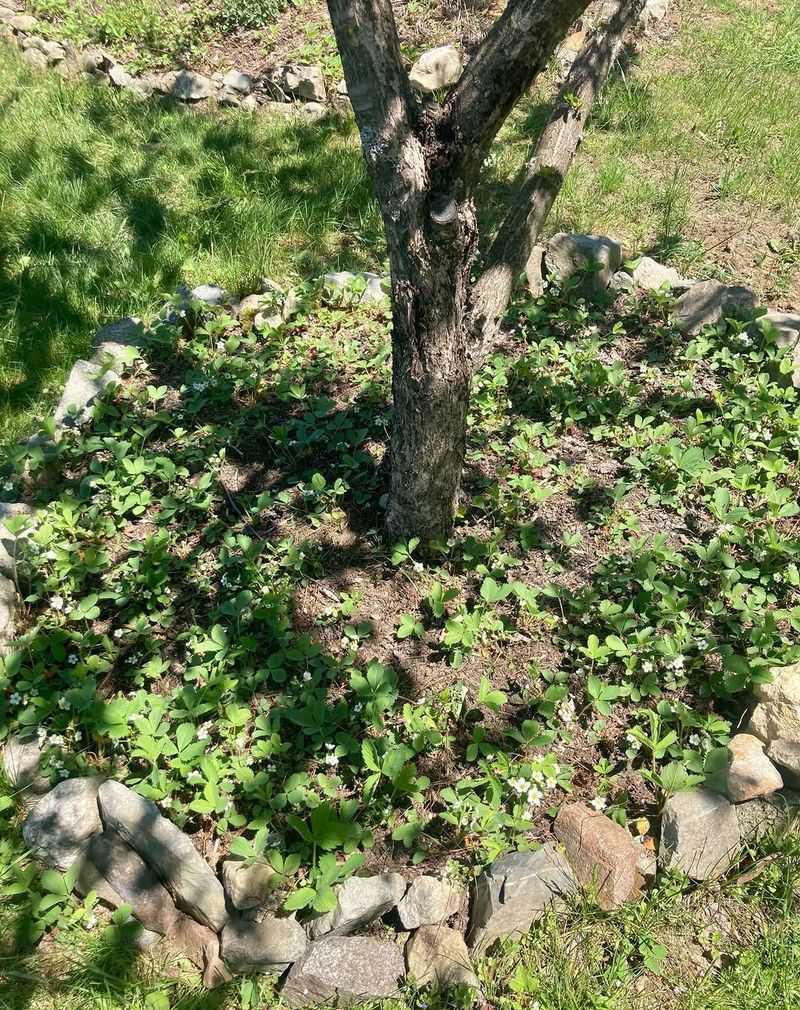
Flexibility is one of wild strawberry’s greatest strengths, and its ability to grow in different light conditions is a big part of why Michigan gardeners are paying attention.
Most ground covers have a strong preference for either full sun or shade, which limits where you can use them.
Wild strawberry, on the other hand, grows happily in full sun, partial sun, and even partial shade, giving you more options when you are planning a bed.
Creeping phlox, while beautiful in full sun, can struggle in shadier spots and may not give you the same dense carpet effect under trees or along north-facing edges.
Wild strawberry steps in comfortably in those in-between areas where the light shifts through the day or changes with the seasons.
It may grow a little more loosely in shade, but it still covers ground effectively and keeps its attractive leaf texture. Think about all the tricky spots in a typical Michigan yard.
There are areas under a large tree where nothing seems to settle in, or along a fence where morning sun gives way to afternoon shadow. Wild strawberry can work in those spaces without a lot of fuss.
Gardeners who have struggled to find a ground cover that transitions smoothly from sunny to shady areas often find that wild strawberry bridges that gap better than almost anything else they have tried.
4. It Works In A Wide Variety Of Soil Conditions
Ask any experienced gardener what makes a ground cover truly useful, and soil adaptability will come up quickly.
Some plants demand perfectly amended beds with rich organic matter, consistent moisture, and careful pH management. Wild strawberry is refreshingly different.
Michigan State University notes that it grows well across a variety of soils and light conditions, and it is commonly found in dry sunny places, woods, clearings, roadsides, and open fields throughout the region.
That range of natural habitats tells you a lot about how tough this plant really is. A plant that can establish itself along a roadside or in a dry woodland clearing is not going to be fussy about your garden bed.
Whether your soil leans sandy, loamy, or a little on the clay side, wild strawberry has a solid chance of settling in and spreading without needing a lot of soil prep or amendments.
For gardeners who deal with compacted suburban soil, sandy lakeside lots, or partly shaded woodland edges, this adaptability is genuinely valuable. You do not need to build a perfect growing environment before planting.
A reasonable amount of preparation, some decent drainage, and a little patience are usually enough to get wild strawberry established and moving.
Compared to more demanding ornamental ground covers that require specific conditions to perform well, wild strawberry is a much more forgiving and practical option for a wider range of Michigan garden settings.
5. It Gives More Than Just A Spring Flower Show
Spring-blooming ground covers often have one big moment and then fade into the background for the rest of the season.
Creeping phlox is stunning in April and May, but once the blooms fade, it becomes mostly a flat green mat with little else to offer.
Wild strawberry plays a longer game, and that extended seasonal interest is one of the reasons it is gaining fans among Michigan gardeners.
The show starts in spring with clusters of small white flowers that sit cheerfully above the foliage.
Those blooms are followed in June by tiny edible red strawberries that are genuinely flavorful, far more so than their size suggests.
After the berries, the plant continues to provide leafy green coverage through the entire growing season, keeping the bed looking full and finished even when other plants are between bloom cycles.
There is also something appealing about the natural, relaxed look wild strawberry brings to a garden.
It does not have the showy, almost artificial carpet effect of creeping phlox in peak bloom, but it offers a softer, more lived-in aesthetic that fits beautifully with native plantings and naturalistic garden styles.
For gardeners who want a ground cover that stays interesting from May through September rather than peaking once and disappearing, wild strawberry delivers a kind of quiet, ongoing beauty that rewards attention across the whole growing season.
6. It Helps Beneficial Insects And Pollinators Thrive
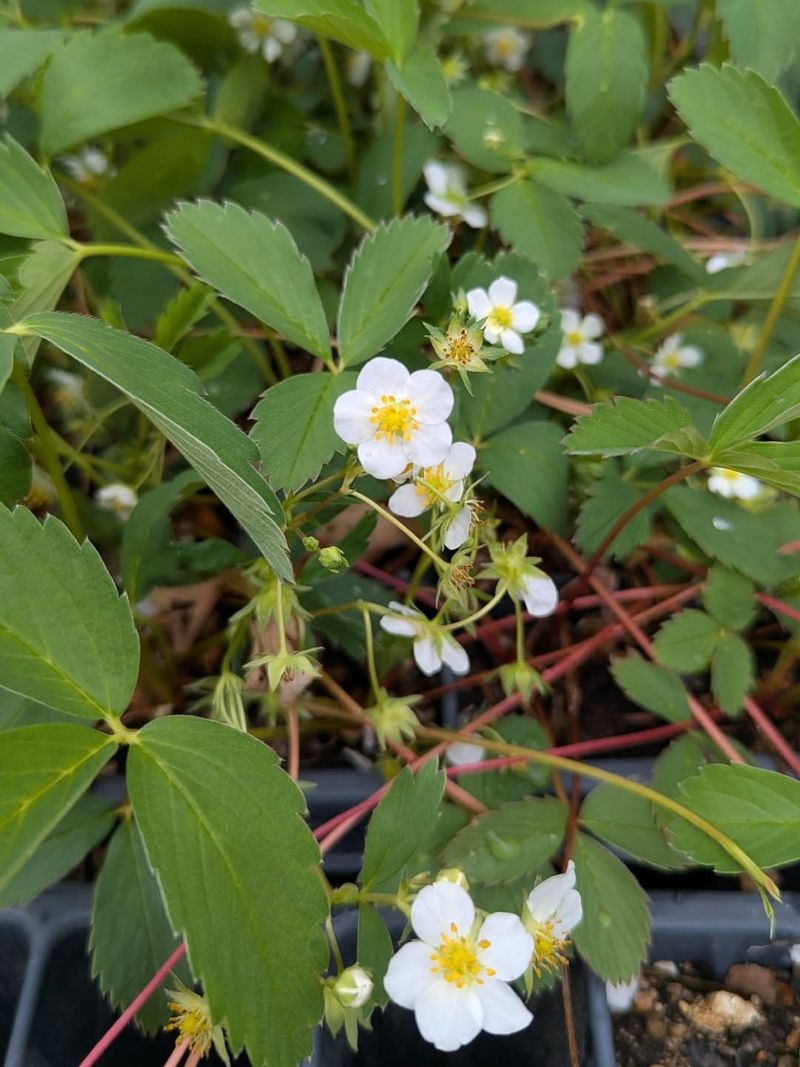
Beyond its visual appeal, wild strawberry quietly does some important ecological work in a garden.
Michigan State University lists Fragaria virginiana as a plant that attracts pollinators and natural enemies, including small native bees and beneficial insects that help keep garden pest populations in check.
That is a meaningful bonus for any ground cover to bring to the table. Small native bees, in particular, are drawn to the open, accessible shape of wild strawberry flowers.
Unlike some ornamental blooms that are too complex for smaller insects to navigate, the simple white flowers of wild strawberry are easy to access and provide pollen and nectar efficiently.
This makes the plant a genuinely supportive addition to a garden that is trying to attract and sustain pollinator populations throughout the spring season.
Gardeners who are working toward a more ecologically active yard will find that adding wild strawberry to the mix creates a small but meaningful boost for the local insect community.
A ground cover that covers bare soil, looks attractive, produces edible fruit, and supports pollinators all at once is a rare combination. Most ornamental mats do one or two of those things.
Wild strawberry does all of them, making it one of the more ecologically generous native plants you can work into a garden bed without adding complexity to your overall planting plan.
7. Wild Strawberry Is An Alternative, Not A Look-Alike Replacement
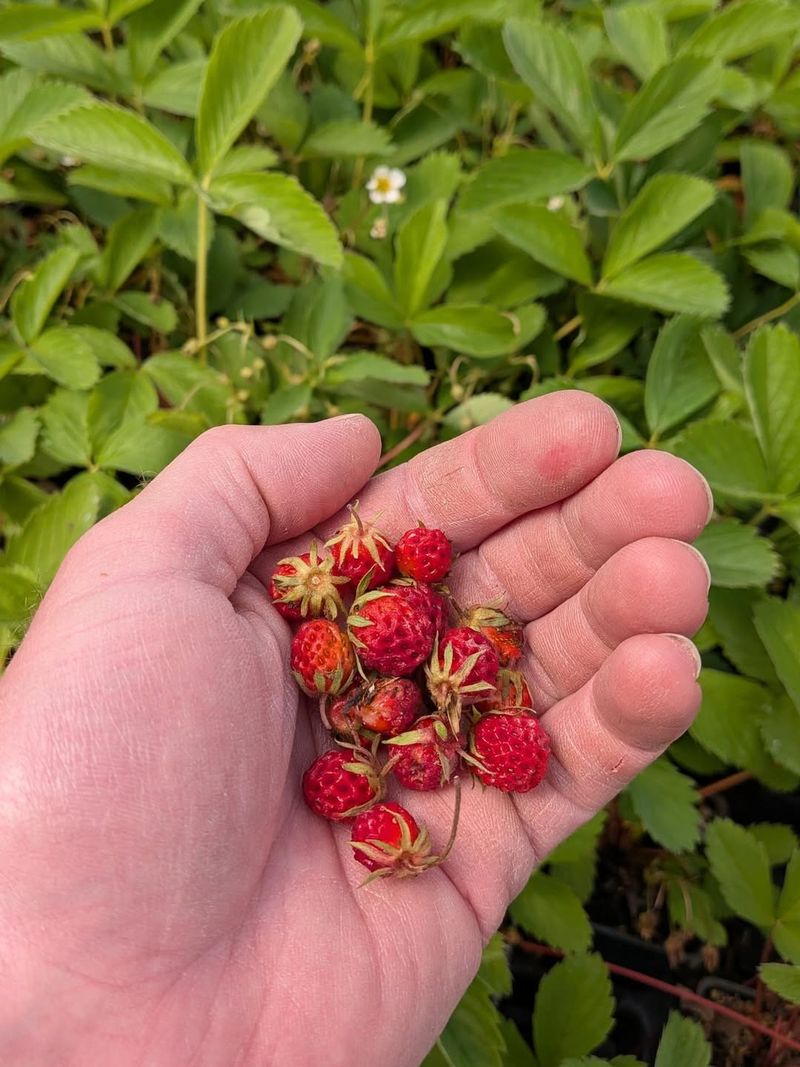
Calling wild strawberry a creeping phlox alternative is accurate, but it is worth being clear about what that actually means.
These two plants do not look the same, and they do not create the same effect in a garden bed.
Creeping phlox is famous for producing a vivid, almost overwhelming carpet of pink, purple, or white blooms in spring that stops people in their tracks.
It is a showstopper in the traditional ornamental sense, and gardeners who want that bold color display should know that wild strawberry will not replicate it. What wild strawberry offers is a different kind of ground cover experience.
Its white spring flowers are modest and charming rather than showy, its berries add a functional summer element, and its overall look is softer and more naturalistic.
For gardens that lean toward a native plant aesthetic or a relaxed cottage style, that difference is actually a feature rather than a limitation.
Choosing wild strawberry over creeping phlox is really a question of what you want your garden to do. If the goal is maximum spring color impact, creeping phlox wins that comparison easily.
But if you want a ground cover that supports pollinators, produces edible fruit, spreads across a wider range of conditions, and fits into a natural Michigan landscape, wild strawberry becomes the more practical and purposeful choice.
It is not a replacement. It is a genuinely different option with its own strengths.
8. It Fits Naturally Into Michigan Native Garden Borders
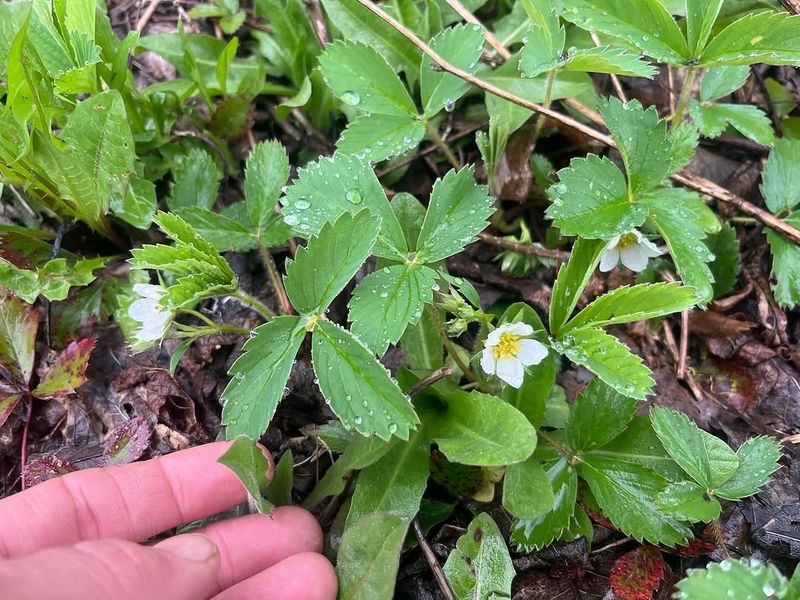
Placement matters a lot when you are choosing a spreading ground cover, and wild strawberry has a natural fit in several common Michigan garden situations.
Native plant borders are one of the best spots for it, where its spreading habit complements other native perennials and its ecological value adds to the overall function of the planting.
Sunny edges along paths or driveways are another great location, especially where you want something low-growing that will not block sightlines or crowd taller plants.
Part-shade beds under open tree canopies also work well, particularly in areas where dense shade ground covers like pachysandra feel too formal or where you want something that ties into the broader native plant community of the region.
Open spaces between clumping perennials are another natural home for wild strawberry, where it can fill the gaps and reduce bare soil without competing aggressively with its neighbors.
One important thing to keep in mind is that wild strawberry is not the right fit for every spot.
If you need a ground cover that stays in a precise, tight clump and never wanders, this is not your plant.
It is happiest where it has room to roam a little and where the spreading habit is an asset rather than a problem.
Plan for that movement, give it the right location, and wild strawberry will settle into your garden borders in a way that looks completely natural and intentional.
9. It Needs A Little Care During Its First Growing Season
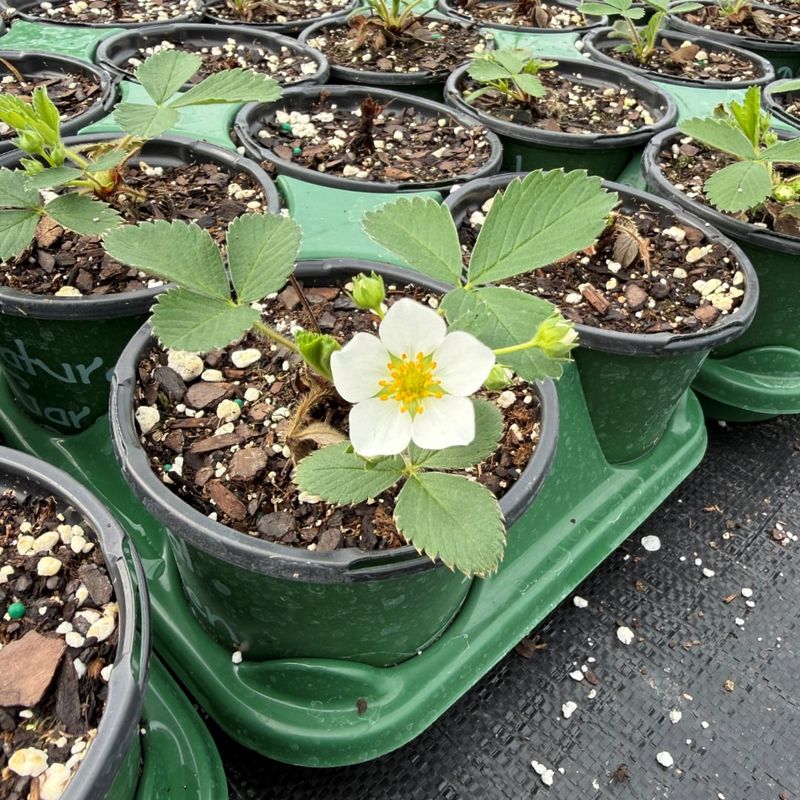
Tough plants still need a fair start, and wild strawberry is no exception.
During its first season in the ground, it is working hard to establish a root system that can eventually handle drought, temperature swings, and competition from nearby plants.
That establishment period is when your attention matters most, and giving it consistent watering during dry stretches in Michigan’s summer can make the difference between a plant that thrives and one that struggles to get going.
Young plants that dry out too quickly before their roots have spread may fail to send out runners or produce berries in that first year.
Watering deeply a couple of times a week during dry spells, rather than lightly every day, encourages roots to grow deeper into the soil where moisture is more reliable.
A thin layer of mulch around new plants can also help retain moisture and keep soil temperatures more consistent through the season.
Once wild strawberry is well established, usually by the second growing season, its maintenance needs drop considerably.
It becomes much more self-sufficient, handles dry periods with more resilience, and starts spreading on its own without needing much input from you.
The first season is really the investment period, and the effort you put in during those early months pays off in a ground cover that becomes progressively easier to manage and more rewarding to watch grow year after year in your Michigan garden.
10. It Makes A Practical And Rewarding Native Ground Cover Choice
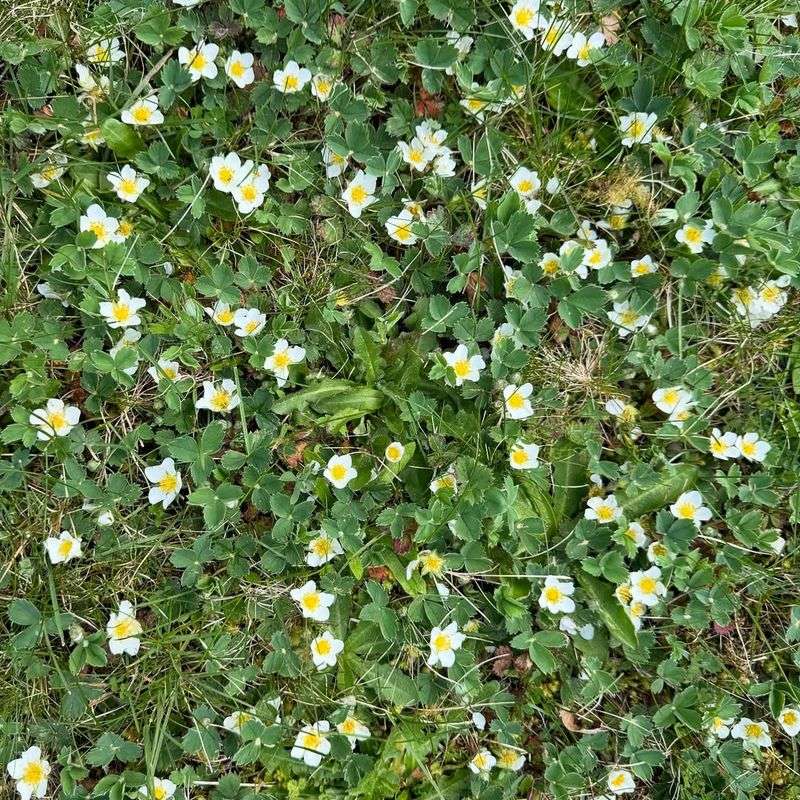
When you add up everything wild strawberry brings to a Michigan garden, the case for planting it becomes pretty compelling.
It is native to the region, which means it is already adapted to local weather, soil, and seasonal patterns.
It stays low to the ground, spreads steadily without becoming aggressive, produces edible fruit that both people and wildlife appreciate, and supports small native bees and beneficial insects during the growing season.
For gardeners who have been relying on standard ornamental mats that look tidy but do not offer much beyond appearance, wild strawberry feels like an upgrade.
It gives the bed a soft, finished look without requiring a perfectly manicured approach, and its naturalistic spread fits well with the growing interest in native and ecological gardening across Michigan.
The fact that it also produces actual food is a detail that makes it feel even more purposeful.
Gardeners at every experience level can find success with wild strawberry as long as they choose the right location and give it a good start in the first season.
It does not demand expert-level care or specialized soil, and once it settles in, it rewards you with season-long interest, ecological value, and a ground cover that genuinely earns its place in the garden.
If you are ready to move beyond purely decorative options and try something that works harder for your yard, wild strawberry is exactly the kind of native plant worth adding to your Michigan garden this season.