What To Do If A Cactus Wren Nests In Your Arizona Yard This Summer

Not every surprise in the backyard is a problem waiting to happen. Sometimes it is the start of a memorable summer story.
Spotting a cactus wren building a nest can stop you in your tracks, especially if it happens close to your patio, garden, or front door. Your first instinct might be to step in, move something, or help in some way.
In reality, the best response is often much less complicated.
Sharing your yard with nesting wildlife comes with a little responsibility, but it can also be a rare opportunity. Watching a cactus wren raise its young is something many people never experience.
If this familiar desert bird has chosen your Arizona yard, a little patience can go a long way while nature takes care of the rest.
1. Give The Nest Plenty Of Space Until The Young Birds Leave
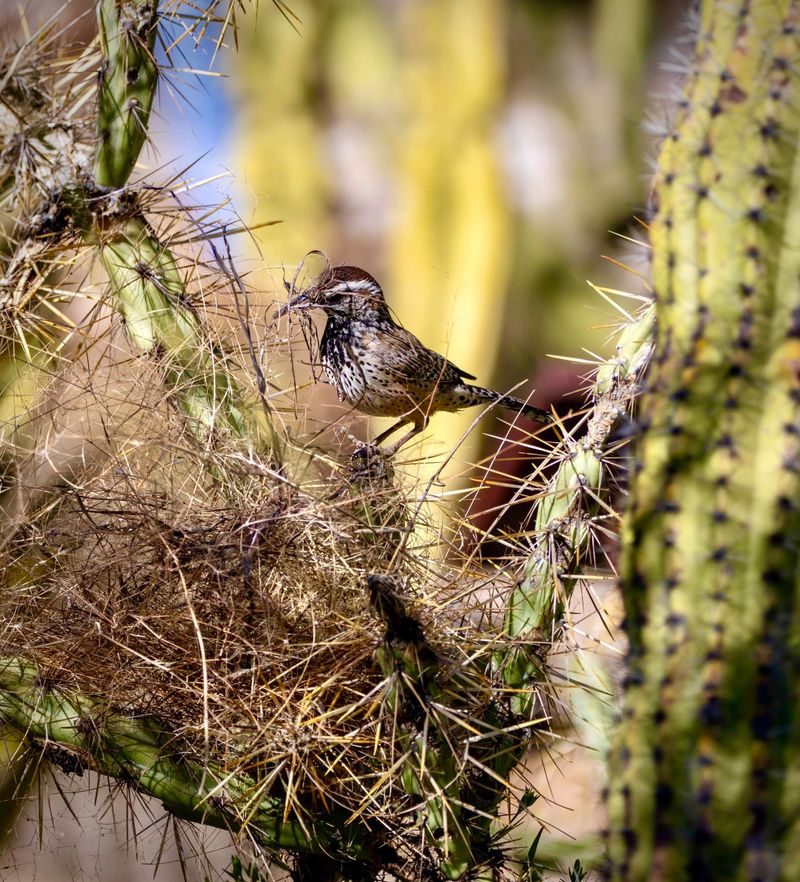
Cactus wrens are not shy, but that does not mean they want company near their nest. Getting too close can cause a parent bird to abandon the nest or spend so much time alarmed that the eggs or chicks do not get enough warmth and food.
A good rule of thumb is to stay at least ten feet away from the nest. If the bird freezes, puffs up, or makes sharp chattering sounds, you are already too close.
Back off slowly and calmly without making sudden movements.
Kids and curious adults naturally want a closer look. Redirect that energy toward watching from a window or from across the yard with binoculars.
You will actually see more bird behavior from a distance than you will up close.
Cactus wrens typically raise more than one brood per season in warm desert yards. Each nesting cycle can last around six to eight weeks from egg laying to fledging.
Patience pays off because once the young birds leave, the nest is yours to observe up close.
Giving the nest space is not just polite. It is genuinely the most effective thing you can do to help the birds succeed.
2. Keep Pets Away From The Nesting Area

Pets are one of the biggest threats to ground-level and low-lying nests in residential yards. Even a curious sniff from a dog or cat can send a parent wren into a panic and disrupt feeding and brooding schedules.
Cats are especially problematic. A cat does not need to reach the nest to cause damage.
Just lurking nearby puts the adult birds on high alert. Repeated stress can lead to nest failure even if the cat never actually touches the eggs or chicks.
Block off the nesting area using a simple garden fence or temporary wire barrier. Nothing fancy is needed.
A low barrier just signals to your pet that the zone is off limits, and it gives the wrens a visual buffer they seem to recognize over time.
Walk dogs on a leash when near the nesting cactus during the active nesting period. Retractable leashes give dogs more freedom to wander close, so stick with a standard leash and a firm recall command during these weeks.
Your Arizona Garden Changes Every Week. Your Plan Should Too.
Gardening in Arizona changes quickly throughout the season. Every Friday you’ll receive a simple weekly plan showing exactly what to plant, prune, fertilize, harvest, and protect so you never miss the right timing.
Indoor cats are the easiest solution.
If your cat roams the yard freely, consider keeping it inside during peak nesting activity in the early morning and late afternoon when the parent birds are most active.
3. Avoid Trimming Nearby Cacti Or Shrubs

Yard maintenance feels urgent in summer, but pulling out the pruning shears near an active nest is a bad idea. Trimming cacti or shrubs close to a nest removes cover, disturbs the birds, and can physically damage the nest structure.
Cactus wrens build their nests inside cholla, prickly pear, and sometimes saguaro for a reason. The spines provide natural protection.
Cutting back that plant changes the nest environment and can leave eggs or chicks exposed to direct sun and predators.
Mark the nesting plant clearly so no one in the household accidentally trims it. A small flag or piece of bright ribbon tied nearby works well as a reminder.
Make sure anyone who helps with yard work knows the area is off limits until nesting is complete.
Nearby shrubs matter too. Wrens use surrounding plants as perches, launch points, and escape routes.
Trimming plants within a few feet of the nest can disrupt these movement patterns and make the birds feel less secure in the area.
Most nesting cycles wrap up before fall yard cleanup season anyway. Waiting a few extra weeks costs very little.
Check the nest periodically from a distance to see when activity slows down.
4. Wait Until Nesting Season Ends Before Doing Yard Work
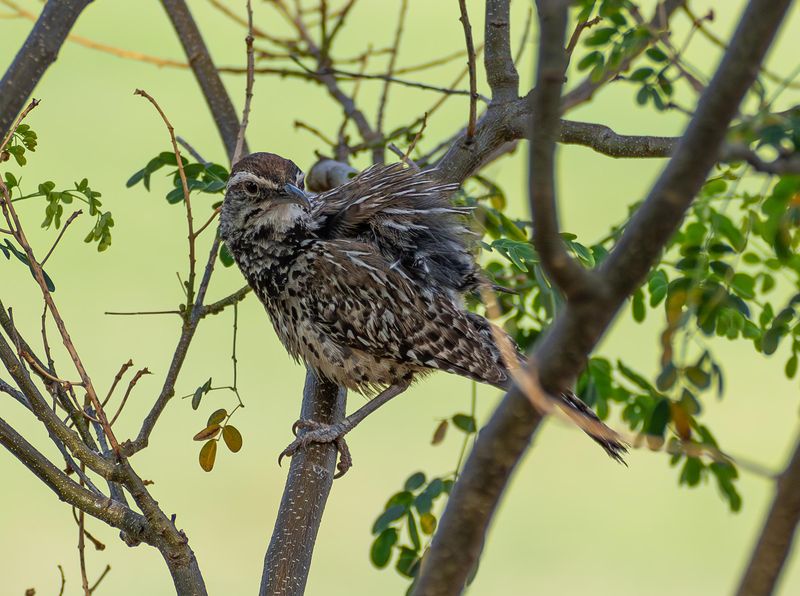
Summer yard work in the desert can wait. Cactus wrens in Arizona typically nest between March and August, with some pairs attempting late broods well into the warmer months.
Timing your yard projects around that window makes a real difference.
Heavy yard work creates noise, vibration, and human presence that stresses nesting birds. Running a leaf blower, hauling gravel, or even dragging garden hoses near the nest area can cause the adults to abandon their feeding duties temporarily.
Prioritize tasks in other parts of the yard during active nesting. Most desert yards have plenty of space to work around a single nesting zone.
Focus on areas at least twenty feet away from the nest and save work closer to it for later.
Power tools are especially disruptive. A weed trimmer or chainsaw near an active nest creates the kind of sustained noise and vibration that wrens find threatening.
If a big project cannot be delayed, try to complete it quickly and during midday when birds tend to be less active at the nest.
Keeping a simple log of when you first spotted the nest helps you estimate when the young birds might fledge. Most cactus wren clutches fledge within five to six weeks of hatching.
5. Leave A Reliable Water Source Nearby During Hot Weather
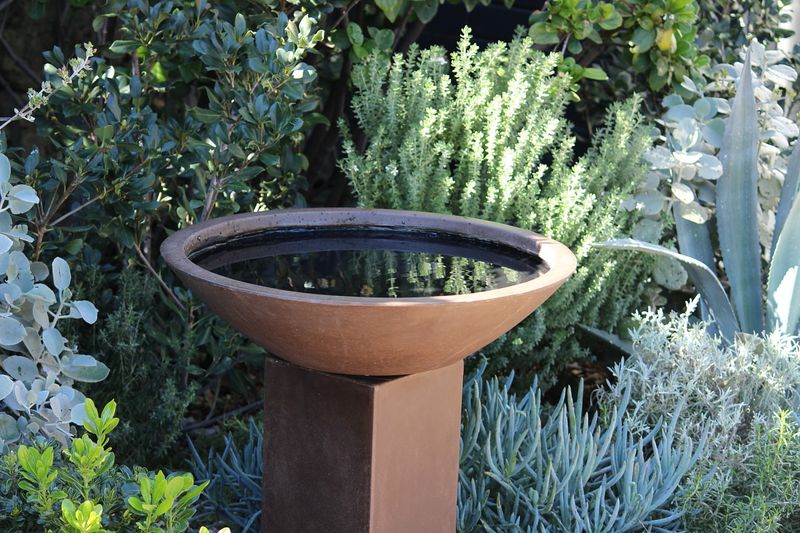
Summer heat in the desert is no joke. Temperatures regularly climb past 110 degrees Fahrenheit in many parts of the region, and nesting birds need water close by to stay healthy and keep chicks hydrated.
A shallow birdbath or a low dish with fresh water placed near the nesting area can be a genuine lifeline. Keep it within thirty feet of the nest but not directly underneath it.
Adult birds will use it between feeding trips without having to travel far.
Change the water every day without fail. Stagnant water in summer heat breeds bacteria and mosquitoes fast.
A quick rinse and refill each morning takes less than two minutes and keeps the water safe for the birds to drink and bathe in.
Placement matters. Put the water source in a spot where the birds have a clear view of their surroundings while drinking.
Wrens are prey animals too, and they feel safer drinking from open spots where they can spot threats quickly. Avoid placing it right next to dense shrubs where cats could hide.
Rocks or pebbles in the bottom of a shallow dish give birds better footing and help smaller birds avoid slipping.
6. Watch From A Distance Without Disturbing The Birds
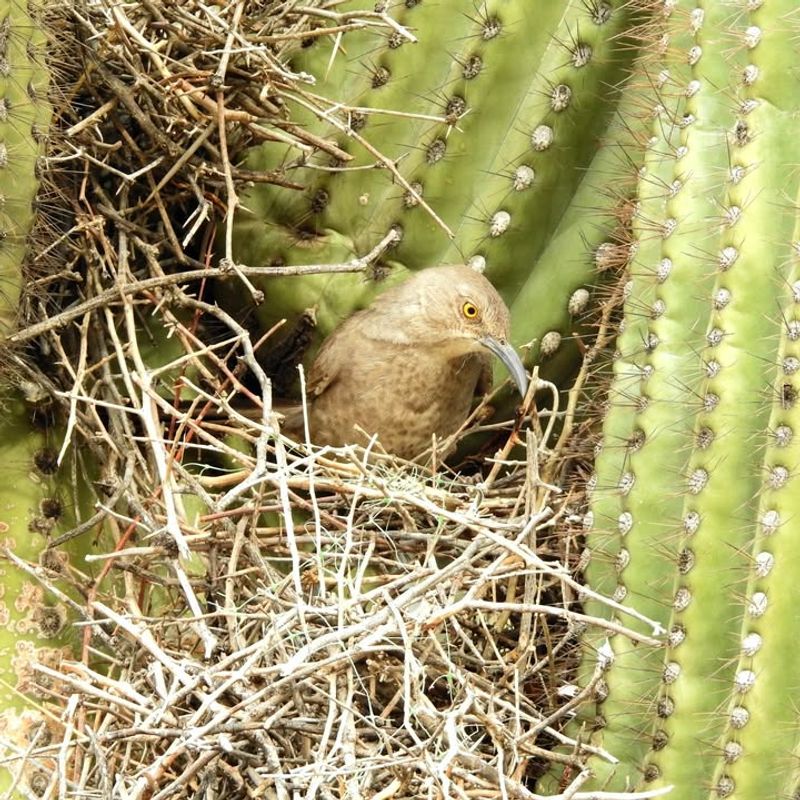
Watching a cactus wren raise its young is genuinely fascinating, and you do not need to get close to enjoy it. Binoculars from a porch or window give you a front-row seat without putting any pressure on the birds.
Cactus wrens are busy parents. They make dozens of food trips each day, chattering loudly and moving fast between plants.
Watching from a comfortable distance lets you observe all of that natural behavior without the birds altering what they do because of your presence.
Avoid pointing cameras or phones directly at the nest repeatedly. A single photo from a distance is fine.
But standing near the nest for extended photo sessions stresses the adults and interrupts normal feeding patterns in a way that adds up over time.
Early morning is the best time to watch. Wrens are most active in the cooler hours before midday.
Activity slows significantly during the hottest part of the afternoon. Set up a chair on your patio around sunrise and just observe quietly for twenty minutes.
Keeping a simple journal of what you notice adds a fun layer to the experience. Note how many times the adults return with food, what the chicks sound like as they grow, and when you first spot the young birds peering out of the nest opening.
7. Let The Wren Finish Nesting Before Removing An Old Nest

Old cactus wren nests look ragged and easy to remove, but timing matters a lot. What looks abandoned might still be in active use.
Wrens sometimes reuse nests or use old structures as roost shelters well after the main nesting season ends.
Cactus wrens actually build multiple nests in their territory throughout the year. Some of these extra nests serve as overnight shelters for the male bird.
Removing what you think is an unused nest could displace a bird that relies on it nightly.
Wait until late fall before removing any nest from your yard. By October or November in most desert areas, the main nesting season is clearly over and activity around old nests drops off sharply.
At that point, removal is safe and will not affect any active birds.
Check for activity before touching anything. Watch the nest location for a few days from a distance.
No bird visits over three to four consecutive days is a good sign the nest is no longer in use. Even then, handle old nests carefully because they sometimes harbor mites or other insects.
Wear gloves when removing an old nest.
Dispose of it in a yard waste bag rather than leaving it on the ground where pets might investigate.