Why Georgia Gardenias Yellow In July And The Fix That Actually Works
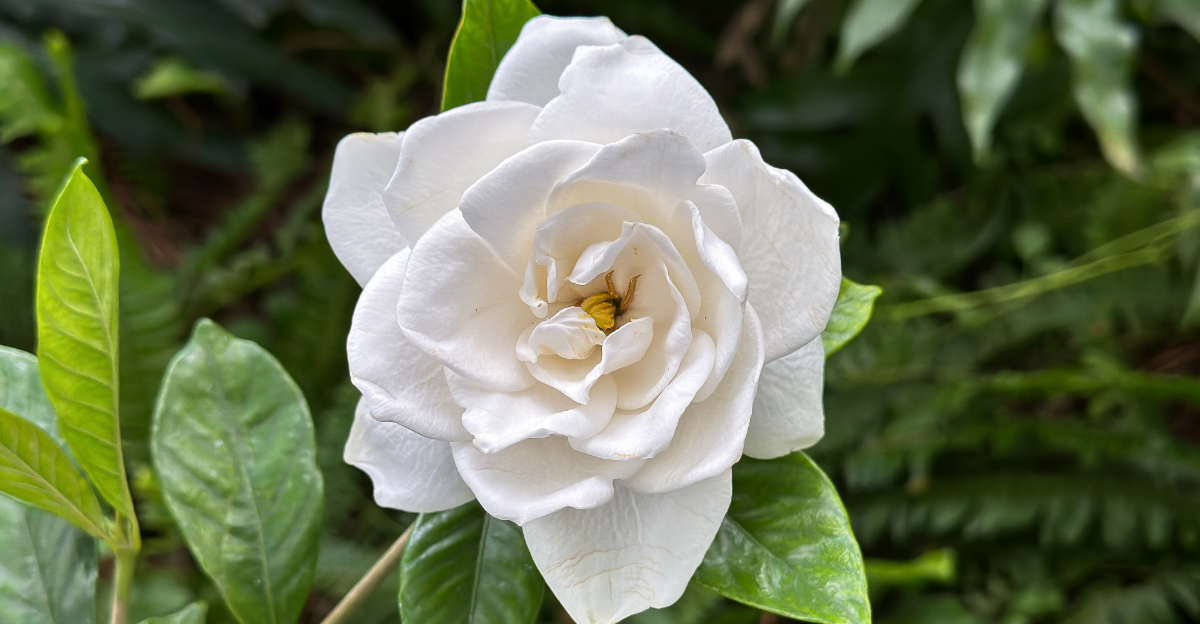
Nothing grabs your attention faster than a plant that suddenly stops looking like itself. One week the leaves are deep green, and the next they’re losing color for no obvious reason.
It’s frustrating because yellowing foliage can point to several different problems, and the wrong solution often wastes both time and effort.
Gardenias are especially quick to show when something isn’t quite right. A simple change in soil, watering, or growing conditions can affect their appearance long before the plant begins declining.
In Georgia, July brings heat, humidity, and fast-growing conditions that can make those changes much more noticeable.
Looking beyond the yellow leaves is often the key to finding the real cause and helping your gardenia recover.
1. Iron Chlorosis Is The Most Common Cause Of Yellow Leaves
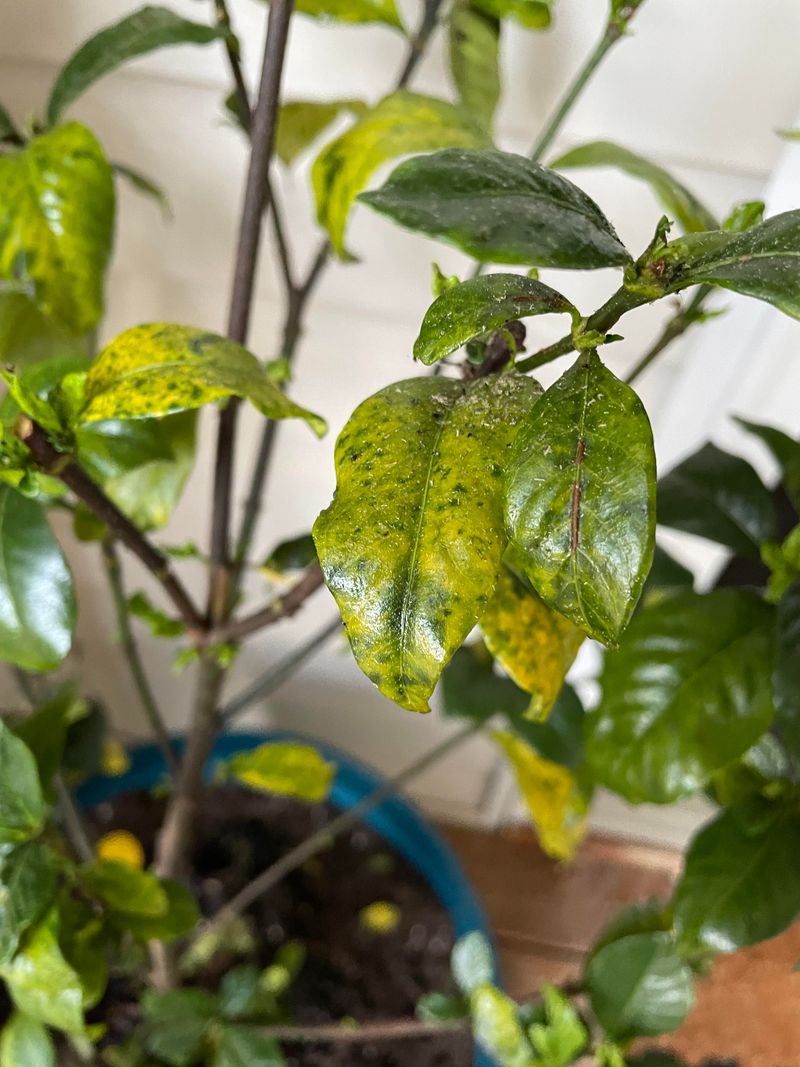
Yellow leaves with green veins are a clear sign. That specific pattern has a name: iron chlorosis.
It means your gardenia is not getting enough iron to produce chlorophyll, the pigment that keeps leaves green.
Iron chlorosis is a common cause of yellow leaves in gardenias during summer.
Across the Southeast, it shows up most aggressively in July when heat and soil conditions peak. Gardenias need iron to stay lush, and without it, leaves fade fast.
Chlorophyll production depends directly on available iron. When iron is missing, new leaves come in yellow instead of green.
Older leaves may stay greener longer, but young growth suffers first.
Spotting chlorosis early makes fixing it much easier. Once you recognize that vein pattern, you can act quickly with the right treatment.
Waiting too long allows more leaves to fade and weakens the plant overall.
Iron chlorosis is not a disease. Nothing is infecting your plant.
It is purely a nutrient availability problem, and that is actually good news because it responds well to targeted treatment.
The fix involves getting iron back into the plant in a form it can use. Simply adding iron to the soil is not always enough.
The iron has to be in a form gardenias can absorb, which is where chelated iron products become essential to the recovery process.
2. Alkaline Soil Keeps Gardenias From Taking Up Iron
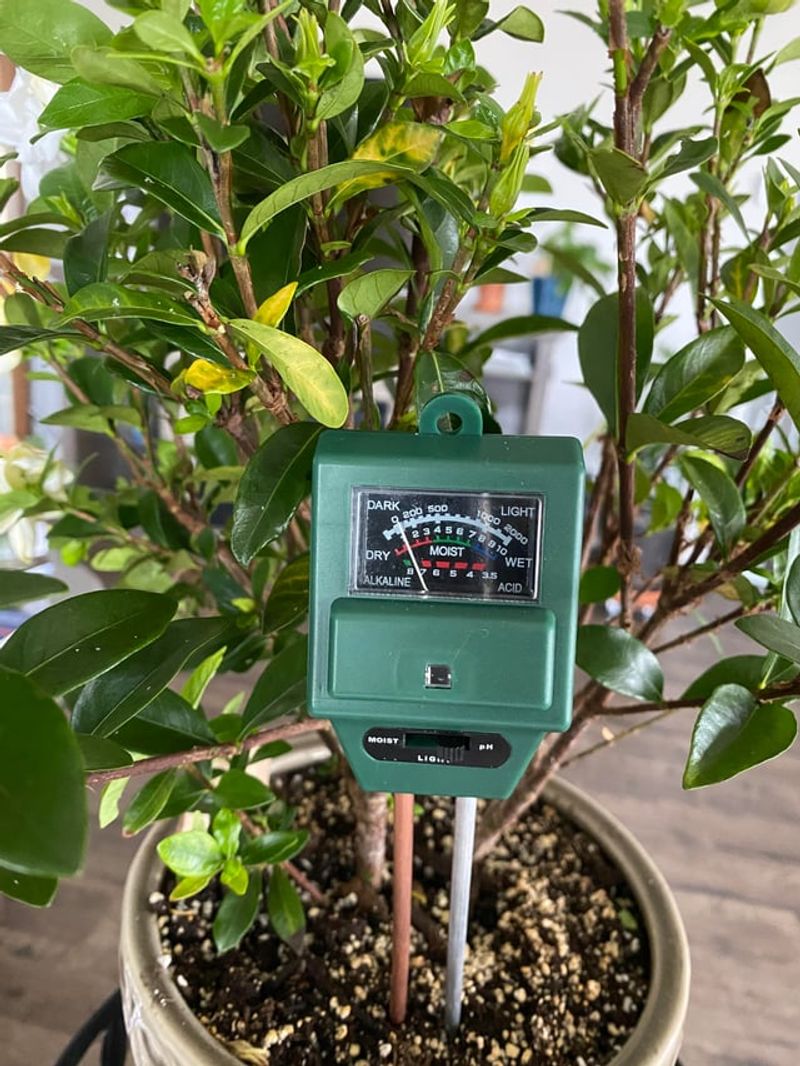
Soil pH might be the sneakiest problem in your garden. Even when iron is physically present in the soil, gardenias cannot absorb it if the pH is too high.
Alkaline soil locks iron into a form roots simply cannot access.
Gardenias need acidic soil to thrive. A pH between 5.0 and 6.0 is ideal.
Once pH climbs above 6.5, iron becomes chemically unavailable, and yellowing follows no matter how much fertilizer you apply.
Many yards across the Southeast have naturally alkaline soil or soil that has been pushed alkaline by years of lime application, concrete runoff, or heavy clay content. A simple soil test reveals exactly where your pH stands.
Testing soil is fast and inexpensive. Local extension offices often provide test kits, and garden centers carry reliable options.
Knowing your actual pH removes the guesswork entirely.
Fixing alkaline soil takes patience. Sulfur amendments lower pH over time, but results are not instant.
Your Georgia Garden Changes Every Week. Your Plan Should Too.
Gardening in Georgia changes quickly throughout the season. Every Friday you’ll receive a simple weekly plan showing exactly what to plant, prune, fertilize, harvest, and protect so you never miss the right timing.
Applying sulfur in late summer gives it time to work before the following growing season begins.
In raised beds, replacing alkaline soil with an acidic mix gives faster results. Container gardenias respond even quicker since you control the growing medium completely.
Matching the soil to what gardenias actually need solves the root cause rather than just treating symptoms repeatedly each summer.
3. Summer Heat Can Make Yellowing Worse
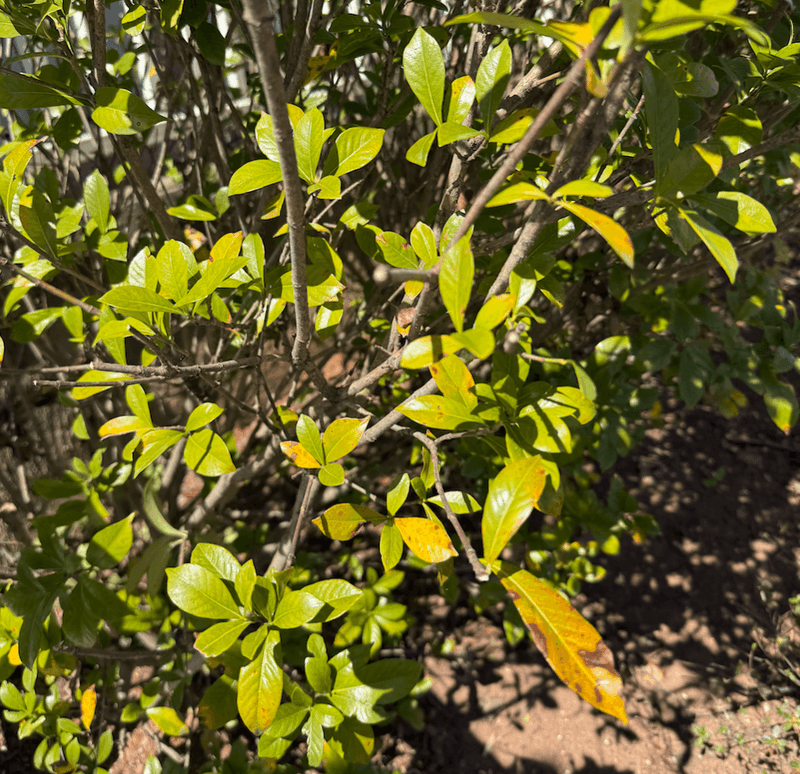
July heat in the South is brutal, and gardenias feel every degree of it. High temperatures push plants into stress mode, and stressed plants struggle to move nutrients efficiently from roots to leaves.
Heat does not directly cause iron chlorosis, but it absolutely makes it worse. When soil temperatures rise sharply, root activity slows.
Slower roots absorb less of everything, including the iron gardenias need to stay green.
Afternoon sun exposure amplifies the problem. Gardenias planted in full afternoon sun face more heat stress than those with some afternoon shade.
Shifting to a location with morning sun and afternoon shade can reduce stress significantly.
Mulching around the base of the plant helps regulate soil temperature. A two to three inch layer of pine straw or wood chips keeps roots cooler and retains moisture at the same time.
Both benefits directly support better nutrient uptake.
Watering during the coolest part of the day also matters. Early morning watering gives roots access to moisture before heat peaks.
Watering at midday leads to fast evaporation and less actual benefit to the plant.
Heat stress and nutrient deficiency often appear together in July. Treating only one without addressing the other leads to slow or incomplete recovery.
4. Too Much Water Can Lead To Yellowing Leaves
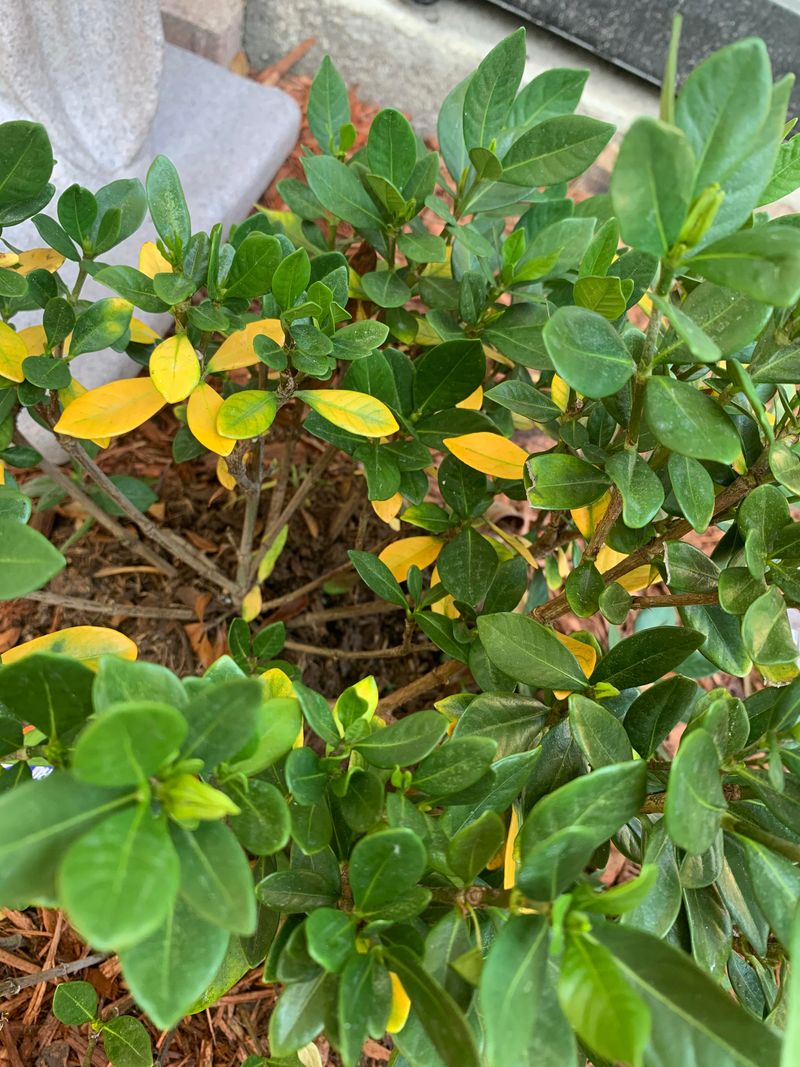
Overwatering is one of the most common gardening mistakes, and gardenias are not forgiving about it. Roots sitting in waterlogged soil cannot breathe, and oxygen-starved roots stop functioning properly within days.
When roots are struggling, the whole plant suffers. Nutrient uptake shuts down.
Leaves turn yellow, and the plant looks like it needs more water even though the real problem is too much of it already.
Checking soil moisture before watering is a simple habit that prevents a lot of damage. Push a finger about two inches into the soil near the base of the plant.
If it still feels damp, hold off on watering another day or two.
Drainage matters enormously. Gardenias planted in heavy clay soil or low spots where water collects are at high risk for root problems.
Raised planting beds or amended soil with added organic matter improves drainage noticeably.
Containers need drainage holes without exception. Water pooling at the bottom of a pot creates the same oxygen problem as waterlogged garden soil.
Empty saucers after watering to prevent roots from sitting in standing water.
Yellow leaves from overwatering often look similar to iron chlorosis at first glance. Checking the soil helps you tell the difference quickly.
5. Dry Soil Can Cause Leaves To Lose Their Healthy Color
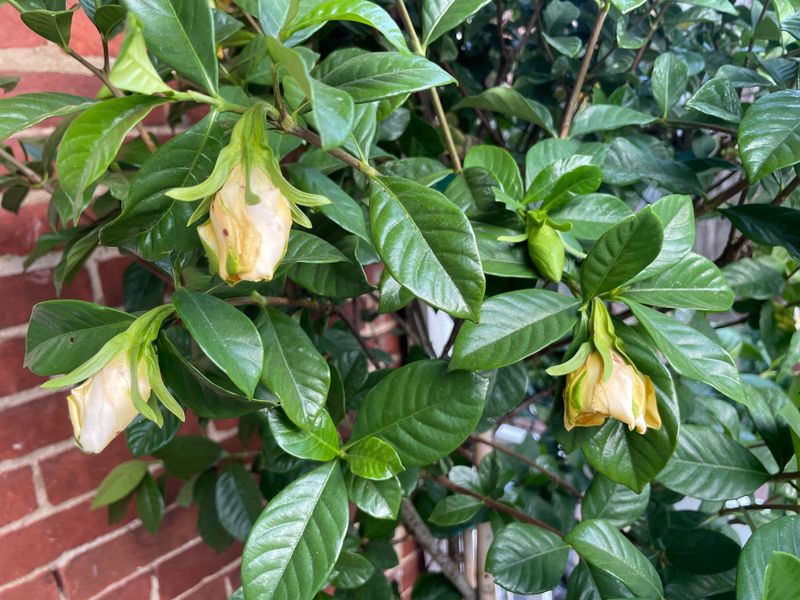
Drought stress hits gardenias hard in July. When soil dries out too much between waterings, plants cannot move nutrients or water efficiently through their stems and leaves.
Yellowing is one of the first visible signs.
Unlike overwatering, drought stress tends to affect older leaves first. Lower leaves yellow and drop while newer growth at the tips may look okay initially.
That pattern is a clue pointing toward moisture deficiency rather than a nutrient problem.
Sandy soils are especially problematic across parts of the Southeast. Water drains through them quickly, leaving roots dry within a day or two of watering.
Plants in sandy soil often need more frequent watering than gardeners expect.
Consistent soil moisture is the goal, not wet soil. Gardenias want evenly moist conditions, not cycles of soaking and drying out.
Irregular watering creates stress that compounds over weeks and makes recovery slower.
A thick layer of mulch around the plant base significantly reduces moisture loss. Pine straw works especially well for gardenias because it breaks down slowly and adds mild acidity to the soil over time.
Both benefits support healthier plants.
Watering deeply and less frequently encourages roots to grow downward where soil stays cooler and moister naturally.
6. Chelated Iron Helps Correct Iron Chlorosis
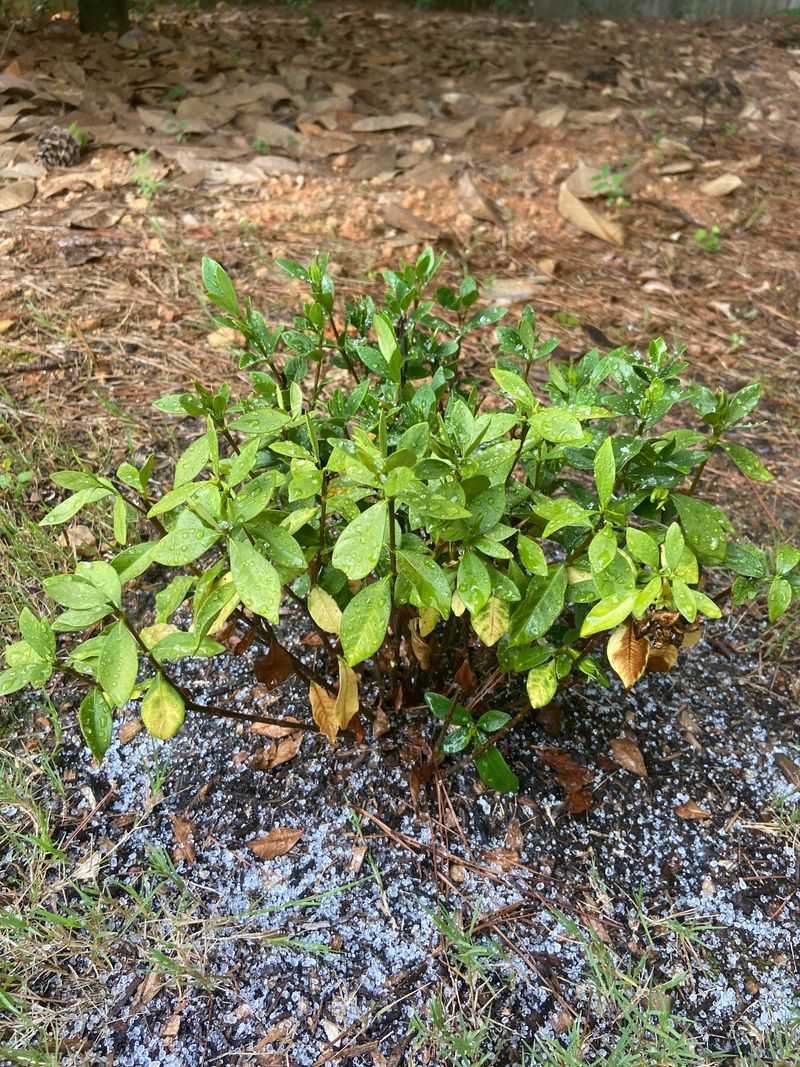
Chelated iron is not the same as regular iron supplements. Regular iron added to alkaline soil quickly becomes unavailable to plants again.
Chelated iron is chemically bonded in a way that keeps it accessible to roots even in less-than-ideal soil conditions.
Applying chelated iron is one of the most reliable ways to reverse iron chlorosis in gardenias. Results often appear within two to three weeks as new growth comes in greener.
Severely affected plants may take a bit longer to show full improvement.
Products come in granular, liquid, and foliar spray forms. Foliar sprays deliver iron directly through the leaves and can show results faster than soil applications.
Soil drenches work more slowly but address the root zone more thoroughly over time.
Always follow label directions carefully. Applying too much chelated iron can cause its own set of problems.
Stick to the recommended rate and reapply only if yellowing persists after the first application has had time to work.
Combining chelated iron with a soil acidifier gives better long-term results. Lowering pH while adding available iron tackles both the symptom and the underlying cause at the same time.
That two-step approach works better than either treatment used alone.
Chelated iron products are widely available at garden centers across Georgia and throughout the South.
7. Acidic Soil Helps Gardenias Take Up Nutrients
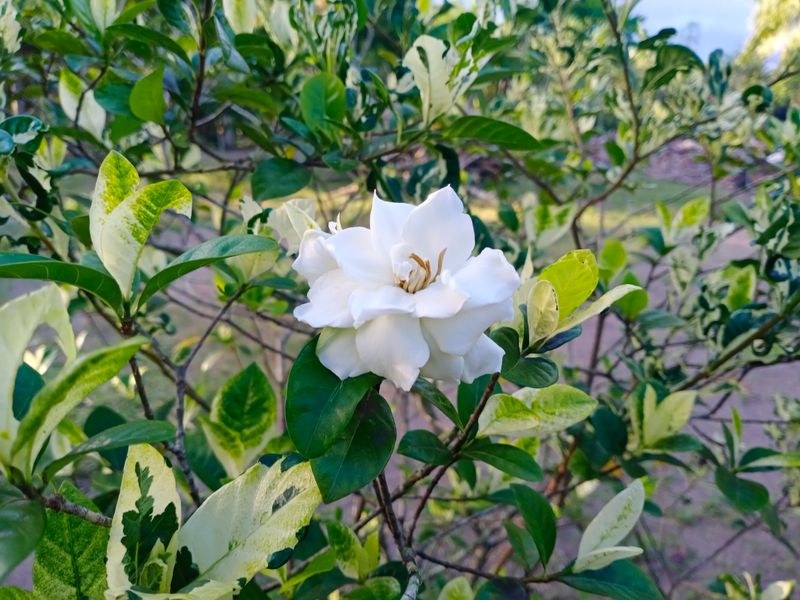
Soil acidity is not just a preference for gardenias. It is a requirement.
Without the right pH range, even well-fertilized soil fails to deliver nutrients to the roots in a usable form.
Sulfur is the most commonly used amendment for lowering soil pH. Granular sulfur works slowly, breaking down over weeks and months with the help of soil bacteria.
Applying it in late summer or early fall gives it time to take effect by the next growing season.
Acidifying fertilizers are another useful option. Products formulated for acid-loving plants like azaleas, camellias, and gardenias contain nutrients in forms that also help maintain lower pH over time.
Using them regularly as part of a feeding schedule supports both nutrition and soil chemistry.
Pine straw mulch is a simple, low-cost tool for maintaining soil acidity around gardenias. As it breaks down, it releases mild acids into the soil.
Over time, consistent pine straw mulching contributes to a more hospitable soil environment for acid-loving plants.
Soil tests should be repeated every one to two years. pH shifts gradually, and what was acidic last year may have drifted higher without any obvious signs. Regular testing keeps you informed before problems develop.
Across the Southeast, maintaining acidic soil requires ongoing attention. Rainfall, irrigation water, and natural soil composition all influence pH over time.