Pennsylvania Plants That Attract Owls And What That Does To The Rat Population In Your Yard
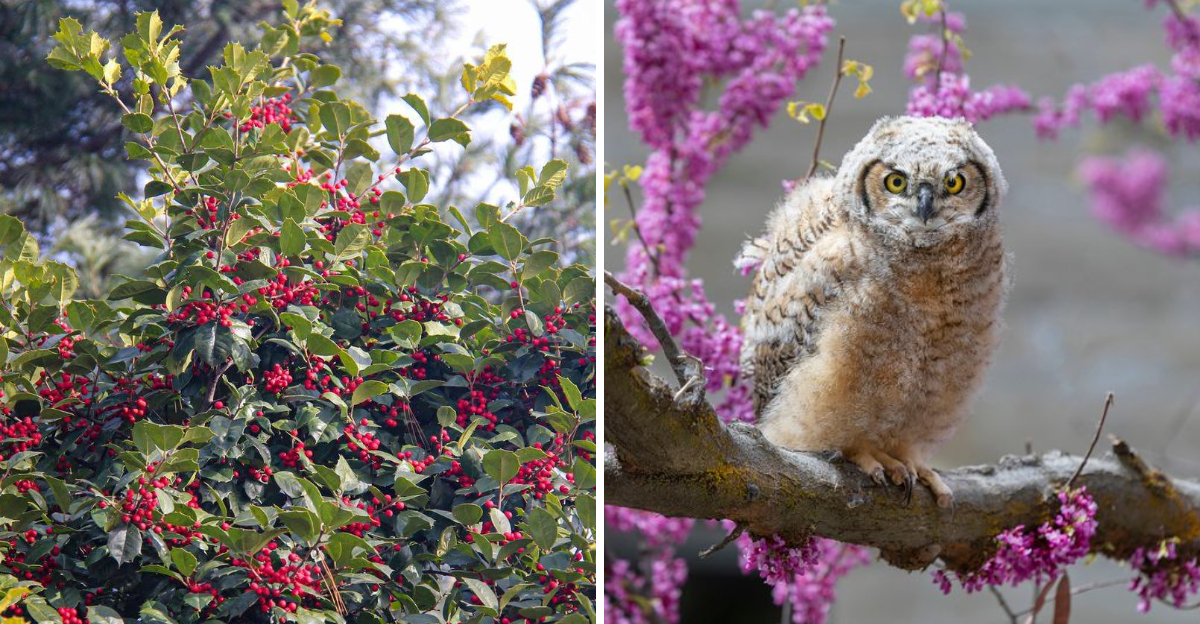
Most Pennsylvania homeowners dealing with rats reach for traps or call pest control. And while those options work, they’re ongoing battles that never really end.
The rats come back, the traps need resetting, and the cycle just continues. But there’s a completely different approach that works around the clock and costs nothing to maintain.
Attract owls, and let them handle it. Owls are extraordinarily efficient hunters, and rats are one of their favorite targets.
A single owl hunting your property regularly can dramatically reduce the local rodent population in a way no trap ever could. They hunt at night when rats are most active, work silently, and never need a reset.
The secret to attracting owls consistently is simpler than most people think. It starts with your plants.
The right native Pennsylvania plants create the kind of habitat and hunting environment owls actively seek out. Here’s exactly what to grow and what happens to your rat problem once the owls move in.
1. Eastern Red Cedar
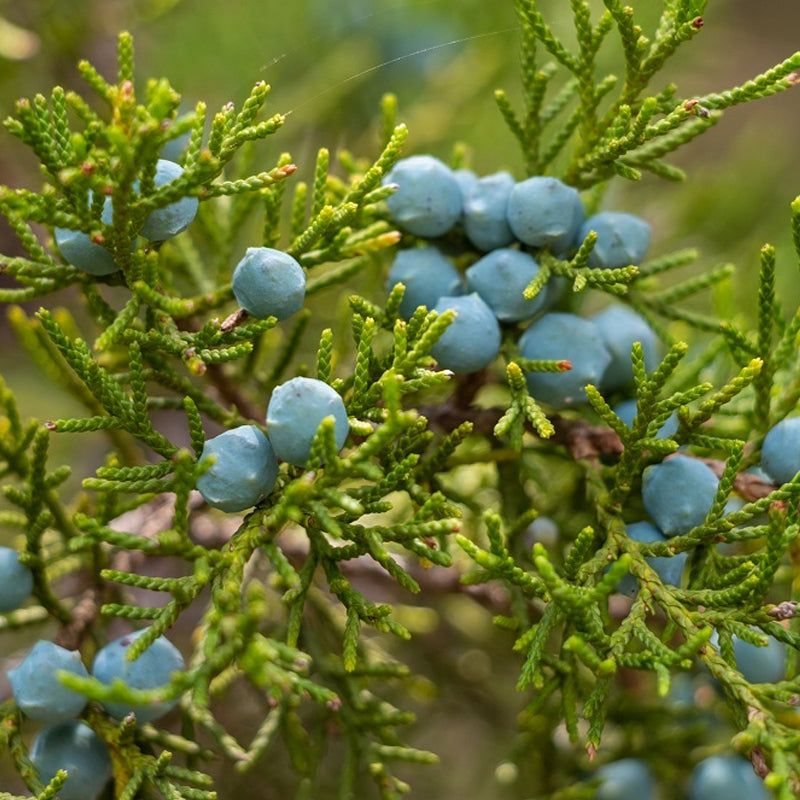
Walk through almost any Pennsylvania woodland edge and you will likely spot the Eastern Red Cedar standing proud and dense.
This tough evergreen grows thick branches year-round, making it one of the most reliable nesting and roosting spots for owls in the region. Barred Owls and Great Horned Owls especially love its layered, sheltered canopy.
Because the Eastern Red Cedar keeps its foliage all year long, it offers owls a safe hideout even during the coldest Pennsylvania winters. Owls roost inside its branches during the day and launch hunting trips at night.
A single owl can catch several rats or mice in just one evening, which adds up fast over a season.
Planting this cedar near the edges of your property gives owls a natural vantage point to scan your yard for movement. Rats and mice tend to avoid open spaces when they sense predators are nearby.
Over time, the presence of owls roosting in your cedar tree sends a clear signal to rodents that your yard is not a safe place to settle.
Eastern Red Cedar grows well in most Pennsylvania soil types and does not need a lot of extra care once it is established. It also provides berries that attract other wildlife, creating a lively backyard ecosystem.
You can plant it as a standalone tree or as part of a privacy hedge row along your fence line. Either way, this plant is one of the hardest-working additions you can make to your yard if keeping rodents away is your goal.
2. American Holly
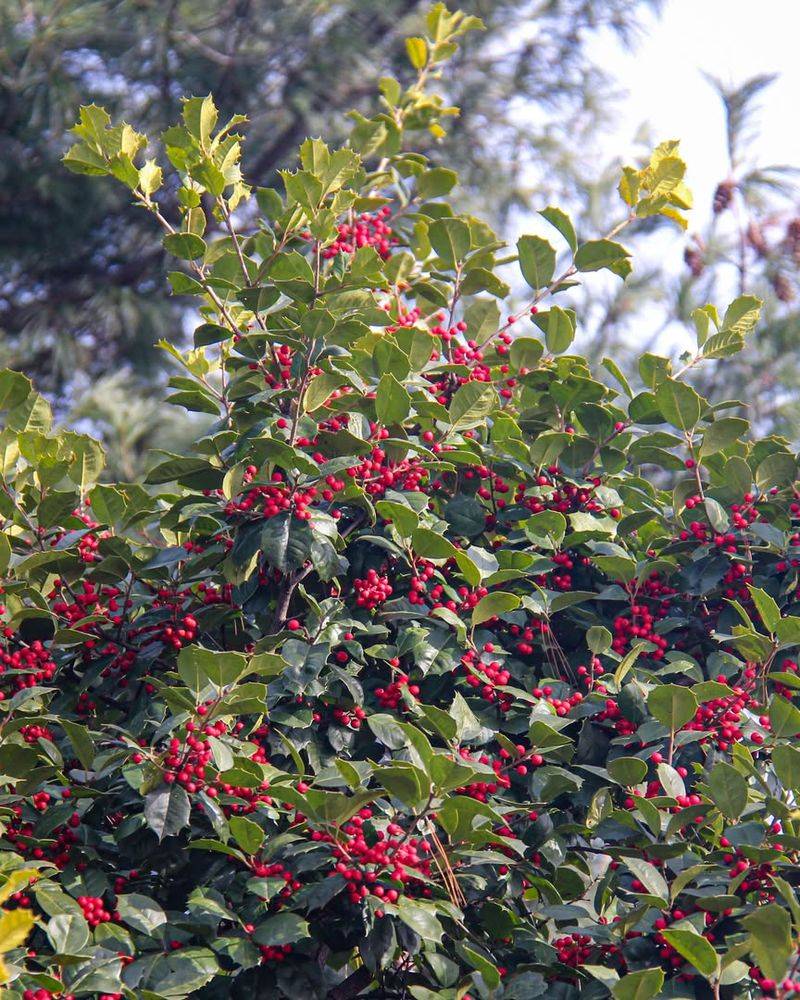
There is something almost magical about the American Holly in winter. While most trees look bare and lifeless, this stunning native evergreen stays thick with glossy green leaves and bright red berries.
That rich, dense foliage is exactly what predatory birds like owls are looking for when they need a sheltered spot to rest between hunts.
Owls are not the only ones drawn to the American Holly, but they are certainly among the most useful visitors from a rodent-control standpoint. When owls set up a regular roosting spot in your holly tree, they begin patrolling the surrounding area every single night.
Your Pennsylvania Garden Changes Every Week. Your Plan Should Too.
Gardening in Pennsylvania changes quickly throughout the season. Every Friday you’ll receive a simple weekly plan showing exactly what to plant, prune, fertilize, harvest, and protect so you never miss the right timing.
Rats and mice that have been sneaking around your garden beds or compost pile suddenly find themselves facing a very skilled aerial hunter.
American Holly grows naturally throughout Pennsylvania and thrives in a range of conditions, from full sun to partial shade. It can reach impressive heights over the years, giving owls an elevated perch with a wide view of your yard.
The thicker the tree gets, the more attractive it becomes as a shelter for owls and other birds of prey.
One fun fact worth knowing is that you need both a male and a female holly plant nearby for berries to form. The berries attract songbirds, which in turn attract the attention of larger predatory birds.
Planting American Holly near your home creates a layered wildlife habitat that naturally discourages rats from making themselves comfortable. It is a beautiful, low-maintenance shrub that earns its place in any Pennsylvania yard.
3. Serviceberry
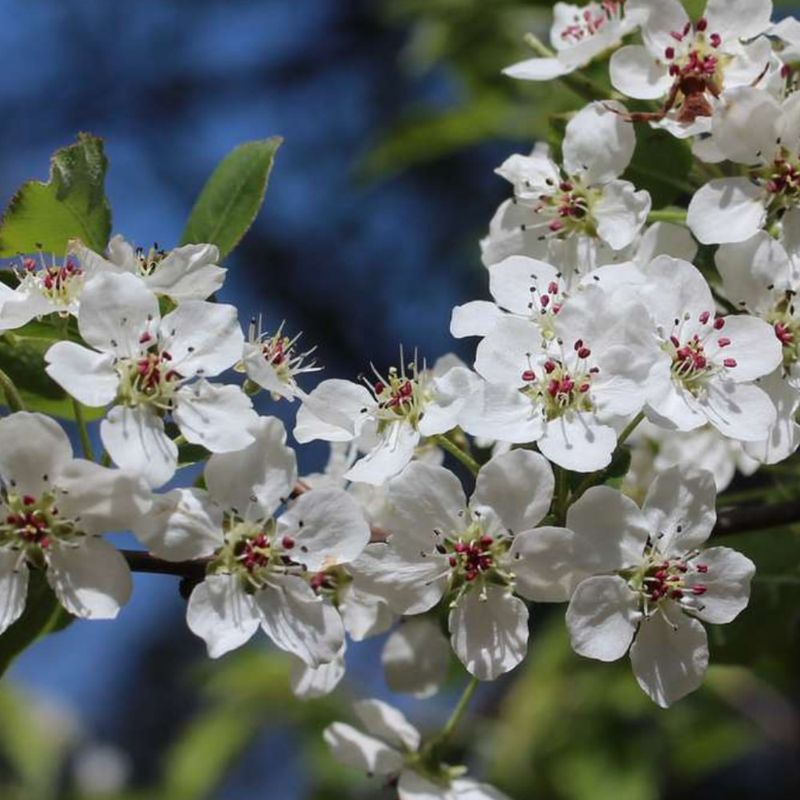
Serviceberry might not be the first plant that comes to mind when you think about pest control, but this underrated native shrub plays a surprisingly big role in keeping rodents out of Pennsylvania yards.
Its multi-stemmed, airy structure creates perfect perching and cover spots for owls and other birds that hunt small animals at night.
What makes Serviceberry especially useful is that it tends to attract a whole community of birds. Songbirds flock to it for the sweet berries it produces in early summer.
Where songbirds gather, larger predatory birds follow, and owls are often part of that equation. A yard with active bird life signals a healthy, balanced ecosystem where rodents struggle to go unnoticed.
Owls perching in Serviceberry shrubs have a low, open view of the ground below, which is ideal for spotting rats and mice moving through leaf litter or along fence lines.
Because the shrub grows at a medium height, owls can drop quickly and quietly onto prey without much effort. That kind of efficient hunting keeps rodent numbers from climbing.
Serviceberry is also one of the earliest blooming native plants in Pennsylvania, bursting into white flowers before most trees even leaf out. It grows well in moist soils near stream banks or garden edges and handles both sun and partial shade with ease.
Planting a small cluster of these shrubs along the border of your yard creates a natural wildlife corridor that owls will use regularly. It is a simple, affordable way to invite nature’s best pest controllers right to your doorstep.
4. Eastern Redbud
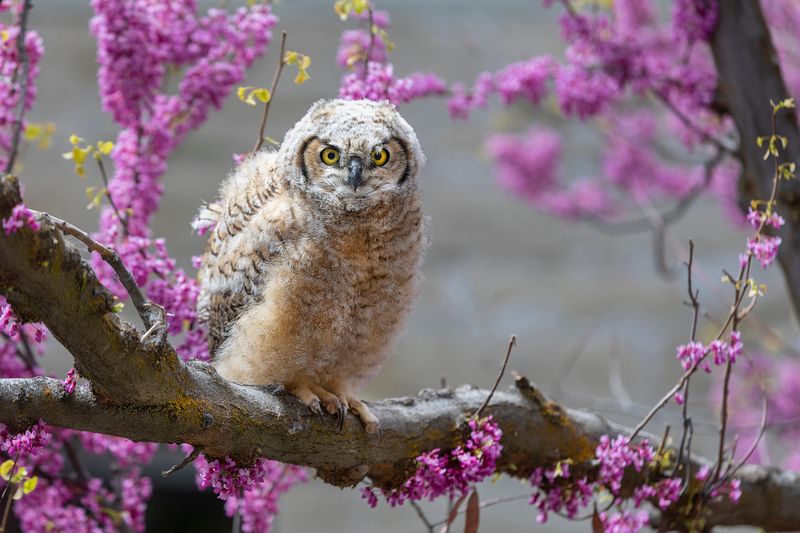
Few trees in Pennsylvania put on a springtime show quite like the Eastern Redbud. Its branches explode with vivid pink-purple blossoms before the leaves even appear, making it one of the most eye-catching native trees you can grow.
Beyond its beauty, the Eastern Redbud has a low-branching structure that turns out to be incredibly useful for owls looking for a solid roosting spot.
Owls prefer trees where they can settle close to the ground level without feeling exposed. The Eastern Redbud’s spreading, horizontal branches fit that need perfectly.
Smaller owl species like the Eastern Screech-Owl are particularly fond of trees with this kind of low, wide canopy because it gives them a clear line of sight to the ground where rats and mice travel.
Rats tend to move along predictable pathways, often hugging walls, fences, and garden borders. When an owl is regularly roosting in a Redbud overhead, those pathways become dangerous for rodents.
Over time, rats learn to avoid areas where they sense a predator is watching, which can actually shift their activity away from your yard entirely.
Eastern Redbud grows well across most of Pennsylvania and does not demand a lot of maintenance once it gets established. It prefers well-drained soil and looks beautiful planted near patios, garden borders, or along the edge of a lawn.
Because it stays relatively compact compared to large oaks or maples, it fits nicely in smaller yards too. Adding a Redbud to your landscape is a win on every level, from spring color to natural rodent suppression that works without any effort on your part.
5. Witch Hazel
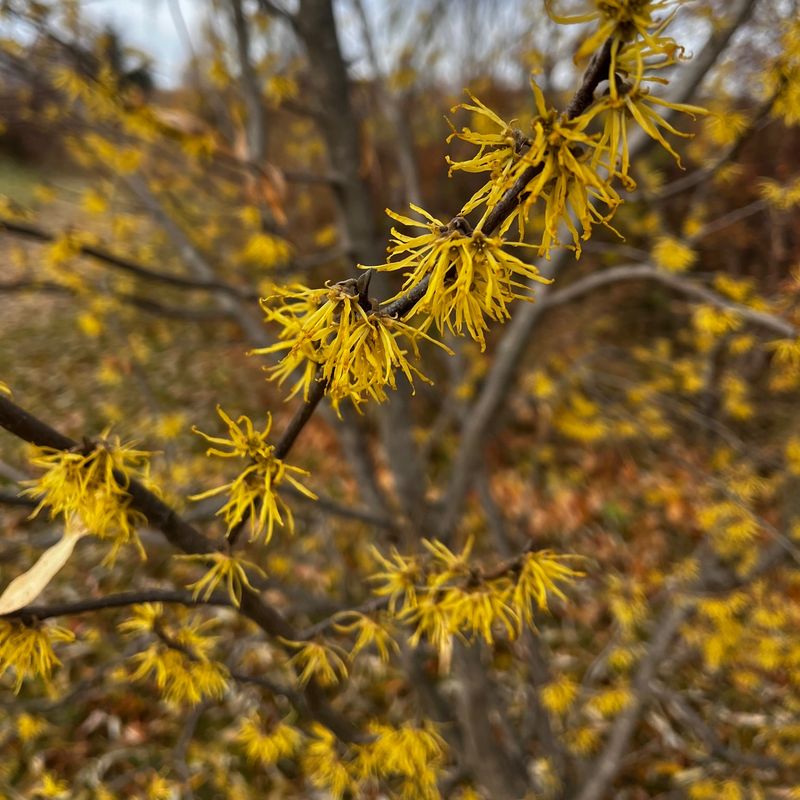
Witch Hazel has a quirky claim to fame among Pennsylvania native plants. It blooms in late fall and early winter, long after every other flowering shrub has gone quiet.
Those spidery yellow blossoms appear on bare branches in October and November, adding unexpected color to the landscape just as the season turns cold. But Witch Hazel’s real superpower when it comes to your yard might have nothing to do with flowers at all.
The dense, layered branching of a mature Witch Hazel shrub creates sheltered pockets that owls and other predatory birds find very appealing. During the shorter days of fall and winter, owls spend more time roosting close to areas where they actively hunt.
A thick Witch Hazel near the edge of your yard gives them a reliable base of operations for nightly rodent patrol.
Rodent activity tends to spike in the fall as rats and mice search for warm shelter and food sources before winter sets in. That timing lines up perfectly with Witch Hazel’s season, when owls are most actively using dense shrubs for cover.
Having owls hunting your yard during peak rodent season makes a real difference in how many unwanted visitors actually manage to move in.
Witch Hazel grows naturally in Pennsylvania woodlands and adapts well to shaded or partially shaded garden spots. It can reach ten to fifteen feet tall over many years, forming a substantial shrub with plenty of room for wildlife.
Plant it near a woodland edge, a fence line, or even close to your home’s foundation where rodent activity is most likely to occur. It is a hardy, fascinating plant that pulls double duty beautifully.
6. Pawpaw
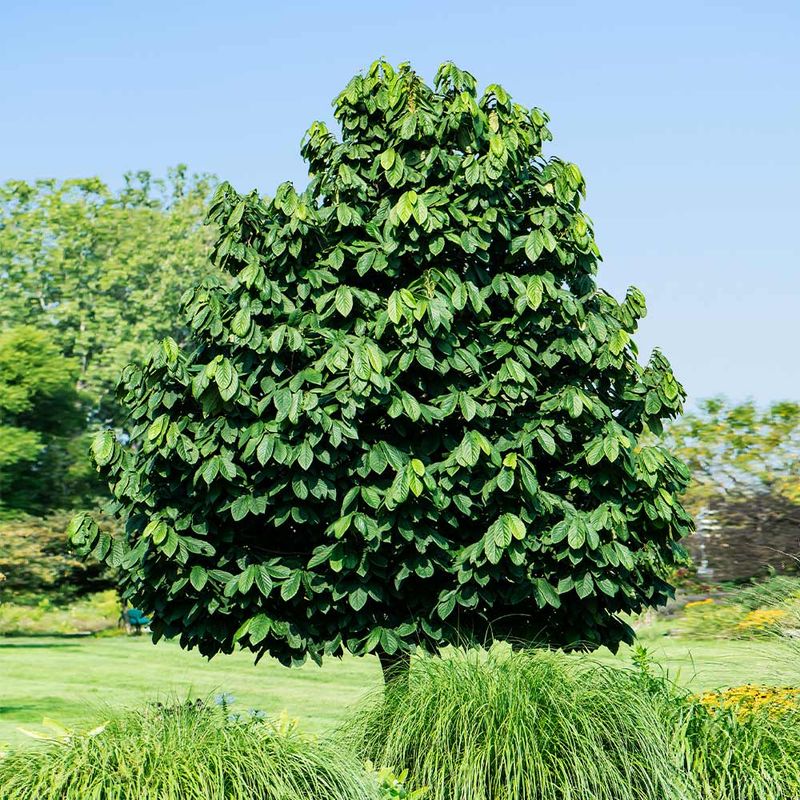
Most people are surprised to learn that Pennsylvania has its very own native tropical-looking fruit tree.
The Pawpaw grows wild along stream banks and woodland understories across the state, sporting enormous, drooping leaves that look like they belong somewhere closer to the equator.
That lush, oversized foliage creates one of the most inviting cover spots you can offer owls in a backyard setting.
Owls that hunt in wooded or semi-wooded yards love the Pawpaw’s thick canopy. The large leaves create deep shade and a sense of enclosure that makes owls feel secure while they rest during daylight hours.
At night, they emerge from those leafy hideouts to hunt the surrounding area. Mice and rats moving through garden beds or along compost bins nearby do not stand much of a chance.
Pawpaw also attracts zebra swallowtail butterflies and other interesting wildlife, making your yard a genuinely active ecosystem.
A busy, diverse yard with lots of wildlife layers tends to naturally keep rodent populations lower because there are always eyes and ears on the ground. Owls are the top of that food chain, and the Pawpaw gives them a comfortable home base.
Growing Pawpaw is easier than most people expect. It prefers partial shade and moist, well-drained soil, making it ideal for spots near rain gardens or low-lying areas of your yard.
It produces edible fruit in late summer that tastes something like a banana-mango blend, which is a nice bonus. Plant two or more trees together for better fruit production and to create a small grove that owls will return to again and again throughout the seasons.
7. Sassafras

Sassafras is one of those plants that surprises people every single time they learn more about it. The leaves come in three different shapes on the same tree, including a simple oval, a two-lobed mitten shape, and a three-lobed style that looks almost like a tiny ghost.
Beyond its fascinating appearance, Sassafras is a medium-sized tree with dense, spreading branches that make excellent roosting spots for owls looking to stake out a territory.
Owls that roost in Sassafras trees tend to use the same spots repeatedly, which means they patrol the same areas of your yard night after night. That consistency is exactly what keeps rodent activity suppressed over the long term.
Rats are smart animals and they quickly pick up on patterns, including the presence of a regular aerial predator in a specific tree above their usual travel routes.
Sassafras grows quickly compared to many native trees, which means you do not have to wait decades for it to become useful wildlife habitat. Within a few years, it develops the kind of branching density that owls prefer for shelter and hunting perches.
The tree also produces small blue-black berries in late summer that attract a wide variety of birds, adding even more predator presence to your yard.
Pennsylvania is well within the natural range of Sassafras, and the tree adapts to many different soil types, including dry and sandy conditions where other trees struggle.
Its brilliant fall foliage in shades of orange, red, and yellow makes it as much of a visual treat as it is a functional wildlife plant.
Planting Sassafras near open lawn areas gives owls the best possible hunting ground right outside your door.