Why More Georgia Homeowners Are Adding Frog-Friendly Features To Their Yards
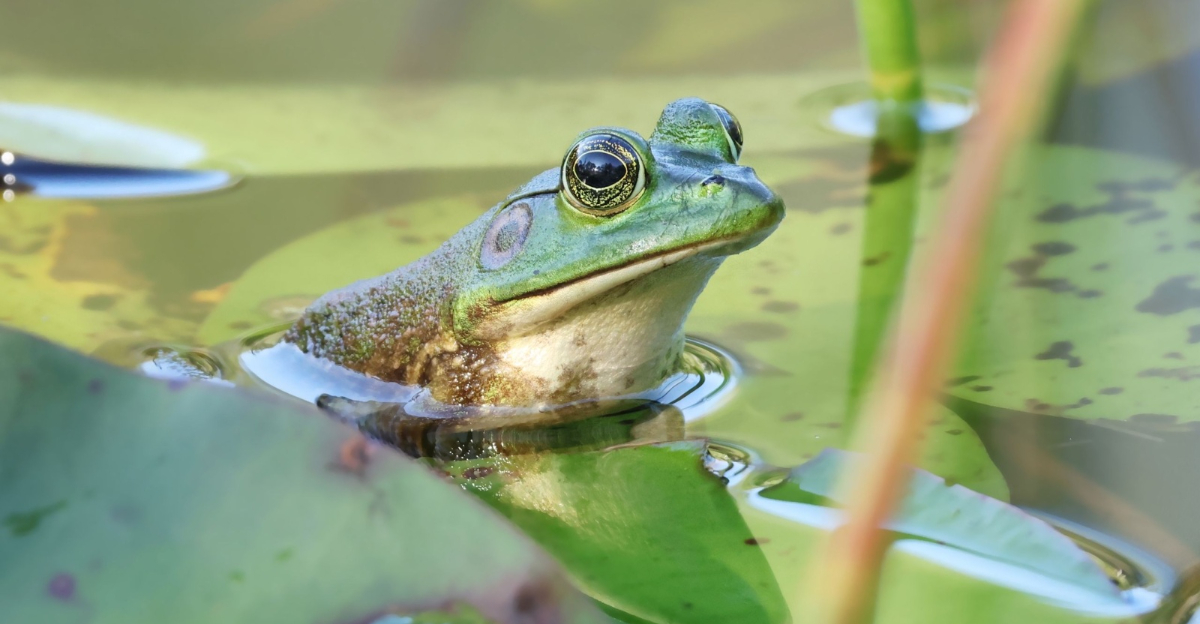
Frogs calling on a warm Georgia evening is one of those backyard experiences that never really gets old, and the fact that you can actually encourage it with a few thoughtful changes to your yard makes it even better.
A lot of homeowners assume that attracting frogs means building a full pond, but that’s really just one option.
Shallow water features, native plants, leaf litter left to accumulate naturally under shrubs, and a yard that isn’t fighting wildlife with heavy pesticide use can all work together to create conditions frogs genuinely appreciate.
It’s less about one dramatic gesture and more about layering the right elements into the landscape over time.
Do that well and a Georgia backyard can start feeling a lot more alive in ways that go well beyond just the frogs.
1. Georgia Yards Can Support Local Frogs And Toads
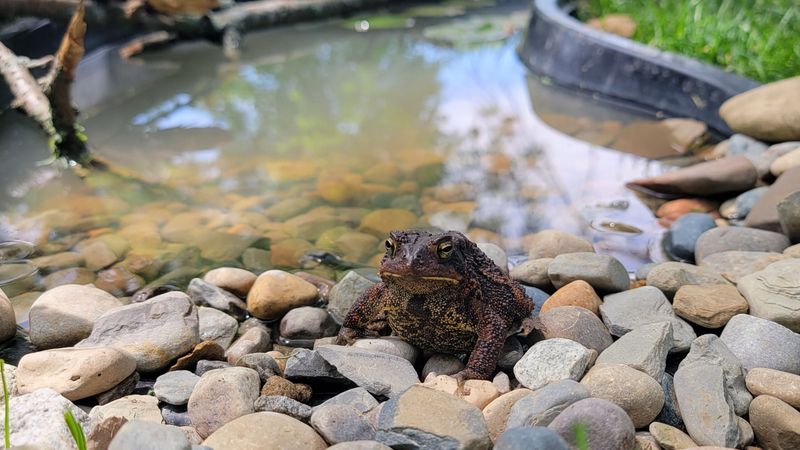
On a humid summer evening, it is not unusual to hear the loud, raspy call of a gray tree frog coming from somewhere near the back fence. Georgia is home to dozens of frog and toad species, and many of them are well suited to living in or near residential yards.
Species like the American toad, green tree frog, and spring peeper can take advantage of even modest backyard habitat when the right conditions are present.
A yard does not need to be a wilderness to support these animals. Frogs and toads in Georgia tend to look for a few basic things, including moisture, shelter, insects to eat, and safe places to breed or rest.
When a yard provides even some of these elements, it becomes more useful to local amphibians moving through the landscape.
Many homeowners are surprised to find that frogs will show up on their own once habitat conditions improve.
Adding a small water feature, leaving a damp shaded corner undisturbed, or planting native ground covers can all contribute to a more welcoming environment.
These features do not guarantee that frogs will arrive, but they can meaningfully raise the habitat value of a Georgia yard and support the broader local wildlife community that depends on healthy amphibian populations.
2. Frogs Help Create A Livelier Backyard Habitat
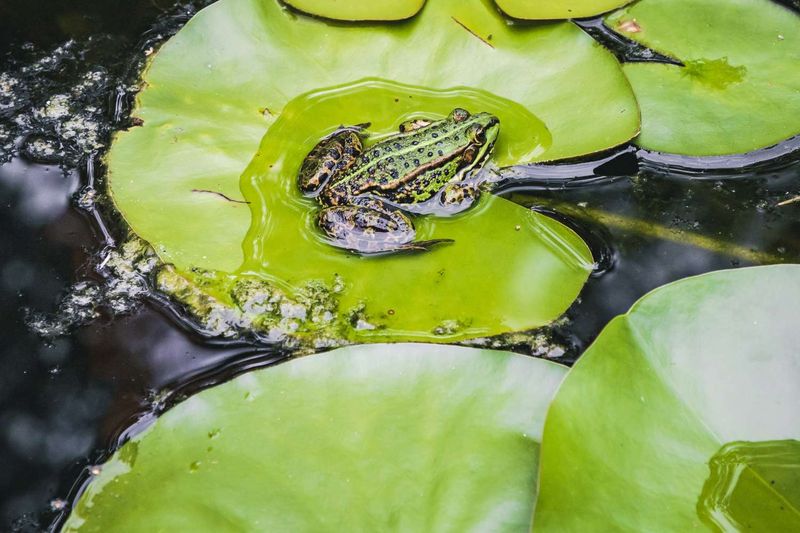
Walking through a garden that hums with insect activity, rustles with birds, and occasionally reveals a toad tucked under a hosta leaf is a very different experience from walking through a yard that feels quiet and sterile.
Frogs and toads play a meaningful role in making a backyard habitat feel more dynamic and ecologically connected.
When they are present, it is often a sign that the yard is supporting multiple layers of life.
Amphibians occupy an interesting position in the backyard food web. They feed on insects, slugs, and other small invertebrates, while also serving as a food source for birds, snakes, and small mammals.
Their presence signals that the yard has enough moisture, cover, and insect activity to support animals beyond just pollinators and songbirds.
For Georgia homeowners who enjoy watching wildlife from a patio or garden bench, frogs and toads add a layer of activity that is both entertaining and ecologically meaningful.
Your Georgia Garden Changes Every Week. Your Plan Should Too.
Gardening in Georgia changes quickly throughout the season. Every Friday you’ll receive a simple weekly plan showing exactly what to plant, prune, fertilize, harvest, and protect so you never miss the right timing.
Hearing a chorus frog calling from a rain garden or spotting a Fowler’s toad near the compost bin makes a yard feel genuinely alive.
Encouraging frogs is less about managing a single species and more about building a habitat that supports the natural movement and diversity of Georgia wildlife throughout the seasons.
3. Native Plants Make Yards More Useful For Wildlife
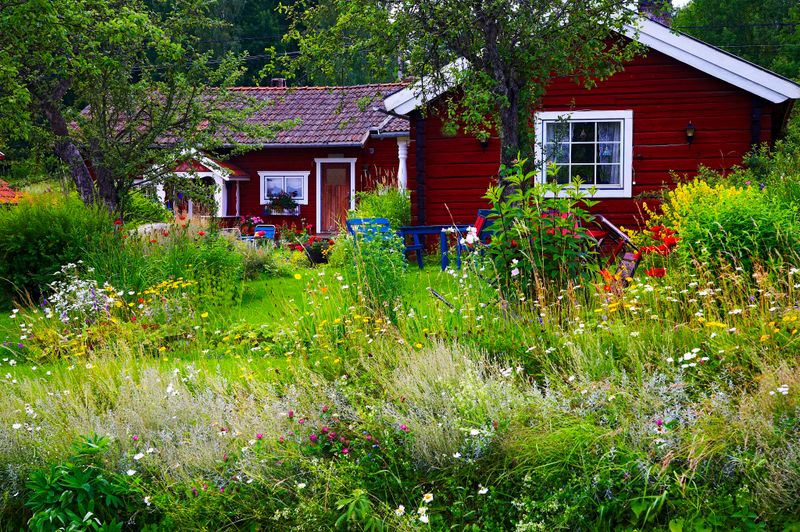
Swapping out a patch of turf grass for a native plant bed might seem like a small decision, but it can shift the entire character of a Georgia yard.
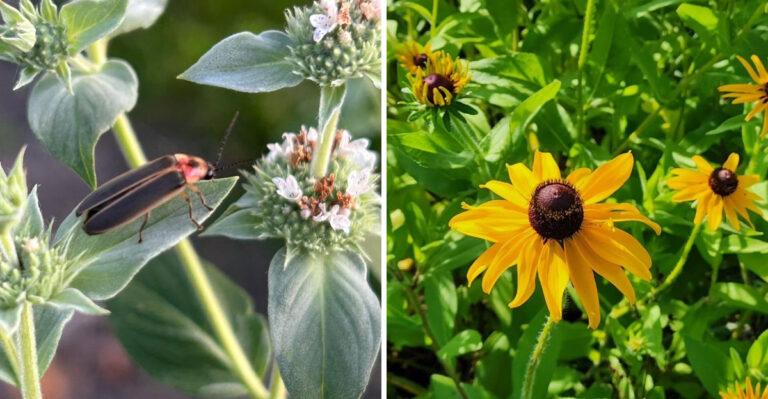
Native plants support far more insect life than non-native ornamentals, and that insect activity is exactly what frogs and toads depend on for food.
Plants like native ferns, wild ginger, river oats, and coneflowers create structure at multiple heights, giving amphibians both cover and hunting ground.
In Georgia, native plant beds also tend to retain more moisture at the soil level, especially when they include ground covers and leaf mulch.
That extra moisture near the roots creates microhabitats that are genuinely useful to small frogs and toads, particularly during dry stretches in summer when the landscape can get quite warm and dry.
Native plants also support the moths, beetles, and other insects that are part of a frog’s regular diet. A yard that grows a variety of native species tends to have more insect diversity, which means more food availability for amphibians moving through.
Georgia homeowners who invest in native planting often report noticing more overall wildlife activity, including birds, butterflies, and yes, frogs.
The relationship between native plants and backyard wildlife is genuinely layered, and frogs are one of the clearest signs that those layers are working well together.
4. Small Water Features Add Backyard Biodiversity
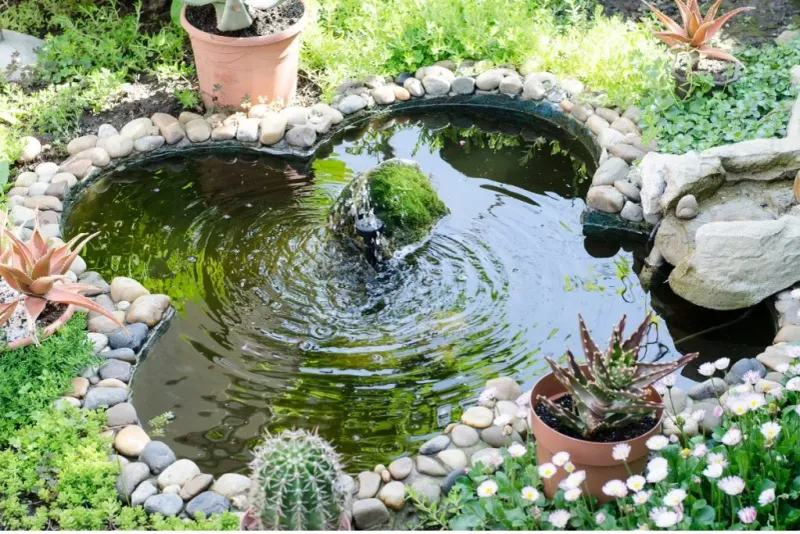
A shallow container pond, a small in-ground water feature, or even a rain garden that holds water after a storm can dramatically increase the biodiversity of a Georgia backyard.
Water is one of the most important resources for frogs and toads, especially during breeding season in spring and early summer.
Even a modest amount of standing or slow-moving water can attract species that would otherwise pass through without stopping.
The key to a frog-friendly water feature is accessibility. Frogs need shallow edges where they can easily enter and exit the water.
Steep-sided containers or ornamental fountains with no resting spots are far less useful to amphibians than a gently sloping edge with flat stones or emergent plants.
Native aquatic plants like pickerelweed or native sedges can add both structure and water quality benefits.
Georgia gets significant rainfall throughout the year, and low-lying areas in yards naturally collect water after storms. Rather than draining these spots immediately, some homeowners are choosing to let them function as temporary habitat.
Even seasonal water that holds for a few weeks can support breeding activity for certain frog species.
A permanent small pond, however, offers more consistent habitat value and can become a year-round focal point for Georgia wildlife, including dragonflies, birds, and of course, frogs and toads.
5. Leaf Litter And Logs Give Frogs Needed Shelter
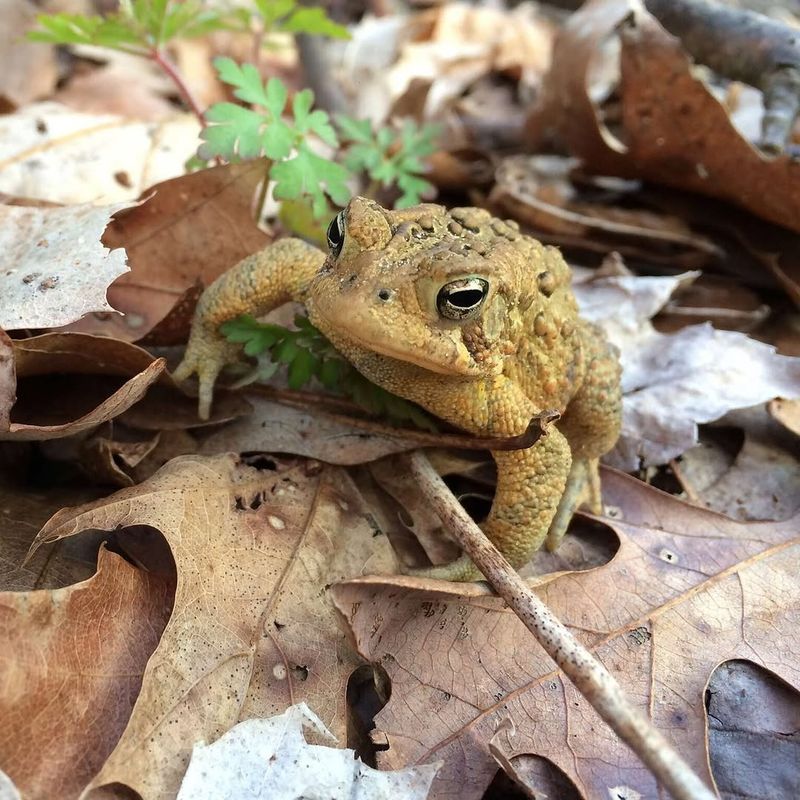
That pile of leaves collecting under the azaleas might look untidy to some, but to a Georgia toad, it could be the most valuable spot in the entire yard. Leaf litter and decaying wood are essential shelter resources for many amphibians.
They provide moisture retention, insulation from temperature extremes, and a reliable source of the small invertebrates that frogs and toads eat.
Many homeowners are moving away from the idea that a yard needs to be perfectly manicured to be beautiful.
Leaving leaf litter under shrubs, allowing a log or two to remain in a shaded corner, and avoiding the urge to rake every bed completely clean in fall can all contribute to a more hospitable environment for amphibians.
These are low-effort changes that cost nothing and require no special equipment.
Logs in various stages of decay are particularly valuable because they hold moisture longer than bare soil and attract the beetles, worms, and other invertebrates that frogs rely on.
A shaded border with leaf mulch and a few natural wood pieces can function as a reliable shelter zone for species like the American toad or the mole salamander.
In Georgia, where summers can be intensely warm, cool moist spots under logs and leaf piles may be the difference between a yard that frogs pass through and one where they actually stay for a while.
6. Frog-Friendly Yards Support A Healthier Food Web
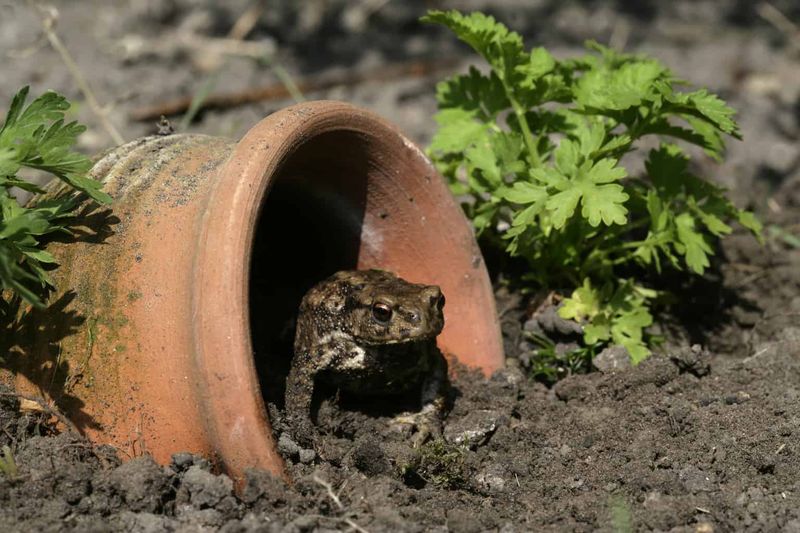
Insects moving through a Georgia garden on a warm afternoon are not just decorative. They are part of a food web that connects plants, pollinators, frogs, birds, and small mammals in ways that keep a yard ecologically balanced.
When frogs and toads are present, they act as active participants in that web, consuming large numbers of insects and helping to regulate invertebrate populations naturally.
A single toad can eat a remarkable number of insects over the course of a season, including many that homeowners consider garden pests. Slugs, mosquito larvae, and various beetles are all part of a toad’s diet.
By supporting frog and toad populations in a Georgia yard, homeowners may notice that pest pressure from certain insects gradually decreases without the need for chemical intervention.
At the same time, frogs and their eggs serve as food for herons, raccoons, garter snakes, and other wildlife. Their role in the food web is both a predator and a prey species, which means supporting them helps sustain a wider range of backyard wildlife.
A Georgia yard that includes amphibian-friendly habitat is one that tends to attract more diverse wildlife overall.
The presence of frogs is often a reliable indicator that the yard’s food web is functioning well and that multiple layers of the ecosystem are genuinely active and healthy.
7. Chemical-Free Areas Are Safer For Sensitive Amphibians
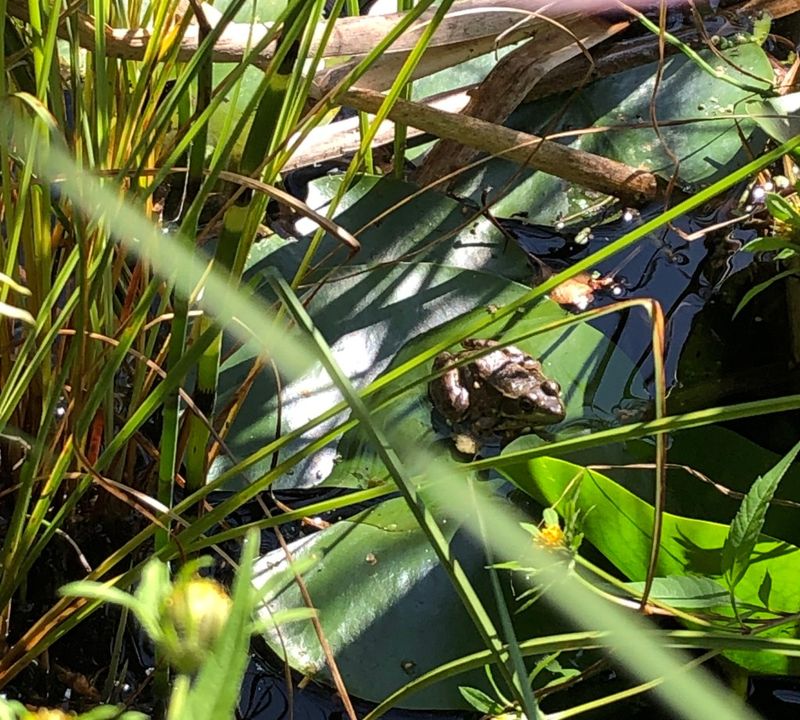
Amphibians absorb water and compounds directly through their skin, which makes them far more sensitive to pesticides, herbicides, and synthetic fertilizers than most other backyard wildlife.
Even chemicals that are considered low-risk for birds or mammals can pose real problems for frogs and toads, especially when those chemicals reach water features or moist soil areas where amphibians rest and breed.
Many Georgia homeowners who are interested in supporting frogs are choosing to designate at least part of their yard as a chemical-free zone.
This might mean skipping pesticide applications along a shaded border, using compost instead of synthetic fertilizer near a rain garden, or switching to manual weeding in areas close to water.
These are modest changes that can have a meaningful effect on the safety of the habitat.
Runoff from treated lawns can carry chemicals into low-lying areas, small ponds, and drainage channels where frogs may breed or seek shelter.
Reducing or eliminating chemical use in portions of a Georgia yard helps protect these spaces and makes the overall landscape more hospitable to sensitive wildlife.
A chemical-free patch does not need to be large to be useful. Even a small, untreated border along a fence line or under a tree can serve as a safer refuge for frogs and toads moving through the neighborhood.
8. Backyard Habitat Helps Replace Lost Natural Spaces
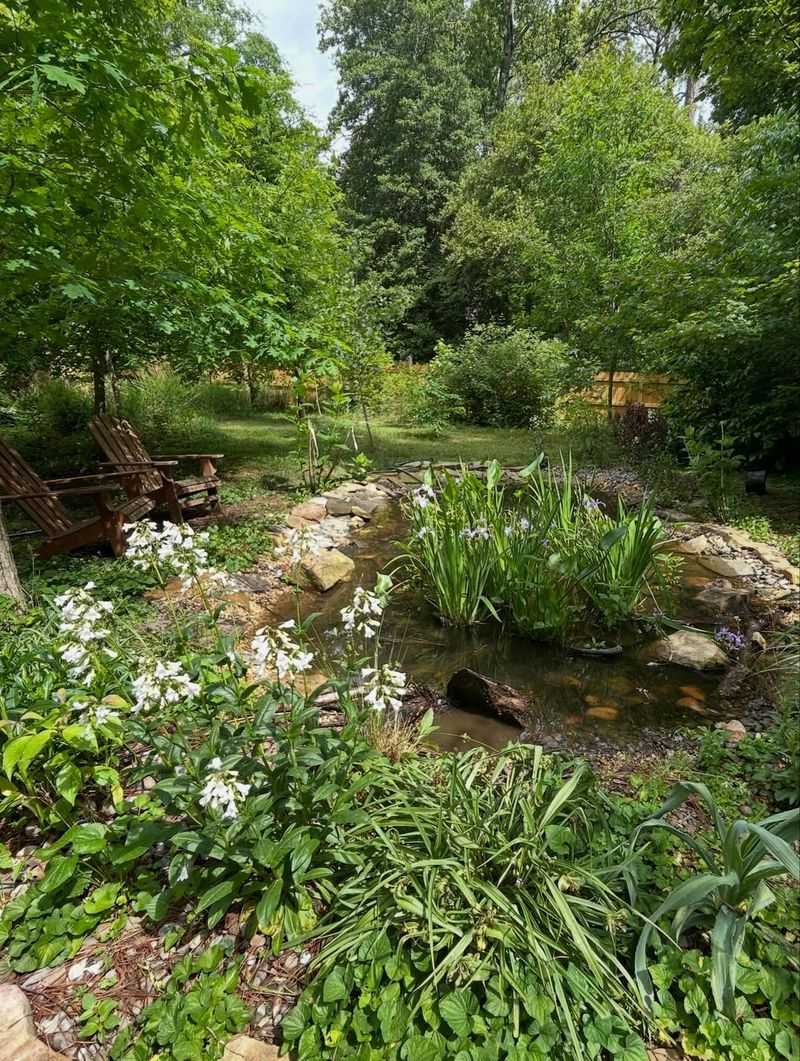
Wetlands, woodland edges, and low-lying areas that once supported thriving amphibian populations across Georgia have been significantly reduced by development, land clearing, and drainage projects over the decades.
As natural habitats shrink, the landscape becomes more fragmented, making it harder for frogs and other wildlife to move between suitable areas, find mates, or access the resources they need throughout the year.
Residential yards, taken together, cover a surprisingly large amount of land across Georgia.
When homeowners choose to add even modest habitat features, such as a small pond, a native plant border, or a leaf-litter shelter zone, those individual yards can begin to function as stepping stones in a broader wildlife corridor.
Frogs and toads moving through a neighborhood are more likely to survive and thrive when they encounter a series of connected, hospitable spaces rather than a continuous stretch of mowed lawn and impervious surfaces.
This is one of the most compelling reasons why frog-friendly landscaping has grown in appeal among Georgia homeowners who care about local wildlife.
A single yard may seem too small to matter, but when neighbors make similar choices, the cumulative effect on the local landscape can be genuinely significant.
Creating habitat at home is a practical and accessible way for Georgia residents to contribute to wildlife conservation without leaving their own backyard.