What Virginia Law Says About Neighbors’ Running Bamboo

Three feet of new bamboo growth in a single week isn’t a rumor gardeners swap for fun. It’s a documented reality, and it’s exactly why Virginia homeowners are suddenly googling property law at ten o’clock at night.
One day there’s a tidy hedge on the other side of the fence. A few weeks later, shoots are punching through your tomato bed like they own the deed. Running bamboo doesn’t ask permission, and neither does it respect a survey line.
What starts as a neighbor’s ornamental accent can turn into a root system tunneling straight under your patio. The plant itself isn’t illegal in Virginia, but what happens when it crosses onto your land is where things get interesting.
Property owners have more leverage here than most people realize, and understanding it early means the difference between a polite conversation and a expensive dispute. Here’s where the law actually stands.
Bamboo Disputes Are Landing In Virginia Courts
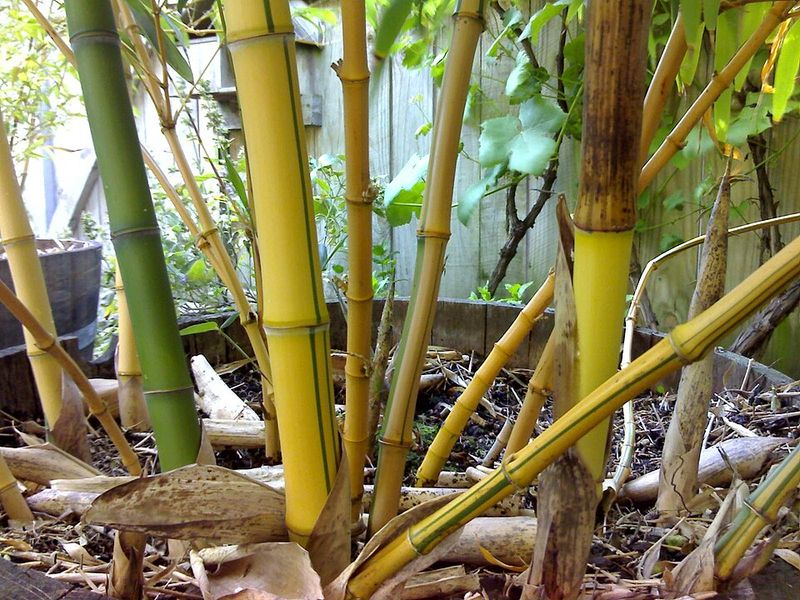
Neighbors are lawyering up over bamboo, and judges are taking notice. Running bamboo cases have quietly become one of the more unusual property disputes in Virginia courts.
Running bamboo spreads through underground stems called rhizomes. These roots can travel well beyond ten feet in a single growing season, slipping under fences and popping up in places you never expected.”
Courts have heard cases where bamboo destroyed garden beds, cracked concrete patios, and even pushed up against home foundations. Judges treat these situations seriously because property damage is property damage, no matter the plant.
Virginia circuit courts have already sided with affected homeowners, including a notable 2022 Fairfax County case. Plaintiffs tend to succeed when they can show the bamboo crossed a property line and caused measurable harm.
One key factor courts examine is whether the bamboo owner was warned and did nothing. Inaction after a complaint can shift legal responsibility dramatically in the plaintiff’s favor.
Documenting the spread with dated photos is something many winning homeowners credit for their success. Evidence matters enormously when a case goes before a judge.
Legal fees in these disputes can climb fast, sometimes reaching thousands of dollars before a resolution appears. Mediation is often recommended as a cheaper first step before filing a formal lawsuit.
The growing number of bamboo disputes signals a real gap in public awareness about plant liability. Knowing that courts take this seriously might be the nudge your neighbor needs to act.
The State Law Behind Running Bamboo Complaints
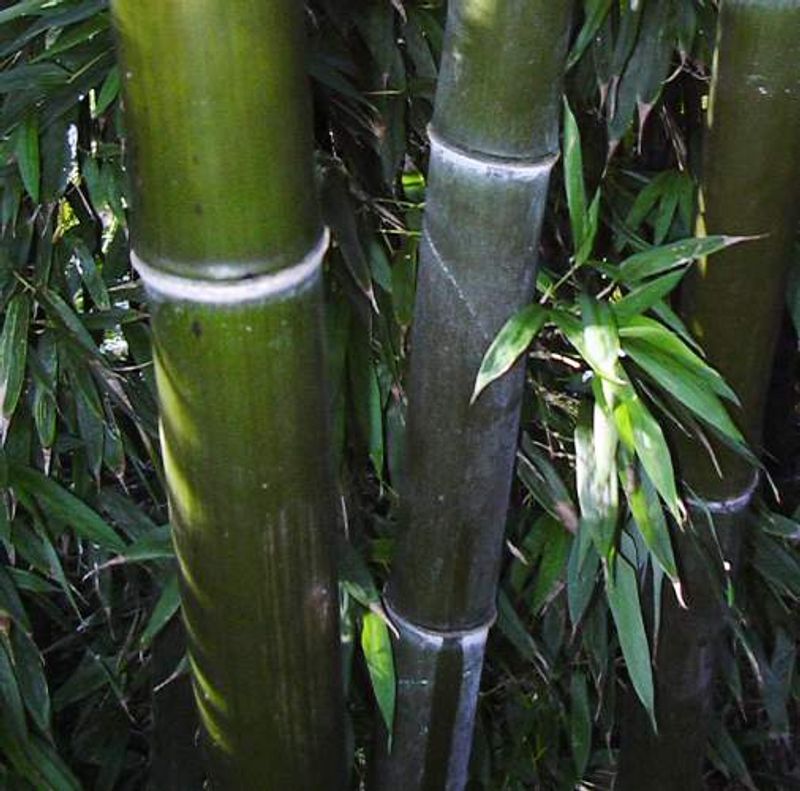
Virginia does have a statute specifically addressing running bamboo, but it functions more as an enabling law than a complete framework. Beyond that statute, legal claims still lean heavily on nuisance law, property law, and common law trespass principles.
The Virginia Code addresses running bamboo and nuisance situations under Title 15.2, which governs local government powers. Bamboo that crosses onto a neighbor’s land and causes damage can fall squarely under this framework.
Your Virginia Garden Changes Every Week. Your Plan Should Too.
Gardening in Virginia changes quickly throughout the season. Every Friday you’ll receive a simple weekly plan showing exactly what to plant, prune, fertilize, harvest, and protect so you never miss the right timing.
State law recognizes that property owners have a duty to control what grows on their land. When plants spread beyond a boundary and cause harm, liability can attach to the original landowner.
Courts often apply what is called the reasonable use standard. A property owner must use their land in a way that does not unreasonably harm their neighbors.
Running bamboo, by its aggressive nature, frequently fails that standard once it crosses a fence line. Judges have found that planting it without containment can be considered unreasonable in residential settings.
Virginia also recognizes the “coming to the nuisance” defense, but it rarely protects bamboo growers. If the bamboo spreads after a neighbor moves in, that defense typically does not apply.
In counties with active bamboo ordinances, homeowners are often expected to send a written notice to the bamboo owner first. That notice creates a legal record and gives the neighbor a chance to fix the problem before court.
Understanding this legal patchwork matters before you make any moves. Acting without documentation can actually weaken your case and slow down resolution.
Local Ordinances Add Stricter Rules In Some Counties

State law sets the floor, but local governments in Virginia can raise the ceiling on bamboo restrictions. Several counties and cities have passed ordinances that go well beyond what state law requires.
Fairfax County, for example, has language in its nuisance codes that specifically targets invasive plants causing neighborhood harm. Bamboo that spreads onto adjoining lots can trigger enforcement action under those local rules.
Fauquier and Stafford Counties had bamboo restrictions in place even before Fairfax adopted its ordinance, showing that this issue reaches well beyond Northern Virginia’s biggest jurisdiction.
Some ordinances require property owners to install a physical root barrier when planting running bamboo varieties. A root barrier is a thick, underground membrane that prevents rhizomes from traveling into neighboring yards.
Fines for non-compliance with local ordinances vary by jurisdiction, and several counties allow penalties to accrue for each day the violation continues, meaning the total can climb well beyond the initial fine.
Rural counties tend to have fewer specific rules on the books regarding bamboo. Homeowners in those areas rely more heavily on state-level nuisance and trespass arguments to seek relief.
Checking your local county or city code is a smart first move before sending any formal complaint. Your municipality’s website or a quick call to the zoning office can clarify exactly what rules apply to your address.
Local rules can actually make your case stronger and faster to resolve. Finding the right ordinance is often the shortcut that saves months of legal back-and-forth.
Nuisance And Trespass

Two legal theories carry most of the weight in bamboo disputes: nuisance and trespass. Understanding both gives you a much clearer picture of what you can actually demand from a neighbor.
Trespass in property law does not always mean a person walking onto your land. Plants, roots, and branches that physically enter your property can legally qualify as trespass under Virginia common law.
When bamboo rhizomes push under a fence and sprout in your yard, that can support a trespass claim, though Virginia courts still generally require showing actual harm or a credible risk of harm before a remedy is granted.
Nuisance is a slightly broader concept and covers situations where something interferes with your enjoyment of your property. Bamboo that blocks sunlight, destroys landscaping, or damages structures can meet this definition with ease.
Private nuisance claims in Virginia require showing that the interference is substantial and unreasonable. A few stray shoots might not qualify, but a full-scale bamboo invasion almost certainly does.
Courts look at factors like the severity of the damage, the duration of the problem, and whether the bamboo owner ignored warnings. Each of those factors builds your case when presented with solid documentation.
Combining both trespass and nuisance claims in a single lawsuit is a common legal strategy. Attorneys often pursue both angles to maximize the chances of winning at least one strong argument.
Knowing which theory fits your situation best puts you in a far stronger position at the negotiating table.
Penalties And Consequences For Uncontained Bamboo
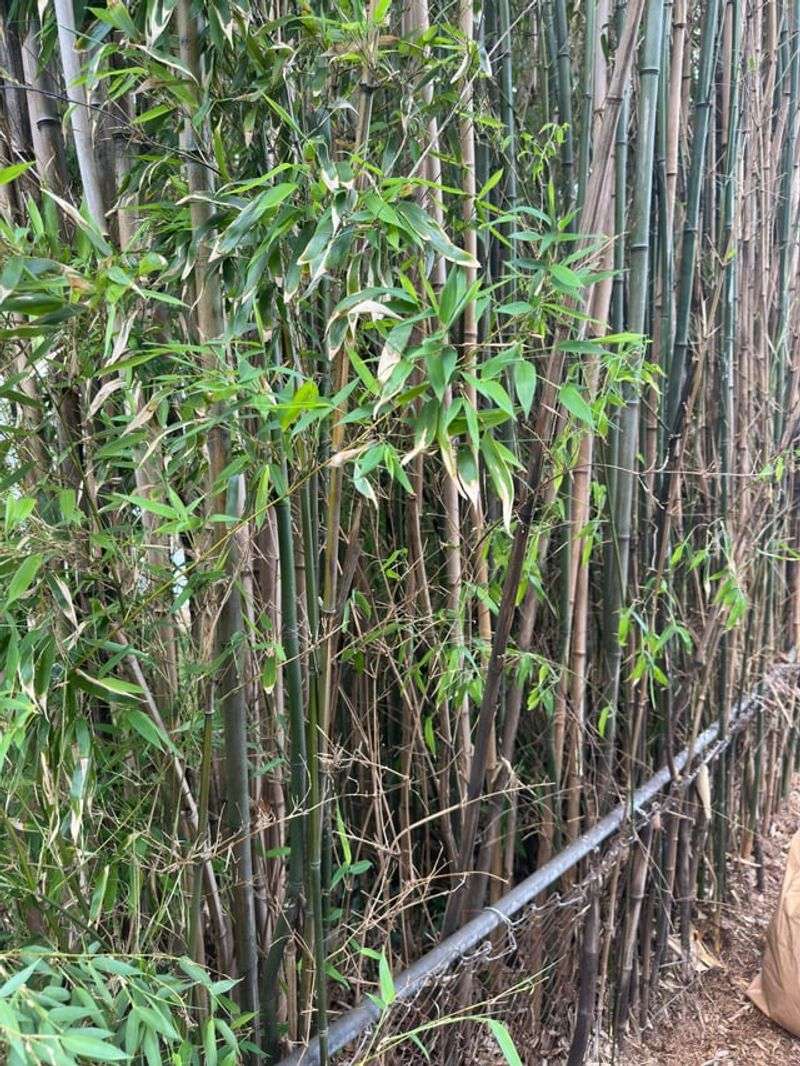
Letting bamboo run wild in Virginia can cost a homeowner far more than just an angry neighbor. Legal penalties, remediation costs, and civil damages can add up fast, turning a small dispute into a costly one.
Civil court judgments can require the bamboo owner to cover removal costs on the affected neighbor’s property, and professional removal can get expensive fast depending on how deep the rhizomes have spread.
Courts can also award damages for destroyed landscaping, cracked hardscaping, and diminished property values. These awards are not capped at a fixed amount, which means serious infestations can lead to serious payouts.
Local code violations carry their own separate fines on top of any civil judgment. In counties with active enforcement, those fines can accrue daily until the bamboo is properly contained or removed.
Injunctive relief is another consequence a court can impose on the offending property owner. In most cases this means installing containment barriers, though in more severe situations a judge can order removal as well.
Failing to comply with a court-ordered injunction is treated as contempt of court. That can escalate into additional fines or other judicial penalties that make the original problem look minor by comparison.
Homeowners associations can also get involved in communities where bamboo spread violates HOA rules. An HOA-initiated complaint adds another enforcement layer that moves faster than county code enforcement in many cases.
The financial exposure alone should be enough to motivate any reasonable neighbor to act quickly and responsibly.
The Limits Of What Neighbors Can Legally Demand

Not every bamboo grievance ends with a court victory, and knowing the limits of the law saves you from chasing a fight you cannot win. Virginia law gives affected neighbors real tools, but those tools have clear boundaries.
You generally cannot demand that your neighbor remove every single bamboo plant from their property. Courts typically focus on stopping the spread and repairing damage rather than ordering total eradication.
A judge is more likely to order containment than full removal. Installing a root barrier or trimming back rhizomes at the property line is often the remedy courts consider proportionate and practical.
If bamboo has crossed your property line, you have the legal right to cut it back yourself at the boundary. Virginia law allows you to trim encroaching plants up to the property line without needing the neighbor’s permission.
However, you cannot go onto your neighbor’s property to remove bamboo without their consent or a court order. Doing so could expose you to a trespass claim, flipping the legal situation against you.
Demanding compensation for emotional distress related to bamboo is also a tough argument to make in court. Virginia judges tend to focus on concrete, measurable damages rather than subjective frustration.
Small claims court handles smaller disputes without requiring an attorney, making it the fastest and most affordable path for many limited-damage bamboo cases.
Understanding what the law can and cannot do keeps your expectations realistic and your strategy sharp when Virginia bamboo law is on your side.