Virginia Gardeners Are Swapping Bradford Pears For Native Serviceberry
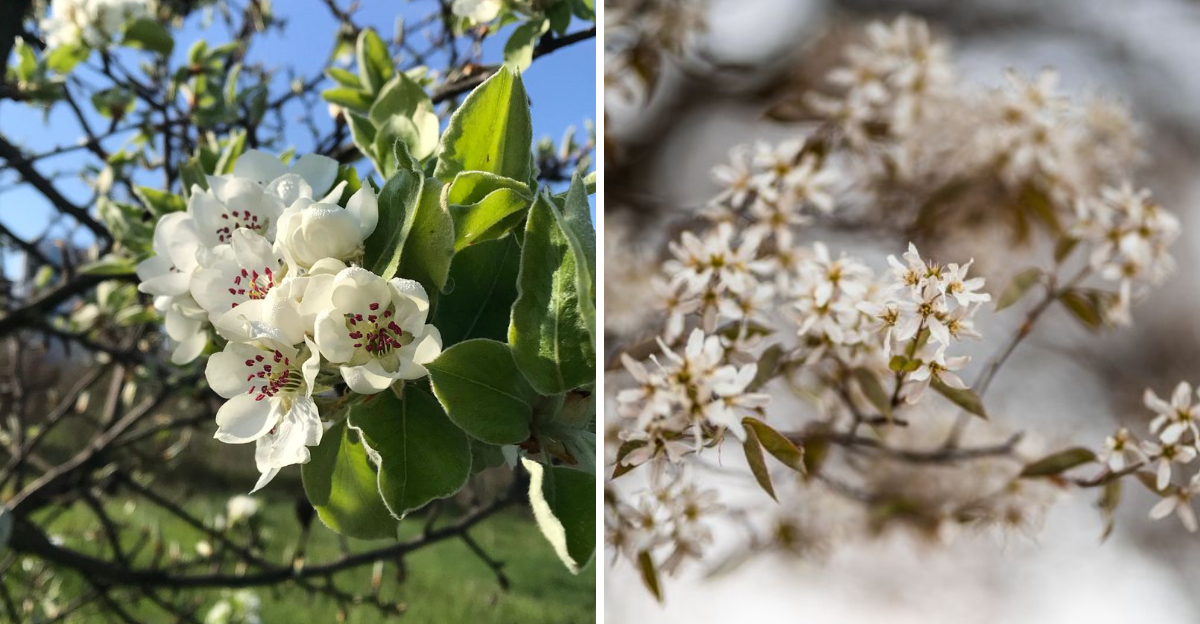
Bradford pears are having a rough spring in Virginia. Homeowners are digging up their once-prized flowering trees, replacing them with serviceberry, a quiet native that’s grown along Virginia’s woodland edges for far longer.
This isn’t just a passing yard trend. Bradford pears crack apart in storms, spread aggressively into wild areas, and offer almost nothing to local pollinators.
Serviceberry does the opposite. It feeds early-season bees, produces berries songbirds actually rely on, and shifts through four distinct looks across the year, from white spring blossoms to fiery fall color.
If a Bradford pear is standing in your yard right now, there’s a good chance it’s already causing problems you haven’t noticed yet.
The Problem Hiding Behind Bradford Pear’s Spring Blooms
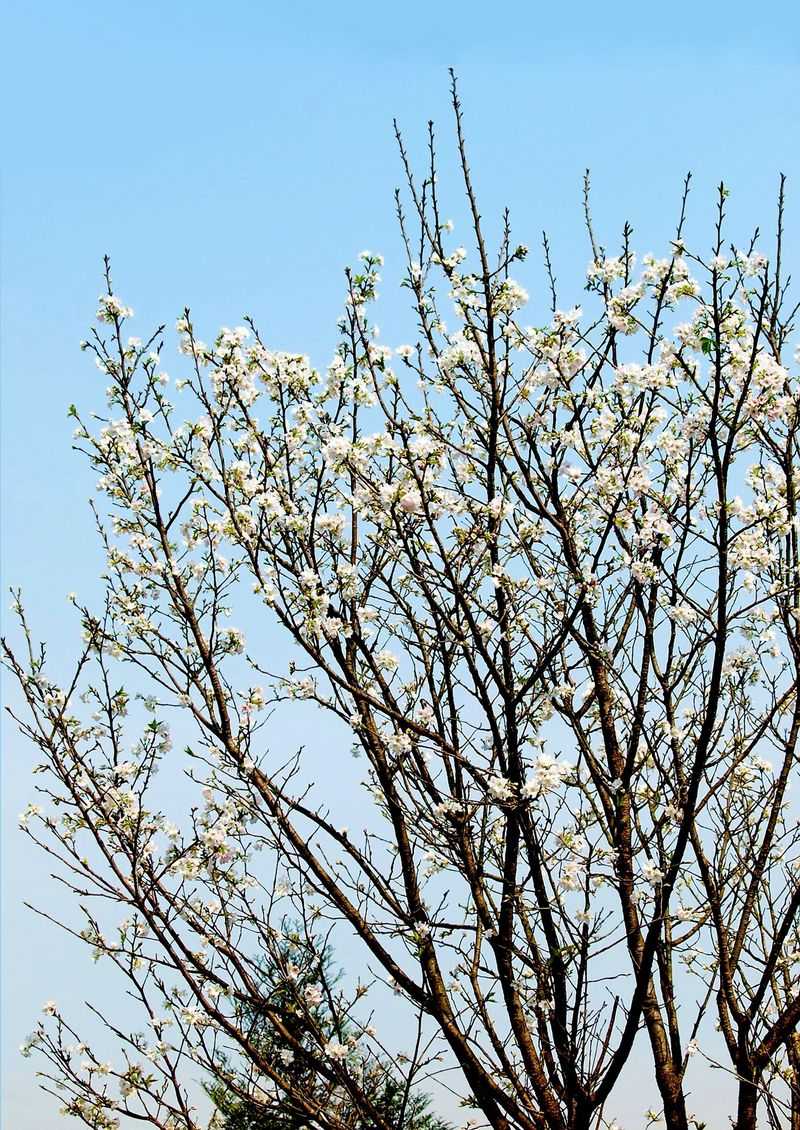
Every March, Bradford pears explode into a cloud of white blossoms. They look stunning from the curb, and for decades, homeowners across Virginia planted them by the millions.
But there is a serious problem hiding behind those pretty flowers. That sweet smell many people notice? It has been compared to rotting fish. Not exactly the backyard ambiance anyone wants.
Beyond the smell, Bradford pears carry a much bigger issue. They were originally sold as sterile trees, meaning they could not reproduce. That turned out to be wrong.
When multiple Bradford pear trees grow near each other, they cross-pollinate and produce seeds. Birds eat the small fruits and drop seeds across fields, roadsides, and forests. Those seeds sprout into wild callery pears with sharp thorns.
Those thorny wild trees crowd out native plants and take over open land fast. The Virginia Department of Forestry has flagged this species as a serious ecological threat.
Serviceberry tells a completely different story. Instead of choking out native plants, it supports them, feeding early bees, hosting caterpillars that birds depend on, and producing berries that never turn into a wildlife takeover.
Virginia gardeners swapping Bradford pears for native serviceberry are making a decision that goes beyond curb appeal. The Bradford pear problem is real, and it is spreading every single season without pause.
How This Popular Tree Became An Invasive Threat
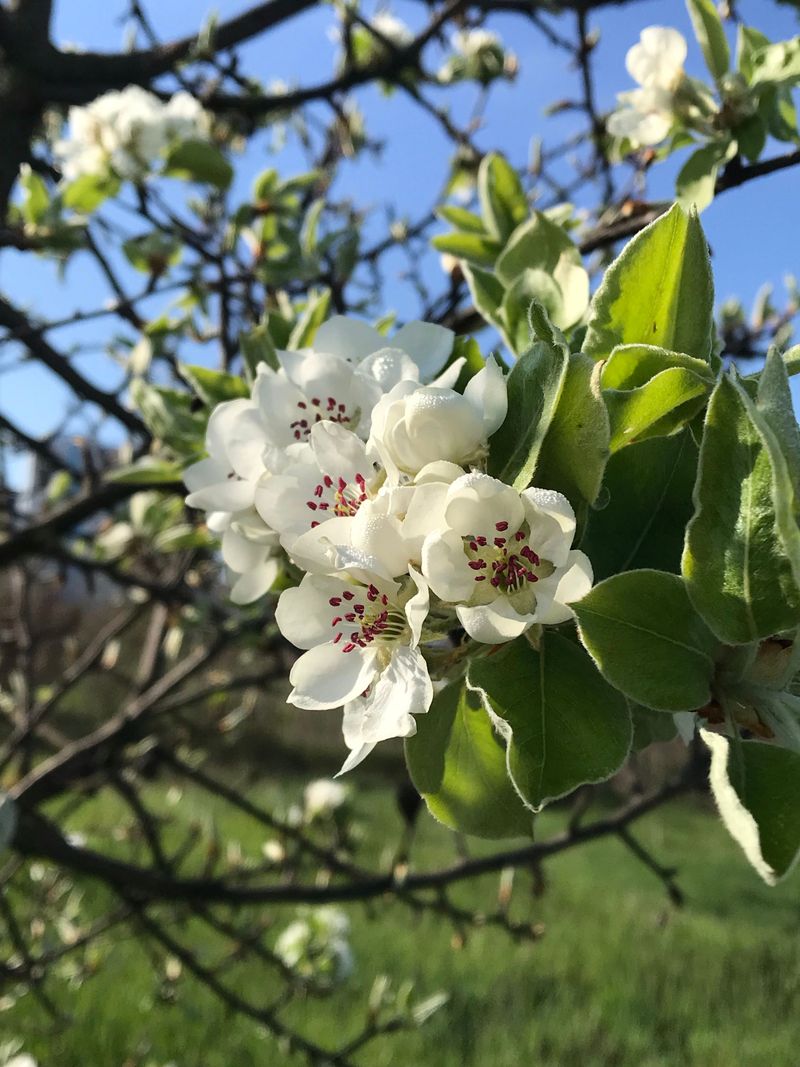
The Bradford pear story starts in the early 1900s, when the U.S. Department of Agriculture introduced callery pear from China to help American pear orchards resist a bacterial disease called fire blight.
Decades later, in the 1950s, one seedling stood out for its shape and spring blooms, and it was released commercially as the ‘Bradford’ cultivar in the early 1960s.
Nobody predicted what would happen next. As different callery pear varieties were planted near each other, cross-pollination created fertile seeds. Birds spread those seeds everywhere within a short time.
Wild callery pear trees began appearing in meadows, forest edges, and roadsides across the eastern U.S. These wild trees grew thorns sharp enough to puncture tractor tires. They leafed out earlier than native plants and shaded out wildflowers before they could grow.
By the 2000s, ecologists were raising serious alarms. Several states, including Pennsylvania and Ohio, have already banned the sale of callery pear.
Your Virginia Garden Changes Every Week. Your Plan Should Too.
Gardening in Virginia changes quickly throughout the season. Every Friday you’ll receive a simple weekly plan showing exactly what to plant, prune, fertilize, harvest, and protect so you never miss the right timing.
Virginia’s Department of Forestry runs a Callery Pear Exchange Program, offering free native replacement trees to landowners who remove their Callery pears.
Understanding how a beloved suburban tree turned into an ecological problem helps explain why Virginia gardeners swapping Bradford pears for native serviceberry is such a meaningful shift. Good intentions planted this problem, and smart choices can help fix it.
Meet The Native Tree Taking Its Place
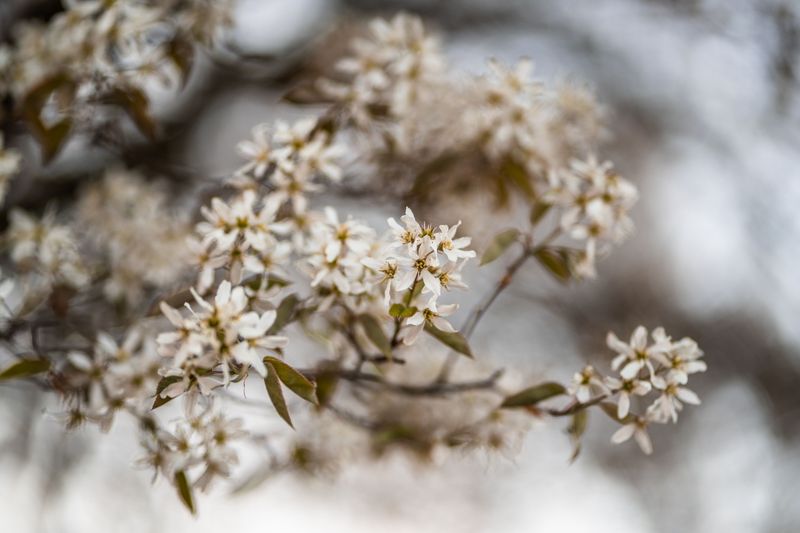
Serviceberry sounds like a plant from a fairy tale, and honestly, it kind of is. Known botanically as Amelanchier, this small native tree produces white flowers, edible berries, and brilliant fall color all in one package.
It blooms in early spring, right around the same time as Bradford pear. That means you lose nothing in terms of visual drama when you make the swap.
The berries ripen in early summer and taste similar to blueberries. Many gardeners pick them fresh off the branch, and birds absolutely flock to the tree once fruiting begins.
Serviceberry supports over 100 species of native moths and butterflies. Bradford pear, by contrast, supports almost none. For pollinators and wildlife, the difference is enormous.
The tree stays a manageable size, typically between 15 and 25 feet tall. That makes it perfect for smaller yards, foundation plantings, or spots near power lines where large trees are a liability.
Fall foliage turns shades of orange, red, and gold that rival any ornamental tree on the market. Serviceberry earns its keep through every season, not just one flashy week in spring.
For Virginia gardeners swapping Bradford pears for native serviceberry, this tree delivers beauty, wildlife value, and low maintenance in one elegant package worth celebrating.
Comparing The Two Trees Side By Side
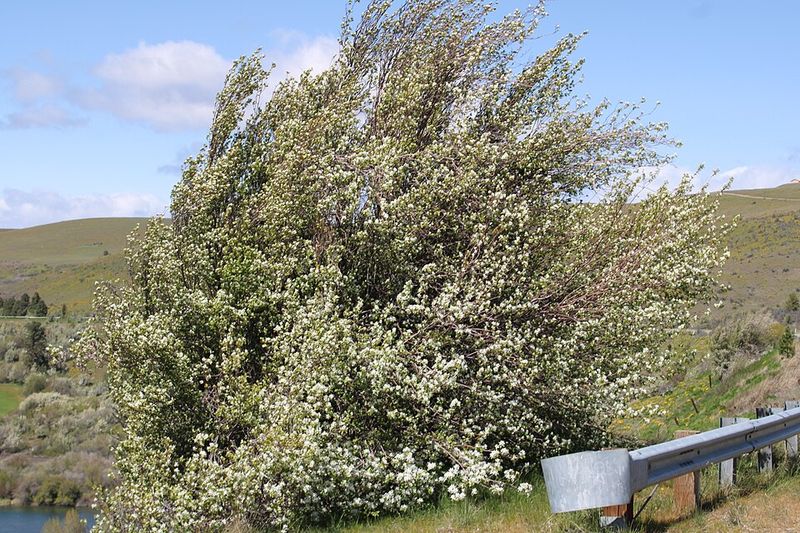
Putting these two trees next to each other reveals just how different they really are. Both bloom white in early spring, but the similarities end right there.
Bradford pear grows fast, often outpacing many other ornamental trees within just a few years. That rapid growth creates weak branch structure, and the trees are notorious for splitting apart in ice storms or high winds.
Serviceberry grows more slowly, which actually works in its favor. Slower growth means stronger wood, better branch angles, and a tree that holds up through harsh weather without drama.
In terms of wildlife value, serviceberry wins by a landslide. It feeds birds, supports native caterpillars, and provides nesting habitat. Bradford pear offers very little to the local food web.
Bradford pear fruits are small and hard, eaten mostly by birds that then spread invasive seeds. Serviceberry fruits are large, sweet, and loved by both people and wildlife without ecological consequences.
Bradford pear lifespan averages around 20 years before structural failure becomes likely. A well-placed serviceberry can live for decades with minimal care needed.
When it comes to fall color, serviceberry produces fiery orange and red tones. Bradford pear offers reddish-purple fall color, but it tends to be inconsistent depending on the season.
For Virginia gardeners swapping Bradford pears for native serviceberry, this side-by-side view makes the choice feel less like a sacrifice and more like an obvious upgrade.
What To Do With An Existing Bradford Pear
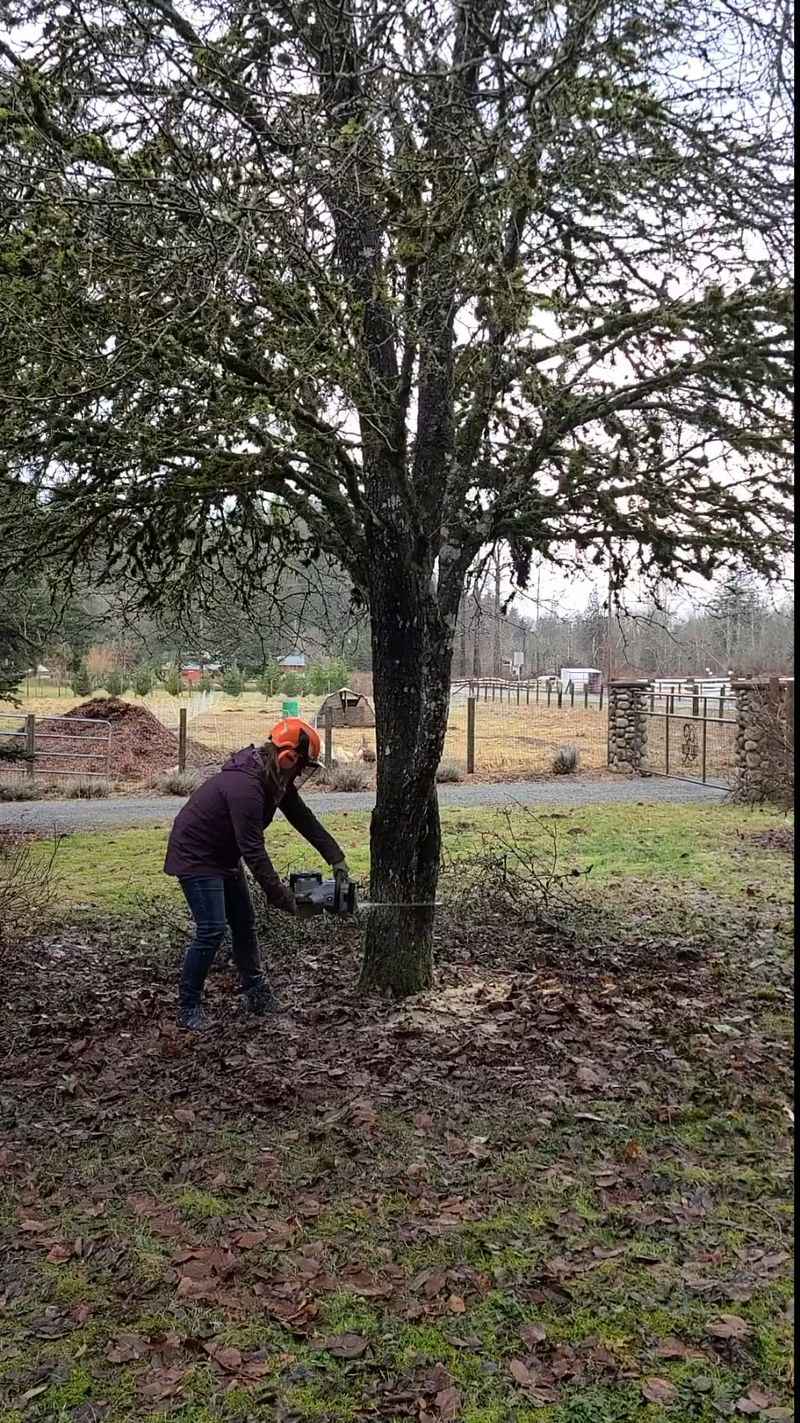
You have a Bradford pear in your yard right now, and you are wondering what to do. You are not alone, and there are clear steps to handle this situation well.
First, do not feel guilty. These trees were sold and promoted for decades by nurseries and landscapers who trusted the science available at the time. You did nothing wrong by planting one.
The best approach is to remove it before it gets larger and harder to deal with. Younger trees are cheaper to remove and easier to replace with something better.
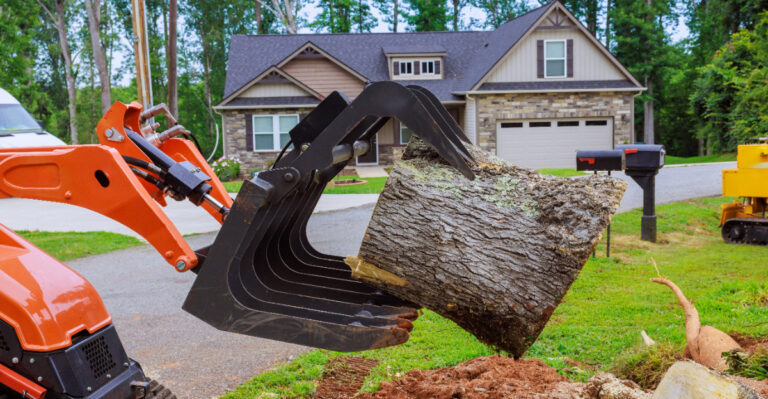
Hire a certified arborist to handle removal safely. Bradford pears split unpredictably, and DIY removal on a mature tree can be dangerous without proper equipment and training.
Once the stump is ground down, you have a fresh planting opportunity. This is the moment to choose a native species that will serve your yard and neighborhood for generations ahead.
Several Virginia counties and conservation districts offer free or discounted native tree programs.
Check with your local extension office or the Virginia Native Plant Society for resources near you. Some programs even send volunteers to help with planting at no cost to you.
Virginia gardeners swapping Bradford pears for native serviceberry often say the removal process felt empowering rather than sad. Letting go of one tree opens space for something truly worth growing.
Planting And Caring For Serviceberry In Virginia
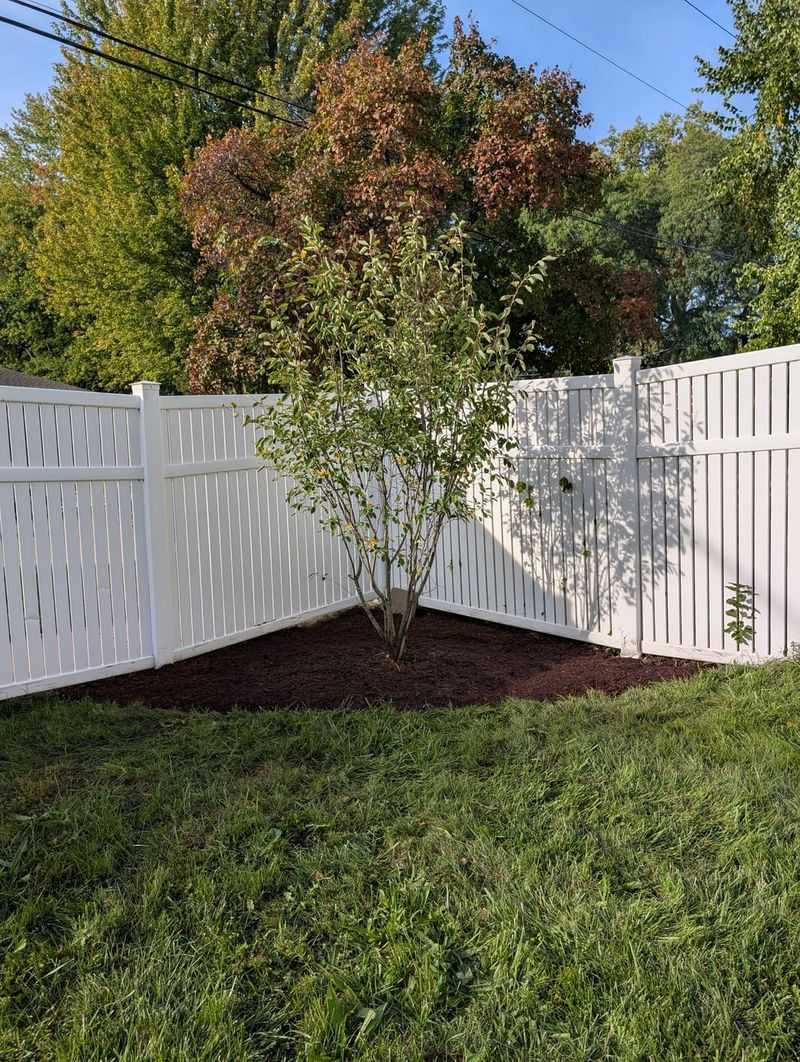
Planting serviceberry is straightforward, even for gardeners who have never grown a native tree before. The key is picking the right spot and giving the roots a strong start.
Serviceberry thrives in full sun to partial shade. It naturally grows at forest edges, so it handles dappled light better than most ornamental trees on the market.
Plant in well-drained soil and water deeply once a week during the first growing season. After that, established trees handle drought surprisingly well without much intervention from you.
Dig a hole twice as wide as the root ball but no deeper than the roots sit in the container. Planting too deep is one of the most common mistakes new tree planters make.
Mulch around the base with two to three inches of wood chips, keeping mulch away from the trunk. This holds moisture, moderates soil temperature, and reduces weed competition around the young tree.
No heavy fertilizing is needed. Serviceberry is adapted to Virginia soils and does not need chemical encouragement to thrive in most residential settings across the state.
Prune lightly in late winter to shape the canopy and remove crossing branches. Avoid heavy pruning, which can stress the tree and invite disease during vulnerable periods.
Virginia gardeners swapping Bradford pears for native serviceberry often report that the new tree requires far less attention than the old one did. Less fuss, more reward, and a yard full of birds every summer.