Michigan Plants That Don’t Actually Repel Ticks Despite Popular Claims
Tick-repellent plant lists circulate widely, and a lot of them recommend the same handful of species without much scrutiny behind the claims.
Several plants that consistently show up on these lists in Michigan gardening circles have little to no actual evidence supporting their effectiveness against ticks, despite being planted specifically for that purpose by well-meaning homeowners.
Some of these claims trace back to anecdotal reports rather than anything tested rigorously. Others confuse general pest deterrent properties with tick-specific effectiveness, which are not the same thing at all.
Knowing which popular recommendations actually hold up means Michigan gardeners can stop relying on plants that are not doing the job they were planted for.
1. Lavender
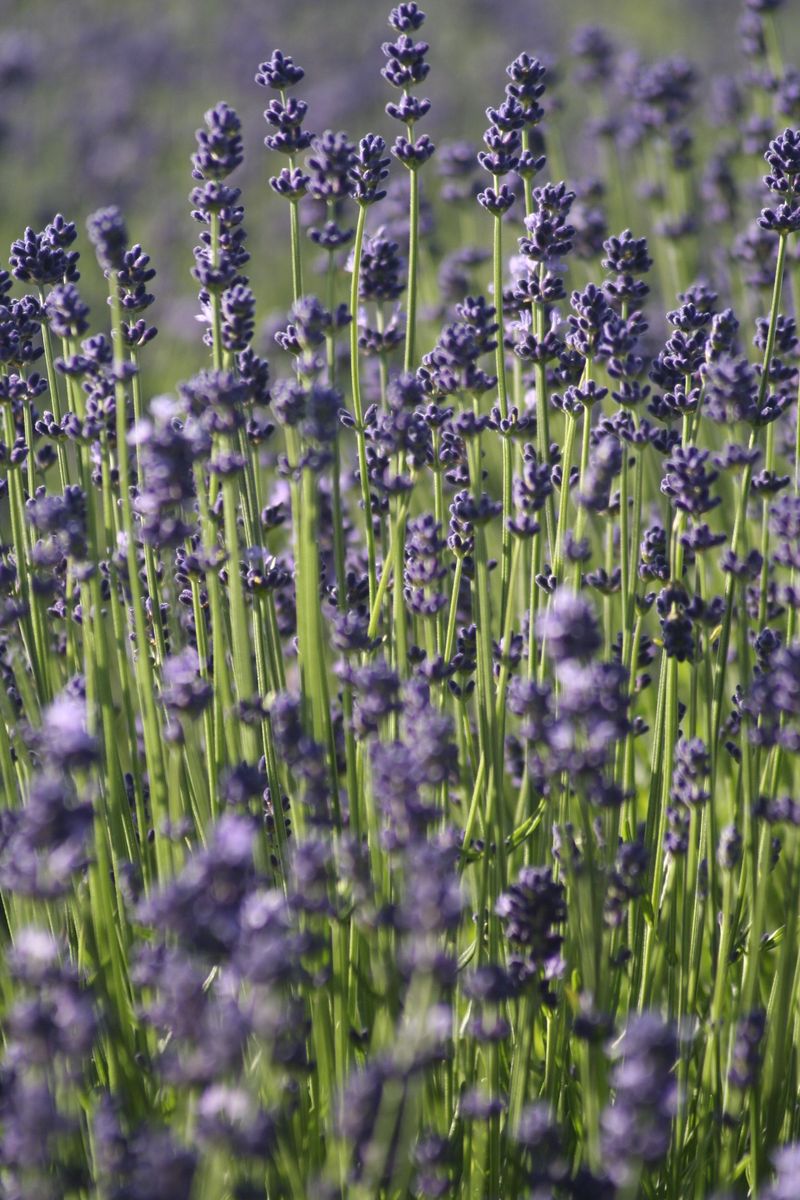
Lavender has one of the most beloved scents in any garden, and it is easy to see why so many people believe it keeps ticks away. The idea sounds logical enough.
Ticks are sensitive to strong smells, so a fragrant plant should push them back, right? Unfortunately, research does not back that up for most real-world garden situations in Michigan.
A few lavender plants placed near your patio look gorgeous and smell wonderful, but they do not create any kind of invisible shield around your yard.
Ticks travel on deer, mice, and other animals that wander through brushy edges, tall grass, and shaded leaf piles. No flowering plant sitting in a garden bed is going to stop that movement.
Michigan gardeners who want real protection need to think about the conditions ticks actually love. Keeping your grass trimmed short removes one of their favorite hiding spots.
Raking up leaf litter along fence lines and garden edges takes away the damp, shaded cover they need to survive. Clearing brushy borders where your lawn meets wooded areas is one of the most effective steps you can take.
After any time spent gardening or walking through vegetation, checking yourself carefully for ticks matters far more than what plants you grow nearby. Lavender is a genuinely wonderful plant for pollinators, fragrance, and dried arrangements.
Enjoy it for all those reasons. Just do not skip your tick checks or skip trimming your lawn because you planted a few purple blooms near the walkway. That misplaced confidence is where the real risk hides.
2. Rosemary
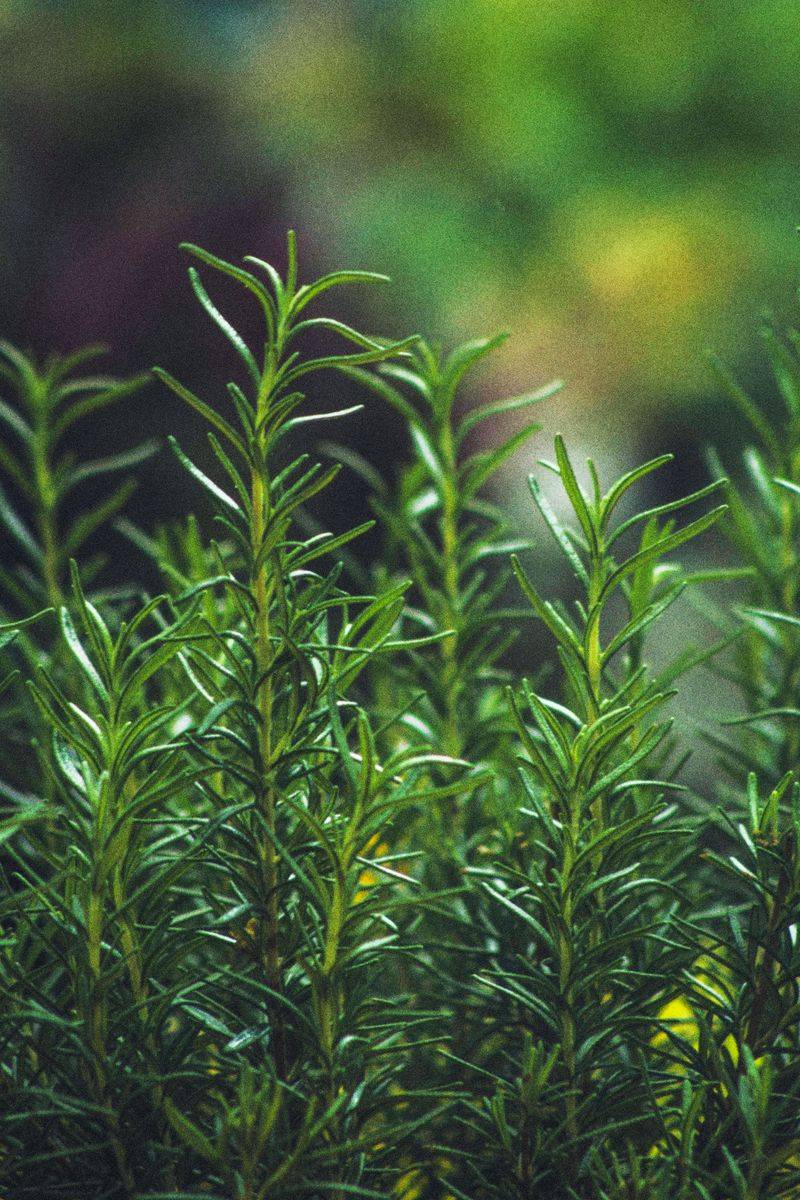
Rosemary shows up on nearly every “natural tick repellent plant” list you find online, and it has developed quite a reputation for keeping pests away.
The herb does have a strong, distinctive scent from its natural oils, and some lab studies have explored those oils in concentrated forms.
But a rosemary plant sitting in a terracotta pot on your deck is a completely different story from a tested, concentrated product.
Growing rosemary in your Michigan garden is a fantastic idea for cooking. Fresh sprigs make roasted potatoes and grilled chicken taste incredible.
As a patio herb, it adds texture and fragrance to any outdoor space. What it does not do is form a protective boundary that ticks will avoid walking through to reach your lawn or garden beds.
Your Michigan Garden Changes Every Week. Your Plan Should Too.
Gardening in Michigan changes quickly throughout the season. Every Friday you’ll receive a simple weekly plan showing exactly what to plant, prune, fertilize, harvest, and protect so you never miss the right timing.
There is also a practical growing challenge worth knowing. Rosemary is not reliably winter hardy in most parts of Michigan.
Harsh winters can wipe out plants left outside, which means many gardeners treat it as an annual or bring containers indoors before temperatures drop.
So even if it offered some minor tick deterrent effect during warm months, it would not be a year-round solution in this climate.
Tick activity in Michigan peaks in spring and early summer, and again in fall. Those are exactly the seasons when outdoor activity increases, and when careful habits matter most.
Wearing long socks, tucking in your shirt, using a tested repellent on skin and clothing, and doing thorough tick checks after being outside are the habits that genuinely reduce your risk. Rosemary is a kitchen treasure, not a tick barrier.
3. Mint
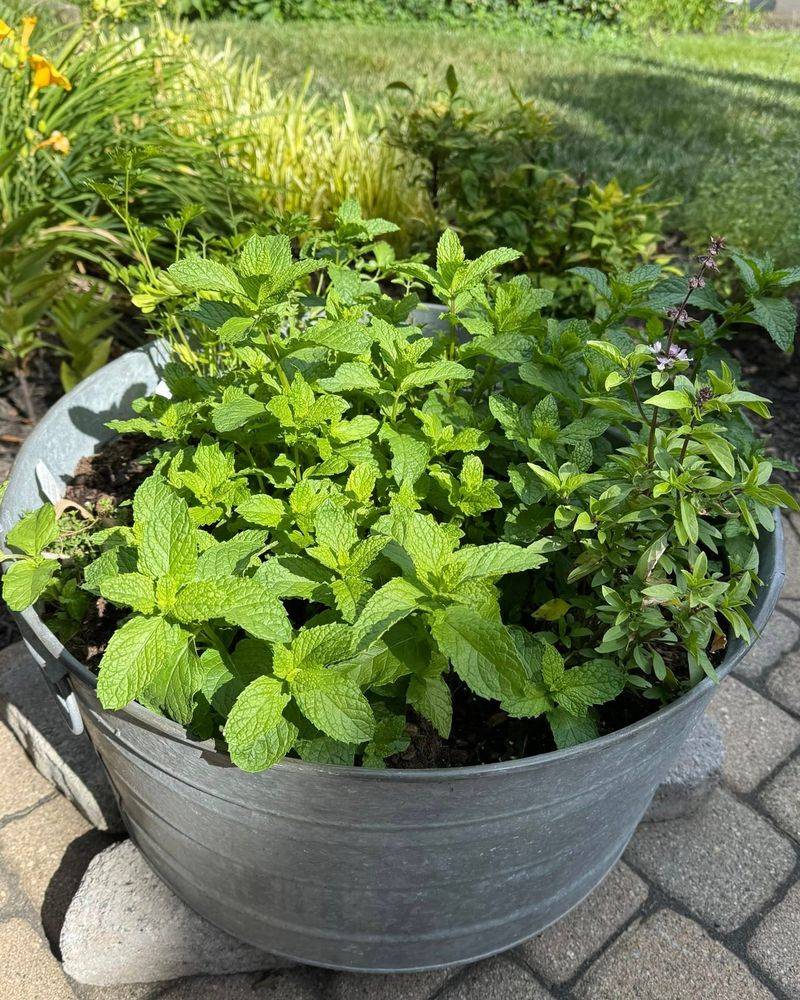
Few plants smell as refreshingly strong as mint. That bold, cool scent makes a lot of gardeners assume ticks want nothing to do with it.
Mint essential oil does appear in some natural pest-related products, and that connection has fueled the idea that growing mint in your garden will keep your yard tick-free. The leap from “mint oil in a product” to “mint plant in a bed” is a big one, though.
Ticks do not wander through your yard sniffing out scented plants to avoid. They move through tall grass, wait on the tips of low vegetation for a passing host, and hitch rides on wildlife traveling along wooded edges.
A cluster of mint growing in one corner of your garden has no meaningful effect on that behavior. The real factors that attract ticks to your yard are moisture, shade, leaf litter, and animal traffic, not the absence of peppermint.
One thing mint genuinely will do is spread. Aggressively. If you plant it directly in a garden bed without containment, it will take over neighboring plants within a season or two.
Experienced gardeners almost always grow mint in containers or sunken pots to keep its roots from running wild. That is a useful tip that will save you frustration later.
Enjoy mint for mojitos, herbal tea, and fresh garnishes. It is a fun, easy-growing plant that brings real enjoyment to any garden space.
Just pair it with smart tick habits like mowing regularly, clearing brush from yard edges, and checking your skin carefully after outdoor time. Those steps make a real difference.
4. Citronella Geranium
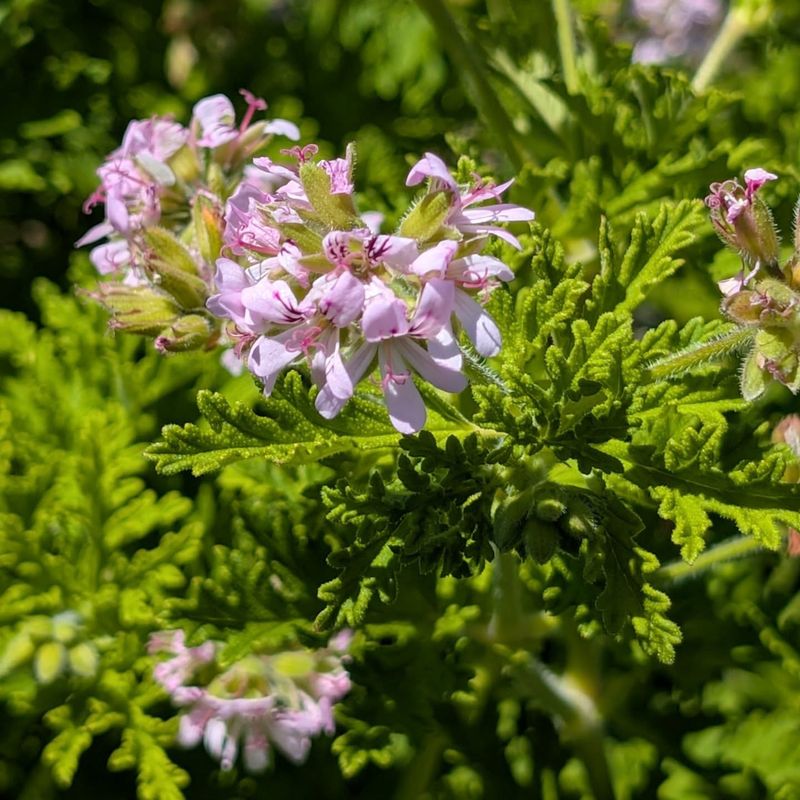
Walk past a citronella geranium and brush your hand across its leaves, and you will instantly notice that sharp, lemony scent.
It is genuinely impressive, and it is easy to understand why nurseries and gardening sites market this plant as a natural pest repellent. The scent is real. The pest-repelling power around your entire yard, however, is not.
Citronella geranium releases fragrance when its leaves are physically disturbed. The plant does not continuously pump scent into the air around your patio or lawn.
That means it is not creating any kind of aromatic bubble that ticks or other pests would need to navigate around. Ticks crawling through your grass a few feet away from the pot have no idea that plant even exists.
It is also worth separating this plant from the citronella candles and torches you may use outdoors. Those products use citronella oil from a different plant entirely, lemongrass, not the citronella geranium sold at garden centers.
The name overlap creates a lot of confusion and probably contributes to the overblown reputation this plant has for pest control.
In Michigan, citronella geranium is typically grown as an annual container plant since it cannot handle frost. It does beautifully in pots, window boxes, and hanging baskets, adding great texture and fragrance to outdoor spaces.
Use it for exactly that. Enjoy the scent, enjoy the look, and let it be what it actually is: a lovely patio plant.
For tick protection, focus on trimming vegetation, reducing shaded damp areas, and using tested repellents on your skin and clothing when heading outdoors.
5. Marigold
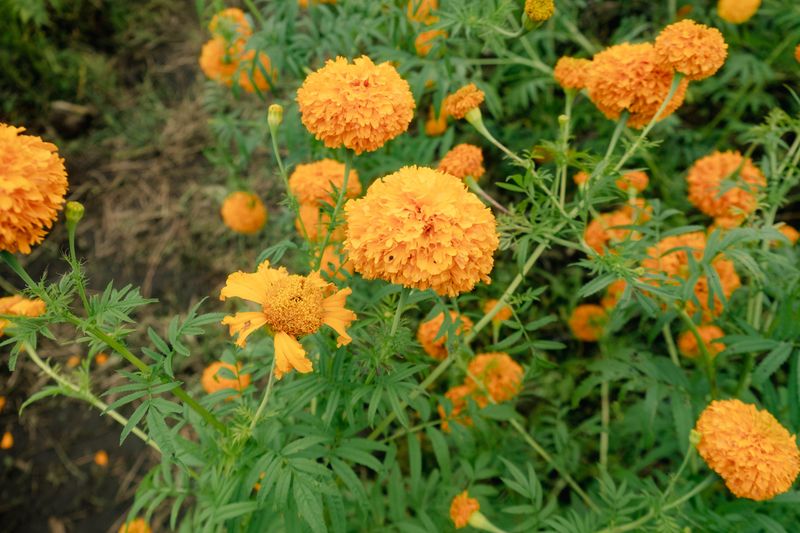
Marigolds are one of the most cheerful flowers a Michigan gardener can grow. Their bold orange and yellow blooms light up vegetable beds and borders from midsummer through fall frost.
They have a long history of use in companion planting, and some gardeners swear by them for keeping certain insects away from tomatoes and peppers.
That usefulness in the vegetable garden, though, gets stretched way beyond what the evidence actually supports when people start calling them tick repellents.
Marigolds have a distinctive smell that some insects find unappealing. Certain nematodes and aphid species do seem to avoid them under specific conditions.
However, ticks are not insects. They are arachnids, more closely related to spiders, and they respond to very different environmental cues.
The scent of a marigold plant has not been shown to deter ticks in any meaningful, yard-wide way.
The real factors that make a Michigan yard attractive to ticks come down to habitat, not plant selection. Ticks need moisture, shade, leaf litter, and access to hosts like deer and rodents.
A border of marigolds planted around your vegetable garden does nothing to address any of those conditions.
Mowing your lawn regularly, raking leaf piles away from your home, trimming back brushy areas along fences and tree lines, and reducing wood piles near the house all do far more to lower tick pressure than any flower choice.
Marigolds absolutely deserve a spot in your Michigan garden. They attract butterflies, add incredible color, and bring genuine charm to any outdoor space.
Grow them because they are beautiful and fun, not because you expect them to stand guard against ticks.
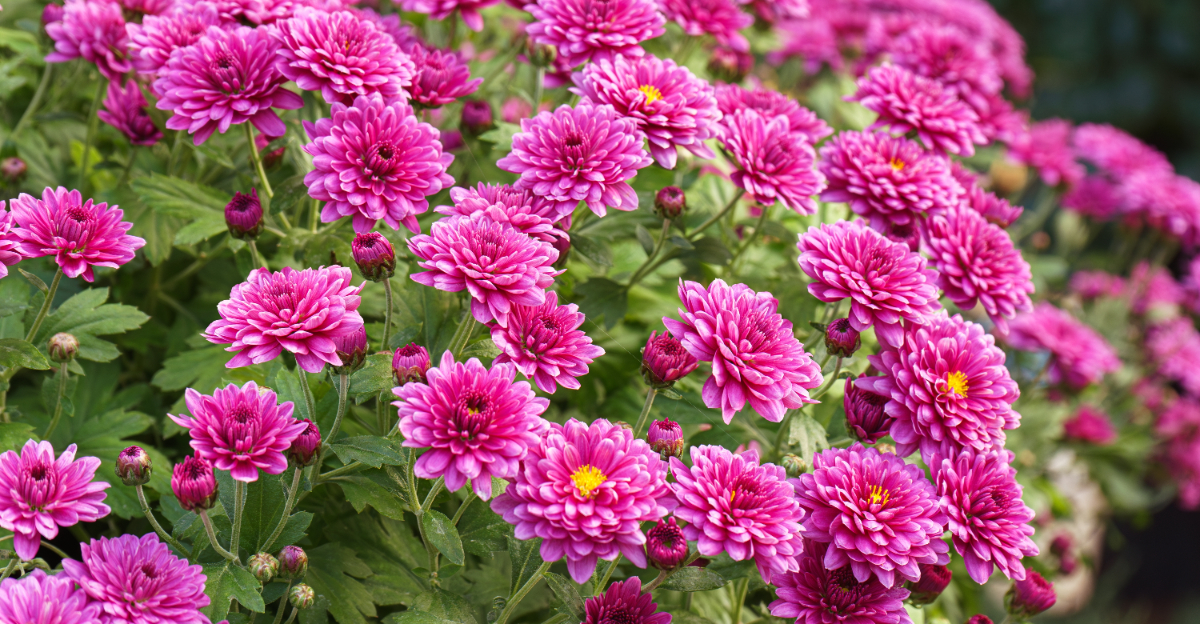
6. Chrysanthemum

Chrysanthemums are the official flower of Michigan autumn, showing up in porch pots and garden beds every September and October in stunning shades of red, gold, and purple.
Beyond their beauty, mums carry an interesting scientific connection to pest control that has led to a lot of confusion about what they actually do in a home garden.
Here is the real story. Pyrethrin, a natural compound found in certain chrysanthemum species, is used to make pyrethroids, which are synthetic insecticides found in many commercial pest control products.
That connection is legitimate and fascinating. However, the jump from “this compound exists in chrysanthemum flowers” to “planting mums in my garden will repel ticks” is not supported by evidence.
The concentration of pyrethrin in garden mums is far too low to have any pest-deterring effect in an outdoor setting.
Using a tested, labeled pyrethrin-based product on your clothing or treating your yard with a registered product is a completely different action than growing ornamental mums in a flower bed. One involves a measured, concentrated application.
The other is simply enjoying a beautiful fall plant. Confusing the two can give gardeners a false sense of protection during one of the most active tick seasons of the year in Michigan.
Fall is actually a key time for tick activity, particularly for the blacklegged tick, which remains active in Michigan into late autumn as long as temperatures stay above freezing.
Wearing protective clothing, using repellent, and checking for ticks after outdoor time matters just as much in October as it does in June.
Grow your mums for their gorgeous fall color, and build your tick protection around proven habits instead.