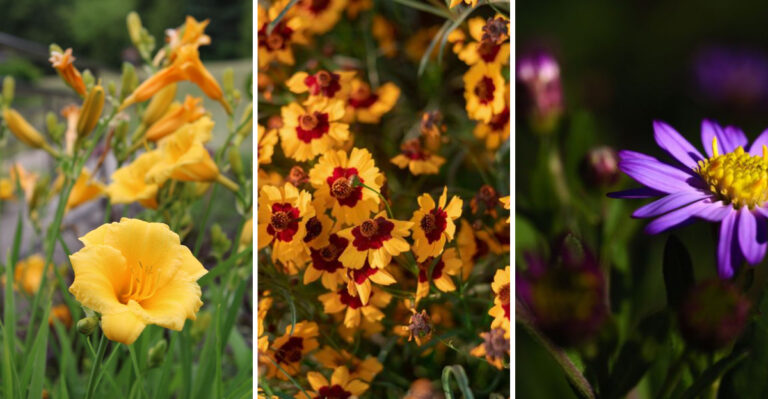
The Wisconsin Pruning List For July, And The Plants To Skip
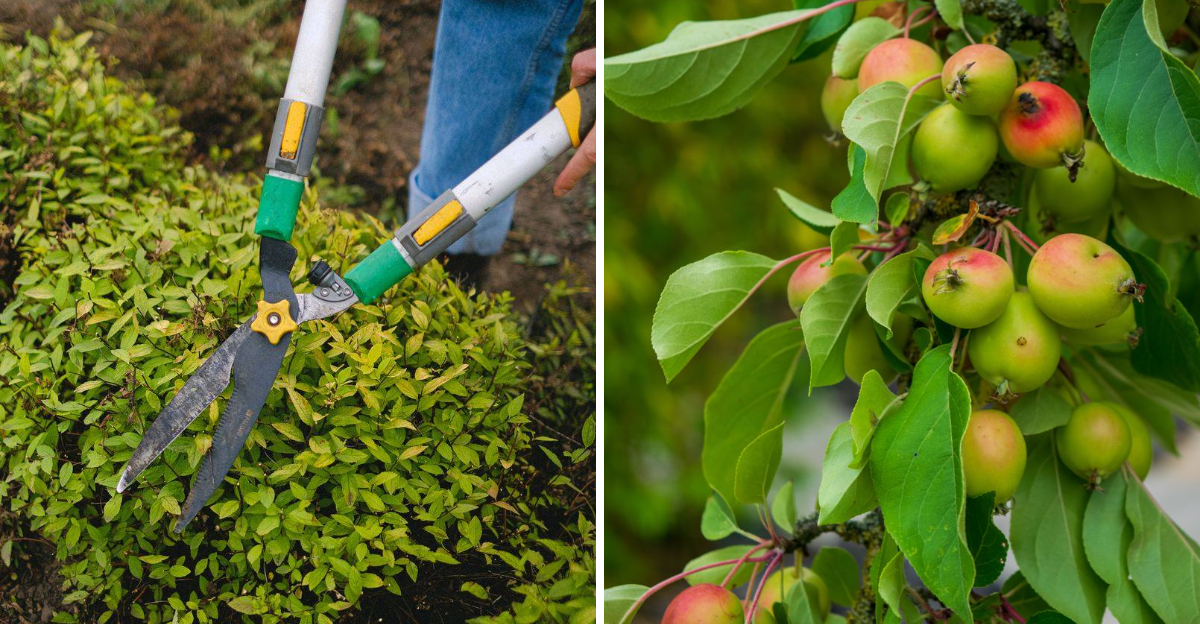
July doesn’t ask permission. It just shows up, cranks the heat, and dares your garden to keep up. Shoots stretch overnight, hedges go rogue, and somewhere in your shed those pruning shears are basically vibrating with anticipation.
Here’s the catch, though: grab them at the wrong moment and you’re setting your plants back weeks, not helping them. Wisconsin’s July pruning window is narrow, but get it right and your garden pays you back with stronger growth.
Get it wrong, and you’re inviting stress, slow recovery, and problems that show up long after you’ve put the tools away. Fruit trees, unruly hedges, perennials looking a little worn out from the heat, we’ve got a plan for all of it.
Gloves on, blades sharp, let’s sort out the real pruning priorities.
1. Prune Your Raspberries Now For A Bigger Harvest Next Year
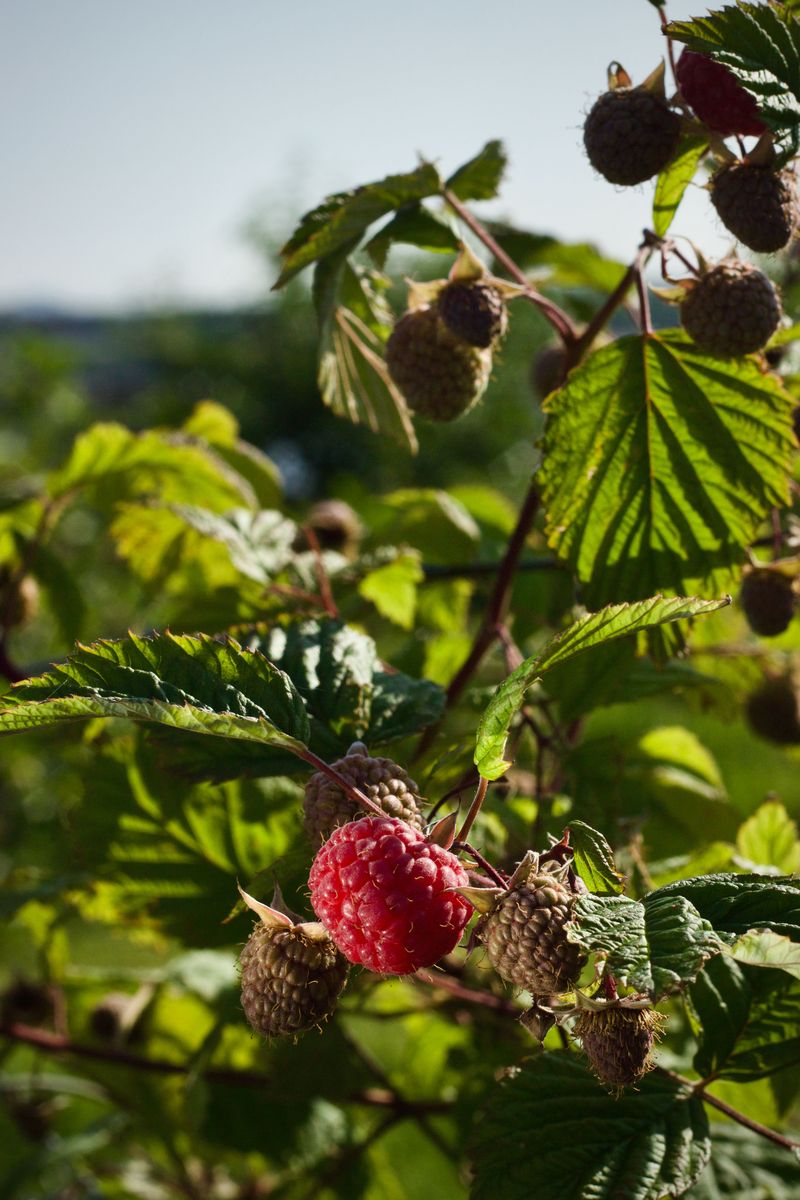
Raspberry canes are two-year plants, and July is the perfect window to clean them up.
After your summer-bearing canes finish producing fruit, they turn brown and woody. Those spent canes are done for good and need to go.
Grab your shears and cut the old brown canes all the way down to the ground. Leave the green, flexible new canes alone because they are next year’s crop.
Removing the spent wood improves airflow through the patch. Better airflow means fewer fungal problems and healthier plants heading into fall.
Thinning also helps the remaining canes grow thicker and stronger. Aim to keep about six strong new canes per plant if possible.
Don’t be shy about cutting. It feels counterintuitive to remove so much growth, but your berry patch will thank you come next summer.
Ever-bearing raspberries follow a slightly different schedule, so check which type you have before cutting. If you’re unsure, look for two distinct flushes of fruit, which signals an ever-bearing variety.
Clean your blades with a disinfectant solution between plants to avoid spreading disease. A sharp, clean cut heals faster than a ragged one, so keep those shears in good shape all season long.
2. Spring Flowering Shrubs Just Finished Blooming So Shape Them Now
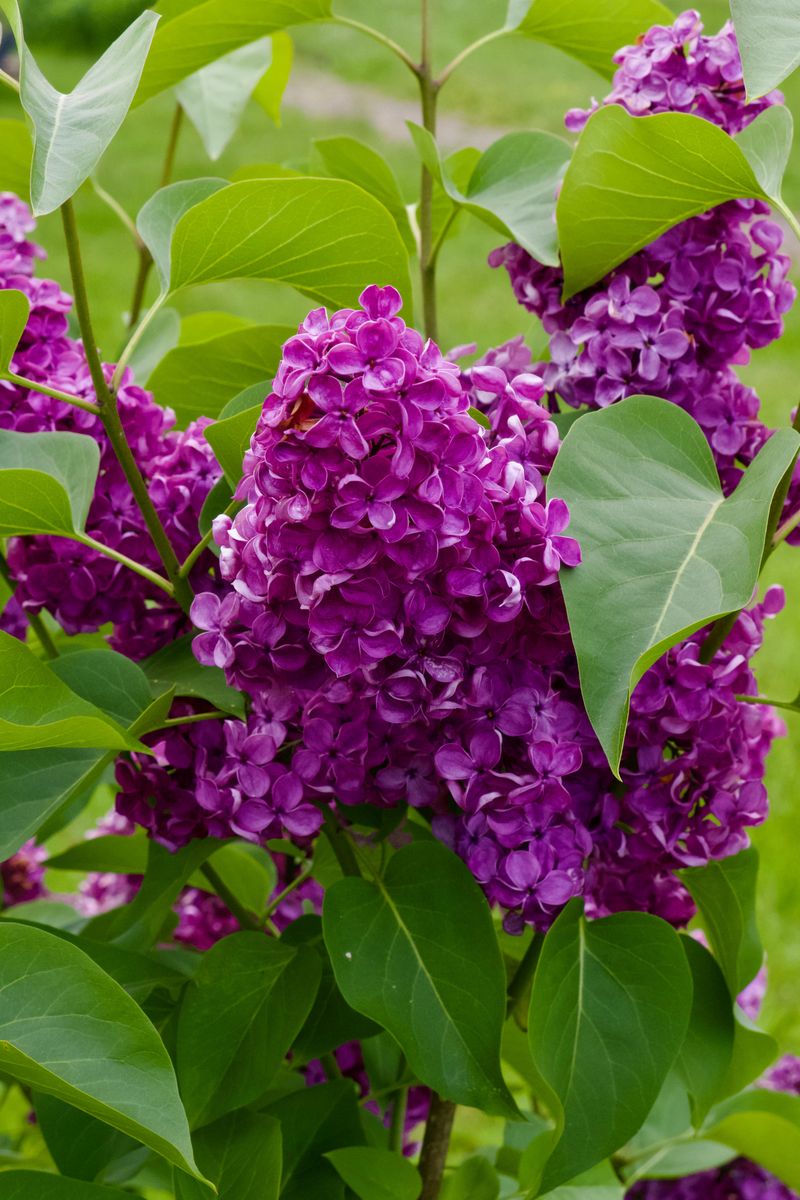
Your lilacs, forsythia, and spirea just finished their spring show, and now is the moment to shape them up.
Spring-flowering shrubs set next year’s flower buds in late summer. If you wait too long to prune, you’ll accidentally cut off those buds and lose next spring’s blooms.
Early July is your sweet spot. The flowers are gone, the new growth has hardened off a bit, and bud-set hasn’t started yet.
Focus on removing bare wood first. Then step back and look at the overall shape before making any big cuts.
Cut old, thick stems at the base to encourage fresh growth from the bottom. This technique, called renewal pruning, keeps shrubs looking young and full rather than leggy and sparse.
Avoid shearing these shrubs into tight balls or boxes. That approach works for some hedges but ruins the natural look of flowering shrubs and reduces blooms over time.
Your Wisconsin Garden Changes Every Week. Your Plan Should Too.
Gardening in Wisconsin changes quickly throughout the season. Every Friday you’ll receive a simple weekly plan showing exactly what to plant, prune, fertilize, harvest, and protect so you never miss the right timing.
A good rule of thumb is to remove no more than one-third of the plant at once. Removing too much stresses the shrub and delays recovery.
After pruning, give your shrubs a deep watering. A well-hydrated plant recovers faster and sets stronger buds for next year’s spectacular spring display.
3. Keep Your Hedges Tight All Summer With Regular July Trims
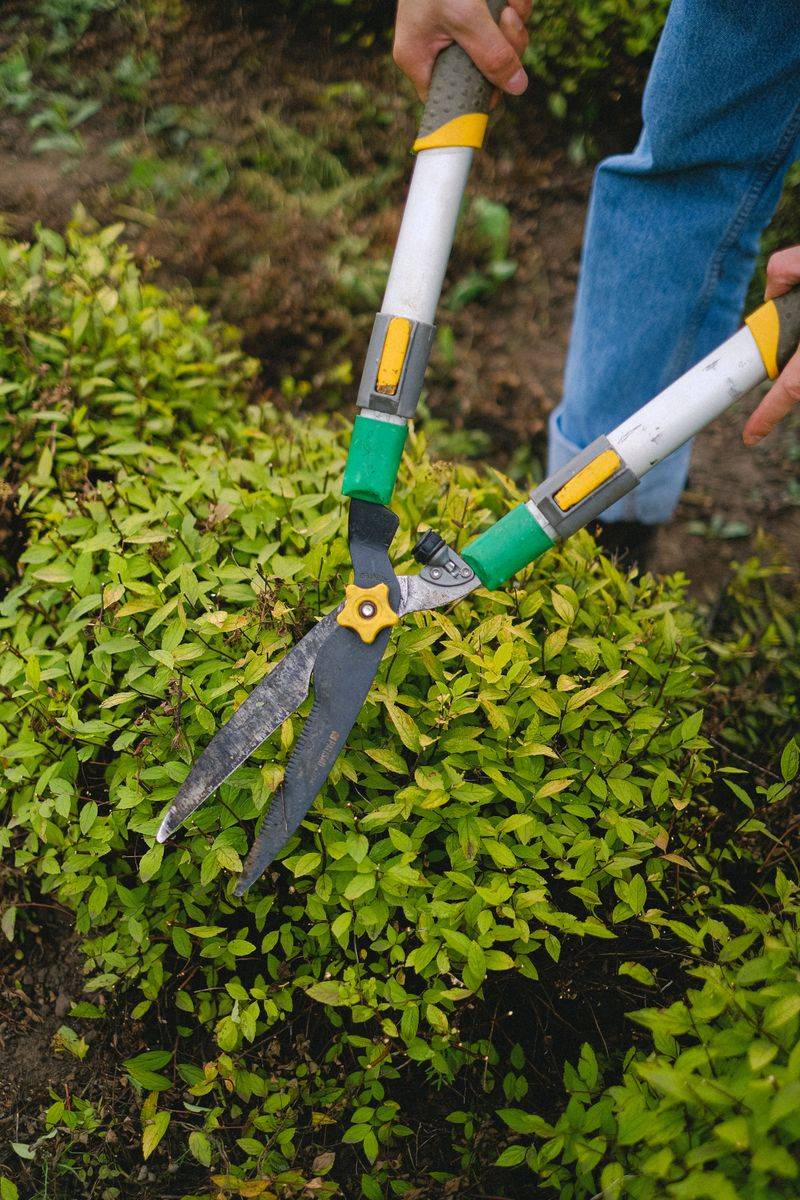
A shaggy hedge in July looks like it’s lost all sense of structure. Most hedges, though, handle summer trimming like champs.
Evergreen and deciduous hedges used for privacy or structure can be trimmed throughout the growing season. July is an excellent time because new growth is vigorous and a fresh trim will hold its shape through fall.
Use sharp hedge trimmers for clean cuts. Dull blades tear the leaves and leave brown, ragged edges that look rough for weeks.
Trim the sides slightly narrower at the top than the bottom. This angled shape, called a bevel, allows sunlight to reach the lower branches and keeps the base full and green.
If your hedge has grown significantly wider than you’d like, take it back gradually. Removing too much at once can stress the plant and leave bare spots that take seasons to fill back in.
Common hedge plants in the Midwest include boxwood, privet, and arborvitae. Each one responds well to midsummer shaping as long as you don’t go overboard with the cuts.
After trimming, rake up all the clippings. Leaving them piled against the base traps moisture and can invite fungal issues or pests. A clean base means a healthier hedge through the rest of summer.
4. A Light Touch On Evergreen Conifers Goes A Long Way
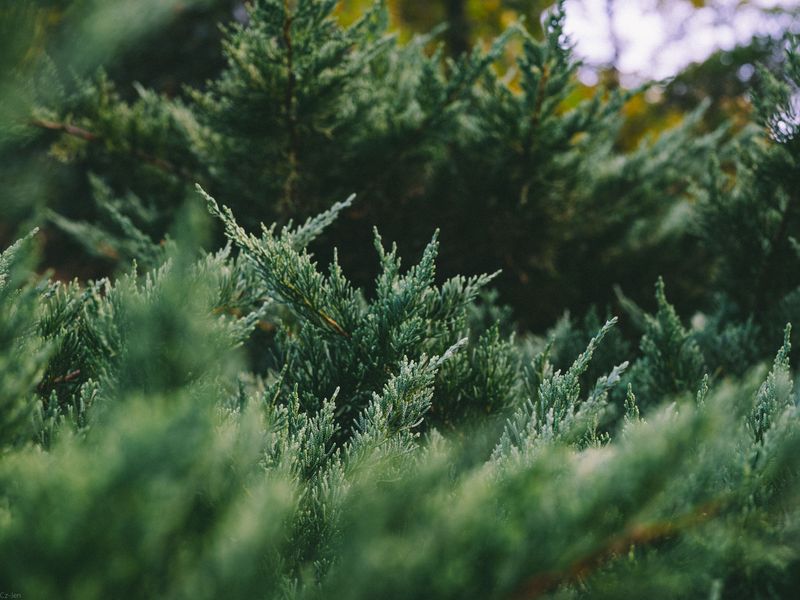
Evergreen conifers like spruce, juniper, and arborvitae are tougher than they look. A light trim in July helps control their size without causing serious harm.
The key word here is light. Conifers don’t regenerate from old wood the way deciduous plants do. Cut back too far and you’ll end up with a bare, brown stub that never fills back in.
Focus on trimming the new, soft growth tips that appeared this spring. These green tips are flexible and respond well to cutting. Old, dark wood should be left alone.
For arborvitae used as privacy screens, trim the sides and top lightly to encourage dense, bushy growth. Avoid cutting into the center of the plant where no green foliage remains.
Junipers can handle slightly more aggressive trimming than most conifers. You can remove individual branches back to a side branch as long as green growth remains on that branch.
Spruce and pine are a bit more sensitive, so keep cuts minimal. Pinching back the new candles on pine in early Wisconsin summer is ideal, but a light trim in July still works if needed.
It’s best to prune conifers on a dry, cloudy day if possible. Cutting in intense heat or direct sun can stress the plant and brown the fresh cut ends faster than usual.
5. Trim Spent Blooms And Divide Perennials For More Flowers
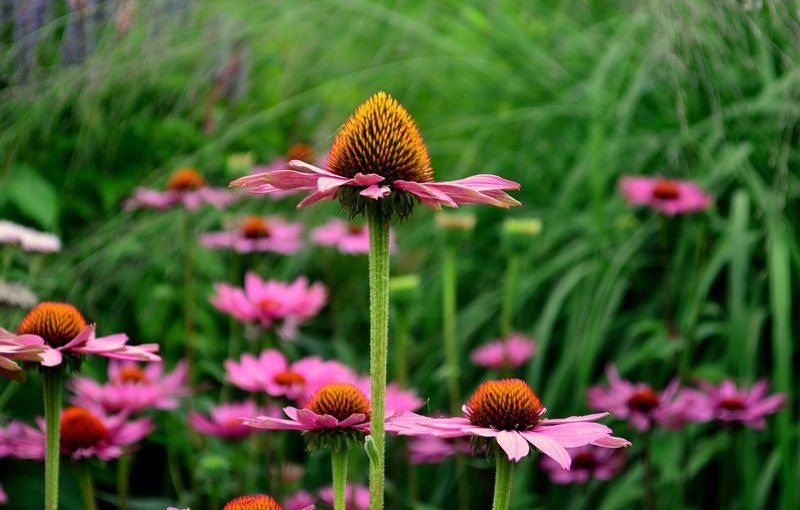
Perennials are the workhorses of the Wisconsin summer garden, and a little attention in July keeps them blooming strong. Removing spent flower heads is the main task this month.
When you remove faded blooms, you redirect the plant’s energy away from making seeds. That energy goes back into producing more flowers instead, which is exactly what you want.
Use clean scissors or hand pruners to snip off the spent blooms just below the flower head. For plants with multiple blooms on a single stem, cut the whole stem back to a set of healthy leaves.
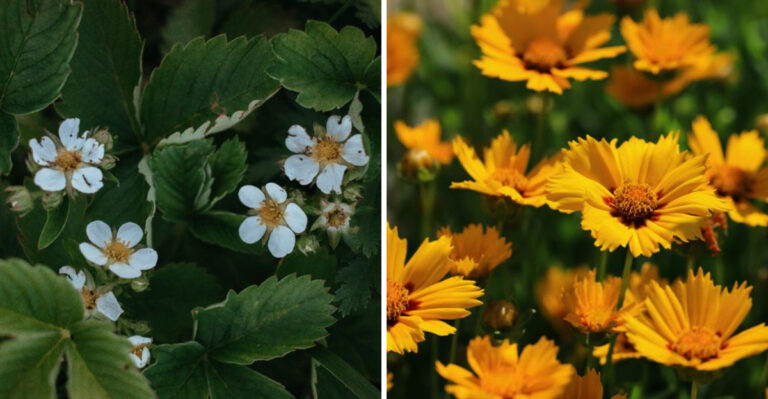
Coneflowers, black-eyed Susans, and salvia all respond well to trimming in July. You can often trigger a second flush of blooms before the season ends.
Some perennials, like catmint, benefit from a harder cutback in midsummer. Cutting catmint back by half after its first bloom encourages a fresh mound of foliage and a strong second flowering in late summer.
Avoid cutting back plants that provide important seed heads for birds. Rudbeckia and echinacea seed heads feed finches and other wildlife through fall and winter, so think twice before removing every spent bloom.
July is also a good time to divide overcrowded clumps of perennials. Dividing now gives the new sections time to establish roots before the ground freezes in late fall.
6. Leave Oak Trees Alone Until Winter Arrives
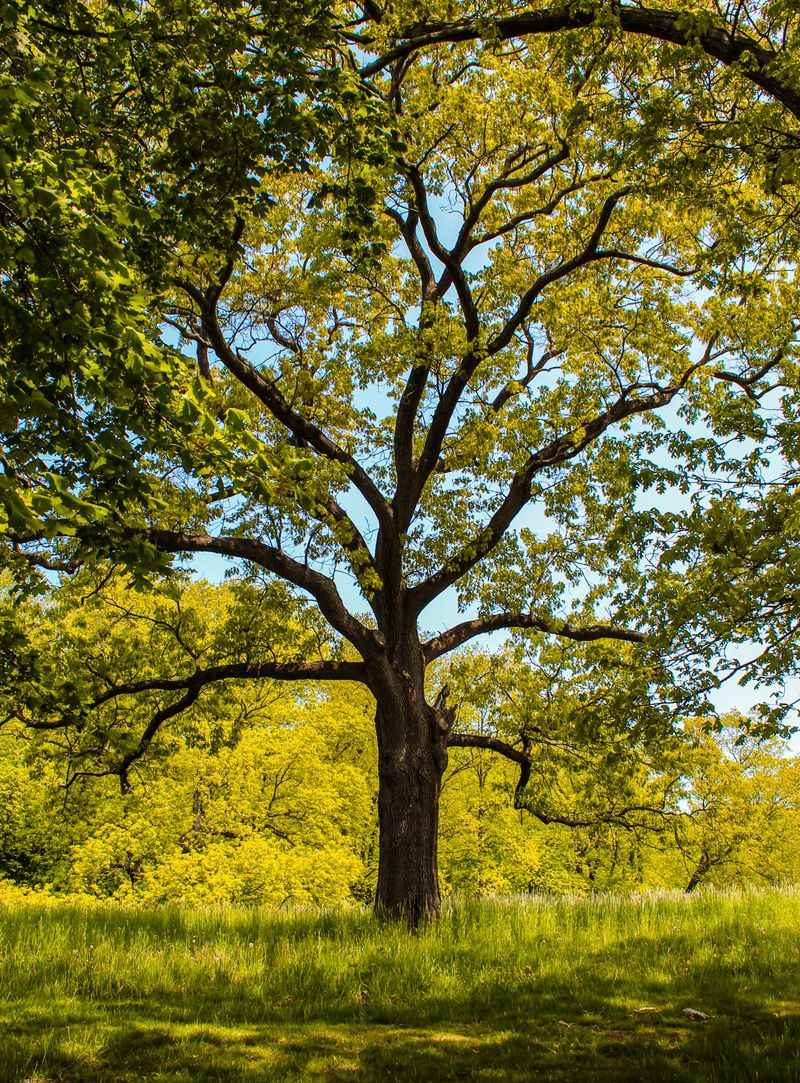
Oak trees are stunning, long-lived, and deeply beloved across the upper Midwest. But pruning them in July is one of the riskiest moves a homeowner can make.
Oak wilt is a serious fungal disease that spreads rapidly through fresh pruning wounds. The beetles that carry the fungus are most active from April through July, making summer cuts extremely dangerous.
Fresh wounds on oaks release compounds that attract sap-feeding beetles. Those beetles can carry oak wilt spores directly into the open cut, infecting the tree within hours of pruning.
Once oak wilt takes hold, it spreads through connected root systems to neighboring oaks. Entire groves of trees can be affected in just a few growing seasons.
The safest window for pruning oaks in the upper Midwest is during dormancy, from November through March. Cold temperatures slow beetle activity and reduce the risk of infection significantly.
If a branch breaks or a storm causes damage in summer, you can’t always wait. In that case, paint the wound immediately with pruning sealant to block beetle access.
Even small cuts matter when it comes to oak wilt. A scratch from a saw blade or a minor wound from yard equipment can be enough to allow infection under the right conditions.
Protect your oaks by keeping all pruning tools away from them until winter arrives.
7. Skip Pruning Elm Trees In July To Stop Disease From Spreading
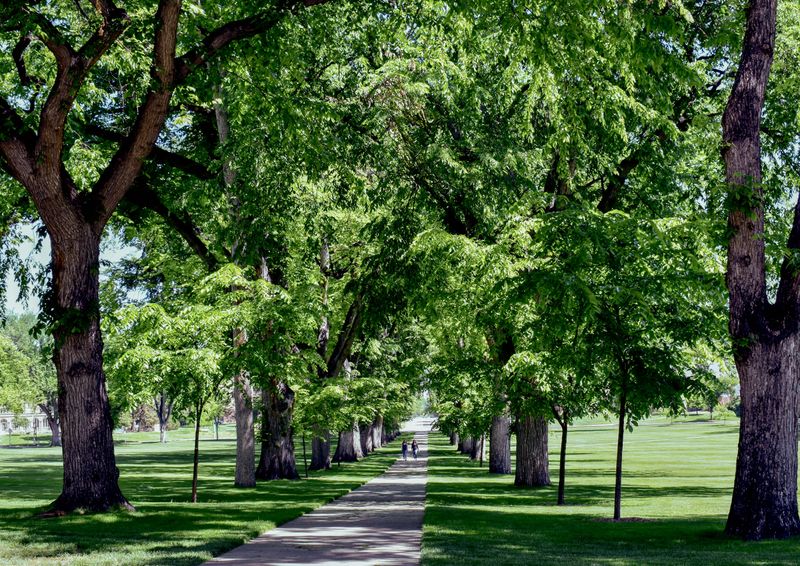
Elm trees have had a tough century. Dutch elm disease swept across North America and dramatically reduced elm populations, and the threat hasn’t gone away.
Pruning elms in July puts them at serious risk. The beetles that spread Dutch elm disease are most active during warm summer months, and fresh wounds act like an open invitation.
The elm bark beetle tunnels under tree bark and carries the fungal spores of Dutch elm disease with it. A freshly pruned elm in July is exactly the kind of target these beetles seek out.
Once the disease enters an elm, it spreads through the tree’s water-conducting vessels. Leaves wilt and yellow branch by branch until the whole tree is affected.
Resistant elm varieties exist and are worth planting if you’re adding new trees. But even resistant varieties benefit from careful pruning timing to reduce overall stress.
The best time to prune elms is during late fall or winter dormancy. Beetle activity drops sharply once temperatures fall, making dormant-season pruning much safer for the tree.
If you notice damaged branches on your elm in summer, contact a certified arborist before touching anything. Identifying the cause of branch decline before pruning can prevent accidental spread to healthy sections of the tree.
Your elm deserves that extra caution.
8. Wait On Apple And Crabapple Trees To Avoid Fire Blight
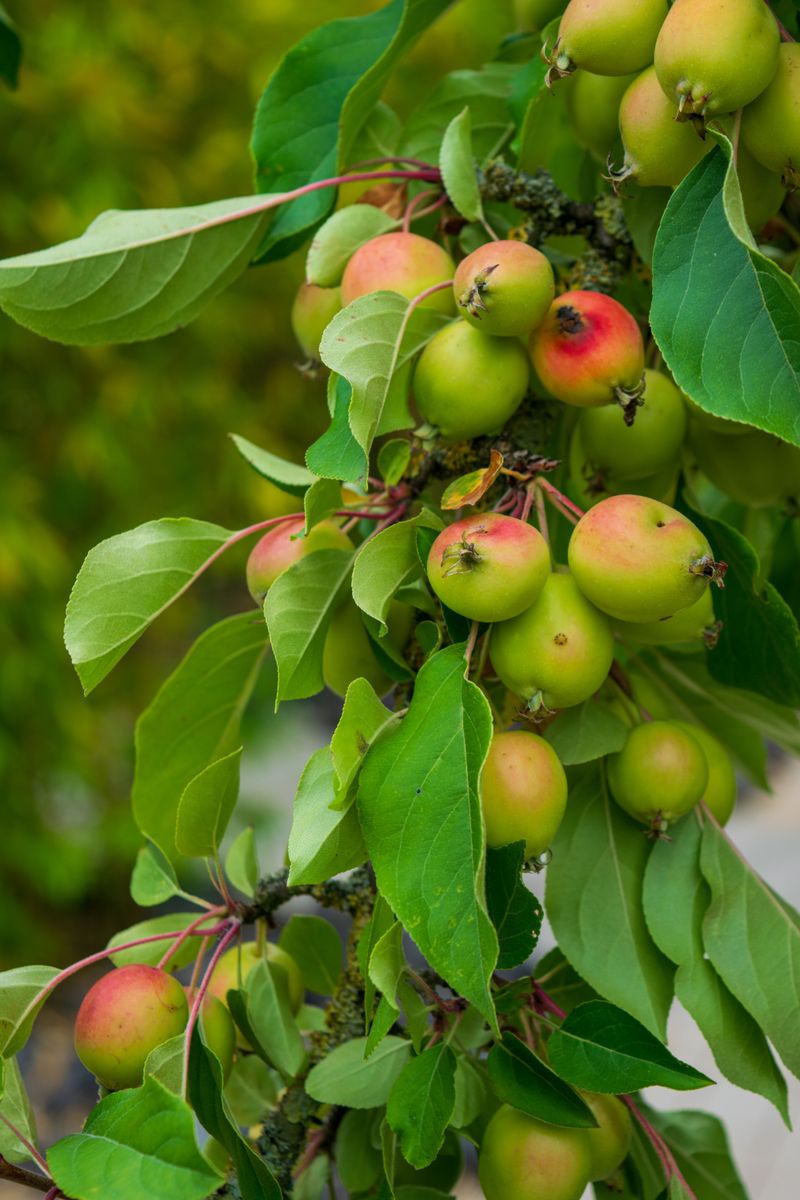
Apple and crabapple trees are gorgeous, productive, and surprisingly vulnerable to a bacterial disease called fire blight. Pruning in July raises the risk of spreading this nasty infection.
Fire blight bacteria thrive in warm, humid conditions, which describes a Wisconsin July perfectly. Fresh pruning wounds give the bacteria an easy entry point into the tree’s tissue.
Infected branches look like they were scorched by fire, turning black and curling downward in a distinctive shepherd’s crook shape. Once you see that, the disease is already inside the wood.
When pruning infected wood, the bacteria can hitch a ride on your blades. Moving from cut to cut without sterilizing spreads fire blight rapidly through the whole tree.
The safest approach is to hold off on any major pruning until late winter, when the tree is fully dormant and the bacteria are less active. Minor cleanup can be done in fall if needed.
If you must remove an obviously infected branch in summer, sterilize your blades with a ten-percent bleach solution between every single cut. Cut at least twelve inches below the visible infection to ensure you’re removing all affected tissue.
Keeping trees properly spaced and well-ventilated is your best long-term defense. Good airflow reduces humidity around the branches and makes fire blight far less likely to take hold in your orchard.
9. Give Newly Planted Trees And Shrubs A Break This Month
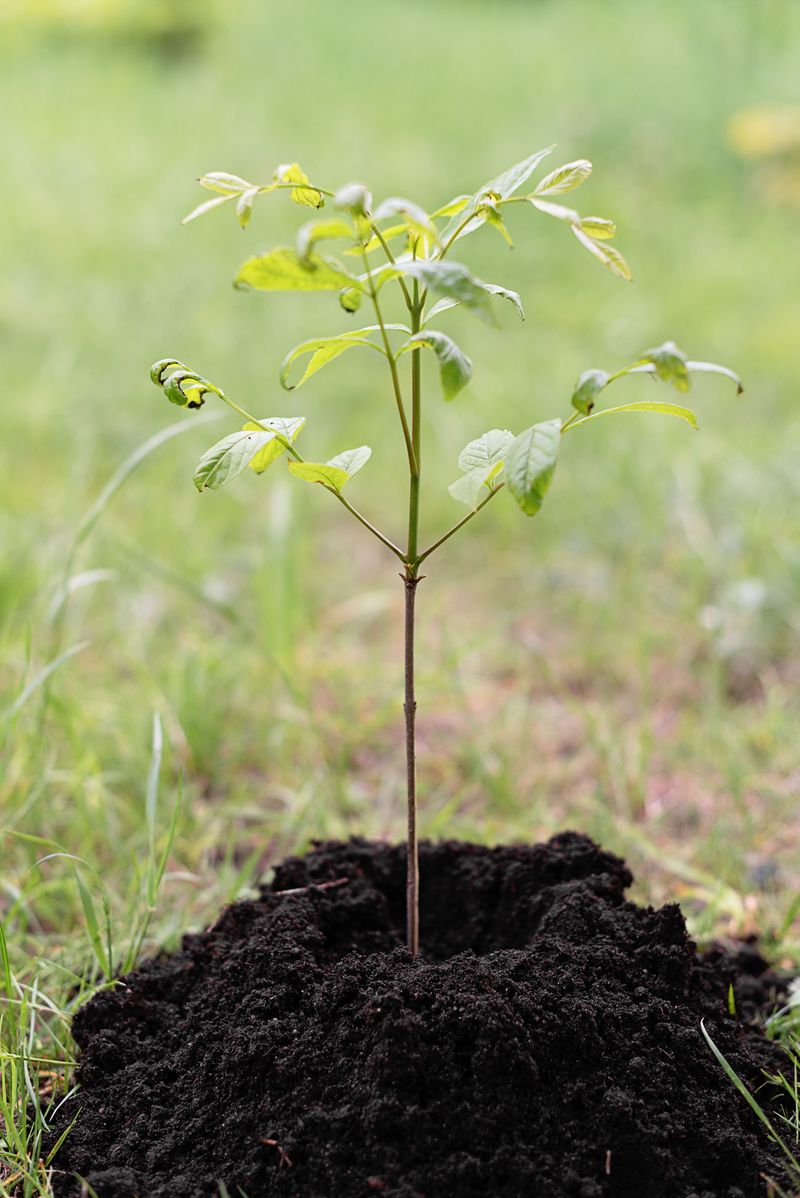
Brand-new trees and shrubs are working hard just to establish themselves. Their root systems are still tiny compared to the size of their canopy, and every leaf is working overtime to support recovery.
Pruning a newly planted tree or shrub in July removes the very leaves it needs to capture sunlight and build energy. Cutting now can slow establishment dramatically and weaken the plant heading into winter.
The first summer after planting is all about root development. Your job is to water consistently, keep mulch around the base, and let the plant do its thing without interference.
There is one exception worth mentioning. If a branch is clearly broken, crossing another branch badly, or showing signs of disease, go ahead and remove it. That kind of targeted cleanup is fine and actually helpful.
Avoid any shaping or size-reduction pruning until the plant has been in the ground for at least a full year. By the second growing season, the root system is stronger and the plant handles pruning much better.
Resist the urge to make a newly planted tree look perfect right away. Rushing the process stresses the plant and can set back establishment by an entire growing season.
The Wisconsin pruning list for July is clear on this one: patience with new plantings pays off in a big way. A tree given time to root will outlast and outperform one that was pruned too soon.
10. Skip Summer Cuts On Stone Fruit Trees To Fight Disease
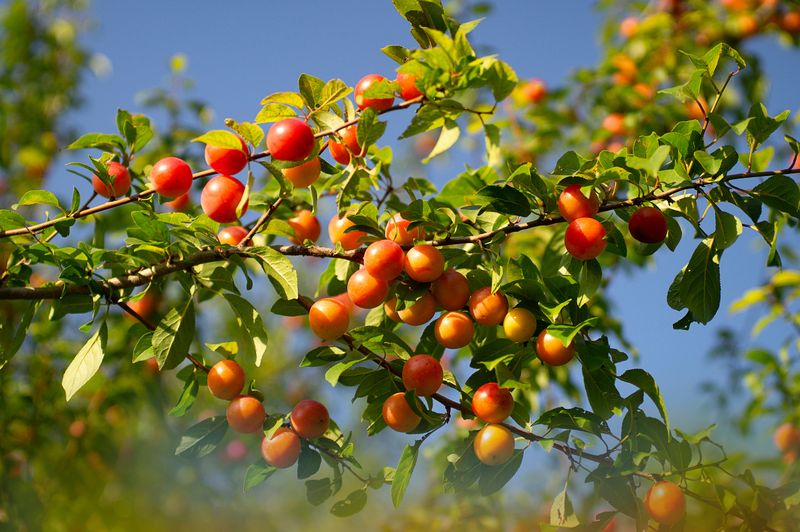
Peaches, cherries, plums, and other stone fruits are among the most rewarding trees you can grow. They’re also among the most disease-prone, especially when pruned at the wrong time.
July pruning on stone fruit trees opens wounds that are highly susceptible to a fungal disease called cytospora canker. This pathogen attacks through fresh cuts and weakened bark, spreading through the tree’s tissue over time.
Bacterial canker is another major threat. Warm, moist summer conditions are ideal for these pathogens, and pruning wounds give them exactly the opening they need to enter the tree.
Stone fruit trees are also vulnerable to a disease called brown rot, which thrives in humid summer weather. Keeping pruning to a minimum reduces the number of entry points available to these organisms.
The best time to prune stone fruit trees is in late winter or very early spring, just before the buds begin to swell. At that point, the tree is coming out of dormancy and can compartmentalize wounds much more effectively.
Some growers do a light thinning of fruit clusters in early summer, but that’s different from structural pruning. Fruit thinning improves size and quality without creating large wounds on the main framework of the tree.
Following the Wisconsin pruning list for July means knowing when to put the shears down. Protecting your stone fruit trees now means a healthier, more productive harvest for years to come.