The Biggest Summer Watering Mistakes Arizona Gardeners Make In July
July in Arizona hits different. And by different we mean brutally, relentlessly, almost personally hot.
The soil bakes, the air shimmers, and even plants that are supposed to love the desert can start looking a little rough around the edges if your watering routine is even slightly off.
Then the monsoon shows up, drops a dramatic amount of rain in about forty minutes, and disappears again for days.
Great for the drama, confusing for your garden. The result is that July watering in Arizona requires a lot more thought than just turning the drip system on and hoping for the best.
Vegetable beds, container gardens, desert shrubs, and fruit trees all have different needs right now, and small mistakes made consistently over several weeks can quietly add up to some pretty stressed out plants. Let’s talk about what actually works.
1. Watering During The Hottest Part Of The Day
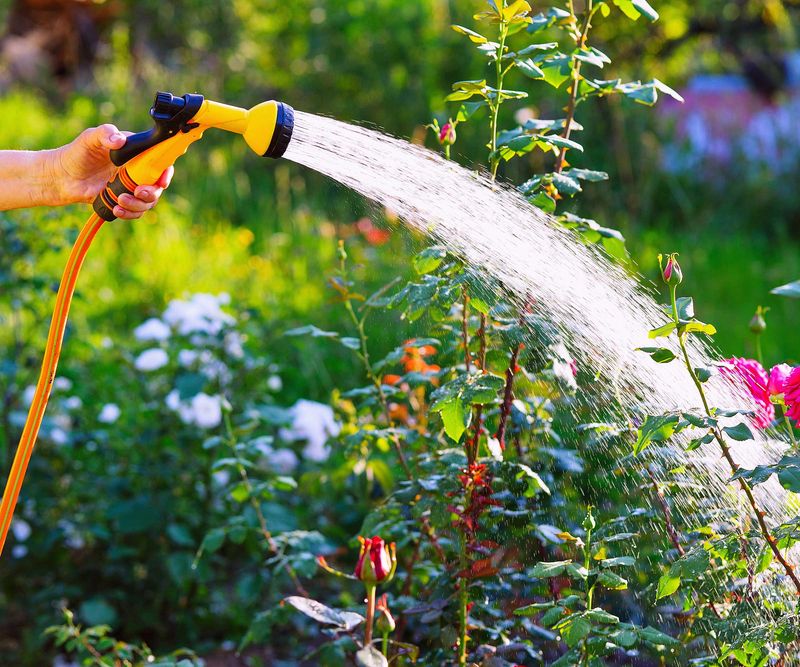
Stepping outside at noon in July and turning on the hose might seem like a quick fix when plants look droopy, but watering during peak heat hours tends to work against you in Arizona. Most of the water evaporates before it has a real chance to soak into the soil.
That means your plants may be getting far less moisture than you think, even after a full watering cycle.
Wet foliage in intense sunlight can also lead to leaf scorch, especially on herbs, vegetables, and broad-leafed plants. The combination of heat and moisture sitting on leaves creates conditions that stress plants rather than help them recover.
Drip systems running at midday lose efficiency quickly in Arizona’s dry, hot air.
Shifting your watering to early morning gives water time to soak deeply into the root zone before temperatures spike. Evening watering can work too, though it sometimes leaves moisture sitting on foliage overnight, which creates other issues.
Early morning tends to be the most reliable window for gardeners trying to get the most out of every gallon during July.
2. Watering Too Shallowly
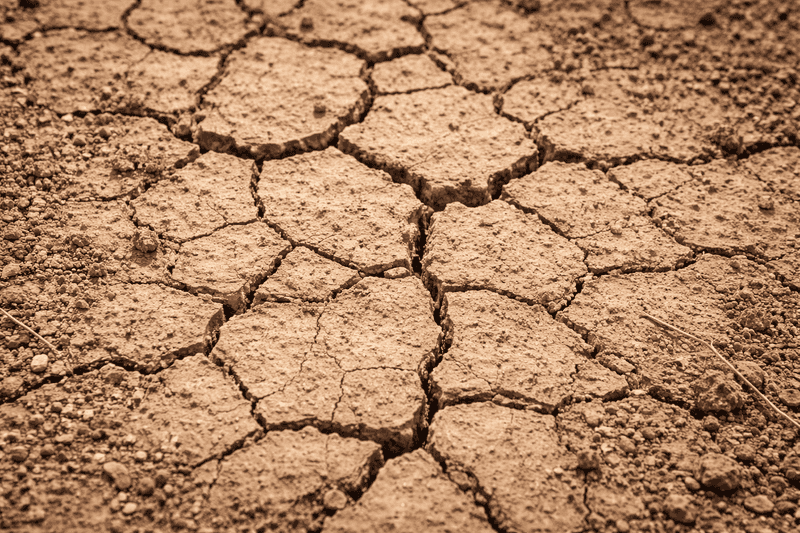
Cracked soil on the surface after a short watering cycle is a sign that roots are not getting what they need.
Shallow watering wets only the top inch or two of soil, which encourages plant roots to stay close to the surface rather than growing deeper where soil temperatures are cooler and moisture lasts longer.
In Arizona’s July heat, surface soil dries out within hours.
Plants with shallow root systems become much more vulnerable during heat waves because they have no deep moisture reserve to draw from. Vegetable gardens, fruit trees, and shrubs all benefit from water that reaches several inches below the surface.
A quick daily sprinkle rarely achieves that, no matter how often it is repeated.
Checking soil moisture with a probe or even a wooden dowel pushed a few inches into the ground can tell you a lot more than the surface appearance alone. If the soil is dry below two inches after a watering cycle, run times likely need to be extended.
Your Arizona Garden Changes Every Week. Your Plan Should Too.
Gardening in Arizona changes quickly throughout the season. Every Friday you’ll receive a simple weekly plan showing exactly what to plant, prune, fertilize, harvest, and protect so you never miss the right timing.
Longer, less frequent watering sessions tend to build stronger root systems and help Arizona plants handle summer heat more steadily over time.
3. Keeping Vegetable Beds Too Dry Between Waterings
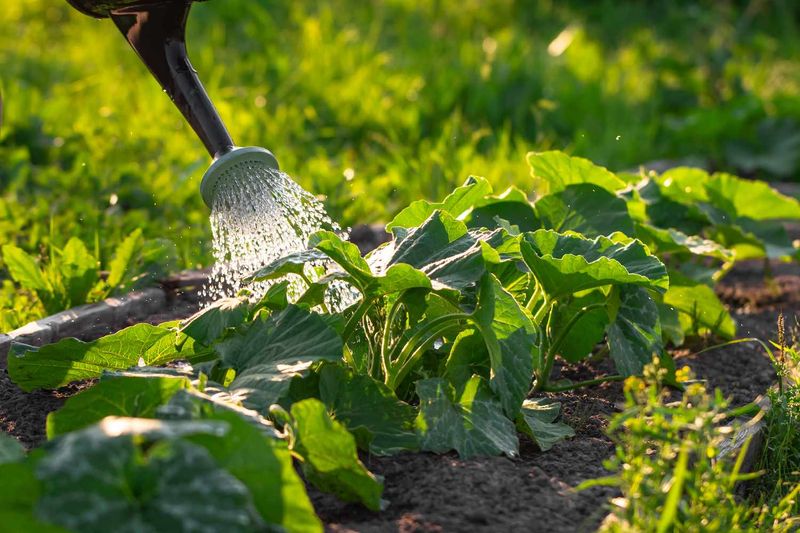
Vegetable plants are not as forgiving as desert natives when it comes to drought stress. Tomatoes, peppers, squash, and herbs grown in Arizona’s July heat need consistent moisture in the root zone to stay productive.
When vegetable beds dry out too much between watering sessions, plants can drop flowers, produce bitter fruit, or develop problems like blossom end rot on tomatoes.
The challenge in Arizona is that July heat pulls moisture out of soil much faster than in cooler climates. A vegetable bed that felt moist in the morning can be dry a few inches down by afternoon.
Gardeners who water every two or three days without checking soil conditions between sessions may be letting their beds get drier than their plants can comfortably handle.
Mulching vegetable beds with a few inches of straw, shredded wood, or other organic material slows down moisture loss significantly. Pairing mulch with a well-adjusted drip system gives gardeners much better control over soil moisture levels.
Checking the soil by hand before adding more water helps avoid the opposite problem of overwatering, which can cause root issues in warm summer soil.
4. Keeping The Root Zone Wet Instead Of Moist
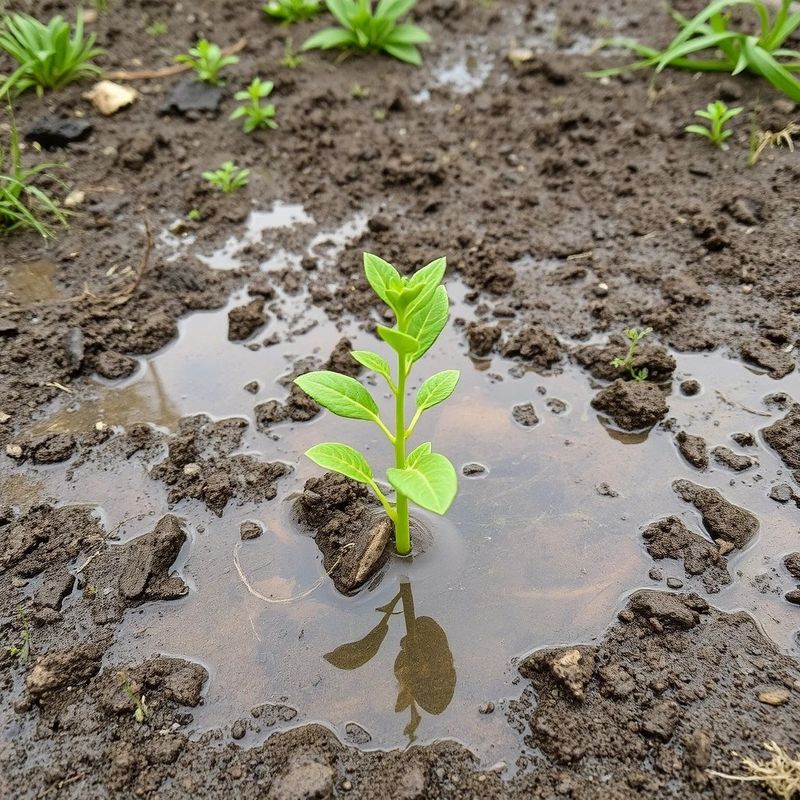
Soggy soil feels like the opposite of a problem in the Arizona desert, but keeping the root zone consistently wet rather than evenly moist causes more harm than many gardeners expect. Roots need both water and oxygen to function well.
When soil stays saturated for extended periods, air pockets fill with water and roots begin to struggle in ways that look surprisingly similar to drought stress on the surface.
Overwatered plants in Arizona often show yellowing leaves, soft stems, and a general lack of energy even when the soil around them is clearly wet. Gardeners sometimes respond by adding more water, which makes the problem worse.
Desert-adapted plants like cactus, agave, and many native shrubs are especially prone to root problems when kept too wet during warm summer months.
The goal is soil that feels like a wrung-out sponge a few inches below the surface – damp but not dripping. Checking moisture before each watering cycle rather than running on a fixed schedule helps prevent this mistake.
In Arizona’s monsoon season, natural rainfall can add significant moisture to the soil, making it easy to overwater without realizing it if irrigation timers are not adjusted accordingly.
5. Using One Watering Schedule For Every Plant
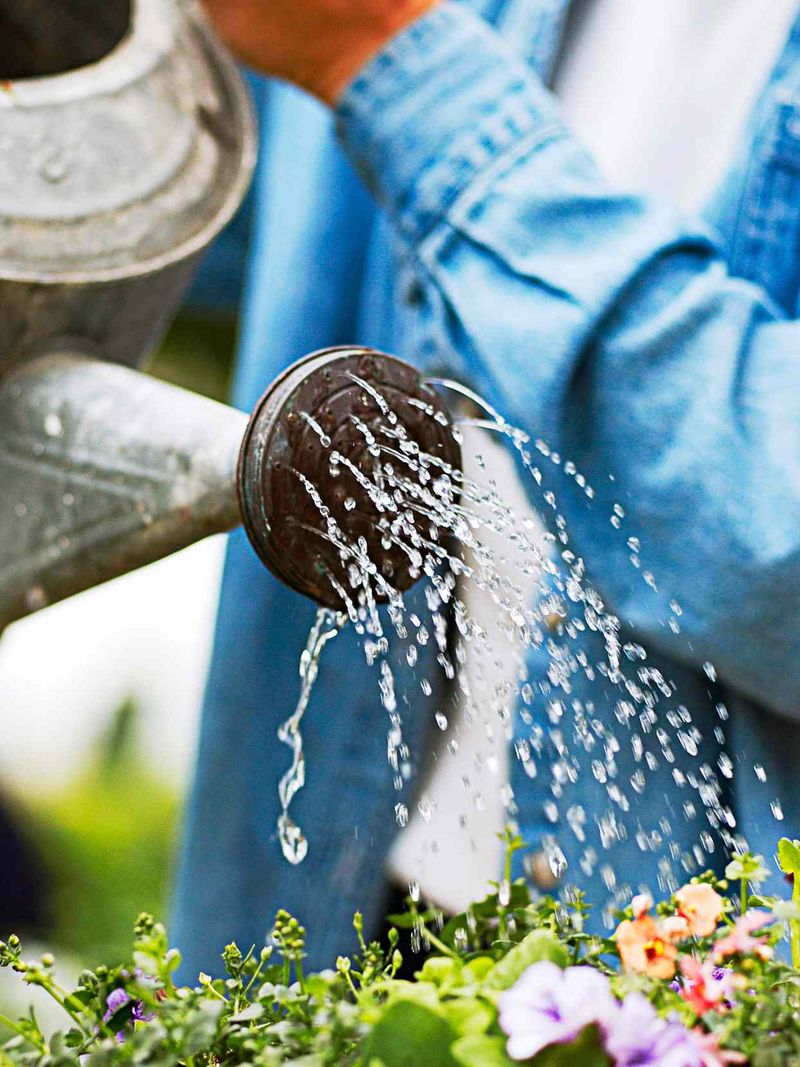
A saguaro cactus and a potted basil plant are both growing in the same Arizona backyard, but they have almost nothing in common when it comes to water needs.
Treating every plant on the property as if it needs the same amount of water on the same schedule is one of the most common mistakes Arizona gardeners make, especially in July when the heat pushes everything to an extreme.
Fruit trees with deep root systems need long, infrequent watering sessions that push moisture well below the surface. Container herbs may need water every day or even twice a day during peak heat.
Desert-adapted cacti and succulents can go much longer between waterings and may only need supplemental irrigation a few times during summer. Grouping plants by water need rather than location makes irrigation management much more practical.
Many homeowners use a single irrigation controller for the entire yard, which makes it tempting to set one run time for everything. Most modern controllers allow different zones with separate schedules, which is worth using.
Taking time to research each plant’s water requirements and adjusting zones individually helps every part of the Arizona garden stay healthier through the long stretch of summer heat.
6. Forgetting That Containers Dry Faster In July
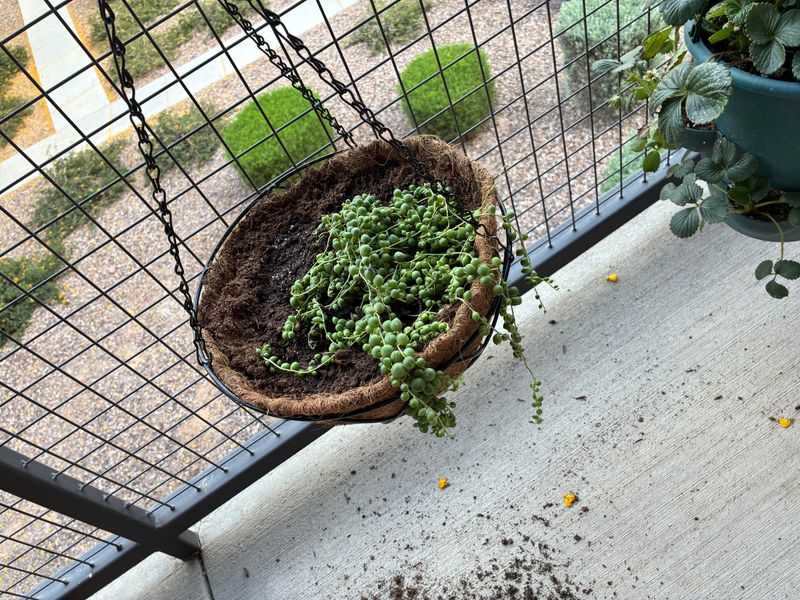
Patio containers in Arizona can dry out surprisingly fast during July, sometimes within a single afternoon if temperatures are above 105 degrees.
The walls of pots heat up quickly in direct sun, which accelerates moisture loss from all sides of the container, not just the surface.
Plants in small or unglazed terracotta pots are especially vulnerable because those materials absorb and radiate heat efficiently.
Gardeners who water containers once in the morning and assume they are fine for the rest of the day may come back in the evening to find herbs wilted and soil pulled away from the pot edges – a sign the growing medium dried out and contracted.
Once a container dries out that completely, water tends to run straight down the sides rather than absorbing into the root zone.
Moving containers to a spot that gets some afternoon shade during the hottest weeks of July can reduce how quickly they dry out. Grouping pots together also helps moderate temperature a bit.
Watering slowly and thoroughly until water drains from the bottom ensures the entire root zone gets moisture rather than just the top layer. Checking containers by feel every morning and afternoon during July heat is a practical habit for gardeners.
7. Not Checking The Irrigation System For Leaks Or Clogs
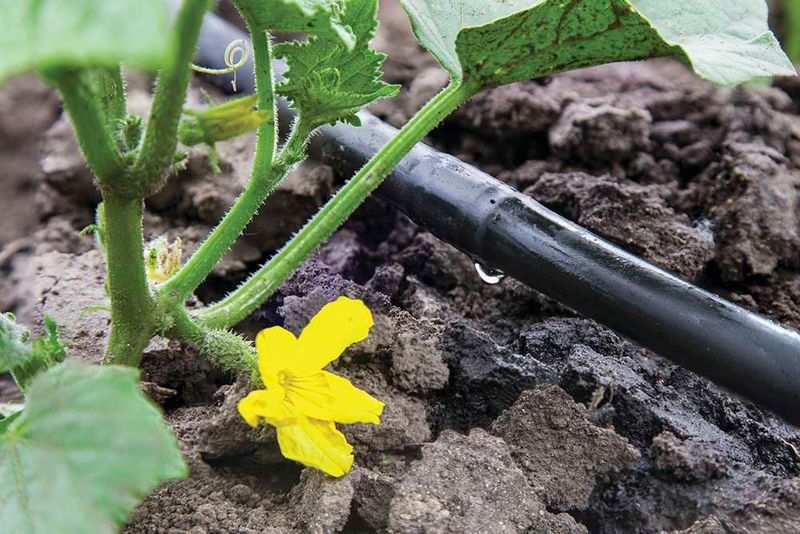
Drip systems do a quiet job in the background, and that invisibility is part of what makes them easy to forget about.
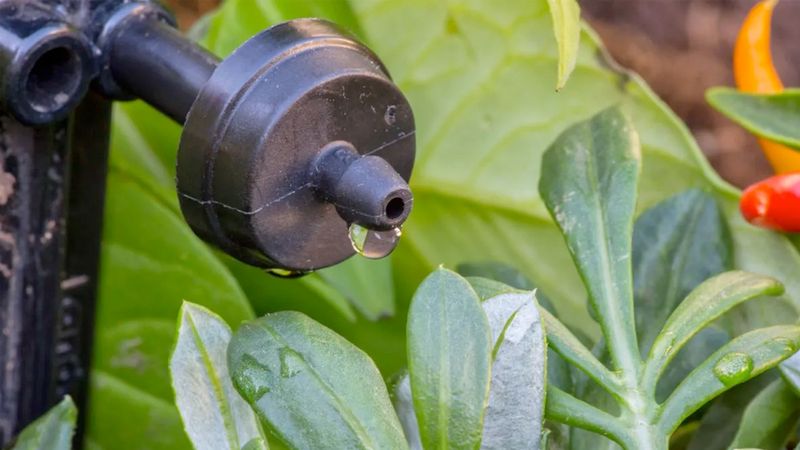
In Arizona’s July heat, a single clogged emitter or a small leak in a drip line can mean one plant goes without water for days while another gets far too much.
Both situations stress plants during the hottest time of the year, and neither is obvious unless someone physically walks the system and checks each emitter.
Mineral buildup from Arizona’s hard water is a common cause of clogged emitters. Over time, calcium and other minerals deposit inside the small openings and restrict or completely block water flow.
A plant that looks stressed even though the irrigation system is running on schedule may simply have a clogged emitter sitting right at its root zone.
Walking the drip system once a month during summer and running it manually while watching each emitter is one of the most useful habits a gardener can develop.
Look for emitters that are not dripping, lines that have popped loose, or puddles forming in spots where they should not be.
Catching small problems early keeps the whole system working efficiently and helps every plant in the garden get consistent moisture through July.
8. Ignoring Soil Type Before Setting Run Times
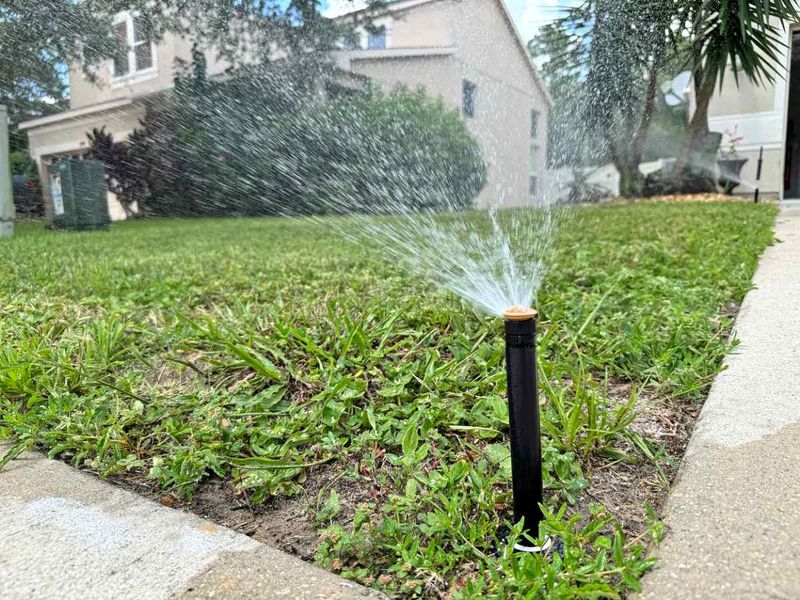
Sandy soil and clay soil behave very differently when water hits them, and Arizona gardens often have one or the other – or sometimes a mix of both.
Sandy soil drains quickly, which means water passes through the root zone fast and plants need more frequent irrigation to stay adequately hydrated.
Clay soil holds moisture much longer but can become compacted and slow to absorb water if it dries out completely between cycles.
Setting irrigation run times based on a general recommendation without knowing what type of soil is in the bed often leads to either chronic underwatering or overwatering. A run time that works well for a sandy raised bed might leave clay soil soggy for days.
Getting familiar with the soil texture in each part of the yard helps gardeners make smarter decisions about how long and how often to run each zone.
Amending soil with compost improves both drainage in clay and moisture retention in sandy ground, making it more forgiving over time.
In Arizona, where native soil is often rocky, alkaline, or low in organic matter, building better soil structure is a long-term investment that pays off during July heat.
Checking soil moisture a few inches below the surface before each watering session is the most reliable way to know what is actually happening at the root zone.
9. Watering On A Rigid Timer After Monsoon Rain
Monsoon season and a fixed irrigation timer do not always get along well. When a monsoon storm rolls through and drops half an inch or more of rain, the soil can stay moist for a day or longer – sometimes longer in clay-heavy areas.
Running the drip system on its regular schedule the next morning adds water to soil that does not need it yet, which can push root zones past the point of healthy moisture.
Many Arizona gardeners set their irrigation timers at the start of summer and leave them running on the same schedule regardless of what the weather does.
That approach works reasonably well during the dry stretch before monsoon, but once summer storms become more regular in July, the fixed schedule can cause plants to sit in overly wet soil more often than intended.
Smart irrigation controllers with weather sensors or soil moisture sensors can adjust run times automatically based on recent rainfall, which takes a lot of guesswork out of the process.
For gardeners with standard timers, manually skipping a scheduled watering cycle after a meaningful rain event is a simple and effective adjustment.
Checking the soil a few inches down after any monsoon storm before running irrigation helps gardeners avoid adding water that is not yet needed.
10. Watering Leaves Instead Of The Root Zone
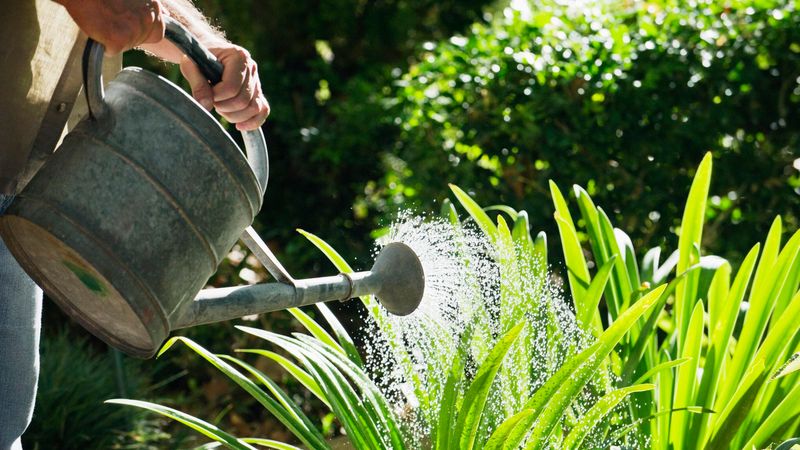
Overhead sprinklers and hand-held hoses aimed at the leafy parts of plants might look like thorough watering, but most of that water never reaches where it matters most. Roots absorb water, not leaves.
In Arizona’s dry July air, water sprayed onto foliage often evaporates before it even drips down to the soil, especially during morning hours when temperatures are already climbing toward triple digits.
Wet leaves in Arizona summer heat can also encourage fungal issues on vegetable plants like tomatoes and squash, which are already dealing with heat stress. Powdery mildew and other surface problems tend to show up more often when foliage stays wet.
Even in lower humidity conditions, repeated wetting of leaves through overhead irrigation is not the most efficient or plant-friendly approach.
Drip irrigation delivers water directly to the root zone, which is why it is so widely recommended for Arizona home gardens. Soaker hoses work similarly for raised beds and vegetable rows.
If hand watering is the method of choice, directing the water toward the base of the plant rather than over the top makes a real difference in how effectively moisture reaches the roots.
Getting water to the root zone is the goal every time in an Arizona summer garden.