These Texas Garden Plants Are Most Vulnerable To July Heat Stress (And How To Help Each One)
July in Texas is the month that separates the survivors from the strugglers. Most gardeners have learned which plants can handle the heat with confidence.
But even experienced Texas gardeners are sometimes caught off guard by how quickly certain plants can go from healthy to heat stressed when temperatures really dig in and refuse to let up. Some plants are much more vulnerable in July than most people realize.
A few days of extreme heat, a missed watering, or a sudden spike in overnight temperatures can push these plants into serious distress fast. And once heat stress sets in, recovery takes real effort and the right approach for each specific plant.
The good news is that most heat stressed Texas garden plants can be brought back with targeted help.
But knowing what you’re dealing with matters, because the right response for one plant can be the wrong response for another. Here’s which plants struggle most in July and exactly how to help each one through it.
1. Tomatoes: The First To Quit
Ask any Texas gardener what frustrates them most in July, and chances are tomatoes will come up fast.
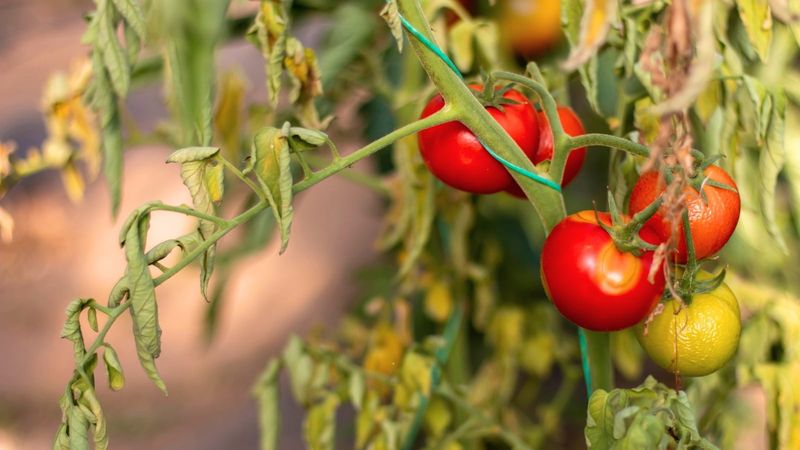
These plants are incredibly sensitive to extreme heat, and once daytime temperatures push past 90°F with nights staying above 75°F, the flowers simply drop off before they can turn into fruit.
The plant may still look green and alive, but it has essentially hit the pause button on production.
The pollen inside tomato flowers becomes damaged when temperatures get too high. That means even if bees visit the flowers, nothing gets pollinated.
You end up with a plant full of leaves but zero tomatoes forming on the vine. It is a frustrating situation, but it does not mean the season is over.
Afternoon shade can make a surprising difference. A shade cloth that blocks about 30 to 40 percent of sunlight, set up on the west side of your plants, helps lower leaf temperature during the hottest hours of the day.
Pair that with a thick layer of mulch around the base to keep soil moisture from evaporating too quickly.
Consistent watering is also key. Tomatoes prefer deep, steady moisture rather than light, frequent sprinkles.
Water at the base of the plant, not on the leaves, to avoid disease. When you see fruit starting to show color, go ahead and harvest it early.
Let it finish ripening indoors on the counter. This reduces stress on the plant and encourages it to keep trying to produce once temperatures finally start dropping in late August or September.
2. Bell Peppers: Bloom Drop Trouble
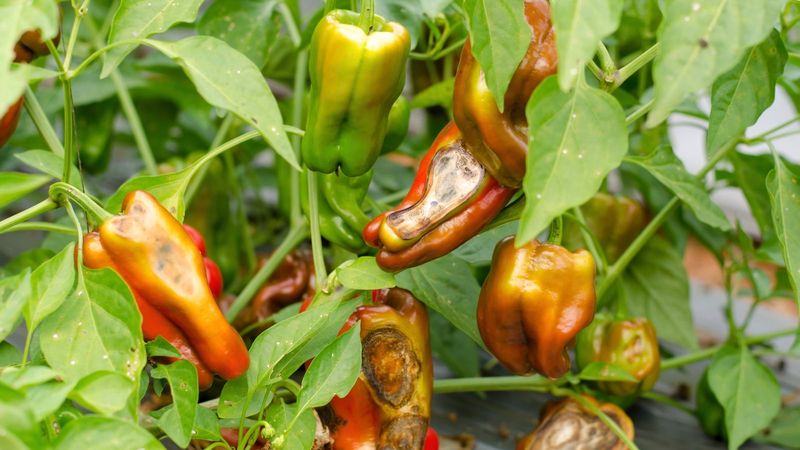
Peppers have a reputation for loving heat, and that reputation is mostly true. But there is a big difference between warm and scorching.
When Texas July temperatures soar past 95°F day after day, even bell peppers start to struggle. The most common sign is bloom drop, where the plant sheds its flowers before they can develop into peppers.
Unlike tomatoes, peppers can tolerate higher temperatures for longer stretches. However, the combination of intense daytime heat and warm nighttime temperatures throws off their reproductive cycle.
Your Texas Garden Changes Every Week. Your Plan Should Too.
Gardening in Texas changes quickly throughout the season. Every Friday you’ll receive a simple weekly plan showing exactly what to plant, prune, fertilize, harvest, and protect so you never miss the right timing.
Nights that stay above 75°F are especially problematic. The plant keeps growing, but fruiting slows down or stops completely during the worst weeks of summer.
Do not make the mistake of pulling your pepper plants out in frustration. That would be a waste of a plant that is actually doing fine underground.
Pepper roots are building strength during these hot weeks, and once temperatures ease up in September, the plant often rebounds with a strong flush of new blooms and a surprisingly productive fall harvest.
Keep the soil consistently moist but never waterlogged. A two to three inch layer of organic mulch, like wood chips or straw, helps hold moisture and keeps the root zone cooler.
If your peppers are in containers, move them to a spot that gets afternoon shade. You can also mist the foliage lightly in the early morning to give the plant a small cooling boost before the heat of the day arrives.
Patience truly pays off with peppers in a Texas summer garden.
3. Lettuce: Too Hot To Stay Sweet
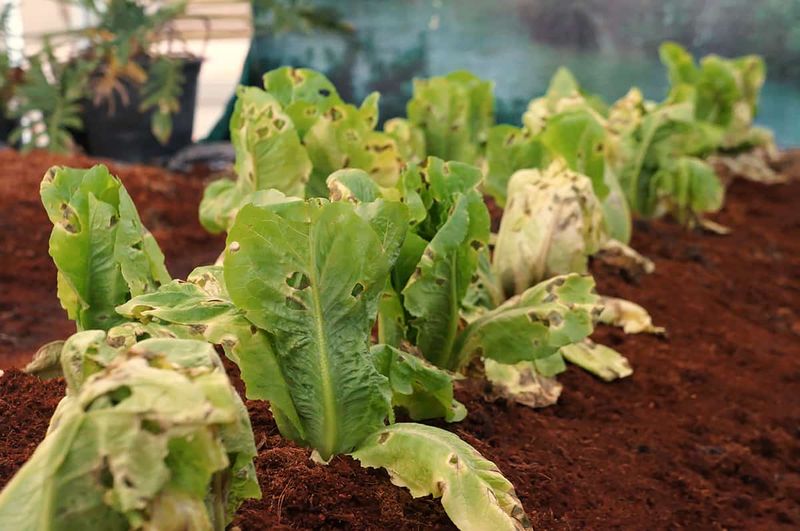
Lettuce and Texas July heat are simply not a good match. Lettuce is a cool-season crop through and through, and it was never designed to handle the kind of temperatures that Texas summers routinely deliver.
When the thermometer climbs above 80°F for extended periods, lettuce bolts, which means it sends up a tall flower stalk and shifts all its energy toward making seeds instead of producing tender, edible leaves.
Once lettuce bolts, the leaves turn intensely bitter. That sweet, mild flavor you love in a salad disappears almost overnight.
The texture also changes, becoming tough and unpleasant. Most gardeners do not even bother harvesting bolted lettuce because it is nearly inedible at that point.
It is one of the clearest signs that a plant has given up on being food and switched into survival mode.
If you are determined to grow lettuce in July, heavy shade is not optional. Use a shade cloth that blocks at least 50 percent of sunlight and position it so the plants get no direct afternoon sun at all.
The soil must stay consistently moist because dry soil speeds up bolting dramatically. Even with all these precautions, expect lower quality and shorter harvest windows than you would get in spring or fall.
Honestly, the smartest move for most Texas gardeners is to skip lettuce entirely in July. Save your seeds and your energy for a September planting instead.
Fall lettuce in Texas can be absolutely spectacular, with cool nights and mild days creating the perfect growing conditions for crisp, sweet leaves that make summer’s struggles worth forgetting.
4. Spinach: Summer Is Not Its Season
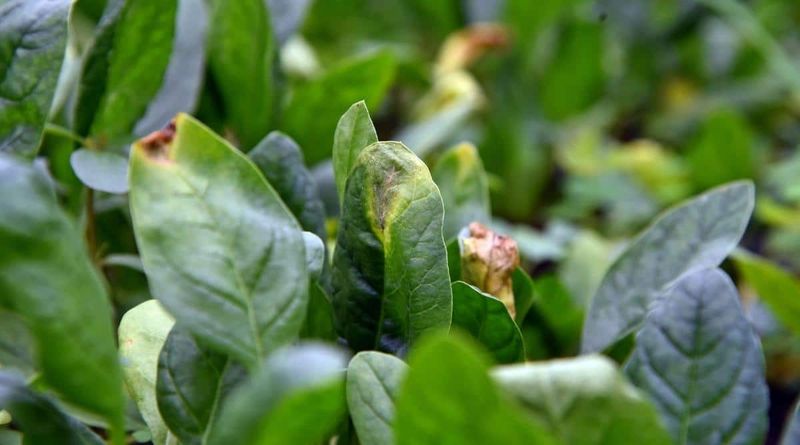
Spinach is one of those plants that thrives when the weather is cool and politely falls apart when it is not. In Texas, that means spinach belongs in early spring or fall, full stop.
Planting spinach in July is a bit like wearing a heavy wool sweater to the beach. It is just not built for the situation, and the results will show it quickly.
July heat causes spinach to bolt even faster than lettuce. The plant rushes to produce flowers and seeds, and the leaves become small, tough, and so bitter that they are barely usable.
Beyond bolting, extreme heat can cause the entire plant to collapse within just a few days of being exposed to full sun. It is one of the most heat-sensitive vegetables you can grow.
If you have spinach still in the ground from a spring planting, give it as much shade as possible and keep the soil moist to slow the inevitable. A 50 percent shade cloth can buy you a little extra time, but do not expect miracles.
Harvest whatever leaves you can before they turn bitter, and pull the plants before they go to seed and potentially spread unwanted volunteers across your garden beds.
For gardeners who really want leafy greens during summer, consider switching to heat-tolerant alternatives like Malabar spinach, which is not a true spinach but handles Texas heat surprisingly well. Sweet potato leaves and longevity spinach are also worth trying.
These substitutes will not taste exactly the same, but they give you something green and nutritious to harvest when real spinach just cannot cope with the heat.
5. Hydrangeas: Big Leaves, Big Thirst
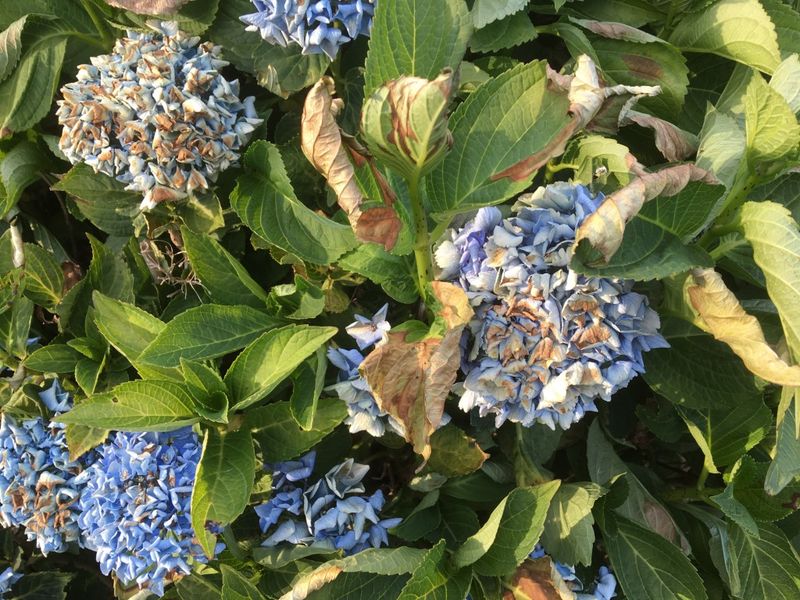
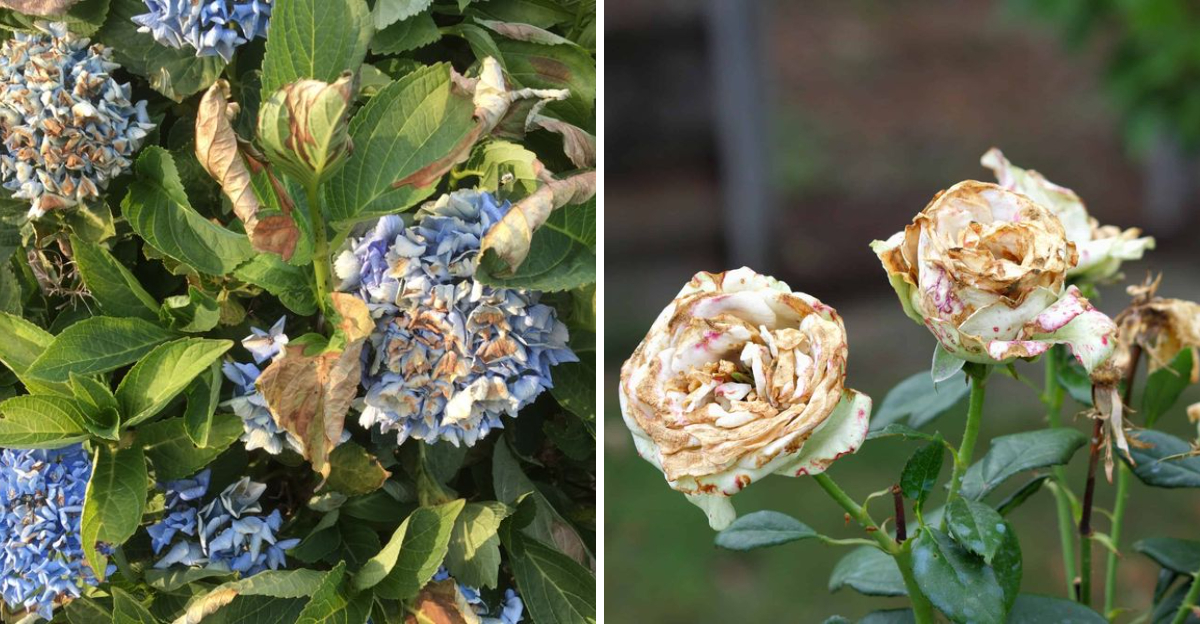
There is something almost dramatic about watching a hydrangea wilt on a hot Texas afternoon. Those big, broad leaves that make hydrangeas so visually stunning in spring are also exactly what makes them so vulnerable in July.
Large leaves have a lot of surface area, which means they lose moisture through evaporation at a much faster rate than smaller-leafed plants.
On a 100-degree day, a hydrangea can look completely collapsed by two in the afternoon even if you watered it that very morning.
The good news is that wilting hydrangeas often recover overnight when temperatures drop. If your plant perks back up by morning, it is stressed but not in serious trouble.
If it stays wilted even after a cool night, that is a sign the roots are struggling and you need to act quickly. Check the soil moisture a few inches down. It should feel slightly damp, not bone dry and not soaking wet.
Morning sun with afternoon shade is the ideal setup for hydrangeas in Texas. If your plant is in a spot that gets blasted by western sun from noon onward, that is likely the main source of its suffering.
A shade cloth or a strategically placed umbrella can help during the worst weeks. Deep, slow watering two to three times per week is far more effective than light daily sprinkles.
Mulch is absolutely essential. Pile three to four inches of organic mulch around the base, keeping it a few inches away from the main stem.
This keeps the root zone cooler and holds soil moisture for much longer between waterings. Avoid fertilizing hydrangeas in July because pushing new growth during peak heat adds unnecessary stress to an already struggling plant.
6. Hostas: Shady But Sensitive
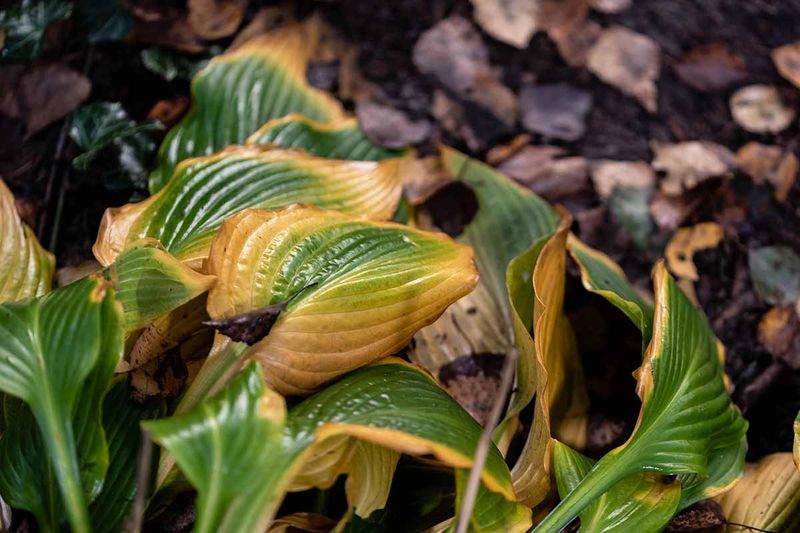
Hostas have a well-earned reputation as shade-loving workhorses, but Texas summers have a way of humbling even the toughest plants. Just because hostas prefer shade does not mean they are immune to heat stress.
The combination of intense ambient heat, warm nights, and dry air can still cause real damage, especially to the leaf edges, which often turn brown and crispy even when the plant is sitting in full shade.
One of the sneakier problems hostas face in July is warm soil temperature. Even in a shaded spot, Texas soil can heat up significantly during summer.
When the root zone stays warm around the clock without any overnight cooling, hostas struggle to absorb water and nutrients efficiently. The result is slow growth, leaf scorch, and an overall tired appearance that no amount of watering seems to fix completely.
Moist, well-drained soil is the foundation of hosta health in summer. Water deeply two to three times per week rather than giving light daily sprinkles that only wet the top inch of soil.
A thick layer of mulch, around three inches of shredded leaves or wood chips, makes a noticeable difference in keeping the root zone cooler and retaining moisture between waterings.
Watch out for slugs and snails during hot, humid stretches because they love hostas and can chew ragged holes through the leaves overnight. Afternoon shade is non-negotiable for Texas hostas.
Morning sun is fine and actually helps the plant stay healthy, but any direct afternoon sun exposure during July will almost certainly cause visible scorch damage that leaves the plant looking rough for the rest of the growing season.
7. Roses: Blooms Burn Out
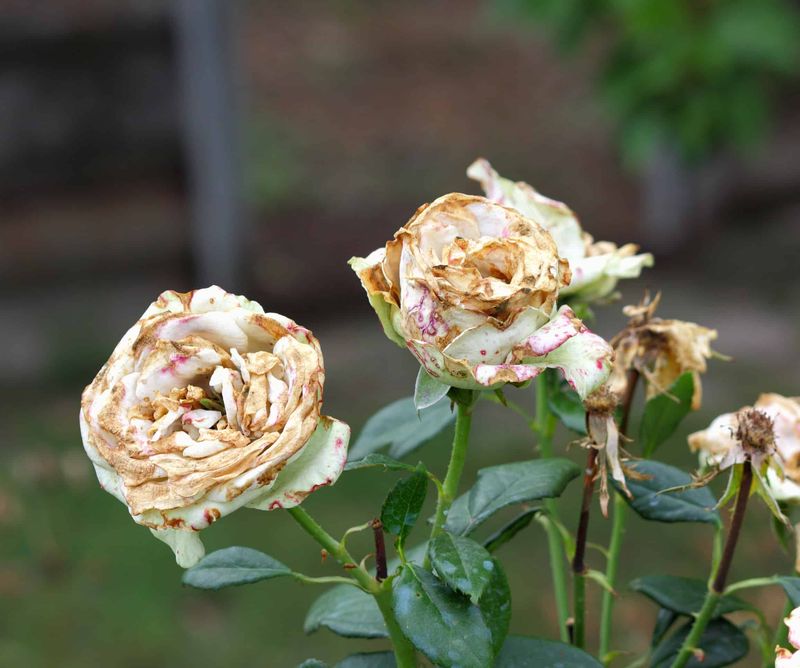
Roses have been growing in Texas gardens for generations, and many varieties are genuinely tough. But even the hardiest rose bush hits a rough patch in July.
The combination of blazing sun, high temperatures, and hot overnight temps can scorch petals, reduce bloom size, and slow down new bud formation significantly. What looked like a showstopper in May can look pretty ragged by mid-July.
Heat-stressed roses often produce smaller, paler blooms that open too quickly and fade within a day or two. In very hot stretches, the plant may stop blooming altogether and focus its energy on simply staying alive.
This is normal and not a sign that something is permanently wrong. Roses are remarkably resilient, and most will push out a fresh flush of blooms once temperatures start dropping in the fall.
Mulch is your single most powerful tool for helping roses through summer. A three-inch layer of organic mulch around the base of each plant keeps the root zone significantly cooler and reduces how often you need to water.
Roses prefer deep, infrequent watering over shallow daily sprinkles. Water when the top two inches of soil feel dry, and water slowly so moisture soaks down to the root zone rather than running off the surface.
Avoid heavy pruning in July because cutting back a stressed plant too aggressively can push it into even more distress. Light deadheading to remove spent blooms is fine and actually encourages the plant to keep trying.
Make sure your roses have good drainage too, because waterlogged roots are just as damaging as dry ones, and overwatering a heat-stressed rose is an easy mistake to make.