The One Thing You Must Do To North Carolina Hostas In July Or Slugs Will Devour Every Leaf
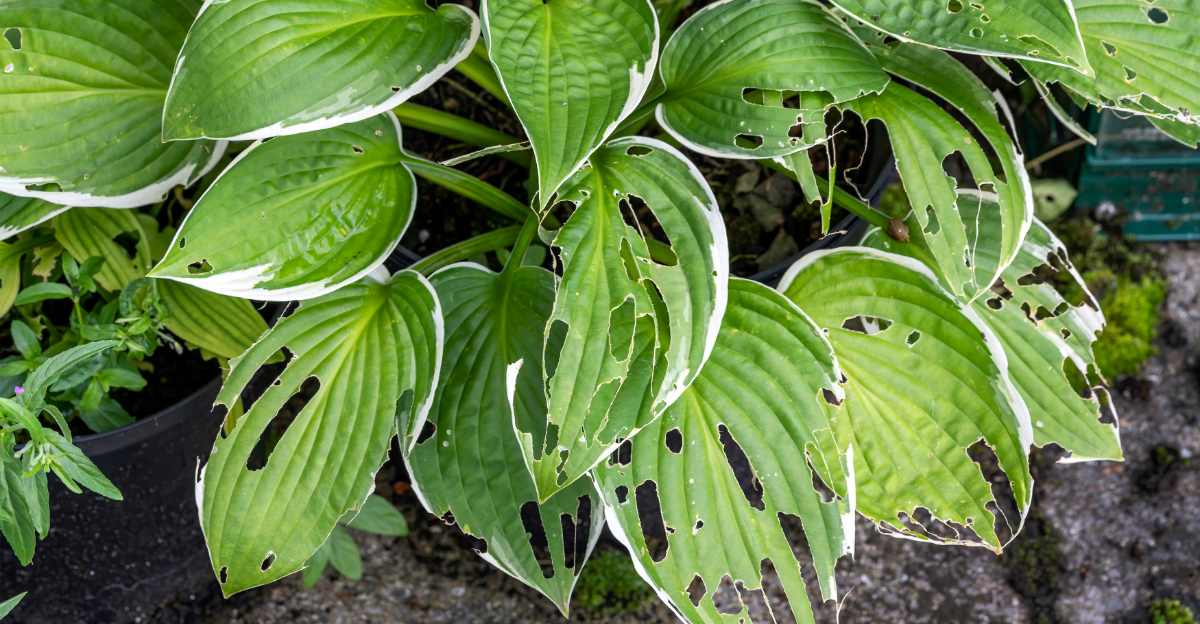
Hostas and slugs have a relationship that every North Carolina gardener eventually discovers, usually after walking outside to find leaves riddled with holes that appeared overnight.
July is when that relationship becomes most destructive in this state, because the warm nights and humidity that define midsummer here create feeding conditions that slugs take full advantage of after dark.
There is one specific thing hostas need done in July that directly disrupts the cycle before it reaches the point of serious damage.
Most gardeners either skip it entirely or wait until the damage is already visible, which is precisely the wrong moment to start.
Getting ahead of it now is what keeps hosta foliage looking clean through the rest of the season.
1. Clear Damp Hiding Places Around The Crowns
Slugs are sneaky, and they rely on moisture and cover to survive the daylight hours right next to your hostas.
In North Carolina, July brings heavy humidity and frequent rain, which creates exactly the kind of cool, damp environment slugs love to hide in.
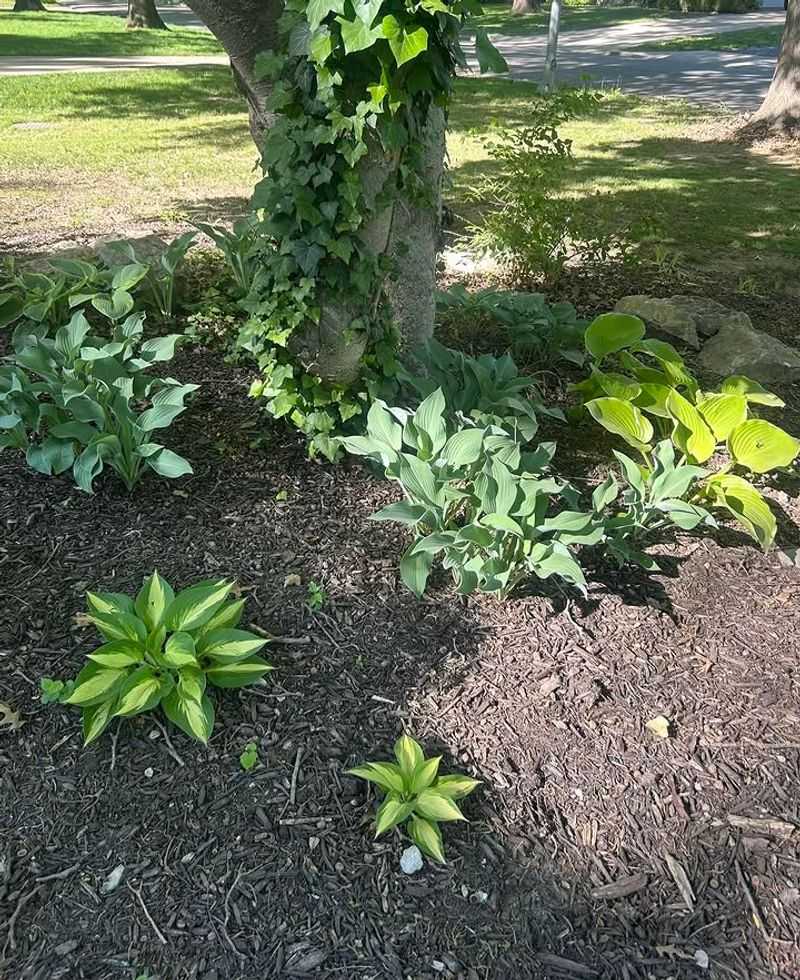
Thick clumps of wet mulch, old fallen leaves, stacked boards, forgotten pots, and crowded plant debris all act like cozy daytime shelters sitting right beside the leaves slugs plan to eat after sunset.
Clearing those hiding spots is the single most important step a North Carolina gardener can take in July. When slugs have nowhere comfortable to rest during the day, they are less likely to stay near your hostas at all.
Think of it as making your garden bed a less welcoming neighborhood for the nighttime crowd.
Start by gently pulling debris away from the crowns and disposing of it away from the bed. Check under any flat objects near the planting area and remove what you can.
You do not need to strip the bed completely bare. Just focus on the immediate zone around each crown, clearing anything wet and compressed that could serve as a slug hiding spot.
A few minutes of cleanup in the morning can make a real difference by nightfall.
2. Pull Mulch Back From The Hosta Base
Mulch is genuinely helpful in a North Carolina garden. It holds soil moisture, moderates temperature, and keeps weeds from taking over your shade beds.
But here is the part most gardeners do not think about until July arrives and the damage shows up on their hostas: a thick, damp ring of mulch pressed right up against the plant crown is practically a welcome mat for slugs.
When mulch stays wet and tight against the base of a hosta, it creates a moist, shaded tunnel right at the entry point to the plant. Slugs can nestle in there during the day and crawl onto the leaves the moment the sun goes down.
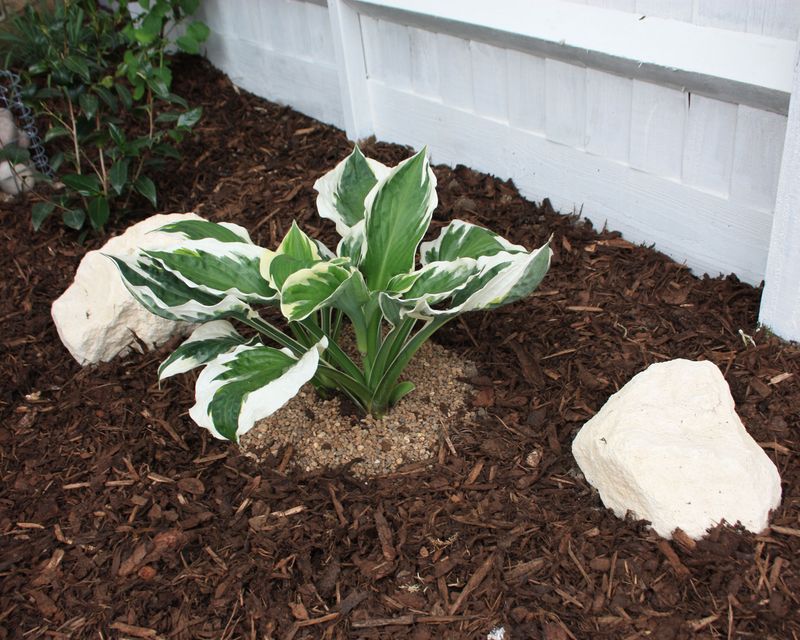
Pulling the mulch back just a few inches from each crown removes that cozy bridge and forces slugs to cross open ground instead.
You do not need to rake the entire bed. Simply create a small breathing zone around each hosta, maybe two to three inches of open space between the mulch edge and the crown.
Your North Carolina Garden Changes Every Week. Your Plan Should Too.
Gardening in North Carolina changes quickly throughout the season. Every Friday you’ll receive a simple weekly plan showing exactly what to plant, prune, fertilize, harvest, and protect so you never miss the right timing.
This tiny adjustment improves airflow, helps the crown dry out faster after rain, and takes away a reliable slug shelter.
Keep the rest of the mulch in place for moisture control, but give each plant just a little room to breathe. That small gap can stop a big problem before it starts.
3. Look For Slugs After Sunset
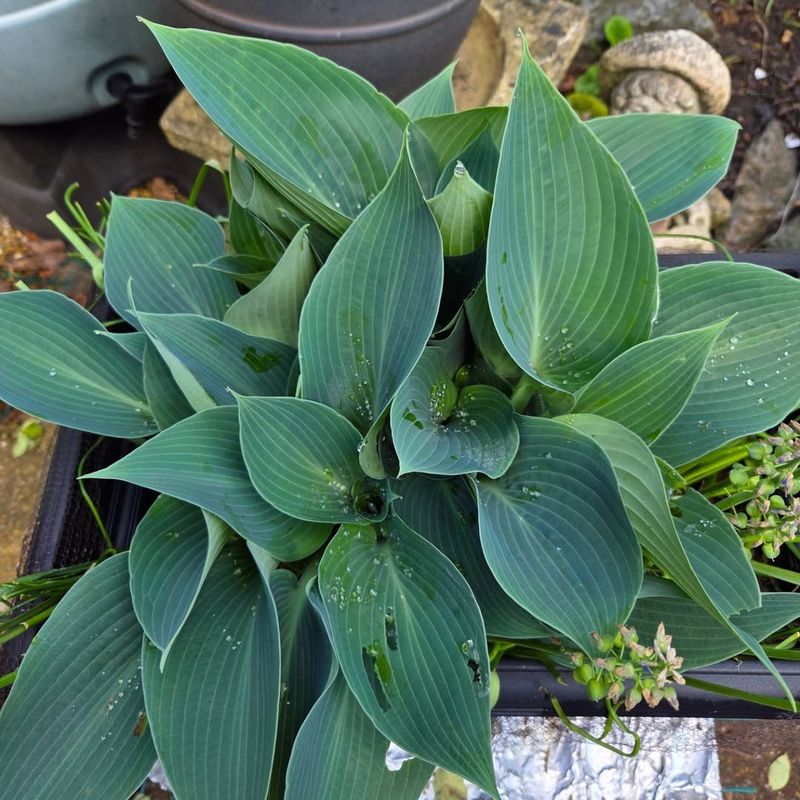
Here is something many gardeners discover the hard way: checking your hostas in the middle of a sunny afternoon tells you almost nothing about whether slugs are present. Slugs are nocturnal feeders.
They come out when the garden cools down and the air grows damp, which in North Carolina July means after sunset and sometimes in the earliest hours of the morning before the heat returns.
Grab a flashlight and head out to your hosta beds about an hour after dark. Look carefully under the broad leaves, along the stems near the soil, and around the edges of any mulch.
Slugs are not fast movers, so once you spot them they are easy to deal with. You might be surprised how many show up on a warm, humid July night after a good rain shower.
Early morning checks, right around dawn before the sun climbs, can also catch slugs that have not yet retreated to their daytime hiding spots.
NC State Extension recommends nighttime inspections specifically because slugs and snails are most active then.
Making this a habit just two or three times a week during peak July humidity can help you stay ahead of a problem that builds quickly.
A few minutes with a flashlight is one of the simplest and most effective tools available to any North Carolina hosta grower.
4. Read The Leaf Damage Pattern
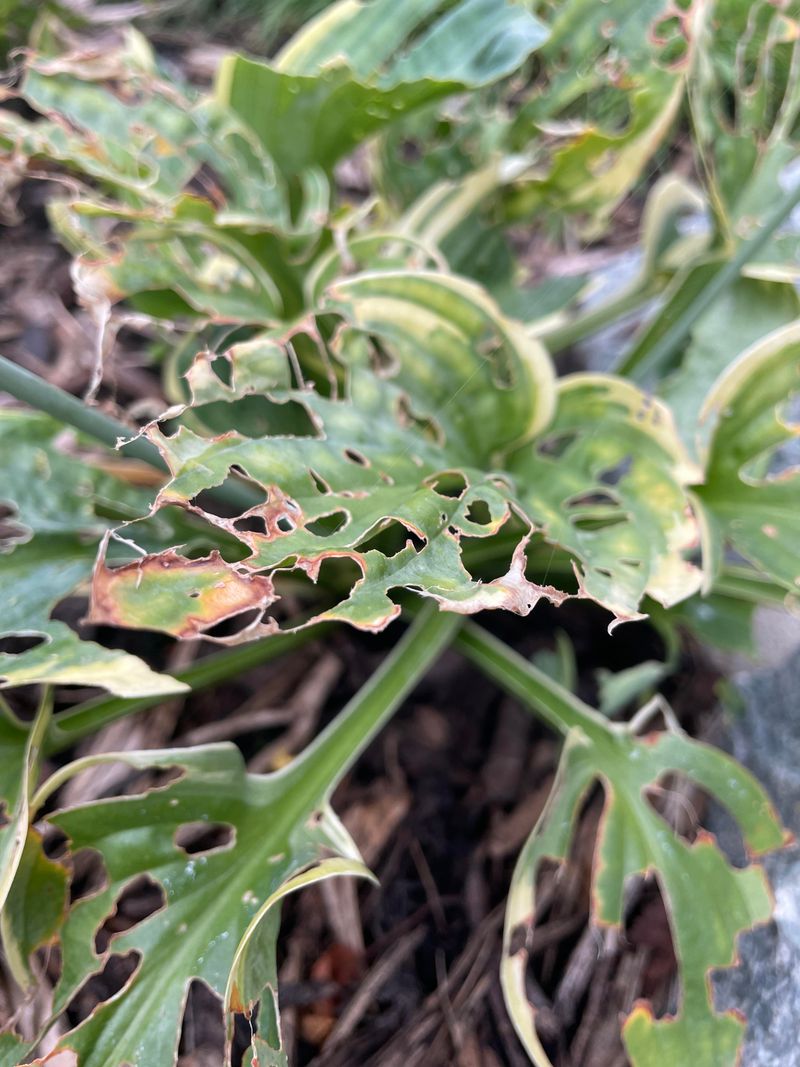
Not all hosta damage looks the same, and knowing what slug damage actually looks like saves a lot of guesswork. Slugs tend to chew in irregular patterns.
They do not follow the leaf edge neatly or punch perfectly round holes. Instead, they leave ragged, uneven openings scattered across the leaf surface, often in areas where the leaf stayed damp and accessible overnight.
One of the clearest clues slugs leave behind is their slime trail. Look closely at the leaf surface, the soil nearby, or along the mulch edge.
A shiny, dried trail that catches the light is a strong sign slugs were active in that spot. These trails can sometimes be easier to spot in the morning when the dew has not yet washed them away.
Comparing the damage pattern helps rule out other animals. Large, cleanly torn sections missing from the outer edges of hosta leaves often point to deer or rabbits rather than slugs.
Deer tend to bite off whole sections or entire leaves, leaving a much more dramatic and uniform type of damage. Slugs work more slowly and messily, creating a lacy, chewed-through look.
Understanding these differences helps you choose the right response instead of treating for the wrong pest entirely. Accurate identification is always the smartest first move in any garden troubleshooting situation.
5. Thin Crowded Shade Bed Growth
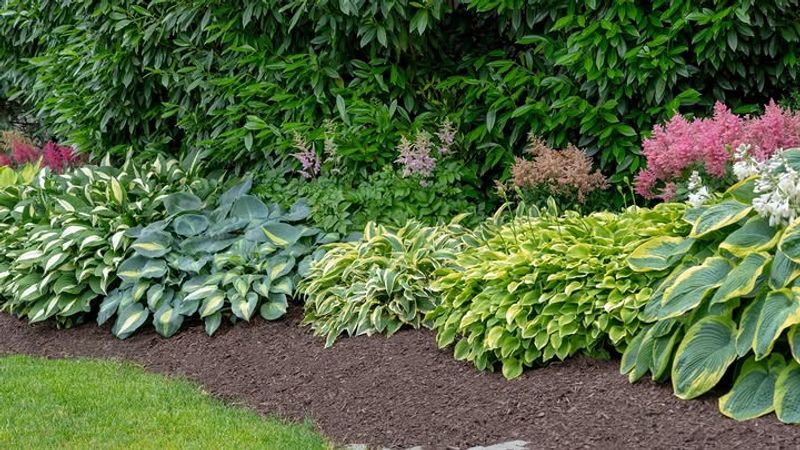
A lush, full shade bed looks gorgeous in a North Carolina garden, but there is a tipping point where crowded becomes a problem.
When plants grow too tightly together in July, the bed traps humidity, slows airflow, and creates a network of small, shaded pockets that slugs find extremely comfortable.
Hostas sitting in that kind of environment are more exposed to feeding pressure simply because the conditions around them are so favorable for slug activity.
Thinning nearby overgrowth does not mean clearing the whole bed. The goal is to give each hosta a little more breathing room without removing the shade it needs to thrive.
Trim back groundcovers, perennials, or shrub branches that have crept too close during the growing season.
Even a modest improvement in airflow can help the soil surface dry out faster between rain events, which makes the environment noticeably less slug friendly.
Focus especially on growth that presses directly against hosta crowns or drapes over the base of the plants. That low, touching vegetation holds moisture and creates a sheltered corridor right at ground level.
Removing it opens things up without sacrificing the canopy shade that hostas depend on in hot North Carolina summers.
A well-aired bed is simply harder for slugs to colonize, and the hostas tend to look healthier and more vigorous when they are not competing for space with everything around them.
6. Remove Easy Slug Shelter After Rain
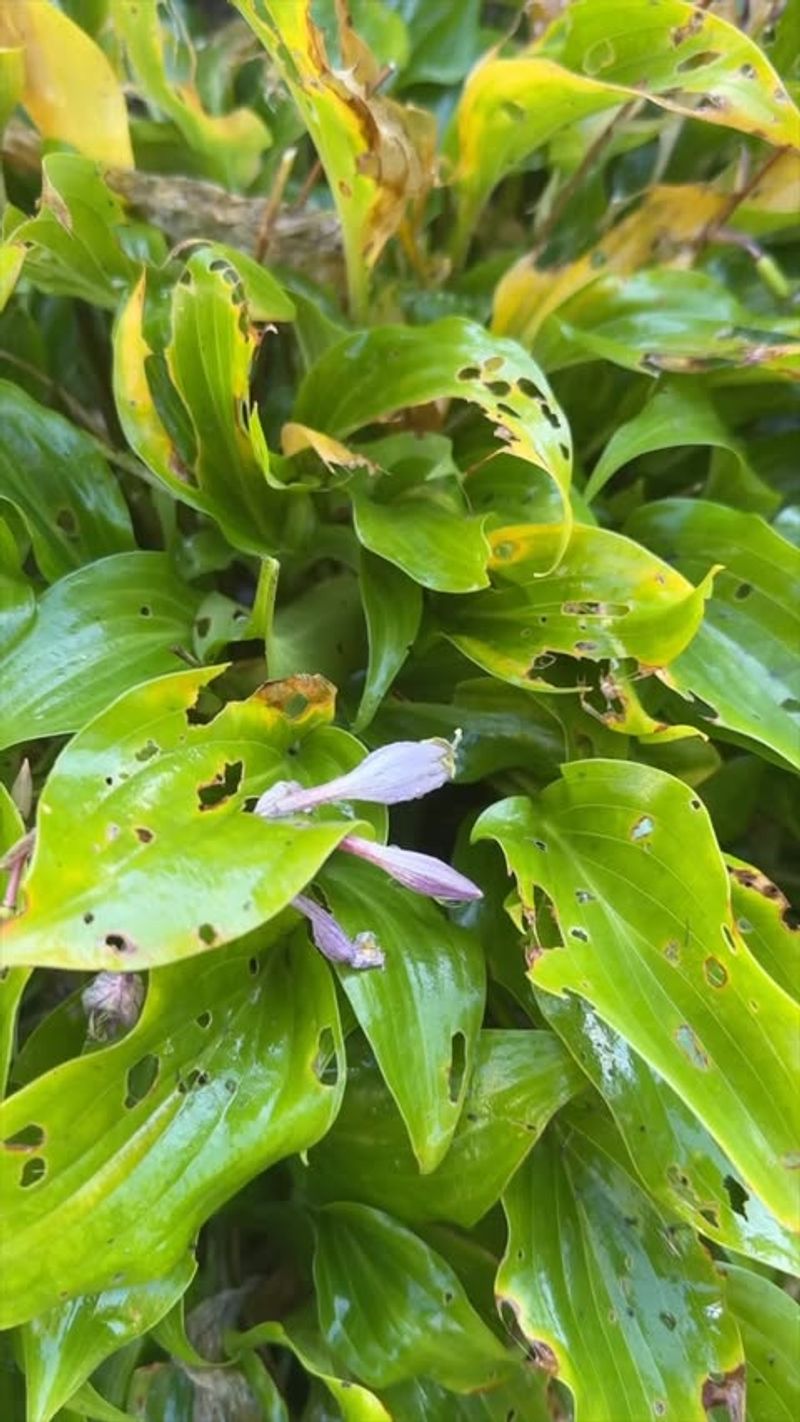
Summer rain in North Carolina can be intense, and after a good downpour the whole garden bed feels like a different world.
The soil is saturated, humidity hangs in the air, and every flat object on the ground becomes a potential slug shelter by nightfall.
Fallen leaves that pooled water, flat stones that stayed cool and damp, old pots tipped sideways, and piles of garden debris all become prime real estate for slugs looking for a daytime hideout.
Walking through your hosta beds after rain and doing a quick cleanup is one of the most practical habits a July gardener can build. You are not trying to sterilize the garden or remove every organic element.
The idea is simply to pick up obvious flat, damp objects that sit right at ground level near the hostas. Even removing three or four items can reduce the number of slugs that settle in close to your plants.
Pay special attention to areas where water tends to pool or drain slowly. Those spots stay wet longer after rain, which extends the window of slug activity significantly.
A flat stone near a hosta crown that stays damp for two days after a storm is essentially a two-day slug shelter. Picking it up and moving it to a drier part of the garden takes ten seconds and removes a real risk.
Small, consistent actions after each rain event add up to meaningful protection over the course of July.
7. Hand Pick Before Reaching For Bait
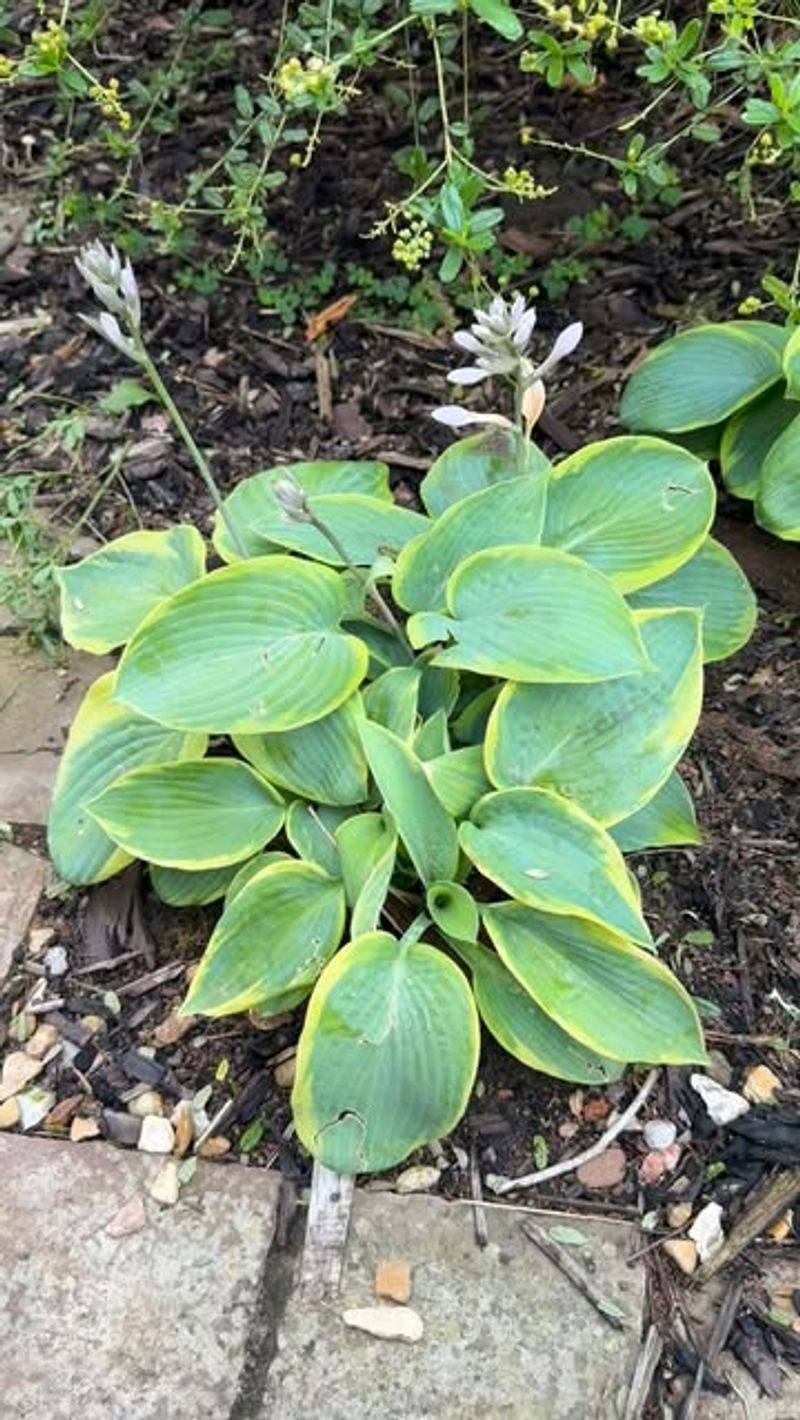
Finding slugs on your hostas after dark can feel alarming at first, but hand picking is actually one of the most direct and effective responses available.
When you catch slugs in the act, removing them manually right then reduces the feeding pressure immediately without introducing any products to the garden.
A pair of rubber gloves, a container, and a flashlight are all you need to get started.
Work your way through the bed systematically, checking under leaves, along stems, and around the mulch edges. Drop slugs into a container of soapy water as you go.
Consistent nighttime checks over several evenings can noticeably reduce the slug population in a specific bed, especially when combined with clearing hiding places during the day. It takes patience, but the results are real and immediate.
If hand picking is not enough and the damage continues despite regular checks, bait products labeled for slug and snail control are available. Read the product label carefully before using anything, and follow all directions exactly.
Keep baits away from children, pets, and areas where non-target wildlife might encounter them.
Iron phosphate-based baits are widely considered lower risk around pets and wildlife compared to some older formulas, but the label is always the final authority on safe use.
Starting with the least intensive approach and stepping up only when needed is a smart, measured strategy for any garden pest situation.
8. Keep The Bed Moist But Not Slug Friendly
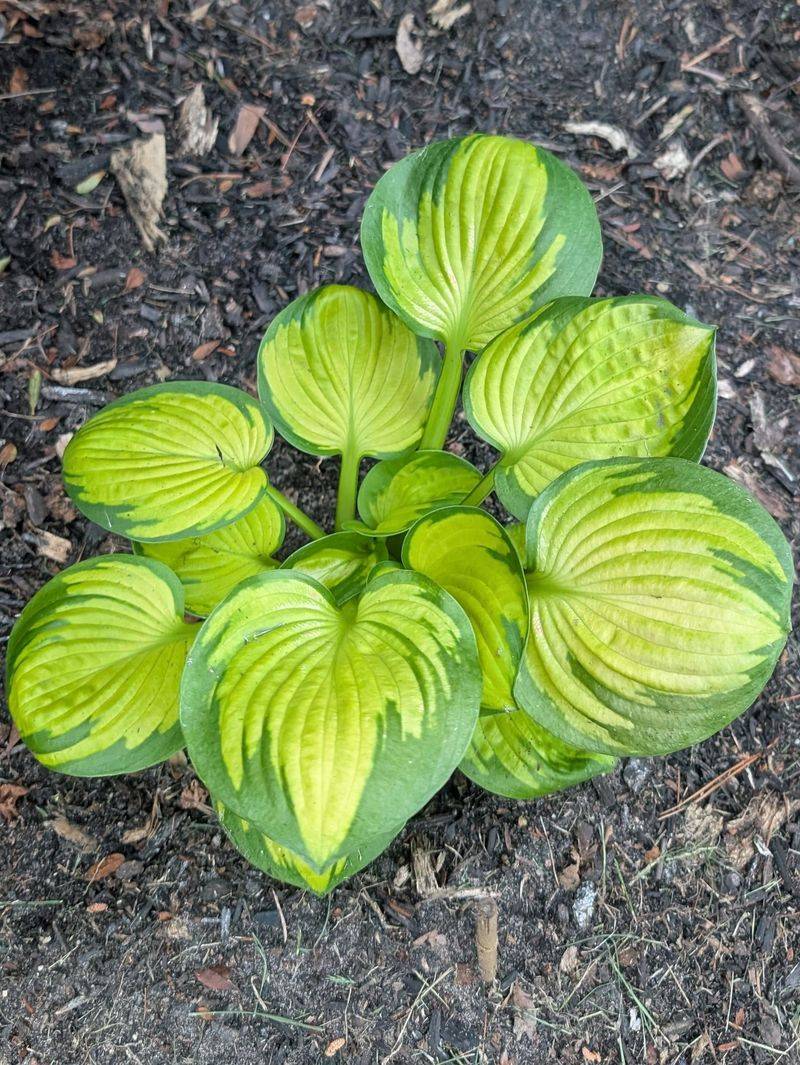
Hostas genuinely love moisture. They thrive in rich, well-drained soil that stays consistently damp, and in North Carolina’s July heat, keeping roots hydrated is essential for keeping the plants looking their best.
The challenge is that the conditions hostas prefer are very similar to the conditions slugs prefer, so finding the right balance matters more in midsummer than at any other point in the growing season.
Water deeply and aim the water at the root zone rather than splashing it across the crown and surrounding mulch.
Drip irrigation or a slow soaker hose works beautifully for hostas because it keeps moisture where the roots are without keeping the surface of the bed continuously wet.
Watering in the morning also gives the soil surface time to dry out somewhat before evening, which reduces the damp conditions slugs rely on for nighttime activity.
Bring all the earlier steps together as one consistent routine: pull mulch back from the crown, clear debris after rain, thin crowded growth, check the bed after sunset, and hand pick any slugs you find.
None of these steps alone is a complete solution, but together they change the environment around your hostas in a meaningful way.
Slugs need moisture, shelter, and easy access to keep feeding. Remove those advantages one by one, and your hostas have a much better chance of finishing July with every beautiful leaf still intact and thriving.