What Summer Leaf Curl On Texas Plants Is Really Trying To Tell You
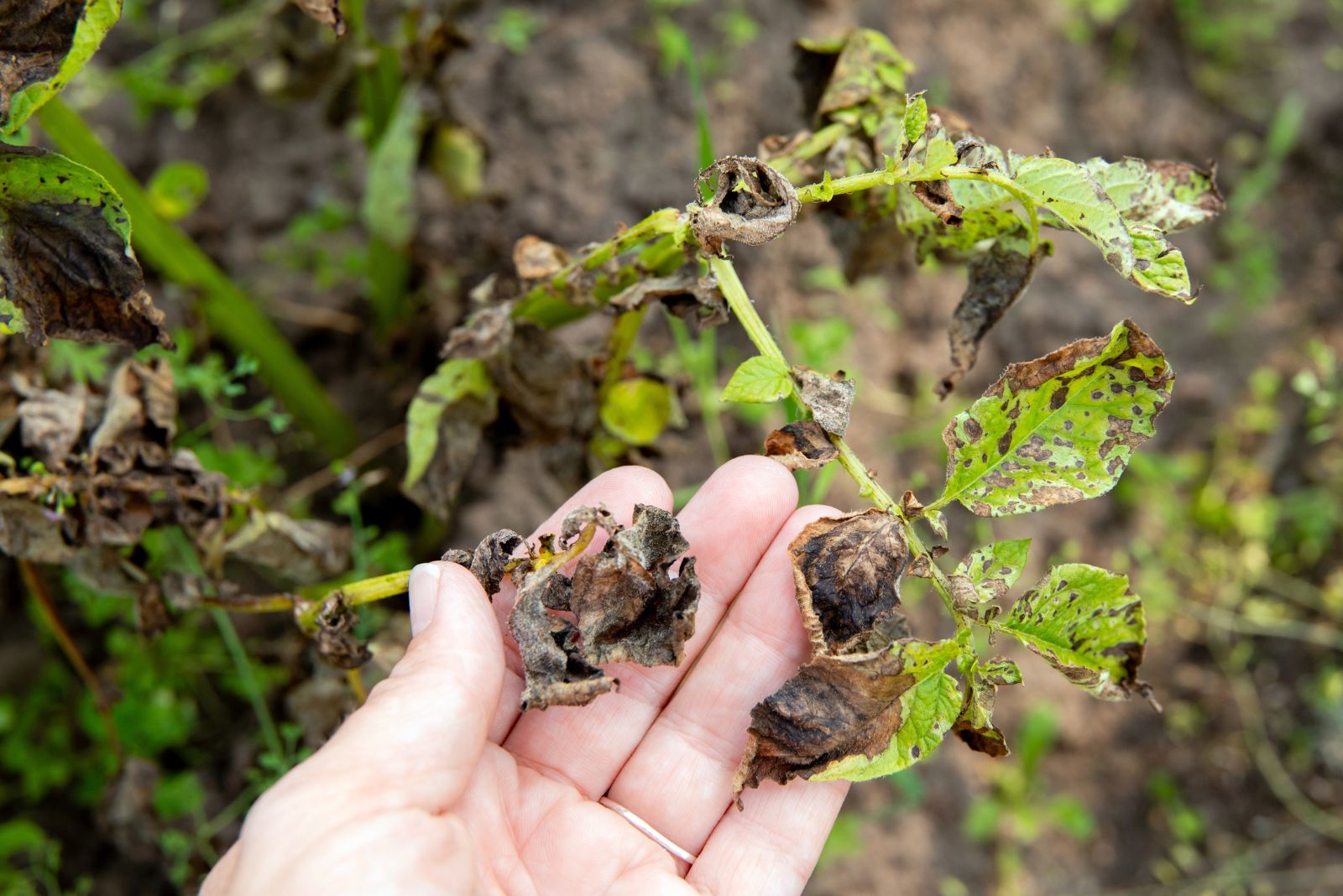
Have you ever walked out to your Texas garden in the morning, coffee in hand, only to find your plants curling their leaves inward like they’re trying to protect themselves from something? It’s one of those garden mysteries that can send you straight to Google looking for answers.
And the answers, it turns out, are more interesting than most people expect. Leaf curl is not just a sign of stress.
It’s your plant trying to communicate. Different causes produce different kinds of curl, and learning to read them correctly can completely change how you respond.
Curling upward means something different from curling downward. Edges rolling in tell a different story than the whole leaf cupping.
And timing matters too, because a plant curling in the afternoon heat is sending a very different message than one that stays curled all day.
Once you know how to read leaf curl, you’ll never look at a struggling Texas plant the same way again. Here’s what your plants are really trying to tell you.
1. Heat Stress
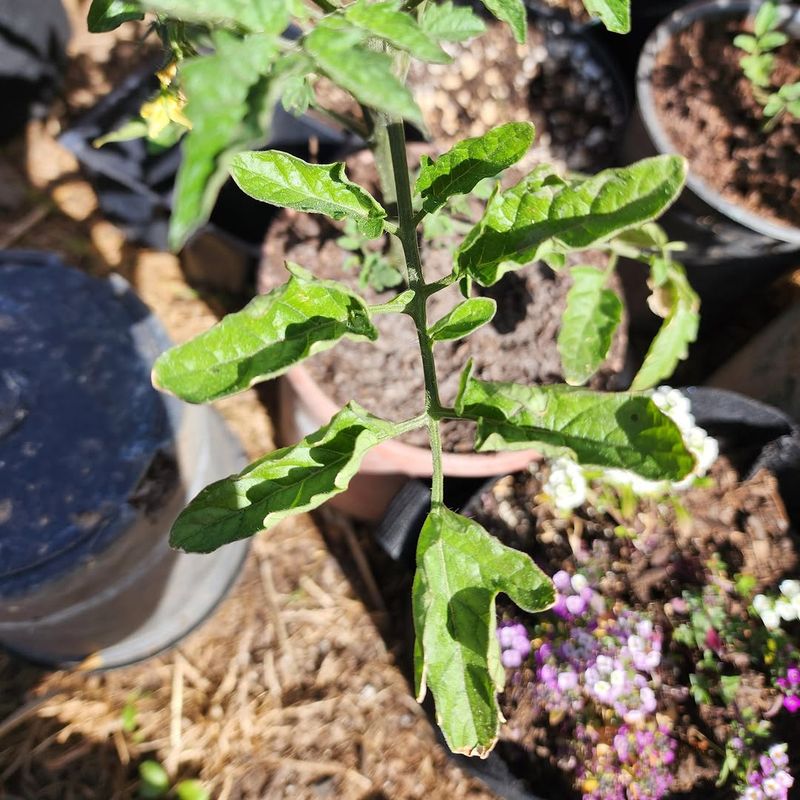
Picture this: it is 105 degrees outside, the sun is beating down hard, and your tomato plants are curling their leaves so tightly they look like little cigars. That is not a coincidence. Texas summers are brutal, and plants feel that heat just as much as you do.
When temperatures rise above 90 degrees for several days in a row, many plants start to curl their leaves upward or inward. This is actually a survival move.
By reducing the surface area exposed to direct sunlight, the plant slows down water loss through a process called transpiration. Think of it like squinting your eyes on a bright day.
Tomatoes are especially famous for this kind of curling during heat waves. The lower and older leaves usually curl first.
The good news is that heat stress curling by itself does not usually cause lasting harm if the plant is otherwise healthy and getting enough water.
You can help your plants handle the heat in a few practical ways. Mulching around the base of your plants with 2 to 3 inches of wood chips or straw helps keep the soil cool and moist.
Shade cloth rated at 30 to 40 percent can also make a big difference during peak afternoon hours. Water deeply in the early morning so roots can absorb moisture before the heat of the day hits hard.
Check for wilting in the late afternoon rather than midday, since midday wilting can happen even in well-watered plants during extreme heat. If your plant bounces back by evening, heat stress is likely the main cause of the curling.
2. Water Problems
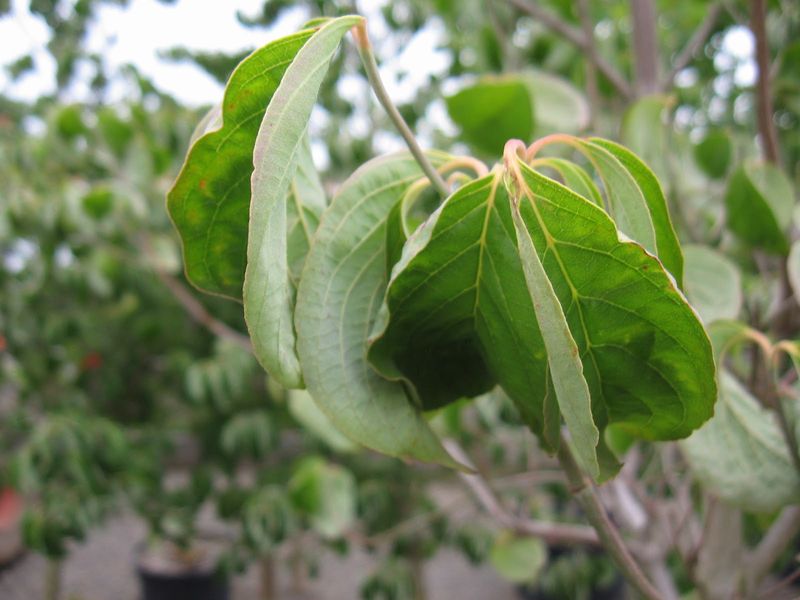
Water is life for plants, but getting the amount wrong in either direction can send leaves curling in a hurry.
Most gardeners assume that curled or drooping leaves always mean the plant needs more water. Sometimes that is true, but sometimes the exact opposite is the problem.
When a plant does not get enough water, its cells lose pressure and the leaves start to curl, droop, and feel a little crispy at the edges. The soil will feel dry an inch or two below the surface.
Your Texas Garden Changes Every Week. Your Plan Should Too.
Gardening in Texas changes quickly throughout the season. Every Friday you’ll receive a simple weekly plan showing exactly what to plant, prune, fertilize, harvest, and protect so you never miss the right timing.
This is the classic underwatering situation, and it is very common during Texas summers when soil can dry out incredibly fast.
Overwatering is sneakier. When roots sit in soggy soil for too long, they cannot absorb oxygen properly.
Stressed roots cannot deliver water and nutrients efficiently, so the leaves can also curl, yellow, or droop even though the soil is wet. It feels backwards, but it makes sense once you understand how roots work.
Before you reach for the hose, always check the soil first. Stick your finger about two inches into the ground near the base of the plant.
If it feels dry, water thoroughly and slowly so the moisture soaks deep into the root zone. If it feels wet or muddy, hold off and let it dry out a bit.
Raised beds and containers dry out faster than in-ground gardens, so they need more frequent checking. In Texas heat, even established plants may need watering every day during a heat wave.
Consistent, deep watering is always better than frequent shallow watering for building strong, drought-tolerant roots.
3. Wind Damage
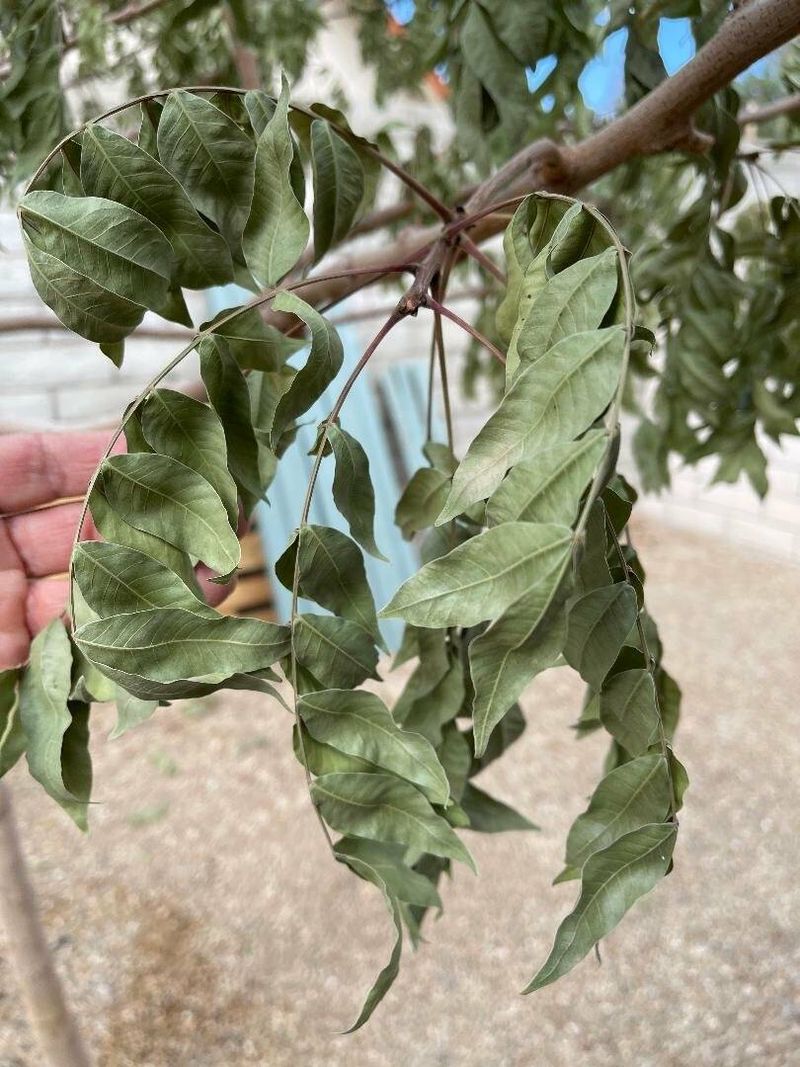
Hot wind in Texas is a force all its own. On those days when a dry south or southwest wind kicks up and blows for hours, your plants are dealing with something a lot like a hair dryer pointed straight at them.
The result is often curled, twisted, or crispy-edged leaves that show up the next morning. Wind speeds up the rate at which leaves lose moisture. Even when the soil has plenty of water, a strong hot wind can pull moisture out of leaves faster than the roots can replace it.
The plant responds by curling the leaf edges inward to protect itself, similar to what happens during heat stress. Sometimes the leaf tips and edges turn brown and papery as well.
Wind damage tends to show up most on the outer edges of plants and on the side of the plant facing the wind. New tender growth is especially vulnerable because it has not yet developed a thick protective layer.
If you notice curling only on one side of a plant or on the most exposed plants in your garden, wind is a strong suspect.
Adding a windbreak can do wonders for a Texas garden. A fence, a row of tall ornamental grasses, or even a temporary burlap screen can reduce wind speed significantly and protect tender plants.
Planting in a slightly sheltered spot near a wall or structure also helps. Keeping plants well-mulched and watered before a windy stretch is smart preparation.
After a big wind event, give plants a few days to recover before deciding if any action beyond watering and mulching is needed. Most healthy plants bounce back well on their own once conditions improve.
4. Pest Damage
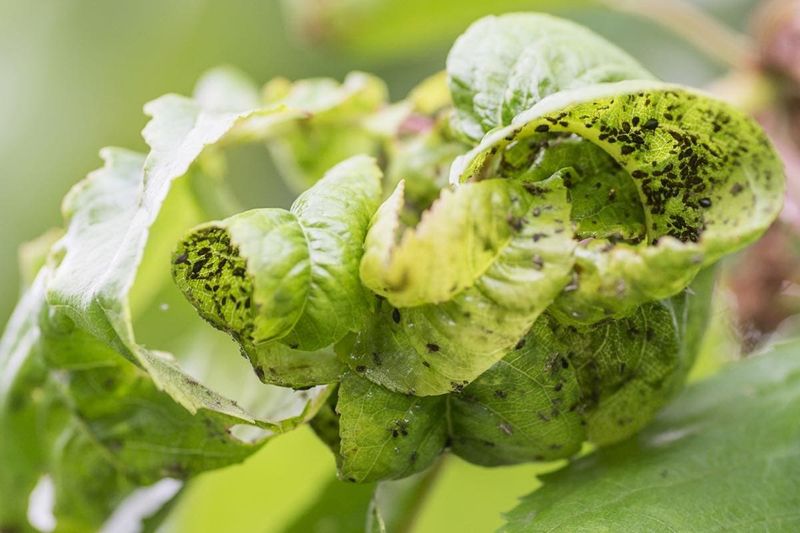
Sometimes the cause of leaf curl is not the weather at all. It is something much smaller. Tiny insects and mites can cause some of the most dramatic leaf curling and distortion you will ever see in a Texas garden, and they are easy to miss if you are not looking closely.
Aphids are one of the most common culprits. These tiny, soft-bodied insects cluster on new growth and the undersides of leaves, sucking out plant juices.
As they feed, they inject saliva into the plant tissue, which causes leaves to curl, pucker, and look crinkled or deformed. Aphid populations can explode incredibly fast in warm weather, so catching them early matters a lot.
Spider mites are another big problem during hot, dry Texas summers. They are so small you might need a magnifying glass to see them clearly.
Look for fine webbing on the undersides of leaves and a dusty, stippled appearance on the leaf surface. Mite-damaged leaves often curl under and look dry or bronzed.
Broad mites and russet mites can also cause severe distortion on peppers, tomatoes, and other vegetables. Infested new growth often looks twisted, hard, and stunted rather than just curled.
Always flip the leaves over and check new growth carefully when diagnosing curl. For aphids, a strong blast of water from a hose knocks them off effectively.
Insecticidal soap or neem oil sprays work well for both aphids and mites when applied thoroughly to leaf surfaces. Repeat treatments every five to seven days for best results. Avoid spraying during the hottest part of the day to prevent leaf burn.
5. Herbicide Drift
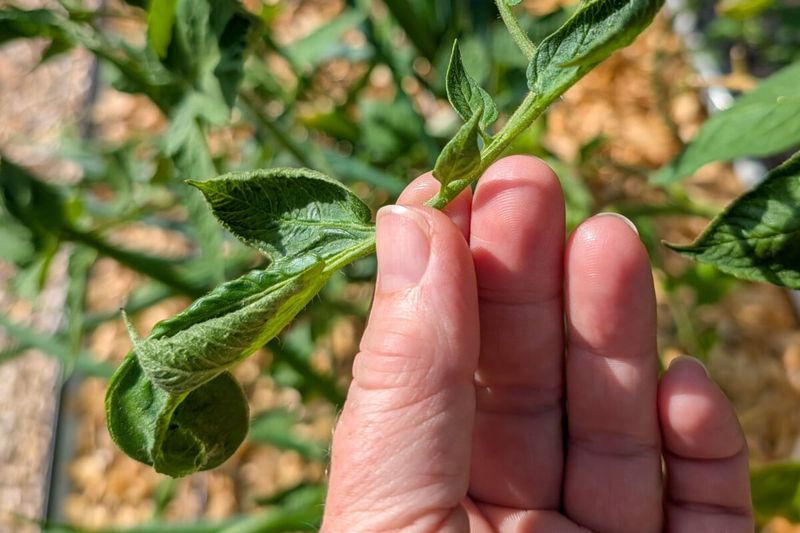
Here is something many Texas gardeners never think to suspect: the air itself can carry chemicals that twist and deform your plants. Herbicide drift happens when weed-killer sprayed nearby floats through the air and lands on plants it was never meant to touch.
The results can be alarming and confusing if you do not know what you are looking at. Plants affected by herbicide drift do not just curl their leaves. The damage looks distinctly strange.
Leaves may become narrow, strap-like, or cupped. New growth often comes in twisted and distorted, sometimes pointing in odd directions.
Stems may curl or bend. The whole plant can look like it is growing in slow motion or in a confused, abnormal way.
Tomatoes and peppers are extremely sensitive to herbicide drift and show damage quickly. Grapes, ornamental trees, and many flowering plants are also very vulnerable.
Even very tiny amounts of certain weed killers, especially those containing auxin-type herbicides like 2,4-D or dicamba, can cause serious damage to susceptible plants.
Drift can travel a surprising distance on a windy day. Neighbors spraying their lawn, nearby farms applying herbicides, or even a homeowner spraying a driveway can send chemicals drifting into your garden without anyone realizing it.
If the curling appeared suddenly after a windy day and looks twisted and strange rather than just rolled, herbicide drift is worth considering as the cause.
Unfortunately, there is no treatment to reverse herbicide damage. The best you can do is give the plant good care, keep it watered and fed, and wait to see if it grows out of the affected stage.
Sometimes plants recover partially over several weeks, especially if the exposure was minor.
6. Plant Disease
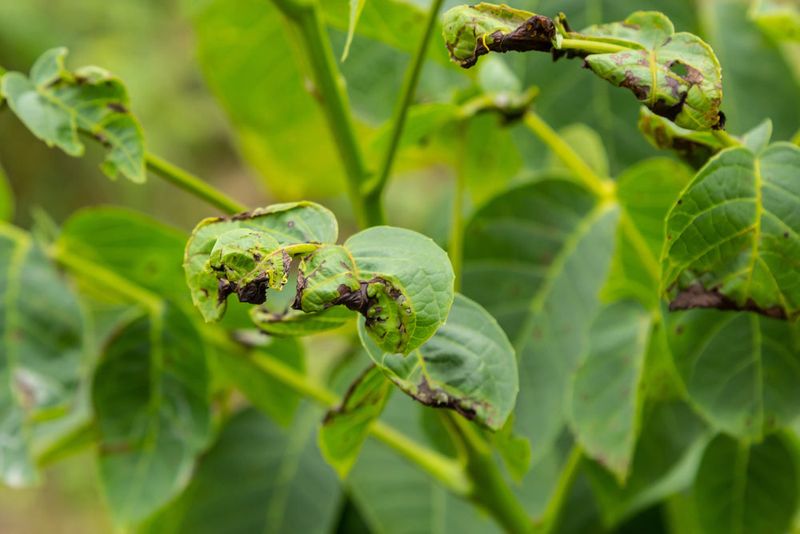
When heat, water, wind, pests, and chemicals have all been ruled out, plant disease moves to the top of the suspect list.
Several viruses and fungal issues can cause leaf curling, and they each have their own set of clues to look for. Knowing the difference can save you a lot of guesswork.
Tomato curl virus, spread by whiteflies, is one of the most damaging diseases in Texas gardens. Infected plants show upward leaf curling, yellowing along leaf edges, and stunted new growth that looks pale and small.
The whole plant often stops growing normally and may not produce well. Once a plant is infected with a virus, there is no cure available.
Mosaic viruses are another common group of diseases that cause leaf distortion. Infected leaves often show a patchy pattern of light and dark green, yellow, or even white blotches mixed with curling and puckering.
Aphids spread many mosaic viruses from plant to plant, which is another reason pest control matters so much in the garden.
Fungal diseases like powdery mildew can also contribute to curling, especially when combined with other stressors. Affected leaves may curl, look dusty white, and feel dry or brittle.
Good air circulation and avoiding overhead watering help prevent many fungal problems. Removing and bagging heavily infected plants is the recommended step when a viral disease is confirmed. This helps stop the spread to nearby healthy plants.
Always wash your hands and tools after handling infected plants. Planting disease-resistant varieties whenever possible is one of the smartest long-term strategies Texas gardeners can use to avoid repeated problems season after season.