Arizona Native Grasses Are Showing Up In More Landscapes For These 7 Reasons
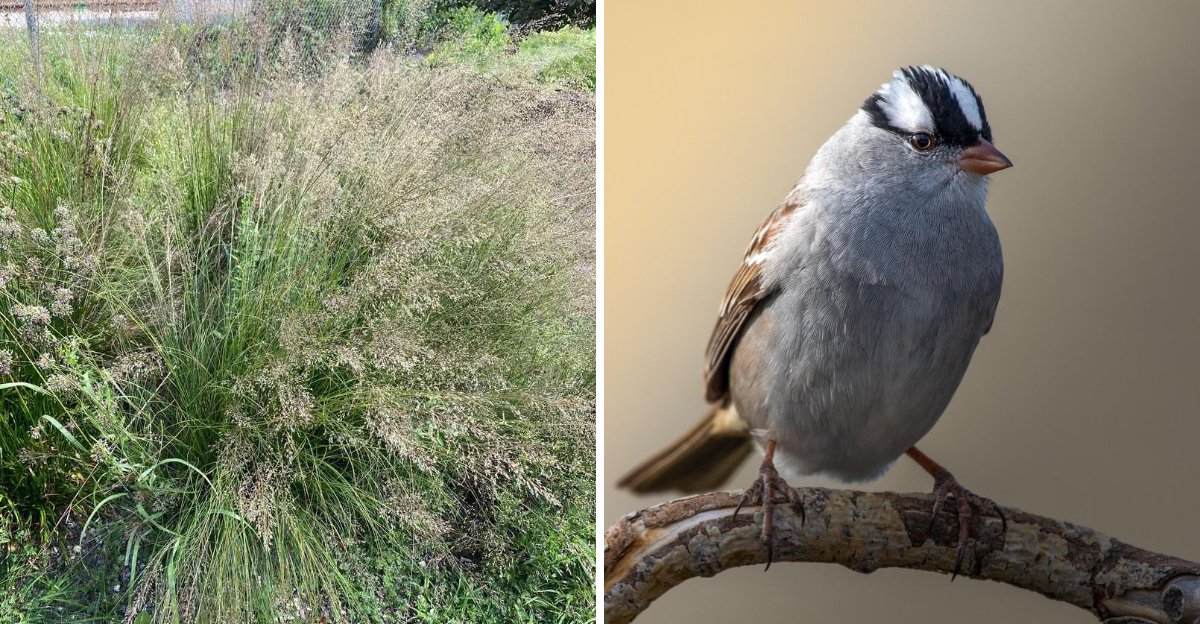
Arizona yards are changing, and the transformation is hard to miss once you start looking for it.
Thirsty lawns and patchy ground covers are coming out, and in their place, graceful native grasses are taking root across Tucson neighborhoods, Phoenix suburbs, and communities throughout the desert Southwest.
Plants like deergrass, blue grama, and bush muhly have been growing wild across this landscape for thousands of years.
Now they are moving into thoughtfully designed yards, and the gardeners who have made the switch are not going back.
The reasons go well beyond water savings, though that alone would be enough in a state where outdoor irrigation accounts for a significant share of residential water use.
Native grasses bring movement to gravel yards that would otherwise feel flat and lifeless. They support wildlife.
They hold disturbed soil together during monsoon rains. And they fit naturally into the kind of modern xeriscape design that has replaced the bare gravel yards of decades past.
Here’s seven reasons explain why more Arizona homeowners are choosing native grasses, and why the trend shows no signs of slowing down.
1. They Use Less Water Once Established
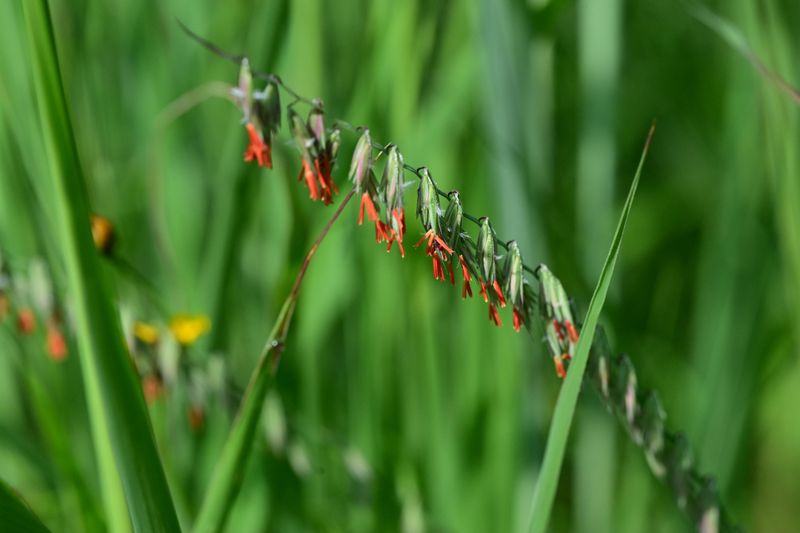
Your water bill shrinking while your yard still looks full and alive is exactly what happens when you swap out thirsty plants for Arizona native grasses.
Once these grasses settle in and develop strong root systems, their long-term irrigation needs drop dramatically compared to traditional lawn turf or exotic ornamentals.
The establishment phase does require consistent watering, usually one to two growing seasons depending on the species and your soil type.
During that window, deep, infrequent watering encourages roots to push down rather than stay shallow. After that, many species thrive on rainfall alone or need only occasional supplemental irrigation during extreme dry spells.
Blue grama is native to grasslands across the Southwest and handles long dry stretches without complaint.
Sideoats grama, common across Arizona, performs well in rocky, well-drained soils with minimal water input. The University of Arizona Cooperative Extension recommends both species for low-water landscapes across much of the state.
Choosing the right grass for your specific site matters.
A north-facing slope with clay soil holds moisture longer than a south-facing gravel bed. Matching species to those conditions means you water less and stress the plant less.
Native grasses evolved here over thousands of years, and that history shows every time the summer monsoon rolls in and they respond with fresh, vibrant growth without any help from you.
2. They Bring Movement To Gravel Yards
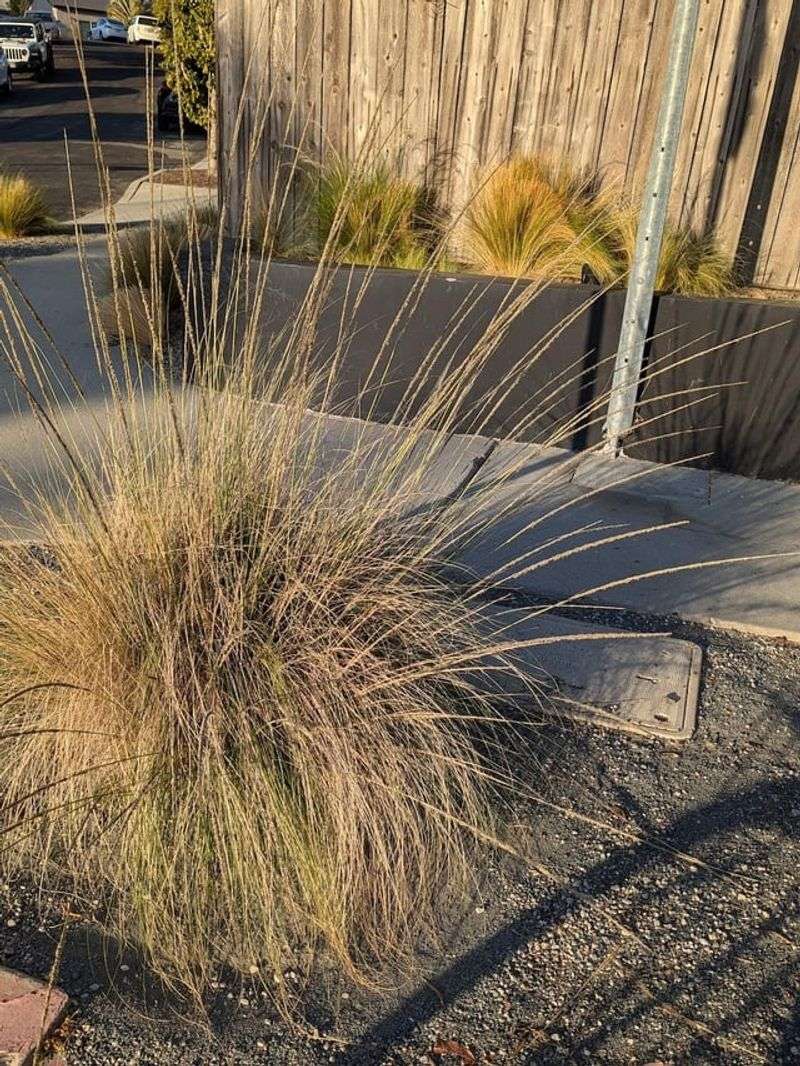
Gravel yards can feel flat and lifeless, like a parking lot with a few cacti dropped in.
Native grasses fix that instantly. Their soft, arching blades and feathery seed heads catch every breeze, introducing a kind of gentle choreography that no rock or hardscape can replicate on its own.
Bush muhly is a standout performer in this role.
Its fine-textured foliage forms tidy mounds that glow pink and purple when it blooms in late summer and fall.
Plant it near a path or along a gravel border and watch how it transforms the space from static to alive. Even on a still day, the visual softness it brings contrasts beautifully with hard surfaces.
Your Arizona Garden Changes Every Week. Your Plan Should Too.
Gardening in Arizona changes quickly throughout the season. Every Friday you’ll receive a simple weekly plan showing exactly what to plant, prune, fertilize, harvest, and protect so you never miss the right timing.
Deergrass is another excellent choice for adding vertical movement.
It grows in bold, fountain-shaped clumps that sway dramatically in Arizona’s afternoon winds. Landscape designers across the Phoenix metro area use it as a focal point or a natural divider between zones in a yard.
The contrast between gravel and grass is one of the most visually rewarding combinations in desert design.
The roughness of decomposed granite or river rock reads completely differently when soft grass blades rise out of it.
A well-placed native grass in a gravel yard does not just fill space. It creates a moment worth noticing every single time you walk past.
3. They Support Desert Wildlife
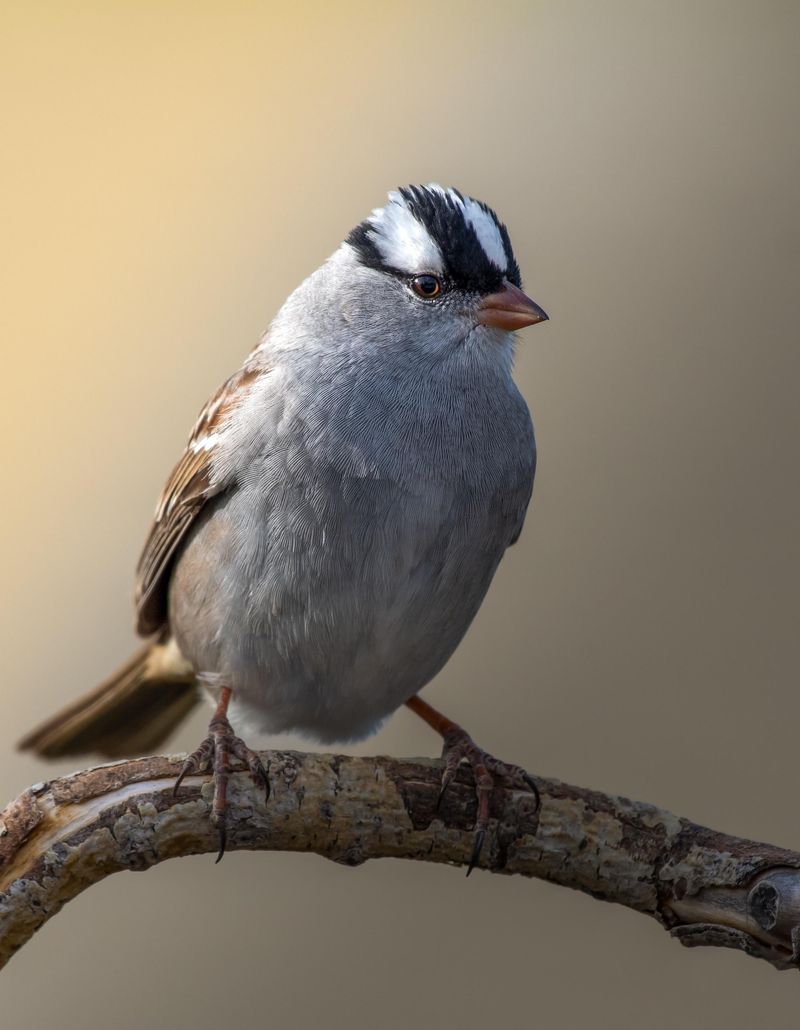
Native grasses are wildlife magnets, and most homeowners never realize how much activity is happening right outside their window.
Seeds, stems, and dense clumps offer food and shelter for a surprising range of desert creatures. When you plant native grasses, you are not just decorating a yard. You are building a functioning habitat.
Seed-eating birds like house finches, white-crowned sparrows, and pyrrhuloxias actively forage through grass seed heads during fall and winter.
Deergrass and sideoats grama both produce abundant seeds that birds rely on when other food sources are limited. Leaving seed stalks standing through winter instead of cutting them back early gives wildlife more time to benefit.
Insects also play a huge role here.
Native grasses host a variety of specialist insects, including native bees, grasshoppers, and moths, that have co-evolved with these plants over millennia.
Those insects then become food for lizards, birds, and other desert animals. Plants with local evolutionary history support far more wildlife than exotic ornamentals ever could.
Dense grass clumps provide ground-level cover where small animals can shelter from heat and predators.
Quail families love moving through low native grass cover.
Every native grass plant added to a yard increases the ecological value of that space and quietly turns a landscaped lot into a small but meaningful piece of functioning desert ecosystem.
4. They Soften Hardscape Without Thirst
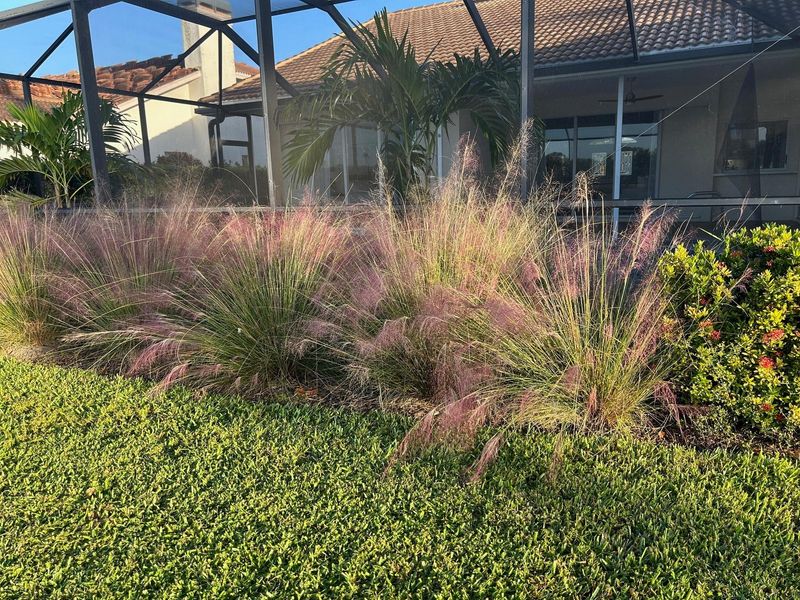
Hardscape is everywhere in Arizona yards. Patios, walkways, retaining walls, and gravel fields are all part of the desert landscape toolkit.
But too much hard surface in one space can feel cold and uninviting, and that is where native grasses earn their place as design partners.
Tucking a clump of blue grama along the edge of a flagstone patio instantly changes the feel of that transition.
The fine, curling blades spill slightly over the stone, blurring the boundary in a way that feels natural rather than forced. It softens without overwhelming, and it does it without needing a drip line running to it constantly.
Along stucco walls or block fencing, a row of bush muhly creates a living buffer that breaks up flat vertical surfaces.
The contrast between rough masonry and feathery grass texture is one of those design combinations that works almost every time.
Landscape architects in Tucson and Scottsdale have been using this approach for years in both residential and commercial projects.
Near walkways, shorter species like blue grama stay low enough to stay out of the way while still providing that softening effect along the path edge.
Once established, most native grasses hold their shape naturally, which means less maintenance, fewer inputs, and a yard that looks intentional and refined without demanding constant attention throughout the year.
5. They Handle Heat Better Than Turf
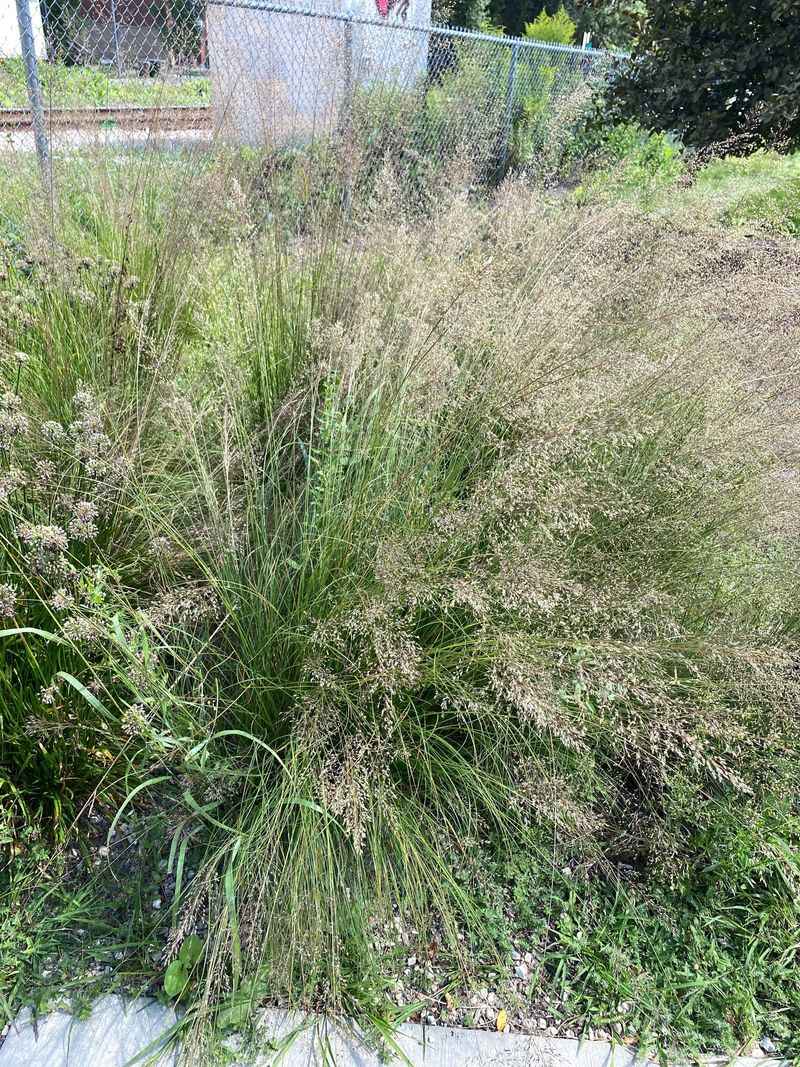
Traditional turf grass was never meant for the Sonoran Desert.
Bermuda and fescue lawns demand enormous amounts of water, fertilizer, and constant care just to survive Arizona summers.
Even then, they often struggle, brown out, and require overseeding to stay presentable. Native grasses sidestep all of that because they evolved in this exact environment.
Alkali sacaton is a prime example of desert toughness.
It grows naturally in low-lying areas with poor drainage and alkaline soils, conditions that would stress most turf varieties.
It handles full sun, reflected heat from walls and pavement, and soil that most plants would reject outright. In high-heat urban settings, that kind of resilience is genuinely valuable.
The University of Arizona Cooperative Extension has documented that replacing turf with low-water native plants, including native grasses, can cut outdoor water use by 30 to 60 percent in residential landscapes.
That is a significant shift, and it does not mean sacrificing an attractive yard. Native grasses stay green or go dormant in a natural cycle that fits the desert calendar rather than fighting it.
There is also a comfort factor. Turf lawns absorb and radiate heat, raising temperatures in outdoor spaces.
Native grasses, especially when planted in groupings with shrubs and trees, contribute to a more comfortable microclimate that makes the yard a more enjoyable place to spend time during the long Arizona summer.
6. They Help Restore Disturbed Soil
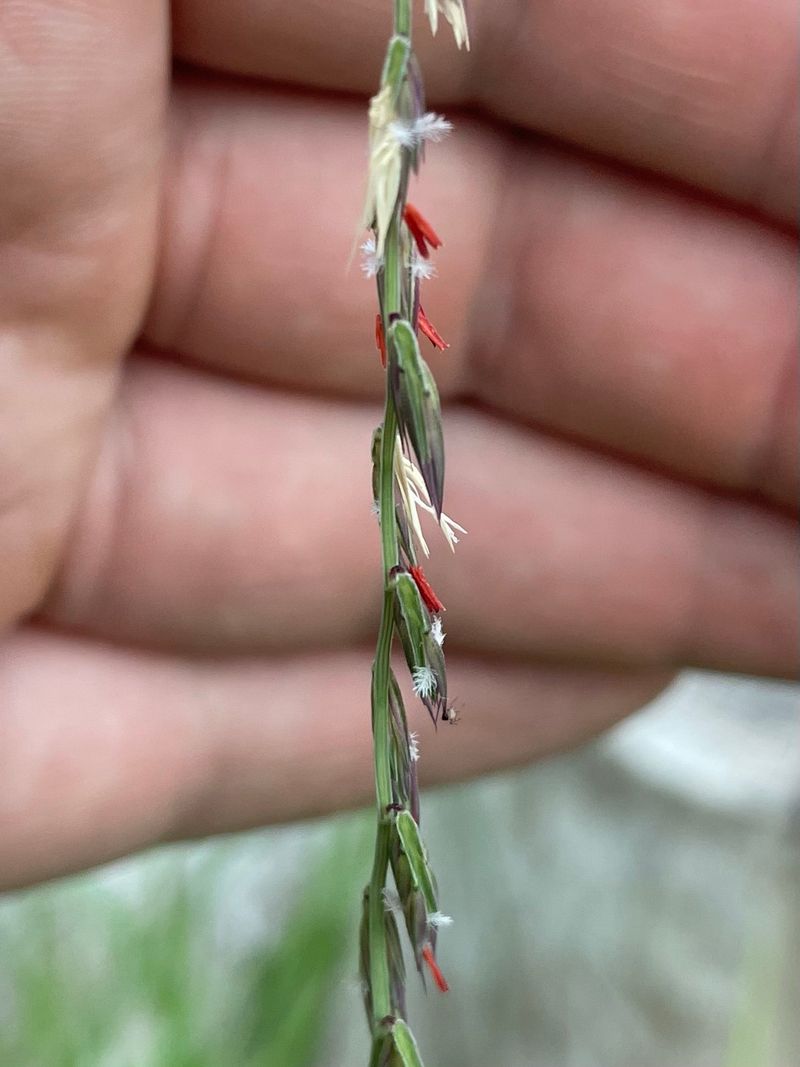
Construction sites, graded lots, and compacted caliche layers leave behind soil that struggles to support plant life.
Bare ground in Arizona is also vulnerable to erosion, especially during the intense monsoon rains that hit between July and September.
Native grasses step in as some of the most effective and affordable tools for getting that soil back into shape.
Sideoats grama is particularly well-suited for disturbed sites.
Its fibrous root system spreads horizontally and vertically, binding loose soil particles together and reducing surface runoff. On slopes, this matters enormously.
A hillside covered in sideoats grama handles a hard monsoon rain very differently than a bare slope does. The roots hold soil in place while the blades slow the surface flow of water.
Alkali sacaton also performs well in compacted or poorly drained soils that other plants avoid.
It establishes on sites where conventional revegetation attempts often fail, and contractors working on restoration projects in central and southern Arizona regularly include it in seed mixes for that reason.
Beyond erosion control, native grass root systems improve soil structure over time.
They create channels that allow water to infiltrate rather than run off, slowly rebuilding the biological activity that healthy soil needs.
Bare ground stays bare and gets worse. Ground covered in native grasses slowly heals, and that process benefits every other plant growing nearby.
7. They Fit Modern Xeriscape Designs
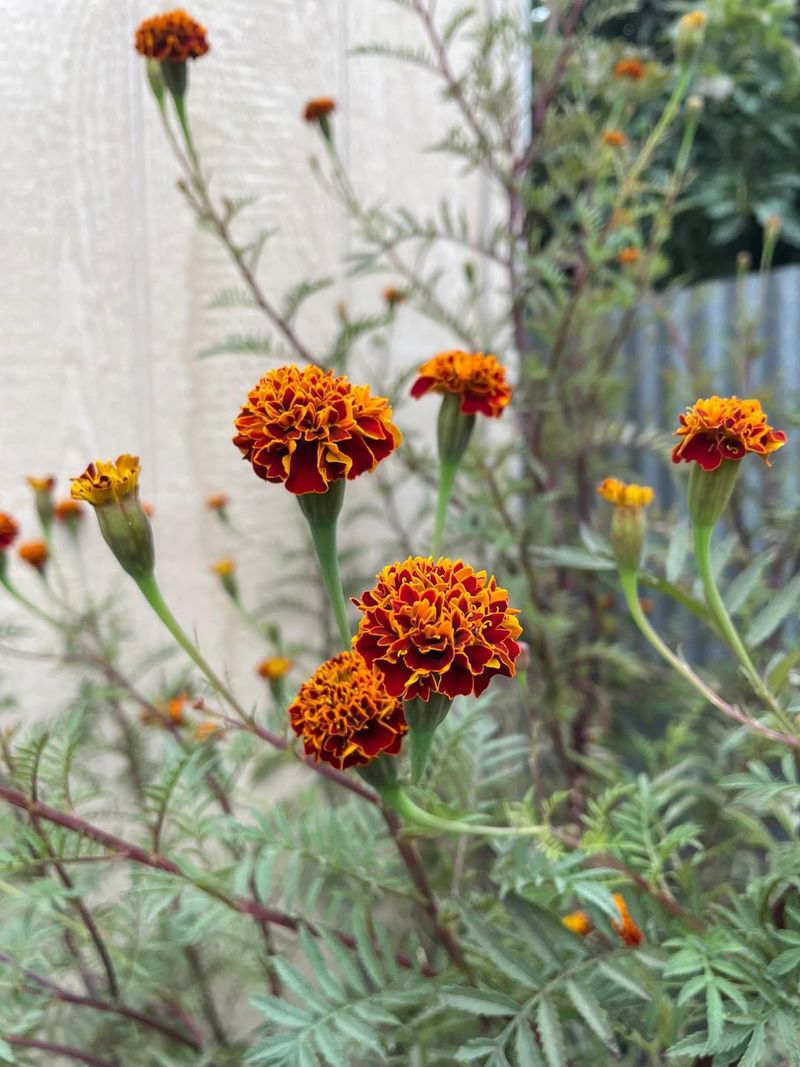
Xeriscape has come a long way from the bare gravel yards of the 1990s. Low-water landscape design in Arizona is now sophisticated, layered, and genuinely beautiful.
Native grasses have become central to that evolution because they offer something rare in arid-climate design: year-round structure combined with seasonal change.
A well-planned xeriscape yard might use deergrass as a bold anchor plant, bush muhly as a mid-layer texture element, and blue grama as a fine-scaled ground-level filler near pathways.
Each species brings a different height, color, and seasonal interest to the composition. Together they create a planting that looks intentional and dynamic rather than sparse or accidental.
Native grasses play well with other desert plants too.
They pair naturally with agaves, brittlebush, desert marigold, and palo verde trees without competing aggressively for water or space.
That compatibility makes them easy to incorporate into new designs or retrofit into existing landscapes that need more visual interest.
The naturalistic planting style, which mimics the layered structure of wild desert plant communities, is gaining popularity in both residential and commercial projects across the Phoenix and Tucson metro areas.
Native grasses are a key ingredient in that look, adding the kind of relaxed, organic quality that polished hardscape alone cannot deliver.
Matching the right species to your site conditions is the step that turns a good design into one that stays beautiful for years.