The Texas Yard Changes That Are Quietly Eliminating Roadrunner Habitat Across The State
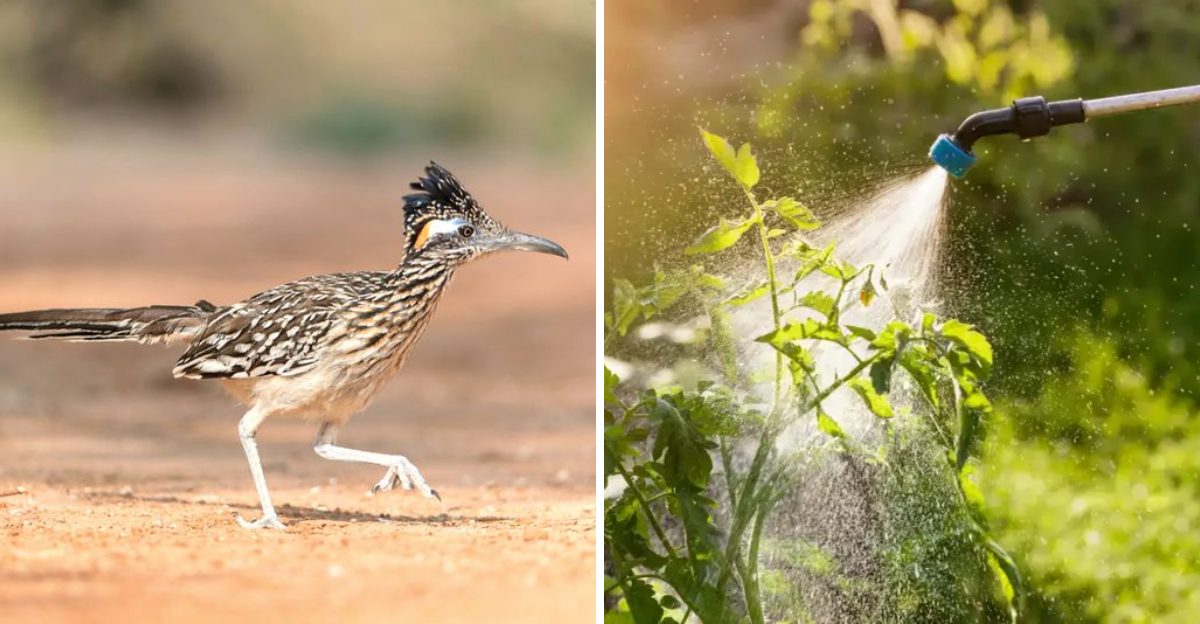
Roadrunners have been part of the Texas landscape for as long as anyone can remember. Darting across caliche roads, hunting through brushy yards, showing up in places that make you stop and smile.
But across the state, sightings are becoming less common, and the reasons have a lot to do with what’s happening in Texas yards and neighborhoods. The changes are quiet and gradual, which is exactly what makes them so easy to overlook.
Landscaping decisions that seem completely reasonable on an individual level are adding up to something significant across the broader landscape.
Fewer native plants, less brush cover, tidier yards with shorter grass and fewer hiding spots for the prey roadrunners depend on.
Each change alone might seem minor. Together, they’re reshaping the habitat that roadrunners need to thrive.
If roadrunners have disappeared from your neighborhood in recent years, your yard might be part of the story without you ever realizing it.
1. Removing Native Brush
Walk through almost any older Texas neighborhood and you might spot a roadrunner darting through a mesquite thicket or disappearing into a tangle of native shrubs. That kind of habitat is getting harder to find.
Homeowners across the state are clearing out native brush to create cleaner, more manicured yards, and roadrunners are quietly losing the cover they depend on.
Greater Roadrunners thrive in desert scrub, open brushlands, savannahs, open woodlands, and wooded stream corridors. They need a mix of open ground for hunting and low, dense cover for nesting and hiding from predators.
When yards are stripped of native brush, that balance disappears. Roadrunners are not deep-forest birds, but they are also not fans of bare, treeless lawns. They need structure at ground level.
A yard with even a few native shrubs, wild grasses, or low-growing plants gives them the cover they are looking for.
The good news is that keeping native brush does not mean letting your yard go completely wild.
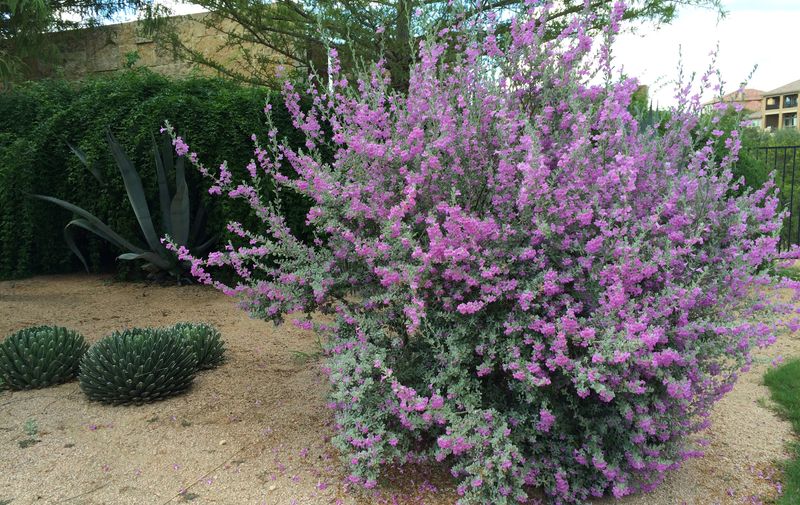
Leaving a corner of your property with natural growth, planting native Texas shrubs like agarita or Texas sage, or simply avoiding the urge to clear every thicket can go a long way.
Small patches of native cover add up across a neighborhood. Roadrunners have large territories and move between yards, so even one brush-friendly yard on your street could become part of their daily route.
Choosing to keep some of that natural messiness is one of the easiest and most impactful things a Texas homeowner can do for local wildlife.
2. Cutting Out Cactus
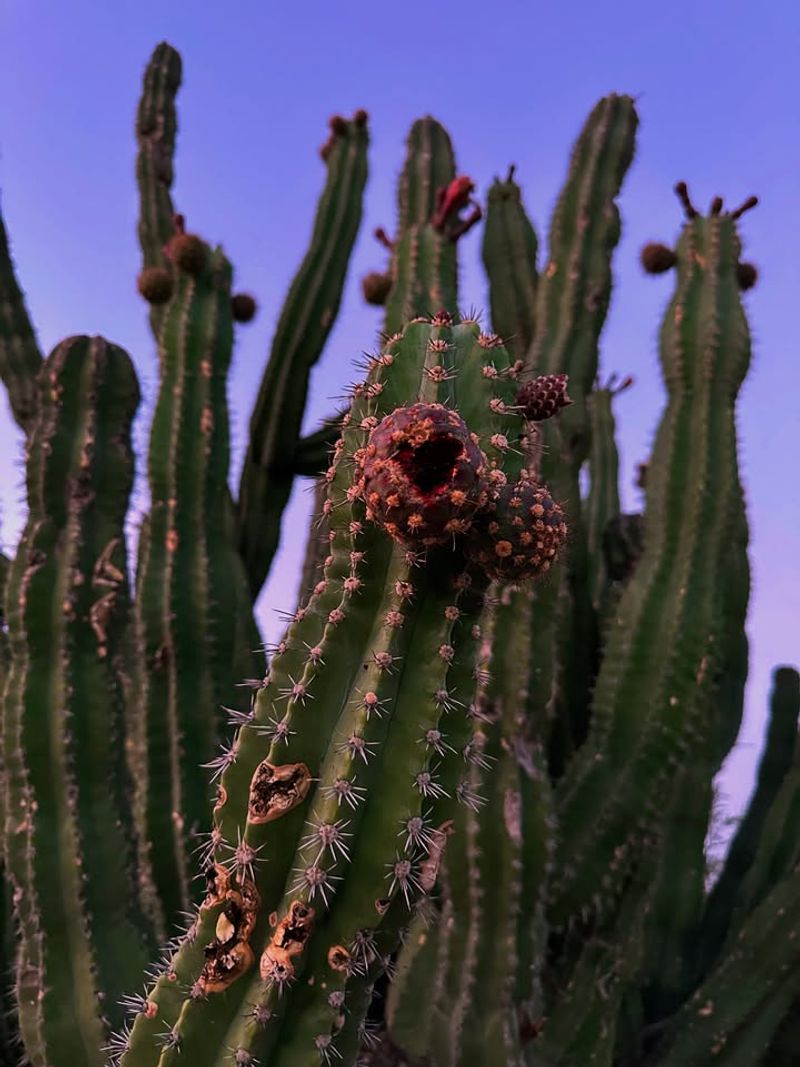
Prickly pear cactus might not be the first thing most people want in their yard, but for roadrunners, it is practically prime real estate. Many Texans remove cactus to create more usable outdoor spaces, not realizing they are taking away something roadrunners genuinely rely on.
Greater Roadrunners often nest just a few feet off the ground inside sturdy bushes, cactus clumps, or small trees. The thorny structure of cactus provides natural protection from predators, making it a preferred nesting spot.
Beyond shelter, prickly pear fruit is actually part of the roadrunner diet. These birds are opportunistic eaters, meaning they will snack on plant foods when insects and lizards are harder to find.
Your Texas Garden Changes Every Week. Your Plan Should Too.
Gardening in Texas changes quickly throughout the season. Every Friday you’ll receive a simple weekly plan showing exactly what to plant, prune, fertilize, harvest, and protect so you never miss the right timing.
Cactus also creates microhabitats. Insects gather around cactus pads, lizards bask on nearby rocks, and small mammals shelter underneath the spiny base.
All of that activity turns a single cactus patch into a full roadrunner buffet. Removing cactus does not just take away one resource; it removes an entire web of connected food and shelter opportunities.
You do not need to fill your yard with cactus to make a difference. Even one or two prickly pear plants near a fence line or in a sunny corner can provide nesting cover and food.
Pairing cactus with other sturdy native shrubs creates the layered habitat roadrunners prefer. If you have been thinking about pulling out that old cactus patch, consider leaving it in place.
What looks like a prickly nuisance to you might be the perfect nursery for the next generation of Texas roadrunners living in your area.
3. Cleaning Up Too Much
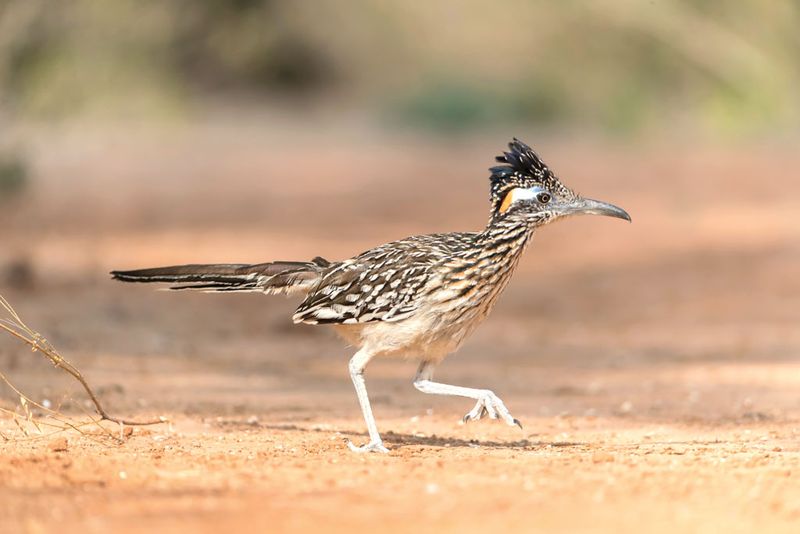
There is something satisfying about a clean, tidy yard. Raked leaves, swept patios, and neatly trimmed edges feel like a job well done.
But for a roadrunner passing through your neighborhood, that perfectly groomed yard might as well have a “nothing to eat here” sign posted at the gate.
Roadrunner-friendly habitat is not messy by accident. Rock piles, brush heaps, leaf litter, and open patches of bare dirt all serve real purposes.
Leaf litter shelters beetles, crickets, and other insects. Rock piles give lizards a place to warm up and hide.
Brush heaps attract small rodents. All of these are foods that roadrunners actively hunt every single day.
When yards are cleaned to perfection, that entire food web gets swept away. Insects have nowhere to live, lizards have no cover, and roadrunners move on to find better hunting grounds.
Over time, as more yards in a neighborhood get this treatment, roadrunners can lose access to enough food across their whole territory.
Making your yard more roadrunner-friendly does not require making it look neglected. Try leaving a small brush pile in a back corner, letting leaves accumulate under a tree, or placing a few flat rocks in a sunny spot.
These small additions create stepping stones of habitat without changing the overall look of your yard much. Native plants that produce seeds or berries also add food value for insects and birds alike.
A slightly relaxed approach to yard cleanup can make a genuinely meaningful difference for roadrunners and many other Texas wildlife species that share the same habitat needs.
4. Spraying Insects
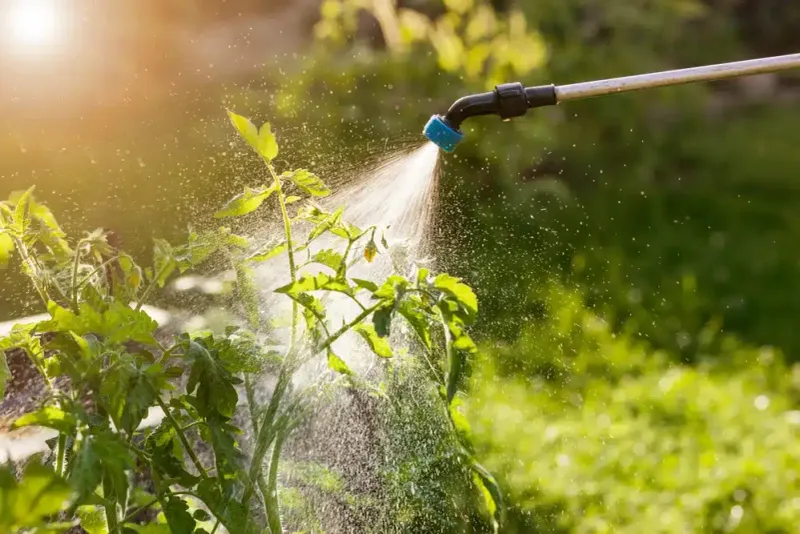
Bugs might be the last thing most homeowners want to see in their yard, but for a roadrunner, a yard full of insects is basically a grocery store.
Heavy insecticide use is one of the quieter threats to roadrunner populations across Texas, and most people never connect the two.
Roadrunners are carnivores at heart. Their diet includes insects, lizards, snakes, small rodents, seeds, and fruits.
Insects are especially important because they are also the primary food source for lizards. When insecticide use wipes out the insect population in a yard or neighborhood, lizards follow by disappearing too.
That removes two major food sources from the roadrunner menu at once. Habitat guidance specifically aimed at supporting roadrunners recommends avoiding insecticides for exactly this reason. The food chain is tightly connected.
Fewer insects mean fewer lizards, and fewer lizards mean roadrunners have to work much harder to find enough food, especially during nesting season when they are feeding young birds too.
Switching to targeted pest control instead of broad spraying can help protect the insect populations that support local wildlife.
If you must treat a pest problem, choosing products designed for specific pests rather than wide-area sprays reduces the overall impact on beneficial insects.
Planting native flowering plants also encourages healthy insect populations naturally. Beetles, grasshoppers, and crickets thrive in native plant gardens and become easy pickings for a hungry roadrunner on patrol.
Reducing or eliminating routine insecticide spraying is one of the most direct ways to support not just roadrunners but the full chain of wildlife that depends on insects to survive in Texas yards.
5. Paving Open Ground
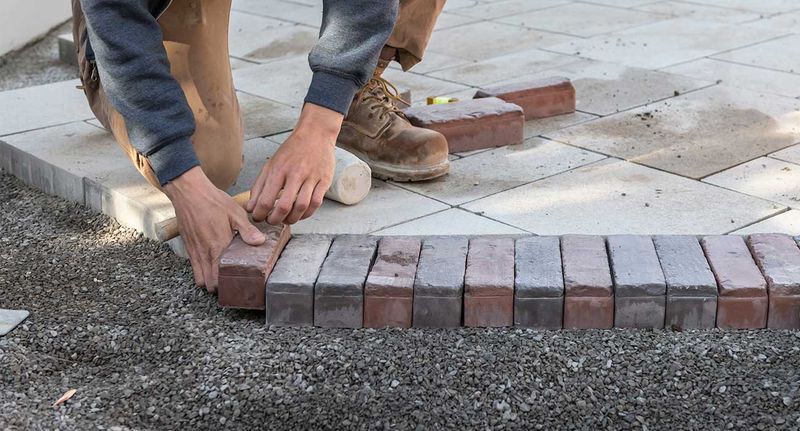
Concrete is spreading across Texas faster than almost anywhere else in the country. New driveways, extended patios, decorative gravel beds, and full hardscape makeovers are becoming the norm in neighborhoods from Austin to San Antonio.
What looks like a smart, low-maintenance yard upgrade can quietly strip away something roadrunners need every single day.
Roadrunners are ground hunters. According to Cornell Lab of Ornithology, they forage along roads, streambeds, and worn dirt paths while chasing lizards, rodents, and insects.
Open but natural ground is their hunting floor. Hard surfaces like concrete and compacted gravel do not support the insects and lizards that roadrunners pursue. There is simply nothing living beneath a paved surface for them to find.
Beyond the food issue, paving fragments roadrunner territories. These birds cover large areas each day while foraging, and they need connected stretches of natural ground to move through.
When yards and open lots get paved over one by one, those corridors shrink. Roadrunners end up with smaller, more isolated patches of usable habitat that cannot support a full breeding pair.
Leaving even a portion of your yard as natural ground makes a real difference. Dirt paths, gravel-free garden beds, and unpaved corners all contribute to the open, natural surfaces roadrunners prefer.
If you are planning a yard renovation, consider using permeable pavers or gravel in only limited areas while keeping native plantings and bare soil elsewhere. Protecting natural ground in your yard is not just good for roadrunners.
It also helps with water drainage, supports native insects, and keeps your local ecosystem functioning the way it should in Texas.
6. Letting Pets Roam
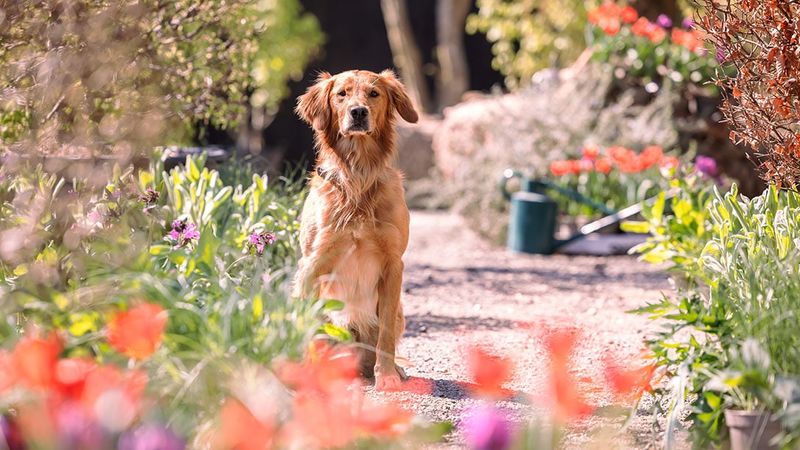
Most pet owners never think of their cat or dog as a wildlife threat. To them, a pet is just a beloved family member enjoying some time outside.
But from a roadrunner’s perspective, a free-roaming cat or an unsupervised dog can turn an otherwise perfect yard into a place that simply is not worth visiting.
Pets and feral animals are among the recognized threats to roadrunners. These birds spend most of their time on the ground, which puts them in direct contact with roaming pets.
Cats are especially skilled hunters of ground-level birds and are known to displace wildlife from yards even when they do not make direct contact. The scent and presence of a cat alone can be enough to push a roadrunner away from an otherwise suitable territory.
Dogs present a similar challenge. An off-leash dog crashing through native brush or chasing birds across an open yard disrupts the calm, predictable environment that roadrunners need to feel safe enough to forage and nest.
Repeated disturbances can cause a pair to abandon a territory they would otherwise have used for years.
The fix here is straightforward and does not require giving up pet ownership. Keeping cats indoors is the single most effective action a pet owner can take for local wildlife.
Supervising dogs during outdoor time and avoiding letting them run freely through natural areas of the yard protects both the birds and the pets.
Yards that offer consistent quiet and safety become reliable stops on a roadrunner’s daily route, making your outdoor space a true refuge for one of Texas’s most iconic birds.