The California Yard Plants That May Be Sheltering Ticks All Summer Long
Ticks do not need a wild forest to feel at home. A normal California yard can give them plenty of cover when certain plants create cool, shaded pockets near the ground.
Thick growth can hold moisture longer than open areas. It can also give ticks a place to wait near paths, pets, or garden edges.
That is why some pretty yard plants deserve a closer look during summer. The problem is not always the plant itself.
It is how dense it gets and where it grows. A shrub near a walkway may need different care than one tucked far from daily traffic.
Once you know which plants can create tick-friendly hiding spots, it becomes easier to trim, thin, and plan smarter. Your yard can still look full without giving pests the perfect place to linger.
1. Juniper Groundcover Can Shelter Rodents And Ticks

Spreading junipers are one of the most popular low-maintenance plants in yards across California. They handle heat, need little water once established, and stay green all year.
But their dense, scratchy interior is not as empty as it looks.
Rodents like mice and rats often nest inside juniper groundcover. They squeeze into the thick branches where predators cannot easily reach them.
This matters a lot when it comes to ticks, because rodents are one of the primary hosts that ticks feed on during early life stages. Where rodents go, ticks often follow.
The interior of a spreading juniper is dark, sheltered, and rarely disturbed. Fallen needles and debris collect at the base, adding another layer of cover.
Even in summer heat, the ground beneath a large juniper mat stays noticeably cooler and more protected than surrounding soil.
Keeping your junipers well-trimmed and lifted off the ground can reduce how attractive they are to rodents and ticks alike. Raking out needles from the base regularly also helps.
Pay extra attention to junipers planted near fences, walls, or areas where wildlife tends to move through your yard. A little extra attention goes a long way in making this popular plant a safer part of your landscape.
2. Mondo Grass Can Hide Debris Near Walkways

Compact and low-growing, mondo grass has become a favorite filler plant for shaded spots between pavers and along garden paths. It stays neat, tolerates dry shade, and rarely needs much attention.
That low-maintenance appeal, though, can mean debris quietly builds up at its base without anyone checking.
Mondo grass forms tight, slow-spreading clumps with very fine, dark leaves. Fallen debris, including small twigs, seeds, and decaying organic matter, settles into and around those clumps easily.
The dense texture of the plant holds that material close to the soil, creating a small but effective layer of moist, protected cover.
Since mondo grass is often planted right along walkways and entry paths, any ticks resting in it are positioned very close to human and pet traffic. That placement increases the chance of contact.
Ticks are patient. They can wait in low vegetation and latch onto a passing host with very little movement on their part.
Your California Garden Changes Every Week. Your Plan Should Too.
Gardening in California changes quickly throughout the season. Every Friday you’ll receive a simple weekly plan showing exactly what to plant, prune, fertilize, harvest, and protect so you never miss the right timing.
Checking the base of mondo grass clumps regularly is a smart habit. Clearing out any trapped debris with a small rake or gloved hand helps remove the conditions ticks prefer.
Also consider whether your mondo grass is planted in areas that stay consistently damp. Improving drainage nearby or shifting to more sun-tolerant plants in high-traffic zones can reduce risk noticeably over time.
3. Liriope Can Hold Moisture Around Its Dense Clumps

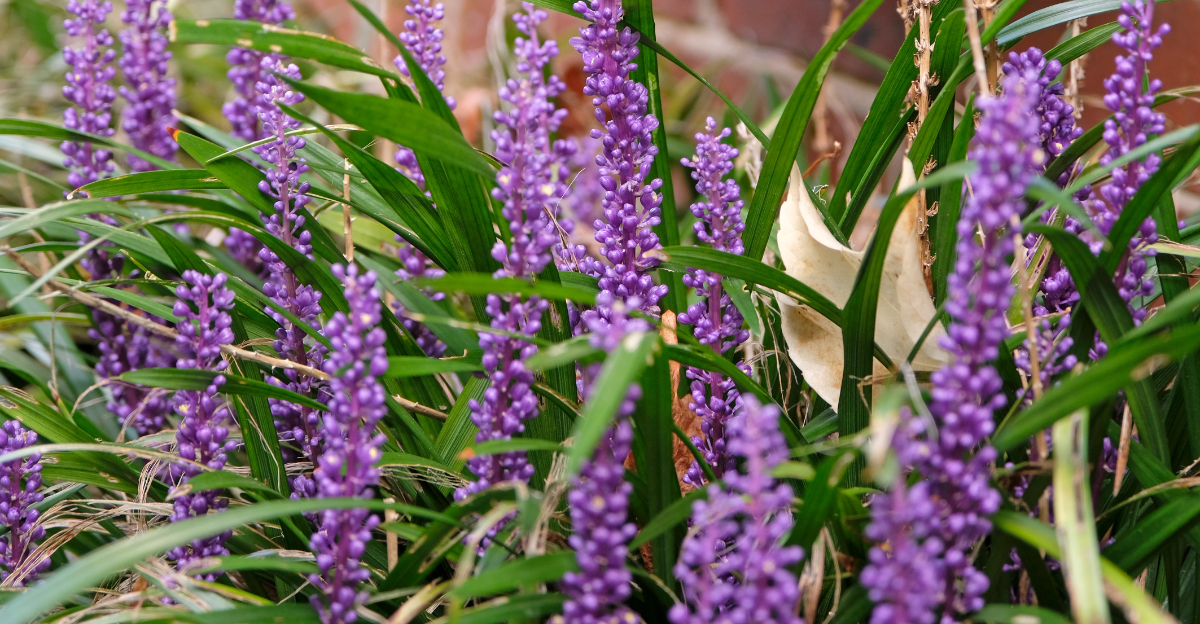
Liriope is a go-to border plant for many homeowners. It grows in tidy clumps, handles shade well, and produces pretty purple flower spikes in late summer.
It is also one of those plants that quietly creates tick-friendly conditions without drawing much attention.
Each clump of liriope forms a dense mound of long, arching leaves. The base of those clumps holds onto moisture and organic debris.
Old leaves that wither off do not always fall away cleanly. They tend to stay trapped inside the clump, building up a layer of damp, decomposing material right at soil level.
That moist, shaded base is a comfortable resting spot for ticks. They can hide there during the heat of the day and move out when a host passes nearby.
Because liriope is often planted in rows along walkways and borders, it places that tick habitat right where people and pets walk regularly.
Cleaning out your liriope clumps once or twice a year makes a noticeable difference. Pull away leaf material from the base and allow air to circulate through the plant.
In early spring, cutting the clumps back hard before new growth starts is one of the most effective ways to reset the plant and remove accumulated debris. It looks better afterward too.
4. Agapanthus Can Trap Leaves Between Thick Straps

Agapanthus is a bold, beautiful plant that thrives in California’s climate. The tall blue or white flower stalks are eye-catching, and the thick strap-like leaves fill in garden beds with lush, dense growth.
But those broad, overlapping leaves create a hidden layer at the base that most gardeners never look into.
Between the thick leaf straps, withered and drying foliage gets trapped. Old leaves do not always break down quickly in our dry summers.
Instead, they pile up at the base of the plant, forming a compressed, slightly damp layer of organic material right at soil level. That kind of microhabitat is exactly what ticks prefer for resting and hiding.
Agapanthus is also a plant that people tend to leave alone for years without dividing or cleaning out. Over time, the base becomes increasingly dense and full of debris.
The larger and more established the clump, the more material collects inside it.
Give your agapanthus clumps a good cleanup at least once a year. Pull out withered foliage from the base and thin the clumps if they have become very crowded.
Dividing large clumps every few years also opens up the center and reduces the amount of trapped debris. It improves the plant’s health and cuts down on the hidden cover that ticks find so appealing near your home.
5. Vinca Can Hide Cool, Damp Ground Under Its Mats
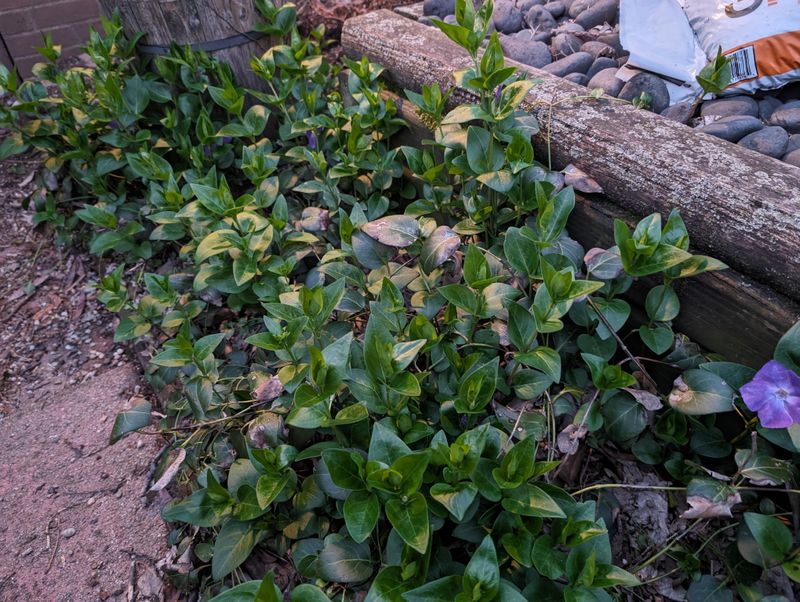
Few groundcovers spread as fast or as quietly as vinca. It creeps across bare soil and fills in shaded areas with a thick, glossy mat that looks tidy from above.
But underneath that attractive layer is a whole different story.
Vinca creates a dense, low canopy that traps moisture against the soil. The ground beneath it rarely dries out, even during hot summer days.
That kind of cool, damp environment is exactly what ticks look for. They do not handle heat and dryness well, so they seek out places where the air stays humid and the ground stays soft.
Leaf litter and debris also tend to collect beneath vinca mats without anyone noticing. Because the plant grows so thickly, it is easy to miss the buildup underneath.
Ticks can rest in that debris layer and wait for a host to walk nearby.
If you have vinca in your yard, consider pulling it back from high-traffic areas like play zones, pet paths, and entryways. Trimming back overgrown sections lets more sunlight reach the soil, which helps dry it out.
You do not have to remove all of it. Just managing the edges and thinning dense patches can make a real difference in reducing tick-friendly conditions right around your home.
6. Rosemary Can Become Tick Cover When It Gets Woody
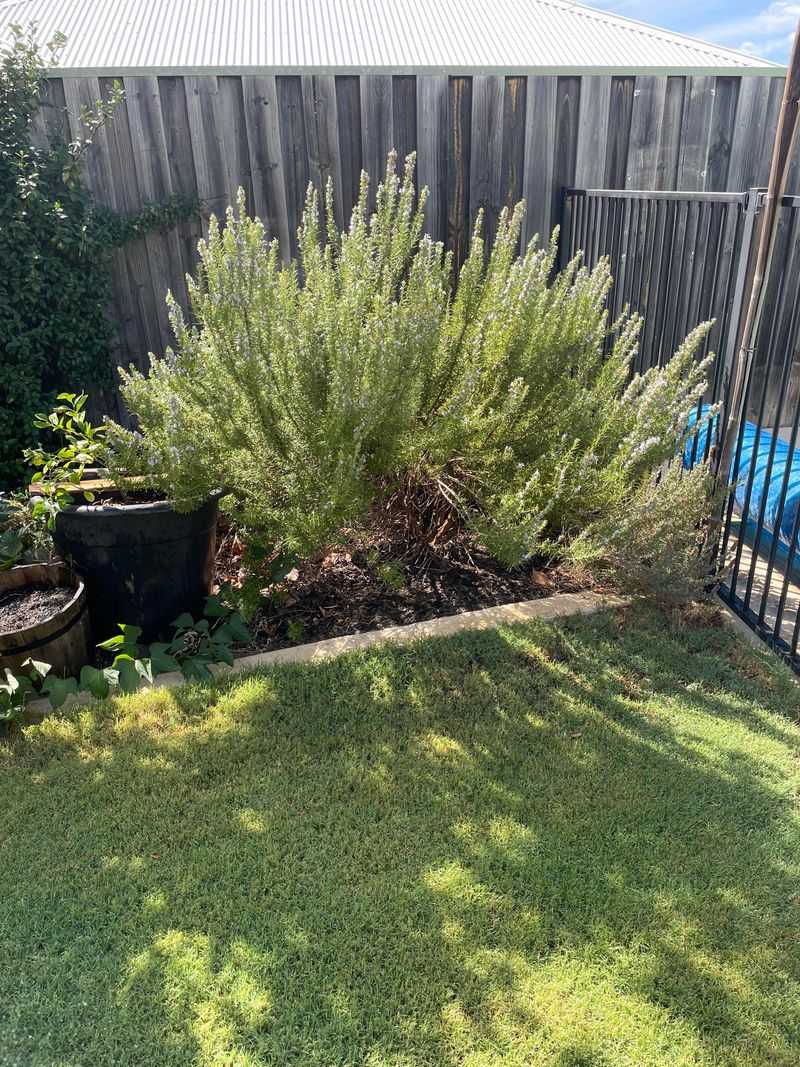
Young rosemary is airy, fragrant, and easy to manage. But give it a few years without pruning and it transforms into something quite different.
The stems thicken and twist, the interior becomes woody and dense, and the base fills with dry, shed needles and debris. That older, neglected rosemary is a very different plant from a tick’s perspective.
A large, overgrown rosemary shrub creates a sheltered interior that is shaded from the sun and protected from wind.
The ground beneath it stays drier than under moisture-loving plants, but the debris layer and dense structure still offer ticks a place to rest and hide between feedings.
In coastal and inland areas of California, where rosemary grows enormous without much intervention, this is especially common.
Rodents also like to shelter inside big, woody rosemary shrubs. And where rodents are present, ticks are more likely to be cycling through their life stages nearby.
The combination of dense structure, debris buildup, and rodent activity makes old rosemary a plant worth watching.
Regular pruning is the best way to keep rosemary from becoming a tick-friendly refuge. Cut it back hard after flowering to maintain an open, airy shape.
Rake out withered material from the base a couple of times per year. Keeping the plant shaped and thinned reduces interior cover and makes the whole shrub less hospitable to unwanted guests.
7. Lavender Can Hide Dry Litter Under Old Mounds
Lavender has a reputation for being a pest-repelling plant, and it does have properties that some insects dislike. But that reputation should not give gardeners a false sense of security.
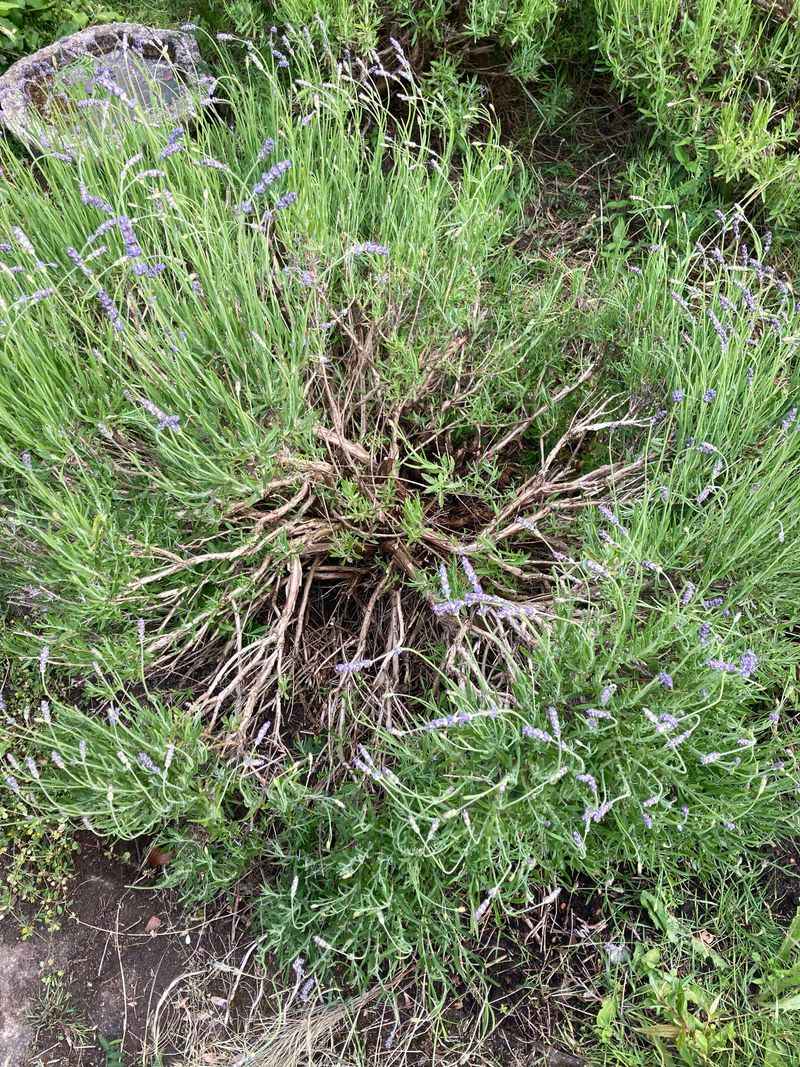
Old, established lavender mounds can still create conditions that shelter ticks, especially at their woody, debris-filled base.
As lavender ages, the center of the plant becomes increasingly woody and hollow-looking. Withered stems and dried flower stalks accumulate inside the mound.
The base stays shaded and protected even when the surrounding soil is dry.
That compressed layer of old plant material provides cover, and in coastal areas of California where mornings bring cool fog and humidity, the base of old lavender can hold surprising amounts of moisture.
Ticks do not need lush, wet conditions to survive. They are adaptable and can manage in drier environments as long as they have some shelter and access to hosts.
Dry litter at the base of a lavender mound gives them a place to wait. Nearby rodents or wandering pets can become easy targets.
Replacing very old, woody lavender plants every few years keeps them healthy and reduces debris buildup. Cutting back spent stems after each bloom cycle also helps.
When you do yard work around lavender, wear long socks and check yourself afterward. Simple habits like these can make outdoor time much safer for your whole household.
8. Mexican Feather Grass Can Give Ticks Tall Summer Cover

There is something genuinely beautiful about Mexican feather grass. The fine, flowing stems catch every breeze and turn golden in summer light.
It is drought-tolerant, low-maintenance, and wildly popular in dry-climate landscaping across the state. But those tall, swaying clumps also create a surprising amount of shelter at ground level.
At the base of each clump, the stems are packed tightly together and surrounded by shed material from previous seasons. The interior of the clump stays sheltered from direct sun and wind.
In summer, when surrounding soil bakes in the heat, the shaded base of a grass clump stays noticeably cooler.
That temperature difference is meaningful to ticks, which seek out the coolest, most sheltered spots available.
Mexican feather grass also tends to self-seed aggressively. In yards where it has spread into informal drifts or masses, the combined base of many clumps creates a continuous band of sheltered ground.
That gives ticks a much larger area to occupy and makes it harder to manage the habitat effectively.
Cutting clumps back in late winter removes accumulated old growth and opens up the base to sunlight. Thinning out self-seeded plants keeps the overall coverage manageable.
If the grass grows near patios or areas where kids play, keeping a clear buffer zone between the grass and those spaces is a practical and easy precaution to take.
9. Fern Beds Can Stay Cool And Damp In Shady Yards
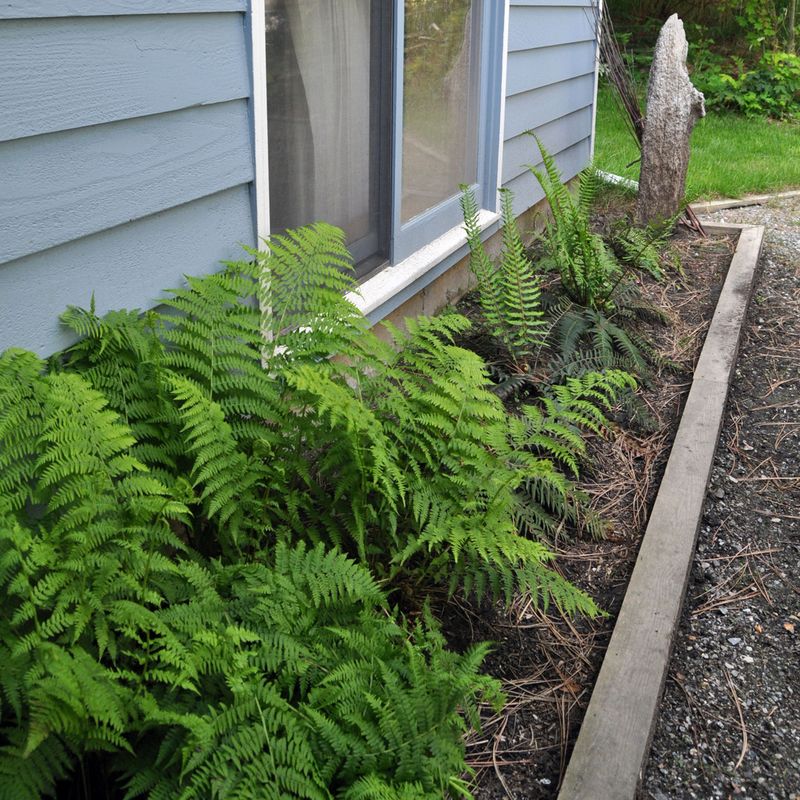
Fern beds in shaded yards are among the most tick-friendly environments you can have right outside your door. Ferns love exactly the conditions that ticks love: shade, moisture, cool temperatures, and dense ground-level cover.
When ferns are planted in beds along fences or under trees, they create a habitat that can support ticks throughout the entire warm season.
The fronds of most ferns arch outward and overlap, forming a canopy close to the ground. Beneath that canopy, the soil stays moist and cool even when the rest of the yard is drying out.
Fallen fronds and other organic material collect underneath, adding a thick layer of damp debris. Ticks can rest there comfortably and move out when a host comes near.
In northern regions of California and in coastal areas, where fog and mild temperatures keep conditions damp well into summer, fern beds can stay tick-friendly for months at a time.
Even in drier inland areas, ferns planted near irrigation or downspouts can maintain that moist microclimate all season long.
If you love ferns, you do not have to remove them. Just manage the beds actively.
Clear out damaged fronds, improve air circulation by thinning crowded plants, and keep fern beds away from high-traffic areas.
Checking yourself and your pets after time near fern beds is a simple habit that can prevent a lot of trouble.