How To Grow Lemongrass In Florida Pots So It Stays Manageable
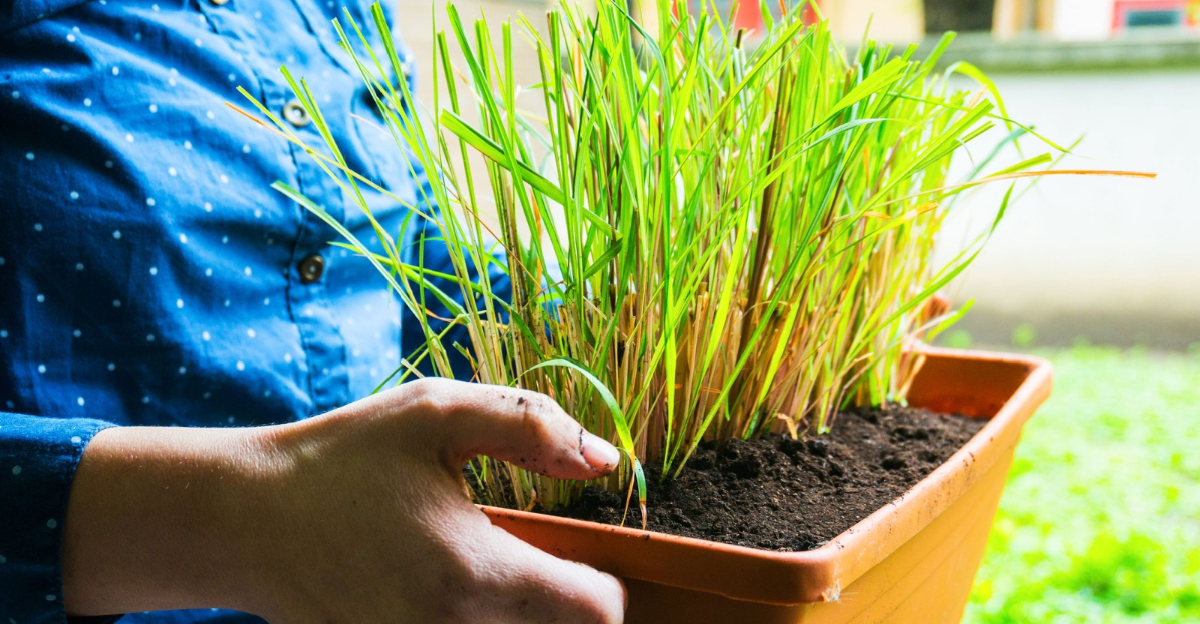
Lemongrass is one of those herbs that Florida’s climate genuinely spoils.
Warm temperatures, long sunny days, and summer rainfall create growing conditions that push this plant into impressive, productive growth, and having fresh stalks available right from a porch pot is a kitchen advantage that is hard to argue with.
The thing is, lemongrass grows big and it spreads enthusiastically, which makes container growing one of the smartest approaches for Florida gardeners who want to keep it useful rather than overwhelming.
A well-chosen pot, enough sun, solid drainage, and regular watering keep lemongrass looking attractive and easy to harvest all season long.
Get those basics right and this hardworking herb becomes one of the most rewarding and low-drama plants you can grow in a Florida summer container.
1. Choose A Large Pot With Drainage
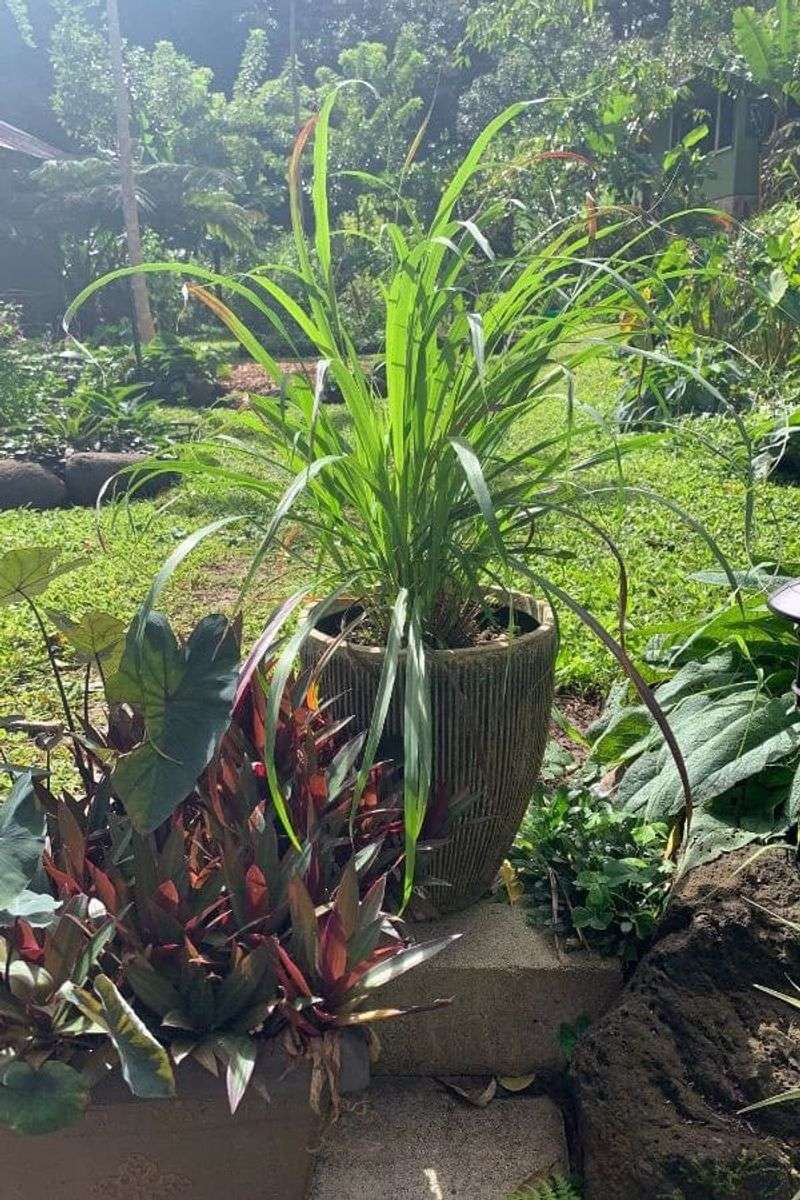
A sunny porch stacked with small herb pots might look charming, but lemongrass has a different plan in mind.
This plant can grow several feet tall and just as wide, so squeezing it into a standard herb container will only slow it down temporarily before the roots push back.
A small pot gets overcrowded fast, making the plant harder to manage and less productive over time.
For Florida gardeners, choosing a large, sturdy container from the start saves a lot of repotting headaches later. Look for a pot that holds at least 15 to 20 gallons, giving the roots room to spread without immediately hitting the walls.
Wider pots tend to work better than deep, narrow ones because lemongrass spreads outward as the clump expands.
Drainage holes are non-negotiable. Florida summers bring heavy rain, and a pot without drainage will hold standing water around the roots, which creates soggy conditions the plant does not handle well.
Elevating the pot slightly on pot feet or a plant stand can help water flow freely after each rain or watering session.
A well-draining container keeps the growing environment balanced between moisture and air, which is exactly what a healthy lemongrass clump needs to stay productive without becoming a tangled, overgrown mess in just one growing season.
2. Place It In A Warm Sunny Spot
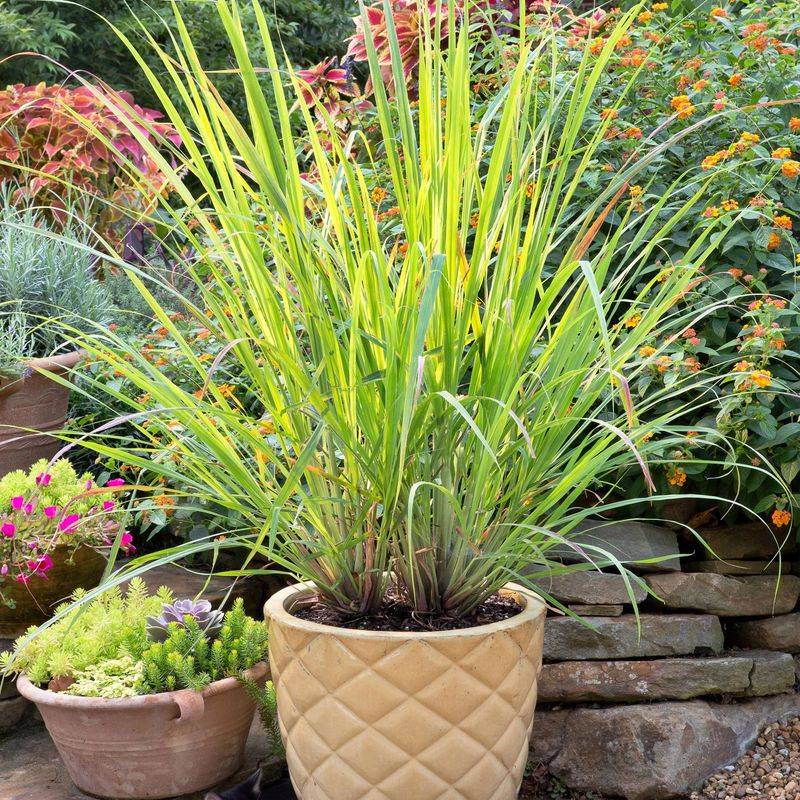
Tall grassy leaves swaying in the afternoon heat are a good sign that lemongrass found its favorite spot. This plant is a sun lover, and Florida’s long warm seasons give it exactly the kind of light it craves.
Without enough direct sunlight, the stalks tend to grow weak, thin, and less flavorful, which defeats the purpose of growing it for kitchen use.
A sunny patio, open porch edge, or uncovered balcony works well for container lemongrass. Aim for a location that receives at least six hours of direct sun each day.
South-facing and west-facing spots in Florida often provide the most consistent light, especially during the shorter winter days when the sun angle shifts.
One common mistake is tucking the pot into a partially shaded corner because the plant looks too large for a more open space. Shade slows growth and reduces the number of usable stalks the plant produces, making it less rewarding to harvest.
Your Florida Garden Changes Every Week. Your Plan Should Too.
Gardening in Florida changes quickly throughout the season. Every Friday you’ll receive a simple weekly plan showing exactly what to plant, prune, fertilize, harvest, and protect so you never miss the right timing.
If the patio has a covered section, try placing the container at the edge where it still catches several hours of unobstructed sun rather than deep under the overhang.
Moving a large pot is not always easy, so picking the right sunny spot before planting saves the effort of relocating a heavy, fully grown container later in the season when the plant is already established and growing.
3. Use Well Drained Potting Mix
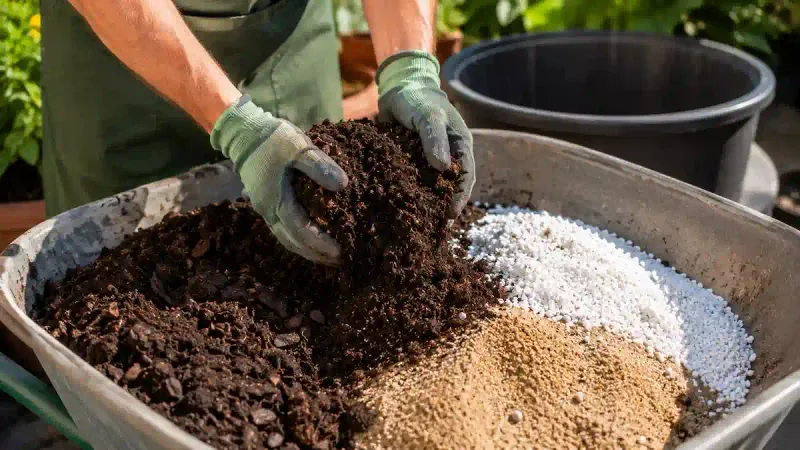
Soil choice matters more than most container gardeners realize, especially when growing a vigorous herb like lemongrass through a Florida rainy season. Heavy, dense soil that holds moisture for too long can create soggy root conditions, even in a pot with drainage holes.
The goal is a mix that stays moist enough to support active growth while still allowing excess water to drain away quickly after rain or irrigation.
A quality, well-draining potting mix designed for containers is a solid starting point.
Some gardeners blend in a small amount of coarse perlite or coarse sand to improve drainage further, which can be helpful during Florida’s summer months when rainfall is frequent and sometimes intense.
Avoid using straight garden soil or heavy clay-based mixes in containers because they tend to compact over time and restrict drainage.
Refreshing the potting mix periodically also helps keep the container environment healthy. Over time, potting mix breaks down, losing its structure and drainage ability.
When dividing or repotting lemongrass, swapping out old, compacted mix for fresh material gives the roots a better environment to grow into.
Adding a slow-release granular fertilizer to the fresh mix at planting time can support steady growth without the need for constant liquid feeding throughout the season.
Good soil is the foundation that makes every other care step easier and more effective for container lemongrass in Florida.
4. Water Regularly Without Keeping It Soggy
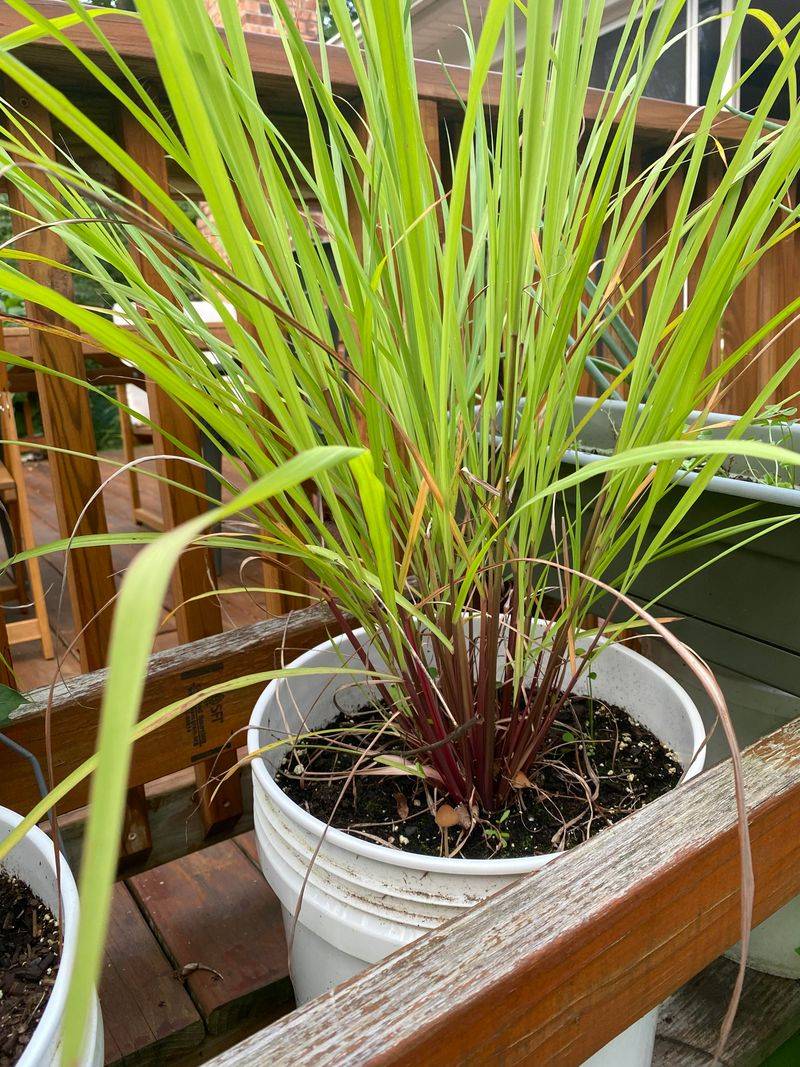
Watering a container herb in Florida is a different experience than watering one up north. The heat here is intense, and pots dry out faster than in-ground beds, especially during dry spells between summer storms.
Potted lemongrass needs consistent moisture during its active growing season, but the line between well-watered and waterlogged is one worth paying attention to.
Rather than following a rigid schedule, check the top inch or two of the potting mix before watering. If it feels dry, the plant likely needs water.
If it still feels damp, giving it another day before watering again is usually fine. Container size, pot material, sun exposure, and current rainfall all affect how quickly the soil dries out, so adjusting the routine based on conditions makes more sense than watering on autopilot.
During Florida’s rainy season, nature often handles much of the watering for you. Large, well-draining pots handle these natural rain events better than small, dense ones because excess water can escape through the drainage holes.
In drier stretches, especially late fall and winter when rainfall slows, lemongrass in containers may need more frequent attention to stay adequately hydrated.
Overwatering is one of the more common mistakes container gardeners make, and consistently soggy soil can weaken the plant over time.
Finding that steady balance between regular moisture and good drainage keeps the clump growing strong without unnecessary stress.
5. Harvest Stalks To Thin The Clump
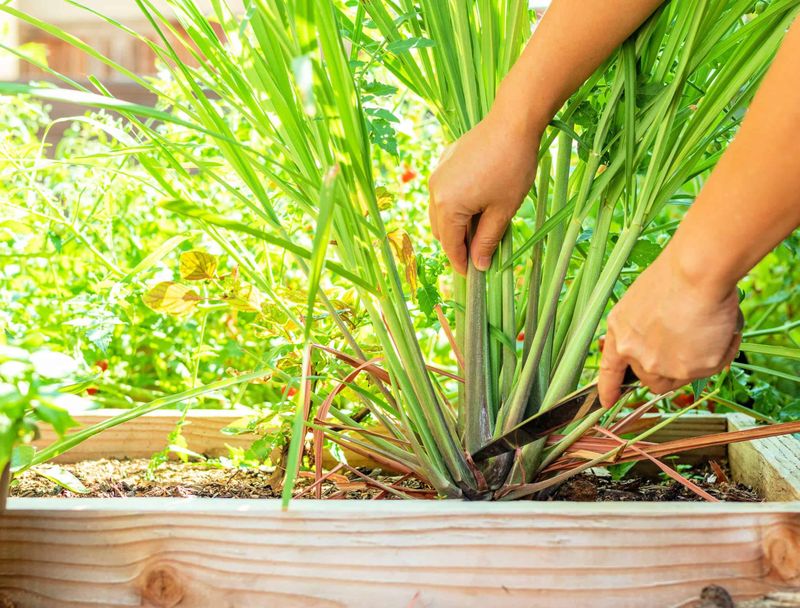
One of the most satisfying things about growing lemongrass in a container is that using it regularly actually helps the plant stay manageable.
Harvesting mature stalks from the outer edges of the clump removes bulk before it builds up, which slows the rate at which the container becomes overcrowded.
It is a simple, practical habit that doubles as both kitchen prep and container maintenance.
Look for stalks that are at least a half inch thick at the base, which usually signals they are mature enough to harvest and use. Grip the stalk firmly near the base and pull or cut it free from the clump.
Removing outer stalks first encourages the center of the plant to keep producing new growth, keeping the clump active and productive rather than stagnant and overly dense.
Florida’s warm climate means lemongrass stays in active growth for most of the year, so there are plenty of opportunities to harvest regularly rather than waiting for a single big cutting session.
Using the stalks in soups, teas, marinades, or stir-fries makes each harvest feel worthwhile.
Gardeners who harvest every few weeks tend to have healthier, less crowded containers than those who let the plant grow unchecked for months at a time.
Regular harvesting is honestly one of the easiest ways to keep a container lemongrass plant from outgrowing its pot before the season ends.
6. Give Tall Growth A Haircut When Needed
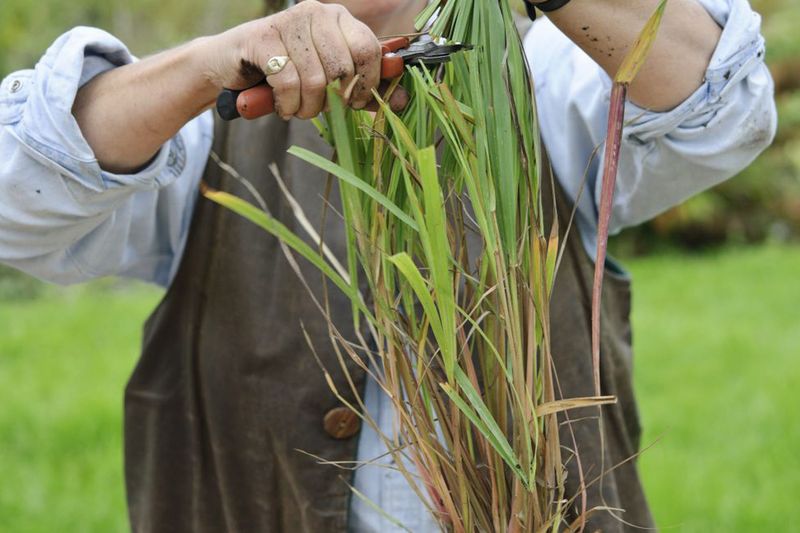
There comes a point in every Florida lemongrass container’s life when the leaves just get too tall, too floppy, or too messy to leave alone.
Trimming the foliage back is a simple fix that tidies up the plant and keeps it from shading nearby pots or flopping over the sides of the container in a way that looks unkempt.
A light trim is not the same as a drastic overhaul, and most healthy lemongrass handles it without much fuss.
Use clean, sharp garden shears to cut the leaf blades back to a height that looks tidy and feels proportionate to the pot size. Cutting the leaves down to about 12 inches from the base is a common approach when the plant has become noticeably overgrown.
Avoid cutting into the white or pale yellow lower portion of the stalks, since that section is where the most flavor and new growth originates.
The best time to give lemongrass a trim in Florida is when the weather is still warm and the plant has time to push out fresh growth before any cooler temperatures arrive in late fall or early winter.
Trimming during the height of the growing season, rather than right before a cold snap, gives the plant the best chance to recover quickly.
Keeping a pair of dedicated herb shears near the patio makes it easier to do a quick trim whenever the plant starts looking a little too wild for the space it occupies.
7. Divide Crowded Plants To Keep Them Manageable
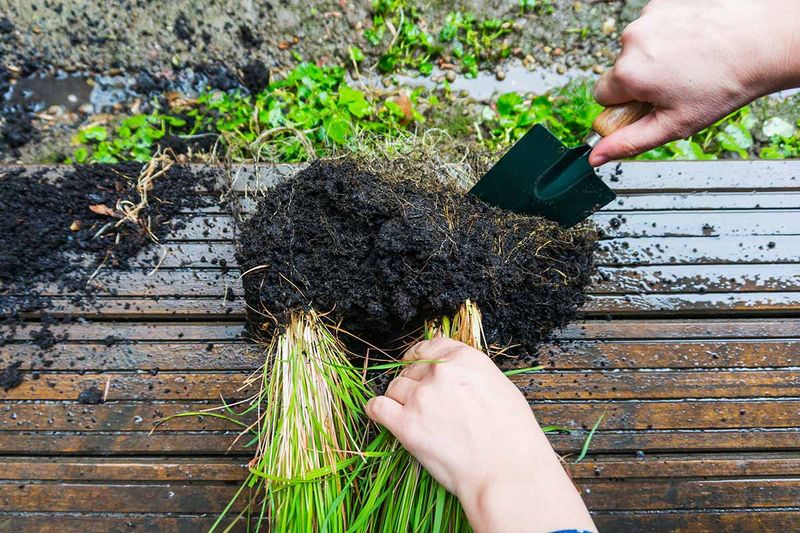
Crowded herb containers have a way of announcing themselves. The pot starts to feel heavy, the clump bulges over the edges, and new growth has nowhere comfortable to go.
When a lemongrass container reaches that point, division is the most effective reset available to a Florida container gardener, and it comes with the bonus of producing extra plants to share or replant.
To divide lemongrass, remove the entire clump from the pot and gently separate it into smaller sections, each with its own roots and a few healthy stalks attached. A sharp knife or spade can help with sections that are tightly bound together.
Replant one division back into the original container with fresh potting mix, and pot up the remaining sections into new containers or pass them along to a neighbor.
Spring and early summer tend to be good times for division in Florida because the warm season gives divided plants plenty of time to settle in and grow before temperatures shift.
Dividing every year or two, depending on how quickly the clump fills the pot, keeps the container from becoming so packed that water and nutrients can no longer move through the root zone effectively.
A freshly divided plant in a clean pot with new soil often bounces back with noticeably vigorous growth within just a few weeks, making the effort feel well worth the short time it takes to complete the process.
8. Keep Pots Near The Kitchen For Regular Use
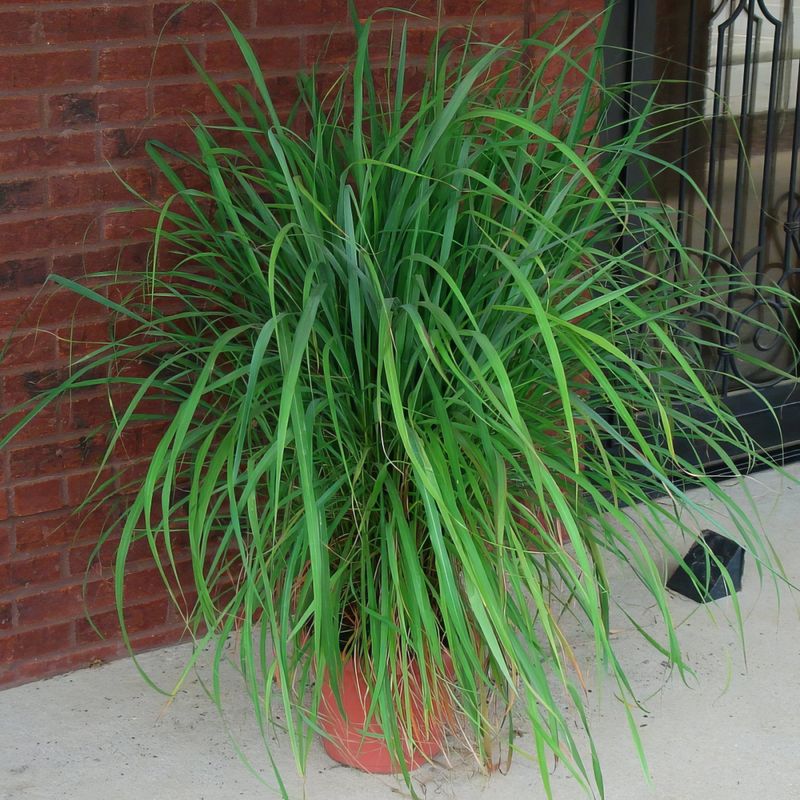
Convenience is quietly one of the best tools a container gardener has. When a lemongrass pot sits close to the kitchen door or just off the back porch, it becomes part of the daily cooking routine rather than something to visit only occasionally.
That regular contact naturally leads to more frequent harvesting, which, as mentioned earlier, is one of the simplest ways to keep the clump from getting out of hand.
A sunny spot near the kitchen entrance works especially well in Florida because most homes have a south or west-facing porch or patio that gets strong afternoon light.
Placing the pot there means it gets the sun it needs while staying within easy reach during meal prep.
Grabbing a fresh stalk for a pot of soup or a batch of tea takes seconds when the plant is right outside the door.
Gardeners who position their lemongrass far from the kitchen, tucked into a back corner of the yard, often find that weeks go by without a single harvest.
The plant grows unchecked, the container fills up, and what started as a manageable herb becomes a project that requires a full afternoon to sort out.
Keeping the pot visible and accessible turns lemongrass from a landscape curiosity into a genuinely useful kitchen herb that earns its place on the patio every single week throughout Florida’s long, warm growing season.