What Makes Watermelon A Tricky But Popular April Planting In Florida
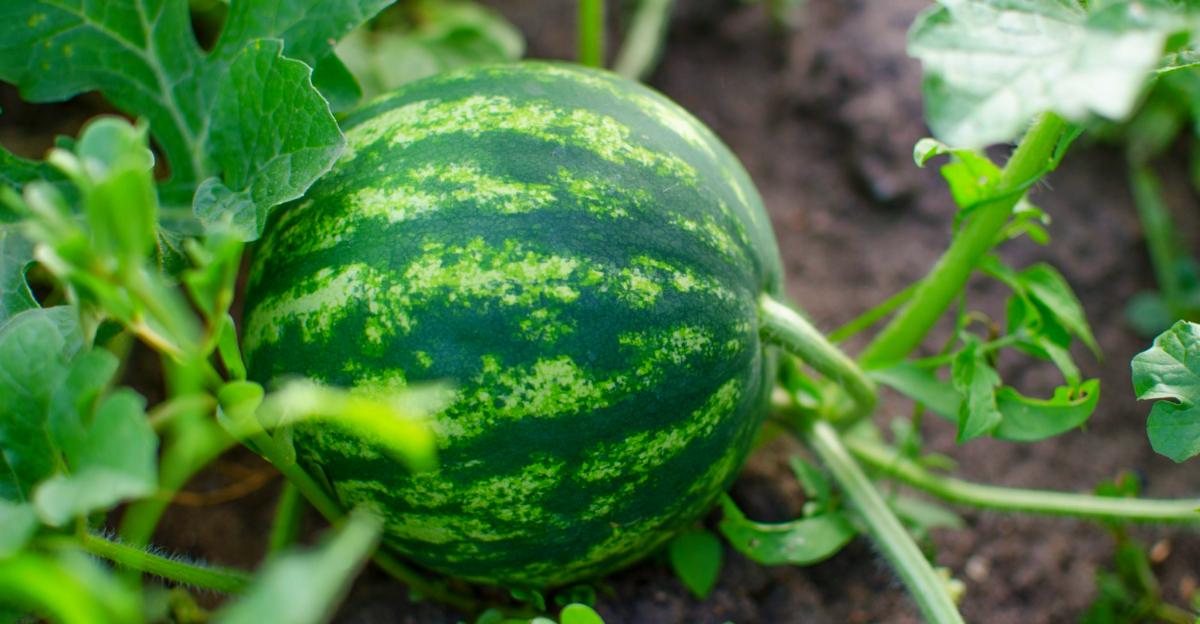
Is there anything that screams “Florida summer” more than a cold, dripping slice of homegrown watermelon? It’s no secret that our sandy soils and endless sunshine feel like a match made in heaven for these iconic vines.
April often feels like the perfect golden window to get started, but don’t let those mild spring mornings fool you.
While Florida was practically built for watermelons, a successful harvest requires more than just luck and a sunny patch of dirt.
From managing our humidity to timing the rains, there are a few local secrets you need to know. Before you plant that first seed, let’s look at how to navigate the challenges for a sweet reward.
1. Warm Florida Conditions Support Strong Growth
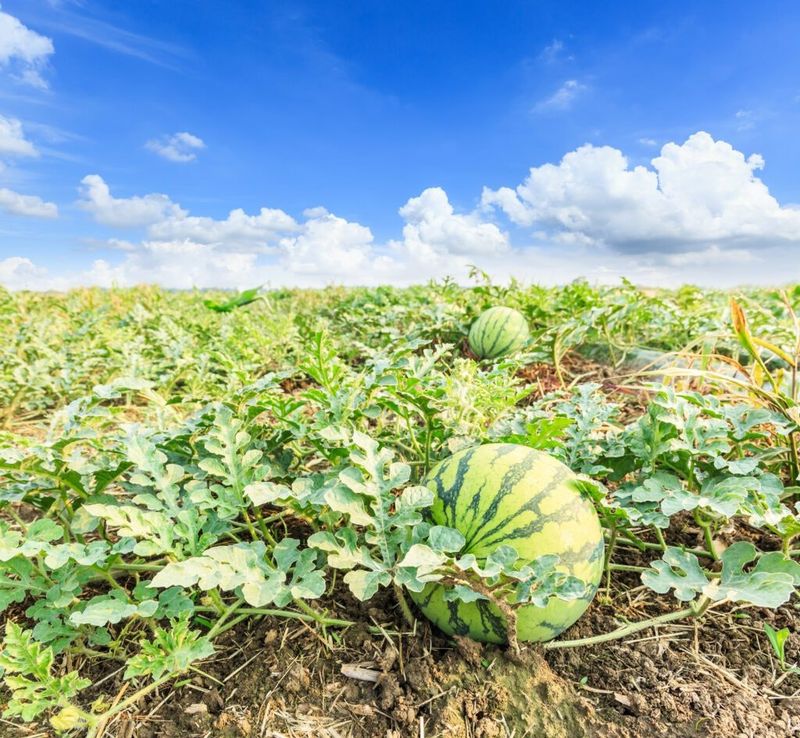
Florida’s climate is genuinely one of the best environments in the country for growing watermelon.
The warm soil temperatures that arrive by early spring give watermelon vines the energy boost they need to establish quickly and spread across garden beds with impressive speed.
Watermelons thrive when soil temperatures sit consistently above 65°F, and across much of Florida, that threshold is met comfortably by April.
The long frost-free season across Central and South Florida is a major advantage that gardeners in colder states simply do not have.
North Florida gardeners also benefit from warm springs, though they should watch for occasional late cool fronts that can slow vine development.
Watermelon plants respond well to the combination of Florida’s intense sunlight and warm nights, both of which encourage strong vine growth and eventually fruit development.
Florida’s sandy, well-draining soils are another natural asset for watermelon growers. These soils warm up faster than dense clay soils found in other regions, and watermelon roots appreciate the loose texture that allows them to spread without resistance.
Gardeners who amend their sandy soil with compost before planting often see noticeably healthier vines and more consistent fruit production.
The combination of warmth, light, and fast-draining soil creates growing conditions that support strong watermelon growth throughout the spring season.
2. High Demand Keeps Watermelon A Garden Favorite
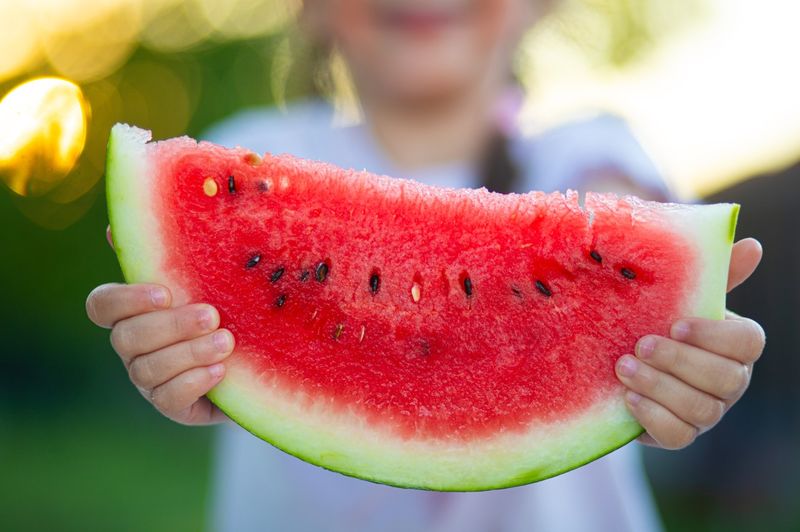
Few summer fruits carry the kind of cultural enthusiasm that watermelon does in Florida.
Whether it is a backyard barbecue in Orlando, a family picnic near Tampa Bay, or a roadside stand along a rural North Florida highway, watermelon shows up everywhere once the warm months arrive.
That consistent demand is one big reason so many home gardeners and small-scale growers keep returning to it season after season.
Growing your own watermelon in Florida also carries a practical appeal that goes beyond nostalgia. Store-bought watermelons are widely available, but homegrown fruit picked at peak ripeness tends to have noticeably richer flavor and deeper sweetness.
Many Florida gardeners describe the experience of cutting open a vine-ripened watermelon they grew themselves as one of the most satisfying moments in the garden year.
Small farm operations across Florida also rely on watermelon as a reliable warm-season crop that connects well with local markets and farm stands.
Your Florida Garden Changes Every Week. Your Plan Should Too.
Gardening in Florida changes quickly throughout the season. Every Friday you’ll receive a simple weekly plan showing exactly what to plant, prune, fertilize, harvest, and protect so you never miss the right timing.
Florida ranks among the top watermelon-producing states in the country, which reflects just how well-suited the region is for this crop.
For home gardeners, that same productive potential exists on a smaller scale, making watermelon a crop that rewards the effort invested.
The combination of personal satisfaction, culinary value, and regional popularity keeps watermelon firmly at the top of Florida gardeners’ planting lists each spring.
3. April Timing Sets Up A Full Growing Season
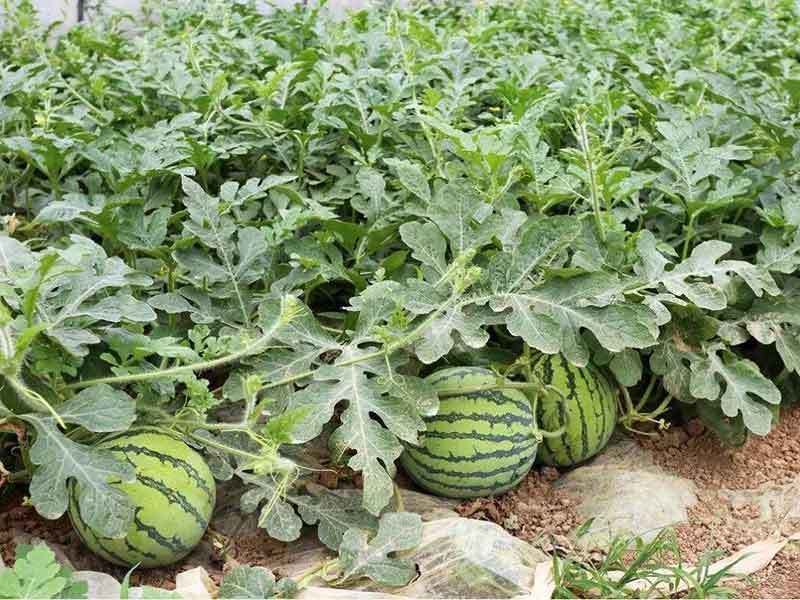
Planting watermelon in April lines up well with Florida’s seasonal rhythm, though the timing works a little differently depending on where in the state you garden.
South Florida growers are often advised to get seeds in the ground before March 1, meaning April plantings there carry some risk of running into intense early summer heat before fruit fully matures.
Central Florida gardeners aim for before March 15, while North Florida growers have until around April 15 to get seeds established with a reasonable chance of a successful harvest.
Watermelon varieties typically need between 70 and 90 days from planting to harvest, depending on the cultivar.
An April planting in North Florida can work out well if the season cooperates, giving vines enough time to mature before the most brutal heat of summer arrives.
Choosing shorter-season varieties can help gardeners in all regions of Florida make the most of the April window without gambling on the weather.
The goal with April timing is to give plants enough warm, stable weeks to develop strong vines and pollinate effectively before temperatures climb into ranges that stress the plant.
Heat above 90°F for extended periods can interfere with fruit set and reduce overall yield.
Gardeners who plan their planting dates carefully and choose appropriate varieties for their region tend to get far better results than those who plant without considering the seasonal timeline that Florida’s climate demands.
4. Sensitive Roots Make Direct Sowing Important
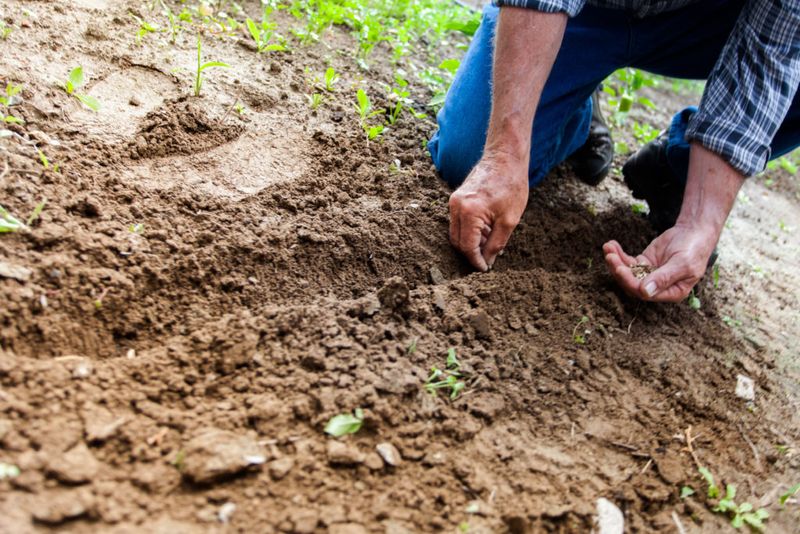
Watermelon roots are surprisingly sensitive to disturbance, which is something many first-time Florida growers learn the hard way after attempting to transplant seedlings started indoors.
Unlike tomatoes or peppers, watermelon plants do not recover well from root disruption during transplanting.
The delicate taproot system can be easily damaged in the process, leading to stunted growth or vines that struggle to establish even in Florida’s warm soil.
Direct sowing, meaning planting seeds directly into the ground where the plant will grow, is widely recommended for watermelon across Florida.
Seeds germinate quickly in warm spring soil, often sprouting within five to ten days when soil temperatures are consistently above 70°F.
Florida’s April soil temperatures across most of the state are well within this range, making direct sowing a practical and reliable approach for home gardeners and commercial growers alike.
Planting seeds about one inch deep and spacing hills roughly six feet apart gives each plant room to develop without crowding neighboring vines. Some Florida gardeners plant two or three seeds per hill and then thin to the strongest seedling once germination occurs.
Raised beds or mounded rows also help with drainage, which matters in Florida where heavy spring rains can temporarily saturate soil.
Starting seeds directly in their permanent location reduces stress on the plant and gives roots the undisturbed space they need to anchor deeply and support vigorous vine growth throughout the season.
5. Crowded Vines Increase The Risk Of Rapid Disease Spread
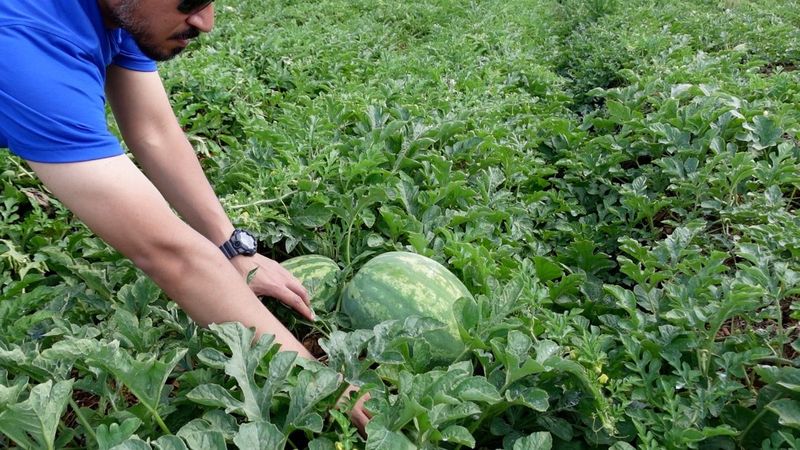
Florida’s spring humidity is one of the most significant challenges watermelon growers face, and it becomes especially problematic when vines are planted too close together.
Watermelon plants spread aggressively, with vines easily reaching eight to twelve feet in length under favorable conditions.
When those vines overlap and tangle, airflow between leaves drops significantly, creating a warm, moist environment where fungal diseases can take hold quickly.
Powdery mildew and downy mildew are two of the most common fungal problems watermelon growers encounter in Florida. Both diseases thrive in the combination of high humidity and limited air circulation that crowded planting encourages.
Once one plant shows signs of infection, the disease can move through a planting bed rapidly, especially when leaves are in frequent contact with one another.
Gardeners who notice unusual white powder or yellowing on leaves should act quickly to limit the spread.
Spacing plants generously from the start is one of the most effective ways to reduce disease pressure in a Florida watermelon patch.
Giving each hill at least six feet of space in all directions, and ideally more in humid coastal areas, allows air to move freely through the canopy.
Some experienced Florida growers also train vines in a deliberate direction rather than letting them sprawl randomly, which helps maintain better spacing as the season progresses.
Pruning a few of the secondary vines can also open up the canopy and reduce the moisture buildup that fungal pathogens depend on to spread.
6. Watering Needs Shift Quickly And Can Affect Fruit Quality
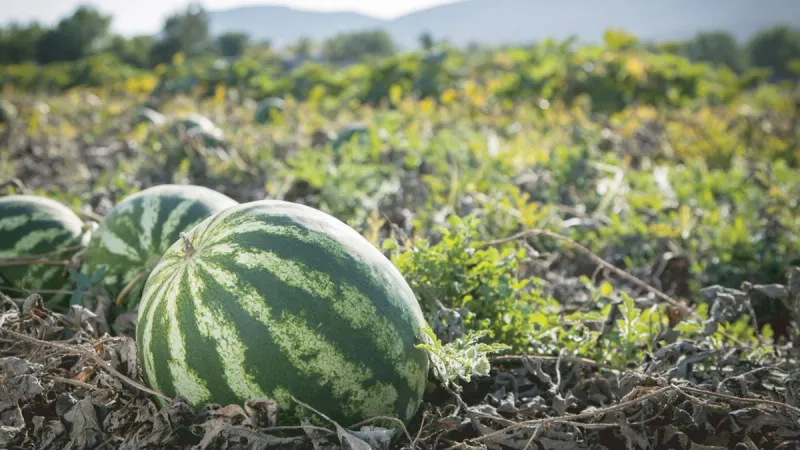
Getting the watering schedule right for watermelon in Florida requires more attention than many gardeners initially expect. Early in the season, when vines are establishing and spreading, consistent moisture is important for strong root development.
But as fruit begins to develop and approach maturity, the watering approach needs to shift considerably or the quality of the final harvest can suffer noticeably.
Overwatering during the fruit-ripening stage dilutes the sugars that give watermelon its signature sweetness. Florida gardeners who water heavily right up until harvest often end up with bland, watery fruit despite healthy-looking vines.
Reducing irrigation frequency once fruit has reached about two-thirds of its expected size allows the plant to concentrate sugars into the developing melon. This adjustment can make a meaningful difference in flavor at harvest time.
Florida’s afternoon thunderstorms, which become more frequent as late spring transitions into early summer, add another layer of complexity to managing watermelon moisture.
Gardeners relying on rainfall alone can end up with inconsistent watering that swings between dry spells and heavy saturation.
Drip irrigation is a particularly practical solution for Florida watermelon growers because it delivers water directly to the root zone without wetting the foliage, which also helps reduce the fungal disease pressure that humid conditions already encourage.
Monitoring soil moisture consistently and adjusting irrigation based on weather patterns gives Florida gardeners the best chance of producing fruit with excellent flavor and firm texture.
7. Pollination Relies On Active Bees And Careful Pest Control
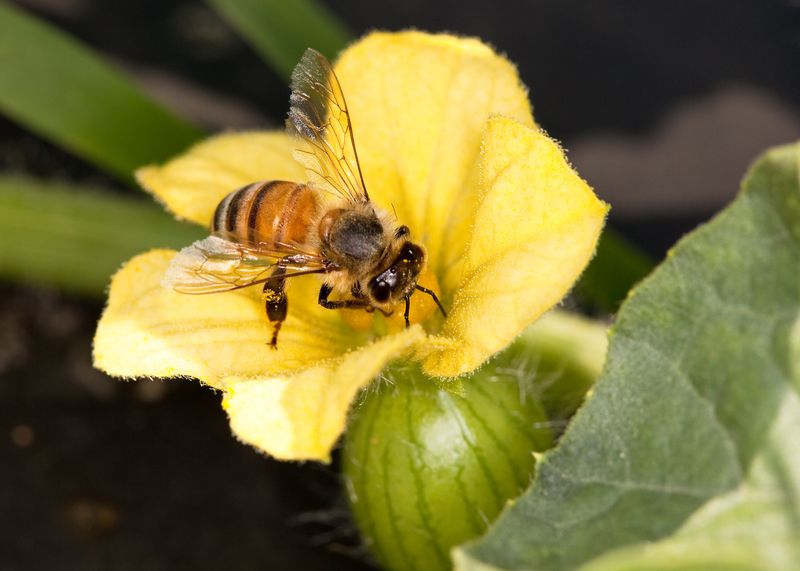
Watermelon pollination is one of the most fascinating and fragile parts of the growing process, and Florida gardeners need to understand how it works to avoid frustrating harvests of vines with no fruit.
Watermelon plants produce separate male and female flowers, and pollen must travel from the male to the female flower for fruit to set.
Bees are the primary carriers of that pollen, and without consistent bee activity in the garden, even healthy, well-watered vines will produce little to no fruit.
Florida’s spring season typically supports healthy bee populations, but the overlap between pest control needs and pollination timing creates a real tension for watermelon growers.
Many of the insecticides used to manage aphids, cucumber beetles, and other common watermelon pests in Florida are harmful to bees.
Applying these products during the morning hours when flowers are open and bees are actively foraging can significantly reduce pollination success and ultimately hurt fruit production.
Experienced Florida watermelon growers often schedule any necessary pesticide applications for early evening, after bee activity has slowed for the day.
Choosing targeted treatments rather than broad-spectrum sprays also helps protect the pollinator population that the garden depends on.
Some growers plant flowering herbs or wildflowers nearby to attract and support bee populations throughout the season.
Maintaining a balance between protecting vines from pest damage and preserving the bee activity that makes fruit set possible is one of the more nuanced skills that separates a successful Florida watermelon harvest from a disappointing one.