How To Handle Florida Lawn Thatch Without Renting Equipment Or Hiring Anyone
Thatch in a Florida lawn is one of those problems that builds slowly and announces itself loudly. Spongy ground underfoot, patchy color, drought stress that water does not fix, a lawn that looks like it is underperforming despite regular care.
By the time most homeowners connect those symptoms to thatch, it has been accumulating for longer than they realize. The standard advice is to rent a power dethatcher or call someone.
Both options cost money and time that most homeowners would rather not spend on a problem that has a more manageable solution. Thatch can be addressed by hand, with the right approach and a realistic sense of what that actually involves.
It takes more patience than a machine, but it also costs nothing and does not require scheduling anyone or hauling equipment back and forth. The method works.
It just needs to be done the right way to avoid causing more damage than the thatch itself.
1. Check The Thatch Before You Treat It
Before grabbing any tools, take five minutes to actually look at what you are dealing with. Not every spongy or brown patch in a warm-season lawn means you have a serious thatch problem.
Sometimes the issue is loose dry clippings, drought stress, pest damage, a fungal patch, or compacted soil that just needs attention in a different way.
A simple plug test can tell you a lot. Push a hand trowel or sturdy garden knife about three inches into the turf and pry up a small wedge.
Look between the green grass blades and the soil surface. The thatch layer is the brown, spongy, mat-like material sitting right above the dirt.
If that layer measures about half an inch or less, your lawn is probably within a normal range and does not need aggressive treatment.
A layer between half an inch and one inch is worth watching and managing with steady habits. Anything thicker than one inch can start causing real drainage and rooting problems.
UF/IFAS turfgrass guidance notes that some thatch is actually normal and even beneficial in small amounts. Do not panic over a little brown material.
Check first, then decide what level of attention the lawn actually needs before you do anything else.
2. Water Only When The Lawn Shows Stress
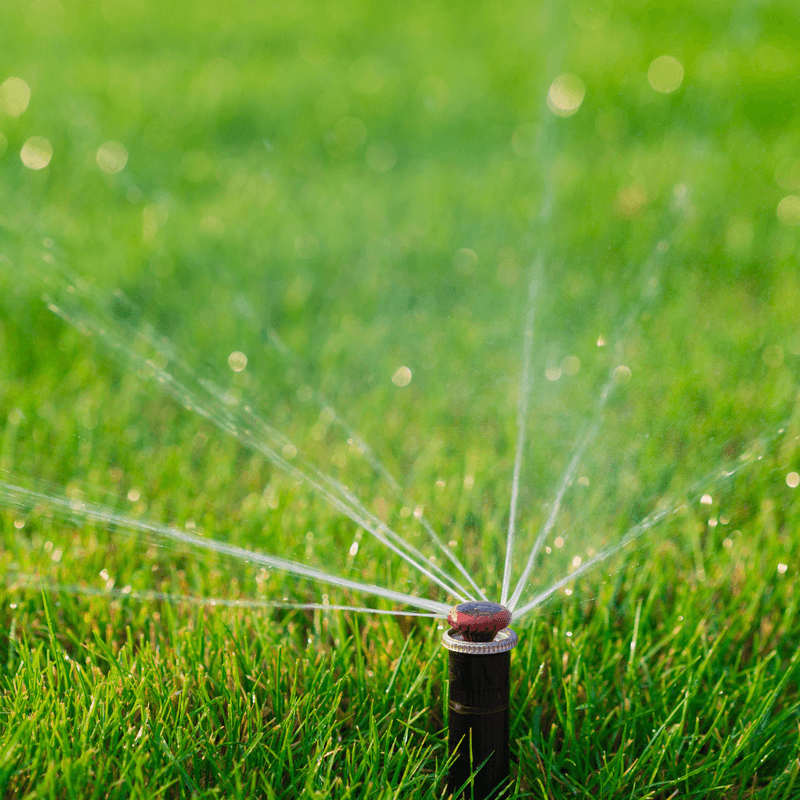
Overwatering is one of the most common habits that quietly encourages thatch to pile up. When a lawn gets watered too often, the roots stay shallow because they never have to reach deeper into the soil.
Shallow roots and constant lush growth mean more organic material is added to that layer above the soil faster than it can break down naturally.
UF/IFAS recommends watering warm-season turf only when the grass shows real signs of stress. Watch for leaf blades that start to fold or roll inward.
Look for footprints that stay visible after you walk across the lawn. A bluish-gray cast on the turf is another reliable signal that the grass is ready for water.
These signs tell you the lawn genuinely needs moisture, not just that a timer clicked on.
Your Florida Garden Changes Every Week. Your Plan Should Too.
Gardening in Florida changes quickly throughout the season. Every Friday you’ll receive a simple weekly plan showing exactly what to plant, prune, fertilize, harvest, and protect so you never miss the right timing.
When you do water, go deeper and less often. A good soaking that pushes moisture several inches into the soil is more effective than light daily sprinkles.
Deep watering encourages roots to grow downward, which builds a stronger and more resilient lawn over time. Always check local watering restrictions before adjusting your schedule.
Many counties in Florida have specific rules about irrigation days and times that homeowners are required to follow year-round.
3. Cut Back On Fast Growth Habits
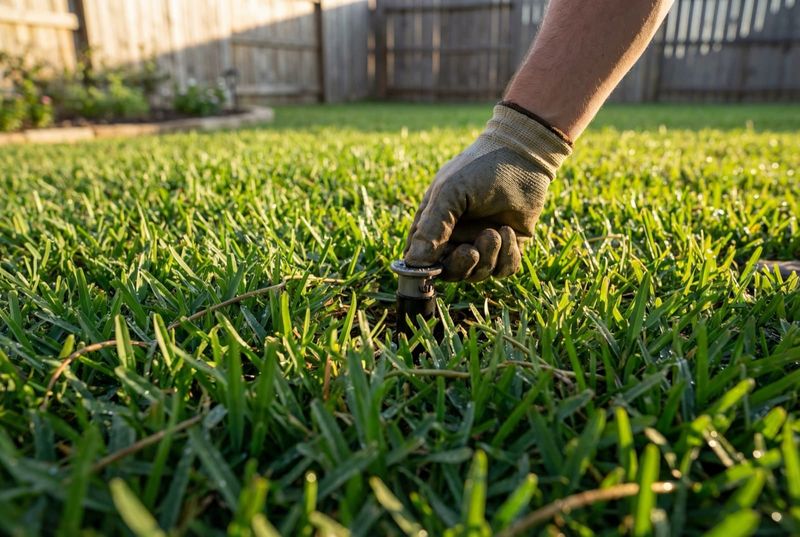
A thick, fast-growing lawn might look impressive at first glance, but pushing turf to grow too quickly is one of the main reasons thatch layers get out of control.
When grass grows faster than the organic material below it can decompose, the stems, roots, and debris just keep stacking up.
Excess nitrogen fertilizer is one of the biggest drivers of this problem. Applying too much nitrogen too often forces rapid, lush top growth that the lawn’s natural breakdown process simply cannot keep up with.
UF/IFAS and county extension offices publish specific fertilizer guidelines for each grass type and region of Florida. Following those recommendations instead of guessing or copying a neighbor’s schedule makes a real difference over time.
Over-irrigation also plays a role here. Combine too much water with too much fertilizer and the lawn goes into overdrive.
Mowing practices matter too. Cutting too infrequently and then mowing off a large amount at once stresses the turf and leaves excess material behind.
The goal is steady, moderate growth that the lawn can manage naturally. Slowing down the growth cycle gives the existing organic material time to break down instead of just adding more layers on top.
A calm, consistent approach works far better than chasing a perfectly dark green lawn every week.
4. Mow High And Let The Grass Breathe
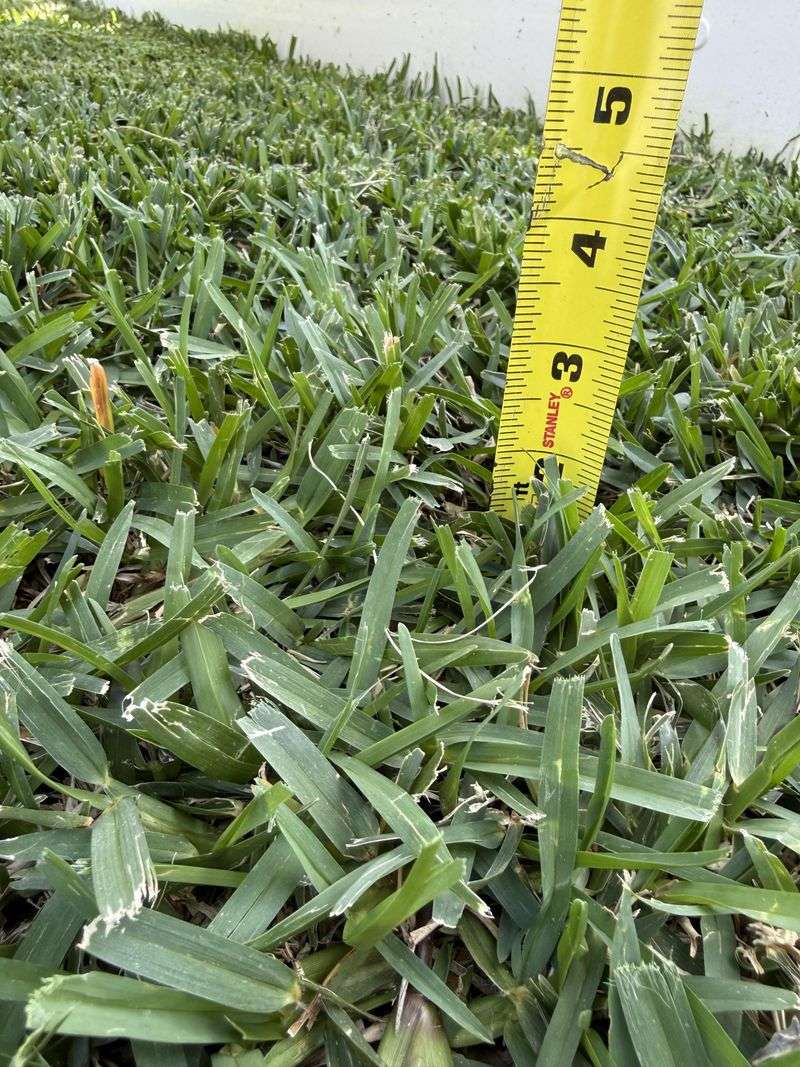
Mowing habits have a bigger effect on thatch than most homeowners realize. Cutting the grass too short puts the turf under constant stress, which weakens the plant and makes it more prone to problems, including thatch buildup.
Warm-season grasses like St. Augustinegrass generally do best when kept at a height that allows the blades to photosynthesize well and shade the soil slightly.
One of the most practical rules in turfgrass care is the one-third rule. Never remove more than one-third of the grass blade in a single mowing session.
Cutting off too much at once shocks the turf, slows recovery, and can dump a heavy layer of clippings on the lawn all at once. Mowing more frequently during active growth periods keeps each cut small and manageable.
Sharp mower blades also matter more than people think. A dull blade tears the grass instead of cutting it cleanly, leaving ragged edges that stress the plant and slow recovery.
Clean cuts heal faster and keep the turf healthier overall. Small clippings from proper mowing sessions actually return small amounts of nutrients to the soil as they break down.
Clippings are not the cause of thatch when the lawn is mowed correctly and at the right frequency. Keeping the mowing routine consistent is one of the simplest long-term habits a homeowner can build.
5. Rake Small Trouble Spots By Hand
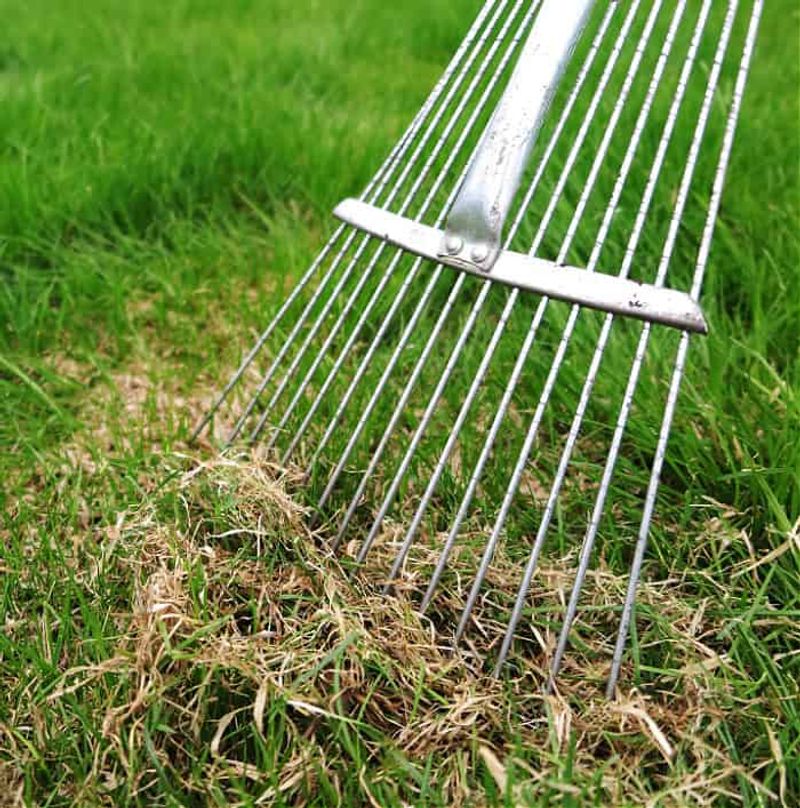
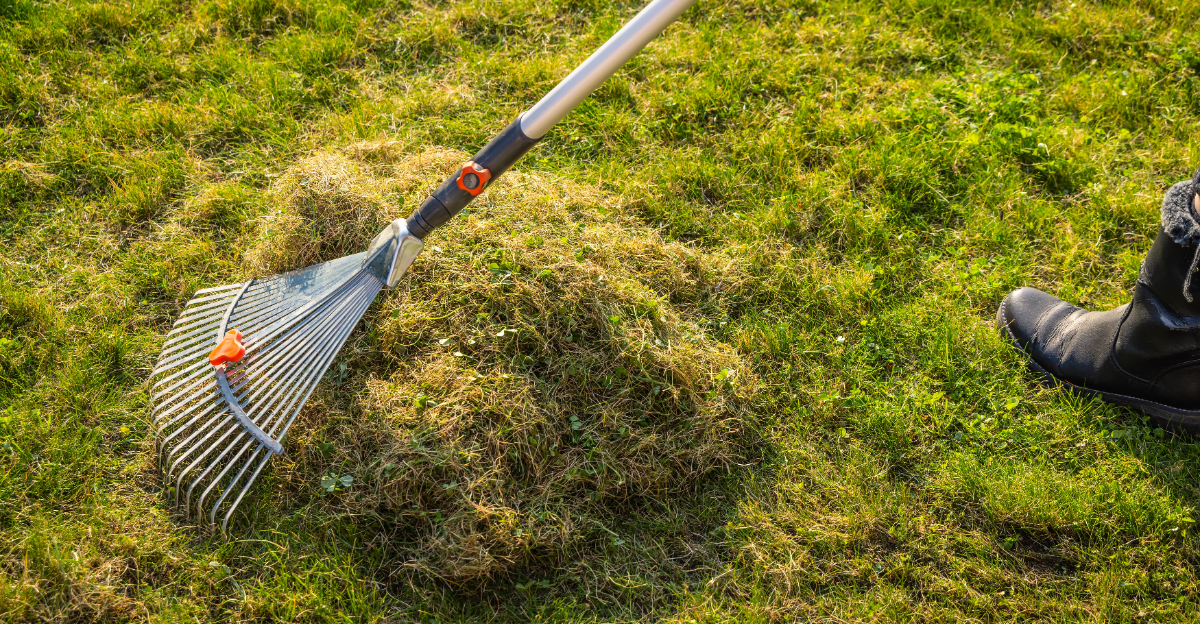
For small, isolated spots where thatch has clearly built up, a stiff leaf rake or garden rake can be a useful and completely free tool. Hand raking is not a whole-lawn solution, but it works well for addressing specific areas without stressing the rest of the turf.
Work slowly and with light pressure. The goal is to gently loosen the surface debris and improve air and water movement in that spot, not to rip out everything you can reach.
Aggressive raking, especially on St. Augustinegrass or any turf that is already under stress, can tear out runners and leave bare patches that take weeks to fill back in. A gentle back-and-forth motion is enough to break up light surface buildup.
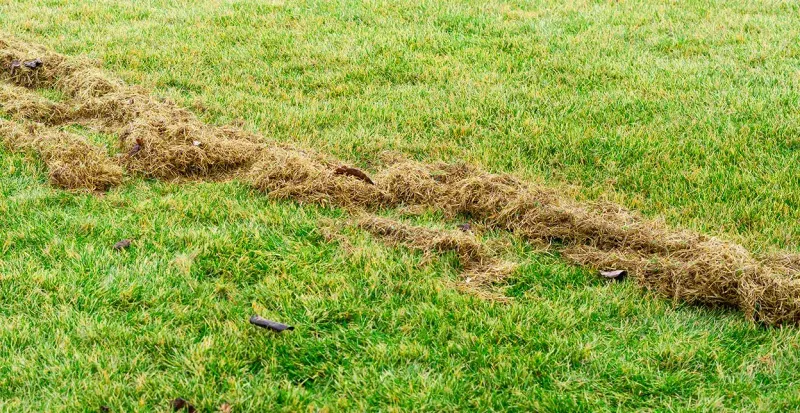
After raking, collect the loosened material and remove it from the lawn. Leaving large piles of debris sitting on the grass can block sunlight and trap moisture in ways that cause more harm than the original thatch layer.
Timing matters here too. Do not hand rake when the lawn is drought-stressed, recently fertilized, or recovering from a pest or disease issue.
Pick a time when the turf is in active growth and conditions are mild. A few careful passes over a small troubled area can make a noticeable difference in how well water and air reach the soil below.
6. Skip Heavy Dethatching On Stressed Turf
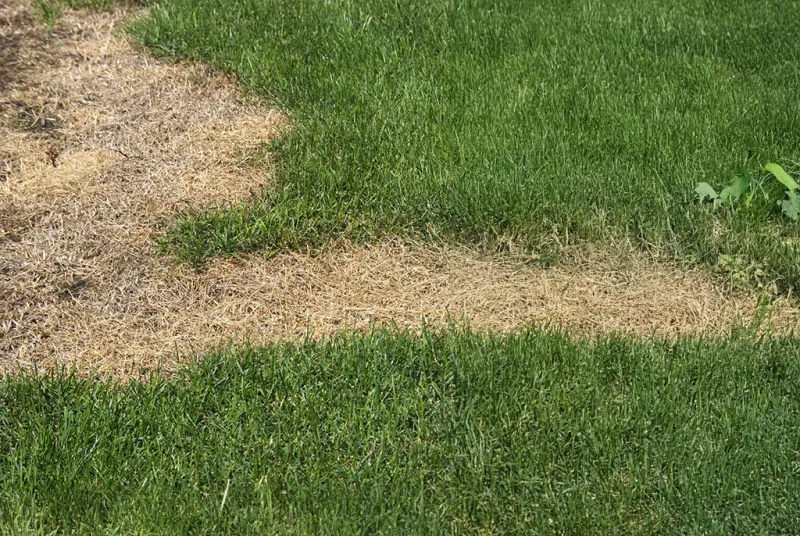
Pulling out a rake and going hard on a lawn that is already struggling is one of the fastest ways to turn a manageable problem into a serious one. Stressed turf does not have the energy reserves to bounce back quickly from aggressive physical treatment.
The warm, humid conditions in Florida can make recovery even slower. Heat stress, drought, recent herbicide applications, pest infestations, fungal disease, and poor rooting are all warning signs.
They mean the lawn needs rest and recovery, not more disruption. If the grass is already thin, patchy, or discolored, aggressive raking or scraping will pull out healthy runners and leave the soil exposed.
Bare spots in warm-season turf invite weeds and erosion, which creates an entirely new set of problems to manage.
The smarter move is to address the stress first. Adjust the watering schedule, check for grubs or chinch bugs, improve mowing habits, and give the lawn time to recover during its active growing season.
Once the turf looks strong, green, and actively spreading, that is the better window to address thatch lightly. Timing and lawn condition are the two factors that matter most here.
A lawn that looks rough on the surface may just need patience and corrected habits, not a forceful physical treatment that does more harm than good.
7. Fix The Cause Before The Layer Returns
Managing thatch without equipment is not really about one afternoon of work. If the habits that created the buildup stay the same, the layer will simply return.
Fixing the root causes is what keeps thatch at a manageable level over the long run.
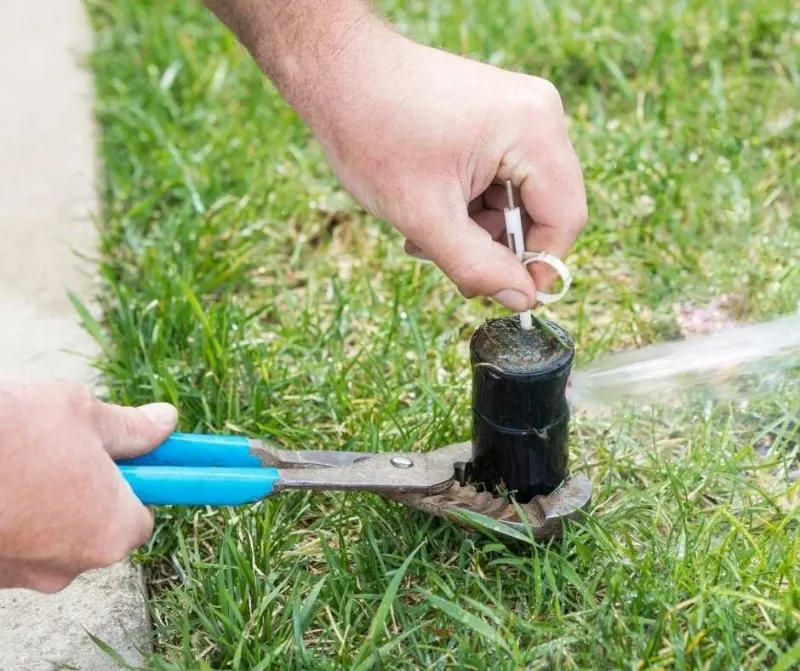
Start with the irrigation schedule. Check whether your sprinklers are applying water evenly, whether any zones are running too long, and whether runoff is happening before the soil can absorb moisture.
Adjust spray heads that are aimed at pavement or overlapping too heavily in one area. Uneven watering creates uneven turf growth, which contributes to uneven thatch development across the lawn.
Next, take a close look at fertilizer habits. Follow the label directions and use UF/IFAS or local county extension recommendations for your specific grass type and region.
Avoid applying fertilizer during drought stress, right before heavy rain, or during the restricted fertilizer periods that many counties enforce during summer months. Compacted soil is another factor worth checking.
Areas with heavy foot traffic may benefit from gentle core aeration if a hand tool is available, since compaction slows the natural decomposition of organic material.
Every correction you make to the underlying habits reduces how quickly that spongy layer builds back up.
That makes the whole lawn easier to manage without spending money or calling anyone for help.
8. Keep The Lawn Healthy With IFAS Backed Basics
Social media lawn tips and random product claims can pull homeowners in the wrong direction fast. For lawns in this state, the most reliable guidance comes from UF/IFAS, county cooperative extension offices, and Florida-Friendly Landscaping resources.
These sources publish research-backed recommendations for warm-season grasses that are specific to our climate, soil types, and local conditions.
The core habits that prevent thatch from becoming a serious problem are not complicated. Water only when the turf shows stress and follow local irrigation restrictions.
Mow at the correct height for your grass type and keep the blades sharp. Apply fertilizer on the right schedule for your region, using the right product at the right rate.
Check the lawn regularly for early signs of pests, disease, or drainage problems before they get out of hand.
Soil awareness matters too. Understanding whether your yard has sandy soil, compacted areas, or drainage issues helps you make better decisions about watering and fertilizing.
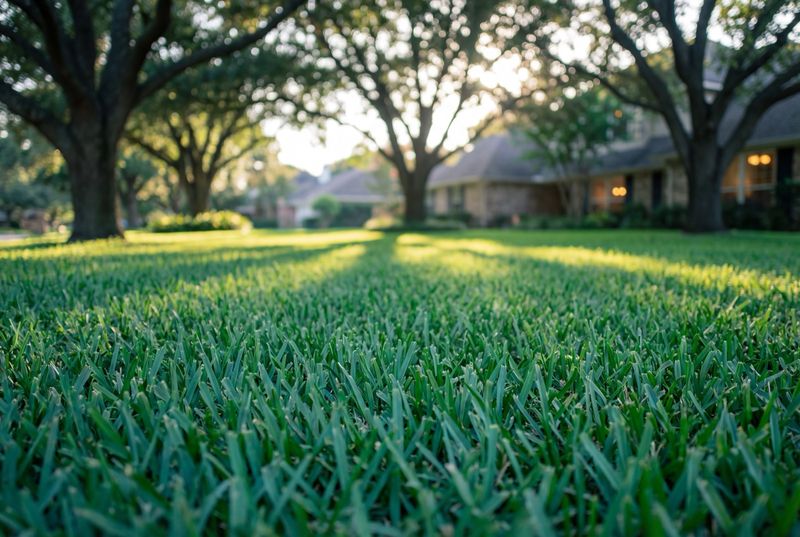
Choosing turf practices that fit your specific grass variety and local microclimate is more effective than copying generic advice. Managing thatch without rented machines or paid crews is completely realistic for most homeowners.
It comes down to steady observation, corrected habits, and using the right information from credible sources. A healthy lawn does not need dramatic treatments.
It needs consistent, smart care repeated week after week throughout the growing season.