Where Missouri Gardeners Should Add Mulch Before Summer’s Peak Heat
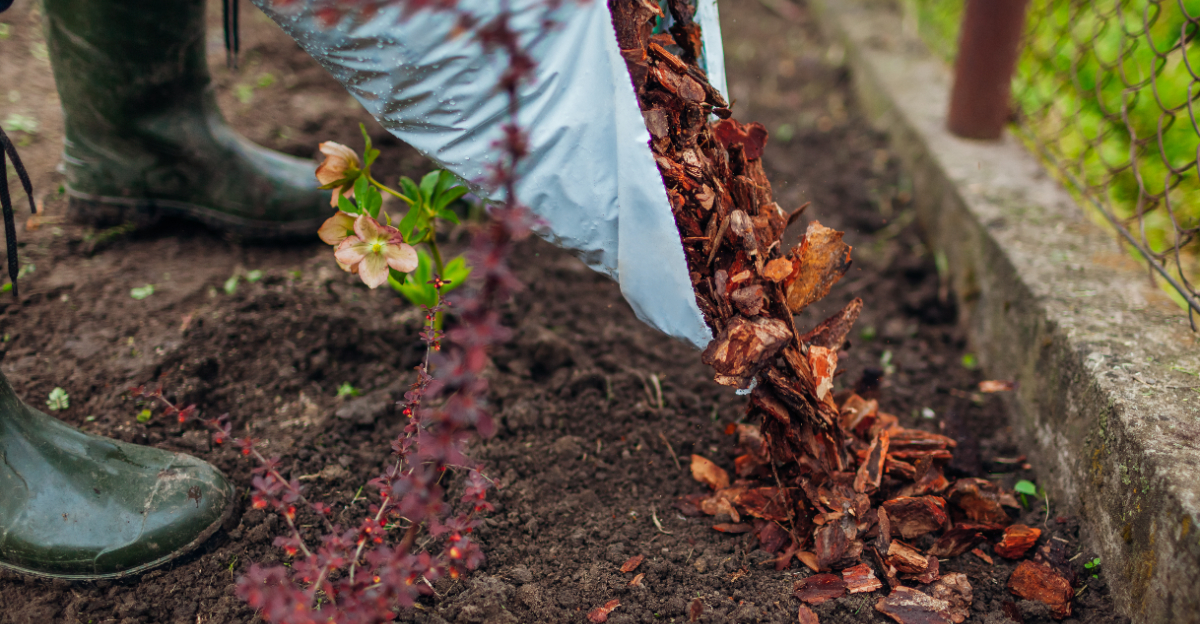
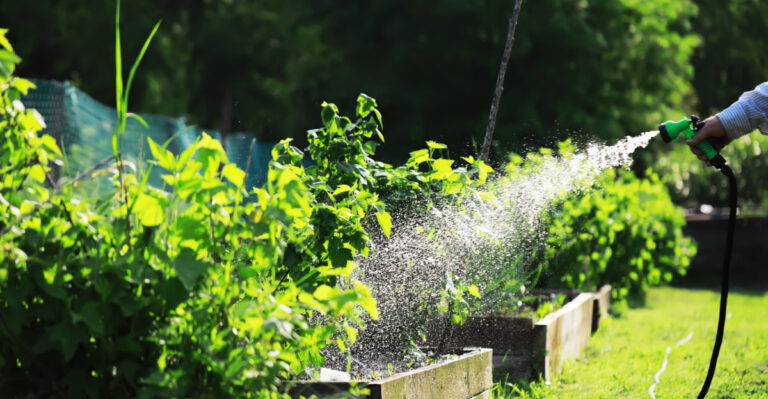
Ninety-five by nine in the morning. That’s not a fluke in Missouri, that’s July. Soil bakes, roots gasp, your hose turns into a second job. Mulch is the shortcut most gardeners discover too late, right after their tomatoes start sulking.
Here’s the thing: a two-inch layer spread now does more for your plants than an extra watering can ever will. It traps moisture underground instead of letting it evaporate into thin air.
It shields roots from soil temperatures that can climb high enough to stress even heat-tolerant plants. And it keeps weeds from muscling in on the water your vegetables actually need.
Skip it, and a good chunk of your watering just evaporates before it does any good. Lay mulch down before the real heat hits, and your garden coasts through August while neighbors are still out there with hoses at 6 a.m., fighting a losing battle.
The Spots That Need Mulch Most Before Peak Heat
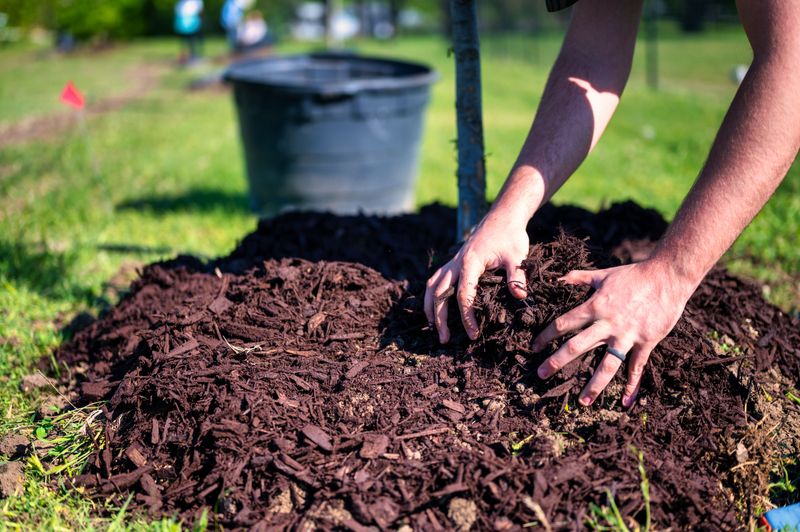
Walk outside on a July afternoon and press your hand to bare garden soil. It feels like a frying pan, and your plants are suffering silently underneath.
The spots that need mulch most are your vegetable beds, flower borders, and the ground beneath shrubs. These areas lose moisture fastest when the sun hits them directly.
Vegetable gardens are especially vulnerable because plants like tomatoes and peppers need consistent soil moisture. Dry spells cause blossom drop and cracked fruit, which no gardener wants to see.
Flower beds along south-facing walls absorb extra heat from reflected sunlight. A good layer of mulch acts like a sun umbrella for the roots hiding below.
Shrub borders often get overlooked because they look established and sturdy. But even mature shrubs struggle when soil stays hot and dry for days at a stretch.
Tree rings are another high-priority zone, especially for younger trees planted in the last two years. Their root systems are still shallow and heat-sensitive in ways older trees are not.
Adding mulch before Missouri summers peak is about being proactive, not reactive. Once plants show stress signs, you are already behind the curve.
Start with the spots that get the most direct sun exposure each day. Those are your garden’s most fragile zones, and they deserve your attention first.
Signs Your Garden Beds Are Losing Moisture Too Fast
Your garden is always talking to you, and dry soil is one of its loudest complaints. Knowing the warning signs early can save plants before damage becomes permanent.
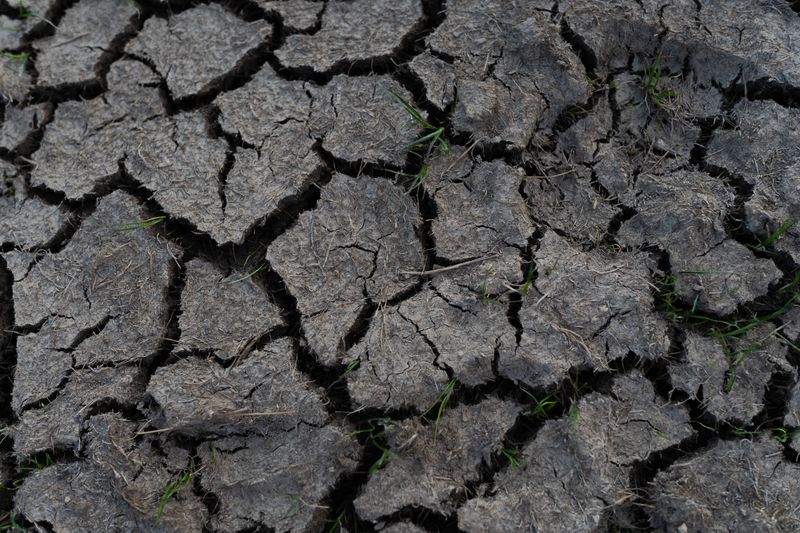
Cracked soil is the clearest red flag you will ever see in a garden bed. When the ground splits open between plants, moisture has already escaped in dangerous amounts.
Wilting leaves in the morning are another serious clue. Plants that droop before noon have not recovered overnight, which means root stress is building beneath the surface.
Dusty, powdery topsoil that shifts with a light breeze is a textbook sign of moisture loss. Healthy soil should clump slightly when you squeeze a handful together.
Your Missouri Garden Changes Every Week. Your Plan Should Too.
Gardening in Missouri changes quickly throughout the season. Every Friday you’ll receive a simple weekly plan showing exactly what to plant, prune, fertilize, harvest, and protect so you never miss the right timing.
If you water daily but plants still look thirsty, the problem is evaporation, not your effort. Bare soil in full sun can dry out surprisingly fast, sometimes within just a day or two.
Yellowing lower leaves sometimes signal drought stress before wilting even begins. The plant pulls water from older growth to protect newer shoots at the top.
Check soil depth by pushing a finger two inches below the surface. If it feels dry at that depth, your garden is already in moisture deficit territory.
Catching these signals early gives you a window to act with mulch before Missouri summers turn truly brutal. Waiting costs more water, more time, and more stressed-out plants in your yard.
Choosing The Right Mulch For Missouri Summers
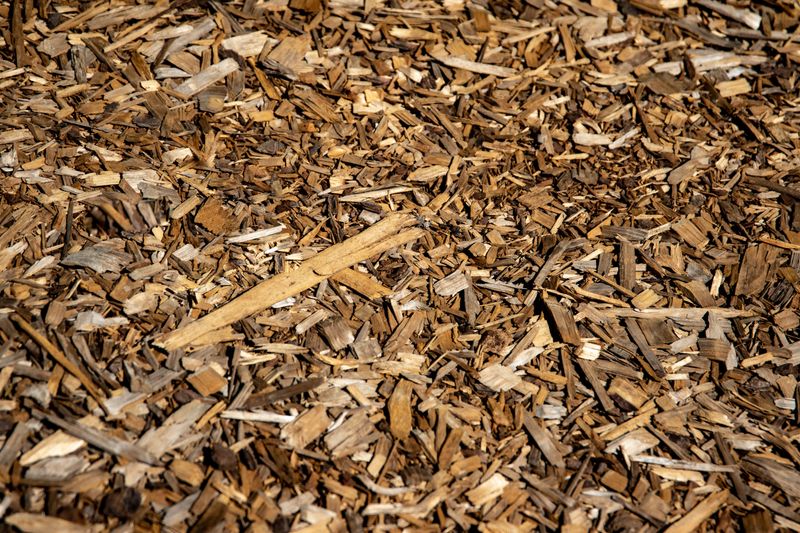
Not all mulch is created equal, and picking the wrong type can actually hurt your garden more than help it. Missouri summers demand materials that breathe, insulate, and break down in healthy ways.
Shredded hardwood bark is a top choice for most home gardens in the Midwest. It stays in place during heavy rains, breaks down slowly, and adds organic matter to soil over time.
Wood chips work beautifully around trees and large shrubs where you want long-lasting coverage. Avoid using fresh wood chips directly against vegetable stems since they can temporarily tie up nitrogen in the soil.
Straw mulch is a garden-bed favorite for vegetable plots because it is light, affordable, and easy to move around plants. It keeps soil temperatures several degrees cooler than bare ground during peak afternoon heat.
Pine needles, sometimes called pine straw, are excellent for acid-loving plants like blueberries and azaleas. They allow rainwater to pass through easily without compacting like some heavier materials tend to do.
Avoid using rubber mulch in vegetable gardens or around edible plants. It holds heat rather than deflecting it, which is the opposite of what summer gardens need.
Grass clippings can work as a thin mulch layer but should never be piled thickly. Deep layers of clippings mat together, block water penetration, and create an anaerobic mess below the surface.
Choosing wisely now means less watering, healthier roots, and a garden that actually thrives when Missouri summers peak.
How Much Mulch To Apply Around Plants And Trees
More is not always better when it comes to mulch, and piling it on carelessly can suffocate roots instead of protecting them. Getting the depth right is just as important as choosing the right material.
For most garden beds and flower borders, two to three inches of mulch is the sweet spot. That depth retains moisture effectively without blocking the oxygen exchange that plant roots depend on.
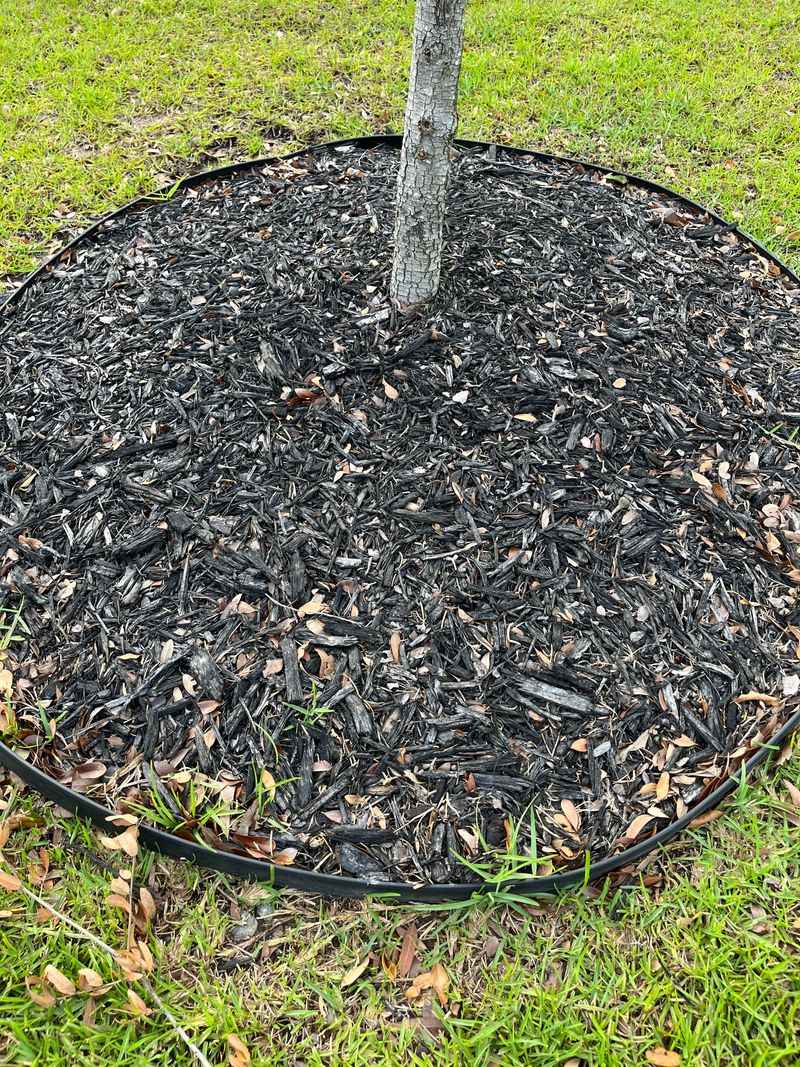
Around trees, aim for a three to four inch layer that extends outward to the drip line. The drip line is roughly where the outermost branches end, and that whole zone benefits from coverage.
Pull mulch back two to three inches from tree trunks and plant stems. Mulch pressed directly against bark traps moisture and invites rot, fungal disease, and pest activity near the crown.
The classic mistake is the mulch volcano, where material is piled high against a tree trunk in a cone shape. It looks tidy from the street but slowly destroys bark and root health underneath.
For newly planted perennials, keep mulch a bit lighter at about two inches until plants establish. Too much weight over young crowns can delay spring emergence and stress plants during their first summer.
Vegetable gardens benefit from a consistent two-inch layer refreshed mid-season when materials begin breaking down. Decomposed mulch feeds soil organisms but loses its insulating power once it thins out.
Measure your depth with a ruler once, and your garden will reward you all summer long.
Mulching Techniques That Protect Roots From Heat
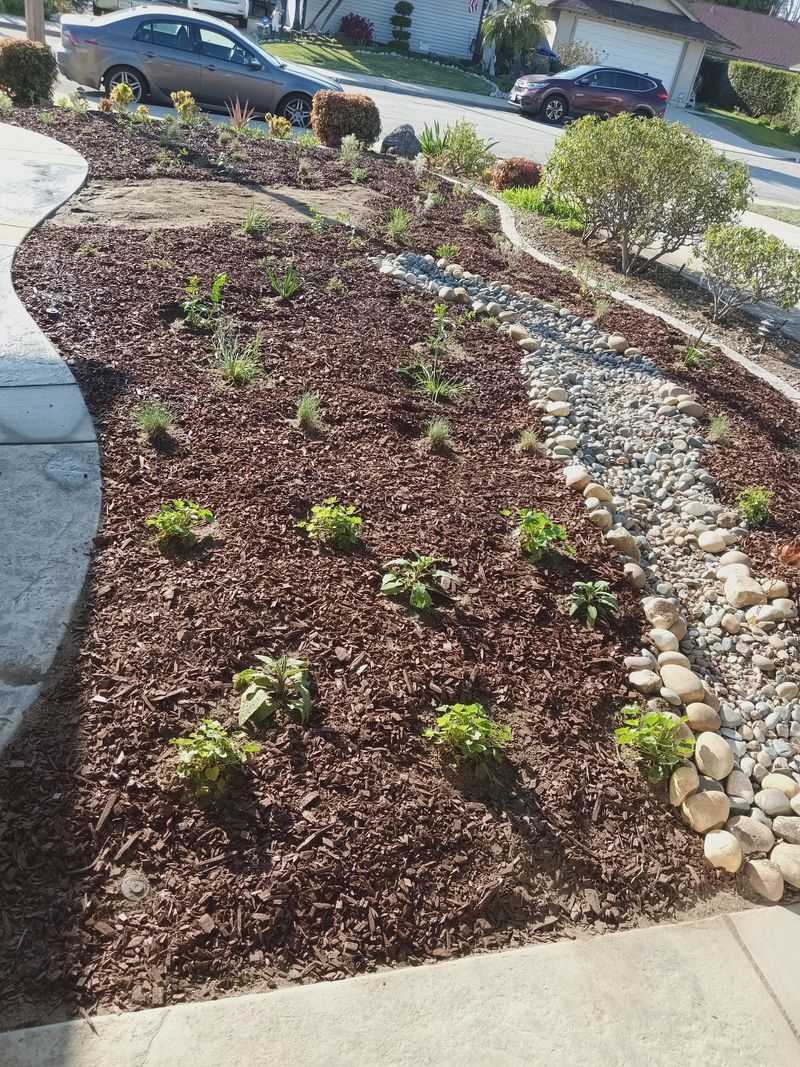
Applying mulch correctly is a skill that takes five minutes to learn and pays off for the entire growing season. Technique matters just as much as the material you choose to use.
Start by pulling any weeds from the bed before laying down any mulch at all. Weeds left underneath will push through eventually and compete with your plants for water and nutrients.
Lightly loosen the top inch of compacted soil with a hand rake before spreading mulch. Compacted soil repels water even when mulch is applied correctly above it, so this step is not optional.
Spread mulch in an even layer using a garden fork or your gloved hands for precision around delicate stems. Uneven coverage leaves hot spots where soil can still dry out quickly between plants.
Work outward from plant stems rather than inward toward them when spreading material. Starting from the outside and moving in helps you naturally avoid piling mulch against the base of each plant.
For vegetable rows, apply mulch between rows as well as around individual plants. Row paths get baked hard in summer sun and radiate heat back up toward plant leaves if left bare.
Water the bed thoroughly after mulching so the material settles and moisture is locked in immediately. Dry mulch on dry soil is a missed opportunity that delays the cooling benefits you want.
Good technique turns ordinary mulch into an extraordinary shield against Missouri summer heat.
Common Mistakes To Avoid When Mulching In Summer
Mulching seems simple until you make a costly mistake that sets your garden back for weeks. Knowing what not to do is honestly half the battle when summer heat is closing in fast.
The mulch volcano is one of the most common errors in home landscaping, and it is genuinely harmful to tree health. Bark piled against trunks traps moisture and creates conditions where disease and insects can take hold.
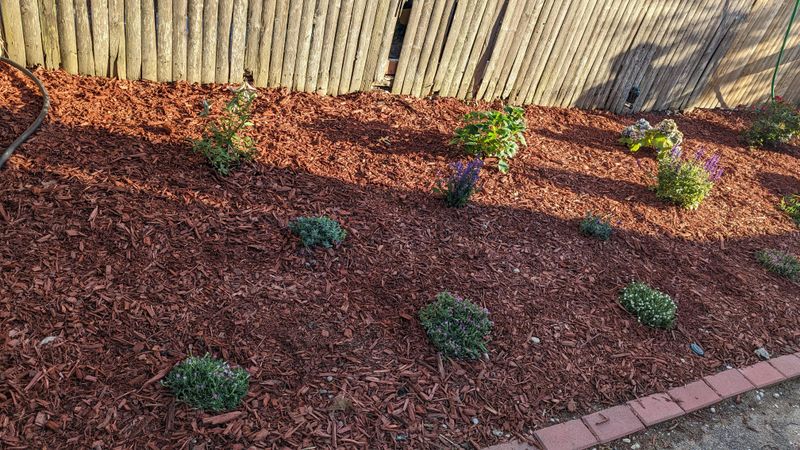
Using too little mulch is another common problem that gives gardeners a false sense of security. A half-inch layer looks nice but evaporates quickly and offers almost no real insulation value for roots below.
Skipping the weed-removal step before mulching is a shortcut that usually backfires. Weeds grow through the new layer within weeks and steal water from the plants you are trying to protect.
Applying mulch directly over dry, compacted soil traps the problem rather than solving it. Always water deeply before mulching so the soil holds moisture from the start, not just from future rain events.
Forgetting to refresh mulch mid-season is a mistake that sneaks up on even experienced gardeners. Materials break down and compress over time, losing their insulating depth when plants need it most.
Using mulch that is too fine, like sawdust, creates a crust that actually repels water rather than absorbing it. Coarser materials allow rainwater to pass through and reach roots where it truly counts.
Avoid these pitfalls and mulching before Missouri summers peak becomes one of your best garden investments.