Why You Shouldn’t Plant Butterfly Bush In Your Pennsylvania Garden
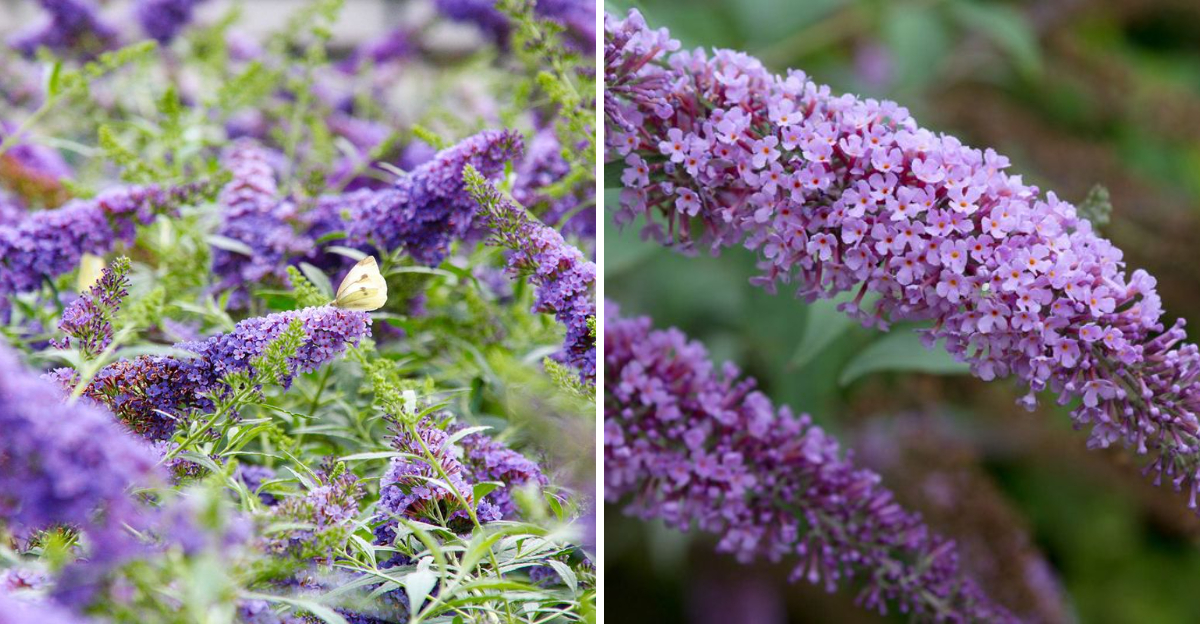
Butterfly bush has one of the most misleading names in gardening. It sounds like exactly the kind of plant every garden needs, especially if you care about supporting butterflies.
Those long, colorful flower spikes do a fantastic job of pulling in adult butterflies looking for nectar, which is why so many Pennsylvania gardeners have planted one without a second thought. But the reality behind butterfly bush is a lot more complicated.
While it attracts adult butterflies for feeding, it offers nothing else. No place to lay eggs, no food for caterpillars, no real contribution to butterfly survival or reproduction.
Butterflies visit, fuel up, and move on. Worse, butterfly bush is considered invasive in many parts of the eastern United States, spreading into natural areas and crowding out the native plants that butterflies actually depend on to complete their life cycle.
Pennsylvania gardeners deserve to know the full picture. Here’s why butterfly bush doesn’t belong in your garden and what to grow instead.
1. Butterfly Bush Is On Pennsylvania’s List Of Invasive Plants
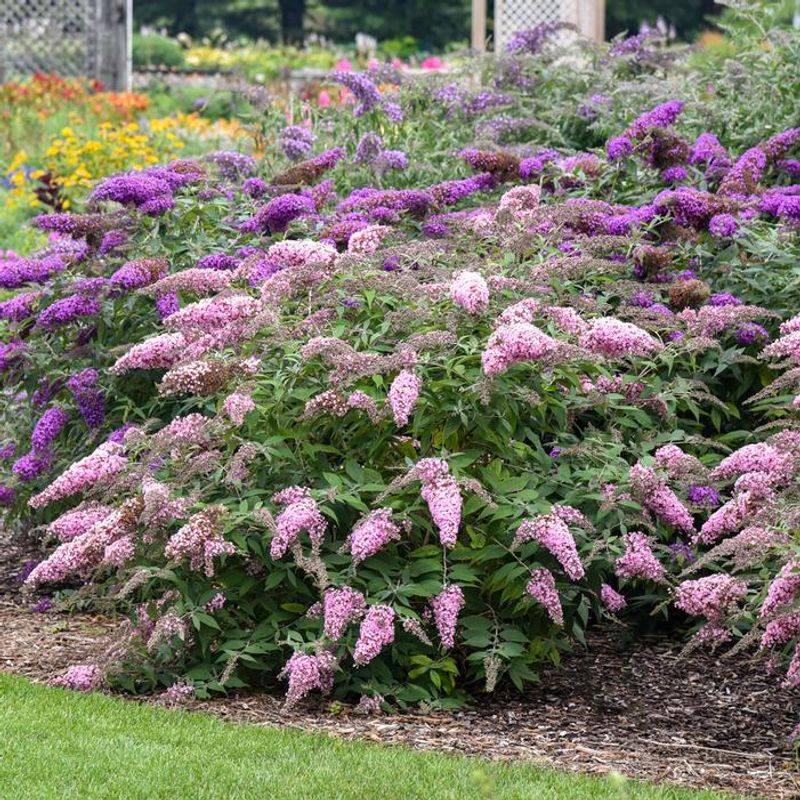
Not every plant sold at a garden center is safe for your local environment. Butterfly bush, known scientifically as Buddleja davidii, has earned a spot on Pennsylvania’s list of invasive plants.
The Pennsylvania Department of Conservation and Natural Resources (DCNR) includes it in its official invasive shrub fact sheets, which means the state has recognized it as a plant that can cause environmental harm.
An invasive plant is one that spreads beyond where it was planted and pushes out native species that belong in the local ecosystem. Butterfly bush originally comes from China and was brought to the United States as an ornamental garden plant.
It thrives in sunny, disturbed areas and grows fast, which sounds nice in a garden but becomes a serious problem in the wild.
Pennsylvania has a rich variety of native shrubs, wildflowers, and trees that have evolved here over thousands of years. When an invasive plant like butterfly bush moves in, it competes with those natives for sunlight, water, and space.
Over time, it can take over large patches of land, reducing the variety of plant life that local animals depend on.
Planting butterfly bush, even with the best intentions, contributes to this problem. Many gardeners simply do not know it is invasive because it is still widely sold in stores.
Being aware of its invasive status is the first step toward making better choices for Pennsylvania’s natural spaces. Choosing native plants instead helps keep local ecosystems healthy and balanced for generations to come.
2. It Spreads By Seed
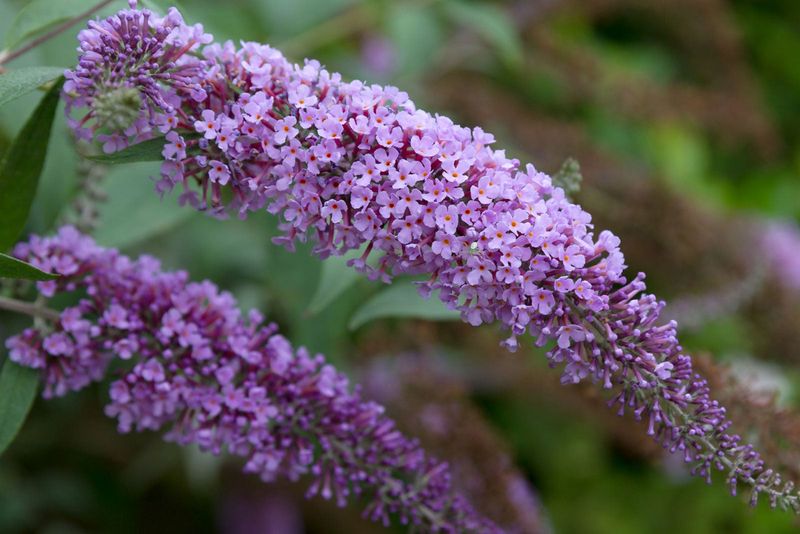
One butterfly bush plant in your yard might seem harmless. But here is something most people do not expect: a single butterfly bush can produce up to 40,000 tiny seeds each season.
Those seeds are so small and light that wind and water carry them easily, sometimes traveling long distances from your garden.
Once those seeds land in the right spot, which could be a roadside ditch, a field, a streambank, or the edge of a forest, they can sprout and grow into new plants. You may never even notice it happening.
Your Pennsylvania Garden Changes Every Week. Your Plan Should Too.
Gardening in Pennsylvania changes quickly throughout the season. Every Friday you’ll receive a simple weekly plan showing exactly what to plant, prune, fertilize, harvest, and protect so you never miss the right timing.
Your garden plant just keeps looking pretty while its seeds quietly spread into natural areas nearby.
This is exactly how invasive plants get established outside of gardens. It does not take a massive plant population to start the problem.
A few seeds landing in the right place at the right time is all it takes. Streams and rivers are especially effective at moving seeds far from their source, which is why butterfly bush has been found growing along waterways throughout the Mid-Atlantic region.
Some people try to manage this by cutting off the flower heads before they go to seed. While that can slow things down, it requires constant attention throughout the growing season.
Missing even one round of seed heads means thousands of seeds are released. For most gardeners, keeping up with that level of maintenance is not realistic.
The easiest and most effective solution is simply not planting butterfly bush in the first place, which protects both your time and Pennsylvania’s wild spaces.
3. It Crowds Out Natives
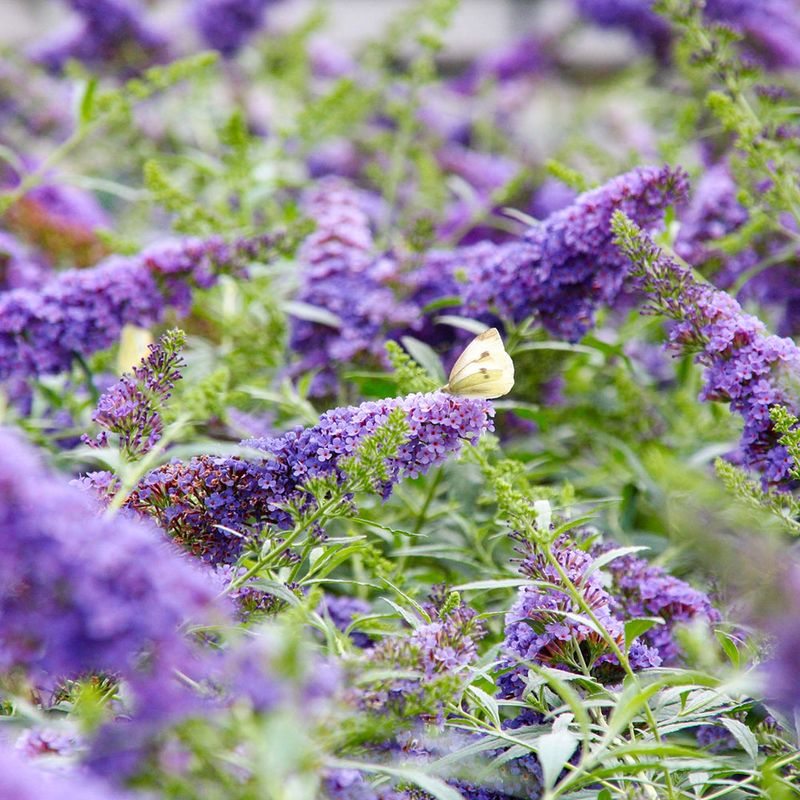
Imagine a neighborhood where one family keeps buying up all the houses and leaving no room for anyone else. That is basically what butterfly bush does in natural areas.
Once it escapes the garden, it moves into sunny, disturbed spots like fields, roadsides, woodland edges, and riverbanks, and it starts crowding out the plants that are supposed to be there.
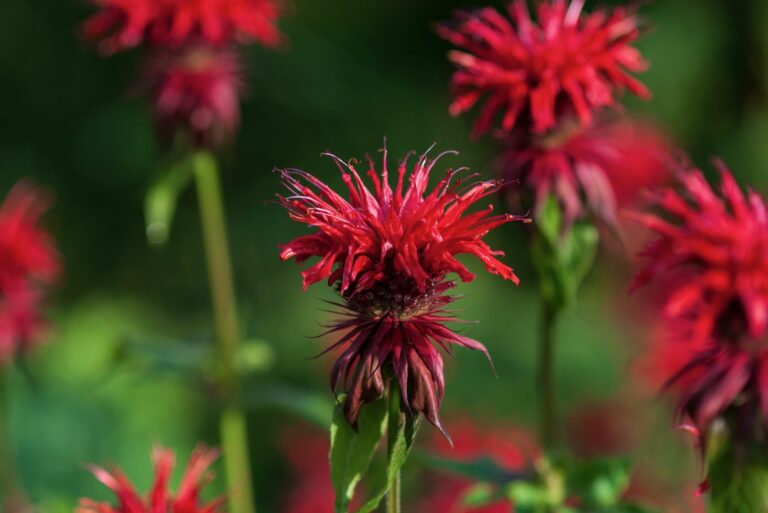
Native shrubs and wildflowers that have grown in Pennsylvania for thousands of years are the ones losing ground. Plants like elderberry, wild bergamot, goldenrod, and spicebush play important roles in the local food web.
They feed insects, provide shelter for small animals, and support birds in ways that butterfly bush simply cannot match.
When butterfly bush takes over a patch of land, the variety of plant life drops. Fewer plant species means fewer insect species, and fewer insect species means less food for birds and other wildlife.
The ripple effect through the ecosystem can be significant, even if it starts with just one garden planting that got out of hand.
Pennsylvania has many natural areas that are already under pressure from development, pollution, and climate change. Adding an invasive plant to the mix makes things harder for native species that are already struggling.
Conservation groups and state agencies work hard to remove invasive plants from parks and natural areas, but prevention is far more effective than removal.
Keeping butterfly bush out of your garden means one less source of seeds threatening the native plants that Pennsylvania wildlife truly needs to survive and flourish.
4. It Feeds Adults, Not Babies
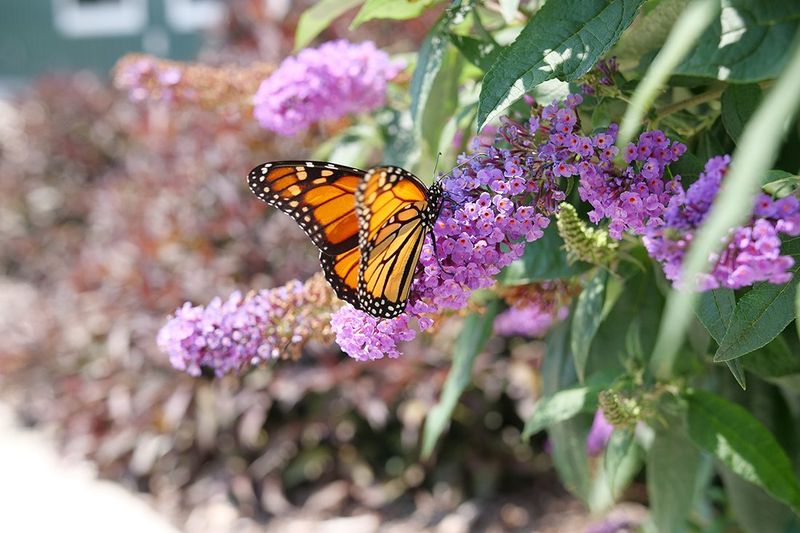
Butterflies visiting a butterfly bush flower is a beautiful sight. The nectar is real, and adult butterflies do enjoy it.
But here is the part that often surprises people: nectar is only half of what butterflies need to survive. The other half is a host plant, which is where butterflies lay their eggs and where their caterpillars eat and grow.
Most butterfly caterpillars are very picky eaters. A monarch caterpillar, for example, can only eat milkweed.
A spicebush swallowtail needs spicebush or sassafras. A zebra swallowtail relies on pawpaw.
These relationships between butterfly species and their host plants developed over millions of years, and they cannot simply be swapped out for a non-native plant like butterfly bush.
Caterpillars cannot eat butterfly bush leaves. So while adult butterflies may stop for a quick nectar sip, they still need to find native host plants to complete their life cycle.
If those native plants are not available nearby, butterfly populations struggle to grow and recover over time.
A garden that only offers nectar without host plants is a little like a gas station with no restrooms. It helps for a moment but does not fully support the journey.
Real butterfly gardening means planting the host plants that caterpillars need, not just the flowers that attract adults. Native plants like milkweed, wild senna, spicebush, and violets do both jobs at once.
They feed caterpillars and support the full butterfly life cycle, making your garden a truly valuable habitat instead of just a pretty pit stop.
5. It Can Hurt Bird Habitat
Most people think of bird feeders when they want to help birds. But research by entomologist Doug Tallamy has shown that what really matters for birds is caterpillars.
Many backyard birds, including chickadees, warblers, and wrens, depend almost entirely on caterpillars to feed their young during nesting season. A single pair of chickadees may need 6,000 to 9,000 caterpillars to raise one clutch of chicks.
Caterpillars come from moths and butterflies, and those insects need native host plants to complete their life cycles. When invasive plants like butterfly bush crowd out native shrubs and wildflowers, the caterpillar population drops.
Fewer caterpillars means less food for nesting birds, and that can lead to fewer baby birds making it through their first weeks of life.
It is a chain reaction that starts in the plant layer and works its way up through the food web. Native oaks alone support over 500 species of caterpillars.
Native cherries, willows, and goldenrods support hundreds more. Butterfly bush supports essentially none of them, at least not in a way that completes the insect life cycle.
Birds are already facing pressure from habitat loss, window collisions, outdoor cats, and climate change. The plants in your yard can either help or make things harder for them.
Swapping butterfly bush for native shrubs like spicebush, buttonbush, or native viburnums creates real habitat that supports insects, which in turn feeds birds.
Small choices in your own backyard genuinely add up when it comes to helping Pennsylvania’s bird populations stay healthy and strong year after year.
6. It Is Hard To Manage
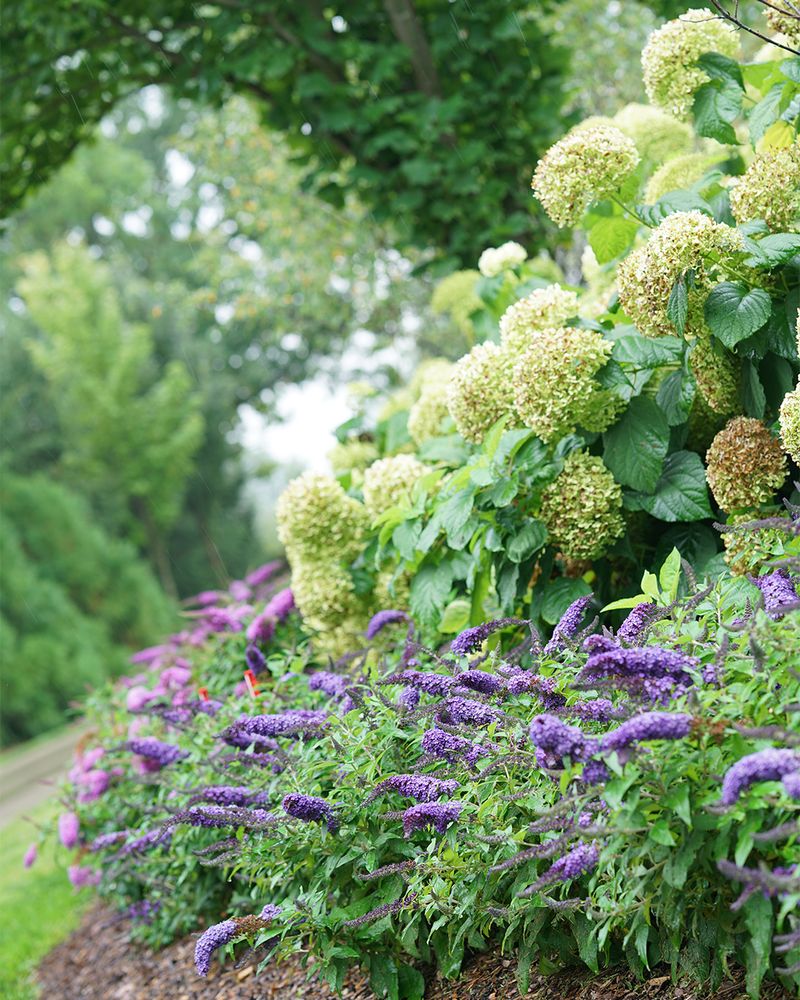
Some plants are easy to manage, and some are not. Butterfly bush falls firmly in the second category.
Once it is established in your yard, keeping it from spreading takes real, consistent effort. The plant grows quickly, produces enormous amounts of seed, and can resprout from roots or cut stems left in the ground.
Missing one season of deadheading can undo months of careful work. Removing butterfly bush is not as simple as pulling it out. Roots can run deep and wide, and any piece of root left behind can send up new growth.
Cut branches and flower heads that are tossed into a compost pile or dumped near a natural area can still produce viable seeds. That means improper disposal can actually spread the plant further, even when you are trying to get rid of it.
Yard waste containing butterfly bush material should be bagged and sent to a landfill, not composted at home or left along a fence line.
That extra step adds time and effort that most gardeners did not sign up for when they bought a pretty flowering shrub at the garden center.
Some plant nurseries sell sterile cultivars of butterfly bush that are advertised as producing fewer seeds.
While these may be somewhat better, research has shown that many so-called sterile varieties still produce some viable seeds, especially when cross-pollinated with other nearby plants.
Relying on a label that says low-seed or sterile is not a guaranteed solution. The most dependable way to avoid the management headache is to choose a native alternative from the start and skip the ongoing battle entirely.
7. Better Native Options Exist
Here is the really good news: you do not have to choose between a beautiful garden and a healthy environment.
Pennsylvania is home to a wonderful variety of native plants that attract butterflies and other pollinators just as effectively as butterfly bush, and they do it without any of the invasive baggage.
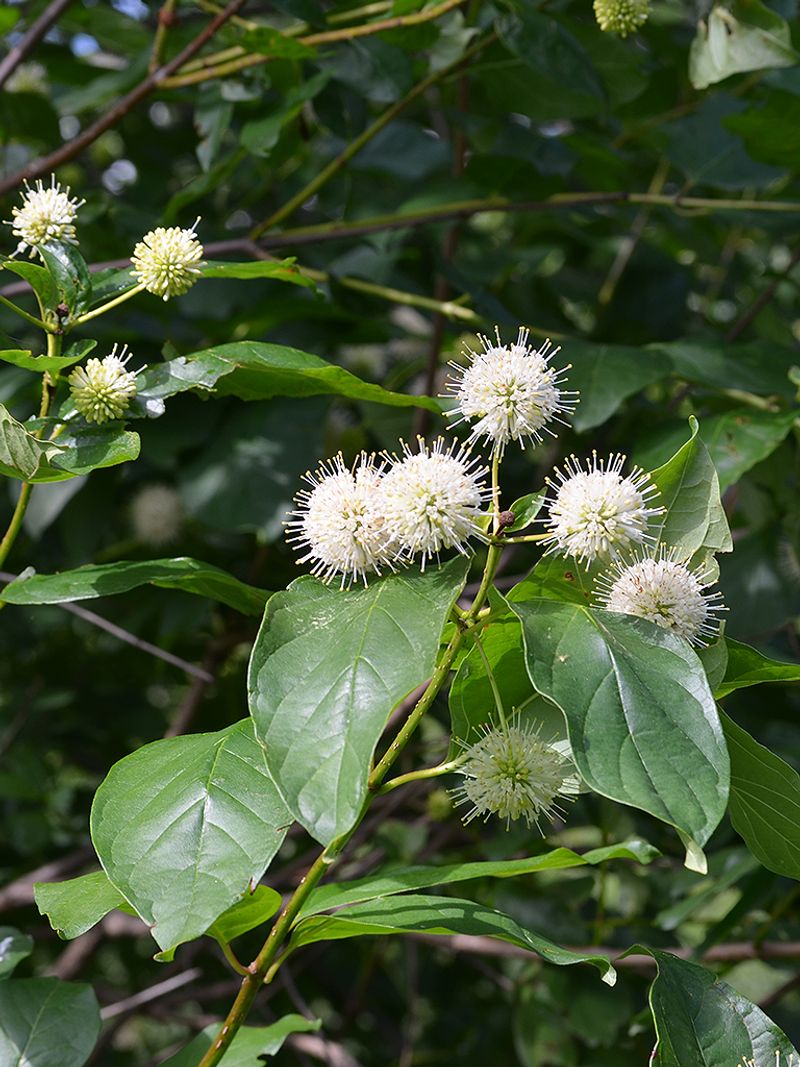
Swapping one for the other is one of the easiest wins a gardener can make. Buttonbush is a native shrub that loves wet or moist spots and produces round, white flower clusters that butterflies and bees go absolutely wild over.
Summersweet, also called Clethra, blooms in mid to late summer with fragrant white or pink spikes and thrives in shady or partly shady spots.
Virginia sweetspire offers gorgeous fall color along with summer flowers that pollinators love. New Jersey tea is a low-growing native shrub that does well in drier soils and supports a surprising variety of native bees and butterflies.
For perennial flowers, blazing star, purple coneflower, Joe-Pye weed, and milkweed are all excellent choices that bloom at different times throughout the season, keeping your garden lively from early summer through fall.
Milkweed, of course, is the only host plant for monarch butterflies, making it one of the most valuable plants you can add to any Pennsylvania garden.
All of these plants support the full butterfly life cycle by feeding caterpillars and providing nectar for adults.
They also feed birds, support native bees, and connect your yard to the broader web of Pennsylvania’s natural world. A native garden is not a compromise. It is an upgrade in every direction that matters most.