The Bulbs Maryland Gardeners Plant In Midsummer For Fall Blooms
While everyone else in Maryland is hiding indoors with the AC cranked up, a small group of gardeners is out there quietly planting bulbs. In July. In August. While it’s ninety degrees outside.
Sounds backwards, right? It isn’t. These bulbs need that heat to settle in before they do their real work later. Skip this window and you’re stuck admiring your neighbor’s yard instead of your own.
Here’s what makes this trick work so well in Maryland specifically: humid summers followed by crisp, cool falls create exactly the conditions these bulbs crave.
Plant now, forget about them for weeks, then watch crocus push up through the first fallen leaves like they own the place. This isn’t about working harder. It’s about timing one small task right.
1. Colchicum (Autumn Crocus)
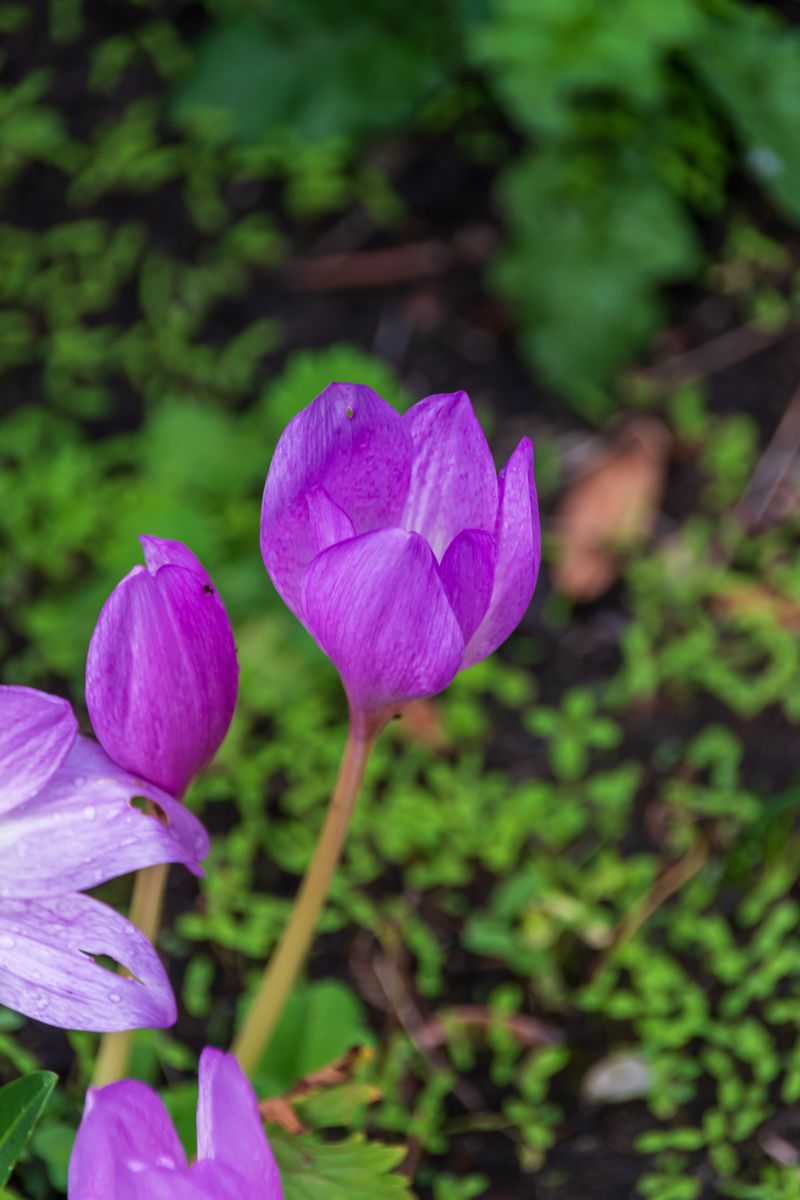
Colchicum shows up like an uninvited guest who turns out to be the life of the party. Large, goblet-shaped blooms appear in September with zero fanfare, straight from bare soil with no leaves attached.
People call it autumn crocus, but it is not a true crocus at all. Plant the corms in July or early August, about three to four inches deep.
Space them six inches apart in a sunny or lightly shaded spot. Maryland’s warm soil in midsummer gives them exactly the nudge they need to wake up on schedule.
The blooms range from soft lavender to deep rose-purple. Each corm can produce multiple flowers, so even a small planting puts on a real show.
Bees are drawn to them during a season when nectar sources are scarce. One thing to know: the leaves appear the following spring, not with the flowers. They are big and bold, almost like tulip foliage.
Let the foliage fade back naturally so the corm can store energy for next fall. Colchicum naturalizes beautifully, meaning it spreads and multiplies over the years, often producing more blooms as the planting matures.
Tucking them under deciduous trees or along borders gives them room to expand without crowding other plants.
Keep in mind that all parts of Colchicum are toxic if ingested, so choose a planting spot away from areas where pets or small children spend time.
If you want drama in October with almost no effort, Colchicum delivers every single time. Don’t be surprised if neighbors ask what that gorgeous thing is.
2. Crocus Speciosus (Showy Fall Crocus)
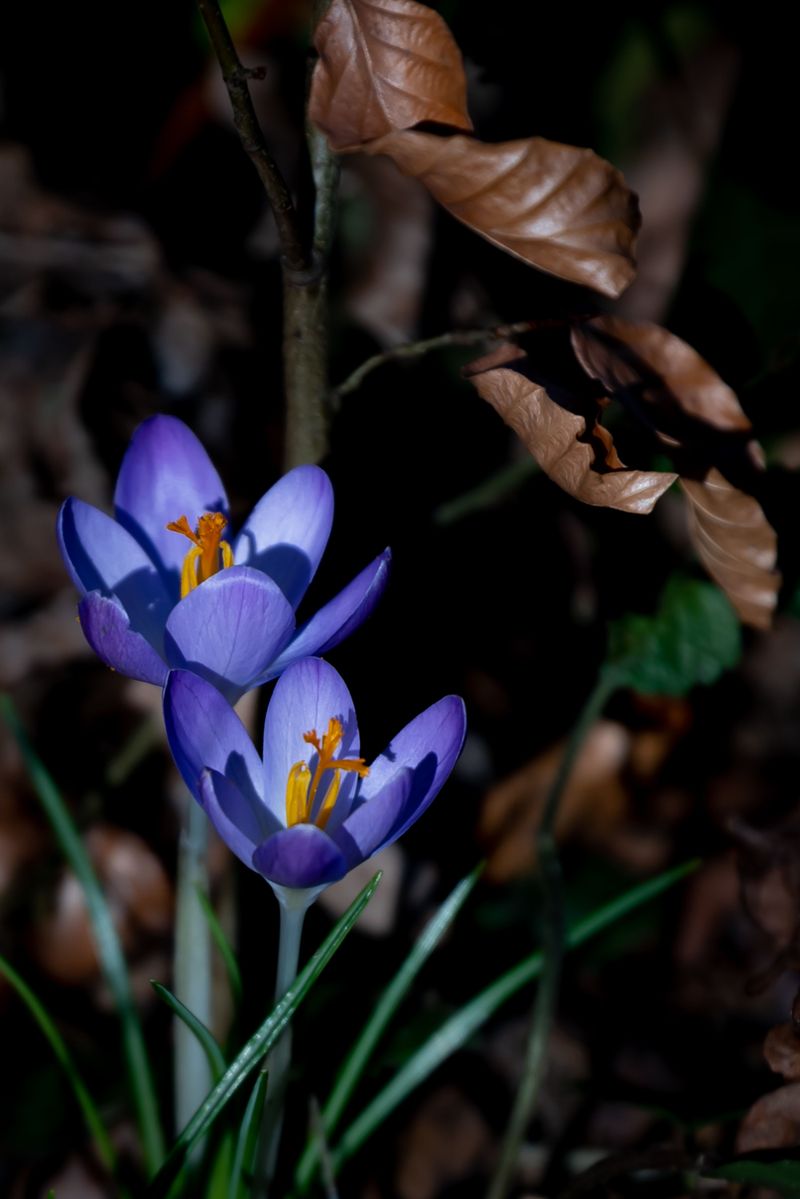
Crocus speciosus earns its nickname honestly. Showy is not an exaggeration when you see those vivid violet-blue petals catching October light.
This species blooms weeks after most garden flowers have called it quits for the season. Plant the small corms in late July or August, about three inches deep and three inches apart.
Full sun to partial shade works well in Maryland’s climate. Sandy or well-drained soil keeps the corms from rotting during humid summer months.
Each flower features striking orange-red stigmas that pop brilliantly against the blue-violet petals. The contrast is almost electric, like nature decided to show off.
Your Maryland Garden Changes Every Week. Your Plan Should Too.
Gardening in Maryland changes quickly throughout the season. Every Friday you’ll receive a simple weekly plan showing exactly what to plant, prune, fertilize, harvest, and protect so you never miss the right timing.
Planting in clusters of ten or more creates the biggest visual punch. Crocus speciosus naturalizes aggressively, spreading by both offsets and self-seeding.
A small initial planting becomes a carpet of color within a few years. Lawn areas, rock gardens, and front borders all make excellent homes for this enthusiastic spreader.
Unlike some fall bulbs, this crocus produces its foliage in spring alongside the bulbs Maryland gardeners pair it with for layered interest. The leaves are narrow and tidy, disappearing by early summer without leaving a mess.
That clean cycle makes it low-maintenance from start to finish. Cold hardiness is another huge plus. Crocus speciosus handles Maryland winters well, with no extra mulching required.
Once established, it asks for almost nothing and gives back spectacular color every single October.
3. Crocus Sativus (Saffron Crocus)
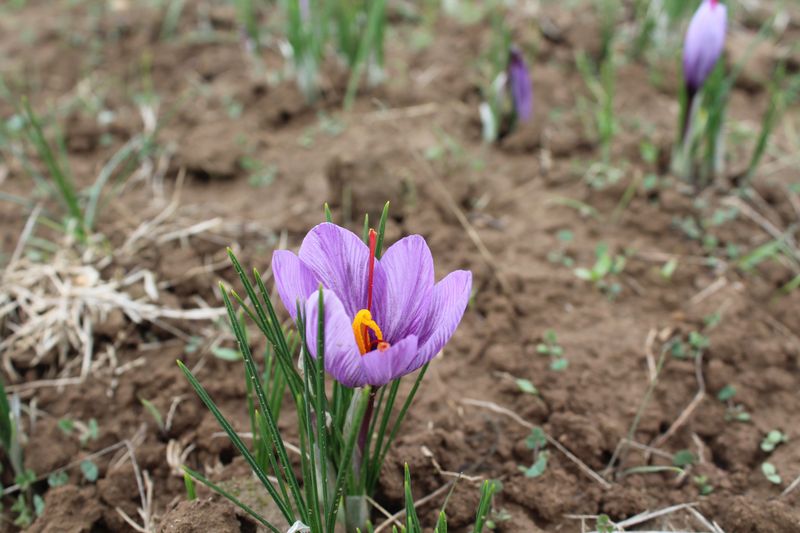
Imagine growing the world’s most expensive spice right in your backyard. Crocus sativus produces those famous red stigmas that, once dried, become saffron.
Maryland gardeners who plant these in midsummer get both a gorgeous fall display and a culinary treasure. Plant the corms in July, about four inches deep and six inches apart in a sunny, well-drained bed.
Rich soil with good drainage is essential because soggy conditions cause rot fast. Raised beds or slopes work especially well in Maryland’s sometimes-waterlogged clay soils.
The lilac-purple flowers open in October, each one revealing three brilliant crimson stigmas. Harvest those stigmas on the morning the flower opens, before afternoon heat fades them.
Dry them gently and store in a sealed jar for months of flavoring power. Each corm produces one to three flowers per season.
A patch of fifty corms yields a meaningful amount of saffron for home cooking. That might sound like a lot, but saffron goes a long way in paella, risotto, or golden milk.
Corms multiply each year, so your harvest grows over time. Divide and replant every three to four years to keep blooming strong.
Maryland’s cold winters actually help break dormancy and set up a better flowering cycle the following fall. Growing saffron crocus connects you to thousands of years of culinary and cultural history.
Few garden plants offer both beauty and flavor in one small package. This one is genuinely worth the midsummer planting effort.
4. Sternbergia Lutea (Autumn Daffodil)
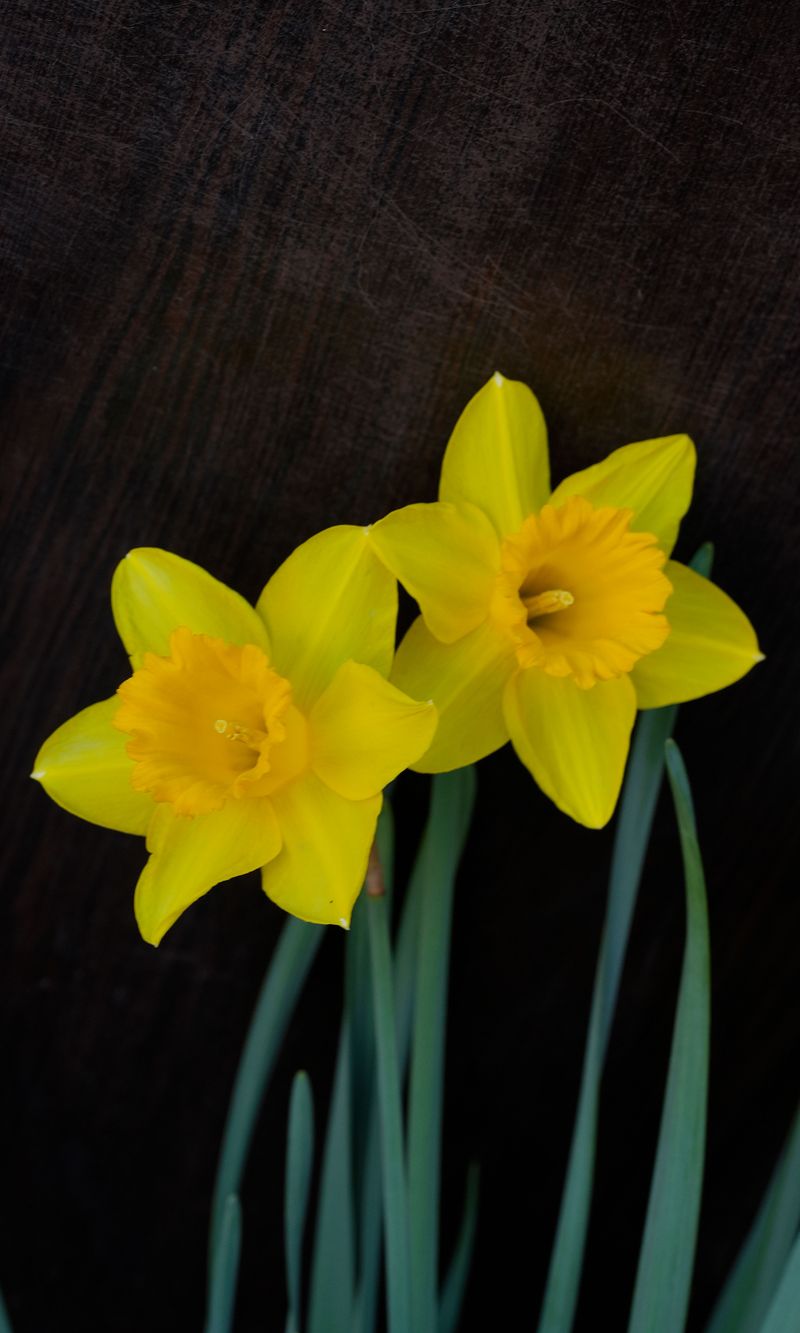
Golden yellow in October feels like finding a sunbeam on a cloudy day. Sternbergia lutea looks so much like a daffodil that people do a double-take when told it blooms in fall, not spring.
Plant the bulbs in August, four inches deep and four to six inches apart in full sun. Poor, dry, well-drained soil suits them better than rich, moist garden beds.
Sternbergia is reliably hardy in zones 7 to 9, so gardeners in Maryland’s cooler inland areas (zone 6) should plant it in a protected spot, such as near a south-facing wall, and add a layer of winter mulch.
The flowers are a rich, glossy yellow with a waxy texture, appearing alongside dark green, strap-like leaves that persist through winter and add year-round structure.
Sternbergia needs a hot, dry summer dormancy to bloom well, and Maryland’s warm July and August conditions generally support that.
Resist the urge to divide clumps frequently, as they resent disturbance and bloom more reliably when left undisturbed for two to three seasons.
As with many fall bulbs, all parts of Sternbergia are toxic if ingested, so keep this in mind around pets and children.
Plant it near dark evergreen shrubs for maximum contrast. That golden glow against green brings real warmth to an autumn garden.
5. Lycoris Squamigera (Surprise Lily)
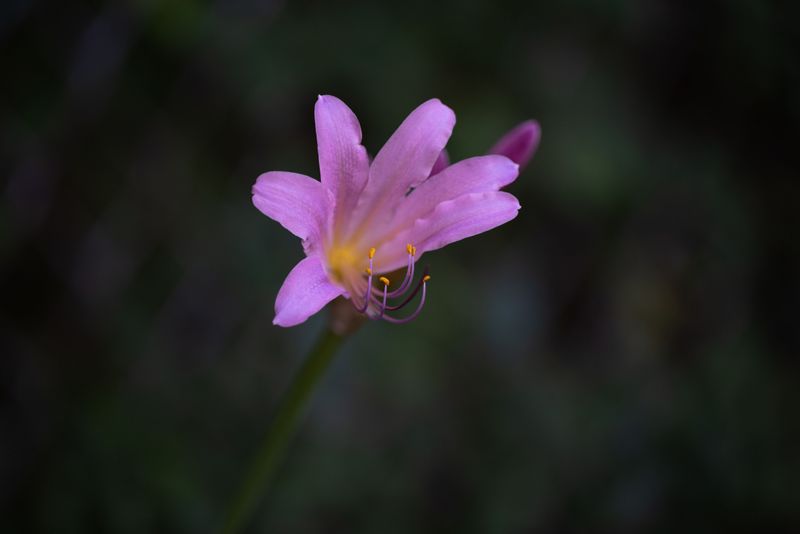
Nothing prepares you for a Lycoris squamigera moment. Bare ground suddenly sprouts tall pink trumpets with no leaves, no warning, and no explanation.
That ghostly appearance is exactly why gardeners nicknamed it the surprise lily. Plant the bulbs in July, about six inches deep and eight to ten inches apart.
Full sun to light shade both work well across Maryland’s varied landscapes. The bulbs settle in quietly and may skip their first fall bloom while establishing roots.
Flowers appear in August or early September on stems reaching two feet tall. Each cluster holds four to seven soft pink, fragrant blooms.
That fragrance is light and sweet, noticeable but never overwhelming on a warm September evening. Spring brings strap-like foliage that looks similar to daffodil leaves.
Those leaves gather energy all spring, then disappear completely by early summer. When blooms arrive months later, you may have forgotten you planted anything there at all. That vanishing act makes placement important.
Mark bulb locations so you do not accidentally dig them up during summer cleanup. Planting near hostas or daylilies helps disguise the bare spot left after foliage fades.
Lycoris squamigera multiplies steadily and rewards patience with bigger, better clusters each year. Among the bulbs Maryland gardeners plant in midsummer for fall blooms, this one delivers the most jaw-dropping reveal.
Few garden moments match watching those naked pink stems shoot up seemingly overnight.
6. Cyclamen Hederifolium (Hardy Cyclamen)
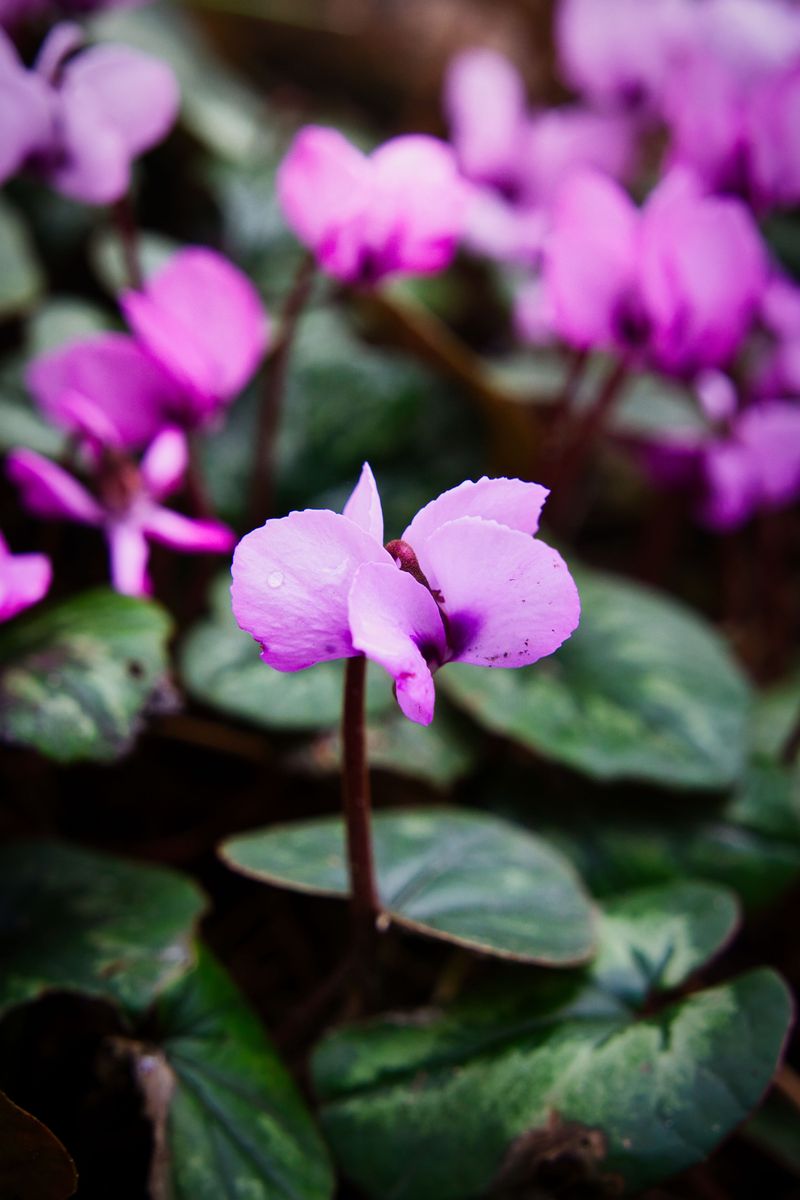
Hardy cyclamen is the introvert of the fall garden, quietly spectacular under trees where most plants refuse to grow. Cyclamen hederifolium thrives in dry shade, a spot that defeats almost every other flowering plant.
Finding something that blooms there in fall feels like winning a garden lottery. Plant the flat, disk-shaped tubers in August, just barely below the soil surface.
Set them with the rough, corky side down and the smoother side up. Dry, leafy soil under deciduous trees is their natural happy place.
Flowers appear before leaves, similar to Colchicum but much more delicate. Swept-back petals in shades of pink, rose, or white nod gracefully on thin stems.
Each bloom has an elegant, origami-like quality that makes you lean in for a closer look. After flowering, the foliage emerges and stays attractive all winter long.
Leaves are ivy-shaped with striking silver and green marbling on each surface. That foliage alone is worth planting for, even in years when bloom is modest.
Cyclamen hederifolium self-seeds gently, slowly colonizing shaded areas over many years. Once established, a colony needs very little care and rarely requires supplemental watering.
Maryland’s natural rainfall is usually plenty for these tough little plants. Slugs can nibble young leaves, so a light ring of horticultural grit around new plantings helps.
After the first year, plants toughen up considerably. Few fall bulbs offer this combination of shade tolerance, winter foliage, and effortless beauty.
7. Acis Autumnalis (Autumn Snowflake)
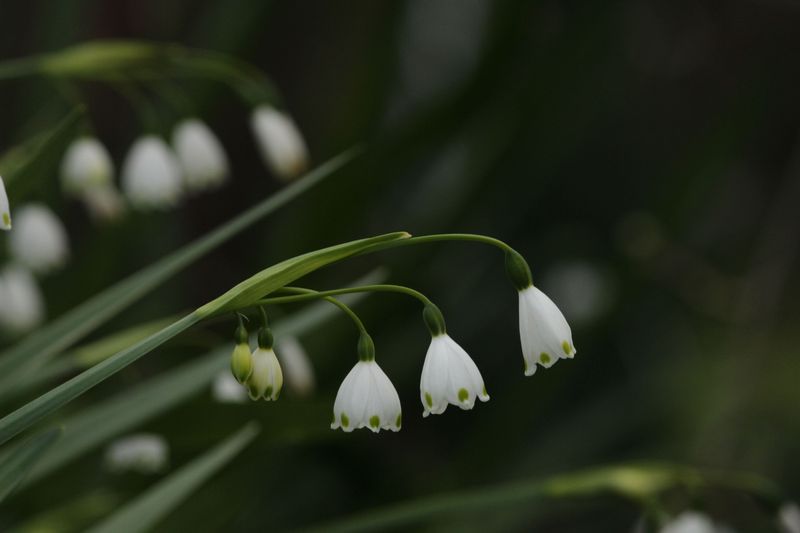
Acis autumnalis is the quiet achiever nobody talks about enough. Tiny white bells dangle from thread-thin stems in September and October, creating a fairy-light effect in borders and rock gardens.
Once you see it blooming, you wonder why every gardener does not grow it. Plant the small bulbs in August, about two to three inches deep and three inches apart.
Partial shade suits them well, though morning sun with afternoon shade is ideal in Maryland’s warm fall climate. Good drainage is non-negotiable for these petite bulbs.
Each stem carries two to four nodding white flowers tipped with a faint green dot. The overall effect is airy and delicate, like scattered snowflakes frozen mid-fall.
Mass plantings of thirty or more bulbs create the most enchanting visual result. Foliage is narrow and grass-like, appearing with or just after the flowers.
It stays green through winter in mild years, adding subtle texture to bare beds. By spring, leaves fade away cleanly without any brown mess to tidy up.
Acis autumnalis pairs beautifully with Cyclamen hederifolium in shaded spots. The white bells complement cyclamen’s pink swept-back flowers with a natural, woodland charm.
Together they create a layered fall display that feels completely effortless. Bulbs multiply slowly but steadily, building into larger clumps over several seasons.
Among the bulbs Maryland gardeners plant in midsummer, this one suits smaller spaces and container gardens especially well. Its modest size packs a surprisingly emotional punch when it blooms.
8. Allium Thunbergii (Japanese Onion)
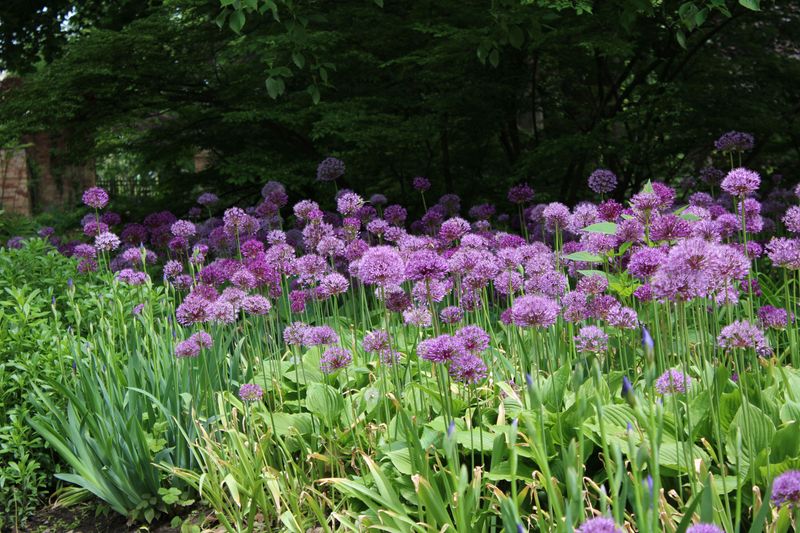
Allium thunbergii saves the fall garden from going fully brown before its time. Rose-purple flower clusters open in October on slender stems, long after most ornamental alliums have finished for the season.
Its timing alone makes it one of the most valuable fall bulbs available. Plant the small bulbs in July or August, about two inches deep and four inches apart. Full sun brings out the best color and sturdiest stems.
Maryland’s clay-heavy soils benefit from a bit of sand or grit mixed in at planting time. Flowers form tight, rounded clusters similar to other ornamental onions but on a smaller, more refined scale.
The rosy-purple color holds well even as temperatures drop through October. Pollinators, especially late-season bees, flock to these blooms with obvious enthusiasm.
Foliage is narrow, dark green, and almost grass-like in texture. It stays attractive through the growing season without flopping or looking tired.
Even the seed heads that follow blooming have a quiet ornamental quality worth keeping on the stem. Allium thunbergii is deer-resistant, which is a genuine bonus for Maryland gardeners dealing with suburban wildlife pressure.
Rabbits tend to skip it too, drawn away by less pungent options nearby. That natural protection means fewer worries and more blooms surviving to full maturity.
Among all the bulbs Maryland gardeners plant in midsummer for fall blooms, this Japanese onion offers the latest color of the group.
When everything else has peaked, Allium thunbergii steps forward and keeps the garden story going strong.