Pennsylvania Plants That Bounce Back Fastest After Summer Drought Stress
Drought stress has a way of leaving Pennsylvania gardens looking defeated. Crispy edges, wilted stems, leaves that never quite recovered even after the rain finally came back. Some plants take weeks to bounce back. Others never really do.
But a handful of Pennsylvania garden plants have a remarkable ability to shake off drought stress and return to full health faster than most gardeners expect. These are the plants worth knowing about before the next dry stretch hits.
Recovery speed matters just as much as drought tolerance. A plant might survive a dry spell but look rough for the rest of the season, dragging down the whole garden.
The plants on this list do something better. They bounce back with real vigor, filling back in and resuming healthy growth without a lot of intervention needed from you.
Whether your garden is still recovering from a recent dry spell or you’re planning ahead for next summer, here are the Pennsylvania plants that come back strongest.
1. Yarrow
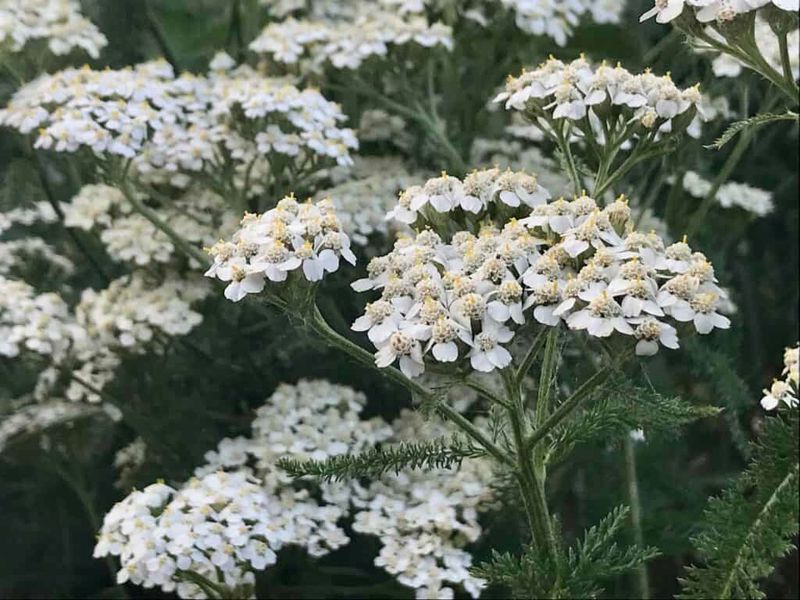
Yarrow has a reputation for being almost impossible to discourage. Native to dry meadows and rocky hillsides, it evolved to handle heat, poor soil, and long dry spells without losing its charm.
Once it is established in your Pennsylvania garden, it becomes one of your most reliable warm-weather plants.
Hot July weather can make yarrow look a little tired. The flowers may fade faster than usual, and the foliage might droop slightly during the worst afternoon heat.
The fix is simple: trim off the spent flower heads, water the plant deeply at the root zone, and step back. Within a couple of weeks, you will often see fresh stems pushing up and new buds forming.
Yarrow grows best in full sun with well-drained soil. It actually struggles more in rich, overly fertilized ground than in lean, dry conditions.
If your soil is heavy clay, mix in some sand or gravel to improve drainage before planting. That small step makes a big difference in how well it handles summer stress.
Fun fact: yarrow has been used for centuries as a medicinal herb. Ancient soldiers reportedly used it to help treat minor wounds on the battlefield, which earned it the nickname “soldier’s woundwort.”
Today, gardeners value it more for its flat-topped flower clusters in shades of yellow, white, pink, and red that attract butterflies and other pollinators.
Yarrow spreads steadily over time, filling gaps in garden beds without much effort. Divide clumps every few years to keep plants vigorous and prevent overcrowding in smaller spaces.
2. Sedum
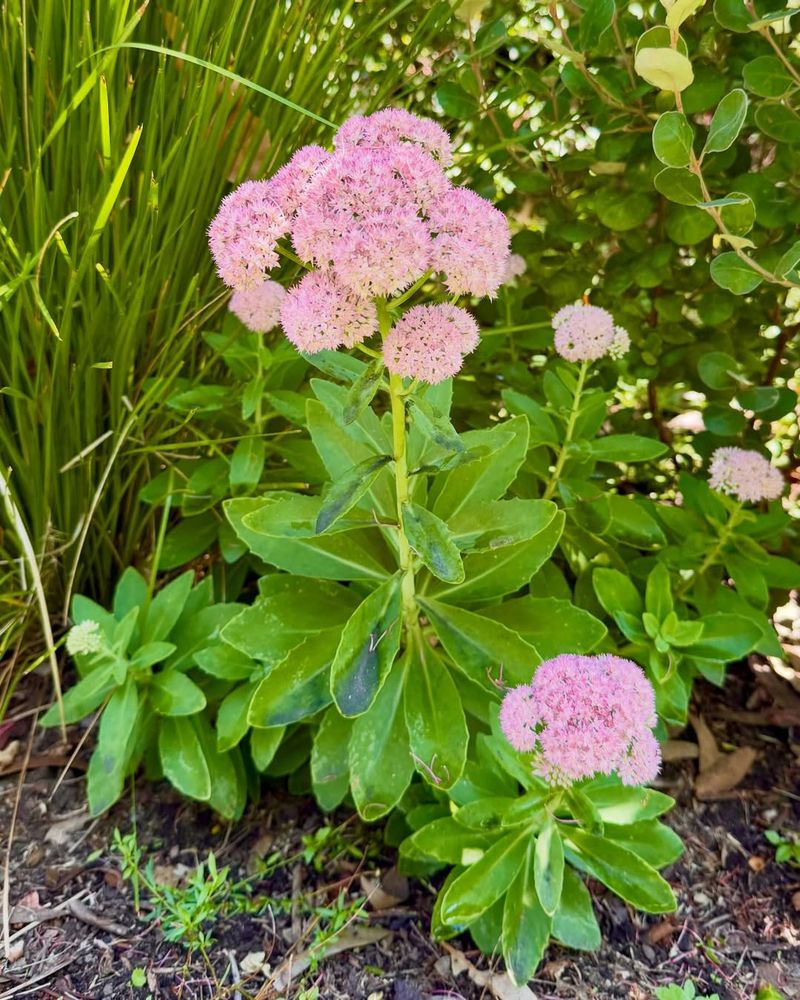
Few plants wear drought stress as lightly as sedum does. Its thick, waxy leaves act like tiny water tanks, holding moisture long after the soil has gone dry.
That built-in storage system is exactly why sedum bounces back so quickly once temperatures cool and rain returns.
Sedum thrives in full sun and needs soil that drains fast. Standing water is its biggest enemy because soggy roots can rot before the plant gets a chance to recover.
Your Pennsylvania Garden Changes Every Week. Your Plan Should Too.
Gardening in Pennsylvania changes quickly throughout the season. Every Friday you’ll receive a simple weekly plan showing exactly what to plant, prune, fertilize, harvest, and protect so you never miss the right timing.
Plant it in a raised bed, a rock garden, or along a sunny slope where water moves away quickly after rain.
If your sedum looks flat or slightly shriveled after a dry spell, do not panic. Water it deeply at the base, skip the overhead spray, and give it a few days.
You will likely see the leaves plump back up and the stems stand taller within a week. Avoid overwatering after a drought because the roots are already stressed and too much water at once can cause more harm than good.
There are dozens of sedum varieties that work well in Pennsylvania, including Autumn Joy, which produces rosy-pink flower clusters in late summer and fall.
Dragon’s Blood is another popular low-growing type with red-tinted leaves that add color even when blooms are not present. Both handle Pennsylvania winters well and come back reliably each spring.
Sedum is also a low-maintenance choice for busy gardeners. Once it is established, it rarely needs extra watering, fertilizing, or fussing. It simply grows, blooms, and rebounds season after season with very little help from you.
3. Black-Eyed Susan
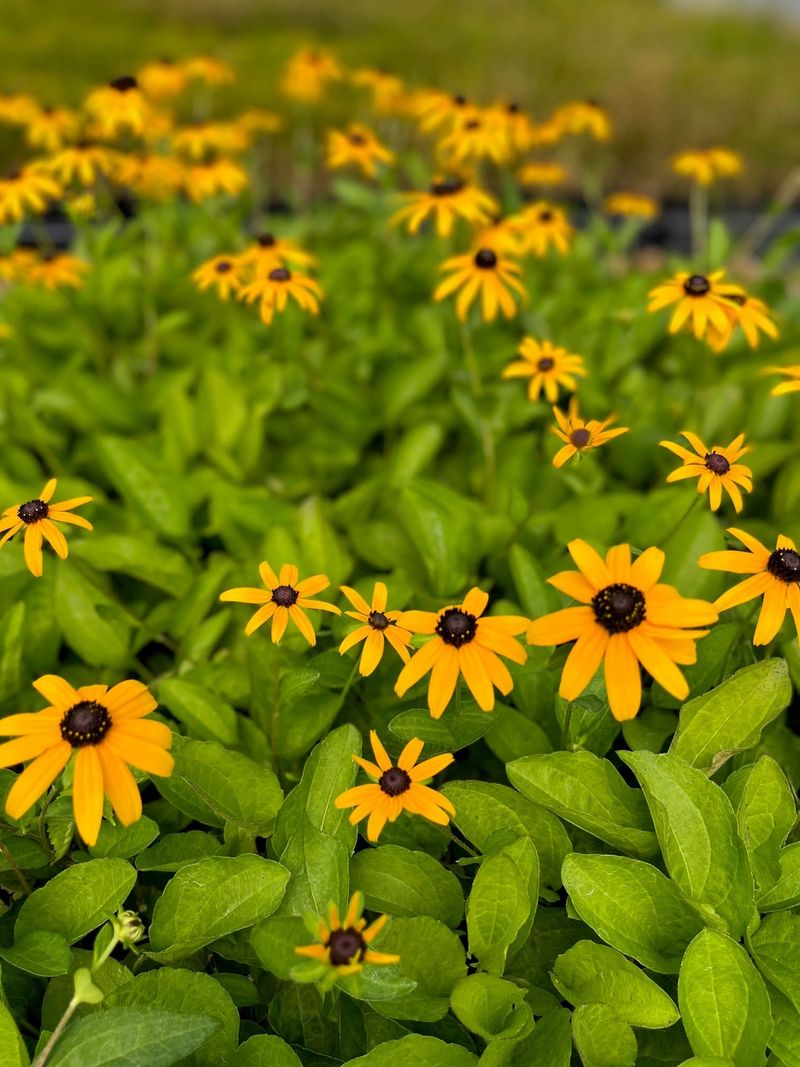
Walk past any Pennsylvania roadside in July and you will almost certainly spot black-eyed Susans nodding in the heat.
These cheerful golden flowers with dark chocolate centers are practically synonymous with summer in the mid-Atlantic region. Their toughness is not just good looks, it is built into their biology.
Black-eyed Susan is a native wildflower, which means it evolved specifically to handle the conditions Pennsylvania throws at it, including summer drought. During the hottest, driest weeks, the plant may droop a bit and look a little rough around the edges.
That is normal. It is simply slowing down to conserve energy rather than putting resources into new growth it cannot support.
Deep watering once or twice a week during dry stretches helps the plant maintain its root system without encouraging shallow, weak growth.
Water at the base rather than from above to reduce the risk of leaf disease, which can become a problem in humid Pennsylvania summers.
Once temperatures drop and rain returns, black-eyed Susans snap back quickly and often push out a fresh round of blooms.
For best results, plant them in full sun with moderately well-drained soil. They tolerate clay better than many drought-resistant plants, which makes them a great option for yards where the soil is less than perfect.
Deadheading spent flowers encourages more blooming and keeps the plant looking tidy through the season.
Black-eyed Susans also self-seed freely, so once you plant a patch, it tends to return and spread on its own each year with very little effort on your part.
4. Butterfly Weed
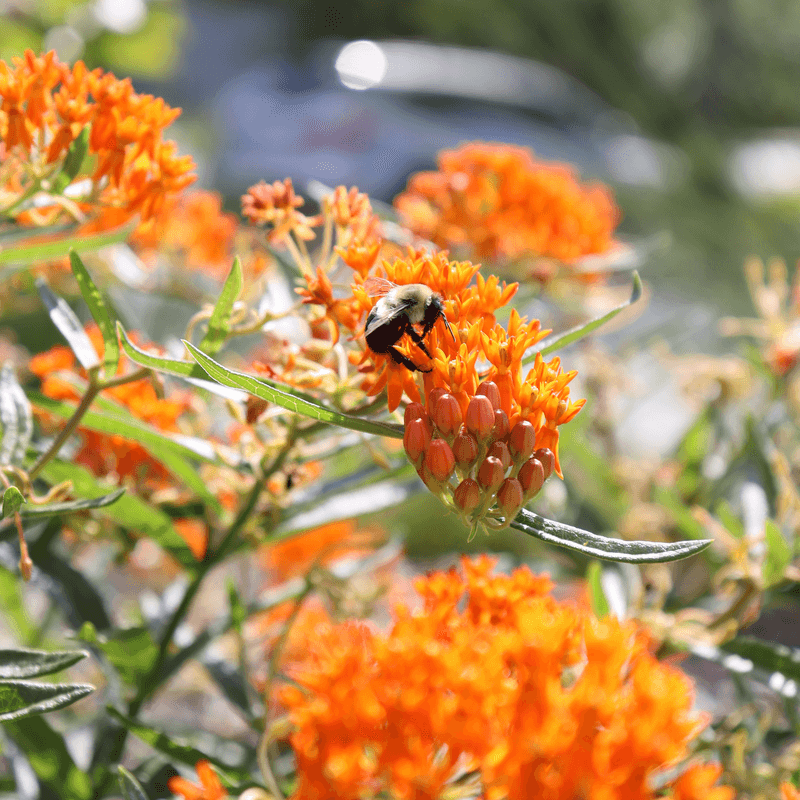
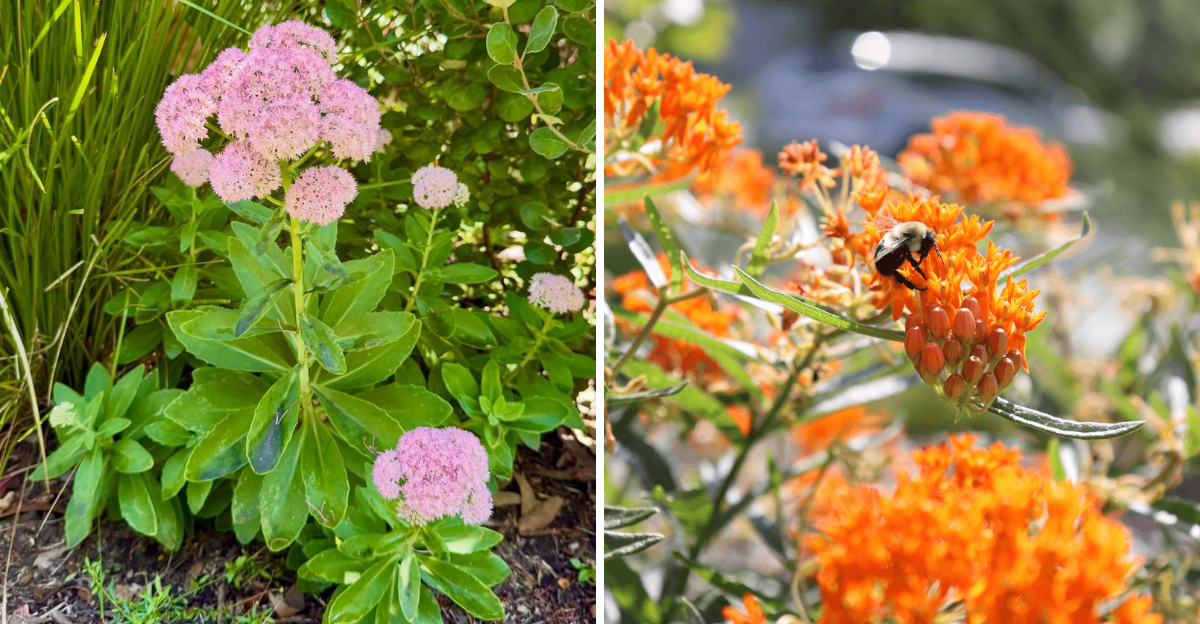
Bright orange, bold, and built for heat, butterfly weed is one of those plants that actually looks happiest when summer is at its most intense. While other plants struggle in the dry weeks of July and August, butterfly weed seems to shrug it off entirely.
That kind of heat-and-drought resilience makes it a standout choice for Pennsylvania gardeners who want reliable color without constant watering.
The secret to butterfly weed’s strength lies underground. Its deep taproot reaches far below the soil surface to find moisture that shallower-rooted plants simply cannot access.
This is also why it takes a year or two to fully establish after planting. During that early period, young plants still need regular watering to help the taproot develop. Once it is settled in, though, it becomes remarkably self-sufficient.
Butterfly weed is a native milkweed species, which means it plays an important role in supporting monarch butterflies.
Monarchs rely on milkweed as the only plant where they lay their eggs, and butterfly weed is one of the most garden-friendly milkweed options available.
Planting it is a small but meaningful way to support a species that has seen serious population decline in recent decades.
Plant butterfly weed in full sun and very well-drained soil. It absolutely does not like wet feet and will struggle in heavy, poorly drained clay.
Raised beds or sandy, lean soil suits it perfectly. Do not cut it back in fall, since the seed pods are beautiful and the hollow stems provide winter habitat for native bees that nest inside plant stems.
5. Little Bluestem
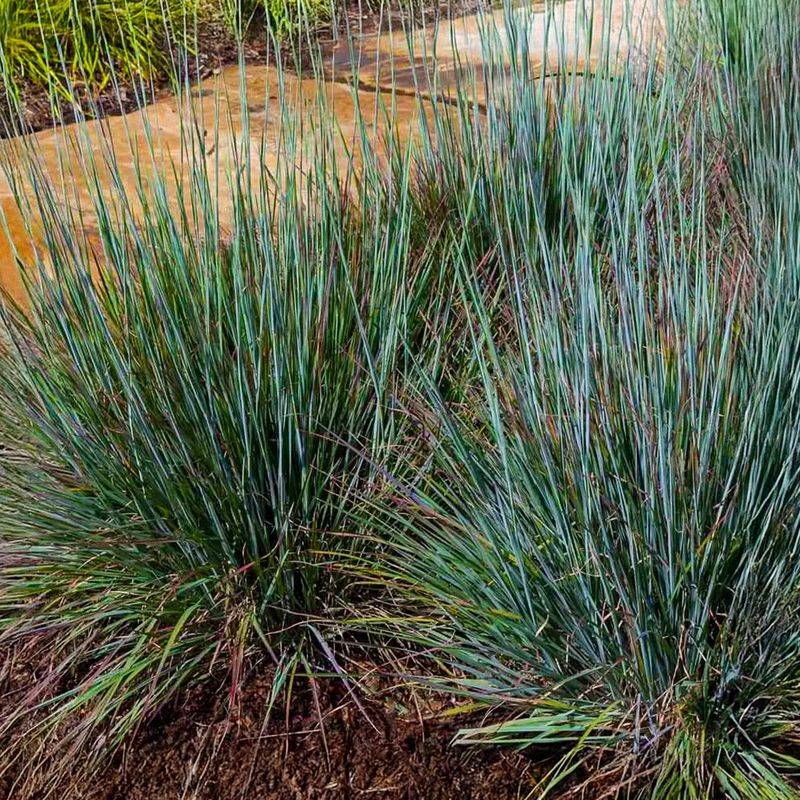
If there is one native grass that earns its keep in a Pennsylvania garden through sheer resilience, it is little bluestem. Named for the bluish-green color its stems show in early summer, this warm-season grass is a true survivor.
It handles heat, drought, poor soil, and even neglect with the kind of quiet confidence that makes other plants look fragile by comparison.
During midsummer dry spells, little bluestem may look a little stiff and dusty, but it is far from finished. Beneath the surface, its root system is working hard, reaching deep into the soil to find whatever moisture is available.
When rain finally returns or temperatures ease up, the grass responds quickly, pushing fresh growth and filling out beautifully as the season shifts toward fall.
The real showstopper moment for little bluestem comes in autumn. The foliage transitions from blue-green to striking shades of copper, rust, and burgundy that glow in the low fall sunlight.
Fluffy white seed heads add texture and catch the light in a way that makes the plant look almost decorative even after the growing season ends. Birds also love the seeds, so leaving the grass standing through winter benefits local wildlife.
Little bluestem grows best in full sun and lean, well-drained soil. Avoid fertilizing it heavily because rich soil actually makes the stems flop over rather than stand upright.
Plant it in groups for the best visual impact, and divide clumps every few years to keep the center from opening up and looking hollow. It pairs beautifully with black-eyed Susans and butterfly weed in naturalistic garden designs.
6. Switchgrass
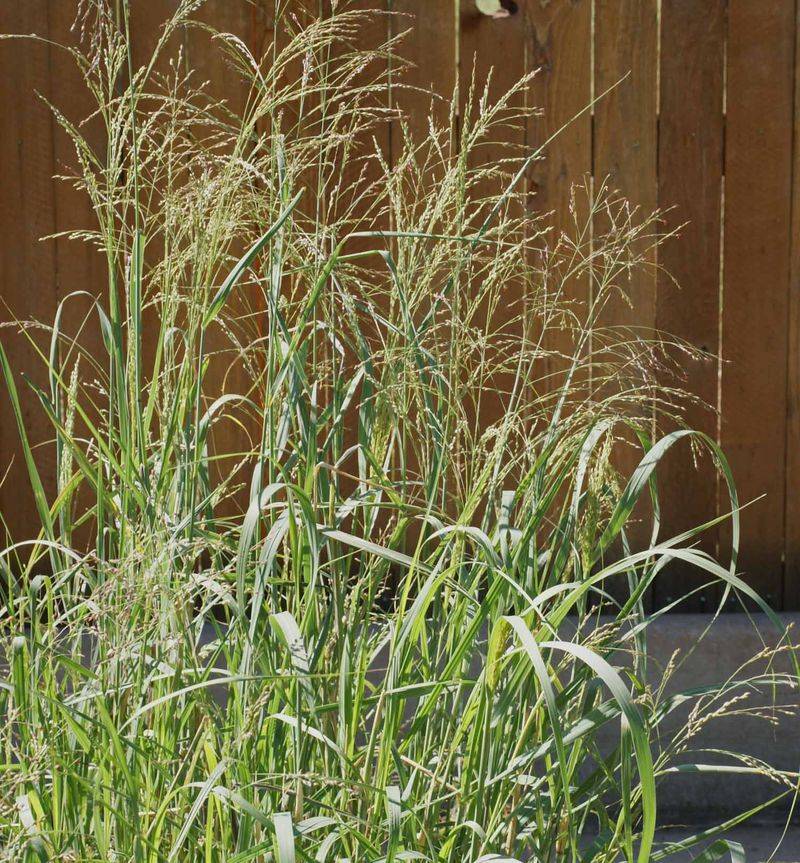
Switchgrass is the kind of plant that makes you look like a skilled gardener without making you work very hard for it.
Native to the prairies and meadows of North America, it has spent thousands of years adapting to conditions that would stress most ornamental plants, including hot summers, dry spells, and poor soil. Pennsylvania gardeners are lucky that it thrives here as well as it does.
One of switchgrass’s best qualities is its flexibility. It handles both dry and moderately moist soil, which means it works in a wider range of garden spots than most drought-tolerant plants.
During a dry summer, it slows its growth rather than collapsing, and once moisture returns, it picks right back up. The airy seed heads that appear in late summer add a beautiful, cloud-like quality to the garden even during stressful conditions.
There are several switchgrass cultivars that work especially well in Pennsylvania. Shenandoah is a popular choice with blue-green summer foliage that turns a rich red in fall.
Heavy Metal is known for its strongly upright, almost architectural form that holds its shape even in wind and rain. Both stay attractive from spring through winter, giving you almost year-round garden interest from a single plant.
Plant switchgrass in full sun to light shade. It tolerates clay soil better than many ornamental grasses, which makes it useful in spots where drainage is imperfect.
Cut it back to about four inches in late winter before new growth begins. That simple annual haircut keeps the plant looking fresh and prevents the clump from becoming too large and woody over time. Switchgrass rarely needs dividing once established.
7. Aromatic Aster
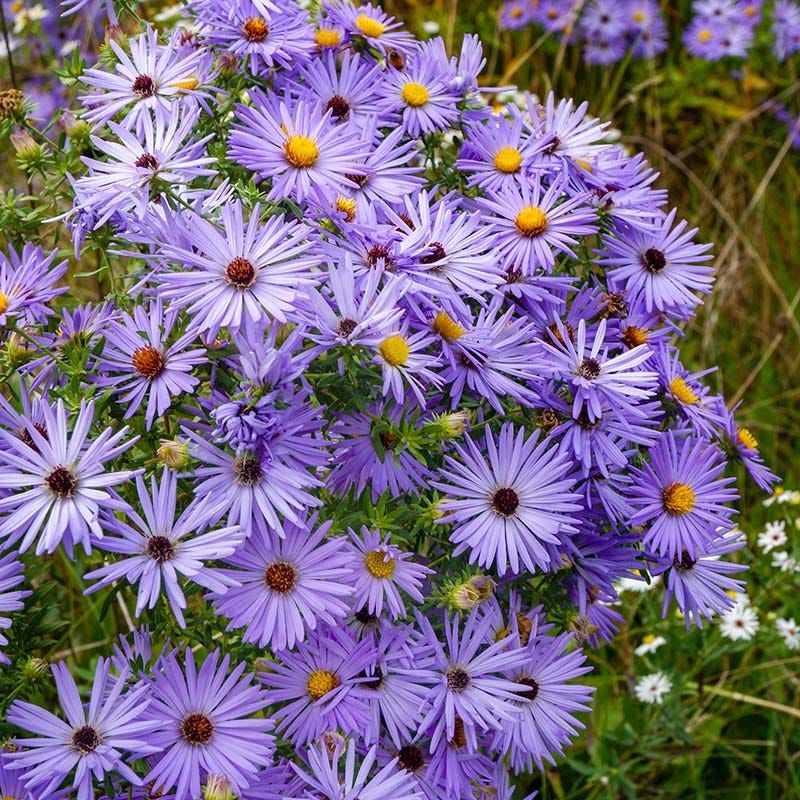
Late summer and early fall belong to aromatic aster. While most plants are winding down after a long hot season, aromatic aster is just getting started.
It waits patiently through the heat and drought of July and August, conserving energy underground, and then erupts into bloom just when the rest of the garden starts to look tired. That kind of timing makes it genuinely valuable in any Pennsylvania landscape.
Aromatic aster is a tough native wildflower that earned its name from the pleasant, slightly spicy scent released when you brush against its leaves.
It grows naturally in dry, rocky, and sunny habitats across the eastern United States, which tells you a lot about how little it needs to thrive. Poor soil, full sun, and minimal water are conditions it handles without complaint.
After a rough, dry summer, established aromatic aster plants bounce back reliably once fall conditions arrive. Cooler nights and even modest rainfall are often enough to trigger a flush of small purple flowers that cover the mounded plant almost completely.
Bees and butterflies flock to the blooms in large numbers, making it one of the most valuable late-season pollinator plants available to Pennsylvania gardeners.
Plant aromatic aster in full sun with well-drained soil. It spreads gradually by underground runners and can self-seed in open areas, so give it a bit of room to expand naturally.
Cutting plants back by about one-third in early June encourages a more compact, bushy shape and prevents flopping later in the season.
Once established, it needs almost no supplemental watering and stands up to summer drought with impressive ease year after year.