The Forgotten Herb That Everyone Should Grow In Pennsylvania
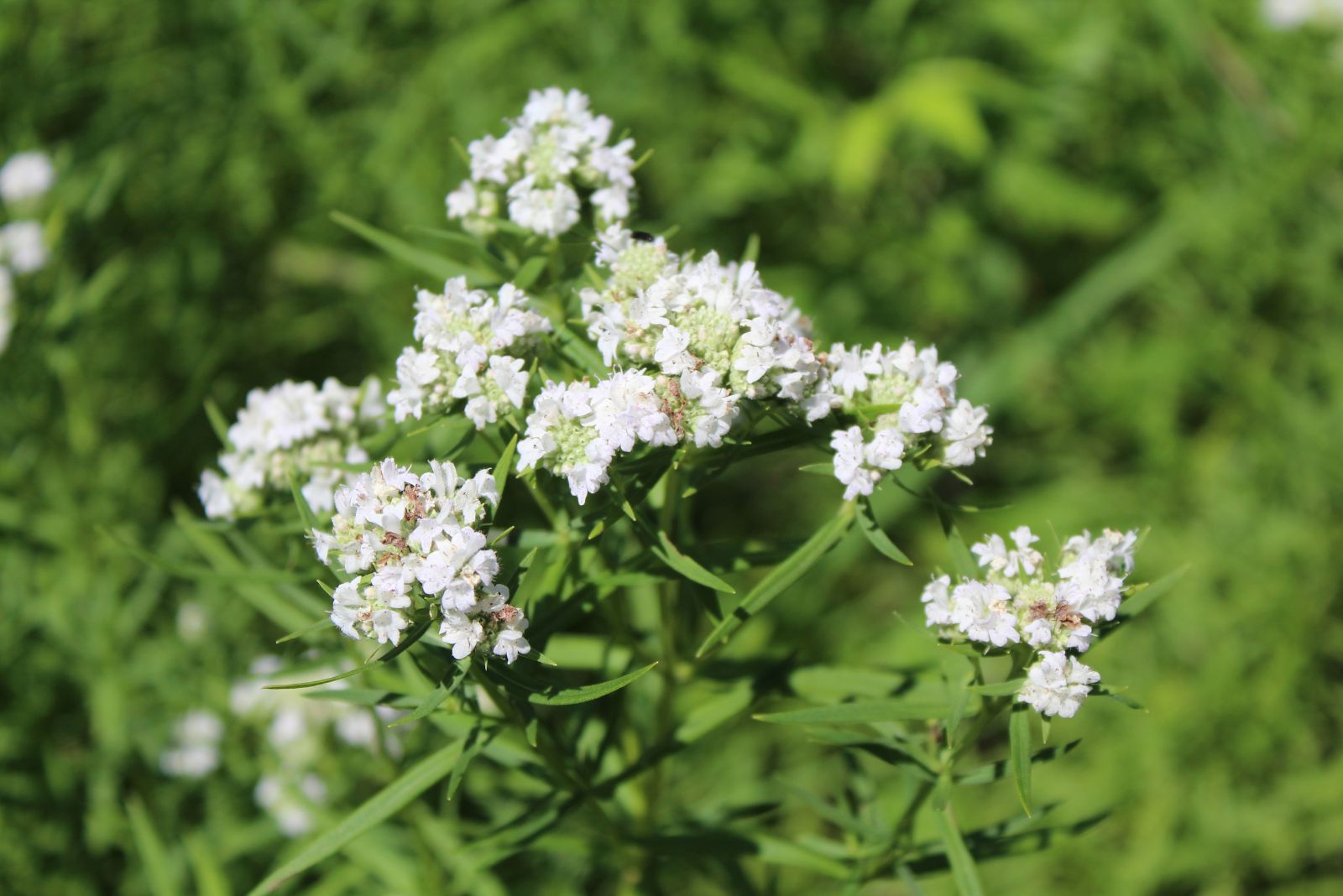
Somewhere between the trendy superfoods and the Instagram worthy garden plants, a truly remarkable herb has been quietly forgotten. It used to grow in Pennsylvania gardens almost everywhere.
Grandmothers kept it, home healers relied on it, and cooks reached for it without a second thought. Then modern gardening moved on, and this humble herb got left behind.
That’s a mistake worth correcting. This forgotten herb is one of the most useful plants you can grow in a Pennsylvania garden.
It has a long and well documented history of medicinal, culinary, and practical uses that make it genuinely valuable in everyday life. It’s easy to grow, perfectly suited to Pennsylvania’s climate, and produces generously with very little effort on your part.
It’s not exotic. It doesn’t have a flashy reputation or a viral moment behind it. It’s just an honest, hardworking herb that delivers season after season for the gardeners wise enough to grow it.
Meet Mountain Mint
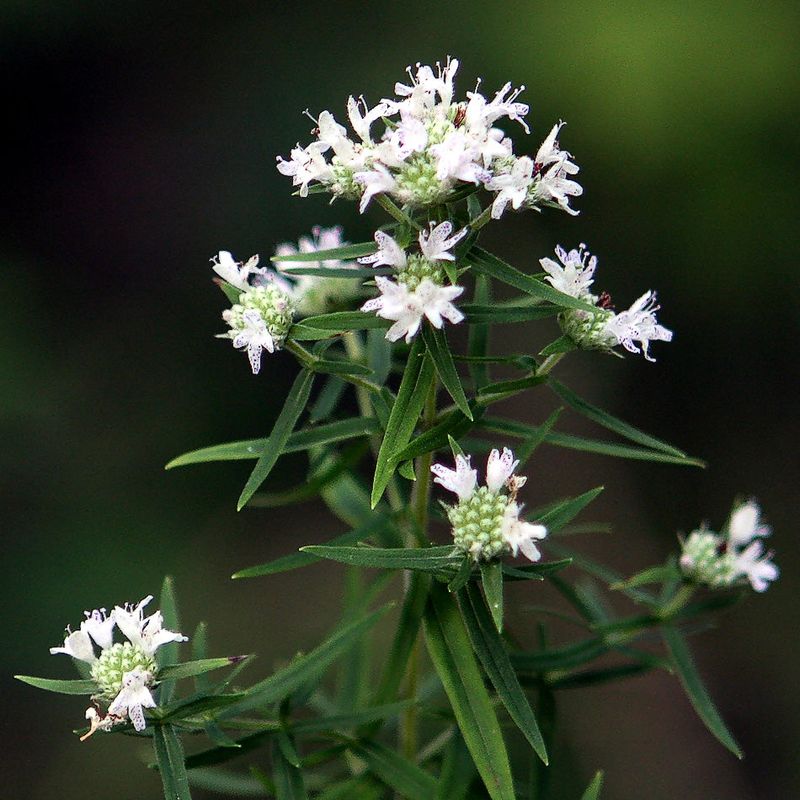
Not every great herb gets the attention it deserves. Mountain mint, known by its scientific name Pycnanthemum, is one of those plants that has been hiding in plain sight for decades.
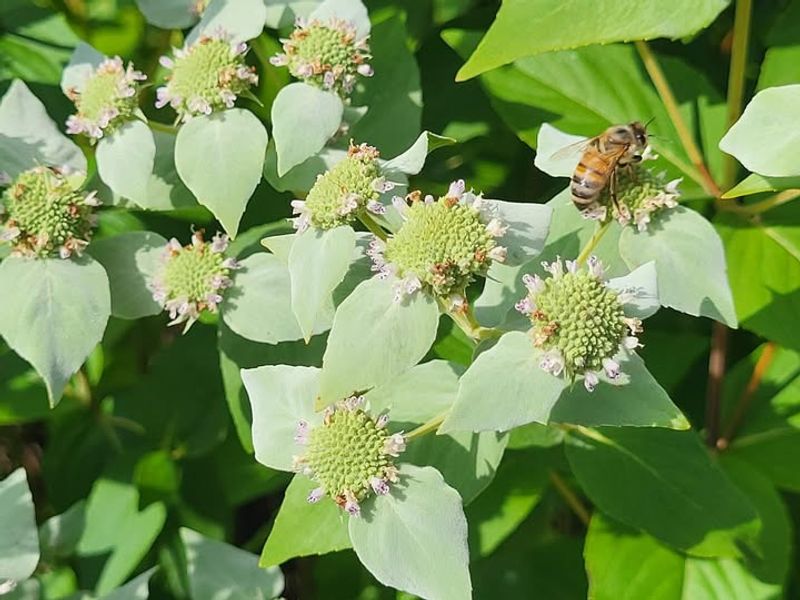
It has soft, silvery blooms, deeply aromatic leaves, and an old-fashioned herb-garden charm that is hard to find in modern plant catalogs.
Walk through any wild Pennsylvania meadow or woodland edge in midsummer and you might catch a faint minty scent drifting through the air. That smell almost always comes from mountain mint growing nearby.
Native plant enthusiasts have long appreciated it, but everyday gardeners have mostly passed it by in favor of more familiar herbs.
Mountain mint looks elegant without trying too hard. Its leaves are a soft grayish-green, and its tiny clustered flowers have a delicate, lacy appearance that pairs beautifully with other perennials.
It does not shout for attention the way some garden plants do. Unlike trendy herbs that need babying, mountain mint is straightforward and rewarding. It comes back every year, grows steadily, and smells wonderful when you brush against it.
Gardeners who discover it tend to become loyal fans fast. Pennsylvania herb gardens have room for something a little different. Mountain mint fills that space perfectly, offering beauty, fragrance, and function all in one plant.
It is the kind of herb that makes you feel like you found a secret worth sharing with every neighbor on your street.
Why It Belongs Here
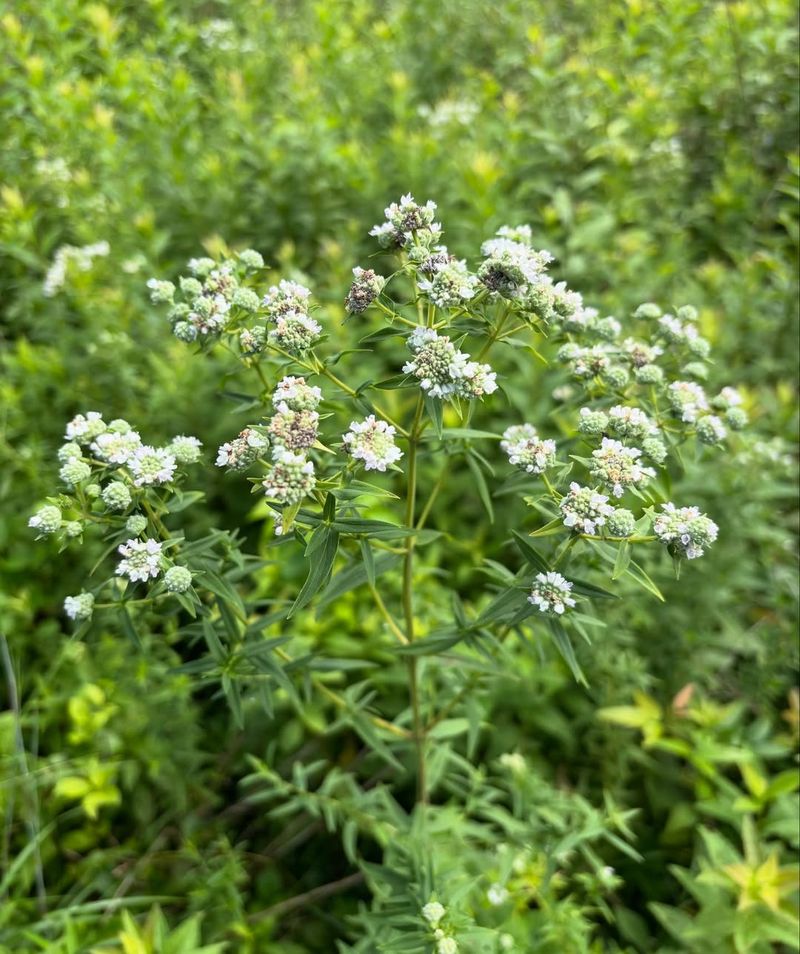
Pennsylvania has a rich history of native plants, and mountain mint is one of its proudest residents. Several species of Pycnanthemum grow naturally across the state, including Pycnanthemum virginianum and Pycnanthemum muticum.
These plants evolved right here, which means they are already perfectly adapted to local soils, rainfall patterns, and seasonal temperatures.
Planting natives is one of the smartest things a Pennsylvania gardener can do. Native plants support local ecosystems in ways that imported species simply cannot match.
They feed the right insects, fit into the natural food web, and rarely cause problems by spreading where they should not be.
Your Pennsylvania Garden Changes Every Week. Your Plan Should Too.
Gardening in Pennsylvania changes quickly throughout the season. Every Friday you’ll receive a simple weekly plan showing exactly what to plant, prune, fertilize, harvest, and protect so you never miss the right timing.
Mountain mint fits into many different garden styles. You can tuck it into a native plant border alongside coneflowers and black-eyed Susans.
It works well in pollinator beds, meadow-style plantings, and even relaxed cottage herb gardens where a mix of formal and wild feels just right.
Local nurseries in Pennsylvania are starting to carry more native herbs, and mountain mint is appearing more often on their shelves. That is good news for gardeners who want plants that truly belong in this region rather than plants that just survive here.
Choosing a plant native to your area also means less work for you over time. Mountain mint does not need special soil amendments or winter protection in most parts of Pennsylvania.
It handles the cold, manages the heat, and comes back reliably each spring without any fuss from you.
A Pollinator Magnet
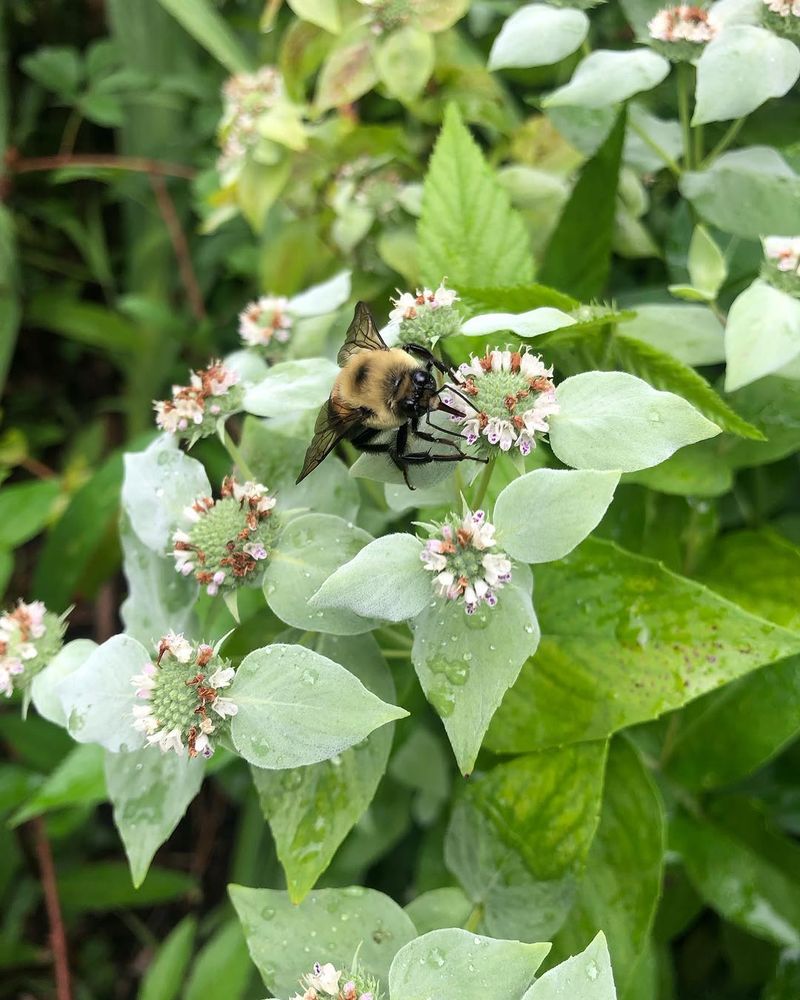
If you have ever wanted to turn your garden into a buzzing, fluttering celebration of life, mountain mint is your answer. Few plants in the entire native plant world attract as many different pollinators as this one.
On a warm summer afternoon, a single clump of mountain mint can draw dozens of bee species, multiple butterfly types, beneficial wasps, hoverflies, and more, all at the same time.
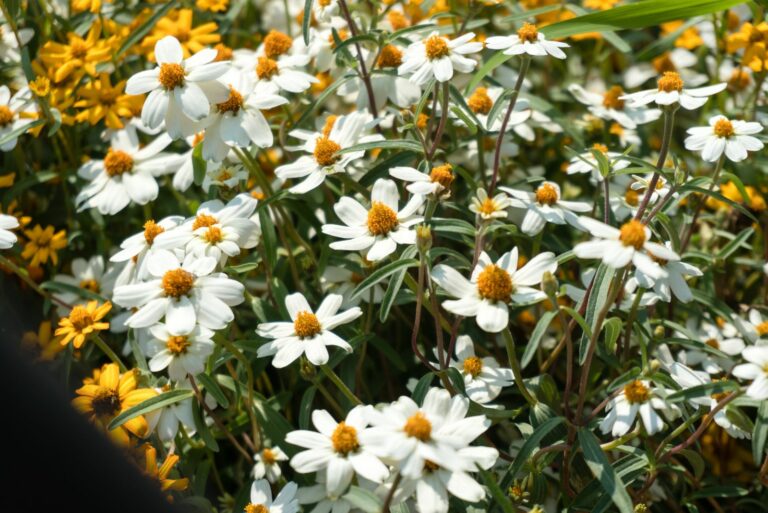
The flowers themselves look modest. They are small, white, and clustered in tight little bundles at the tops of the stems.
But appearances can be deceiving. Those tiny blooms are absolutely packed with nectar, and pollinators seem to know it instantly.
Research from native plant organizations has shown that mountain mint ranks among the top native plants for pollinator diversity. That means it does not just attract honeybees.
It brings in native bees like bumblebees, sweat bees, and mining bees that are often overlooked but critically important to local food systems.
Butterflies love it too. Skippers, swallowtails, and fritillaries all visit regularly during the bloom season, which can stretch from July well into September depending on conditions.
That long bloom window makes it especially valuable when other nectar sources start to slow down.
Gardeners who grow mountain mint often say it becomes the most active spot in their yard during summer. Watching all that wildlife move through a single plant is genuinely exciting.
It makes the garden feel alive in a way that is hard to describe until you experience it yourself.
Easy To Grow
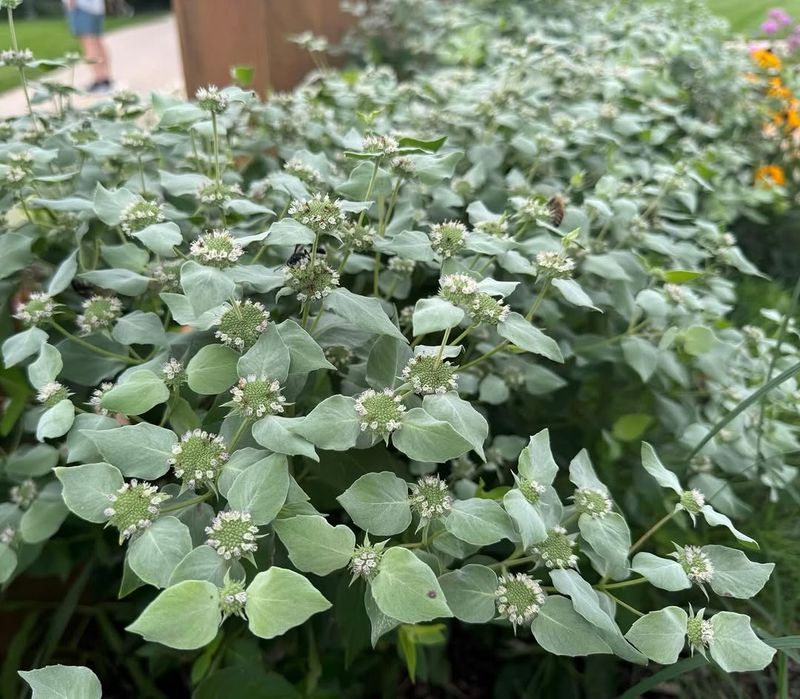
Good news for anyone who does not want to spend every weekend fussing over their garden: mountain mint is genuinely easy to grow. It thrives in full sun but tolerates part shade without complaining.
You do not need rich, perfectly amended soil to get it going. Average garden soil works just fine, and it even handles clay better than most herbs.
Start by planting it in a spot that gets at least six hours of sunlight each day. Water it regularly during the first growing season to help it settle in.
After that, you can mostly step back and let it do its thing. Once established, mountain mint becomes impressively drought tolerant, which is a real advantage during Pennsylvania summers that can turn dry without much warning.
Spacing matters when you plant mountain mint. Give each plant about two feet of room in every direction.
It will slowly spread by underground rhizomes, which is actually a good thing if you want it to fill an area. Just keep that spreading habit in mind when choosing your planting spot.
No special fertilizers are needed. No complicated pruning schedules. No winter mulching in most Pennsylvania zones. Mountain mint simply grows, blooms, and comes back the following spring with very little help from you.
For gardeners who are new to native plants or just want something reliable without a steep learning curve, mountain mint is a fantastic starting point.
It builds your confidence and rewards your effort with fragrant foliage and a long bloom season that keeps the garden looking lively all summer long.
Better Than Ordinary Mint
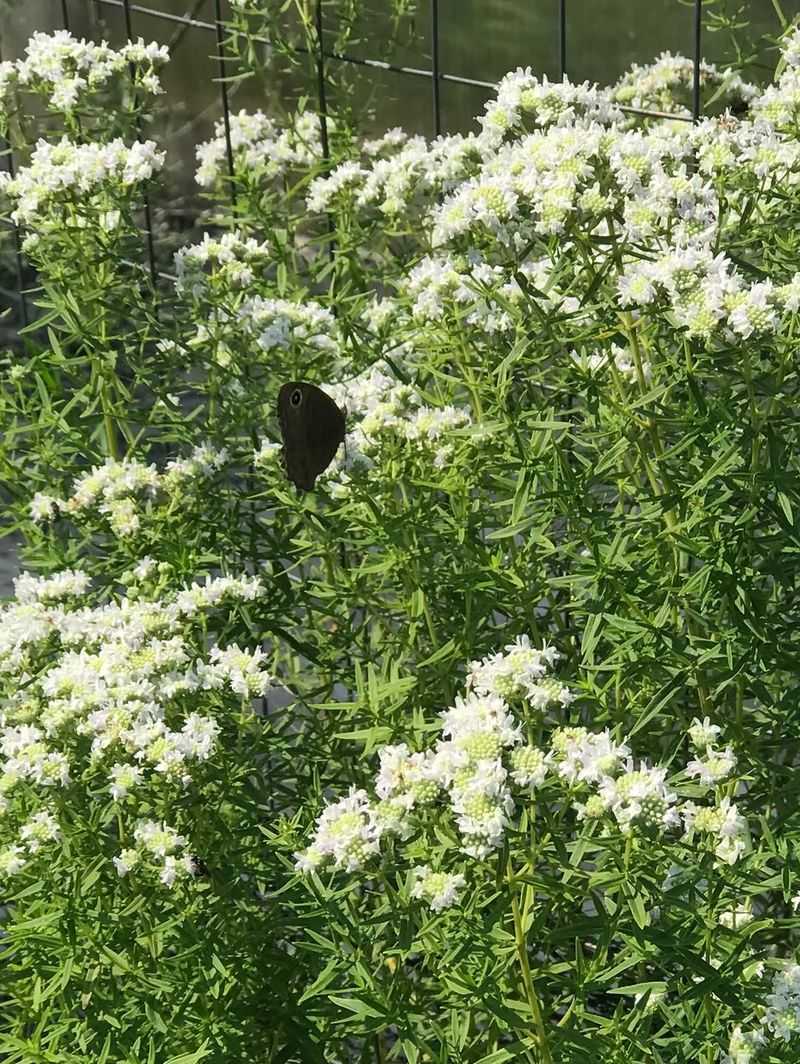
Anyone who has ever planted common peppermint or spearmint in a garden bed knows the story. You put in one small plant, and within two seasons it has taken over every inch of soil it can reach.
It escapes into the lawn, creeps under fences, and shows up where you absolutely did not invite it. Mountain mint has a much better reputation when it comes to garden manners.
Mountain mint does spread, but it does so at a reasonable pace. It forms a clump that gradually expands outward rather than sending runners racing across the garden in every direction.
With a little light management once or twice a season, you can easily keep it exactly where you want it.
The fragrance is similar to peppermint but with its own personality. Some people describe it as mintier and cleaner.
Others notice a slightly sharper, more herbal edge that makes it feel more like a wild plant than a kitchen staple. Either way, brushing against the leaves releases a scent that instantly refreshes the air around you.
Mountain mint leaves can be used in teas, as a culinary herb in small amounts, and even as a natural insect repellent when crushed. That versatility gives it more practical value than many ornamental plants that only look pretty without offering anything useful in return.
Swapping ordinary mint for mountain mint in part of your garden is a decision most gardeners do not regret. You get the minty charm you love with far less of the aggressive spreading that makes common mint such a handful to manage over time.
How To Bring It Back
Bringing mountain mint back into Pennsylvania gardens does not require a complicated plan. Start simple: buy two or three plants from a local native plant nursery and group them together.
Planting in clusters looks more natural and gives pollinators a bigger target to find. A single isolated plant is easy to miss, but a group of three makes a real statement in the garden.
Give your plants enough space to naturalize over time. A spot that is three to four feet wide works well for a starter planting.
As the clump grows each year, you can divide it in spring and spread it to other areas of your yard or share divisions with neighbors who want to try it.
If the plant spreads beyond the space you set aside, trim the edges in late spring or early summer before it gets too established. A sharp spade pushed straight down into the soil cuts off the spreading rhizomes cleanly and keeps the clump in check without much effort.
When fall arrives, resist the urge to cut everything down to the ground right away. Leaving some hollow stems standing through winter provides shelter for small native bees that nest inside plant stems.
It is a small gesture that makes a real difference for local wildlife. Mountain mint is a bridge between old-fashioned herb gardening and the modern native plant movement.
Growing it connects you to Pennsylvania’s natural heritage while giving your garden something genuinely useful, beautiful, and alive.
Start with one small patch this season and see how quickly it earns a permanent place in your yard.