Pennsylvania Gardeners Are Replacing Vinca With These Native Ground Covers
Vinca has covered countless Pennsylvania garden beds for decades, and it earned its place the straightforward way. It spreads, it stays green, it handles shade, and it asks for almost nothing in return.
What it does not do is contribute anything meaningful to the local ecosystem. In Pennsylvania it has crossed the line from useful groundcover to documented invasive, spreading beyond garden beds into natural areas where it outcompetes native plants and degrades habitat.
More Pennsylvania gardeners are recognizing that trade-off and looking for alternatives that cover ground just as effectively without the ecological cost.
Native groundcovers have come a long way in terms of availability and variety, and several of them match vinca’s practicality while adding seasonal blooms, wildlife value, and a naturalness to the landscape that imported groundcovers simply cannot offer.
The switch is one of the more impactful changes a Pennsylvania gardener can make, and the results tend to look better than the vinca ever did.
1. Wild Ginger
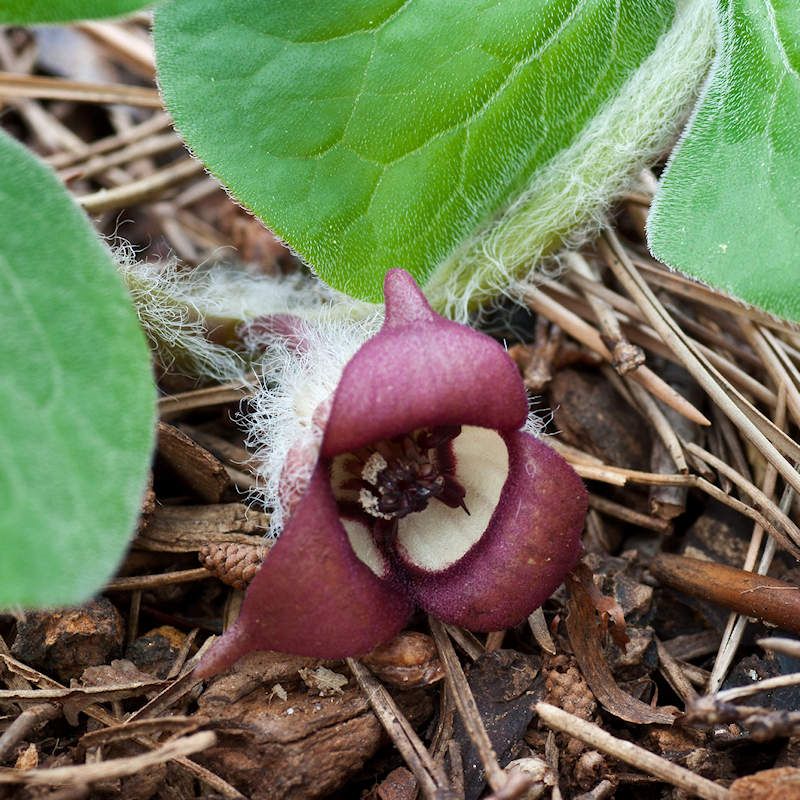
Imagine a plant so well-designed for the forest floor that it almost looks like nature placed it there on purpose. Wild Ginger, or Asarum canadense, is native to Pennsylvania and does exactly that.
Its broad, heart-shaped leaves grow low to the ground and spread slowly but steadily to form a thick, lush carpet.
Unlike vinca, Wild Ginger stays where you put it. It does not escape into wild areas or crowd out other native plants.
That alone makes it a favorite among gardeners who care about keeping local ecosystems healthy. The dense leaf coverage also shades out weeds, which means less work for you.
Wild Ginger thrives in shaded spots, especially under large trees where grass refuses to grow. It prefers moist, well-drained soil rich in organic matter. If you have a woodland garden or a shady corner that needs filling, this plant is a natural fit.
One fun fact: Wild Ginger gets its name from the spicy scent its roots give off when crushed, similar to culinary ginger. The two plants are not related, but the smell is surprisingly similar.
Deer tend to leave it alone, which is a huge bonus for Pennsylvania gardeners dealing with wildlife pressure.
Planting Wild Ginger is straightforward. Space plants about six to twelve inches apart and water them regularly until established.
Once settled in, they require very little attention and reward you with year-round greenery that looks polished and completely at home.
2. Allegheny Spurge
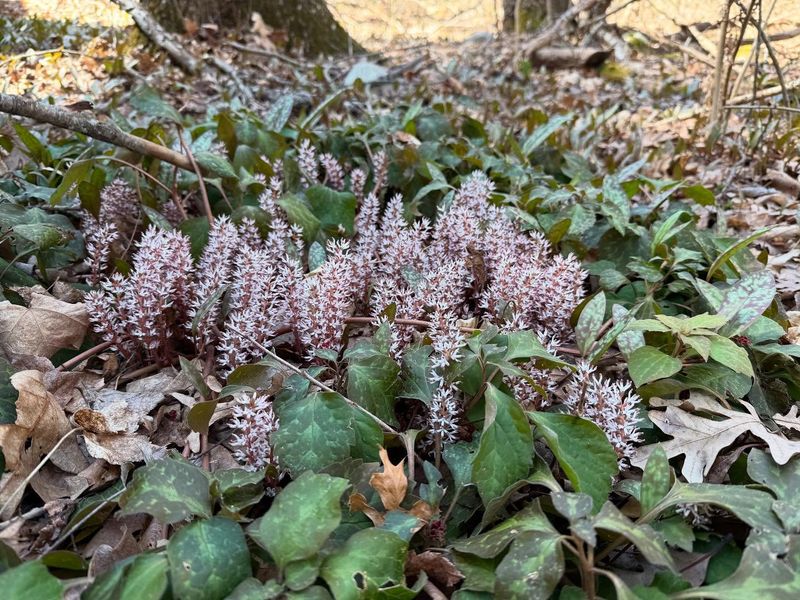
Not every plant gets to brag about being both beautiful and low-maintenance, but Allegheny Spurge, or Pachysandra procumbens, pulls it off with ease.
This native alternative to the commonly used Japanese Pachysandra offers something truly special: a semi-evergreen habit that keeps your garden looking alive through most of the year, even in Pennsylvania winters.
The leaves are mottled with silver and green, giving them an almost painted appearance. In early spring, small white or pinkish flower spikes pop up before the new leaves fully emerge.
It is one of those quiet surprises that makes a garden feel magical without requiring any extra effort from the gardener.
Your Pennsylvania Garden Changes Every Week. Your Plan Should Too.
Gardening in Pennsylvania changes quickly throughout the season. Every Friday you’ll receive a simple weekly plan showing exactly what to plant, prune, fertilize, harvest, and protect so you never miss the right timing.
Allegheny Spurge prefers shaded to partly shaded areas with moist, humus-rich soil. It grows slowly at first, but once established, it spreads into a reliable, weed-suppressing mat. Patience is key with this one, but the payoff is absolutely worth it.
One major advantage over vinca is that Allegheny Spurge is not invasive. It stays neatly within its designated area, which makes it ideal for planting near natural spaces or woodland edges.
Pennsylvania gardeners who live near parks or forests will especially appreciate this quality.
Care is minimal once the plant is established. Water it during dry spells and add a layer of leaf mulch in the fall to mimic its natural woodland habitat.
Over time, this native beauty will fill in gaps beautifully and become one of the most reliable plants in your shade garden.
3. Pennsylvania Sedge
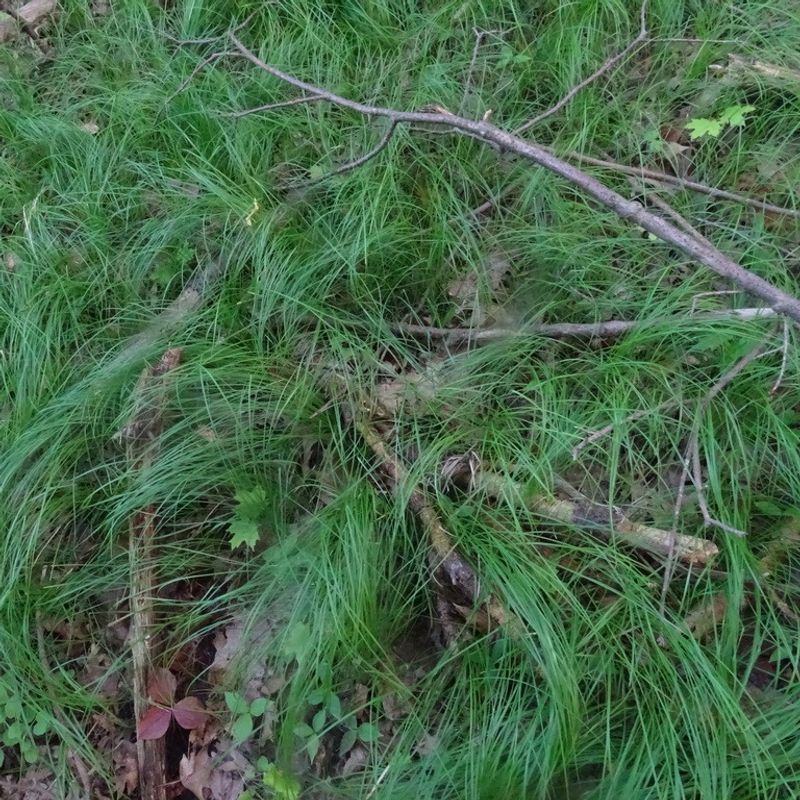
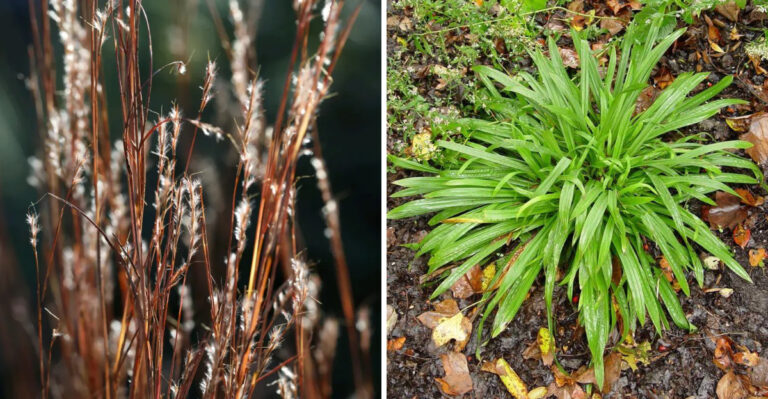
There is something undeniably satisfying about a ground cover that looks like a tiny meadow tucked right beneath your trees. Pennsylvania Sedge, or Carex pensylvanica, creates exactly that effect.
Its fine, arching blades grow just six to ten inches tall and form a soft, flowing carpet that moves gently in the breeze.
This sedge is native to Pennsylvania and naturally grows in dry to moderately moist shaded areas, especially under oak trees. That makes it a perfect solution for those tricky spots where grass refuses to thrive and vinca seems like the only option.
Pennsylvania Sedge handles shade, dry soil, and tree root competition better than almost any other ground cover.
One of the best things about this plant is how little it asks of you. Once established, it rarely needs watering, does not require fertilizer, and only needs a light trim in early spring to look tidy.
For busy gardeners or those looking to reduce yard maintenance, this is a dream come true.
Birds and small mammals benefit from Pennsylvania Sedge too. The seeds provide food, and the dense mat offers shelter for ground-nesting insects and other small creatures. Swapping vinca for this sedge is not just a gardening win, it is an ecological one.
Planting is simple. Space plugs about six to twelve inches apart in a shaded area and water them through the first season.
By year two or three, you will have a lush, natural-looking carpet that feels like it has always been there.
4. Foamflower
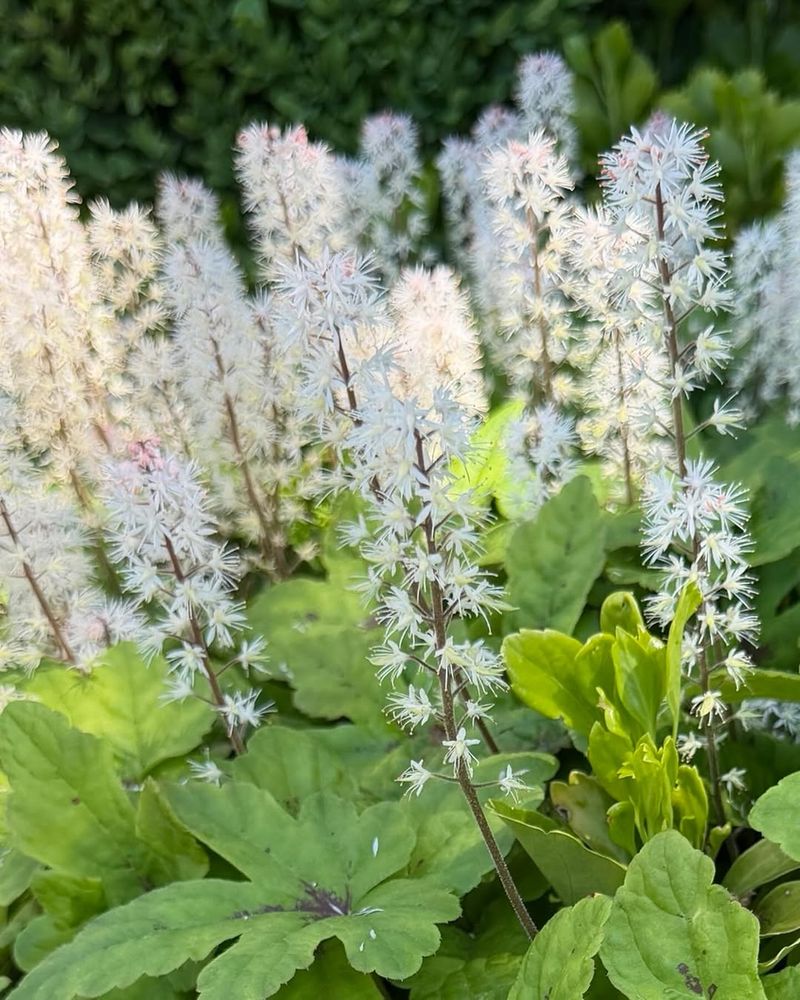
Few native plants have a name as charming as Foamflower, and fewer still live up to it as well.
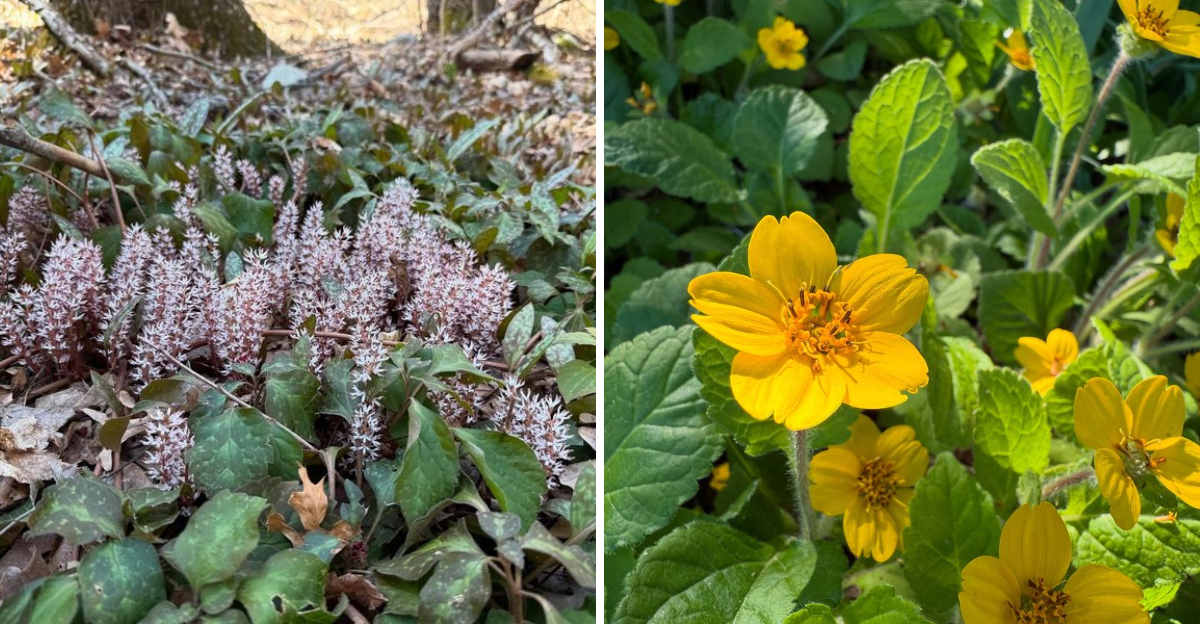
Tiarella cordifolia earns its name every spring when it sends up fluffy, foam-like spikes of white or pale pink flowers above a rosette of attractive, maple-shaped leaves. It is one of the most cheerful sights in a shade garden.
Beyond its looks, Foamflower is a practical choice for Pennsylvania gardeners. It spreads gently through stolons, which are short horizontal runners, filling in gaps without becoming aggressive.
You stay in control of how far it goes, which is a welcome change from vinca’s tendency to take over everything in sight.
Foamflower grows best in moist, shaded conditions with rich, well-drained soil. It is a natural fit for woodland gardens, shaded borders, and areas beneath deciduous trees.
The foliage often develops beautiful reddish or purple markings in fall, giving you seasonal interest long after the flowers have faded.
Pollinators love Foamflower. Bees are especially drawn to its spring blooms, making it a smart choice for gardeners who want to support local pollinator populations.
Replacing vinca with Foamflower is a simple way to make your yard more wildlife-friendly without sacrificing visual appeal.
Maintenance is refreshingly simple. Water regularly during the first growing season and apply mulch to keep roots cool and moist.
After that, Foamflower largely takes care of itself. Divide clumps every few years to keep plants vigorous and to spread them to new areas of your garden.
5. Green-And-Gold
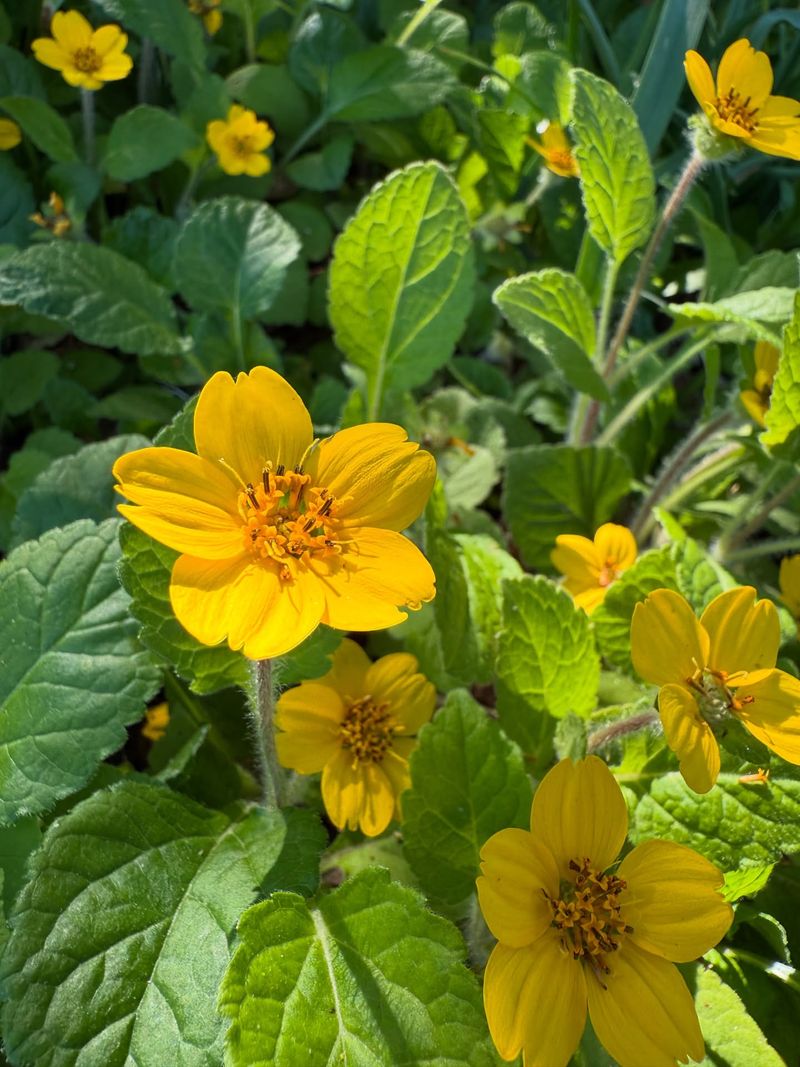
If your garden could use a little sunshine, Green-and-Gold is ready to deliver. Chrysogonum virginianum is a low-growing native perennial that earns its cheerful name with bright yellow, star-shaped flowers that bloom from spring through early summer, and sometimes again in fall.
It is one of the most visually rewarding native ground covers available to Pennsylvania gardeners.
Growing just six to nine inches tall, Green-and-Gold spreads steadily without becoming a nuisance.
The semi-evergreen foliage stays attractive through most of the year, and its dense growth habit does an impressive job of crowding out weeds. Less weeding means more time enjoying your garden, which sounds like a great deal.
Green-and-Gold handles a range of light conditions, from full sun to partial shade, making it more versatile than many other ground covers.
It prefers well-drained soil but adapts to average garden conditions without complaint. This flexibility makes it useful in a variety of landscape settings across Pennsylvania.
Pollinators, particularly native bees and butterflies, are big fans of the yellow blooms. Planting Green-and-Gold in areas where you previously used vinca creates a welcoming habitat for these important insects.
You get a prettier garden and a healthier local ecosystem at the same time. Caring for Green-and-Gold is wonderfully uncomplicated. Water it during dry periods and cut back any straggly stems in early spring to encourage fresh, tidy growth.
Over time, clumps can be divided and replanted to expand your coverage, giving you more bang for your gardening buck each season.
6. Christmas Fern
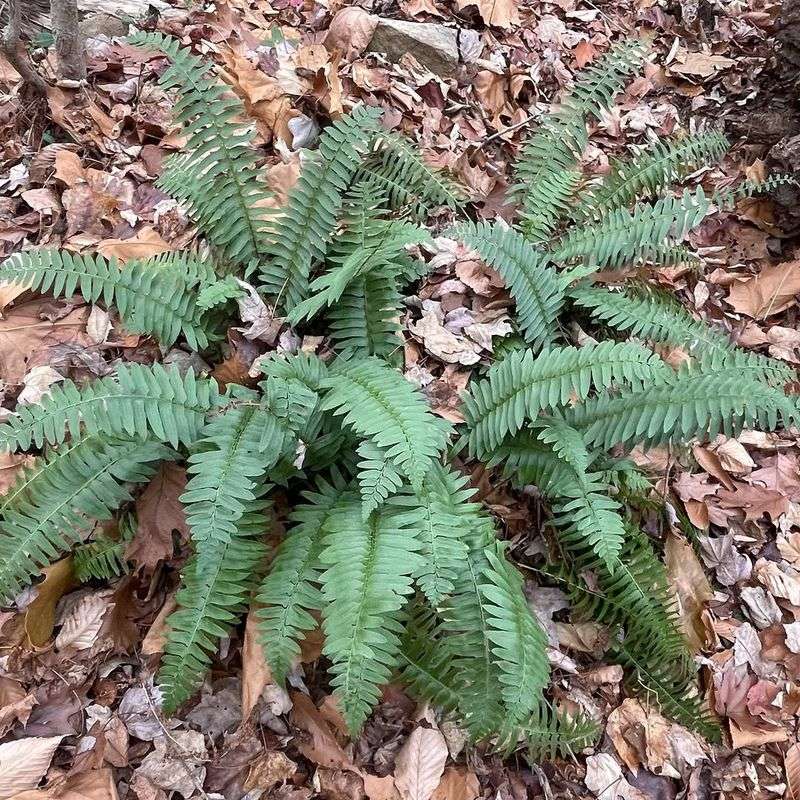
Walk through any Pennsylvania woodland in December and you will likely spot Christmas Fern standing tall and green while everything else around it has gone brown.
Polystichum acrostichoides gets its name from this reliable winter presence, and it has been a beloved part of the Pennsylvania landscape long before anyone thought to use it in a garden.
As a ground cover, Christmas Fern brings something vinca simply cannot: genuine texture. The dark, glossy fronds arch gracefully outward from a central crown, creating a layered, natural look that adds depth to shaded borders and woodland gardens.
Each frond can reach up to two feet long, making this a bold and striking choice. Christmas Fern thrives in shade to partial shade and prefers moist, well-drained soil.
It handles rocky, sloped terrain especially well, which makes it an excellent option for erosion control on shaded hillsides.
Pennsylvania gardeners dealing with sloped yards near tree lines will find it particularly useful.
Wildlife benefits are worth mentioning too. The fronds provide cover for small birds and mammals during harsh winters, and some insects use the plant as a habitat.
Swapping out vinca for Christmas Fern quietly transforms your yard into a more functional piece of the local ecosystem.
Getting Christmas Fern established is not complicated. Plant it in a shaded spot with amended soil and water it consistently through the first season.
After that, it is remarkably tough and self-sufficient, requiring little more than the occasional removal of old fronds in early spring to keep it looking its best.
7. Creeping Phlox
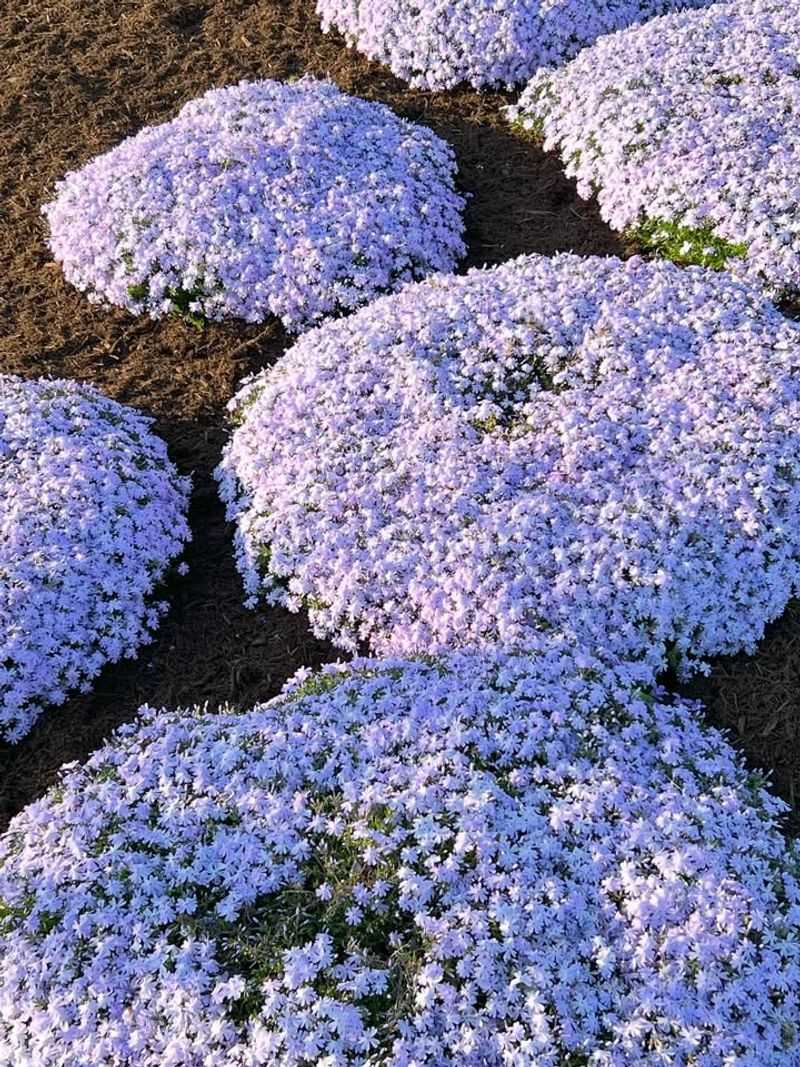
Every spring, something almost unbelievable happens in Pennsylvania gardens where Creeping Phlox has been planted.
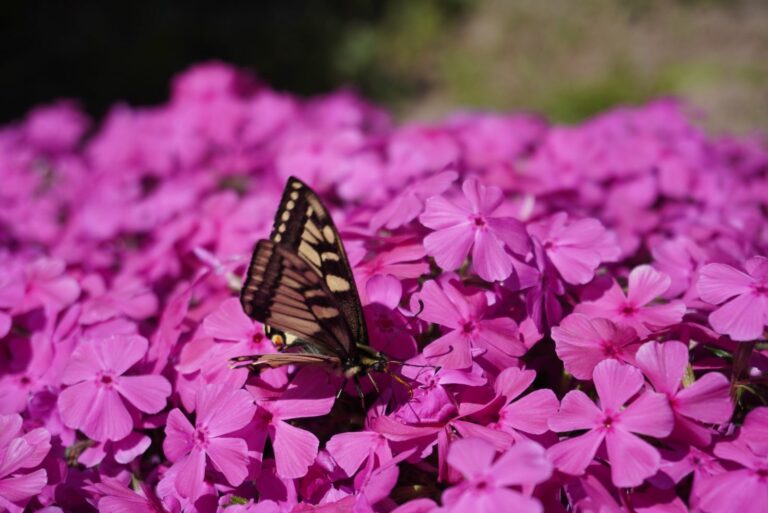
The entire plant disappears under a thick blanket of tiny, five-petaled flowers in shades of pink, purple, white, or lavender. For a few glorious weeks, it looks less like a ground cover and more like a flower explosion.
Phlox subulata is native to the eastern United States, including Pennsylvania, and it is perfectly suited for sunny spots where vinca is often planted.
Unlike vinca, which can creep into unwanted areas, Creeping Phlox stays relatively contained and does not pose a threat to nearby natural areas. That makes it a responsible and beautiful choice.
The plant grows just four to six inches tall but spreads up to two feet wide over time. It forms a dense, weed-suppressing mat of needle-like evergreen foliage that looks tidy even when it is not in bloom.
Slopes, rock gardens, and sunny borders are all ideal locations for this tough little plant. Pollinators absolutely go wild for Creeping Phlox. Butterflies, bees, and even hummingbirds visit the blooms regularly during spring.
Adding this plant to your yard is one of the easiest ways to support pollinators while also giving your garden a serious visual upgrade.
Maintenance is refreshingly minimal. After the blooms fade, give the plant a light trim to encourage fresh growth and a more compact shape.
Water during dry spells, especially in the first year, and enjoy a plant that rewards you generously for very little effort each and every season.