The Container Plant Mistake That’s Quietly Standing Between You And A Thriving Illinois Summer Garden
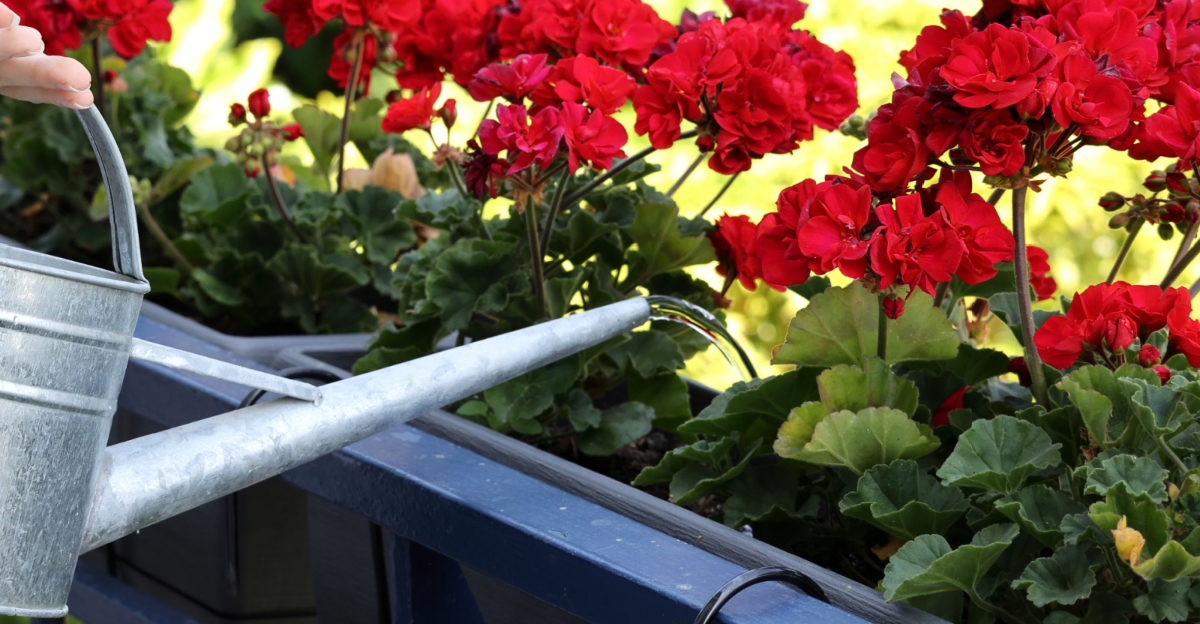
You check on your containers every evening, admire the blooms, and still catch yourself wondering why the leaves droop by the next afternoon. It is not neglect.
Something else is happening beneath the surface. It trips up even seasoned gardeners, because containers demand more water than instinct suggests, especially once real heat settles in.
An Illinois summer can push a small pot from cool and moist to bone dry in a matter of hours, long before you notice anything is wrong.
Unlike garden beds, where roots stretch deep into cool earth, potted plants live in a shallow world that heats up fast and holds almost nothing in reserve.
A single splash from the watering can feels productive, but it barely wets the surface before evaporating. Once you see what is happening beneath that thin layer of soil, you will understand why.
This matters most during an Illinois heatwave, when you should rethink your entire watering routine before the season gets the better of your plants.
Watering Lightly Every Day Instead Of Deeply Less Often
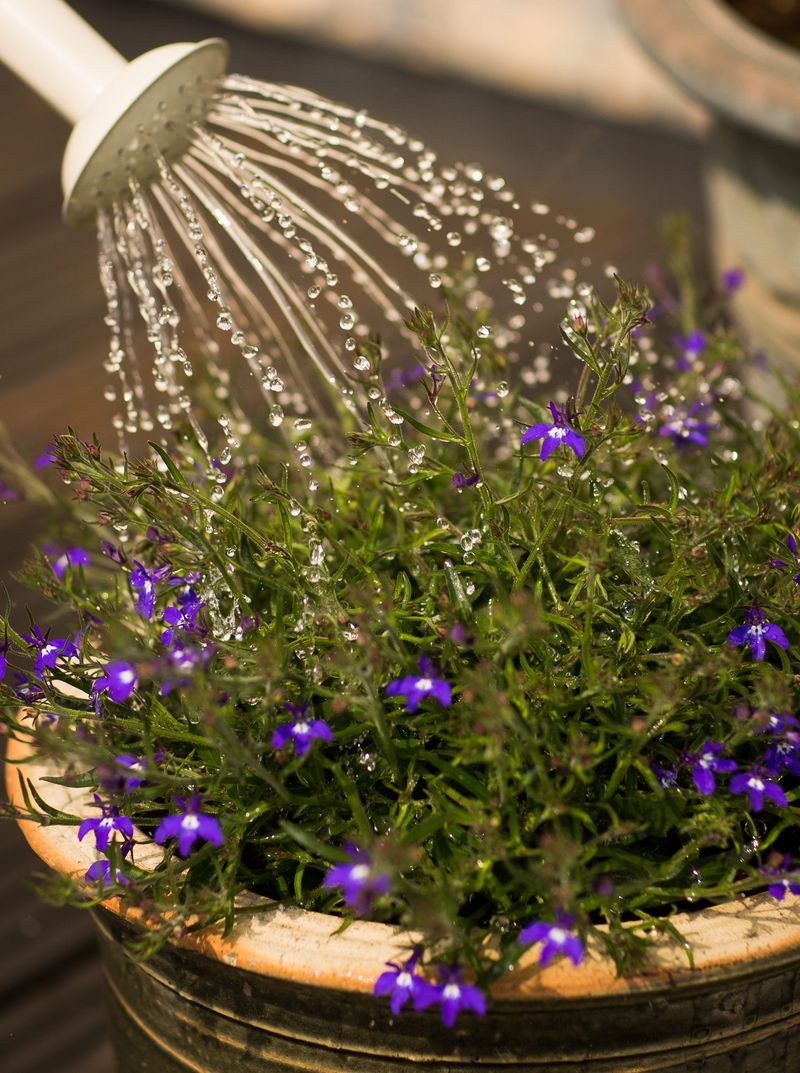
Light daily watering feels responsible, but it is quietly limiting your plants’ growth. The top inch of soil gets wet while the roots below stay completely dry.
Roots grow downward, chasing moisture deep in the pot. When only the surface gets wet, roots never reach down and stay weak near the top.
Shallow roots make plants fragile during heat. A plant with surface-level roots wilts fast when temperatures spike in the afternoon sun.
Deep watering means soaking the soil until water drains freely from the bottom holes. That signals the entire root zone has received enough moisture to survive.
Most containers need deep watering every two to three days in summer, though the exact schedule depends on pot size, material, and how much direct sun they get.
On extremely hot days, that schedule may shift to every day, but the method stays the same.
Pour water slowly and steadily until you see it flowing out of the drainage holes. Stop, wait two minutes, then water again to make sure the soil absorbed it fully.
Skipping this second pass is a common error. Dry soil repels water at first, so the initial pour often runs straight through without soaking in properly.
Think of it like wetting a dry sponge. You have to wet it slowly before it can actually hold any water and deliver it where it needs to go.
Changing this one habit can transform your containers. Your plants will reward you with stronger stems, deeper color, and blooms that actually last through July heat.
Why Containers Dry Out Faster Than Garden Beds In Summer
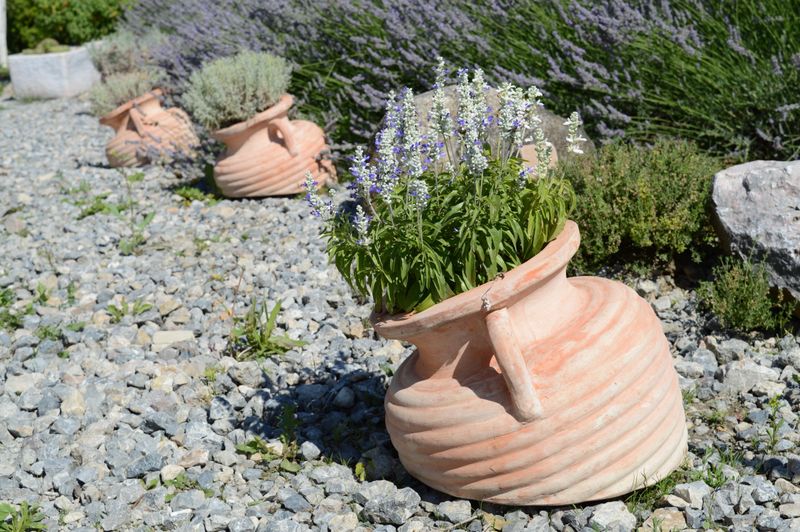
Garden beds have a secret weapon: the earth itself. Ground soil connects to deeper layers of cool, moist earth that containers simply cannot reach.
A pot is isolated on all sides. Sun hits the sides, the top, and even the bottom if it sits on hot pavement or a dark surface.
Your Illinois Garden Changes Every Week. Your Plan Should Too.
Gardening in Illinois changes quickly throughout the season. Every Friday you’ll receive a simple weekly plan showing exactly what to plant, prune, fertilize, harvest, and protect so you never miss the right timing.
That exposure bakes the soil from multiple directions at once. In-ground plants only lose moisture from the top surface, which slows the drying process significantly.
Container soil volume is also much smaller than a garden bed. Less soil means less stored moisture, which means roots run out of water much faster each day.
Clay and sandy potting mixes dry out especially quickly. Commercial potting mixes are designed for drainage, which is great for roots but brutal during a summer heatwave.
The container plant mistake that quietly wrecks summer gardens is assuming pots behave like garden beds. They do not, and treating them the same way sets you up for failure.
Black pots sitting on concrete can reach internal temperatures above 100°F. That level of heat evaporates soil moisture in just a few hours on a sunny afternoon.
Even shaded containers lose water faster than ground plantings. The limited soil volume just cannot hold enough moisture to buffer against the surrounding heat.
Understanding this difference changes how you approach your whole summer routine. Once you accept that containers need more attention, the path forward becomes much clearer and easier to manage.
How Pot Material And Color Make Heat Stress Worse
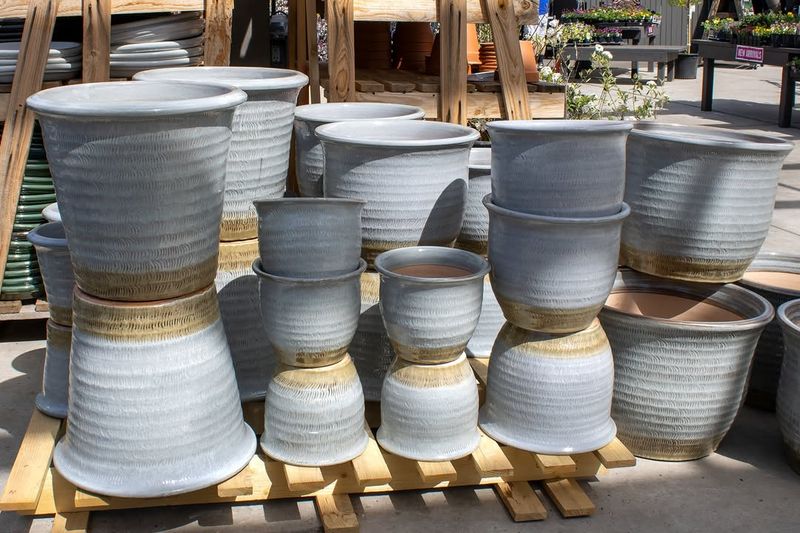
Not all pots are created equal when the sun is blazing. The material and color of your container play a huge role in how fast the soil inside heats up.
Dark-colored plastic pots absorb heat like a sponge. On a 90°F Illinois afternoon, the soil inside a black pot can feel like it belongs in an oven.
Terracotta pots are breathable and beautiful, but they lose moisture through their porous walls. Plants in terracotta need water more often than those in glazed ceramic or plastic, especially during an Illinois summer.
White and light-colored pots reflect sunlight instead of soaking it in. That simple color difference can keep root-zone temperatures several degrees cooler throughout the day.
Metal containers are among the worst offenders in summer heat. Thin metal walls conduct heat directly into the soil, creating conditions that can stress roots quickly.
Fabric grow bags offer a surprising advantage. Their breathable walls allow air pruning of roots and prevent heat buildup better than solid plastic containers of the same size.
Double-potting is a smart trick many Illinois gardeners overlook. Place your planted pot inside a slightly larger decorative one, and the air gap between them acts as insulation.
Choosing light-colored, thick-walled pots can reduce watering frequency noticeably. Less heat absorption means slower evaporation, which means your plants stay hydrated longer between sessions.
Swapping one dark pot for a lighter option costs almost nothing. That small change can make a surprisingly big difference in how your container plants handle summer stress.
Signs Your Container Plants Are Already Struggling From This Mistake
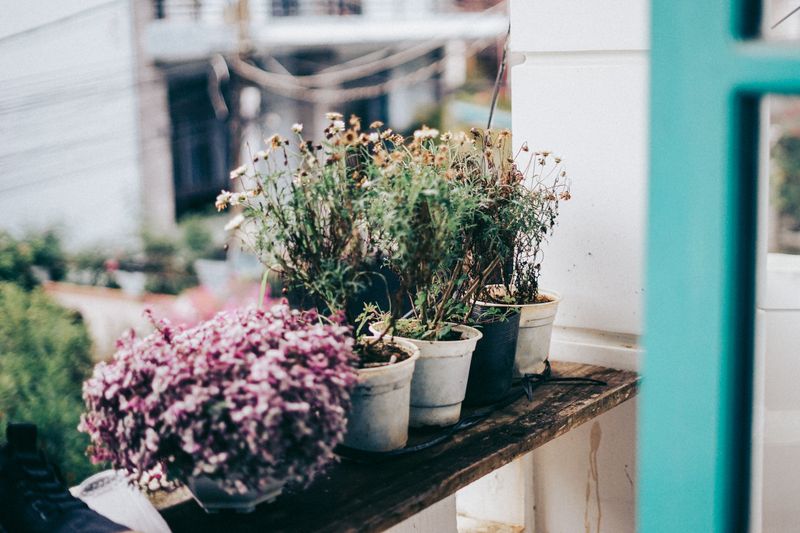
Your plants talk to you every single day. Learning to read those signals early can save a whole season of growth before it slips away completely.
Wilting in the morning is a red flag. Plants can recover from afternoon wilt, but morning drooping means the roots are already severely stressed from lack of moisture.
Leaf edges turning brown and crispy are another warning sign. That browning usually starts at the tips and creeps inward as the plant struggles to stay hydrated.
Soil pulling away from the pot edges is a telltale sign of deep dryness. When you see a gap between the soil and the container wall, the situation is urgent.
Yellowing lower leaves can signal underwatering too. Many gardeners assume yellow means overwatering, but dry soil can also cause nutrient lockout, producing a similar yellow leaf response.
Buds dropping before they open is common and preventable. Flower buds are the first thing a stressed plant sacrifices when it cannot maintain enough moisture for all functions.
Stunted new growth is easy to miss but very telling. When new leaves come in small and pale, the plant is conserving resources instead of growing with confidence.
Stick your finger two inches into the soil to check moisture levels. If it feels dry at that depth, your plant needed water hours ago, not tomorrow morning.
Catching these signs early gives you a real chance to turn things around. The container plant mistake of underwatering is fixable, but only if you act before damage becomes severe.
The Right Way To Water Containers During A July Heatwave
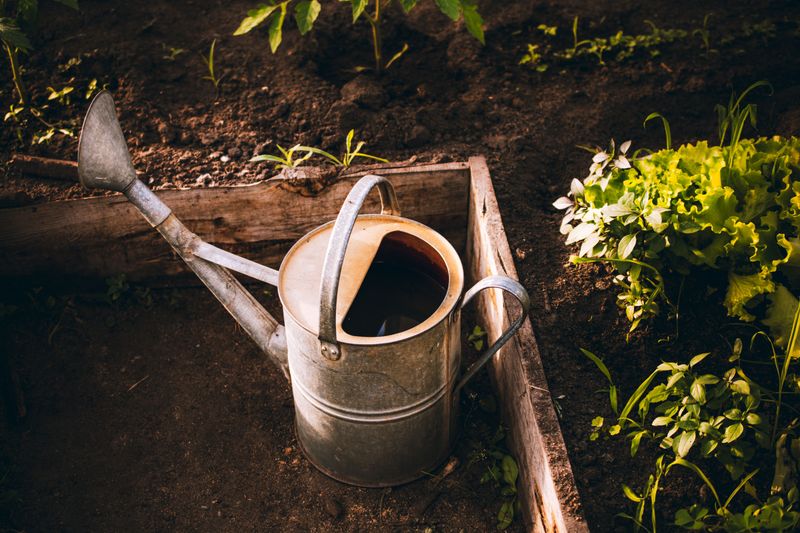
July heatwaves play by completely different rules. What worked in May will not protect your containers when daytime temperatures push past 95°F for days on end.
Water in the early morning whenever possible. Morning watering gives roots hours to absorb moisture before peak heat arrives and evaporation rates skyrocket by midday.
Avoid watering in the full heat of the afternoon if you can help it. Wet foliage under intense sun can scorch leaves, and the water evaporates before roots can use it.
Evening watering works as a backup plan during extreme heat. Just avoid soaking the leaves, since wet foliage overnight can invite fungal problems in humid summer air.
During a heatwave, check your containers twice daily instead of once. Morning and late-afternoon checks help you catch moisture loss before plants reach a critical stress point.
Self-watering pots with built-in reservoirs are game-changers during hot stretches. They release moisture slowly from the bottom, keeping roots consistently hydrated without constant manual effort.
Adding a layer of mulch on top of pot soil reduces evaporation dramatically. Even an inch of wood chips or straw can noticeably reduce moisture loss on a scorching afternoon.
Group your containers together during a heatwave. Clustered pots create a microclimate with slightly higher humidity, which slows moisture loss from each individual container.
Getting your watering method right during peak heat is the difference between thriving plants and underperforming ones by the end of the month.
Extra Steps To Protect Container Plants Through Peak Summer Heat
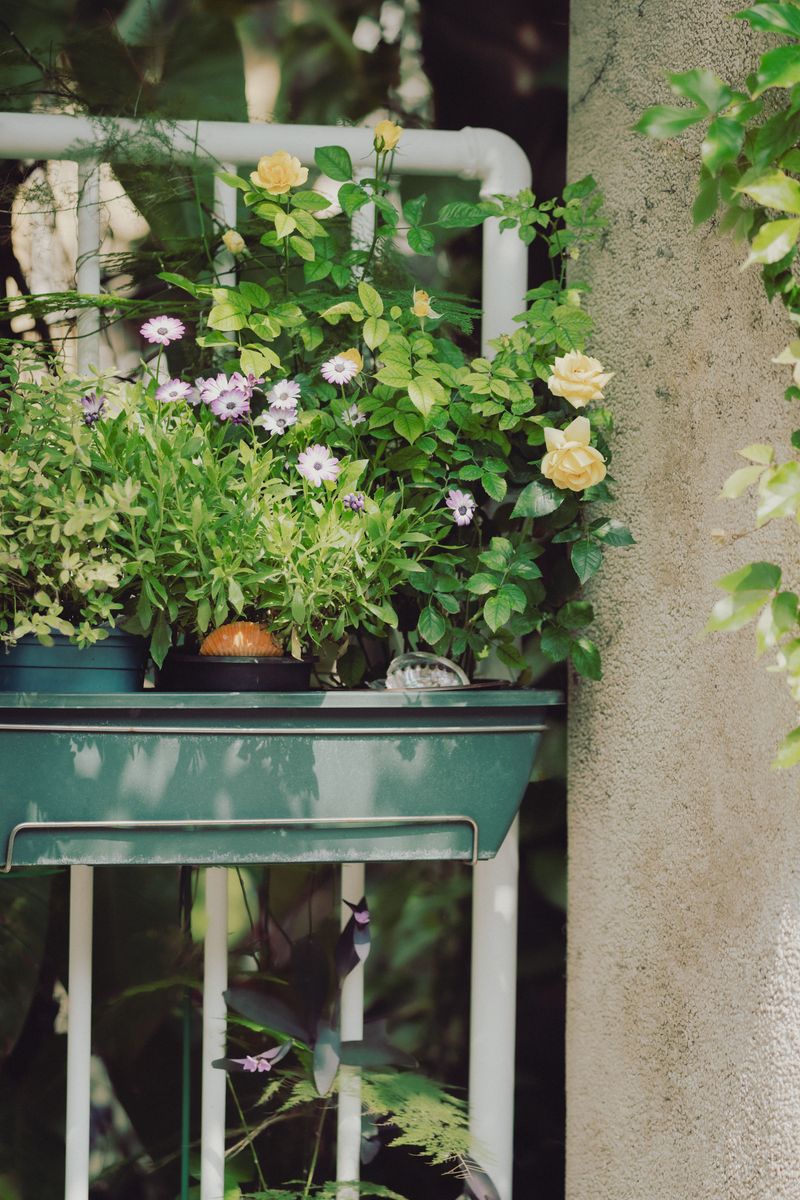
Watering better is essential, but smart gardeners go a few steps further. A handful of simple strategies can dramatically improve how your containers handle summer’s worst days.
Move heat-sensitive pots to afternoon shade during July and August. Even sun-loving plants appreciate a break from direct western sun when temperatures stay above 90°F.
Repot crowded plants into larger containers before summer peaks. Bigger soil volume holds more moisture, which buys your plants extra time between watering sessions on brutal days.
Mix water-retaining crystals into your potting soil at the start of the season if you choose to use them.
These polymer crystals absorb water and release it slowly, acting like tiny reservoirs inside the pot, though some gardeners prefer to avoid them due to ongoing questions about their environmental impact.
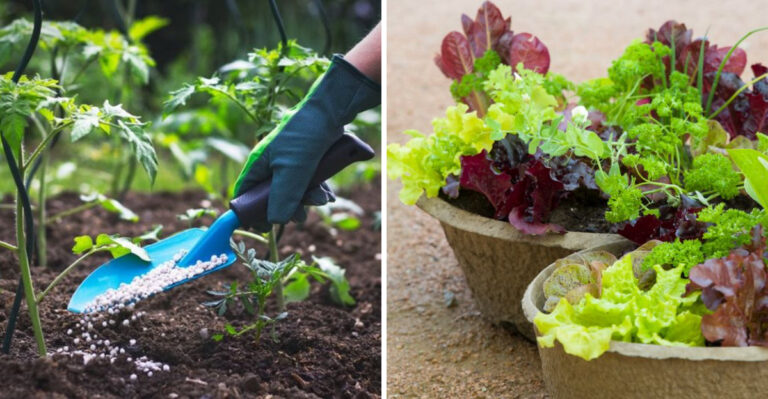
Feed your containers with a balanced liquid fertilizer every two weeks. Stressed plants need nutrition to recover quickly, and liquid fertilizer absorbs faster than granular options during heat.
Trim back overgrown foliage during a heatwave to reduce the plant’s water demand. Fewer leaves mean less surface area losing moisture through transpiration on a scorching afternoon.
Check drainage holes regularly to make sure they are not blocked. Clogged holes trap water at the bottom, causing root rot even while the top soil feels bone dry.
Shade cloth draped over a pot frame can meaningfully lower leaf temperature, depending on the density of the cloth. That kind of cooling makes a real difference when the heat index climbs past comfort.
Protecting your containers through peak heat is not complicated. Avoiding the container plant mistake of underwatering, paired with these extra steps, gives your summer garden its best possible chance to thrive.