That Weed In Your Ohio Lawn Is Actually A Native Gem
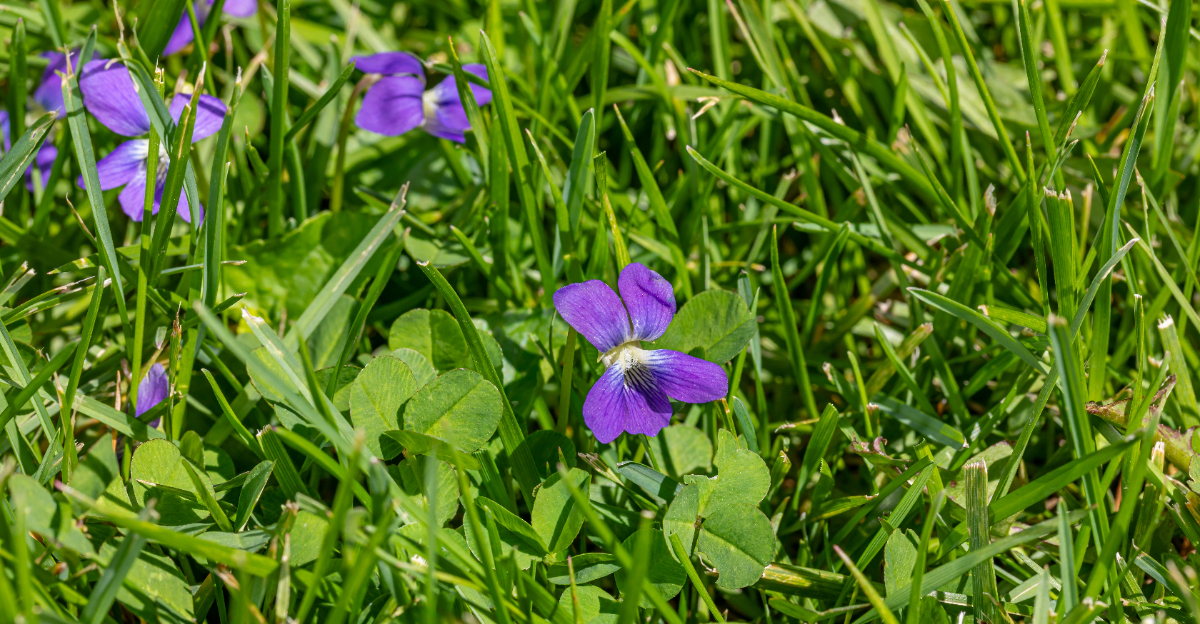
One plant gets pulled, sprayed, and cursed at across Ohio lawns every spring, and almost nobody pulling it knows what they are actually getting rid of.
It shows up uninvited in the grass, spreads faster than most homeowners want, and lands squarely on the list of things a tidy lawn is not supposed to have.
It is also native to Ohio. It supports pollinators that depend on it specifically.
And it has a place in this ecosystem that the turf grass surrounding it can never claim. The gap between how this plant gets treated and what it actually does is significant.
Lawn care culture has trained a lot of Ohio homeowners to see it as a problem rather than what it actually is, a small native success story growing in plain sight. Before the next round of spraying or pulling, this weed deserves a second look.
1. Common Blue Violet Is The Lawn Weed Worth A Second Look
A purple flower pushing up through spring turf tends to get one of two reactions. Some people find it charming.
Others head straight for the garden center looking for a way to remove it. Common blue violet, Viola sororia, sits in a tricky middle ground.
It is both a native plant with real ecological value and a plant that can spread into turf areas where it was not invited.
The word “weed” usually just means a plant growing somewhere a person does not want it. By that definition, common blue violet earns the label in formal lawns.
It spreads on its own, it does not stay in tidy borders, and it can fill shady or damp patches that were meant for grass.
At the same time, this plant has been part of the regional landscape long before lawn seed mixes existed. It supports native insects, feeds caterpillars of certain butterfly species, and blooms in early spring when most lawns offer nothing to pollinators.
Readers with different lawn goals can find something useful here. That might mean learning to manage it or deciding to leave a small patch alone near a shaded tree edge.
2. Heart-Shaped Leaves Help You Identify It Quickly
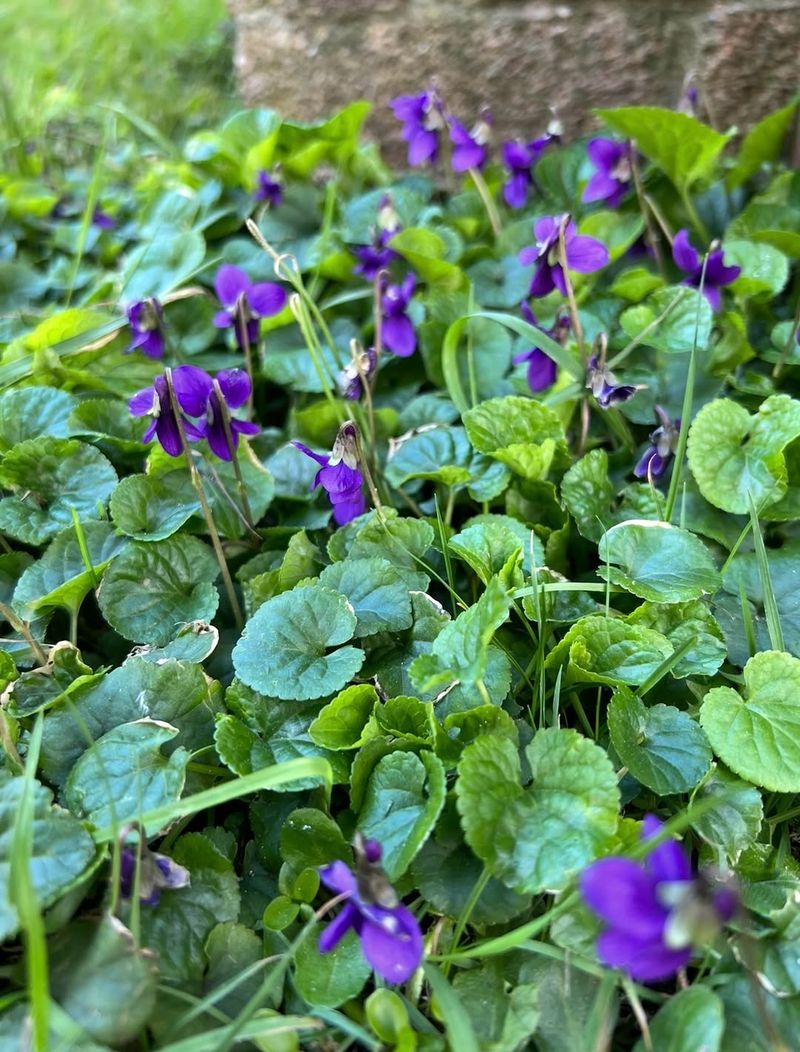
Knowing exactly what plant you are looking at matters before changing any Ohio lawn-care routine. Common blue violet has a few reliable features that make it easier to spot once you know what to look for.
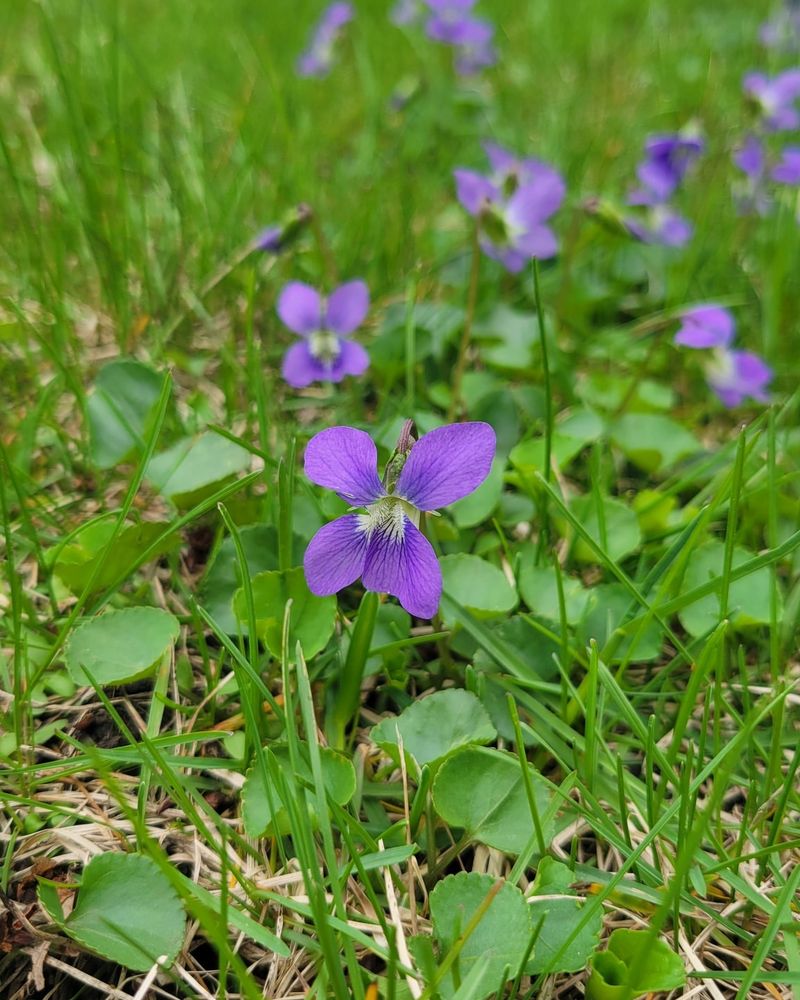
The leaves are heart-shaped with a slightly scalloped or toothed edge, and they grow on long stalks that rise from the base of the plant rather than from a central stem.
The flowers appear in spring, typically from late March into May across most of this state. They range from blue-violet to purple, sometimes with slightly darker veining near the center.
The plant grows low to the ground, which is part of why it survives regular mowing without disappearing entirely.
After the spring bloom fades, the plant keeps producing leaves through summer and into fall. Those leaves are still valuable even without flowers, which matters for wildlife that depends on violet foliage.
Your Ohio Garden Changes Every Week. Your Plan Should Too.
Gardening in Ohio changes quickly throughout the season. Every Friday you’ll receive a simple weekly plan showing exactly what to plant, prune, fertilize, harvest, and protect so you never miss the right timing.
If you are unsure whether the plant in your lawn is common blue violet or something else, get help confirming it before acting. A photo submitted to a cooperative extension service or a plant ID app can help.
Identifying it correctly is the first step toward making a smart decision about what to do next.
3. Spring Flowers Feed Early Native Pollinators
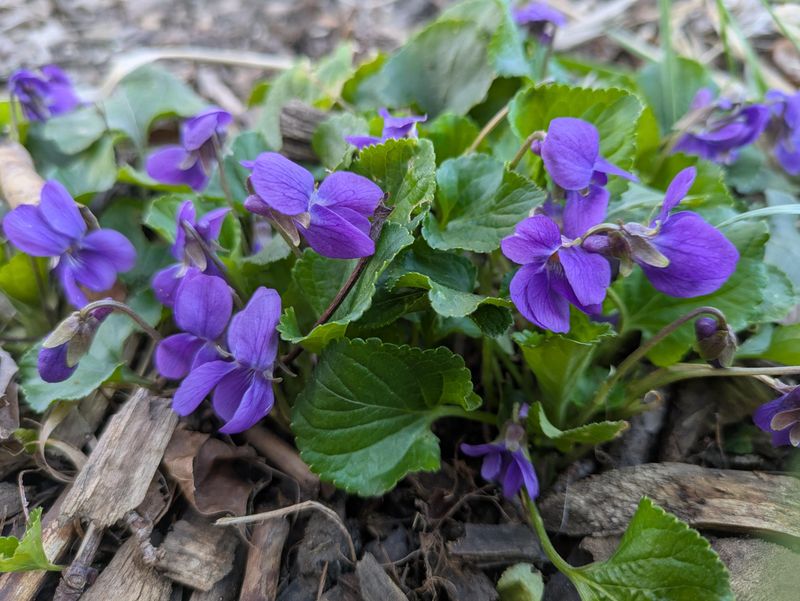
Early spring is a hungry time for native pollinators. Many bee species are just becoming active, and the landscape has not yet caught up with their needs.
Lawn turf in particular tends to offer very little during this window. Common blue violet blooms right in that gap, providing nectar and pollen to early-season visitors including some Ohio native bees that forage on violet flowers.
This does not mean a patch of violets will instantly transform a lawn into a buzzing pollinator habitat. The value is real but modest.
A few violet flowers in a shaded corner are not a substitute for a diverse planting of native flowering plants. They do, however, contribute something when the alternatives in most managed lawns are essentially nothing.
Bumblebee queens, which emerge early and need resources quickly, are among the visitors that may stop at violet blooms. Some smaller native bee species also forage on them.
The flowers are not flashy from a distance, but up close they have a structure that works well for certain pollinators. For homeowners who already have violets growing in a low-use corner or under a tree, leaving those plants alone during bloom time costs nothing.
It also offers a small but genuine benefit to early-season insects.
4. Violet Leaves Support Fritillary Butterfly Caterpillars
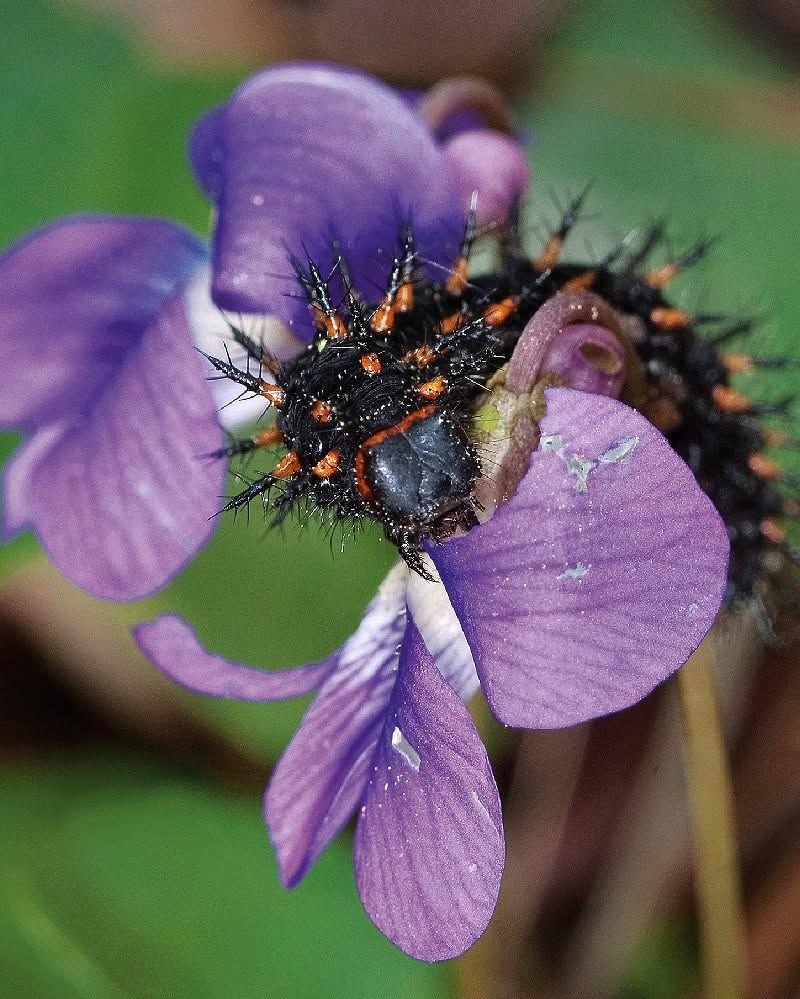
After the spring flowers are gone, the leaves of common blue violet keep doing important work. Several fritillary butterfly species depend on violet foliage as the only food source for their caterpillars.
The great spangled fritillary is one of the most recognized of these, and it is found across much of this state during summer months.
Fritillary females lay eggs near violet plants in late summer. The caterpillars hatch, and in some species, they overwinter in leaf litter before emerging to feed on violet leaves in spring.
Without violets in the landscape, these butterflies cannot complete their life cycle. That connection makes violet foliage more valuable than it might appear to someone who only sees the plant as a lawn intruder.
A single small patch of violets will not guarantee fritillary butterflies in your yard. Butterfly populations depend on many factors, including habitat across a wider area.
What a patch of violet leaves can do is make your yard a possible stop along the way. Readers who already have violets growing near shaded lawn edges or under trees have a host plant in place without doing anything extra.
That is worth knowing before deciding whether to remove every plant from a given area.
5. Shady Moist Lawns Often Let Violets Spread
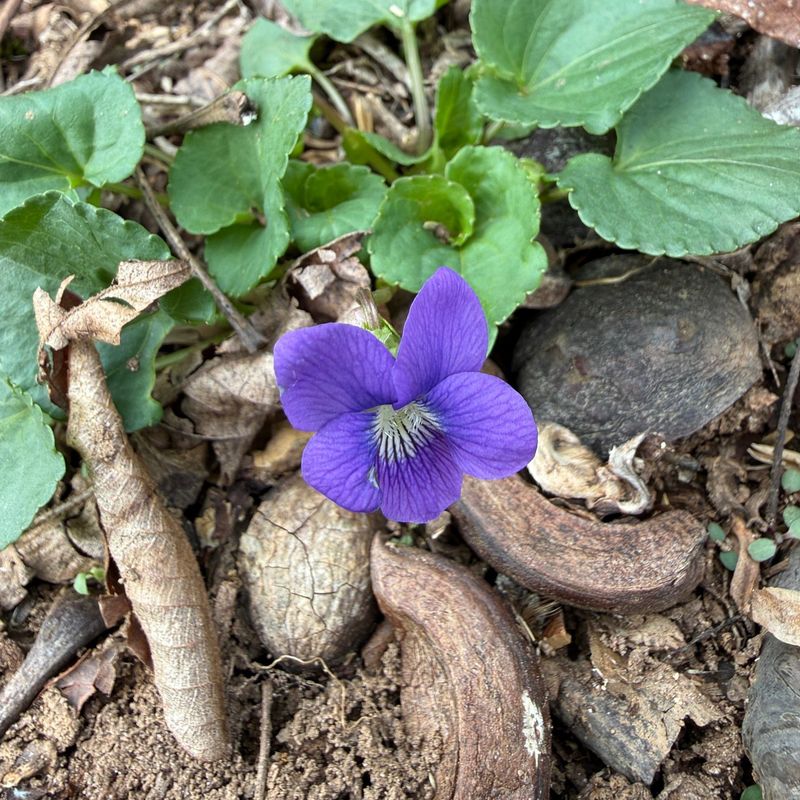
Under a big shade tree, where the grass has thinned out and the soil stays damp after rain, common blue violet tends to feel right at home. These are exactly the conditions where turf grasses often give up.
The combination of low light, compacted soil, and inconsistent moisture makes it hard for most grass varieties to stay thick and healthy.
Common blue violet handles these conditions better than many Ohio lawn plants. It tolerates partial to full shade and does reasonably well in moist or periodically wet soil.
That is not a coincidence. This plant evolved in the understory of regional forests and woodland edges, where those conditions are the norm rather than the exception.
The spreading habit is worth understanding before making any decisions. Common blue violet spreads both by seed and by underground stems called rhizomes.
In favorable spots, it can fill an area steadily over a few seasons. Whether that spreading is welcome or frustrating depends entirely on the gardener.
For someone trying to maintain uniform turf up to the tree line, the spread can feel like a constant battle. For someone willing to let a shaded corner go its own way, the spread means less work in a spot where grass was never going to look great anyway.
Both perspectives are reasonable.
6. Mowing Does Not Erase Its Wildlife Value
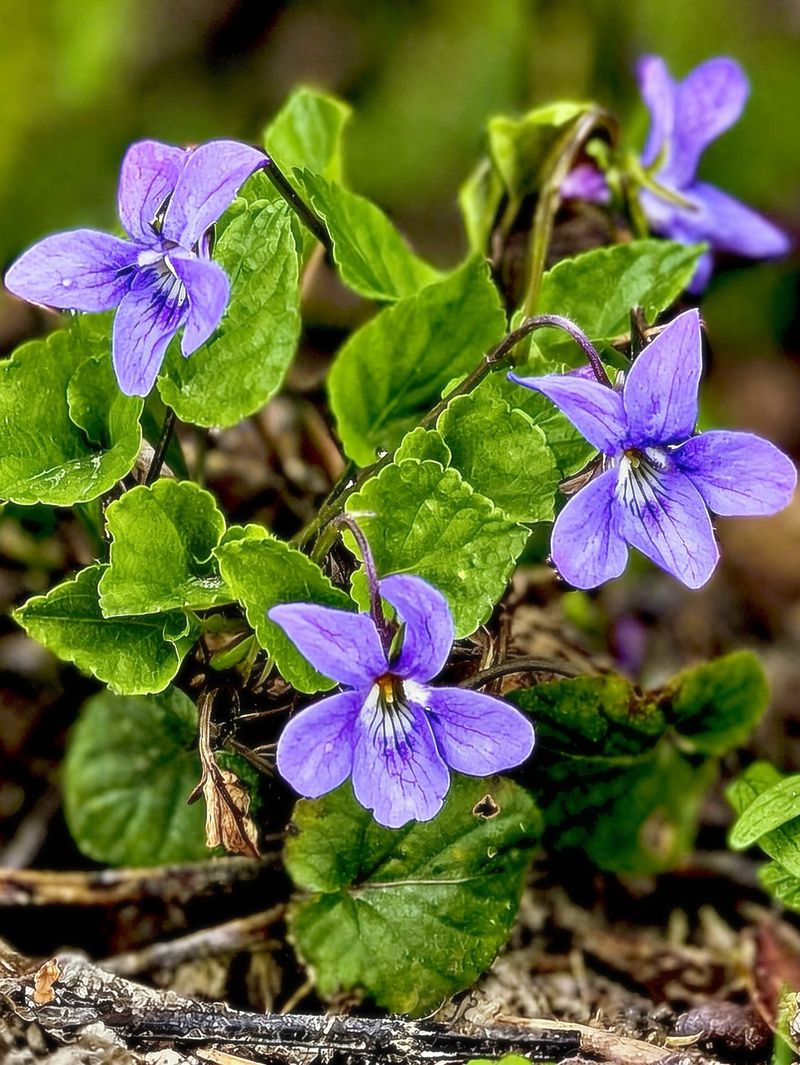
A mower passing over a patch of violets does not remove the plant or its value. Common blue violet grows low enough that standard mowing heights often pass right over the leaves without cutting them down significantly.
The plant survives regular lawn mowing because it has adapted to disturbance over a long time.
That persistence can feel annoying if you are trying to keep a uniform lawn. From a wildlife standpoint, though, it means the leaves remain available to caterpillars even in a managed turf setting.
Mowed violet leaves are still violet leaves. Fritillary caterpillars that hatch near a lawn area are not deterred by a tidy cut.
If you want to allow more spring flowering from violet patches in specific areas, raising the mowing height or delaying mowing in those spots until late spring can help. This does not require turning the whole lawn into a meadow.
A shaded edge near a fence, a strip under a row of trees, or a low-use corner near the back of the yard are all reasonable candidates. They can handle a slightly more relaxed mowing schedule.
The goal is not a perfect wildflower patch. The goal is giving the plant enough time to bloom before the mower comes through again.
7. Let Small Patches Stay Where Grass Struggles
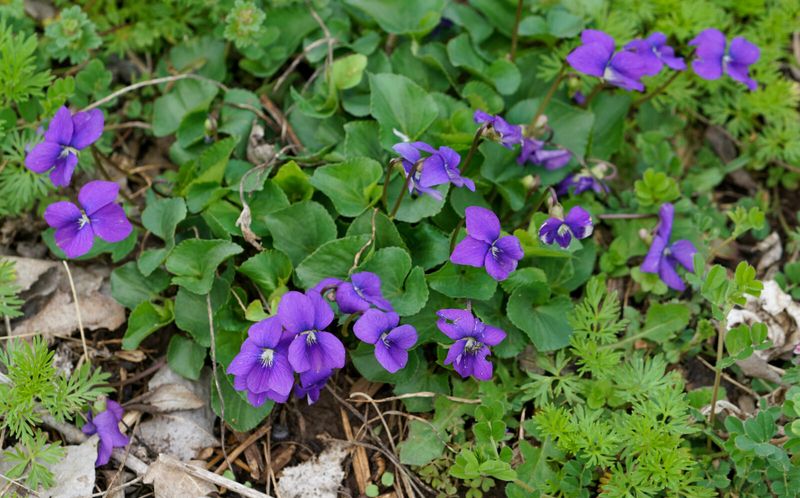
Not every corner of a lawn needs to look the same. Near the base of a large tree, along a shaded fence line, or in a low spot that stays wet after rain, grass often performs poorly.
Extra seed or fertilizer usually does not change that. These are the places where a different approach makes practical sense.
Allowing common blue violet to occupy a struggling turf patch is not giving up on the lawn. It is a realistic response to conditions that are working against grass.
The violet fills the space, holds the soil, and provides some ecological function in a spot that would otherwise just look thin and patchy.
This kind of compromise works best when the violet area has a clear edge. A mowing line, a small border of edging material, or a natural boundary like a tree root zone can keep the patch from spreading into areas where you want turf.
Readers do not have to choose between a perfectly uniform lawn and a yard full of native plants. Tolerating a small, defined patch of violets near a tree or in a damp corner is a middle path that many homeowners find manageable.
It costs nothing extra and gives the spot a purpose it did not have before.
8. Treat It As A Native Groundcover, Not Just A Weed
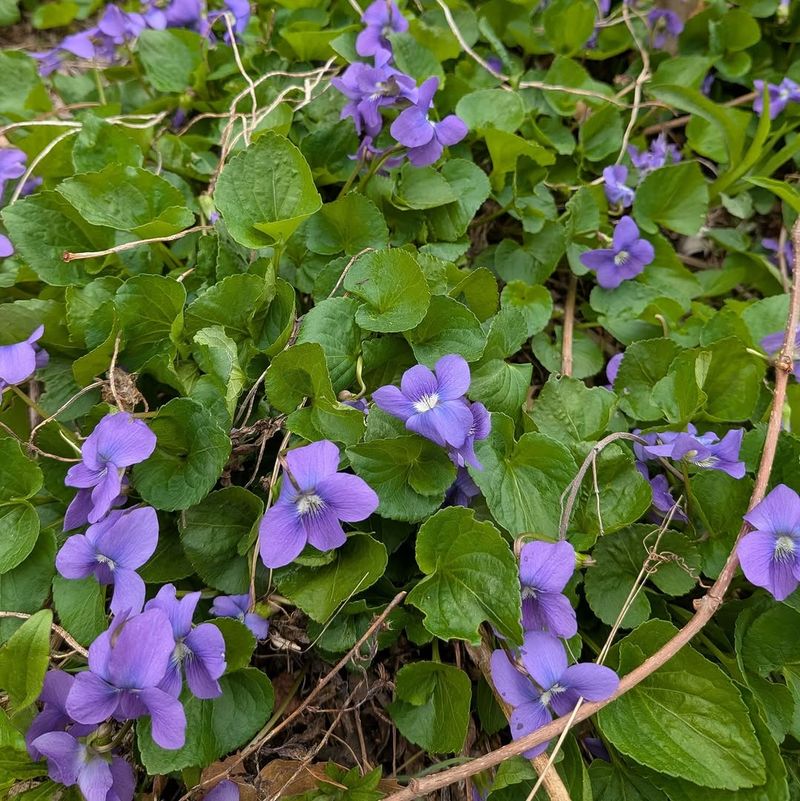
Shifting how you think about a plant changes what you do with it. Common blue violet does not have to be either a lawn problem to eliminate or a plant to celebrate without limits.
A more useful frame is to treat it as a low-growing native groundcover that works in certain spots and needs management in others.
In shaded, moist, or low-traffic areas, it can serve a real function. It covers bare ground, supports wildlife, and blooms in spring without any input from the homeowner.
In formal turf areas where appearance matters, managing or removing it is a reasonable choice. Knowing the difference between those two situations helps avoid both extremes.
If you do want to reduce violets in a particular lawn area, start by identifying the plant correctly and then consider whether a small patch can simply be tolerated. If removal is necessary, hand-pulling young plants before they set seed can reduce spread over time.
Any herbicide use should follow product label directions carefully and target only the intended area. It should also be weighed against whether the plant is actually causing a problem worth treating.
Common blue violet has been growing in this region for a very long time. Learning to work with it in the right spots is often easier than trying to remove it from every corner of the yard.