How To Keep Zinnias Blooming Longer Through Georgia Summer Heat
Zinnias are one of those flowers that make a Georgia summer garden look like it’s showing off, and honestly they’ve earned that reputation.
Bold color, butterfly traffic, and a bloom season that can stretch deep into fall make them one of the most satisfying things you can plant in a sunny bed.
But Georgia summers have a way of testing even the toughest flowers, and zinnias are not completely immune to the heat, humidity, and disease pressure that shows up right alongside the best growing conditions.
The gardeners who keep zinnias looking fresh and productive all summer aren’t doing anything complicated.
They’re removing faded blooms consistently, cutting flowers often, giving plants room to breathe, watering at the base, and catching powdery mildew early before it gets a foothold. Simple habits that add up to a genuinely impressive summer display.
1. Deadhead Faded Flowers Regularly
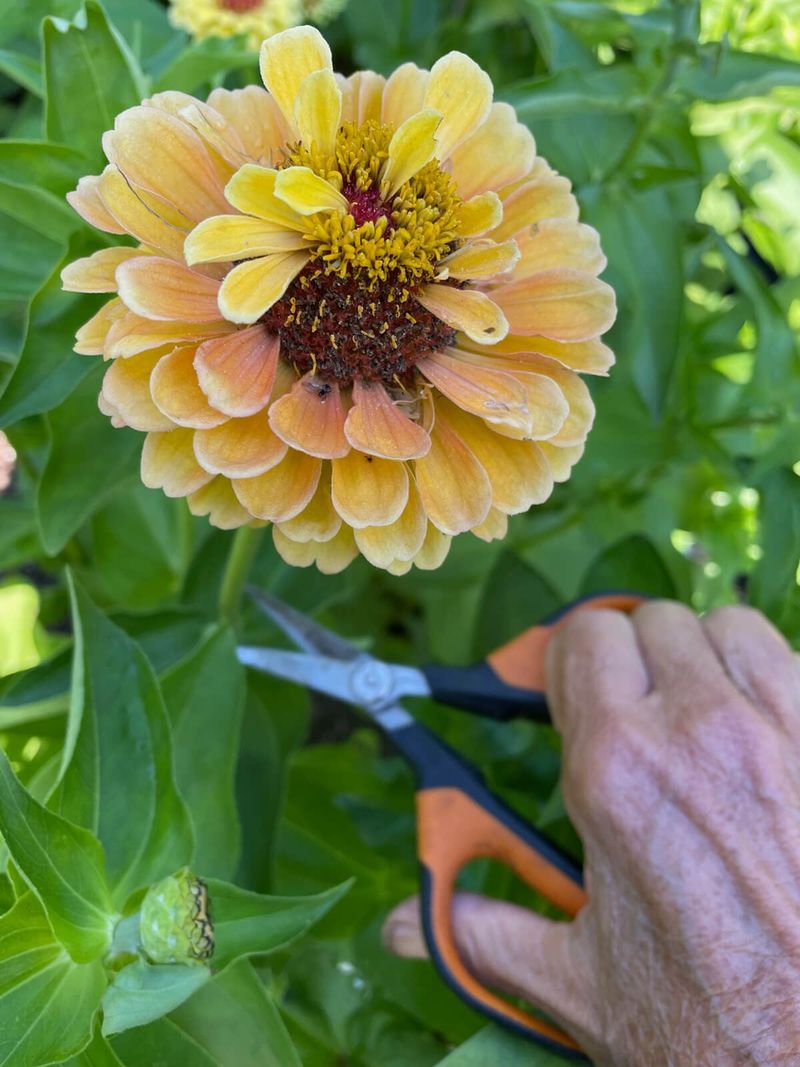
A faded flowerhead left on the stem is a signal to the plant that its job is nearly done. When zinnias are allowed to set seed, the plant shifts its energy away from producing new blooms and toward completing that seed cycle.
Removing spent flowers before seeds develop keeps the plant focused on flowering instead.
In Georgia’s long summer season, this simple habit can make a noticeable difference. Walk through your flower bed every few days and look for blooms that have lost their color, feel papery, or have begun to dry out at the center.
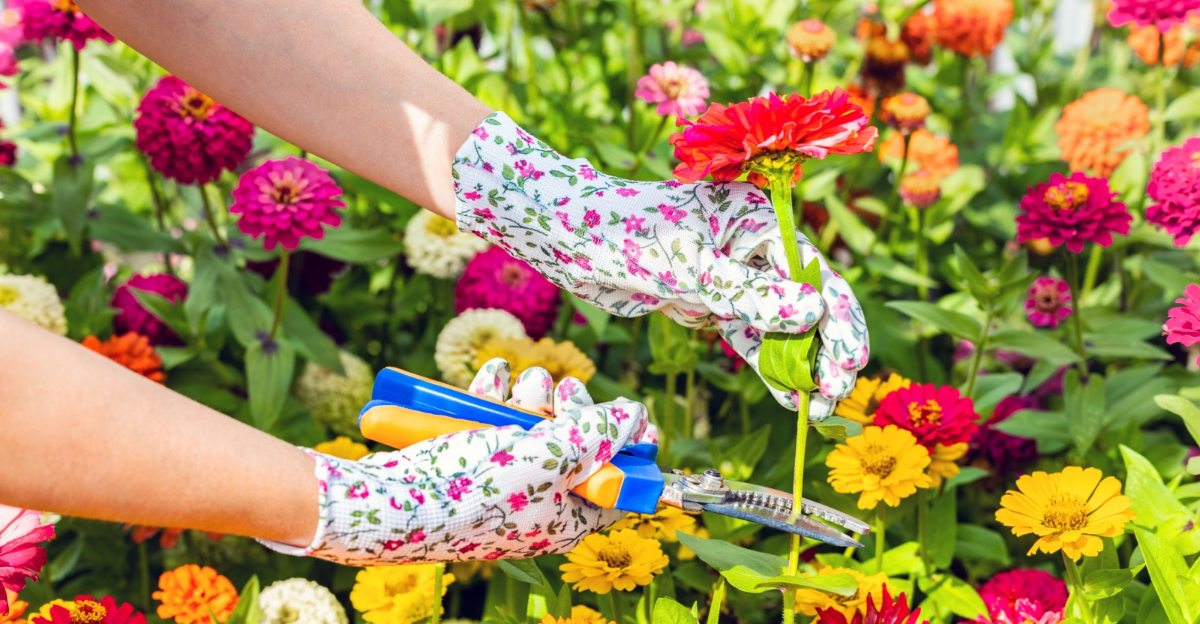
Pinch or snip those flowerheads off just above a set of healthy leaves. You do not need special tools for small stems, though clean scissors or pruning snips work well for thicker ones.
Deadheading works best when done consistently rather than all at once after a long gap. If you let several flowerheads mature fully before removing them, the plant has already invested energy in seed production.
Catching them early keeps that energy available for fresh growth. Younger zinnia plants tend to respond more visibly to regular deadheading than older plants late in the season.
Even in the middle of Georgia’s hottest weeks, a plant with no spent blooms has a better chance of pushing out new flower buds. Combine deadheading with good watering and airflow, and your zinnias will look far more productive through the heat.
2. Cut Flowers Often For Bouquets
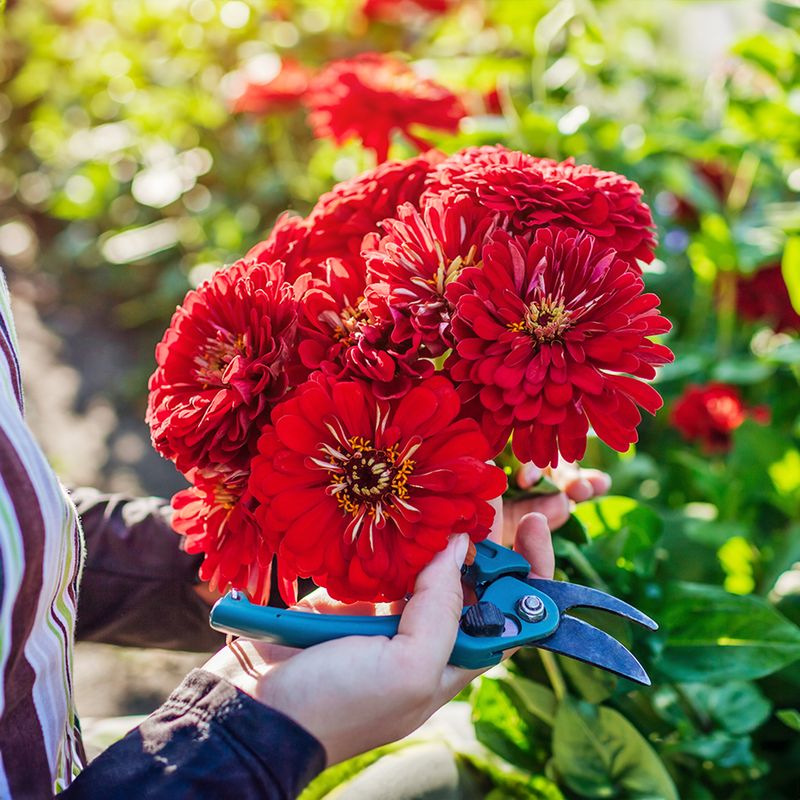
Fresh zinnia bouquets on the kitchen table are one of the small joys of a Georgia summer garden, and cutting them regularly is actually one of the best things you can do for the plant.
When you cut a zinnia stem for a vase, you are removing the bloom before it fades and before seed production begins, which encourages the plant to send up new stems with fresh buds.
Cut zinnia stems in the morning when the flowers are most hydrated and the Georgia heat has not yet peaked. Use clean, sharp scissors or garden snips and cut the stem back to just above a leaf node or a side shoot.
Your Georgia Garden Changes Every Week. Your Plan Should Too.
Gardening in Georgia changes quickly throughout the season. Every Friday you’ll receive a simple weekly plan showing exactly what to plant, prune, fertilize, harvest, and protect so you never miss the right timing.
Longer cuts that reach down into the main stem tend to encourage more branching, which means more flowering stems over time.
Zinnias grown specifically for cutting do well in raised beds, dedicated cutting rows, or any sunny spot with good drainage. The more you cut, the more the plant branches and the more blooms it produces over the season.
Plants that are left to bloom and fade without cutting tend to slow down more quickly in midsummer.
For the longest vase life, place cut stems in cool water right away and recut the ends after an hour. Remove any leaves that would sit below the waterline.
A fresh zinnia bouquet can last five to seven days with simple care, and your garden plant keeps rewarding you with new color.
3. Give Zinnias Full Sun
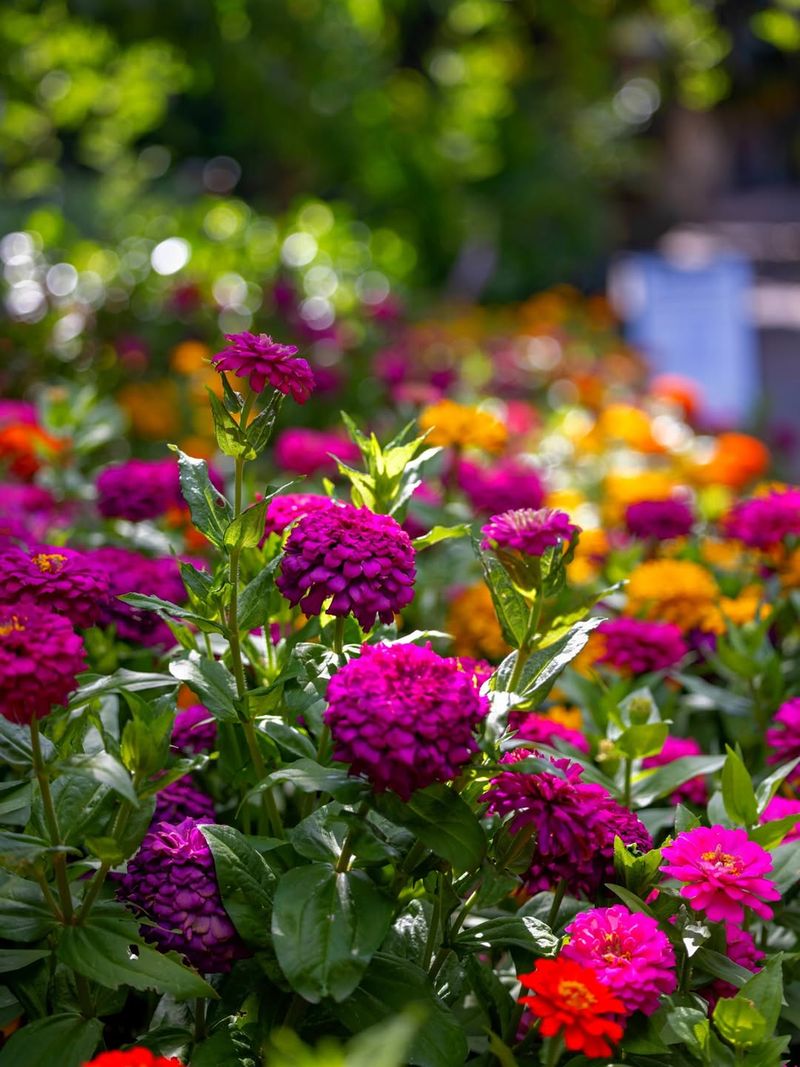
Bright, open flower beds are where zinnias truly thrive. These are sun-loving annuals that need at least six to eight hours of direct sunlight each day to bloom well and stay healthy.
In Georgia, that kind of sun is easy to find from late spring through early fall, which is one reason zinnias are such a natural fit for the state’s long growing season.
Plants growing in partial shade tend to produce fewer flowers, stretch toward the light with longer and weaker stems, and show more vulnerability to disease.
Shaded conditions also slow the drying of leaves and soil after rain or watering, which adds to disease pressure in Georgia’s humid summer air.
Full sun helps foliage dry faster and keeps the plant in a healthier growing rhythm.
When choosing a spot for zinnias, look for a location that receives unobstructed morning and afternoon sun. Avoid planting directly beside tall shrubs, fences, or structures that cast afternoon shade during peak summer hours.
South-facing and west-facing beds in Georgia often receive the most consistent sun exposure through the warmest months.
Container-grown zinnias should be placed on sunny patios, walkways, or near pool areas where they get full light most of the day. If a container plant starts producing fewer blooms or stretching, moving it to a sunnier spot can help.
Zinnias grown in the right light conditions simply perform better and stay more productive through the heat.
4. Space Plants For Better Airflow
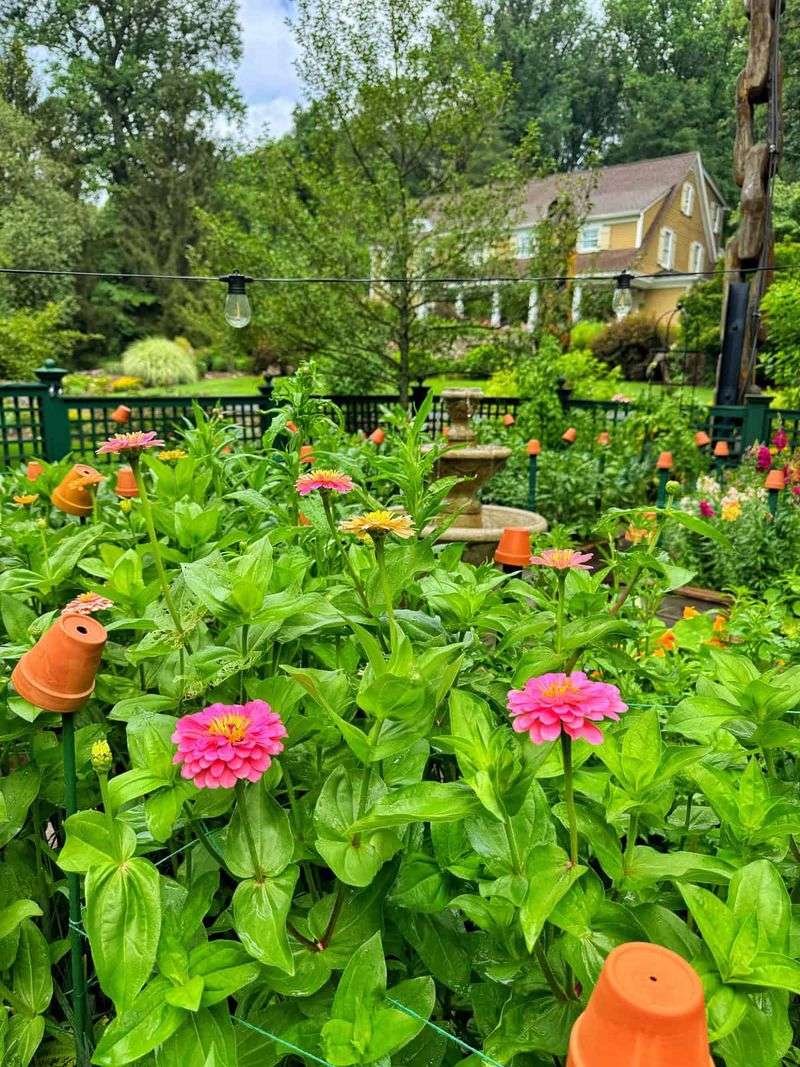
Crowded stems and overlapping leaves create the kind of still, damp environment that fungi love. In Georgia’s humid summers, planting zinnias too close together is one of the most common reasons gardeners start seeing leaf problems midseason.
Good spacing is not just about giving plants room to grow. It is about keeping air moving around the foliage so moisture does not linger after rain or irrigation.
Most zinnia varieties do well when spaced about twelve inches apart for smaller types and up to eighteen inches for larger varieties. Wider spacing reduces the amount of time leaves stay wet after rain, morning dew, or overhead watering.
That faster drying time lowers the chance of fungal diseases taking hold during Georgia’s most humid stretches.
When starting seeds directly in the ground, thin seedlings to the recommended spacing once they reach a few inches tall.
It can feel counterintuitive to remove healthy seedlings, but the remaining plants will grow stronger and bloom more productively with room to spread.
Transplants from a nursery should also be set at proper spacing from the start rather than squeezed in to fill a bed faster.
In raised beds and container plantings, follow the same spacing guidelines. Even in a large pot, two or three zinnia plants crowded together will struggle more than a single well-grown plant with room for its roots and leaves to expand.
Good airflow from the start pays off across the whole summer season in Georgia gardens.
5. Water At The Base Of The Plant
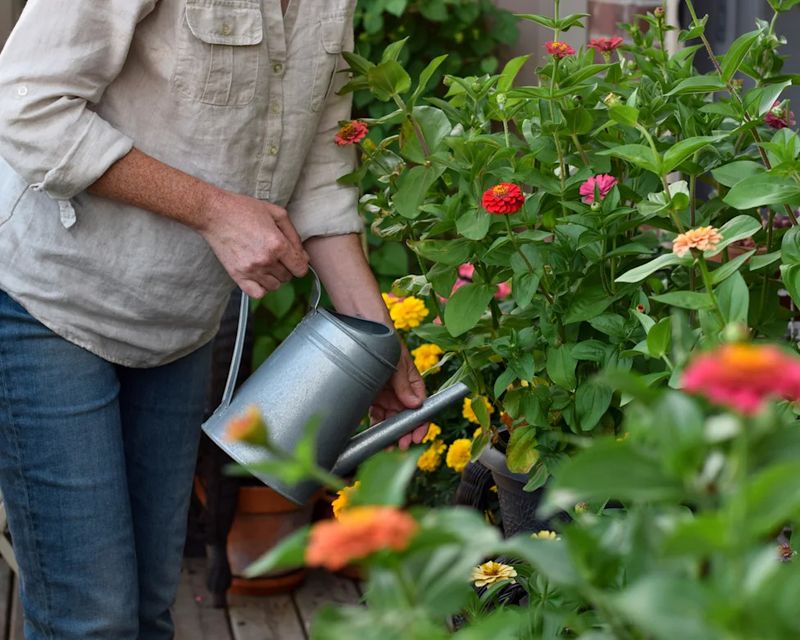
Damp lower leaves and wet foliage are an open invitation for fungal trouble, and in Georgia’s warm, humid summers, that trouble can move fast. One of the simplest ways to protect zinnia plants is to water at the base rather than overhead.
Keeping water off the leaves reduces the conditions that powdery mildew and other common fungal issues need to spread.
Overhead watering from sprinklers or hoses held above the plant soaks the leaves, stems, and flower heads. In cooler climates, that moisture might dry quickly enough not to cause problems.
In Georgia, where summer nights stay warm and humid air is common, wet foliage can stay damp for hours. That extended moisture on the leaves creates conditions that favor disease development over time.
Soaker hoses and drip irrigation systems are two of the most practical tools for keeping zinnia foliage dry while delivering consistent moisture to the root zone. Both options work well in raised beds, in-ground flower borders, and along walkway plantings.
If you water by hand, direct the flow low and slow toward the base of each plant and avoid letting water splash up onto the leaves.
Watering in the morning is a good habit when possible. Any moisture that does reach the foliage has the full day’s warmth to evaporate before temperatures drop at night.
In Georgia’s midsummer heat, morning watering also gives roots access to moisture before the hottest part of the day draws it away from the soil surface.
6. Water When The Top Soil Starts To Dry
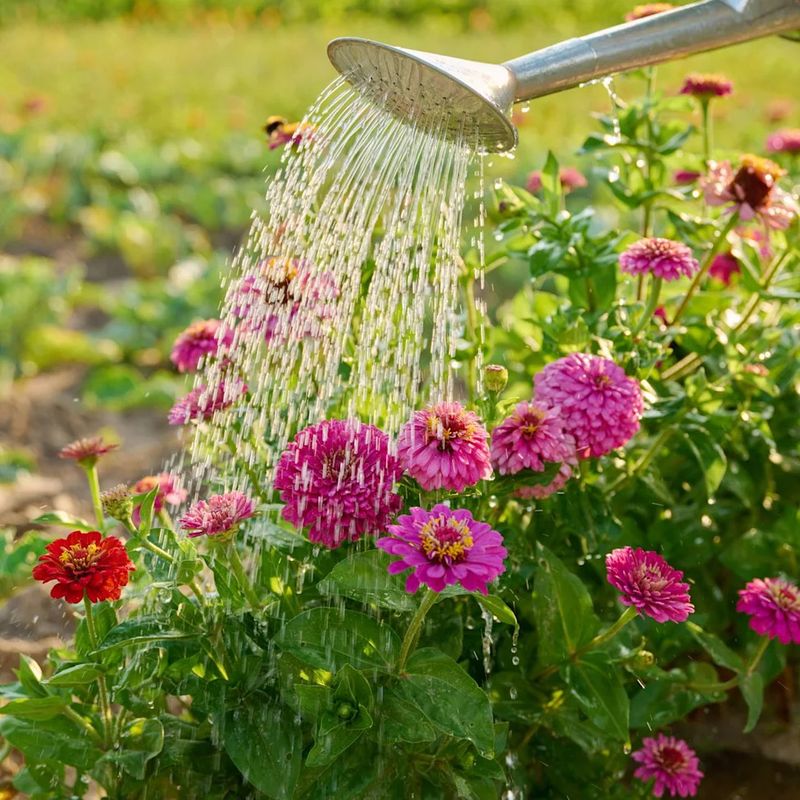
Knowing when to water is just as important as knowing how to water. Zinnias prefer soil that is moist but not soggy, and they are more tolerant of short dry spells than of sitting in constantly wet ground.
Overwatering can stress roots and lead to wilting that looks similar to drought stress, which can confuse even experienced gardeners.
A straightforward way to check soil moisture is to press a finger about an inch into the soil near the base of the plant. If the top inch feels dry, it is a good time to water.
If it still feels cool and slightly moist, wait another day and check again. This approach works better than watering on a fixed schedule because Georgia’s summer weather changes from week to week.
A rainy stretch may mean you skip several watering sessions, while a dry heat wave may call for more frequent attention.
During Georgia’s hottest and driest stretches, zinnias in sandy or fast-draining soils may need water every two to three days. Plants in heavier clay soils or those with a good layer of mulch may hold moisture longer.
Container-grown zinnias dry out faster than in-ground plants and may need daily checking during peak summer heat.
Consistent but moderate watering keeps zinnias more productive than irregular soaking followed by long dry gaps.
Steady soil moisture supports steady bloom production, and that steady rhythm is what helps zinnias keep flowering well through Georgia’s demanding summer months.
7. Use Mulch To Hold Moisture And Suppress Weeds
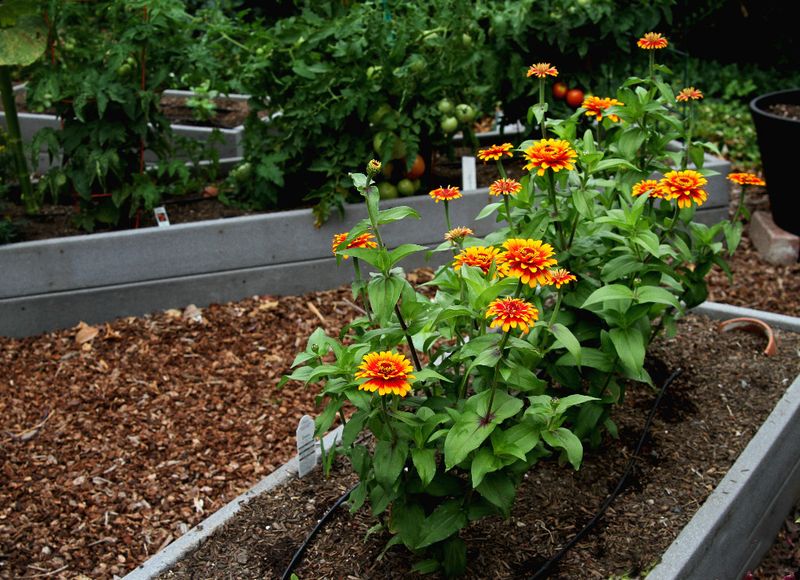
Thin or bare soil around zinnia plants loses moisture quickly under Georgia’s summer sun, and that rapid drying forces roots to compete with weeds for whatever water is available.
A two to three inch layer of mulch around the base of zinnia plants makes a real difference in how well they handle summer heat and dry spells between rain events.
Mulch acts as a buffer between the hot air and the soil surface, slowing evaporation and keeping the root zone cooler and more consistently moist. In Georgia, pine straw is one of the most widely available and commonly used mulch options.
It breaks down slowly, stays in place reasonably well, and gives flower beds a tidy, finished appearance. Shredded bark and wood chip mulch also work well for zinnia beds and borders.
Beyond moisture retention, mulch reduces the number of weeds that germinate around your plants. Fewer weeds mean less competition for water and nutrients, and less time spent pulling them during the hottest weeks of summer.
Weeds also add to crowding, which can reduce airflow around zinnia stems and leaves.
When applying mulch, keep it a few inches away from the main stem of each plant. Mulch piled directly against the stem can trap moisture against the base and create conditions that encourage rot or disease at the crown.
Spread it outward from the stem and keep the layer even across the bed. Refreshing mulch midseason helps maintain its effectiveness through the rest of Georgia’s summer.
8. Watch Early For Powdery Mildew
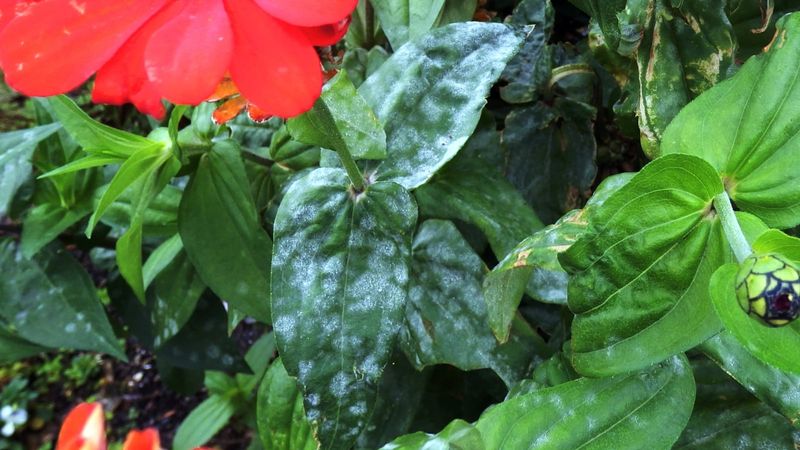
White powdery spots on the upper surface of zinnia leaves are one of the most recognizable signs of powdery mildew, and in Georgia’s warm, humid summers, this fungal disease can move through a flower bed faster than most gardeners expect.
Catching it early gives you the best opportunity to slow its spread before it affects the whole planting.
Powdery mildew on zinnias tends to appear more often in midsummer and late summer when nights stay warm and humid air settles around plants with limited airflow. It often starts on older leaves near the base of the plant and moves upward.
Leaves that are heavily affected may turn yellow, dry out, or drop, which reduces the plant’s ability to support new flower production.
Removing affected leaves as soon as you notice the white coating can help reduce the spread to other parts of the plant and to neighboring plants.
Dispose of removed leaves rather than composting them, since the fungal spores can survive in compost and cause problems later.
Improving airflow through proper spacing and avoiding overhead watering are two of the most effective preventive habits for reducing mildew pressure in Georgia gardens.
Some zinnia varieties show more resistance to powdery mildew than others. If mildew has been a recurring problem in your garden, look for resistant varieties when selecting seeds or transplants the following season.
Planting resistant types alongside good cultural habits gives zinnias a stronger foundation for blooming through Georgia’s long and humid summer season.